
Part 1: Analysis of Context
1. What do we know about our learners?
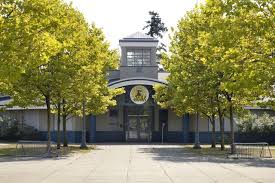
 Our learners are diverse in their strengths and learning styles. Sunrise Ridge Elementary is a K-7 school in Cloverdale, the East Zone of Surrey School District. Sunrise Ridge also offers late French Immersion to students in grades 6 and 7.
Our school community consists of just over 300 students, 13 Divisions with 17 classroom teachers, 2 Learning Support Teachers, a Music Teacher, a Teacher Librarian and an Intermediate French Teacher. Students receive additional learning support from our 5 Educational Assistants, School Counsellor, Speech Pathologist, Child Care Worker, Integration Support Teacher, and School Psychologist.
Our School Base Team meets weekly to discuss student learning with classroom teachers. Together decisions are made to best meet the needs of our learners. Our teachers and school specialists work closely with parents, district staff and community agencies to support our learners in a variety of ways.
We know that our students, although diverse in strengths, interests, socio economic backgrounds, are creative and enthusiastic to learn. 
Our learners are knowledgeable in technology. Over the past 5 years, together with our Parent Advisory Committee (PAC), we have worked hard to make Sunrise Ridge a school well equipped with technology for teaching and student learning. All classrooms are now equipped with a minimum of six iPads, a teacher’s laptop, a projector, apple tv and document iPad stand.
Our students are eager to use technology in all capacities. Many of our upper intermediate students bring their own devices to school.
In 2016/17 school year we have updated our laptops, re-evaluated and updated our learning apps focusing on the purchase of creative apps that align with the curriculum. With funding from our PAC, the district, and school funds, we added 20 mini-iPads and 20 iPads to our technology inventory in the 2016/17 school year.
Our students are social, peer orientated, and share a love of hands-on learning. Recognizing and valuing the importance of experiential learning (constructivist theory), our teachers plan a wide variety of learning opportunities both in and out of the classroom. All classes participate in numerous field-trips throughout the year. With PAC support, costs to families are minimized. Our parent volunteers, from all grades, help to drive students and supervise students.
Throughout the year, our students have numerous opportunities to build connections with other students across all grade levels. Opportunities and events such as: buddy classes, intermediate leadership teams (e.g. peer mentors, lunch monitors, play pack, buddy bench), school sports teams. In 2017 staff introduced “Kids Connections – Tuesday clubs”. Every Tuesday afternoon, for one hour, students participate in a club of their choice sharing a common interest with other students grades K-7.
Our students are often emotionally charged. They have embraced the ‘Zones of Regulation’ and like to talk about and reflect upon their emotions. For the past 4 years our school’s growth plan has focused on social emotional learning (SEL) for our students. Students have been taught the importance of identifying their own emotions and appropriate strategies to self-regulate. Teachers continue to teach and model the Zones of Regulation and the WITS strategy with their students (Walk away, Ignore, Talk it out, Seek help). These strategies have made an impact on empowering our students. We frequently observe our students take initiative to identify their emotions (blue, red, green or yellow zone). When facing a negative situation, the WITS strategies provide students with the skills to take immediate action and reminder to seek help.
Our students feel cared for. Sunrise Ridge is a warm and caring community. Not only do our staff and parents work together to build a safe place for children, teachers observe caring and compassion among our students from peer to peer and older to younger. Our PAC and parent volunteers contribute weekly to building a positive school environment for our students. Through organizing events such as the Halloween Dance, September Welcome BBQ, Sunrise Pumpkin Patch, June Splash, Terry Fox Run, fundraisers, hot lunches, popcorn day, treat days, volunteering in the classroom, on field-trips, and much more!
Our students are enthusiastic about inquiry learning and are engaged when building, creating and problem solving. Throughout the past 4 years the staff at Sunrise Ridge has focused on Social and Emotional Learning (SEL). While teachers will continue to teach and support students skills with self-regulation and social emotional learning, we see the connection of SEL to student self- reflection and assessment of their own learning, referred to as “Self-Regulated Learning” (SRL). Helping learners to acknowledge their strengths, challenges, and passions, growing aware of their whole selves.

Moving forward, we are looking at ways to teach our students how to take ownership of their learning through formative assessment, self-reflection, decision making, inquiry and goal setting. We are examining areas of inquiry that are linked to the curriculum and our district’s plan. We hope for our students to be actively engaged in their learning and recognize their value as life-long learners.
We recognize, and value, the skills and attitudes of critical and creative thinking, of problem solving, and mutual respect for all. Our expectation at Sunrise Ridge is to respectfully treat others, the environment, and materials, as you would want to be treated yourself, with respect.
2. What evidence supports what we know about our learners?
 Our school goal, for the past four years, has focused on Social Emotional Learning (SEL). As a result, we currently observe student learning, and skills, in the following ways:
• Zones of Regulation – Students understand and can identify their emotion with the common language, blue, green, yellow, and red zones. Our students know that learning happens in the green zone. They also identify when they are in the yellow or red zone and the appropriate strategies they can use.
• Teachers use frequent ‘check ins’ and daily practice with students to ask what zone the students are in.
• Students are able to quickly identify how they are feeling, not only when asked, but also on their own initiative.
• Students are able to self-identify when they are upset (in the yellow or red zone) and will initiate a break to either remove themselves, take a moment, or other planned strategy.
As we focus our school learning now on Self-Regulated Learning (SRL), we have identified successful practices to continue to build upon:
• Student-Led Conferences have occurred annually the past 5 years.
• Leadership Teams have moved beyond grade 7s only to include intermediate students grades 5-7. Leadership Teams are voluntary and, based on interests, students may choose from a number of leadership opportunities within the school. This change was introduced in September 2017 with over 80 intermediate students volunteering for a variety of Leadership teams.
• Students assist in the planning of the assemblies and volunteer to lead school wide events.
• During assemblies there is noted improvement in student behavior and audience attention with respect when a student(s) is speaking or performing.
• Students are asked to share ideas and opinions when staff are planning school events, assemblies, and new initiatives. New initiatives/events from student suggestions include: Sunrise Ridge Ambassadors, the Playtime Mentors, talent show opportunities, and a school-wide Christmas sing-a-long.
Through a variety of ways, teachers provide classroom opportunities for ongoing student choice and decision making:
•Class meetings and ‘check ins’
•Digital Portfolio
•Makers Fair
•Genius Hour
•STEM challenges
• Daily 5
•Students using devices throughout the day for research, recording, selecting and uploading work to their digital portfolios, creating with apps such as, but not limited to, Book Creator, iMovie, Explain Everything.

Photo: Primary and Intermediate students re-create a community (Makers Faire 2017)
Part 2: Focus and Planning
3. What focus emerges as a question to pursue?
As we continue to focus and improve upon communicating student learning with our use of digital portfolios (FreshGrade) and as we recognize the importance of student ownership of their learning, the importance of ‘student voice’ in communicating learning and the value of Self-Regulated Learning (SRL), we have identified several questions:
What are the components of meaningful communication of learning (FreshGrade) for students and parents?
How does providing descriptive feedback through parent/student/teacher reflections & comments impact student learning?
We know learners bring to school their individual experiences, perceptions, strengths/challenges, ideas, knowledge and beliefs. We also recognize the importance of helping students to recognize and reflect upon their strengths, passions and their learning needs.
In what ways, can we bring to and develop students’ unique experiences and interests to their learning at school?
How do we ensure our students have a clear understanding of their learning? How will the inclusion of student voice in assessment and evaluation, impact student learning?
In what ways, can we increase student ownership of their learning through decision making and choice? Will increased decision making impact student ownership of their learning?
How can we help students to take more control over all aspects of learning, to feel that their voice matters and their reflections are vital to their personalized learning? (Self-Regulated Learning – SRL)

Photo: Students explaining what they’ve created (cardboard challenge 2017)
4. What professional learning do we need?
Our plan is to continue to meet as a staff and share our learning and best practices. We plan to meet once a month (Lunch and Learn), to examine and share practices in communicating student learning (FreshGrade), and to share ways to teach students how to self-reflect on their learning.
We will continue to encourage our parents and students to take an active role in using FreshGrade. A parent FreshGrade support session, parent feedback survey, teachers initiating parent meetings and making calls to ensure parents have a clear understanding of their child’s progress.
Our current after school teacher discussion/collaboration sessions, led by our district helping teacher, will continue and will expand to include teachers from our neighbouring schools (Martha Currie, Cloverdale traditional and Latimer Road). Four sessions have been designed for teachers from our community of schools with a focus on assessment.
Teacher teams and grade group teacher representatives will attend district in-service and after school workshops on both SEL and SRL.
Internal coverage will be planned for our teachers to collaborate, mentor one another, and to visit other classes observing classes where teachers have focused on self-regulated learning (SRL).
In January, teachers will read to discuss current, professional resources of their choice (a professional book study). Making Thinking Visible and/or Creating a Culture of Thinking are two resources our teachers are considering.
Teachers plan to participate in a Science Tech-book learning cohort to support diverse learning needs for our students.
Our LFIMM teachers will also be participating in French workshops offered by the district.
5. What is our plan?
Our plan is to provide increased opportunity for students to be decision makers in all areas: school level, classroom, and most specifically in their personal learning choices.
Our focus will be to increase opportunities for “student voice” in their digital portfolios. To teach our students to how to reflect upon and assess their learning and support and provide feedback to the work of their peers.
Our plan is to continue to implement and reference the Zones of Regulation. We believe there is a correlation between students’ awareness of their social and emotional needs and their ability to reflect, assess and evaluate their own learning.
We will continue to arrange times for teachers to meet, collaborate, question, reflect and share best practices.
Lunch meetings include: “Lunch and Learn”, Fresh Grade Café, Professional book study
After school meetings include: Collaborative Professional Development – with neighbouring schools, district workshops
At staff meeting: time allotted each staff meeting for discussion and current practices
