William Watson Elementary

OUR CONTEXT
William Watson Elementary

What does it mean to be a William Watson Warrior?

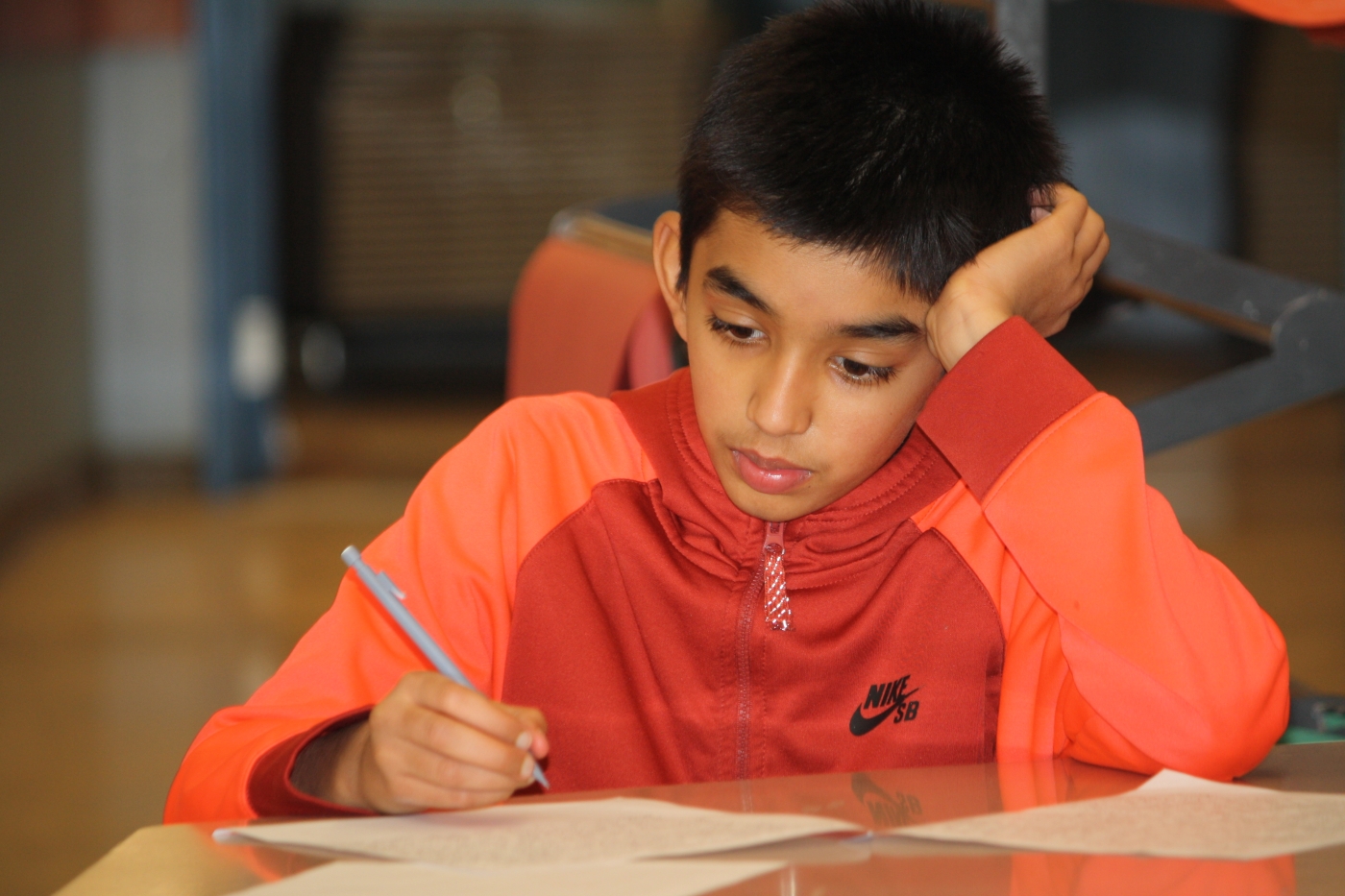
Academics

Fine Arts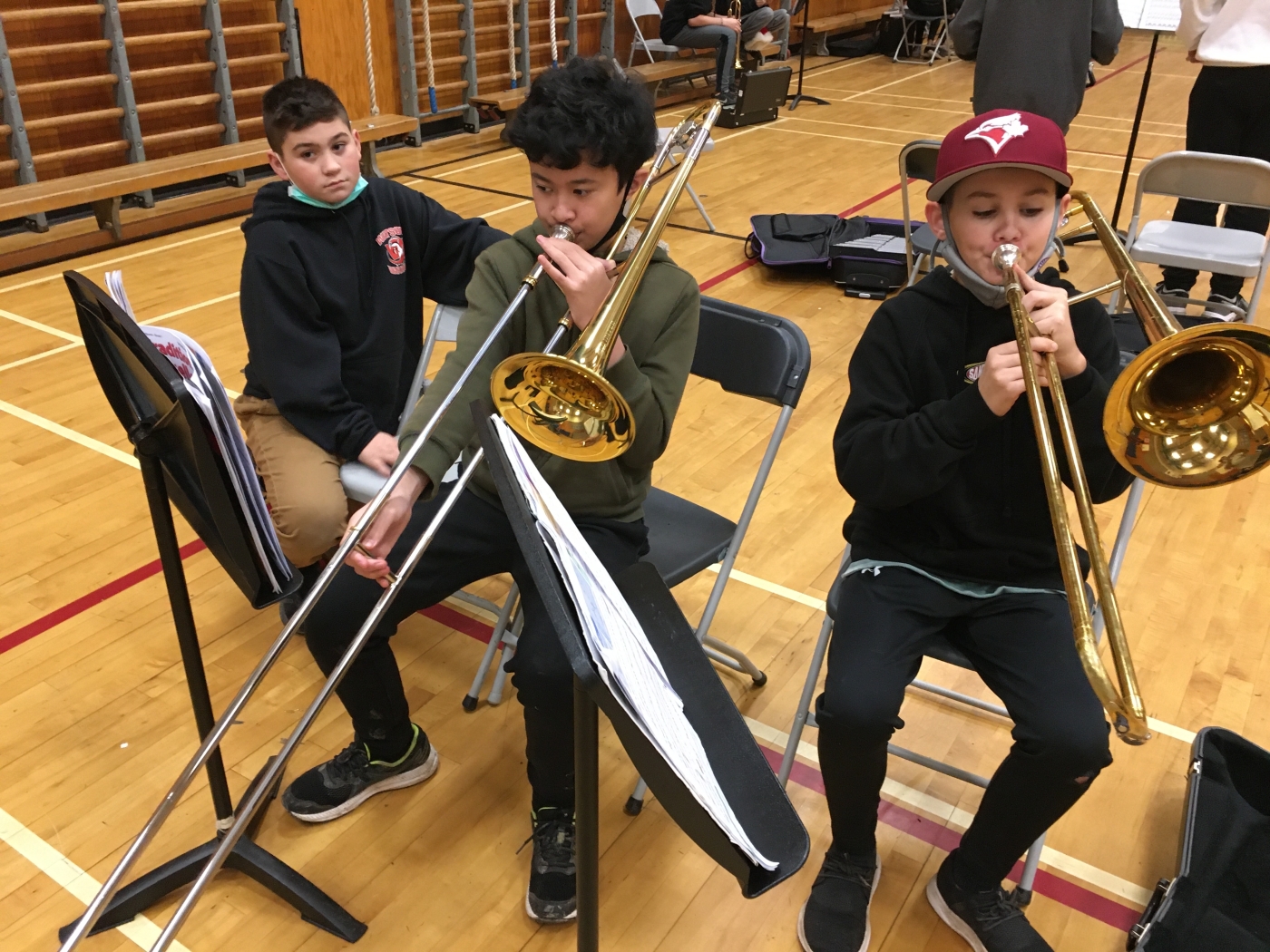
 Athletics


Social Emotional Learning

OUR LEARNERS
Literacy is a fundamental life skill. It is the ability to read, write, speak and think in a way that lets us communicate effectively and make sense of the world. Communication – a core competency embedded across all areas of learning in BC’s curriculum – is central to supporting our learners develop their literacy skills as they collaborate, problem solve, share ideas, exchange information, and express their individuality. Evidence of our learners many gifts, attributes, and competencies are highlighted below.
Our learners understand that learning also requires exploration of one’s identity. They can communicate pride in who they are and what they can do through images and written language and through reading authentic indigenous stories, our learners explore First Peoples’ knowledge. Books present opportunities for readers to tackle complex ideas and realities, experience affirmation of facets of their identity, and identity, and develop a compassionate understanding of issues of significance in the world around them.
Our learners can make sense of what they read by inferring, questioning, and using strategies to deepen their understanding and communicate their thinking. They make their thinking visible by using many different strategies.
Our learners understand that learning takes patience and time. They can set goals, monitor their progress, and express next steps to further their learning.
 Students regularly monitor their progress and communicate it in forms that are effective and appropriate for their audience and purpose.
Overall, our learners are demonstrating proficiency in their reading and writing. Classroom assessments demonstrate that many of our learners understand what they read, support their thinking, make connections, organize their thoughts, and express their ideas using clear and simple language.
Summative assessments verify that our learners are making gains in reading with comprehension and writing. The evidence of our students’ learning clearly demonstrates they are strengthening their ability to read with comprehension and clearly communicating their ideas in writing.
OUR FOCUS
Each and every day, our learners are presented with opportunities to focus on thinking, reading, writing, and communicating in all curricular areas to allow our learners to build strong literacy foundations that are fundamental for students’ participation in today’s world.
Our students’ learning goals include:
-Understanding, interpreting and reading strategically with comprehension
-Communicating their understandings and learning through writing with clarity
Our learners across all grades experience learning opportunities aimed at increasing the literacy success rates of our learners. To highlight and determine overall successes and gaps, we monitored the progress of two cohorts for each goal area.
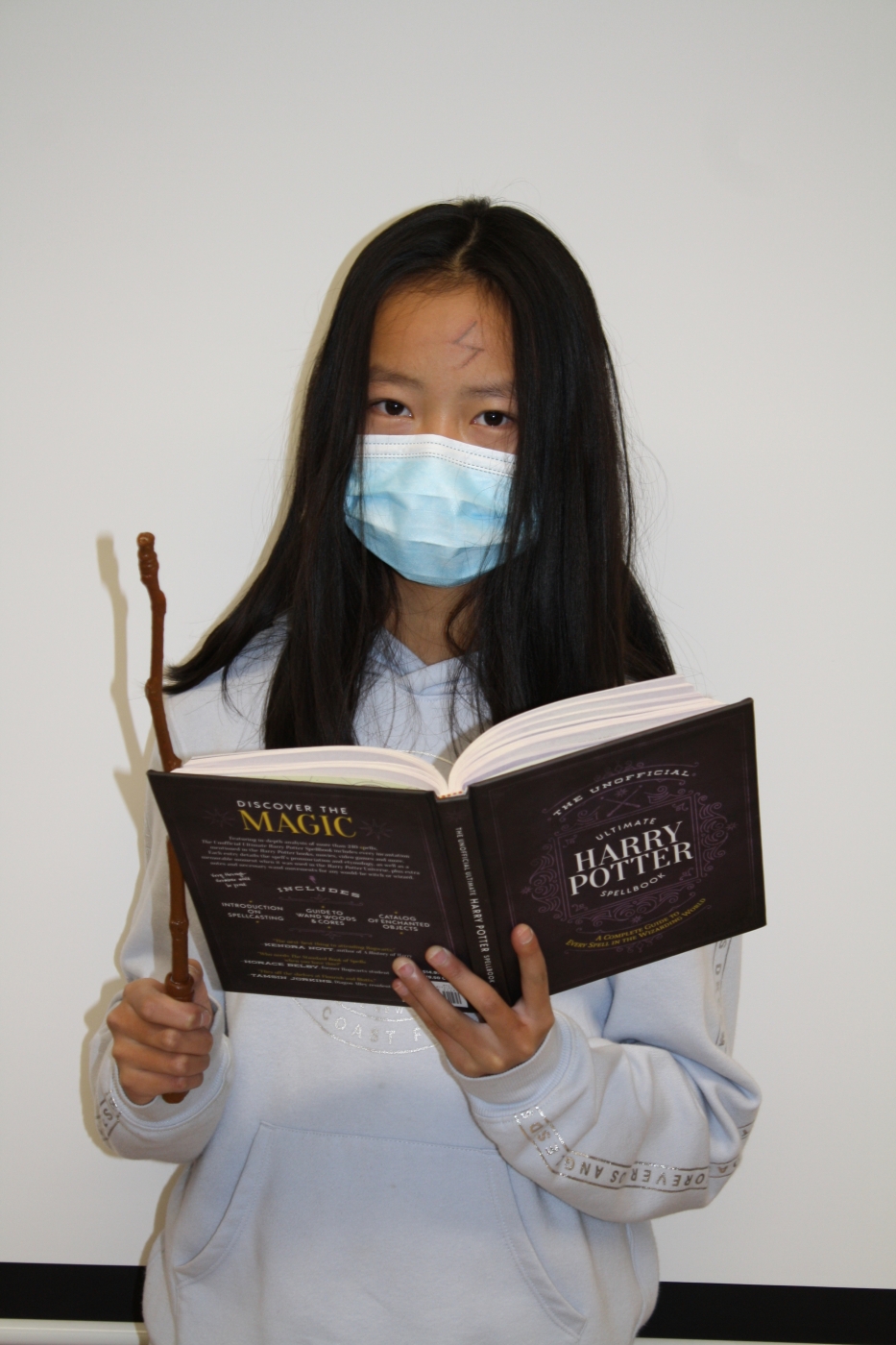
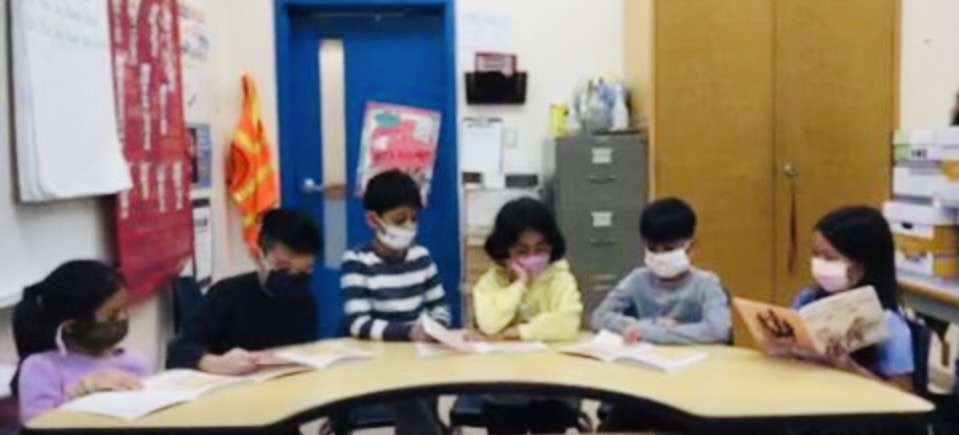
In all areas of learning, students read. They read about art, music, sports, culture, history, geography, and life sciences. Reading connects them to the world and introduces them to new learning. Reading allows for a deeper understanding of the world. Through examining texts, letters and words the act of reading is a significant part of development in making sense of the world, fitting in to the world and making social and emotional connections to the world. Reading both fiction and non-fiction is an important part of this process.
Our learners wrote and engaged in communication practices that are specific to different areas of learning. Students wrote short personal impromptu expositions, poems, plays, non-fiction essays, narratives, responses to their learning and understanding, reflections, and self assessments. They documents observations and findings.
OUR NEXT STEPS
Evidence of our students’ learning demonstrates that our literacy focus is positively impacting our learners. Teachers reported that students demonstrated growth in relation to our literacy goals using PM Benchmark, Fountas and Pinnel, and the BC Provincial Proficiency Scale,
-Reading strategically with comprehension
-Writing and Communicating with clarity
Reading strategically with comprehension
To help them make sense of what they read, our learners ask open-ended questions, describe their thinking, and develop conclusions using a variety of reading strategies. Students continued to make gains in this area.
92% of students are now proficient in their ability to comprehend text and use strategies to help them build deeper levels of understanding – compared to 62% who demonstrated proficiency earlier in the year.
An early primary teacher reflected on one particular student, "This student came into the class with a good idea of books. She took a little while to warm up to the idea of independent reading and as her reading strategies developed she started to love reading. I want the children to love reading; it opens up the world to them. When a student starts to ask for more difficult books I know they feel proud of their accomplishments, and most importantly, I know they are developing a love of books."
Moving forward with Reading for Comprehension
Based on evidence of students’ progress in relation to our learning goals, our next steps will include:
-continuing to increase opportunities for students to regularly use reading strategies and thinking routines that guide their thought processes and support them in developing deeper understandings of text (print, visual, and digital)
-continuing to implement reading strategies to allow learners to become well rounded readers.
Communicating their understandings and learning through writing with clarity
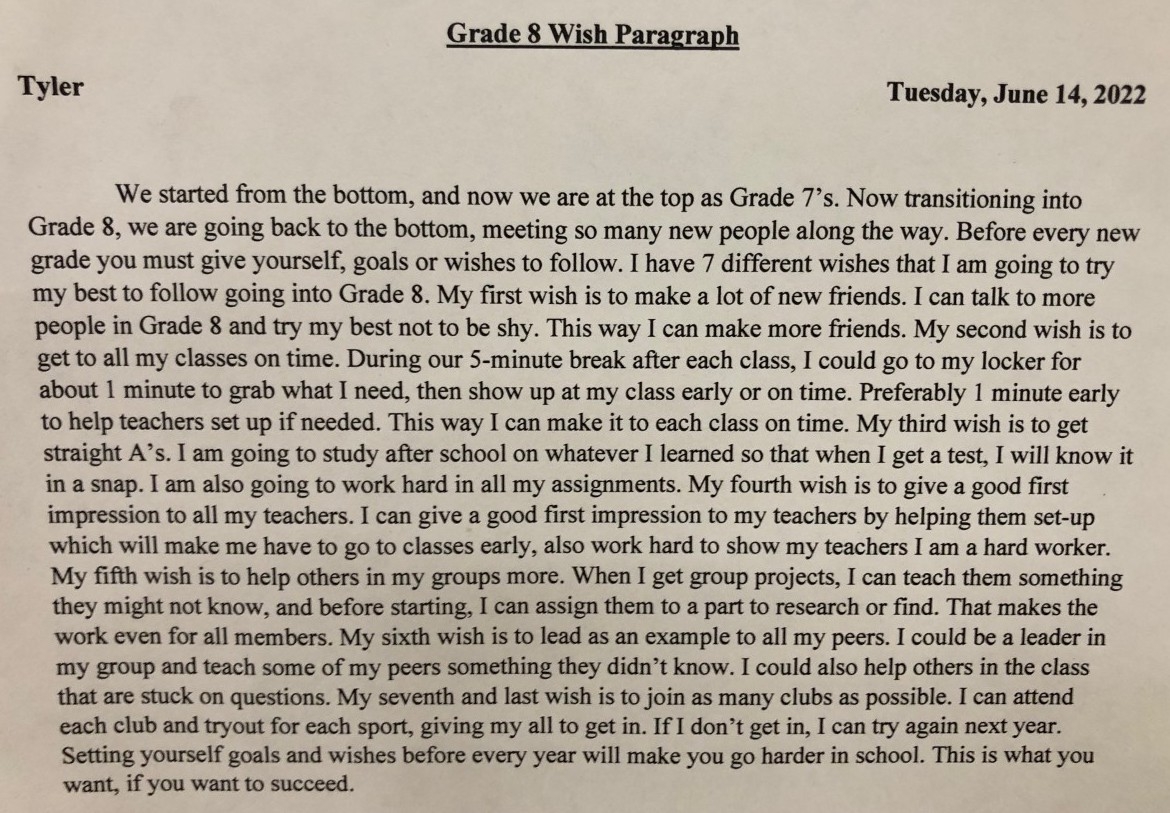
To help learners communicate their understandings and learning through writing with clarity it is expected that learners will write clear focused personal writing for a range of purposes and audience that demonstrates connections to personal experiences, ideas and opinions. Students continued to make gains in this area.
63% of students are now proficient in their ability to organize their thoughts prior to writing, use connecting words in their text, provide a clear beginning middle and end to their personal writing - compared to 42% who demonstrated proficiency earlier in the year.
An intermediate teacher commented that, "Writing is important and impacts opportunities later in life with writing grants, applications, reports.... Our students need to learn that writing can and should be fun. Language, both oral and written provides opportunities to play with words and develop vocabulary. Writing allows students to express their critical and creative thinking. When teachers work from a strength based focus through conferencing with students about their writing students are able to be more reflective about their own writing and this develops a love of writing as students see their own strengths within their writing."
Moving forward with Communicating their understandings and learning through writing with clarity
Based on evidence of students’ progress in relation to our learning goals, our next steps will include:
-continuing to increase student opportunities for writing with purpose
-continuing to implement writing strategies that break down the writing process
-exploring and digging deeper into the aspects of the writing process
Instructional strategies we implement will build on students’ social, academic and athletic successes by expanding opportunities to work collaboratively in groups and continue to engage in hands-on activities that are specifically aimed at developing students’ reading, writing, and communication skills
Surrey Schools
Formed in 1906, the Surrey School District currently has the largest student enrolment in British Columbia and is one of the few growing districts in the province. It is governed by a publicly elected board of seven trustees.
The district serves the cities of Surrey and White Rock and the rural area of Barnston Island.