Westerman Elementary 25-26
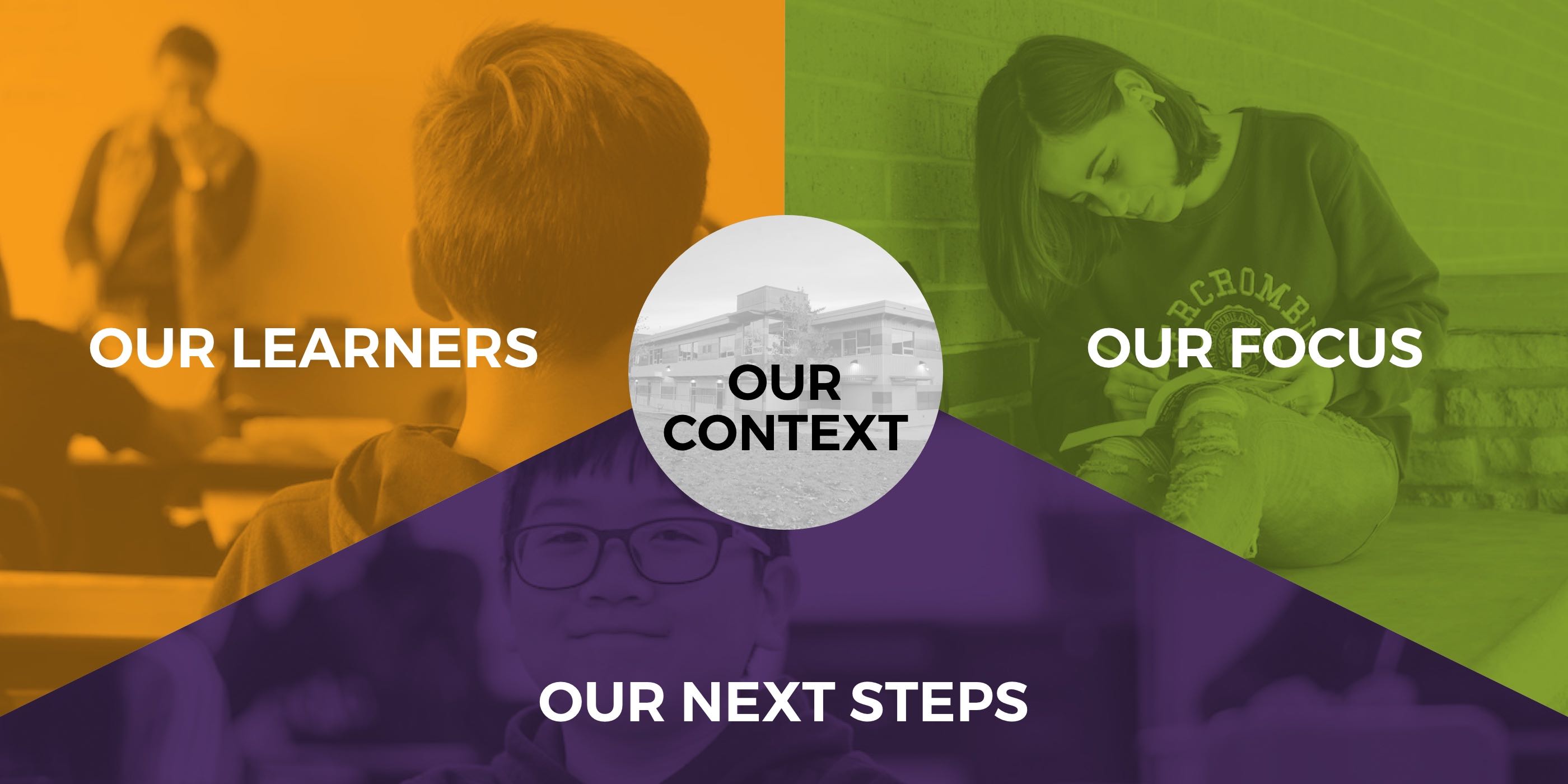

OUR CONTEXT
Located on the shared, unceded, traditional territories of the Katzie, Semiahmoo, Kwantlen and other Coast Salish Peoples', in the City of Surrey, BC, Westerman Elementary is home to a wonderful and richly diverse learning community.
Building on the legacy of compassion, hard work, and service to community that was modelled by Surrey's 1997 Volunteer of the Year and the school's namesake, Margaret Westerman, our learners participate in a range of learning activities that expand their awareness, understanding and acceptance of others. They also put their learning into action and participate in a range of initiatives that support the health and well-being of their community, especially those who are more vulnerable. Whether collecting donations for the food bank, taking part in community environmental projects, organizing multicultural events, raising money for cancer research, or actively recycling and re-using, Westerman students show they care about others and appreciate any opportunity to give back to their community.
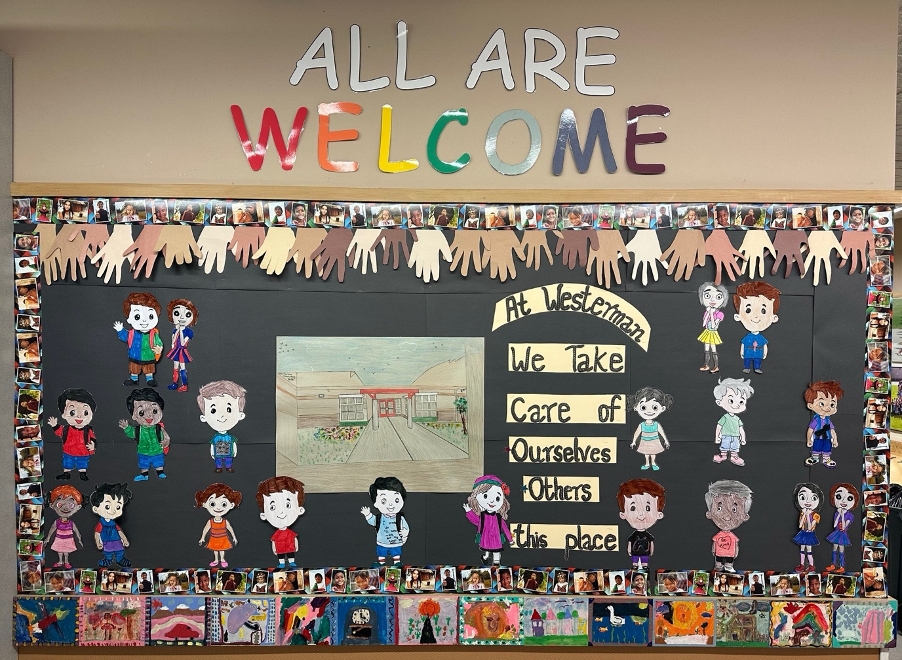
Westerman Elementary is a model of inclusion, understanding, and acceptance, regardless of background, socio-economic status, and identity. With dozens of languages, nationalities and cultures represented in the school community, students are welcomed to the school from around the world.
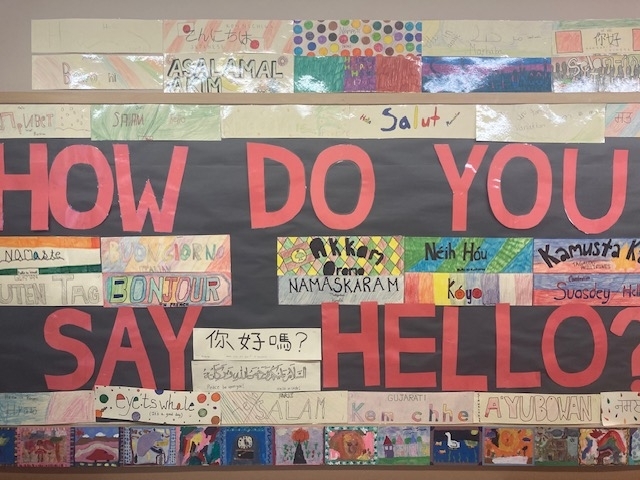
Westerman is literally a place "where the world learns and plays together".
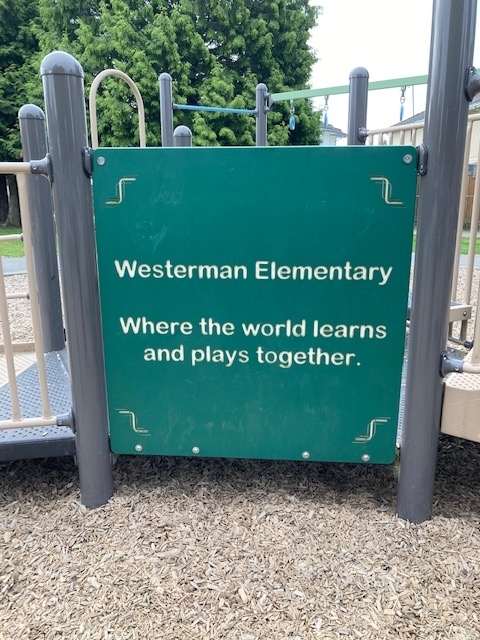
In a safe and supportive environment, Westerman Elementary challenges all students to develop the knowledge, skills, and attitude essential to be positive, proactive, and successful learners, and contributing members of the community.
OUR LEARNERS
Children at Westerman arrive at school each day with a desire to learn more about themselves and others. Recognizing that the development of strong literacy skills is fundamental to student success across all subject areas, our learners are provided with rich opportunities to share stories with each other, to make connections through text to the world around them, and to develop an appreciation of the power of language to convey thoughts and ideas clearly and meaningfully. Our learners are encouraged to read and engage with a variety of texts every day, and to communicate their learning with others, both at home and at school. A particular emphasis is currently being placed on providing students with literacy resources and activities that better reflect the diverse lived experiences and cultural identities of our learners. Ultimately, our goal is help our learners build the strong foundations in literacy that are critical to their ability to participate fully in the world around them.
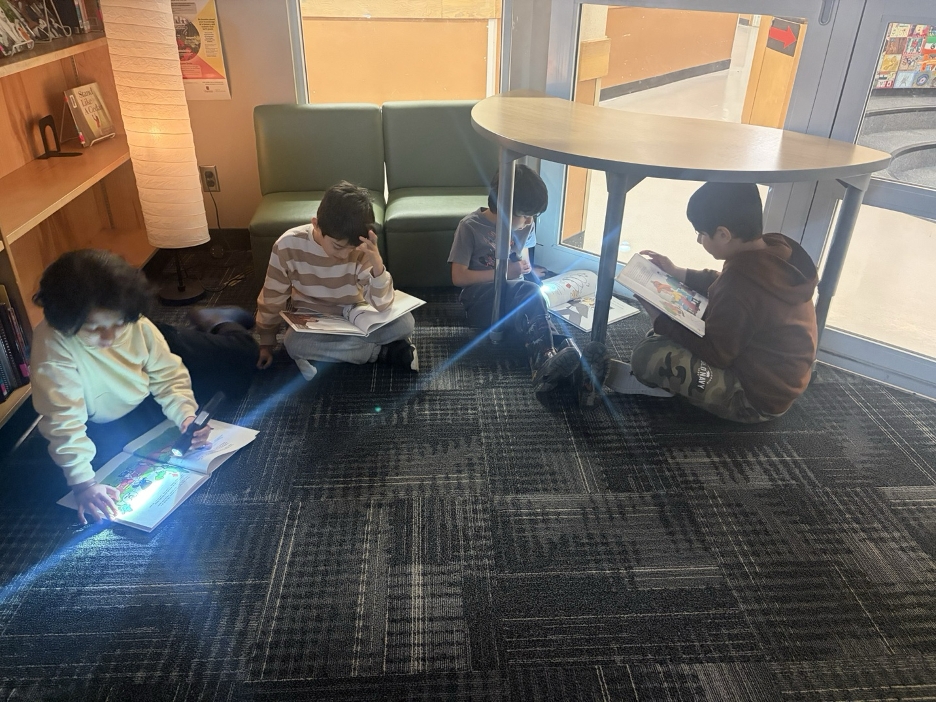
Learners engaged in reading and literacy skill development are evident throughout the school. The following are examples of our students, independently and collaboratively, using oral and visual representations, and written texts to read decodable books and make words.
Fluency and Comprehension
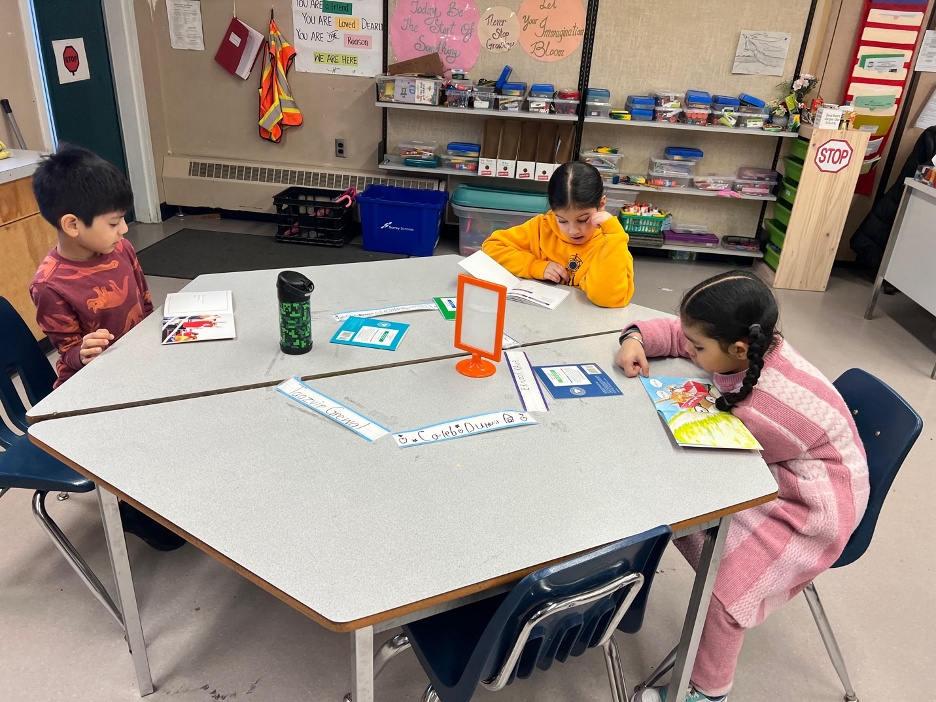
Our learners build fluency and comprehension through reading decodable books. These texts provide opportunities for students to apply their phonics knowledge, successfully decode words, and strengthen word recognition skills. As accuracy and automaticity increase, students are better able to focus on meaning, leading to improved comprehension and confidence as readers.
To support this learning, students engage in a structured decodable reading program aligned with a systematic phonics scope and sequence. Students progress through a carefully planned continuum of learning, beginning with short vowel patterns and advancing to digraphs, silent-e patterns, and increasingly complex word families. Individual student progress is closely monitored to ensure instruction and reading materials are responsive to each learner's developmental needs.
Students participate in intentional literacy experiences that reinforce targeted phonics patterns through activities such as class poems, Daily 3, word work, and making words. For example, when learning the "ar" pattern, students receive weekly words and engage in multiple opportunities to read, write, and apply the pattern in meaningful contexts. Decodable texts provide authentic opportunities for students to transfer and consolidate their learning while reading books that reflect their current phonics focus.
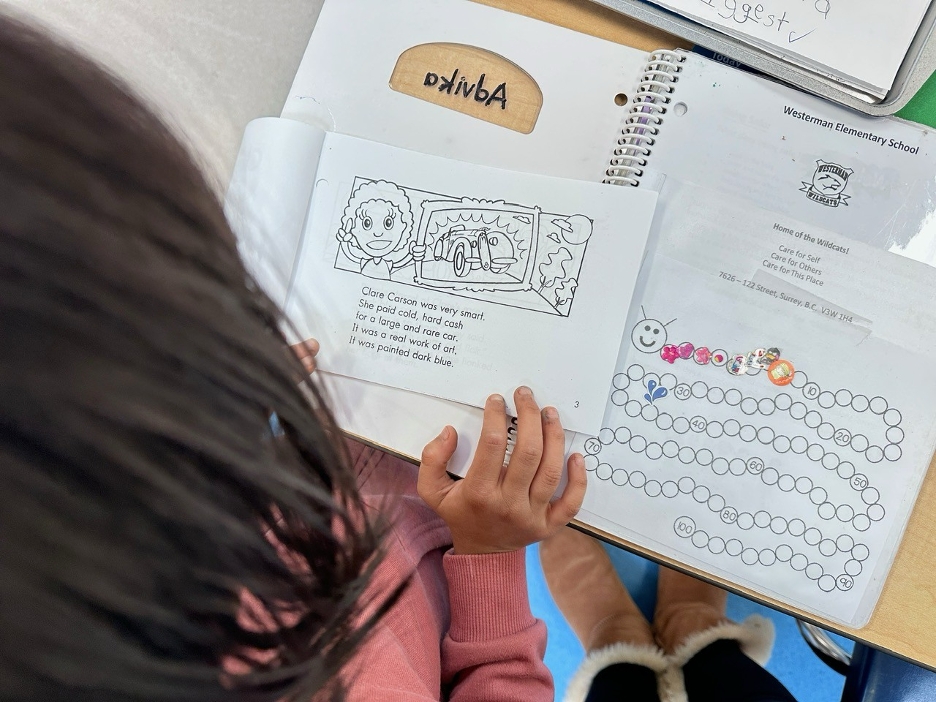
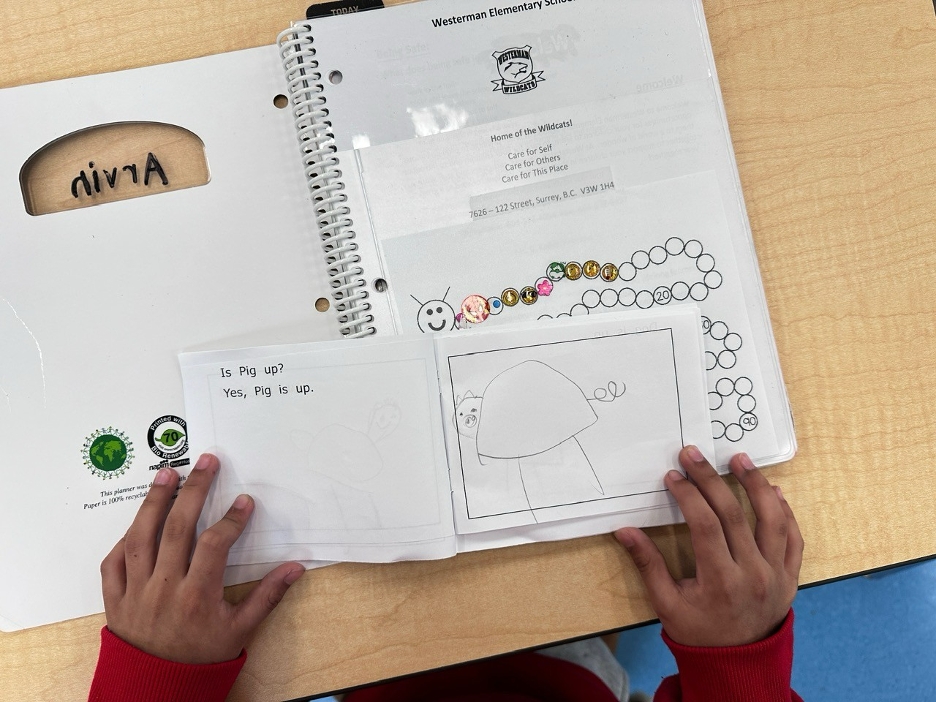
Through the reading program, students engage in reading decodable books both independently and with peers, using texts that reflect their current phonics learning. Students read these books to their teacher to demonstrate proficiency before advancing to the next text in the sequence. As they progress, students earn stickers to celebrate each book completed, fostering motivation, engagement, and a sense of accomplishment. This consistent and structured approach supports students in developing greater accuracy, fluency, and confidence as readers.
Create and Communicate
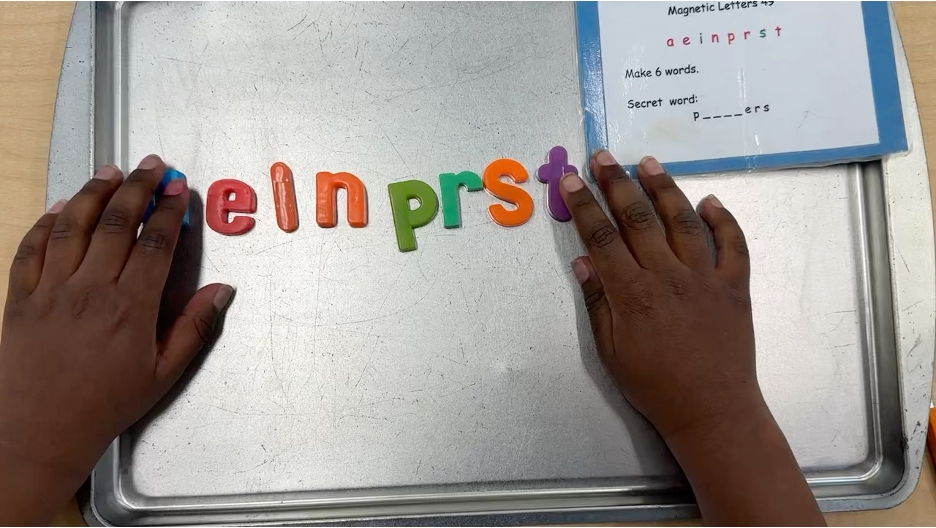
Our learners can create words and communicate their thinking as they explore word families and patterns through hands-on Making Words literacy experiences.
Our learners build fluency and comprehension through making words activities that reinforce foundational phonics skills and word patterns. Students participate in a systematic and sequential approach to learning, progressing through targeted word families and phonics concepts. During making words activities, students manipulate magnetic letters to create, read, and analyze multiple words from a common word family. For example, using a set of letters, students may create words such as pen, den, pens, dens, and spend, strengthening their understanding of letter-sound relationships and spelling patterns. Students engage in these activities independently, in small groups, and through teacher-guided instruction. Whole-class lessons introduce targeted phonics patterns, such as the "ar" word family, while small-group and one-to-one learning opportunities provide students with additional practice and feedback. As students build, read, and discuss words, they develop greater automaticity in word recognition and strengthen their ability to apply these skills when reading and comprehending text.
OUR FOCUS
Every day, our learners are presented with opportunities to practice, develop and demonstrate their literacy skills. Our team of educators provide our learners with these essential skills to set them up for success in today's rapidly changing world. To identify students’ overall strengths and areas for growth, we recently tracked literacy skills within a cohort of learners from diverse linguistic, cultural, and educational backgrounds. The learners within the cohorts are representative of the diversity that exists in the rest of the school population.
Our students’ learning goals include:
- Develop oral reading fluency focusing on reading with comprehension, phrasing, and attention to punctuation.
- Making meaning of literature using developmentally appropriate reading, listening and viewing strategies.
Reading Fluency
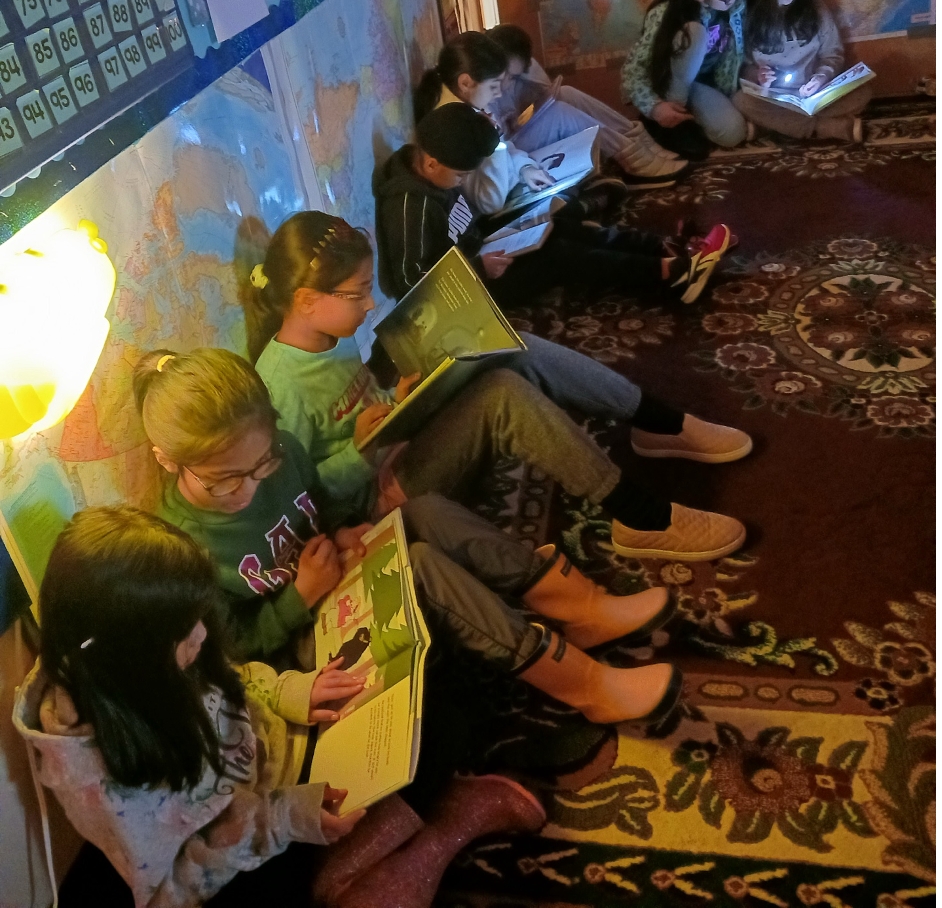
Reading fluency is important for overall reading development. Fluent reading improves comprehension, but also fosters a love for reading and builds confidence in our students. Fluency involves accuracy, rate, expression, and comprehension. At Westerman, we build reading fluency through promoting daily reading experiences through read-alouds, shared reading, and daily independent reading. By implementing these strategies and through continuous monitoring and adjustment, students can effectively nurture reading fluency empowering them to develop proficiency and become confident readers.
Reading Comprehension
Reading comprehension is a lifelong skill that is essential for success in all areas of education and beyond the classroom. Students are working on developing strong reading comprehension skills to be better prepared to navigate the complexities of the world, critically evaluate information from various sources, and continue learning independently throughout their lives. Comprehension makes reading enjoyable, fun, and informative.
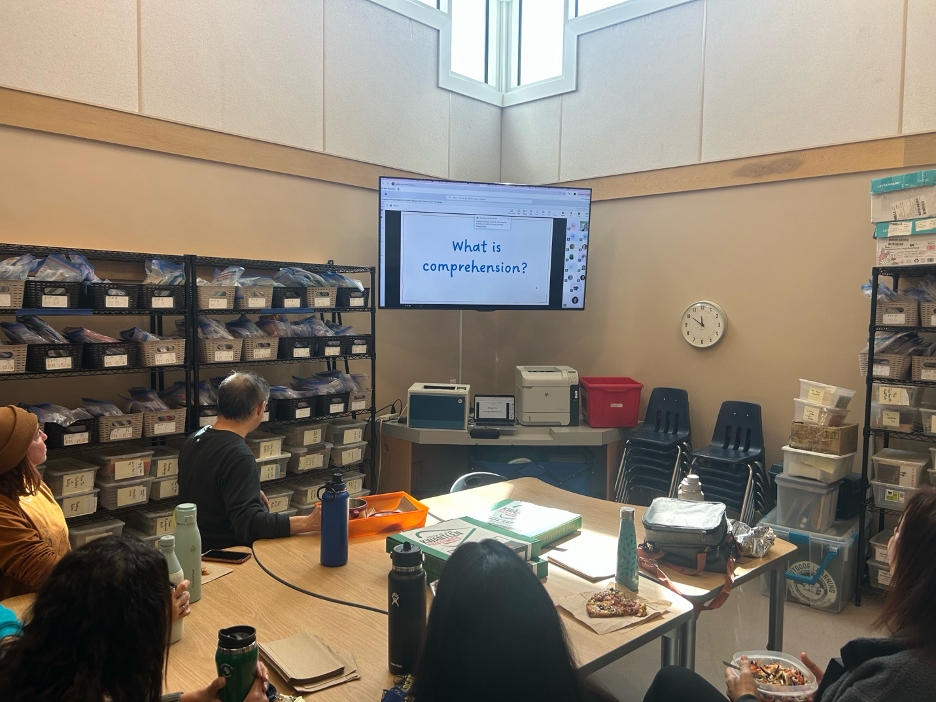
To support the development of reading comprehension, staff participated in the district's year-long Responding to Readers (RtR) professional learning initiative. Through regular Lunch and Learn sessions, educators came together to collaborate, reflect on practice, examine student learning, and deepen their understanding of effective literacy instruction. These conversations supported the implementation of evidence-informed strategies designed to meet the diverse needs of learners and strengthen reading comprehension. This work helps students make connections, ask questions, think critically about texts, and communicate their understanding. By responding to student learning needs and using assessment to guide instruction, educators continue to create meaningful literacy experiences that foster growth, confidence, and success for all learners.
OUR NEXT STEPS
Based on the evidence from our cohort of primary students, it is clear that our reading focus is positively impacting learners. After considering our student population, we selected our Grade 1/2 students who are emerging readers for the cohort.
Students were assessed on their ability to recognize letter names and sounds using the Provincial Proficiency Scale. Ongoing descriptive feedback from the teacher supported their growth by identifying strengths and guiding improvement. Assessment results demonstrate meaningful progress in foundational literacy skills, laying the groundwork for developing reading fluency and comprehension. The goals identified were:
- Apply knowledge of word families and phonics patterns to create and read words.
- Read decodable texts with increasing accuracy and understanding.
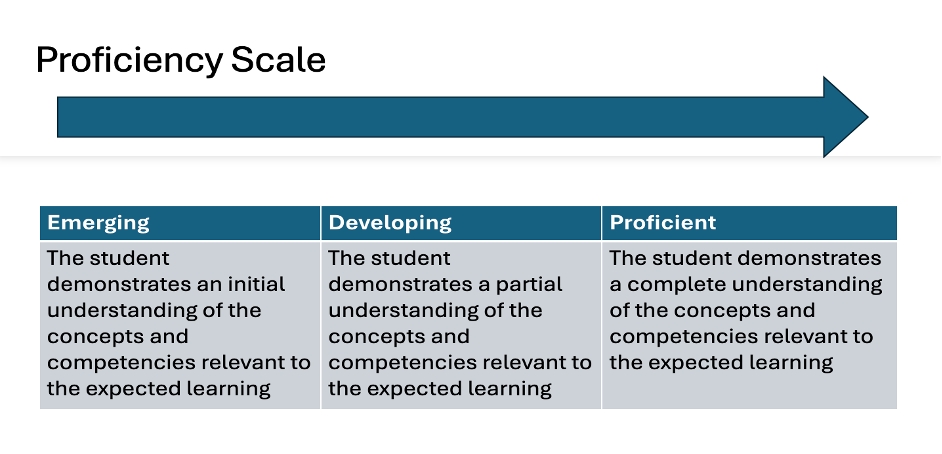
November | 34% | 52% | 14% |
May | 13% | 21% | 66% |
From fall to spring, we observed significant growth within the cohort. The number of students at the emerging level decreased by 21%, and those achieving the developing level also decreased by 31%. Additionally, there was a 52% rise in students demonstrating proficient reading skills or beyond by late spring.
Overall, we noted substantial progress toward our literacy goals. Many students demonstrated increased proficiency in applying phonics knowledge to create and read words using word families and spelling patterns. Teachers also observed growth in students' ability to read decodable texts with greater accuracy, fluency, and comprehension. Through structured reading experiences, word study activities, and targeted instruction, students showed increased confidence and success as readers.
Moving forward, our focus will be to continue to increase the number of students reading at a proficient level.
At Westerman, we take pride in the strides our students have made in enhancing their fluency and comprehension skills. Based on the evidence of their progress towards our learning goals, our next steps will include:
- Continuing to foster fluency: We will intentionally use instructional strategies to provide opportunities for students to further develop their fluency skills.
- Supporting emerging readers: We will offer targeted support to students who are emerging and developing in fluency and comprehension, helping them grow as readers.
- Collaborating with literacy experts: We will continue our partnership with Surrey School District Literacy Helping Teachers to implement a reading program focused on comprehension skills.
- Expanding our cohort: For the 2026-2027 school year, we will expand our cohort and gather data from both primary and intermediate grade levels to gain a comprehensive school-wide perspective on students' comprehension and fluency. Our goal is to increase the number of students proficient in reading fluency.
At Westerman, we are committed to ensuring that all students acquire the literacy skills essential for success in school and beyond. As we continually monitor, reflect, and refine our learning plan, we will prioritize the equitable distribution of instruction, time, and resources, with a focus on supporting our most vulnerable learners.
Surrey Schools
Formed in 1906, the Surrey School District currently has the largest student enrolment in British Columbia and is one of the few growing districts in the province. It is governed by a publicly elected board of seven trustees.
The district serves the cities of Surrey and White Rock and the rural area of Barnston Island.