Surrey Centre Elementary

OUR CONTEXT
The Surrey Centre community prides itself in creating a safe, welcoming, and inclusive environment for all learners! When you walk inside the main entrance, you will see a beautiful mural in the shape of an eagle with an image of each of the four school buildings that have been on this land. The community is deeply connected to the rich history of where we work, play, and learn everyday!
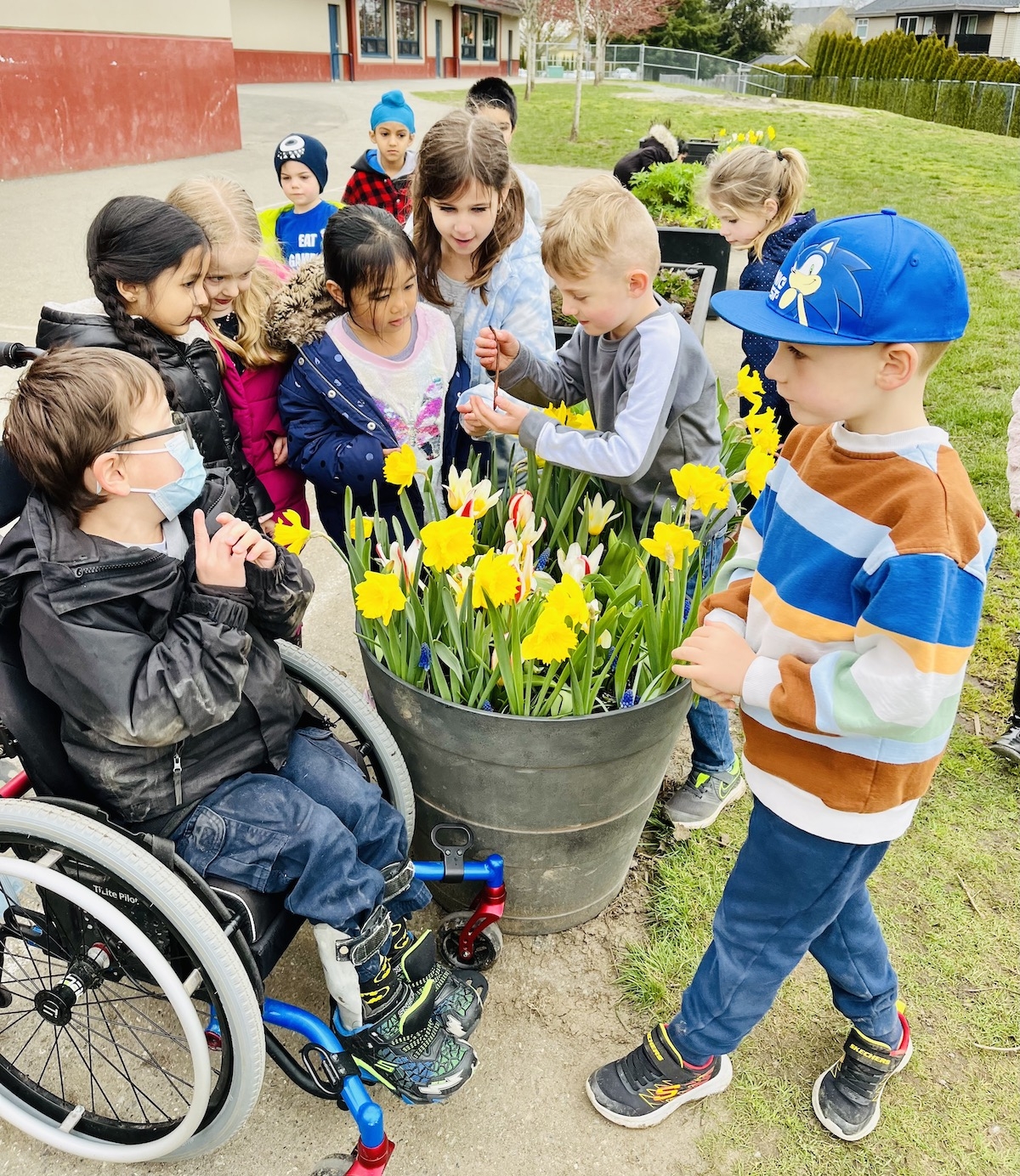
On any given day, you can find students gathering in our outdoor learning environment. Our garden is a pollinator garden and is a dynamic space for students to learn in as it is always changing. Students build social responsibility through caring and learning about the relationships between people, the local plants, and animals
Our PAC supports our initiatives for the outdoor learning space and has recently provided funds for an accessible picnic table to be installed in the 2022/2023 school year.
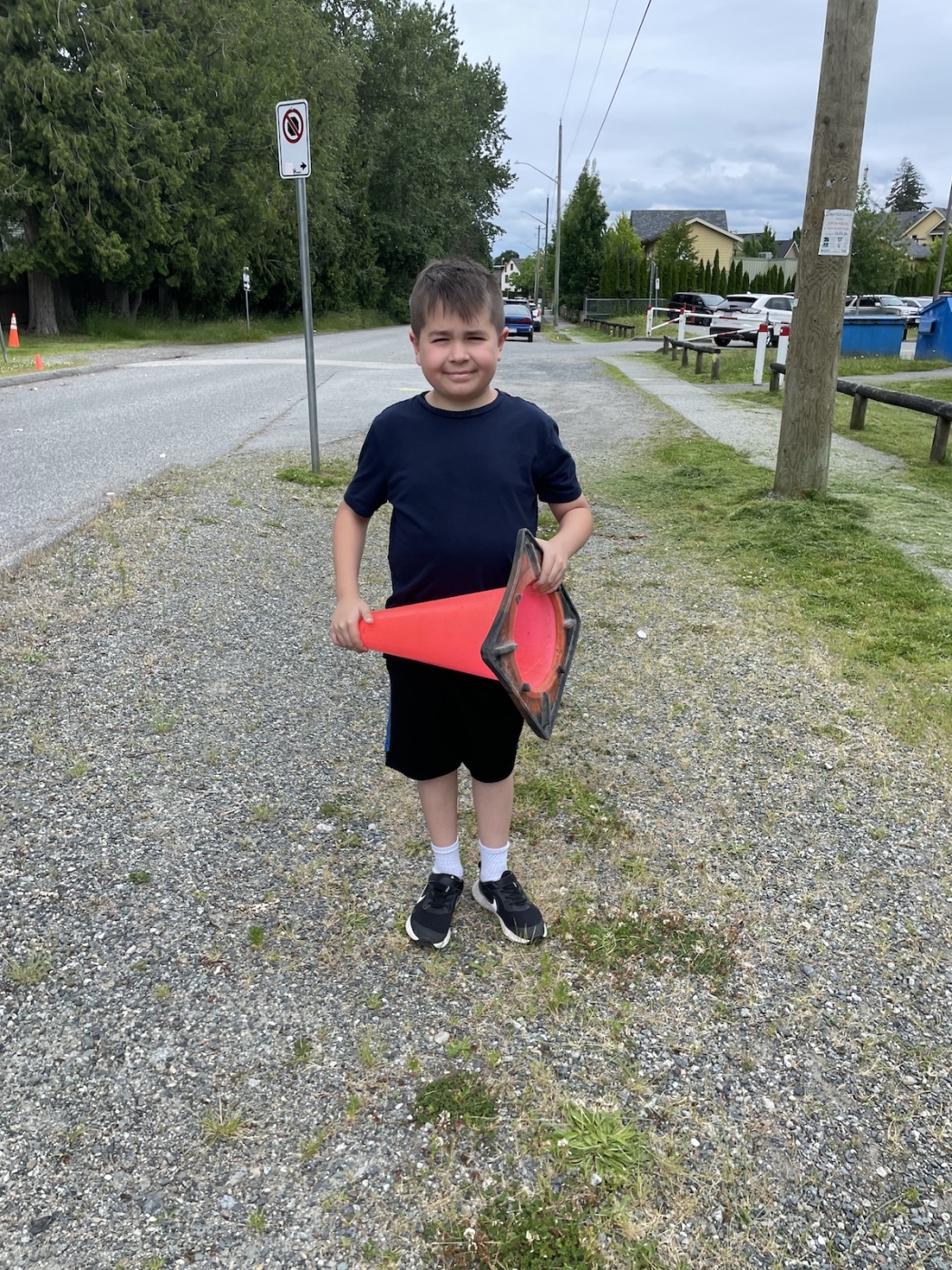
There are a variety of opportunities for student leadership at Surrey Centre! The school is constantly buzzing with students heading for lunch and library monitoring, setting up sound equipment, morning announcements, and putting out safety cones.
The Learning Commons is the Hub of our school with students participating in robotics, coding, Minecraft, green screen productions, 3-D printing and of course, reading! Recently, student voice was included in a diversity audit of the books in our library. Below are some reflections from students after participating in the audit or "Book Tasting."

The students at Surrey Centre love to give back to their community. In the fall and after the devastating floods in the Fraser Valley, students generously donated food and much needed items in our "Flood of Food" fundraiser. Students also participate in a Christmas Hamper program and intermediate students choose an act of service to do all year long.

OUR LEARNERS
Social and Emotional Learning (SEL) is the process that supports adults, youth, and children in developing skills that are necessary for school, work, and life. This includes self-awareness, self-management, responsible decision-making, relationship skills and social awareness. These skills are embedded in all subject areas in BC's curriculum. Below, we celebrate our learners' successes and strengths in the area of:
- Self-Awareness
- Self-Management
Our leaners can identify their emotions and use stress management strategies.
Our cohort of grade 6 and 7 students participated in a SEL musical called "The One Stop Happiness Shop." Prior to beginning to put the musical together, students had been working through lessons in the MindUp curriculum to enhance their abilities to recognize and understand emotions.
Student reflection:
"When I felt mad before, I would just say I was mad. Now I am able to describe how I am feeling in so many other ways and using many other words such as disappointed, embarrassed or lonely."

At a recent assembly, all students participated in a lesson on belly breathing. Grade 6 and 7 leaders discussed the appropriate times to use belly breathing, the proper technique and the many benefits.

OUR FOCUS
We know that belonging is a fundamental need for everyone. Feeling a sense connectedness to family, peers, school, and community is one of the most important assets for a child's well-being. Therefore, our school is going to be focusing on ensuring our students feel connected by developing their capacity for self-awareness and self-management by using the MindUp curriculum and demonstrated in Language Arts.
The SEL competencies we focused on in relation to "self-awareness" and "self-management" include:
- Identifying ones emotions
- Identifying and using stress management strategies
Students across all grades will look for situations where they will be able to use their self-awareness and self-management strategies. These situations may include:
- Disagreements with peers
- Needing to be flexible when plans change
- Managing unexpected behaviour from others
- Stressful academic, social or personal situations
Creating and communicating original texts to demonstrate their understanding of self-awareness and self-management.
- Student created anchor charts with common language throughout all grades
- Poster contest
- Reflective journal responses
- Double entry journals to reflect on stressful situations/disagreements with peers
- Comic strips
- School musical
- Student created presentations for school wide assemblies

OUR NEXT STEPS
Our learners are developing their SEL skills and capacities. In the focus area of self-awareness and self-management, students demonstrated an increase in their ability to:
- Identifying ones emotions
- Identifying and using stress management strategies
Recognizing and reflecting on our emotions
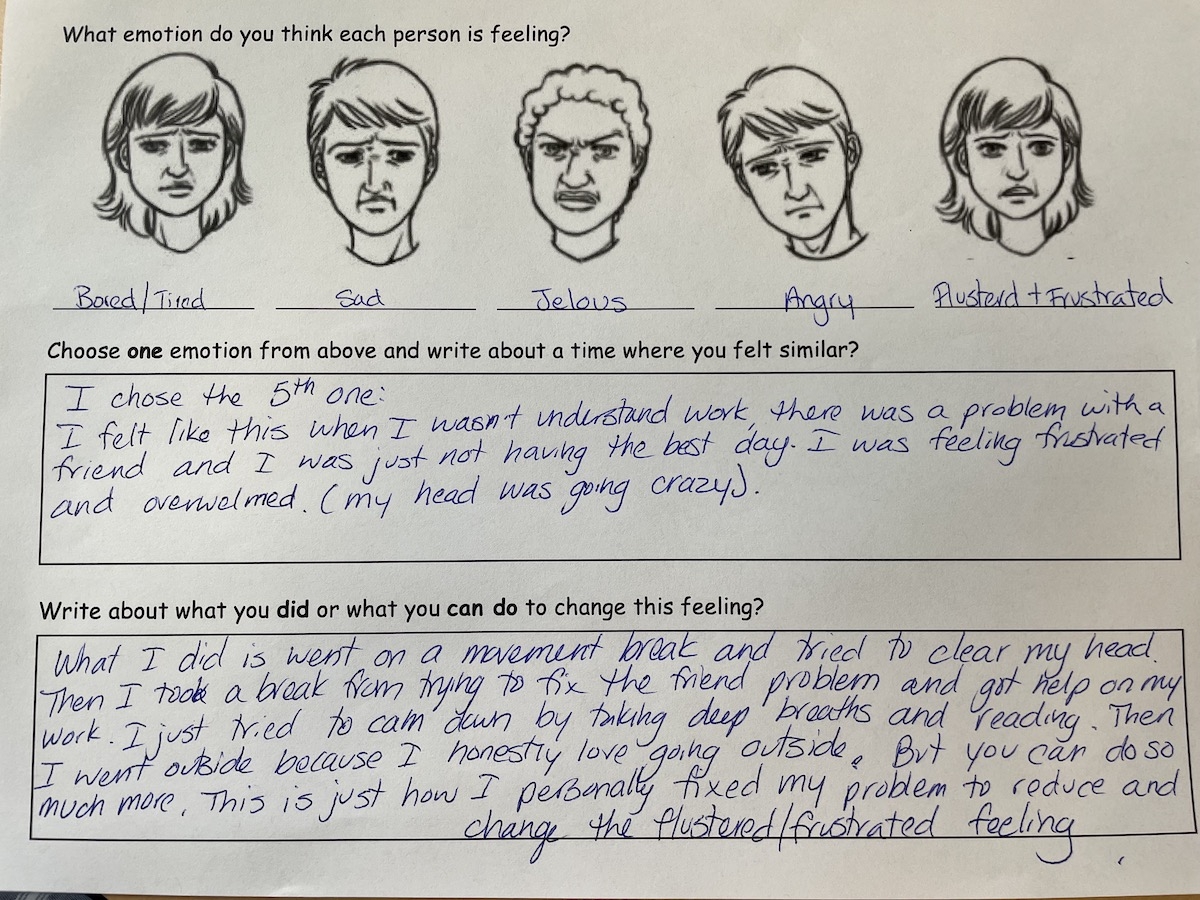
The intermediate students demonstrated growth in their ability to recognize different emotions. At the beginning of the MindUp curriculum unit, only 50% of the students could identify the correct emotion based on facial expression and body language. All students were able to identify one self-management strategy they could use when feeling dysregulated, however, only 40% were able to identify more than one strategy. After the completion of the MindUp curriculum and working through the process of creating a musical, students significantly increased their ability to recognize emotions and identify self-management strategies. A sample below shows how a grade 6 student can articulate their thoughts and speak to the strategies they now use.
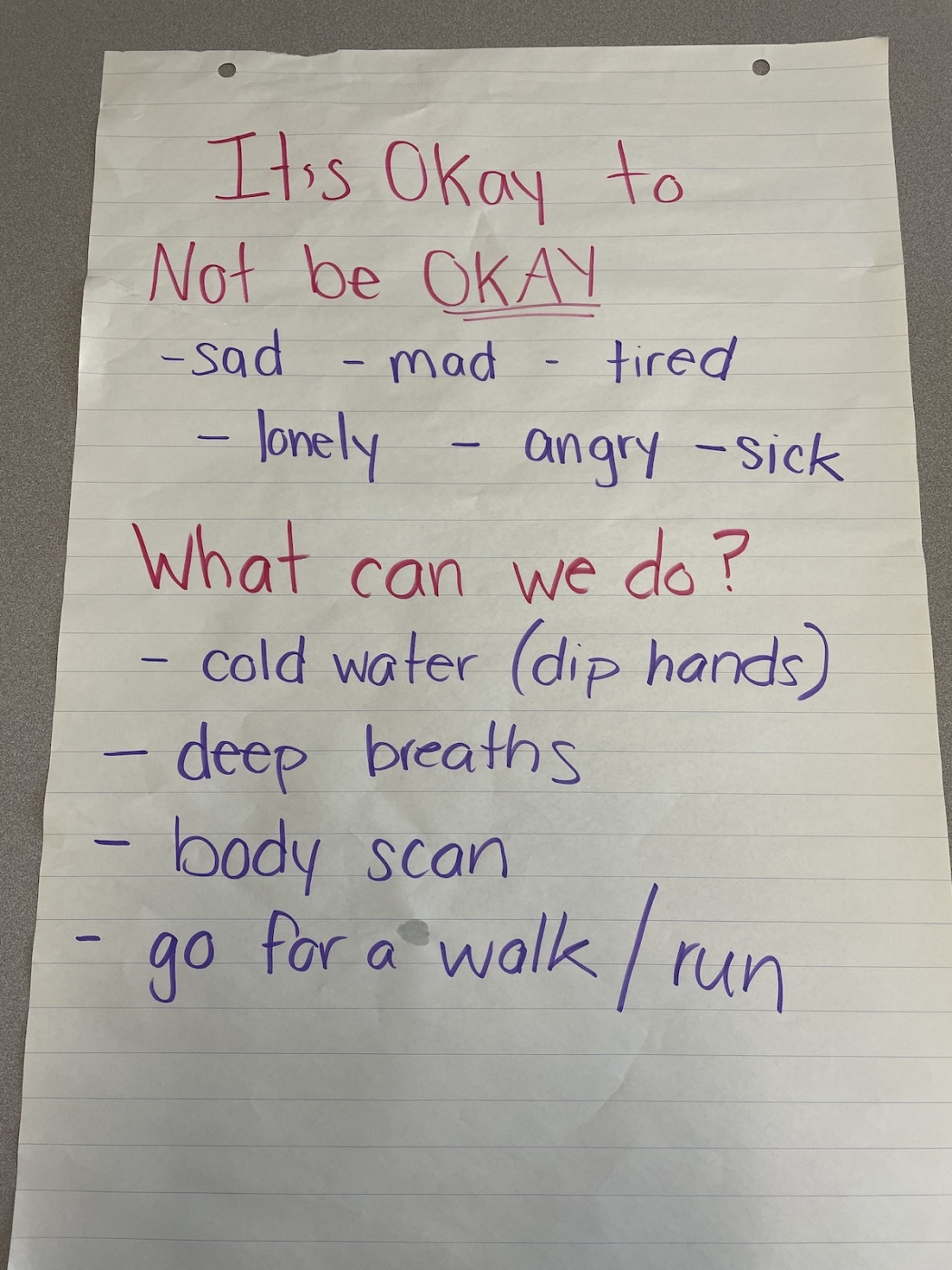
After the school musical, primary classes discussed what they learned. They brainstormed strategies they could use when they are not feeling ok, as described in the musical.
Next year, we plan to continue with the MindUp curriculum in every division led by our SEL helping teacher. Students will demonstrate their understanding of what it means to be self-aware and how they use self-management strategies by creating original texts in Language Arts.
Surrey Schools
Formed in 1906, the Surrey School District currently has the largest student enrolment in British Columbia and is one of the few growing districts in the province. It is governed by a publicly elected board of seven trustees.
The district serves the cities of Surrey and White Rock and the rural area of Barnston Island.