Sullivan Heights Secondary 23-24

OUR CONTEXT
Sullivan Heights Secondary is a school geographically located in the middle of Surrey. It is located in a solidly middle class neighbourhood, with some families in a much more affluent income bracket. We are also seeing an increasing number of students coming from more challenging situations and trauma. Included in this demographic, are families who are new to Canada, some of whom are refugees. For this reason, our school of close to 2000 students has a growing ELL program. In the last year or two, our school has experienced an increasing number of new Canadians as well as vulnerable students needing English language acquisition. We are also noticing an increasing number of these students are refugees. As a consequence, our school has decided to continue and deepen our focus on literacy as the last year of a five year school plan literacy cycle.
At Sullivan Heights Secondary, we incorporate inquiry research, innovative learning and assessment practices and digital literacy in our professional practice; this translates into exciting learning opportunities for our students. We are proud to be committed in our endeavour to nurture and support all students in their learning journey. Our outstanding Performing Arts, Technical, and Athletics programs allow for a rich and engaging experience for our students. We are a dynamic school community that believes every student should be provided with enriching experiences in their personal learning.
Please click on the link to view our video: https://vimeo.com/723412873
OUR LEARNERS
At Sullivan Heights we believe literacy is fundamental to support our students in their growth to become responsible educated citizens. Research shows that strong literacy skills open the door in a variety of areas that will positively impact their life opportunities. In developing literary skills our students are engaging in the Core Competencies (Communication, Critical and Creative Thinking, Personal and Social Emotional). We value our students' role in the learning process and our teachers use formative assessment, learning rubrics, and Standards Based Assessment in their practice to enrich students' understanding of their learning. This also ensures our learners can identify what they know, what they need to improve on, and what next steps need to be taken to accomplish the next proficiency level. Since instruction and assessment are interconnected, our learners engage in reflection and self-assessment to help them understand where they are in their learning process and how they can improve.
Our learners can respectfully share and express their ideas in our shared community
Our students are engaging in the creative thinking and communication core competency. Through their communication, students are making connections with others to share their ideas, express their individuality, and further their learning. They think critically as they reflect on information they hear to refine their thinking about historical and current events.
Students in New Media and Social Studies classes classes are using Socratic Seminar discussions. While engaging in Socratic Seminars, our learners are immersed in rigorous dialogue with their peers. Through the process of listening, exchanging ideas, and finding common ground, our learners are developing critical thinking and analytical skills.
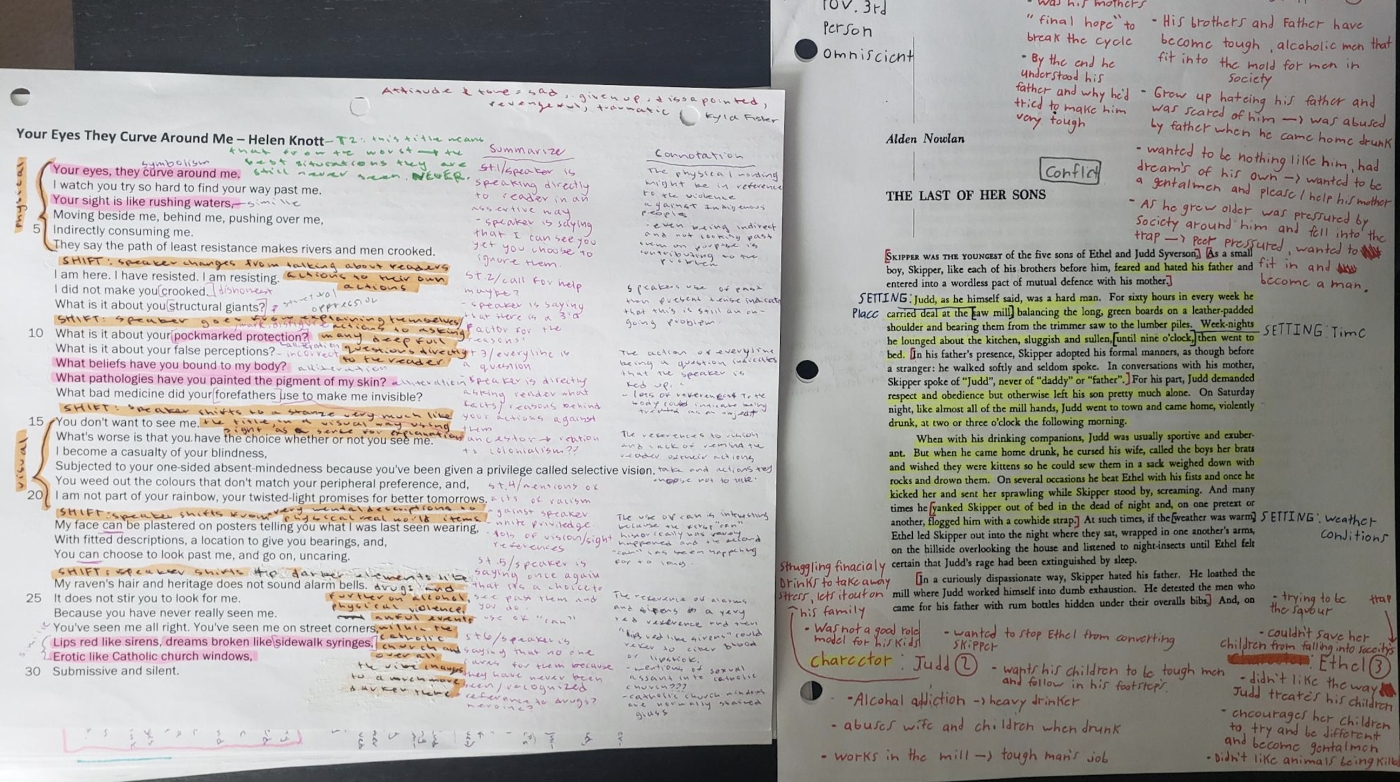
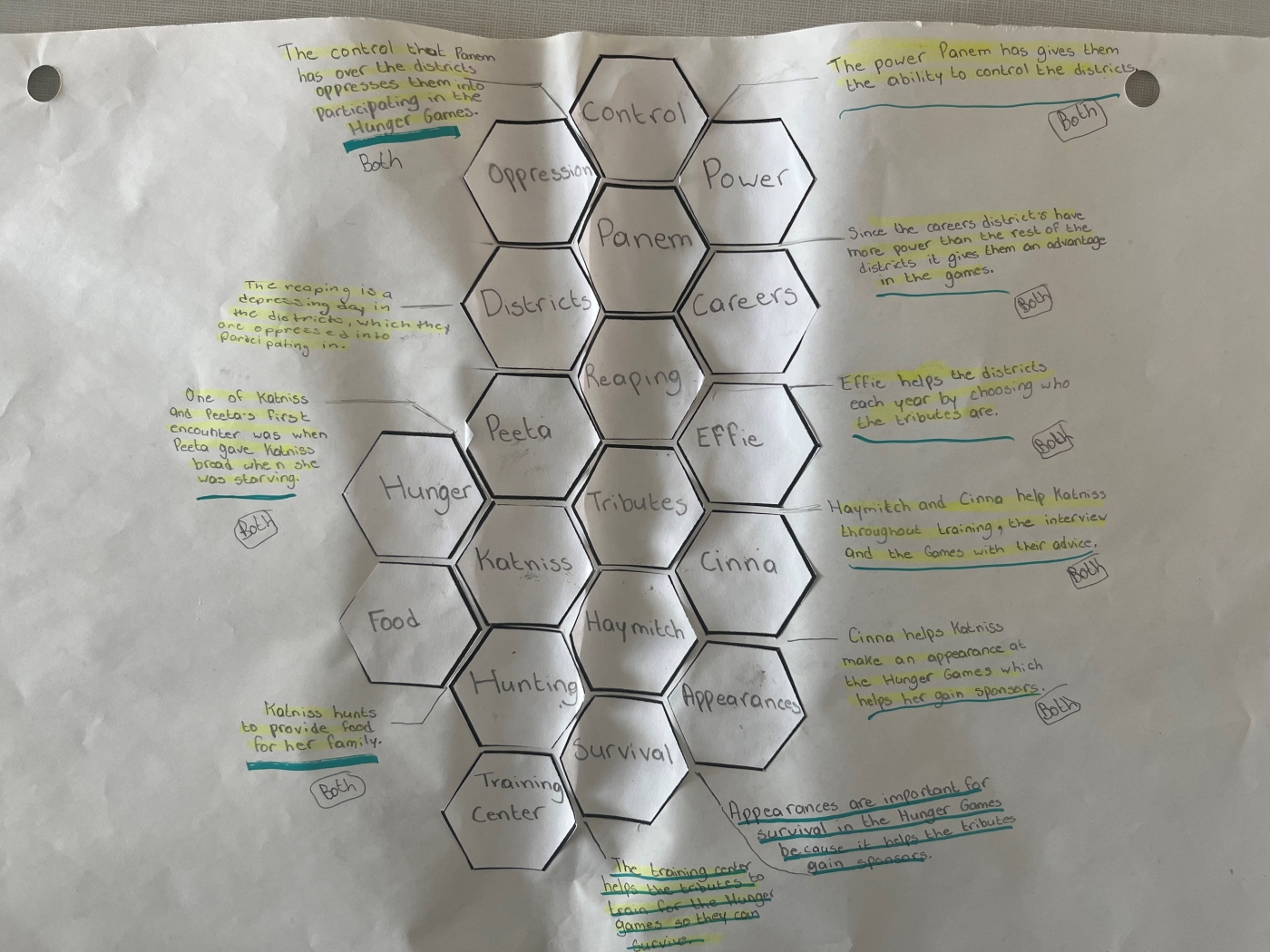
Students also use a variety of graphic organizers to capture the many connections they are making; it allows them to work with their peers as they discuss and make sense of a variety of texts. A vast array of graphic organizers and strategies are also used by our learners to format their thinking and organize persuasive arguments.
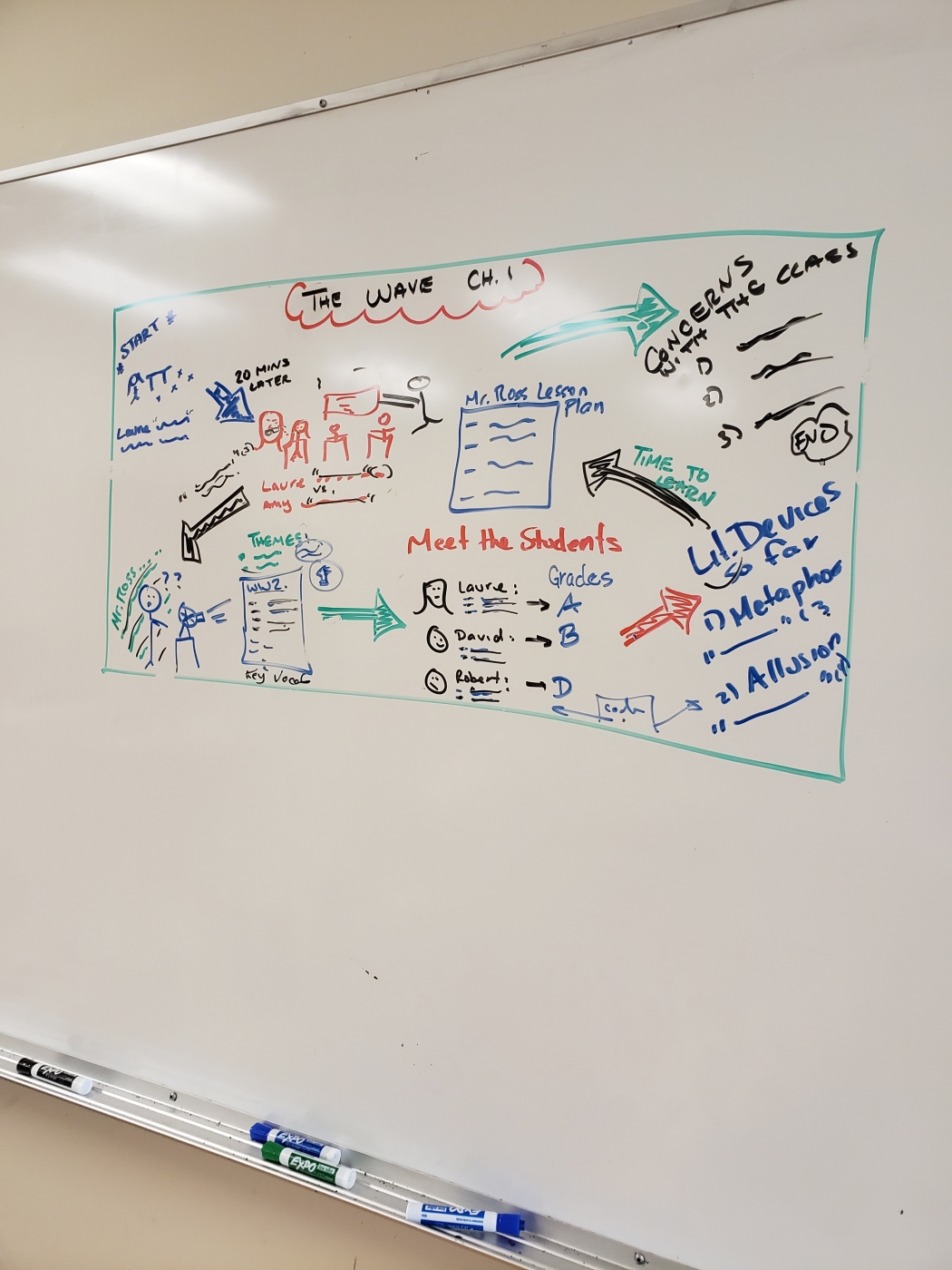
The student below is using a variety of techniques to make connection to the text.
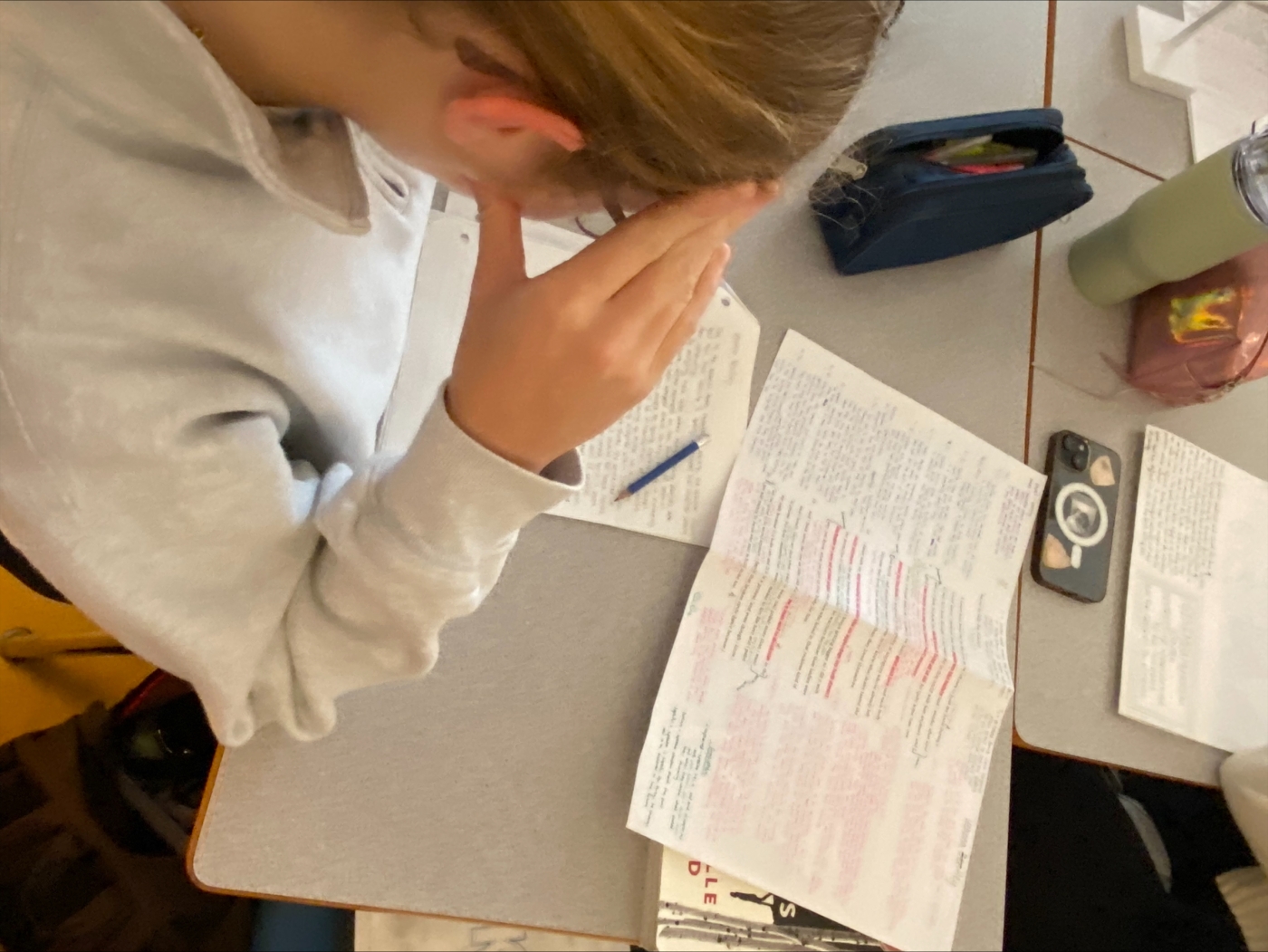
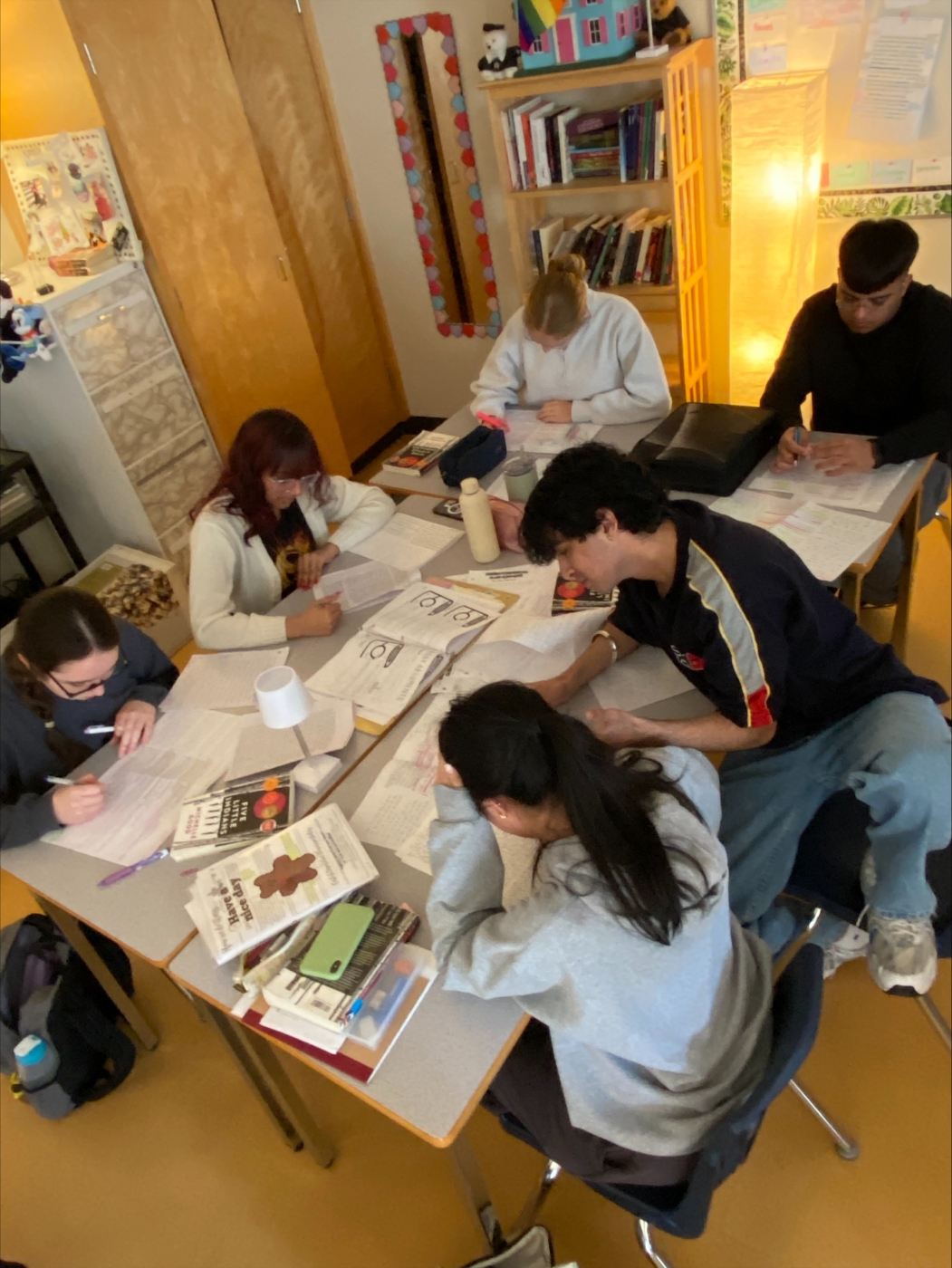
Our learners can listen actively and respond respectfully to different perspectives. They can do this on a variety of topics and world issues throughout all subject areas.
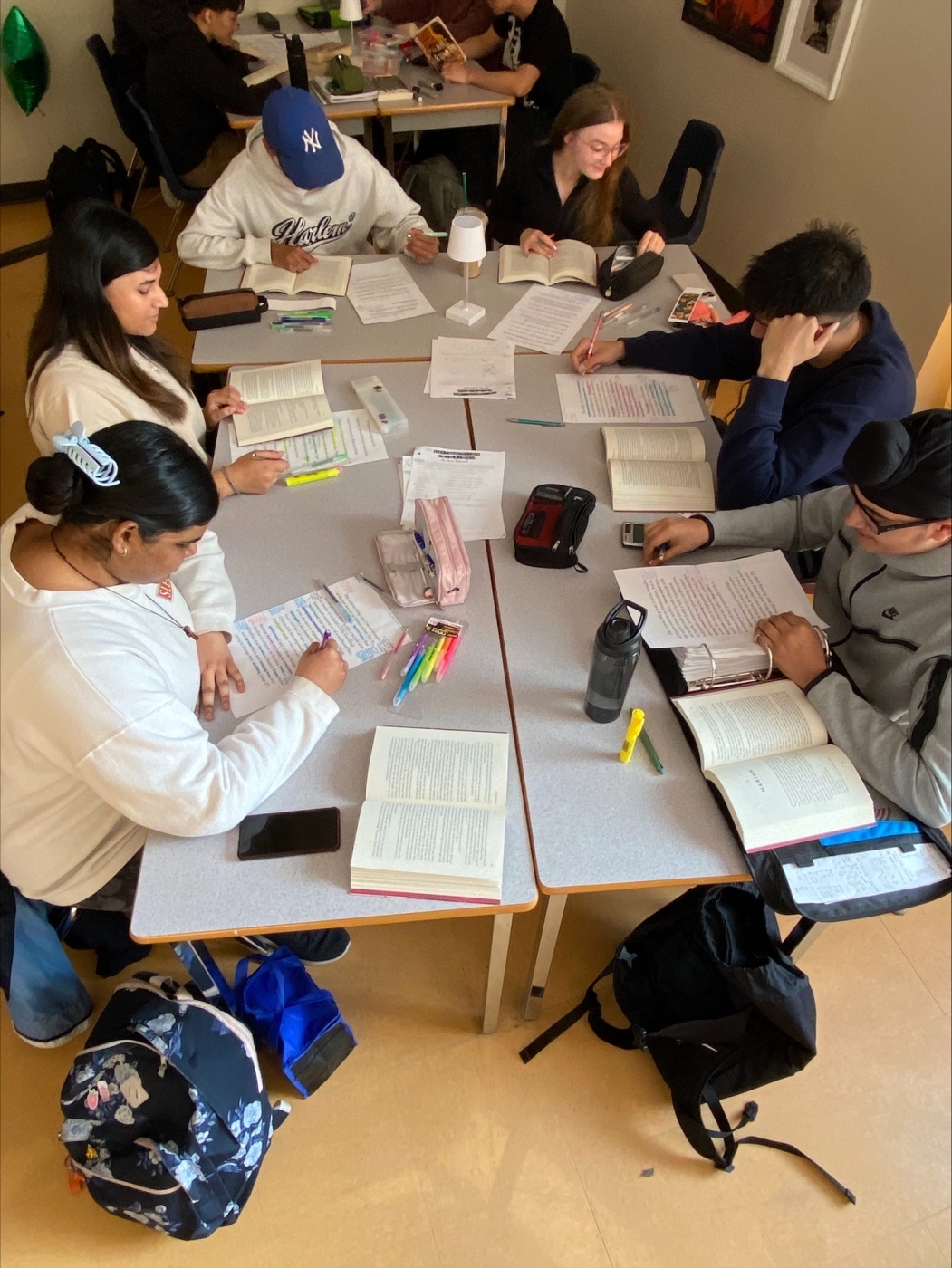
Students preparing for a discussion in their English Class
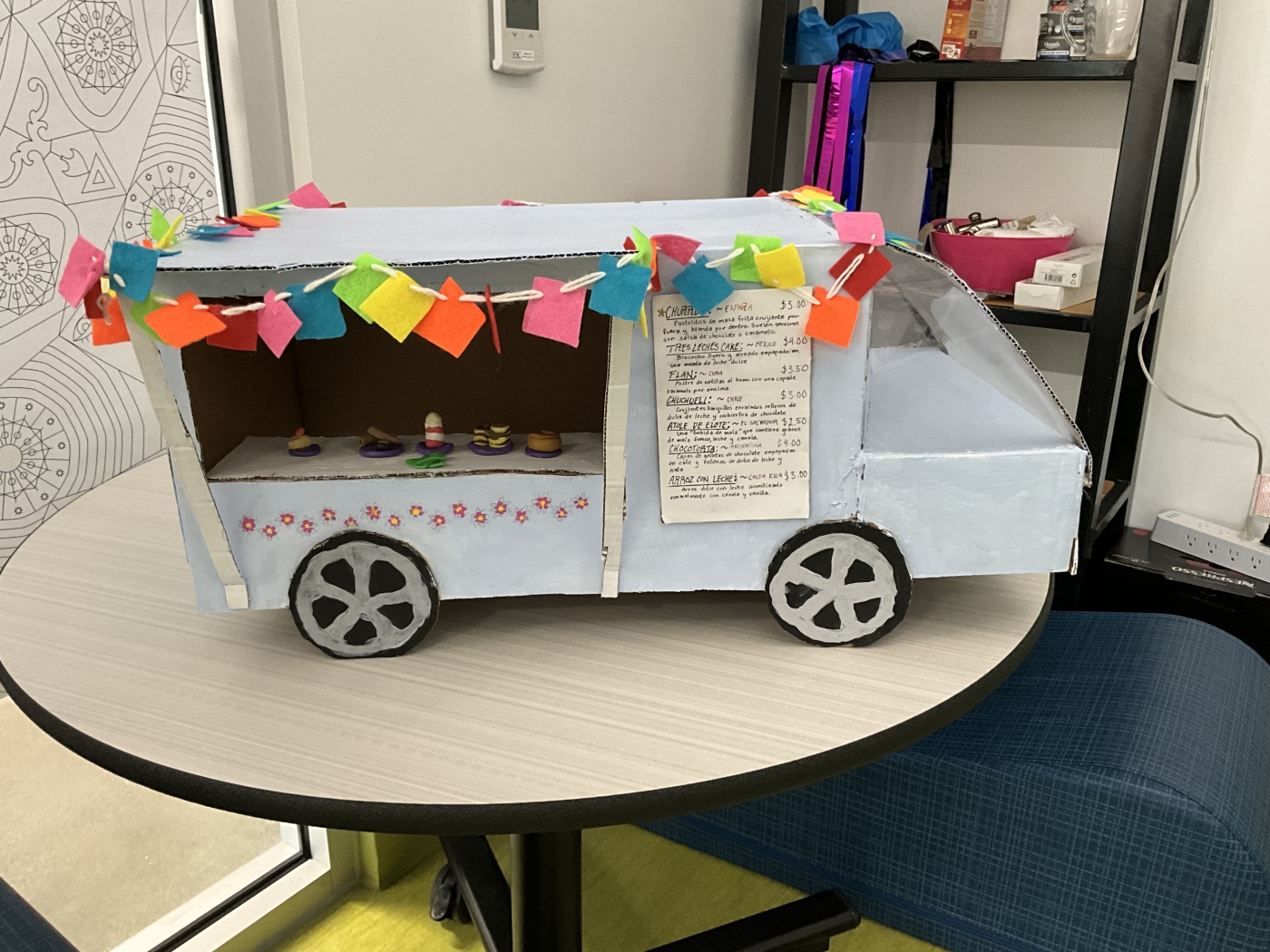
The above picture represents a Food Truck in Spanish class, complete with a menu, a dialogue and visual representations of foods sold. Relating vocabulary and grammatical structures in real-life contexts, helps reinforce acquisition and retention of language structures in Modern Language communication. Through being creative in groups, students are able to engage in communication without embarrassment, thereby strengthening language and communication skills in second or third languages.
Students in our Humanities, Social Studies, Science, and English classes engage in research, debates, discussions and community learning from one another.
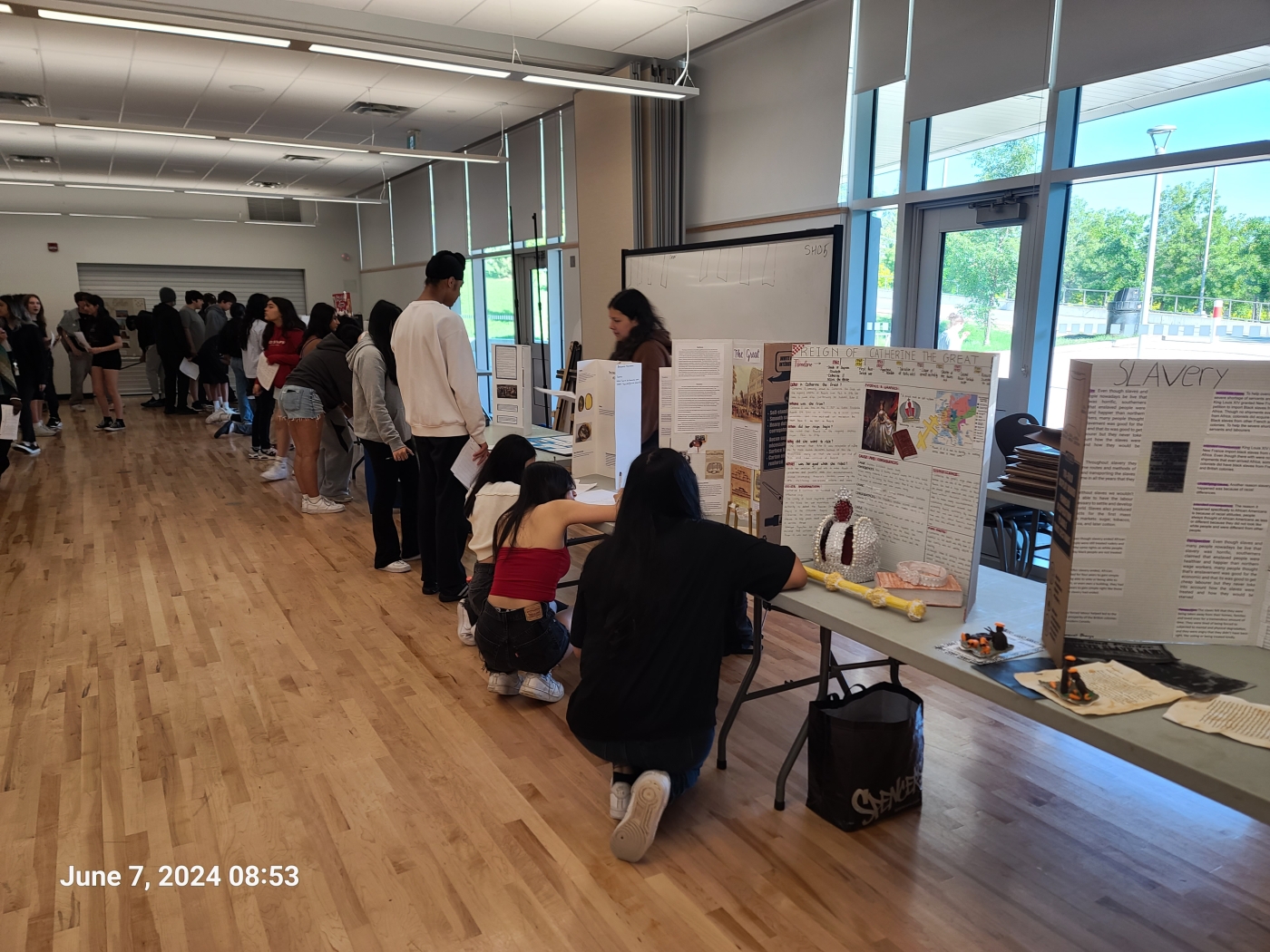
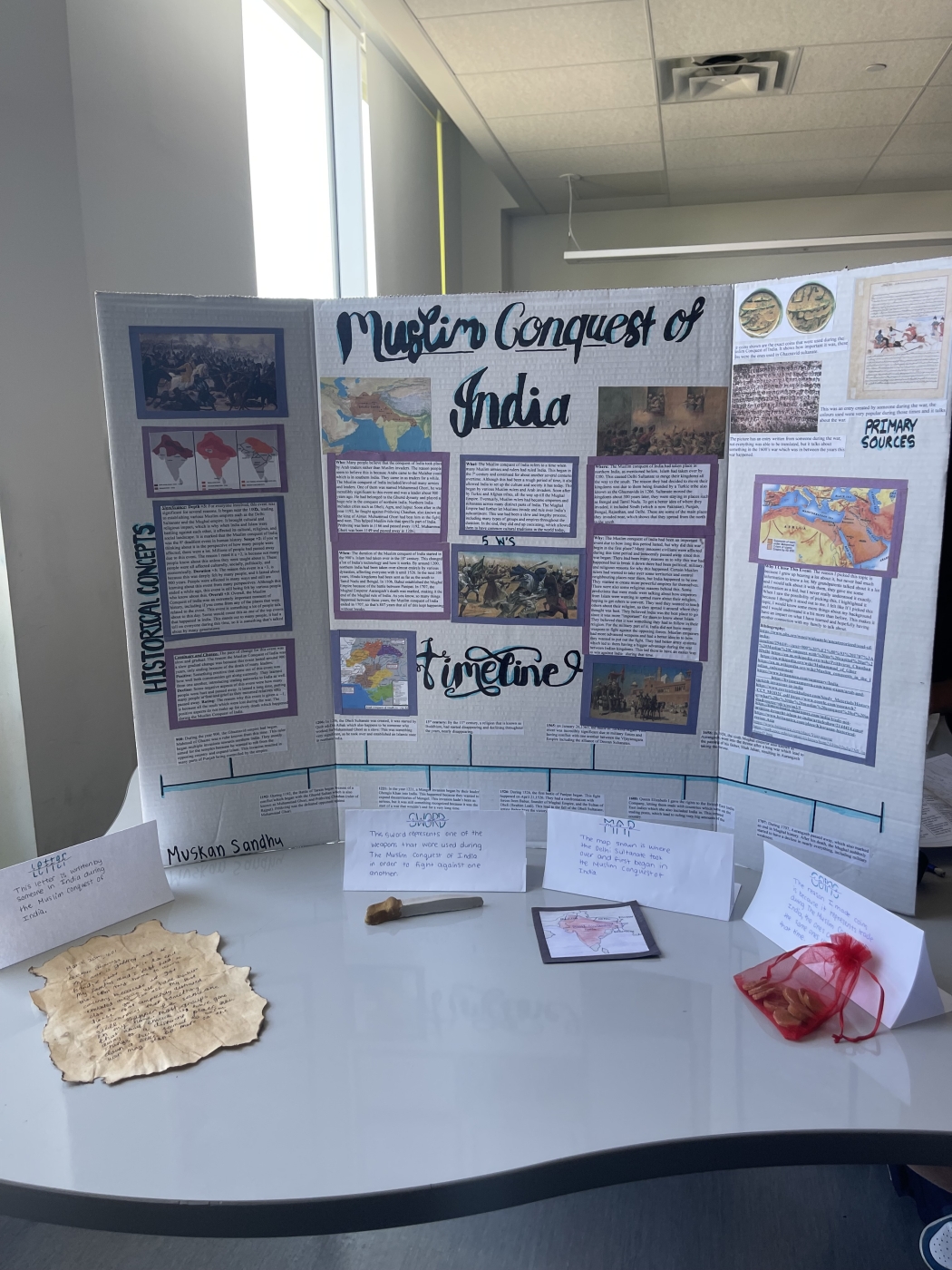
Our learners can be reflective about their work and understand that life beyond high school will require them to be proficient in the areas of Thinking, Communication, and Personal and Social Awareness. 
(A student in his Science 9 class reflecting on his Current Events assignment)
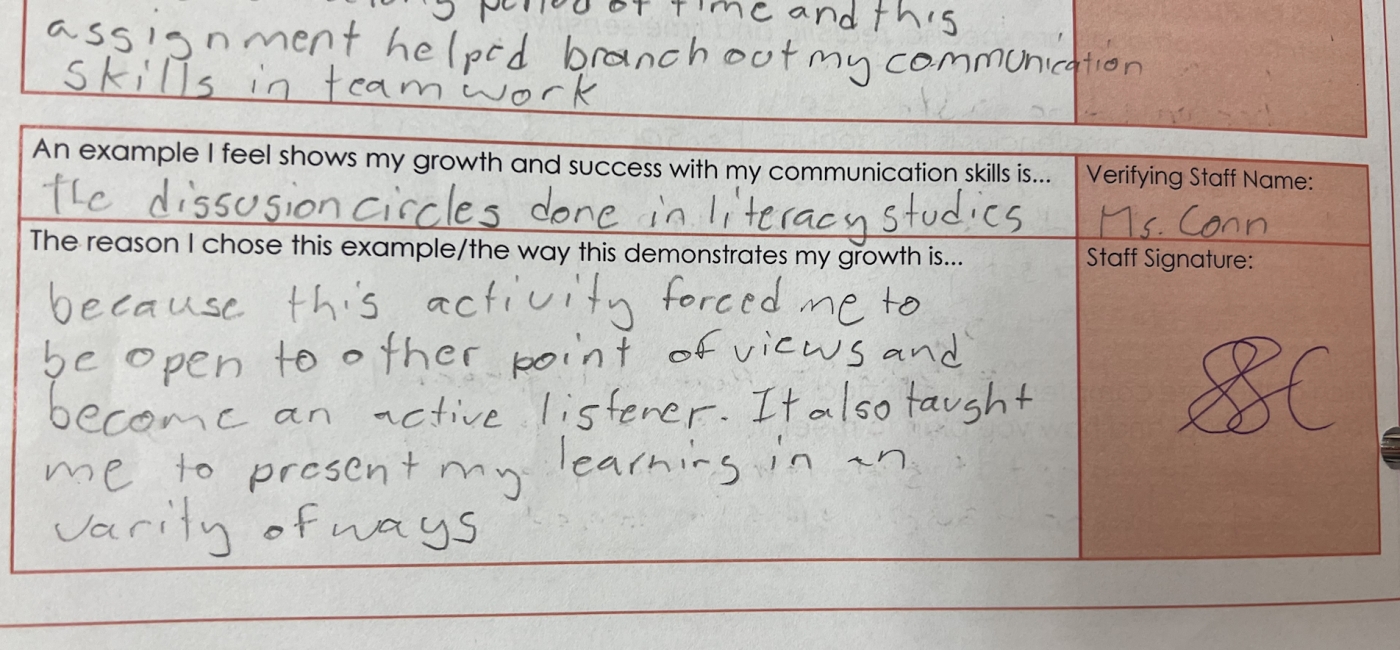
(An example of a student's self-reflection on their work in Literary Studies
Our learners recognize, value, and celebrate diversity through a variety of literary lenses.
Digital Literacy- Understanding and navigating through digital resources/biases. All our Grade 8 students learn about the validity of online resources in their Infotech classrooms. Digital literacy is an important skill for our students to develop as it crucial for students analyze biases in online resources/research. We also have a Creative Writing Contest annually where a compilation of student work is honoured in an anthology called the Rebel Poet's Society.
Our learners understand that learning about Indigenous Education is an important step in the reconciliation process.
Our English 10 classes participate annually in fundraising for the Moosehide Campaign, and the Red Dress Campaign to stand up against violence against women and children. The students raise money and participated in a walk as part of the Red Dress Campaign in Victoria. This learning helped students engage in the creative thinking competency as they developed individual plans to fundraise for the campaign. (In the 2023-2024, classes competed against each other to make money and raised a collective amount of over $1500). In addition, through this process, students learned about personal identity as well as Indigenous worldviews.
OUR FOCUS
Why Literacy as an Over-Arching Goal?
In developing literary skills our students are engaging in the Core Competencies (Communication, Critical and Creative Thinking, Personal and Social Emotional). At the beginning of our over-arching literacy goal, teachers began a lot of collaboration in the use formative of assessment, learning rubrics, and Standards Based Assessment in their practice. The goal was to enrich students' understanding of their own learning; we embarked on a path to ensure they could identify what they know, what they need to improve on, and what steps they need to take next to get there. This has been an ongoing goal at Sullivan Heights for several years.
A Brief Overview:
In professional spirals of inquiry, every goal achieved prompts a deeper and more focused question. As our work in building literacy has progressed over the last several years, we have discovered that every year's new literacy goals are built from the embedded learning and successes of the previous year.
Our English and Humanities Departments have been collaborating for many years on developing consistency in assessment by using shared learning goals and language.
In 2020-2021, we followed a learning cohort consisting of one Gr. 8 English (24 students from February - June 2022) and one Gr. 9 Humanities class (23 students from September-June 2022) respectively). The focus was to improve students' written communication. These skills were taught and expanded on from Grade 8 to 12. We worked on student understanding of the proficiency scale, self-reflection, and the ability to analyze text and communicate ideas in oral and written form.
In 2021-2022, our focus at Sullivan Heights was to improve students' written communication through creating original ideas, defending a position, and communicating their thinking in a well written composition (paragraphs, essays, poetry, personal narratives, and/or short stories). Each year students are introduced to the basic foundations of the writing process. Teachers explicitly teach:
- topic sentence/thesis
- writing formulas (Point, Evidence, Analysis (PEA)) to defend the topic sentence/thesis)
- how to accurately use, and reference, quotes from text in order to support their topic sentence/thesis
- creating/analyzing/identifying figurative language (symbolism, metaphors, similes personification)

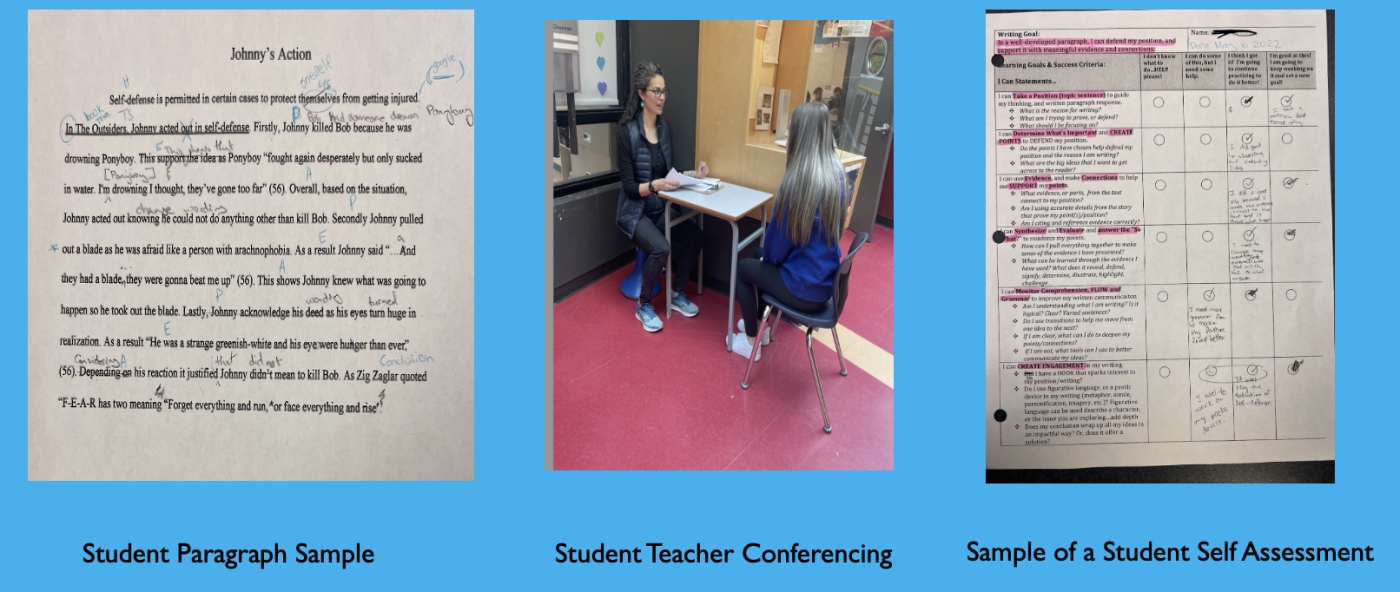 Above are the process and skills students are engaging into develop proficiency in the writing process.
In 2022-2023, our goal was to achieve more of a consistent literacy focus across all subject disciplines, with an intentional focus on maintaining the above established goals (topic sentences, effectively communicating thinking, defending a position) consistently across subject areas. We tracked 2 cohorts of Science 10 comprised of 29 students each and worked on continuing to develop expository and persuasive skills within a scientific context. The Science teacher worked with the same annotation, thinking and thinking structures for their writing processes. We discovered that using the same pedagogical language was crucial in maintaining student progress and understanding.
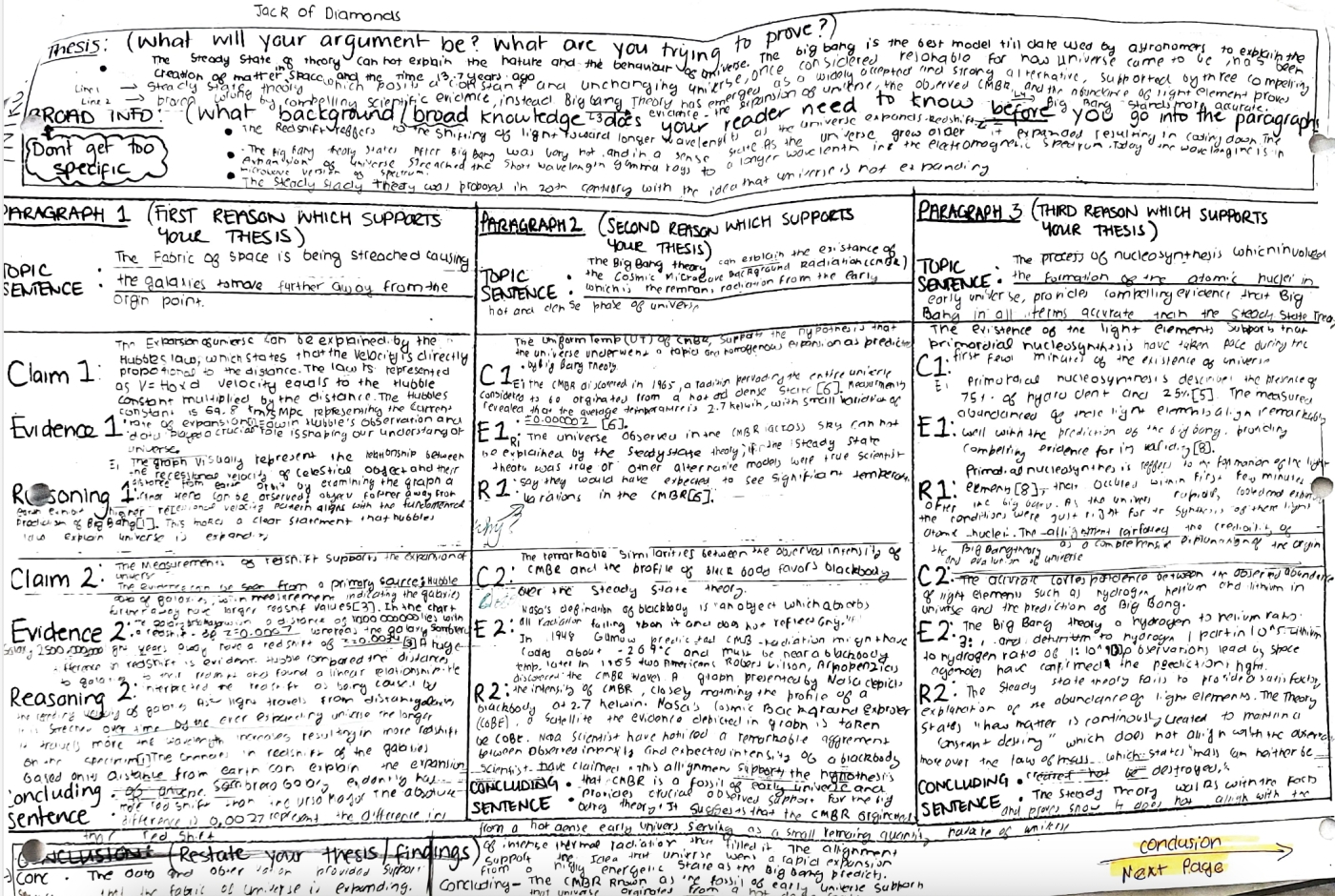
(A student's scientific essay planning sheet demonstrating the goals consistent with the English/Humanities disciplines)
By the 2022-2023 school year, we were starting to see results of our literacy focus. The following graph also shows an increase in more students achieving higher grades (more are scoring at the proficient and extending categories at both Grade 10 and 12 levels) on the Provincial Literacy assessments: 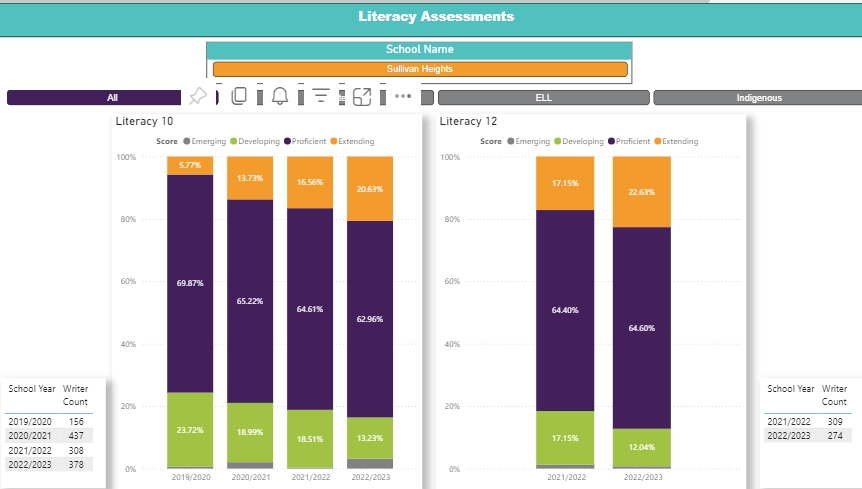
Our Goal for the 2023-2024 School Year:
To improve literacy confidence in a group of Grade 8/9 students at Developing level on the proficiency scale
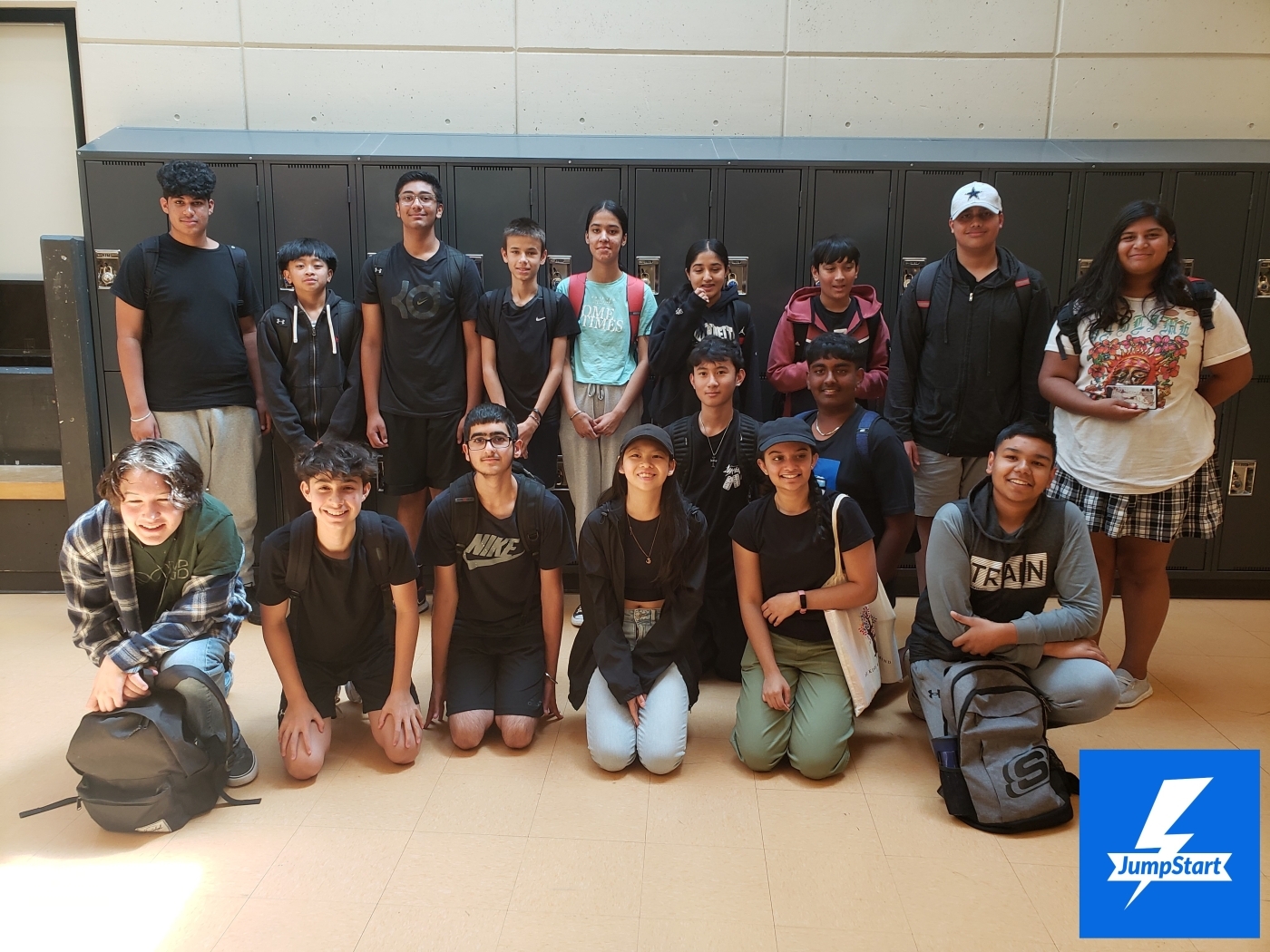
The data we collected from the 2022-2023 school year indicated that there was still a key group of Grade 8/9 students who were only at a developing level. 19% of the students surveyed at the end of our cohort focus last year identified that they were not confident in writing a paragraph. The Department Heads of English and Humanities looked at statistics with the Vice Principal. Teachers were then asked to refer students who would benefit from a summer course to build literacy confidence, and key skills were identified for a an intensive summer Literacy program. Our JumpStart Program in literacy was aimed at those students in Gr.8/9 who were still "developing" their literacy skills on the path towards "proficiency." Students conducted one on one interviews with their teacher(s) on day one to the site in order to develop and recognize individual goals for their summer enhancement.
Teachers developed a nine-day, intensive literacy course intended to allow students to "play" with literacy, with the goal of increasing their enjoyment of literature. Jumpstart teachers met individually with each student and set individually focused goals. They then provided a mindful approach for the whole group, emphasizing oral reading and fluency, having fun with narrative, fluency skills, comprehension strategies, and formulaic writing approaches, intent on building learner confidence in organizing their thoughts and substantiating their ideas.

At the end of the intensive JumpStart course, students participated in a survey to assess their progress through JumpStart in reference to the same literacy goals that were outlined for previous cohorts of students in Gr.8/9.


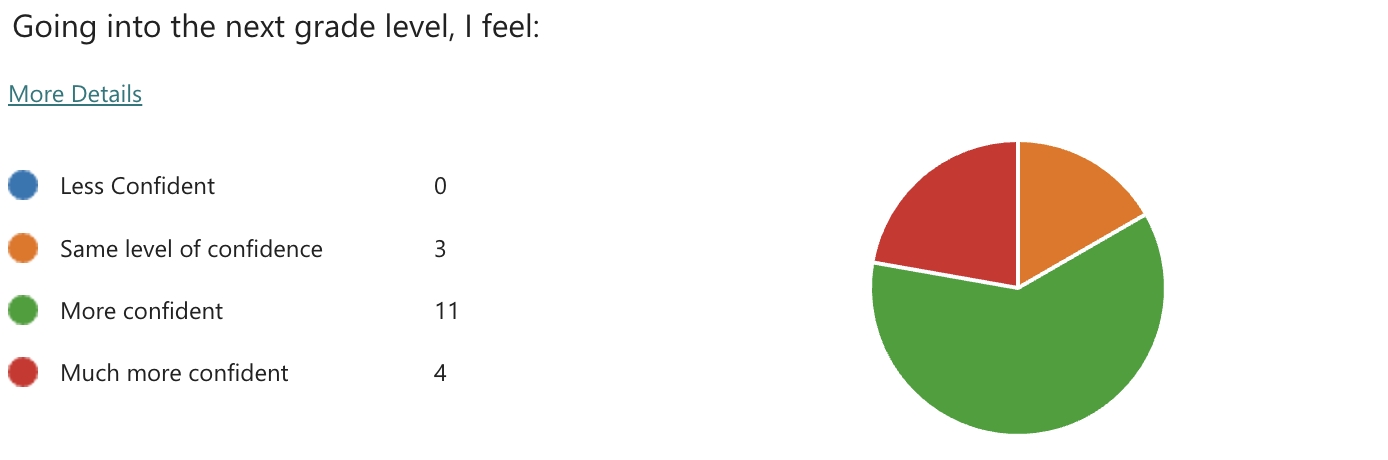
We continued to track this focus group throughout their Grade 9 and 10 years respectively to assess levels of confidence and achievement in their English course at the next grade level.
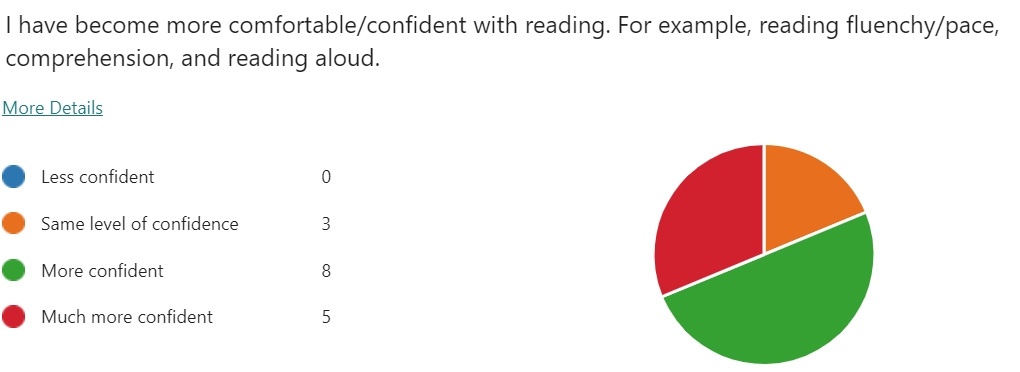
This graph notes that the students became slightly less confident throughout the year, but it the generally were much more confident than before the intensive literacy course. It is also important to remember that this in the face of harder work in a grade above where they were at the end of June and before JumpStart.
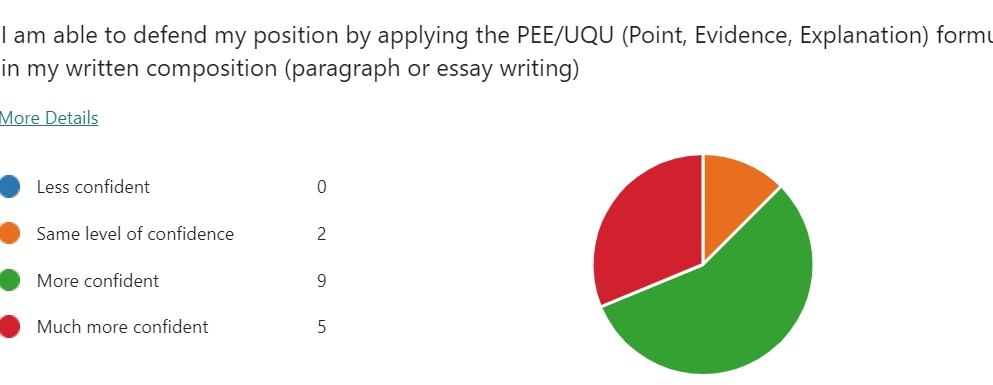
This indicates that students were feeling equally confident or more so in formulating and defending an argument in the face of harder and more difficult work.
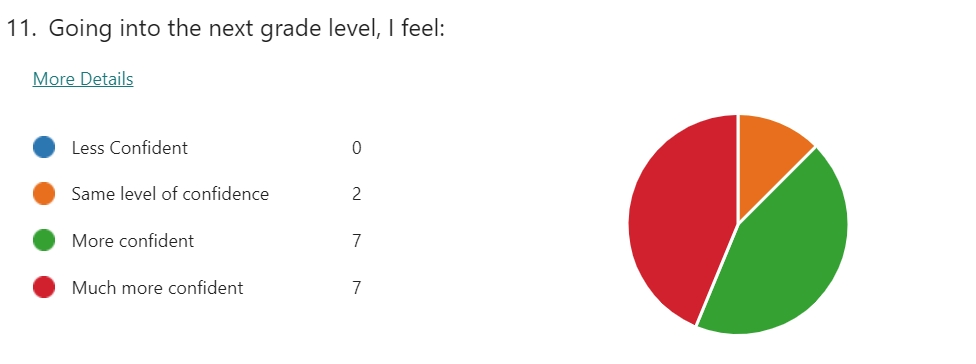 This response shows that the students generally the students are still feeling the same level of confidence or more confident almost a year later.
Achievement in the Subsequent School Year (after JumpStart: Intensive Literacy Remediation)
Other data supporting these anecdotal survey responses are student marks. In addition to feeling more confident with literacy skills such as reading, analysis and writing, students marks in the 2023-2024 school year indicated greater success across writing based subjects, or in some cases, maintaining the same level of achievement in the face of higher level work.
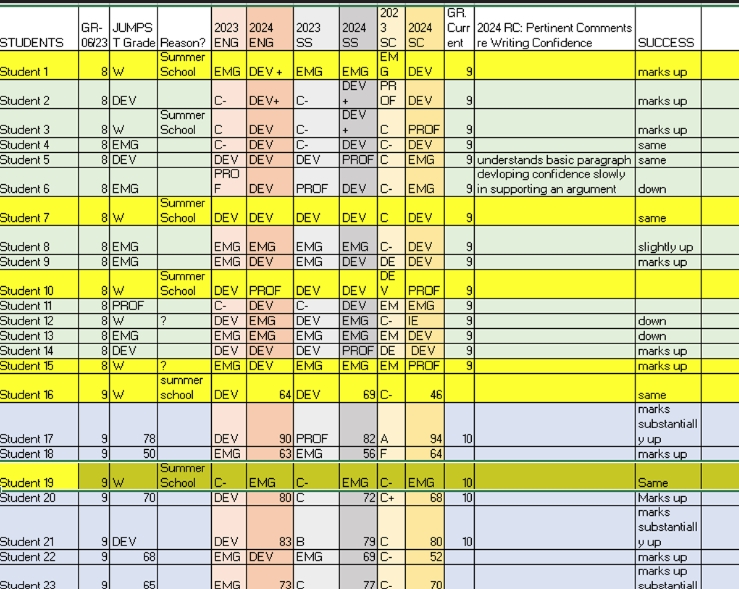
The above graph is illustrative. Of the 6 students who withdrew from the JumpStart Intensive Literacy course, five attended for the first week, withdrawing to attend a refreshed learning course for another subject such as Math or Science. Of the 15 Grade 8 students (including those who may have only attended a few days of JumpStart), four had marks remaining in the same range during their Gr. 9 year., three students scored more poorly in Grade 9, and the rest of the students did better across the academic disciplines in the subsequent year. Of the Grade 10's who took Jumpstart, the two who attended only partially, maintained the same grades the subsequent year (Gr. 10) despite the fact the work was harder. The other five students improved the subsequent year, with three improving substantially. Our conclusion is that when teachers recommend struggling students (Emerging/Low Developing on the Proficiency scale) to a summer intensive literacy course (where their challenges are addressed), it helps them acquire the confidence and skill sets to succeed in the following year.
OUR NEXT STEPS
Our next steps are to take what we have learned about augmenting reading and writing skills at the Grade 8 & 9 level, & what we have learned from augmenting the literacy of struggling students to try broadening our literacy goals across subject disciplines ( a second time). We learned in 2022-2023 that using the same pedagogical language for reading, annotating and writing processes across several disciplines (Humanities [English 8, 9 and Social Studies 8, 9] as well as English 10 and Science 10]) was crucial in helping students to better understand these processes and remember them. Our goal is to take this knowledge to diversify it even further across more subject disciplines. In order to do this:
- The Humanities and English Departments met in late April after the Term 3 report card to identify key learning outcomes that still need to improve across Grades 8 - 12 in both reading and writing.
- The Humanities Department met again in May to design an diagnostic assessment to collect data on student ability to read and analyze a non-fiction text and formulate a response in paragraph form at the end of Grade 8.
- We gave the this diagnostic on June 12 and the Humanities teachers marked this sample together on June 13th 2024, using exemplars against a common proficiency scale to:
- develop a collective understanding of the different proficiency levels
- and align marking practices with one another for consistency. (This will allow us baseline data for comparison to a future assessment, thereby providing us with a snapshot of improvement within a one semester time period (dependent on when the student takes their English course in Grade 9. It will also provide us with before/after exemplars for a large group of students, with the hope that we can then track this cohort over time (longitudinal study in literacy acquisition and improvement).
The results were disappointing and not reflective of literacy gains we have seen on provincial assessments or the sub group of students in the JumpStart program :
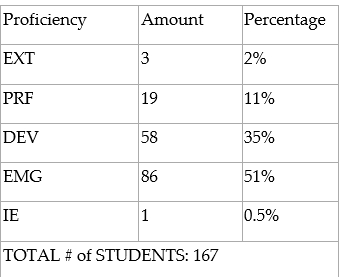
Analysis: The students did not score as well as teachers had seen them score during the year. After consultation with District Helping teachers, we learned that our diagnostic measured writing more than reading and that we may have to consult with them for better diagnostics. A key reason may be that this is the cohort of children that were in Grades 3 and 4 during COVID; the school disruption may have affected their literacy in a key stage of development. Another factor considered was that the students may have scored better had the diagnostic been given a month or two earlier, and not in June at the end of the school year. The teachers felt students were scoring higher in other class assignments. Regardless, it is an interesting data set to use for comparison after their Grade 9 year is complete.
More Next Steps:
- To augment the school goal of reading across subject disciplines, we will be taking what we learn and sharing it with all teachers within the building across all subject areas. ( This is a revisit of 2022-2023 school goal but more in depth with intentional Professional Development and targeted strategies each month presented to staff).
- Professional Development in September will target reading strategies and how to explicitly teach, use and embed them in every subject discipline. There will be two workshops, including:
- Reading Strategies Across Subject Disciplines
- Aligning Universal Design for Learning (UDL) Practices with our increasingly complex class compositions. This is so that teachers will know how to design differentiated units "from the ground up" for all types of learners.
- We hope to review one reading strategy each staff meeting to keep the focus targeted throughout the school year.
In addition, as this is the last year of a five year literacy cycle, we will also be sending out a survey for teachers to work with staff in identifying a new topic for growth within our professional learning community. We are interested in a few different topics, including Equity and Diversity or work in Cultural Competency. But we would like to survey staff to see what other areas of growth and learning emerge as areas of interest.
Surrey Schools
Formed in 1906, the Surrey School District currently has the largest student enrolment in British Columbia and is one of the few growing districts in the province. It is governed by a publicly elected board of seven trustees.
The district serves the cities of Surrey and White Rock and the rural area of Barnston Island.