Sullivan Elementary 25-26

OUR CONTEXT

We acknowledge that Sullivan Elementary is located on the traditional, ancestral, and unceeded territories of the Katzie, Kwantlen, Semiahmoo, and other Coast Salish Peoples. We are grateful for the opportunity to learn, work, and play on these lands and recognize our responsibility to build meaningful relationships and contribute to the process of reconciliation.
Sullivan Elementary is an inclusive, welcoming learning community where all students and families are valued, respected, and supported. We celebrate diversity, foster a sense of belonging, and are committed to ensuring each learner has opportunities to thrive academically, socially, and emotionally. We are committed to truth and reconciliation through the integration of Indigenous perspectives, teachings, and ways of knowing and being within our learning environments. Through ongoing learning and reflection, we strive to honour Indigenous histories, cultures, and contributions while fostering respectful relationships with Indigenous communities.
Providing a respectful, nurturing environment to foster lifelong learning.

Students
Our students are kind, caring, and dedicated learners who come to school feeling valued, supported, and ready to engage in learning. We continue to celebrate the growth and diversity of our school community and recognize the unique strengths and experiences that each student brings.
Students actively participate in a variety of leadership opportunities throughout the school. They engage with evidence-based social-emotional learning programs, including Second Step, MindUP, Zones of Regulation, and other universal supports that promote self-awareness, self-regulation, empathy, and positive relationships. As a result, students are increasingly able to apply their social-emotional learning skills in both academic and social settings, contributing to a positive and inclusive school culture.


Families
Families within our Sullivan community are committed partners in their children's learning and well-being. They are strong advocates for the learning journeys of all students and work collaboratively with staff to support student success. As a supportive network, families uplift one another and contribute to a positive school culture by promoting and supporting rich, diverse learning opportunities.
Our PAC is highly skilled, creative, dedicated, and engaged. Through their ongoing support, students benefit from a wide range of enriching experiences, including yoga, floorball, pickleball, dance, fine arts presentations, Spirit Night, monthly hot lunches, and community-building events. The PAC also prioritizes technology enhancements, ensuring students have access to tools that support learning and innovation. Families contribute to the Sullivan community in a variety of ways and, together with staff, help create a safe, caring, and inclusive environment where all students can succeed.
Staff
As a staff, we go beyond the responsibilities of the classroom to support students through extracurricular opportunities, leadership initiatives, clubs, and athletics. By caring for and supporting one another, we strengthen our ability to meet the diverse needs of our students and families. Our participation in Surrey School District social-emotional learning initiatives has contributed greatly to the positive, safe, and inclusive learning culture at Sullivan. Through ongoing collaboration, professional learning, and mentorship, staff model the values of respect, growth, teamwork, and care that we strive to foster in our students. As a host school for both student teachers and educational assistant practicum students, Sullivan staff demonstrate leadership by mentoring and supporting early-career educators while continuing to deepen their own professional learning. Our diverse cultural, linguistic, and educational backgrounds enrich our school community and help create a welcoming and inclusive environment where relationships are valued and every member of the community feels a sense of belonging.
OUR LEARNERS

Literacy is defined as “...the ability to understand, critically analyze, and create a variety of forms of communication, including oral, written, visual, digital, and multimedia, in order to accomplish one's goals” (BC Ministry of Education Curriculum Overview, 2024). It is a foundational skill essential for success in all areas of life—whether at work, at home, or in countless other contexts. A strong grasp of literacy is also critical for achievement across the curriculum, as it is deeply embedded in every subject area.

Our school goal this year prioritized writing, with a particular focus on improving meaning in student writing. We aimed to support students in developing writing that includes relevant personal reactions and ideas, demonstrates individuality and voice, and communicates ideas and information in a clear and straightforward manner. Through explicit instruction, modeling, and opportunities for authentic writing experiences, students were encouraged to elaborate on their thinking by including relevant explanations, details, and examples.
In our work with student literacy development, we find our learners to be curious, enthusiastic, and actively engaged in school activities. They demonstrate creativity and imagination and often excel as oral storytellers, bringing rich experiences and ideas to their writing. Across all grade levels, students show a willingness to share their thinking and express themselves through a variety of written forms. As writers, students are increasingly developing their ability to communicate personal connections, organize their ideas, and write with greater purpose and clarity.
Students continue to demonstrate a genuine joy for learning and literacy experiences, including opportunities to read, discuss, create, and share their work with others. As their confidence with technology grows, students are also increasingly able to use digital tools to support the writing process through planning, drafting, revising, and publishing their work. This growing confidence allows students to communicate their ideas in a variety of ways and for a variety of audiences.

OUR FOCUS
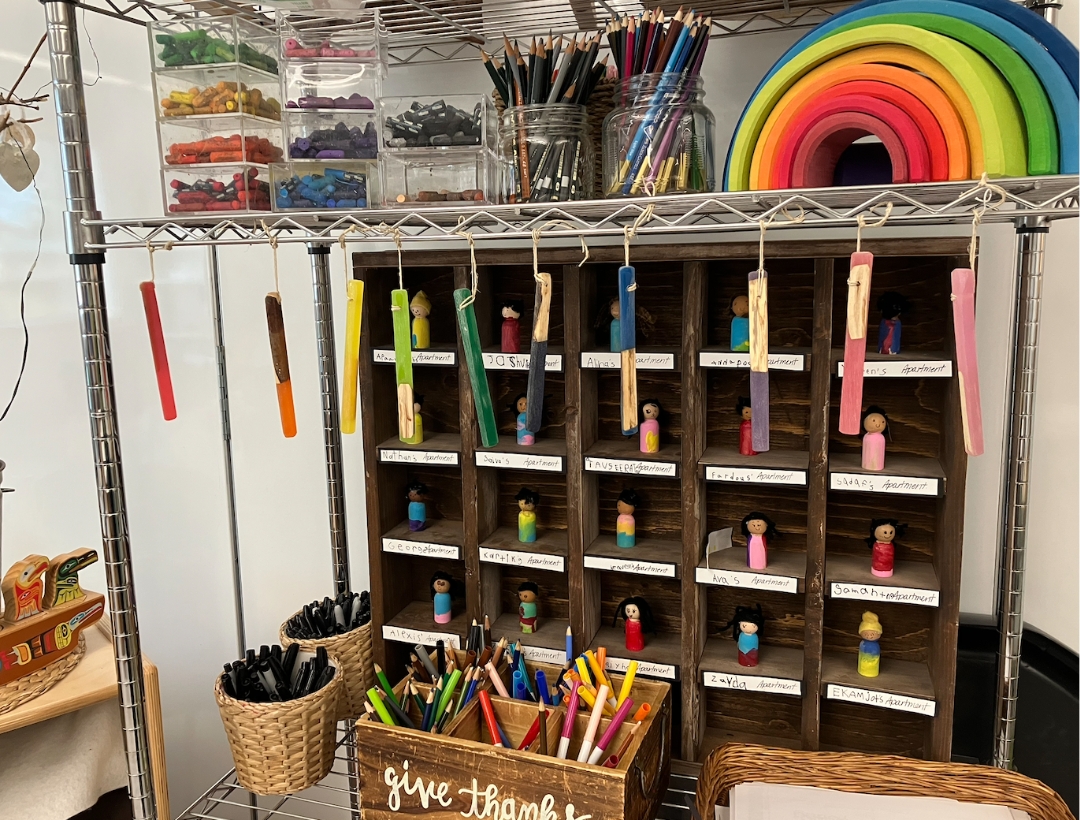
Over the past several years, Sullivan Elementary has experienced a notable shift in the demographics of our student population. A growing number of our learners are multilingual, bringing with them a rich diversity of languages, cultures, and lived experiences. In response, our school team has come together to set intentional goals that support equitable access to literacy learning for all students. We are committed to providing explicit, engaging, and culturally responsive instruction that meets students where they are, while honouring the unique strengths they bring to their learning.
This year, our school-wide literacy focus was writing. Specifically, our goal was to improve meaning in student writing such that students' work included relevant personal reactions and ideas with some individuality, communicated ideas and information clearly and directly, and incorporated relevant explanations, details, and examples to support and extend meaning. Throughout the year, teachers collected and analyzed student writing samples to better understand student strengths and identify areas for growth. This process allowed staff to monitor progress and collaboratively plan targeted interventions to support the development of writing skills across grade levels. Several instructional strategies were implemented to help students strengthen the meaning and quality of their writing. These included scaffolded pre-writing activities that encouraged students to expand and organize their ideas before writing, explicit grammar and sentence structure instruction to ensure meaning was communicated clearly, and regular feedback through conferencing and rubric-based assessment. Teachers also provided frequent opportunities for students to revise and improve their writing based on feedback and reflection.
As multilingual learners continue to make up a significant portion of our student population, oral language development remained an important component of writing instruction. Classroom discussions, partner sharing, storytelling, and opportunities to verbally rehearse ideas supported students in developing and organizing their thinking before transferring ideas to written form. These approaches strengthened both language development and writing proficiency while valuing the diverse experiences and perspectives students bring to the classroom.

Throughout the year, staff observed encouraging growth in student writing. Students demonstrated increased writing stamina and were able to sustain writing tasks for longer periods of time. Many students began adding more relevant details and examples to support their ideas and showed growth in their use of descriptive language and broader vocabulary. Teachers also noted gradual improvement in sentence structure and organization. Student writing became less focused on a simple stream of consciousness and increasingly reflected purposeful communication, with writers providing additional information, elaboration, and imagery to engage their audience and clarify meaning. We also recognize that our culturally and linguistically diverse student population is one of our greatest strengths. Students bring a wide range of experiences, perspectives, and knowledge that enrich learning for all members of our community. Staff continue to create inclusive learning environments that honour student voice and identity while helping learners develop the skills necessary to communicate their ideas effectively and confidently. To further support our diverse learners, teachers incorporated Indigenous ways of knowing, being, and learning throughout literacy instruction. Storytelling, reflection, relationship-based learning, and opportunities for personal connection provided meaningful contexts for communication and written expression. By integrating these approaches, we aim to foster student voice, strengthen community connections, and create authentic learning experiences that support the whole child.
Staff continue to strengthen their instructional practices through collaborative inquiry, professional dialogue, and ongoing learning related to effective writing instruction. Through these collective efforts, we remain committed to supporting all students in becoming confident, capable writers who can communicate their ideas clearly, creatively, and purposefully for a variety of audiences.
OUR NEXT STEPS

Throughout the year, staff identified areas of growth and responded to student needs by meeting learners where they are, both individually and collectively. Through differentiation, targeted supports, and responsive instruction, teachers helped students develop greater confidence and purpose in their writing. As we move forward, we will continue to support students through the application of Universal Design for Learning (UDL), evidence-based writing practices, and culturally responsive pedagogy that promotes success for all learners.
As we continue our school-wide literacy focus on writing, we will build upon this year's successes while refining our instructional practices to further improve the meaning and quality of student writing. Our work will continue to support students in communicating ideas clearly, developing their individual voice, and providing meaningful details, explanations, and examples that enhance communication for the reader.
Through our inquiry, we observed that students demonstrated increased writing stamina, added more relevant details to their writing, expanded their vocabulary, and began writing with greater purpose and audience awareness. While these gains are encouraging, staff identified opportunities to further strengthen sentence construction, organization of ideas, elaboration, and the development of strong writing habits across classrooms.
Moving forward, teachers expressed interest in engaging in professional learning focused specifically on writing instruction. A summer professional development opportunity dedicated to evaluating and selecting high-quality writing resources for intermediate learners was identified as a priority. Staff discussed exploring resources such as The Writing Strategies Book and Adrienne Gear's writing frameworks to support a consistent and research-informed approach to writing instruction throughout the school.
In addition, the intermediate team discussed implementing a common writing folder structure across classrooms. This resource may include personal word lists, editing and revision checklists, writing exemplars, goal-setting tools, and drafting supports that encourage independence and self-reflection throughout the writing process. By using common tools and language across classrooms, students will experience greater consistency and develop increased ownership of their growth as writers.
As outlined in the BC Curriculum, literacy learning is closely connected to the development of the Core Competencies, particularly Communication, Creative Thinking, and Personal Awareness and Responsibility. Through writing, students learn to communicate ideas clearly, explain and reflect on their experiences, develop and extend their thinking, set goals, monitor progress, and act on feedback to improve their work.
To ensure continued growth, we will:
Continue collecting and analyzing writing samples to monitor student progress and inform instruction.
Refine and expand instructional practices that support meaning, voice, elaboration, and organization in student writing.
Investigate and implement high-quality writing resources and frameworks that support consistent instruction across classrooms.
Explore the implementation of common writing folders and writing support tools throughout the intermediate grades.
Align classroom instruction with Learning Support Team practices to ensure consistency in language, scaffolding, assessment, and intervention.
Continue incorporating Indigenous ways of knowing, being, and learning, including storytelling, reflection, relationship-based learning, and opportunities for authentic student voice.
Strengthen student self-assessment and goal-setting practices to support the development of the Communication and Personal Awareness and Responsibility Core Competencies.
Continue to examine assessment practices and use evidence of learning to celebrate student growth and guide future instruction.
Our goal is to support each student at Sullivan in becoming a confident, capable writer who can communicate ideas clearly, creatively, and purposefully. Through ongoing collaboration, professional learning, and responsive teaching practices, we will continue to create opportunities for all learners to develop the skills, confidence, and voice needed to succeed both in school and beyond.
Surrey Schools
Formed in 1906, the Surrey School District currently has the largest student enrolment in British Columbia and is one of the few growing districts in the province. It is governed by a publicly elected board of seven trustees.
The district serves the cities of Surrey and White Rock and the rural area of Barnston Island.