Serpentine Heights Elementary 24-25

OUR CONTEXT
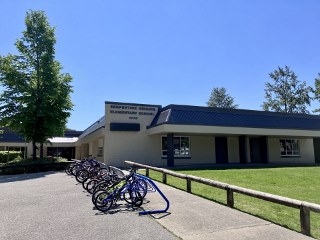
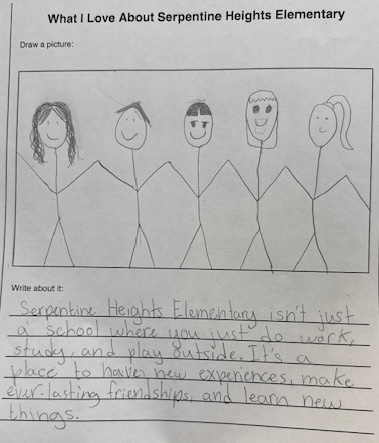
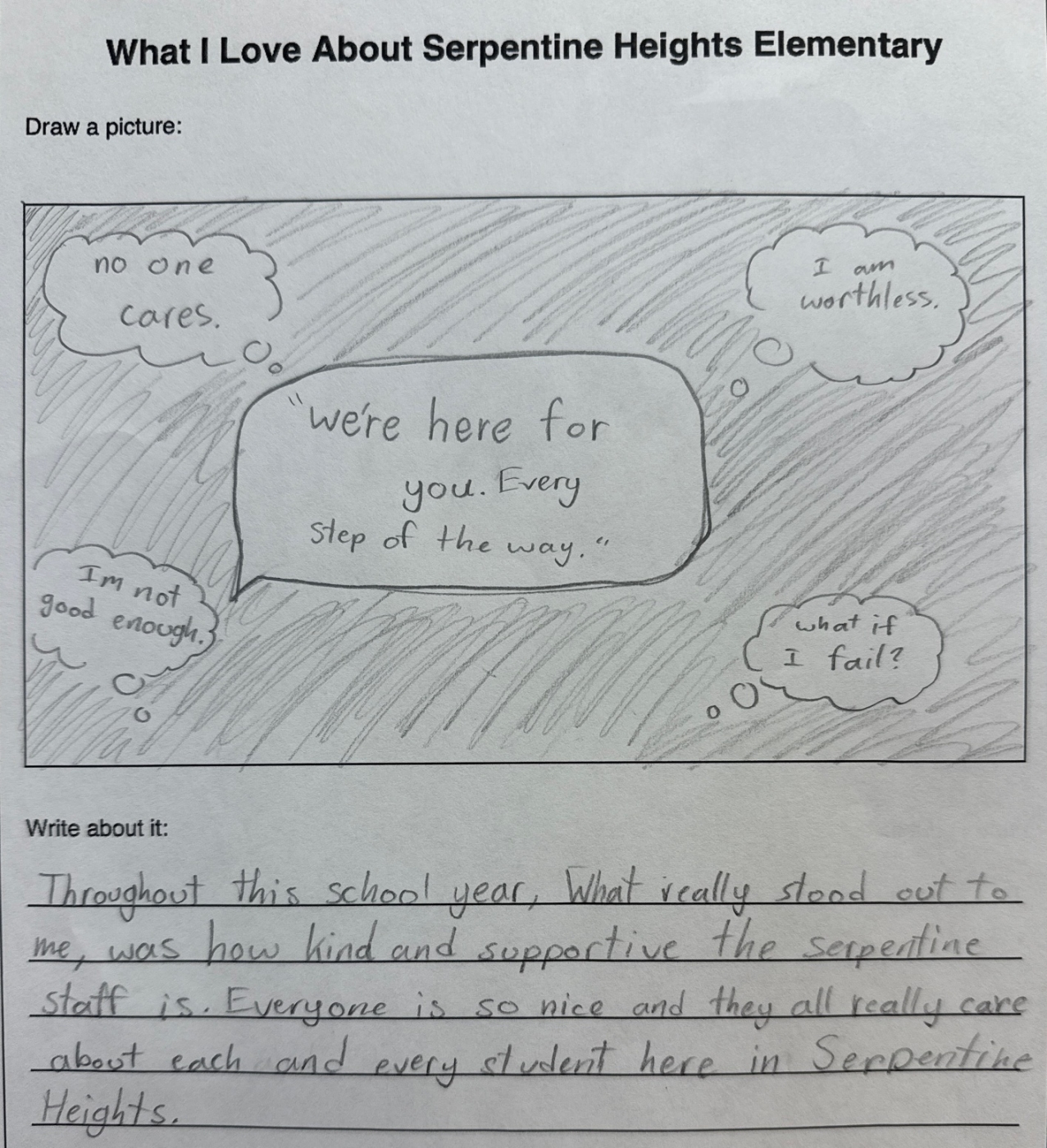
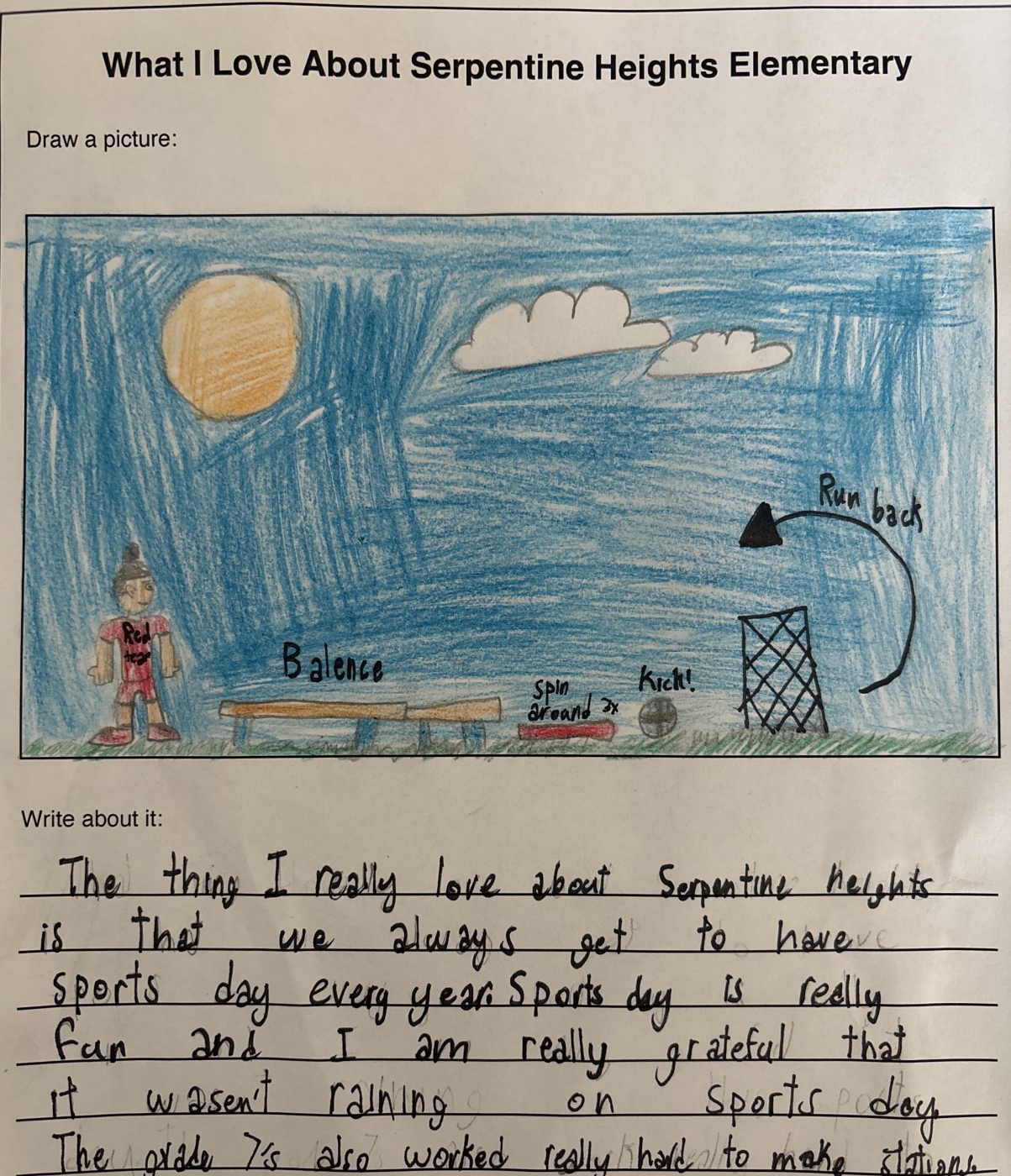
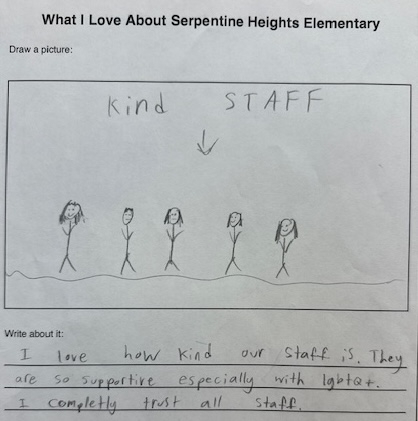
Serpentine Heights is a vibrant and diverse learning community located on the shared traditional territory of the Kwantlen, Katzie and other Coast Salish Peoples. Our students consistently show care for themselves, one another, and their school by being kind, empathetic, and helpful. They express a strong sense of safety, belonging, and joy in coming to school each day. Their learning journeys are supported by caring families who work closely with the school.
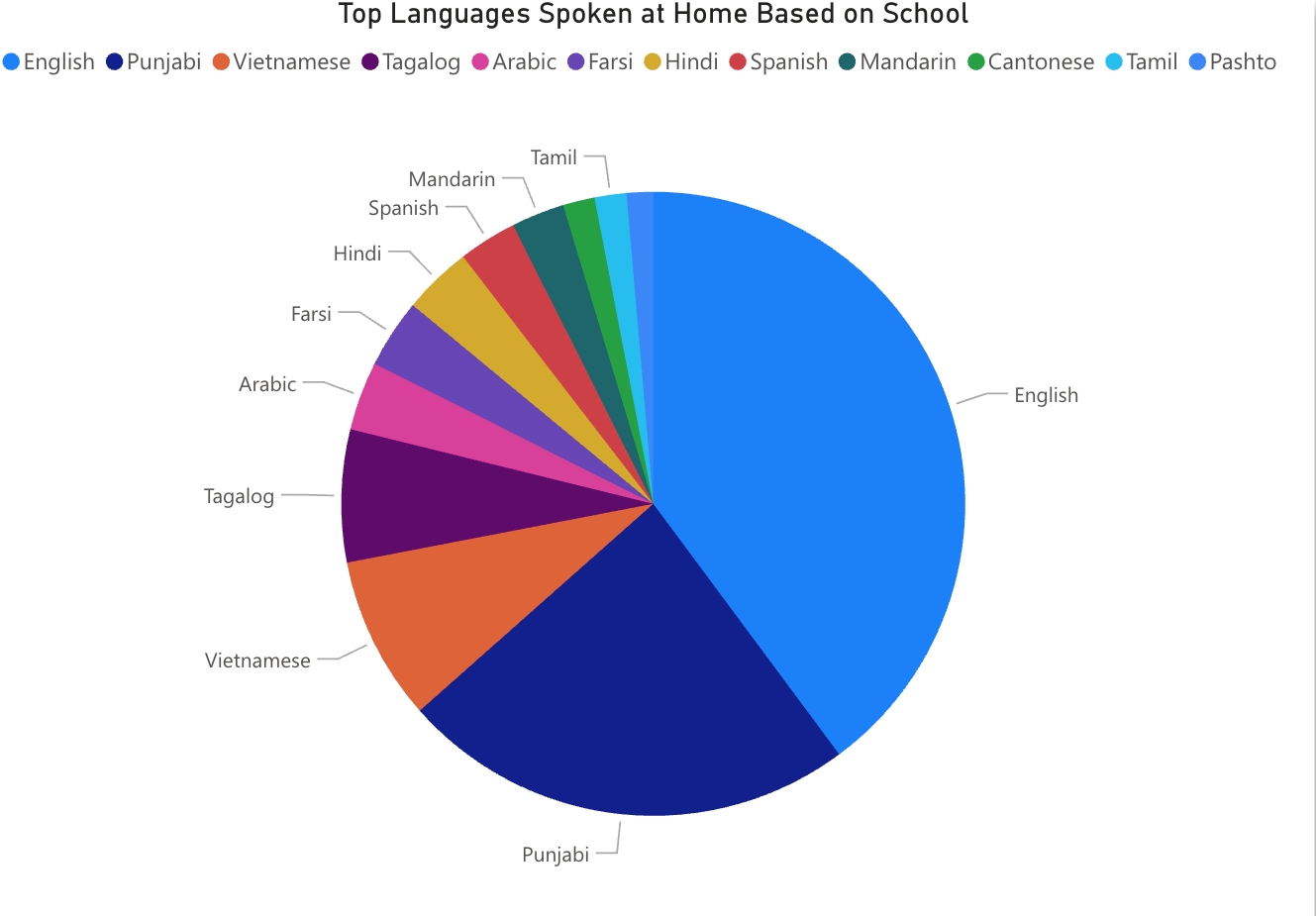
Our school is a dynamic and inclusive learning environment that serves over 400 students from a wide range of cultural and linguistic backgrounds. With 32 different languages spoken in our community and approximately 60% of students experiencing a language other than English at home, we are proud to reflect the diversity of the families we serve. In addition, 40% of our students are identified as English Language Learners, developing English language skills in oral language, reading and writing and six of our students identify as Indigenous. .
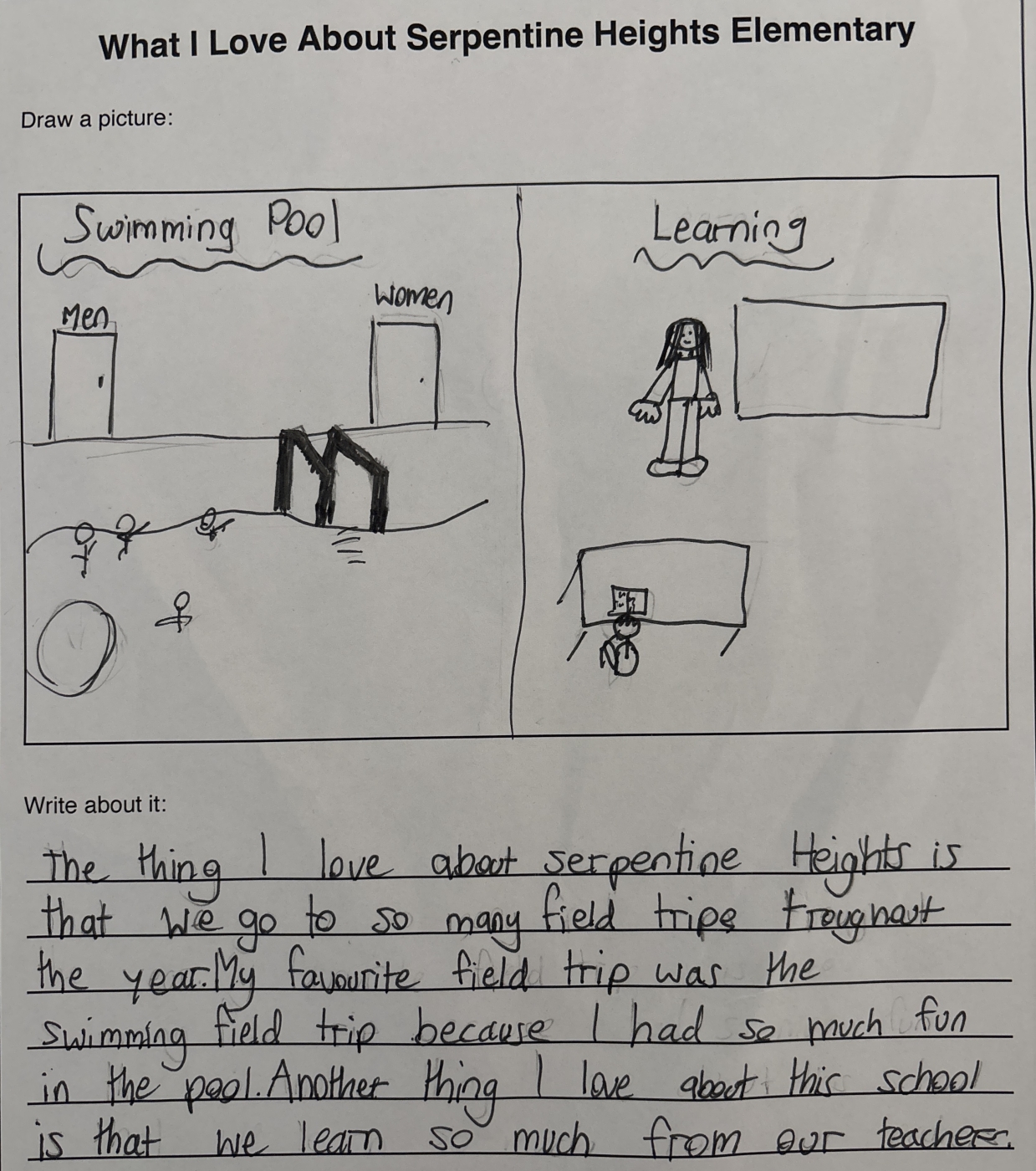
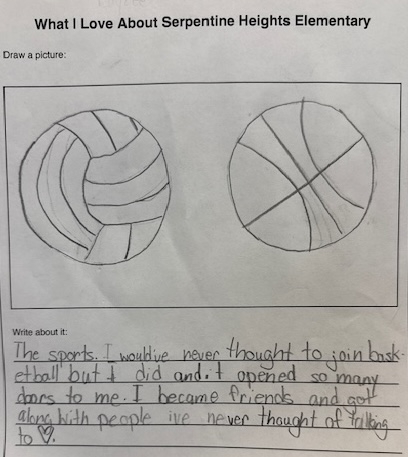
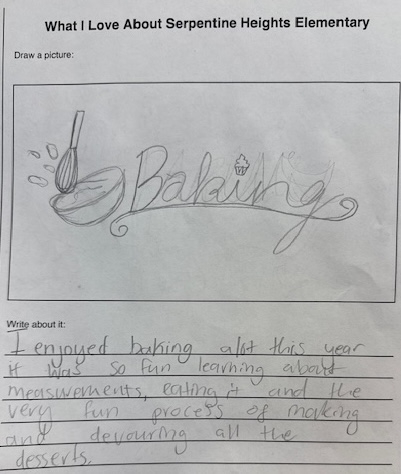
Our learners are active, curious, and engaged. They enjoy outdoor play, athletics, and learning experiences that involve creativity, collaboration, and hands-on exploration. Movement and social interaction are important parts of their daily experience. Students also benefit from extra-curricular opportunities in sports, clubs, and leadership. We encourage and support opportunities for growth through our annual Jingle Bell Walk, the Young Entrepreneur Fair, and SEL (Social Emotional Learning) themed assemblies organized and lead by our Student Leadership team.
We place a strong emphasis on equity, diversity, and inclusion. Events such as the Terry Fox Run, First Peoples in Residence Week, spirit days, and cultural awareness days help foster a positive school climate. These initiatives build empathy, celebrate student identity, and strengthen our shared sense of community and global citizenship.
With strong partnerships between staff, families, and community, our school is committed to creating a supportive and engaging learning environment where every student can feel a sense of belonging and grow as a learner and person.
OUR LEARNERS
At Serpentine Heights Elementary, we are committed to nurturing the whole child—academically, socially, and emotionally. Through ongoing reflection, classroom observations, and school-wide assessments, we have developed a deeper understanding of our learners and the environments that best support their growth.
Over the past year, we have noticed the following key trends among our students:
- Strengths: Many students demonstrate curiosity, resilience, and a willingness to engage in hands-on, collaborative learning experiences. There is a strong sense of community and peer connection across grades, especially during cross-grade activities and inquiry-based projects.
- Areas of Growth: While numeracy and foundational literacy skills remain strong for many students, our data indicates that 44 % of students were continuing to emerge or develop in their reading fluency or comprehension skills (as assessed by their teachers in Term 1 Language Arts Reading in the 2024/2025 school year).
- Student Voice and Engagement: Through classroom conversations, school surveys, and daily interactions, we’ve learned that students are eager to explore topics they find personally meaningful. They express joy when learning is active, choice-driven, and connected to real-life contexts.
We recognize the importance of creating supportive, inclusive learning environments that honour individual strengths and diverse experiences. As a result, our instructional focus includes:
- Strengthening early literacy through small-group instruction and targeted supports
- Encouraging student voice and agency in both classroom decisions and learning tasks
- Promoting core competencies—communication, thinking, and personal/social awareness—across subject areas
We are proud of the progress our students have made and remain committed to continuous learning and growth for all.
OUR FOCUS
A focus on strong reading fluency and comprehension is at the heart of what we do at Serpentine Heights Elementary. The ability to read with accuracy, expression, and understanding is essential to our students’ success as they progress through school and into adulthood. Students develop these skills in ways that help them make meaning from texts, think critically about the world around them, and apply their understanding in meaningful ways. Our focus this year has been:
“Developing reading fluency and comprehension across all grade levels.”
- Students will develop the ability to read fluently and with comprehension by engaging with a variety of texts, using strategies to make meaning, and reflecting on what they read.
All teachers, across all grades, provide students with learning opportunities aimed at increasing reading fluency and comprehension proficiency of our learners. To highlight and determine overall successes and areas for growth, we monitored the progress of two cohorts:
- Primary (K–3) classes
- Intermediate (Grades 4–7) classes
Both cohorts engaged in the learning goal through an inclusive and strengths-based lens, guided by the inquiry question:
“How can we support all learners in developing confidence and competence in reading?”
Inquiry Focus: Primary
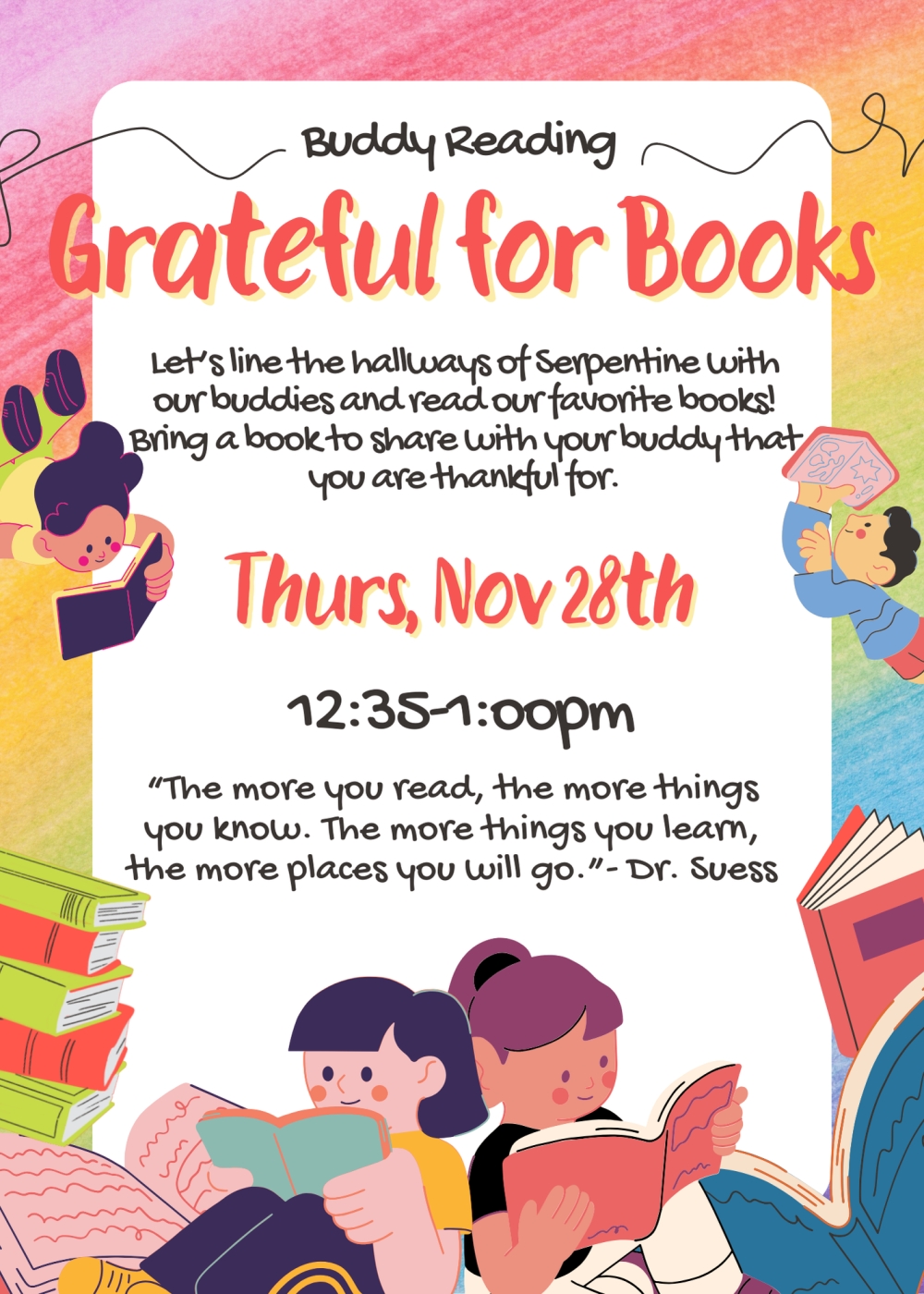
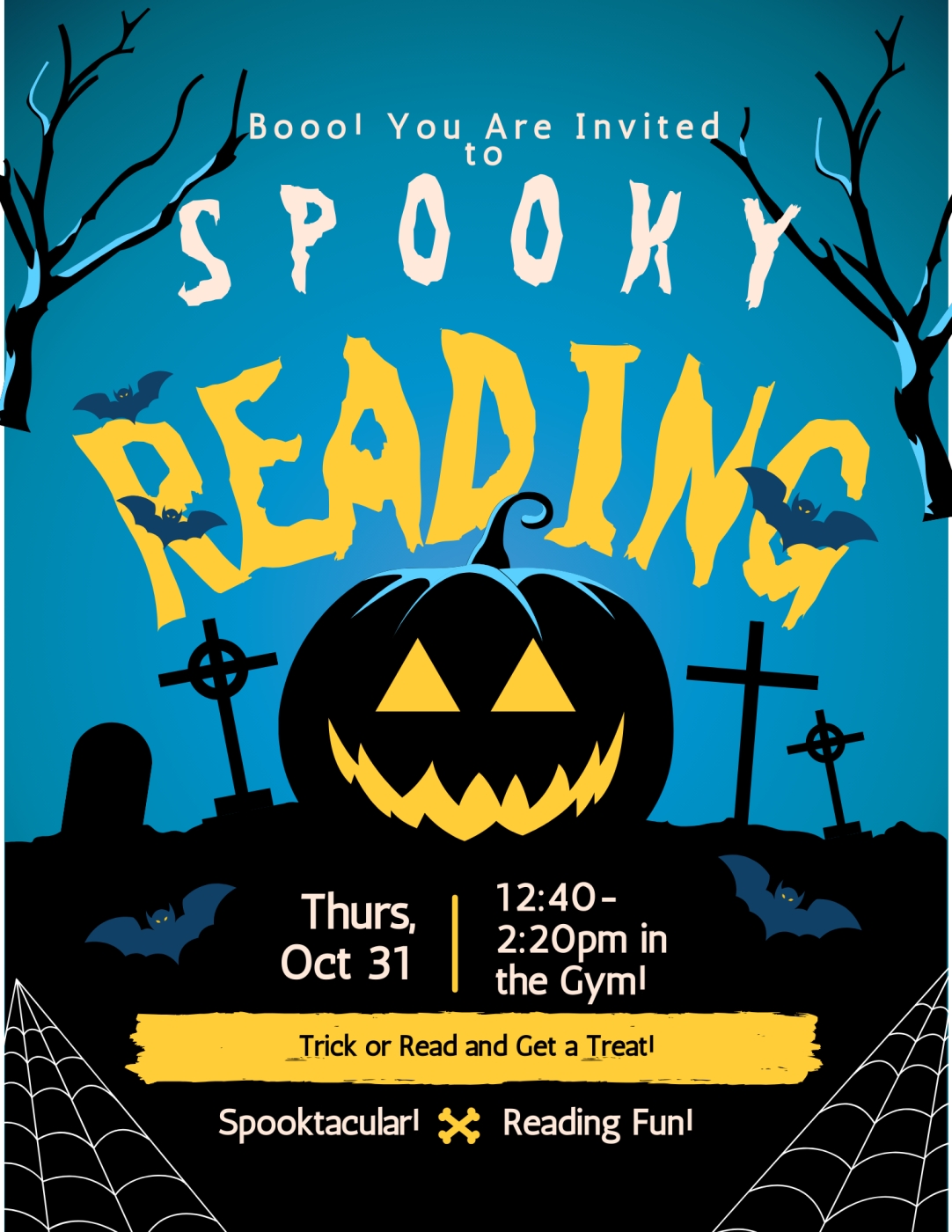
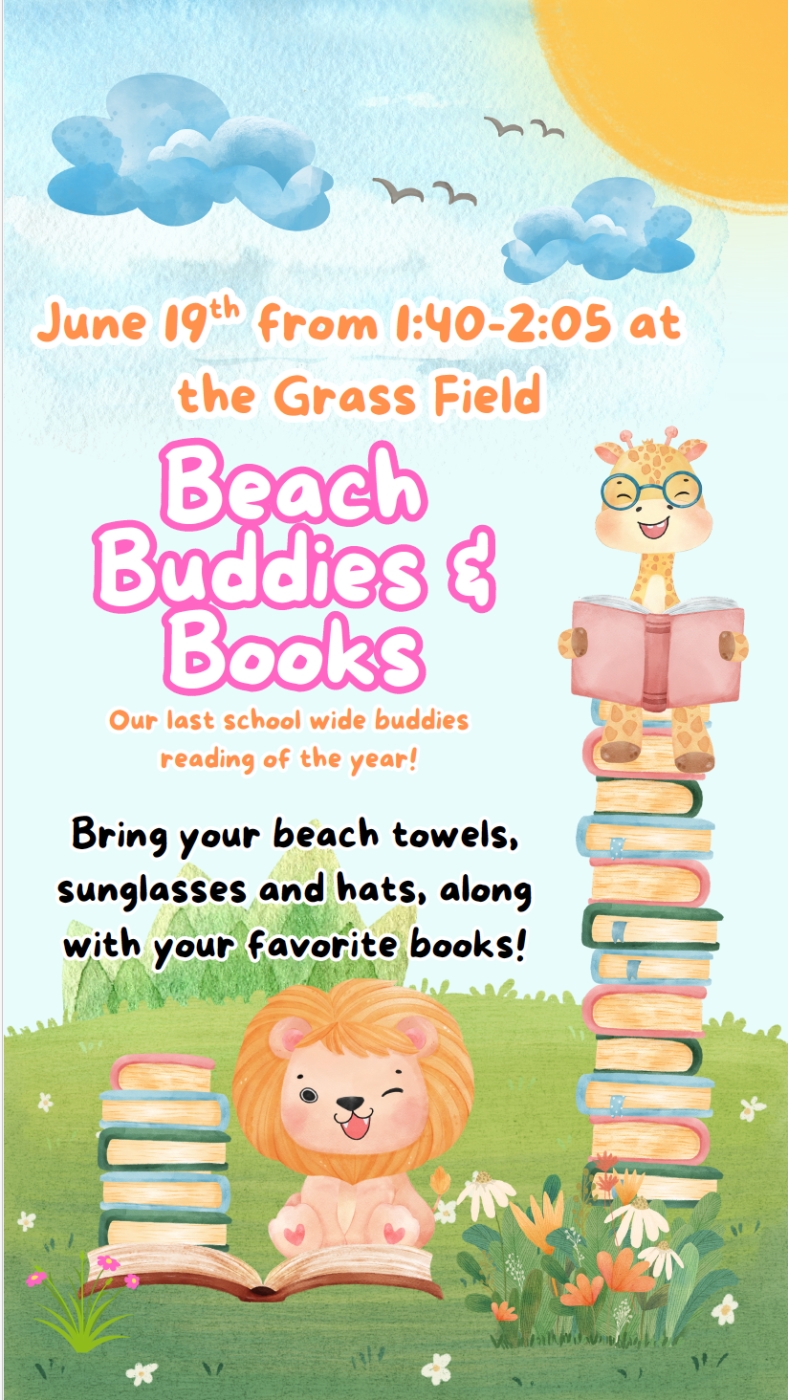
The focus for our primary students was the Big Idea that "Language and story can be a source of creativity and joy," by building foundational reading skills through play-based and structured literacy activities. Students engaged in LST organized whole school reading events, and classroom based activities such as language games, story workshop, read-alouds and small group reading activities designed to help them "use developmentally appropriate reading, listening, and viewing strategies to make meaning" and to build a love of literacy.
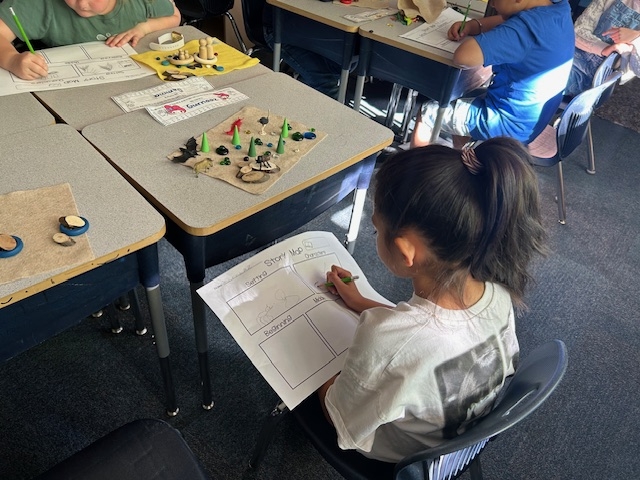
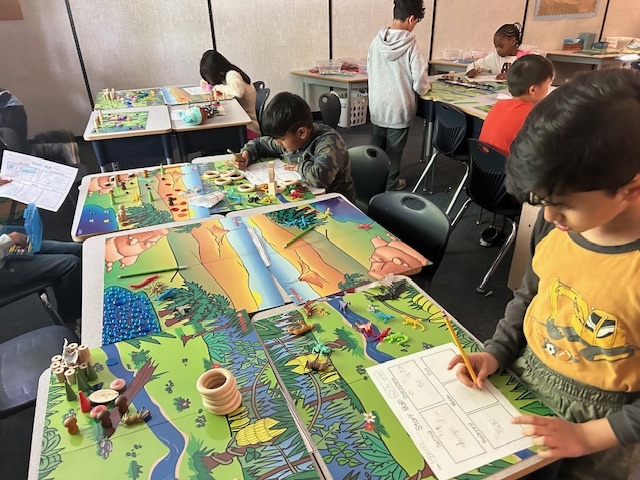
Instructional strategies included guided reading, shared reading, oral language activities, and phonics instruction grounded in the Science of Reading. Evidence of learning was collected through observations, student conferences, and reading assessments.
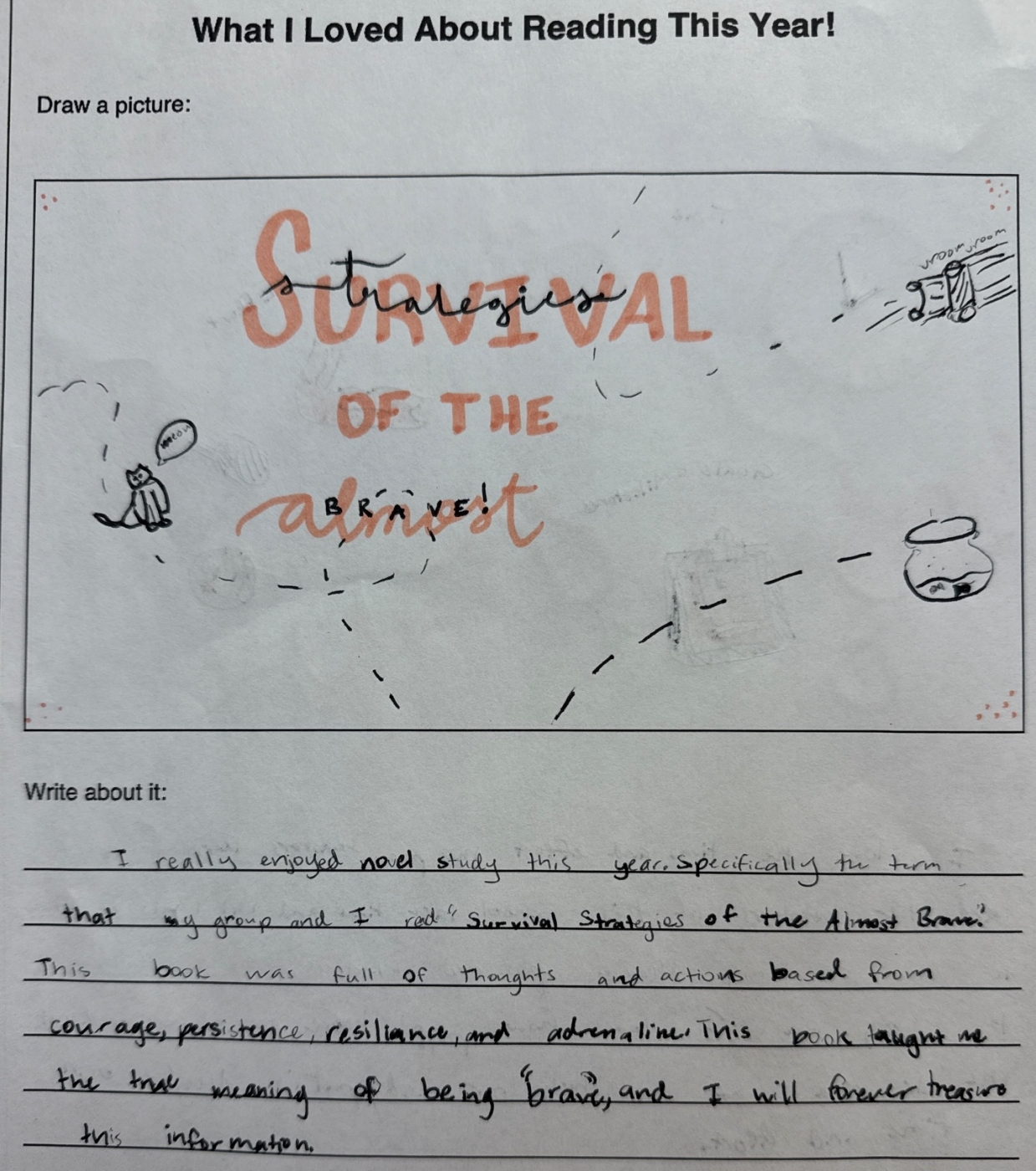
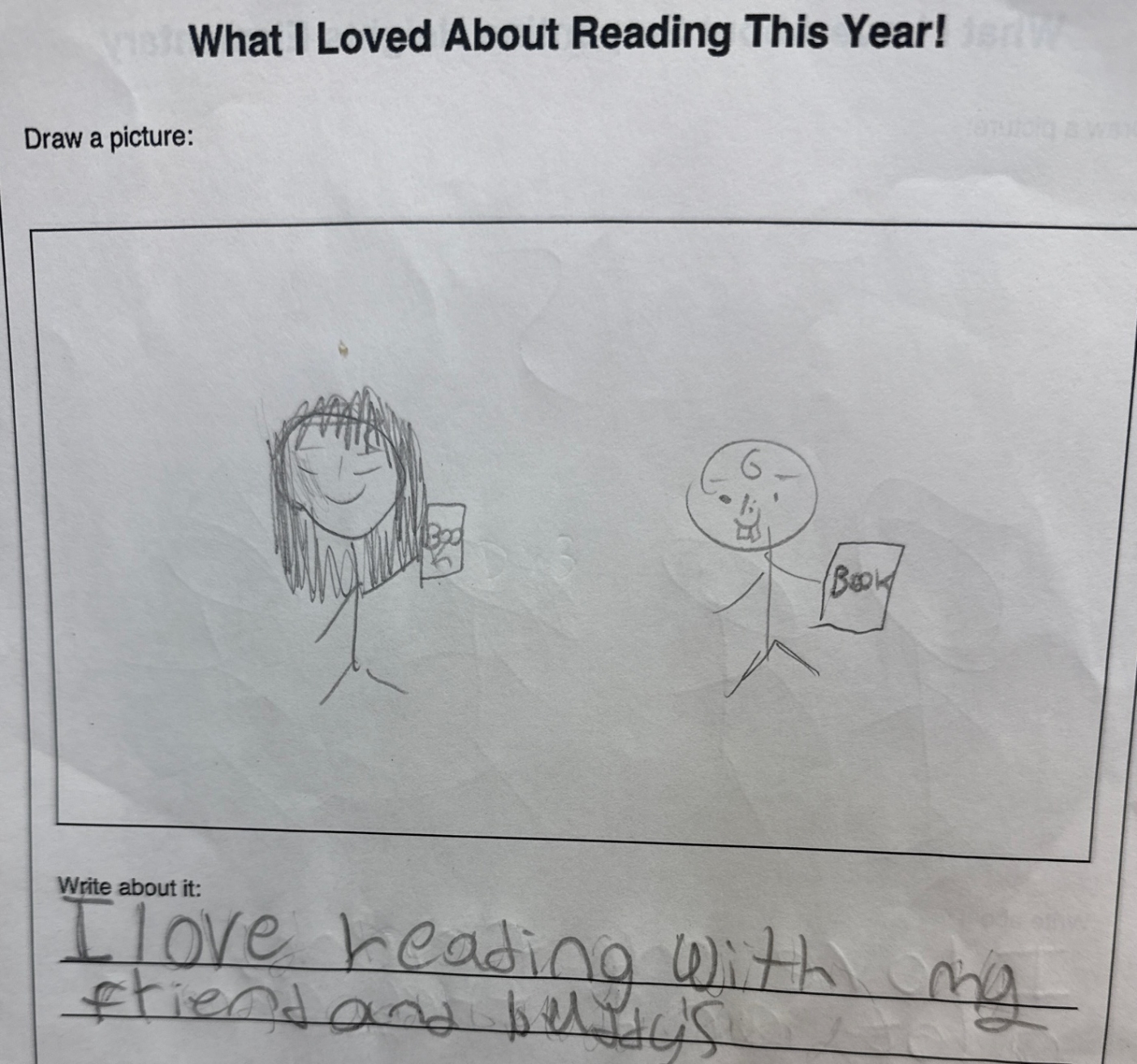
Teachers observed that students developed increased confidence in decoding and demonstrated joy in sharing books with peers. Collectively, students were able to read familiar texts with increasing fluency and demonstrate improved basic comprehension.


Inquiry Focus: Intermediate
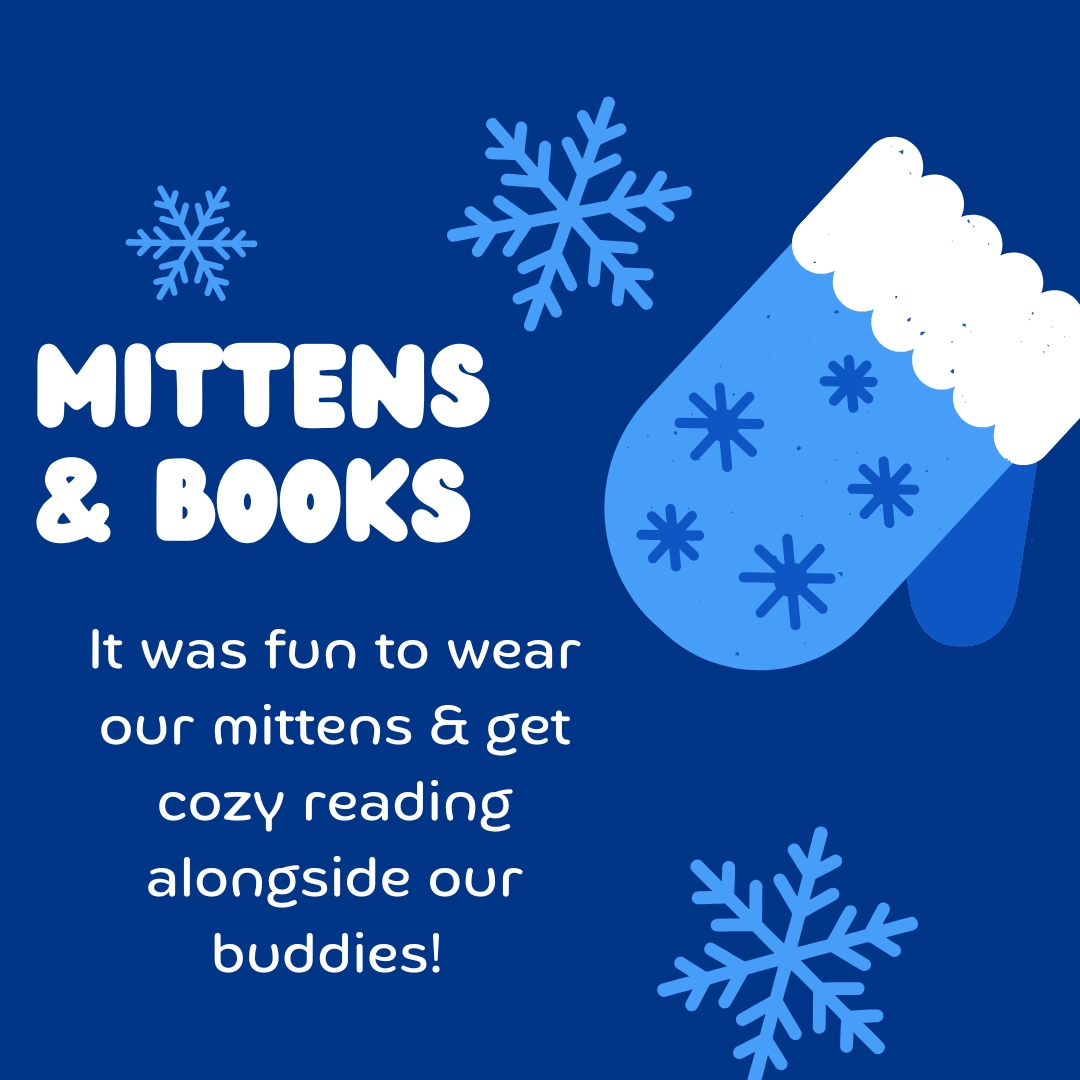
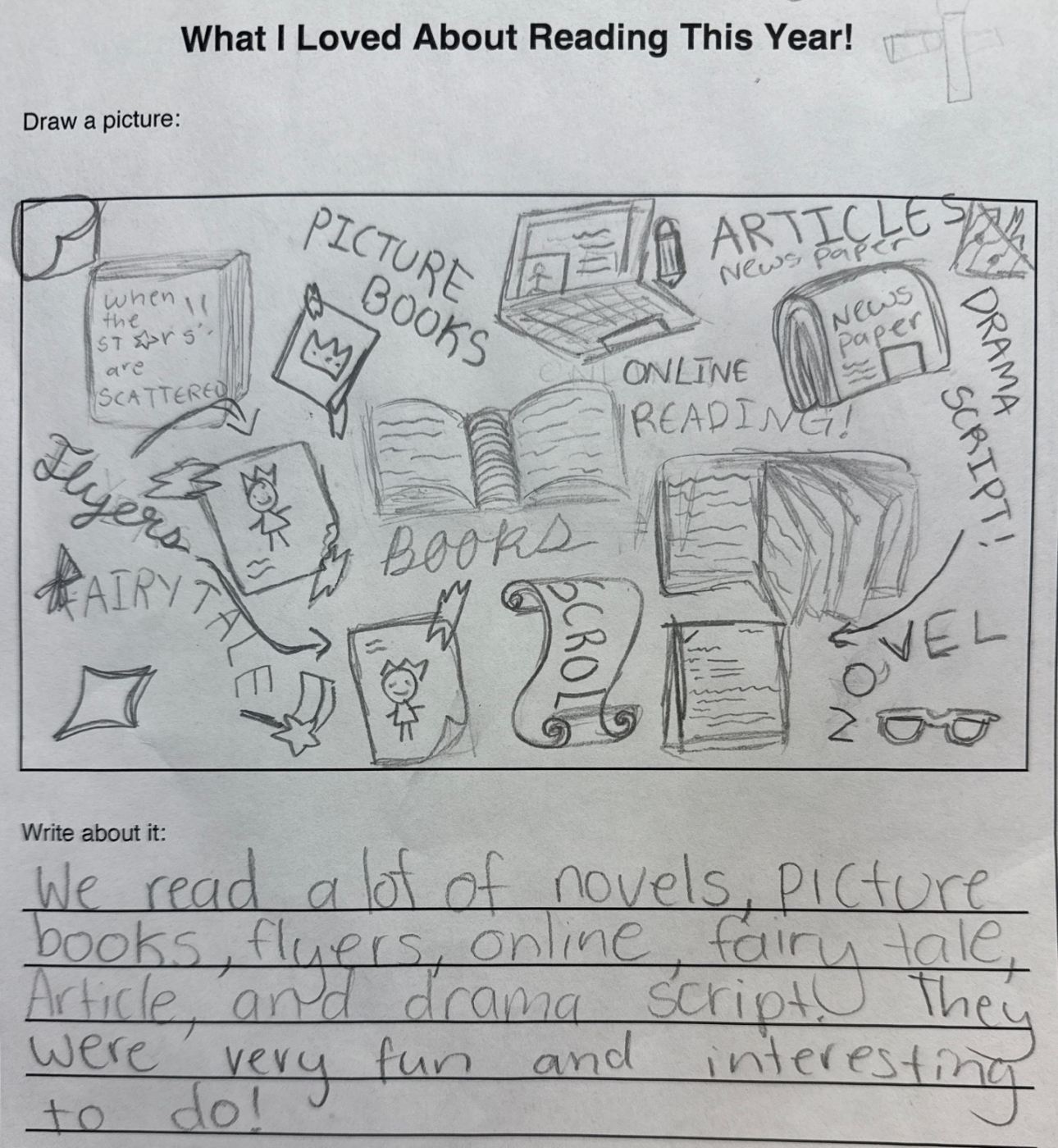
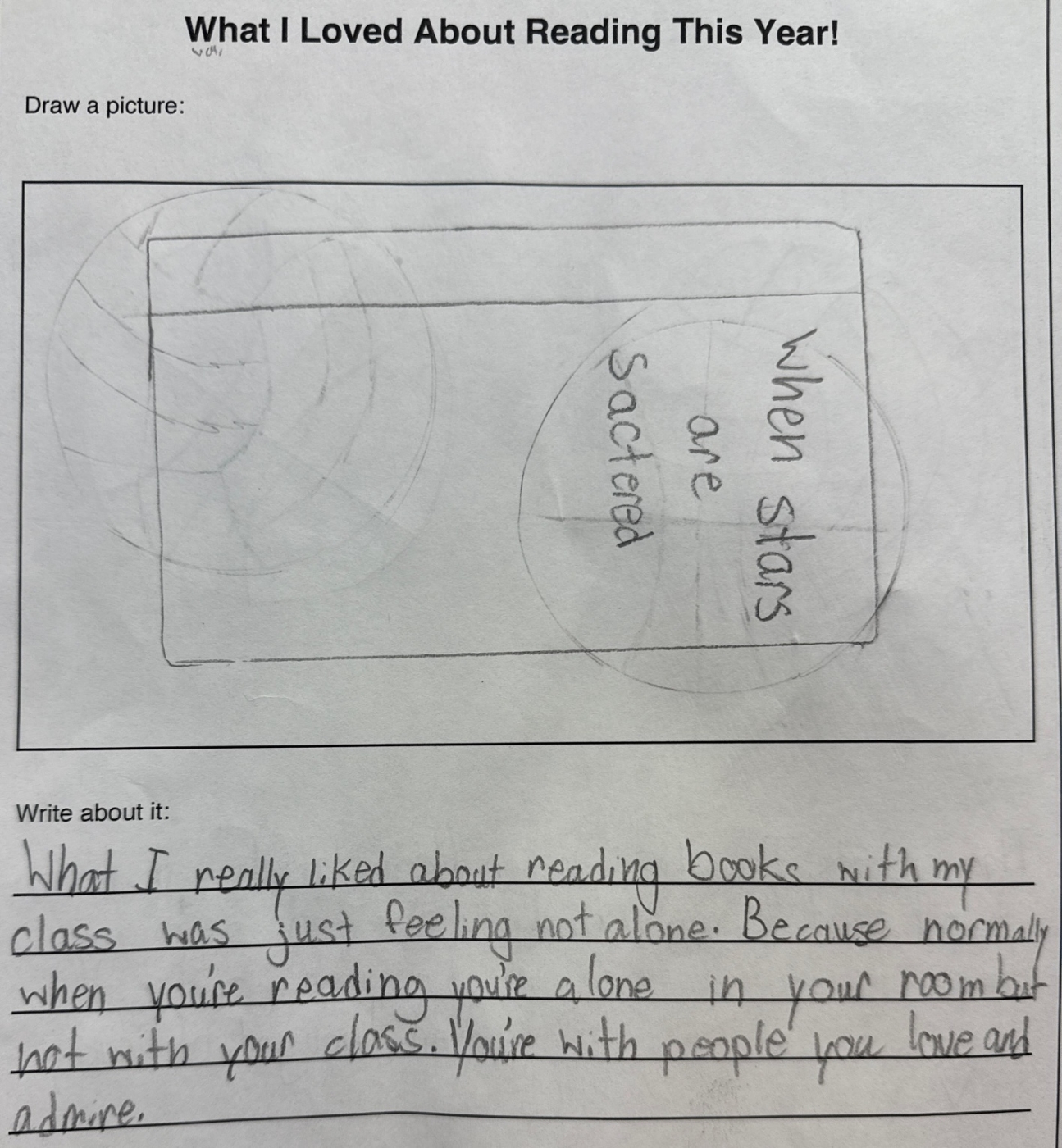
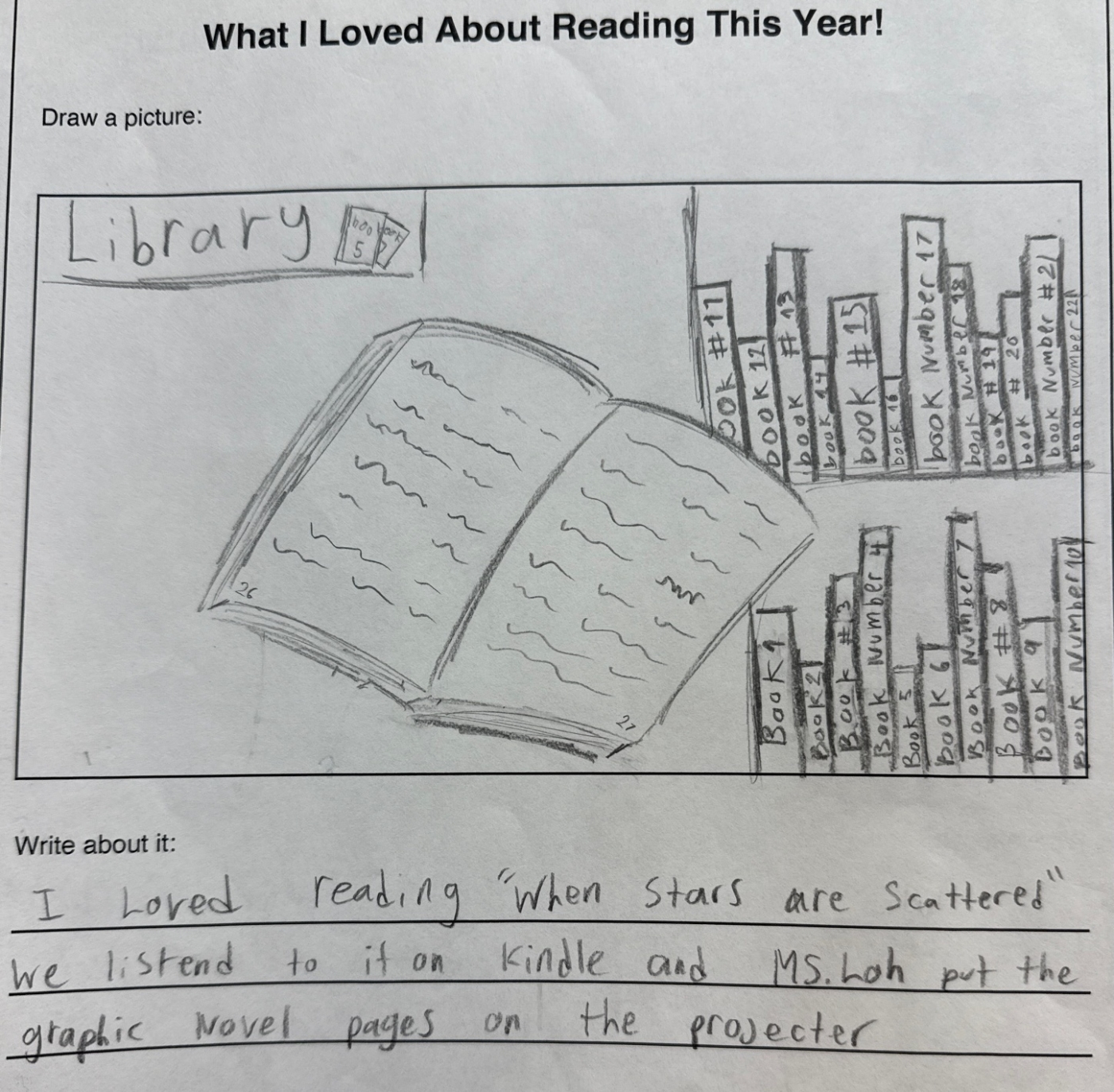
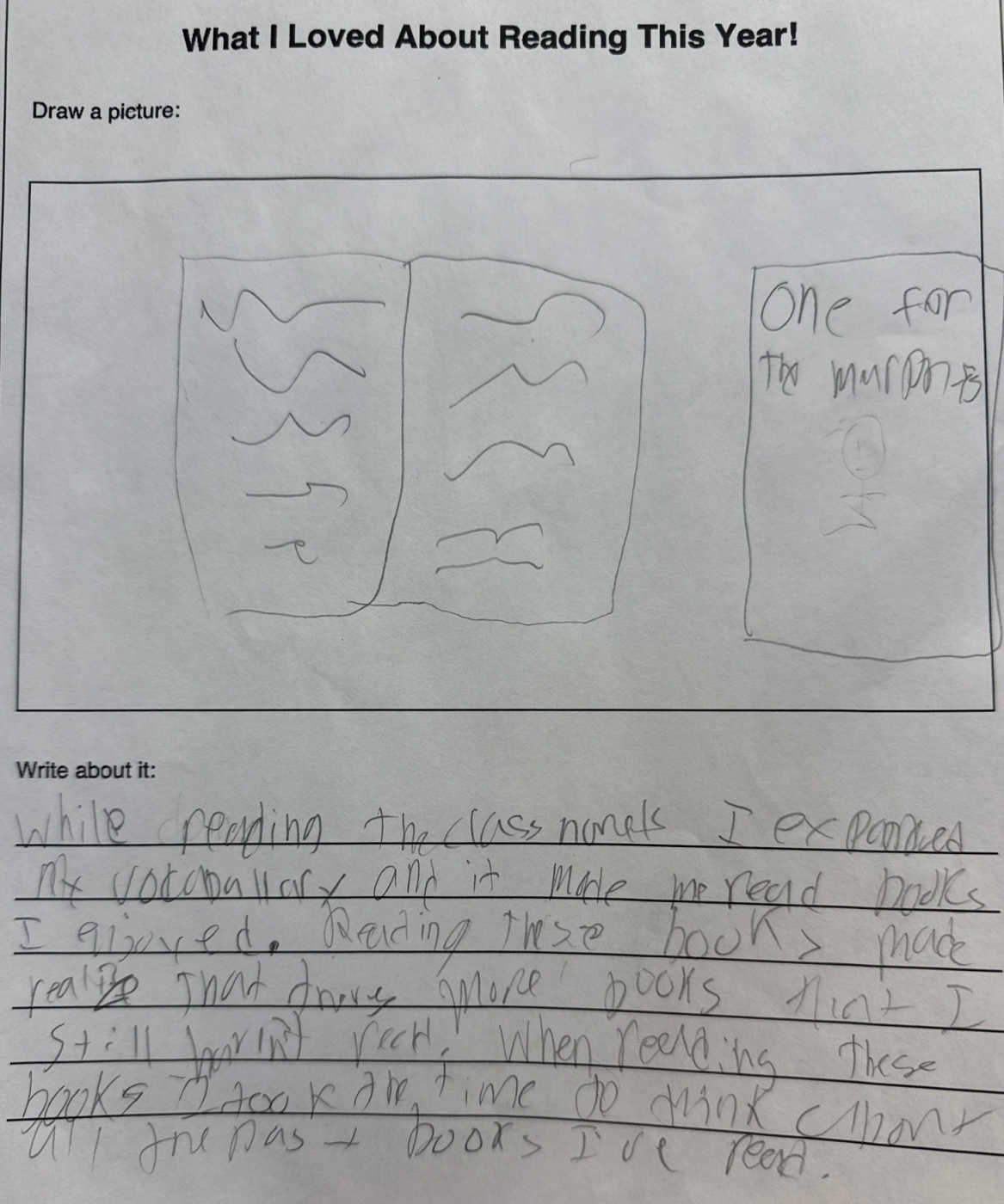
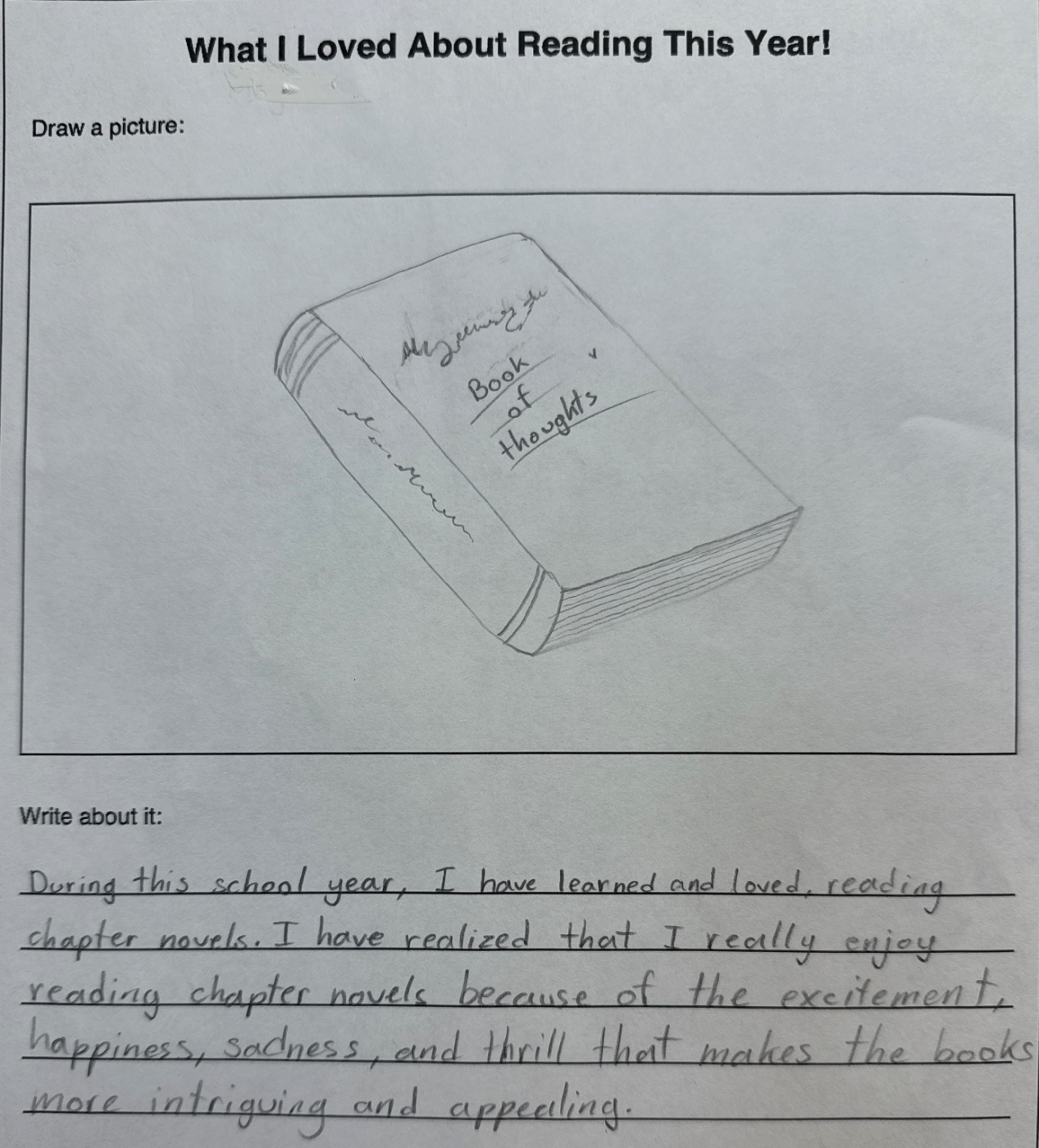
The focus for our intermediate students was also the Big Idea that "Language and text can be a source of creativity and fun," as they applied reading strategies to deepen comprehension and make connections to self and world. Students participated in fluency practice and comprehension activities (i.e. 6 Minute Solution, current event presentations, cross curricular reading comprehension activities and Buddy Reading), as well as LST organized whole-school reading events, which supported them in applying "appropriate strategies to comprehend written, oral and visual texts, guide inquiry and extend thinking."
Instructional strategies included book clubs, reciprocal teaching, and student-led discussions. Evidence of learning was captured through reading journals, projects, small-group conferencing and Dibels Assessment for fluency.
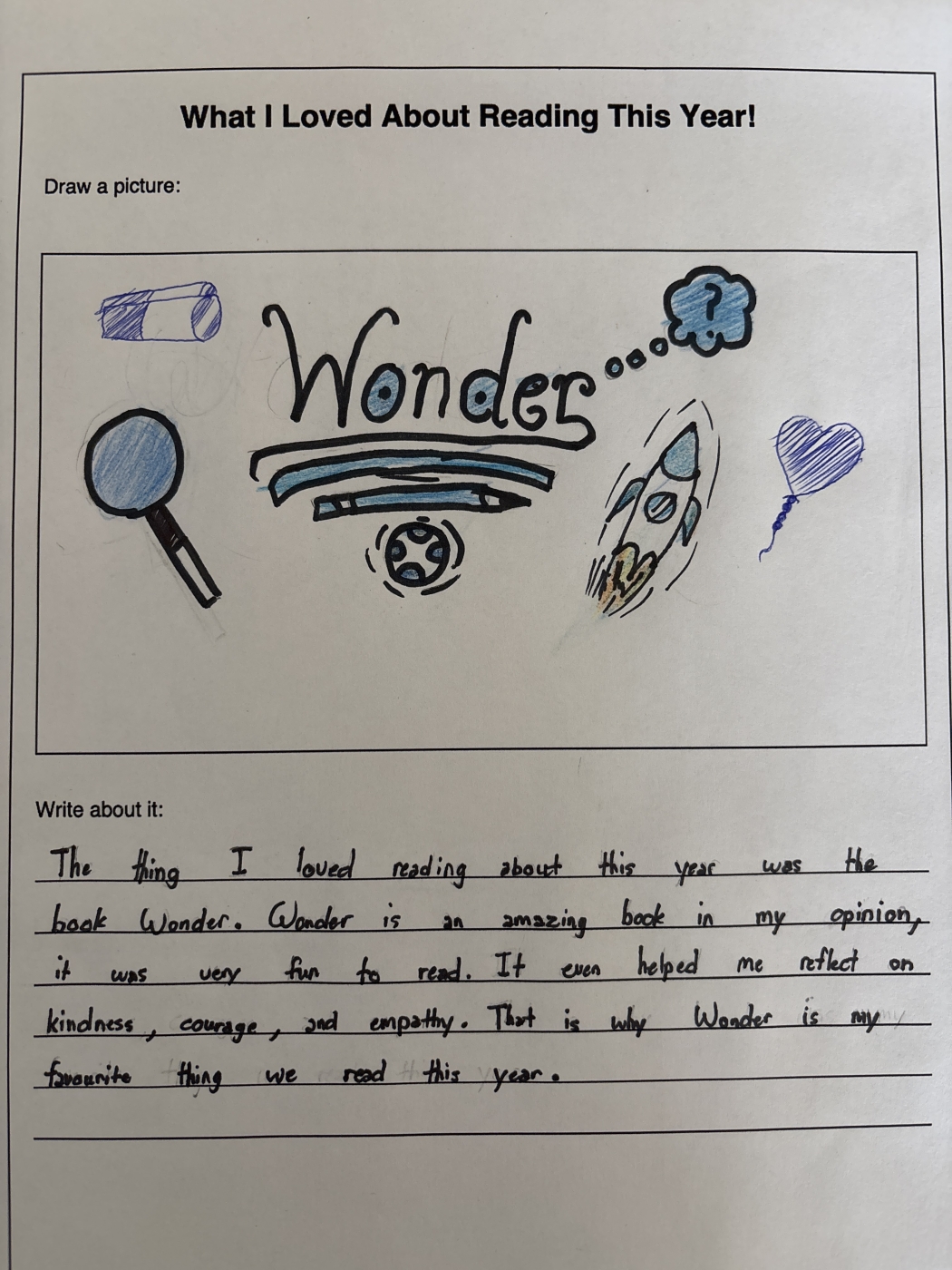
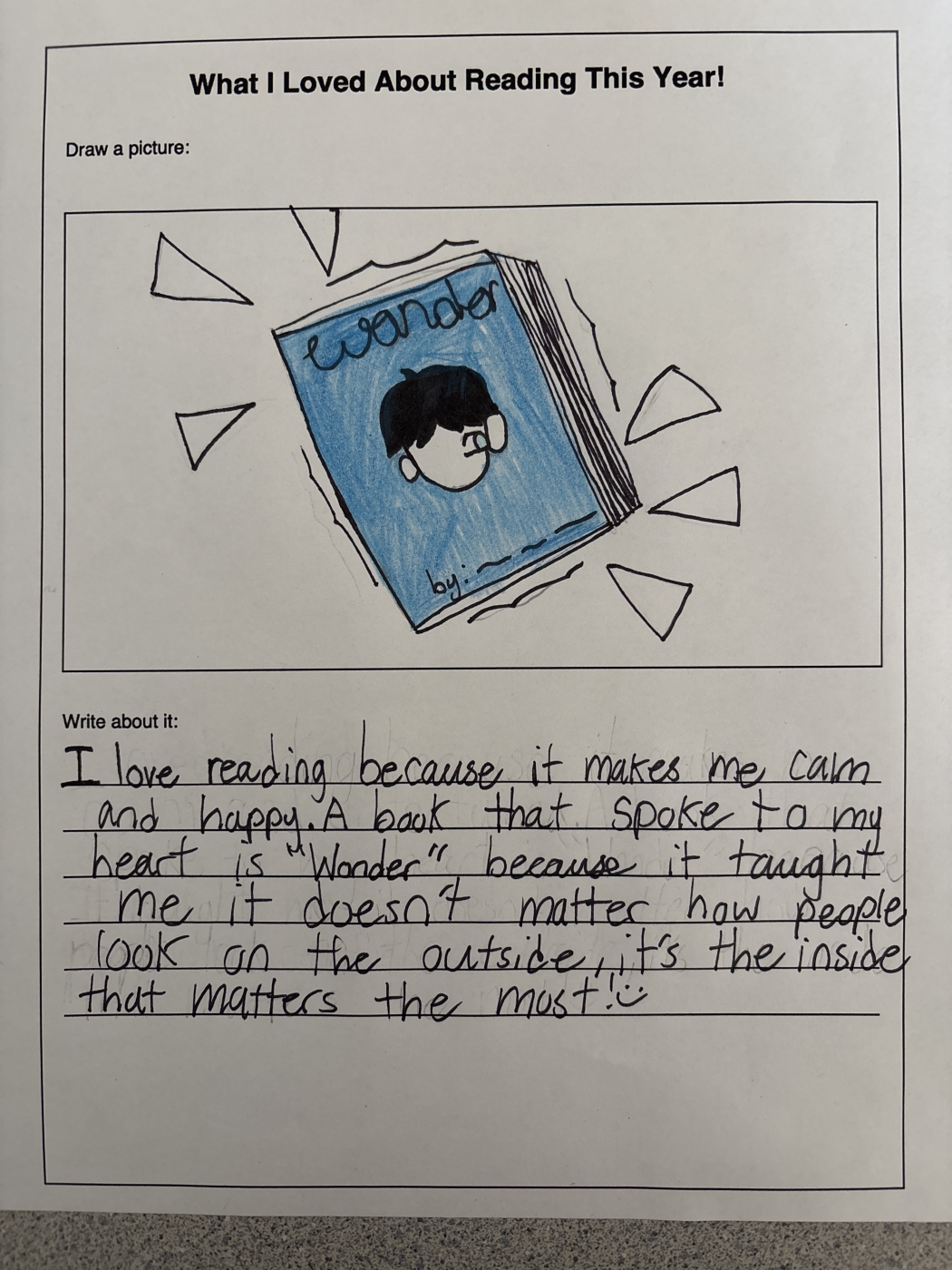
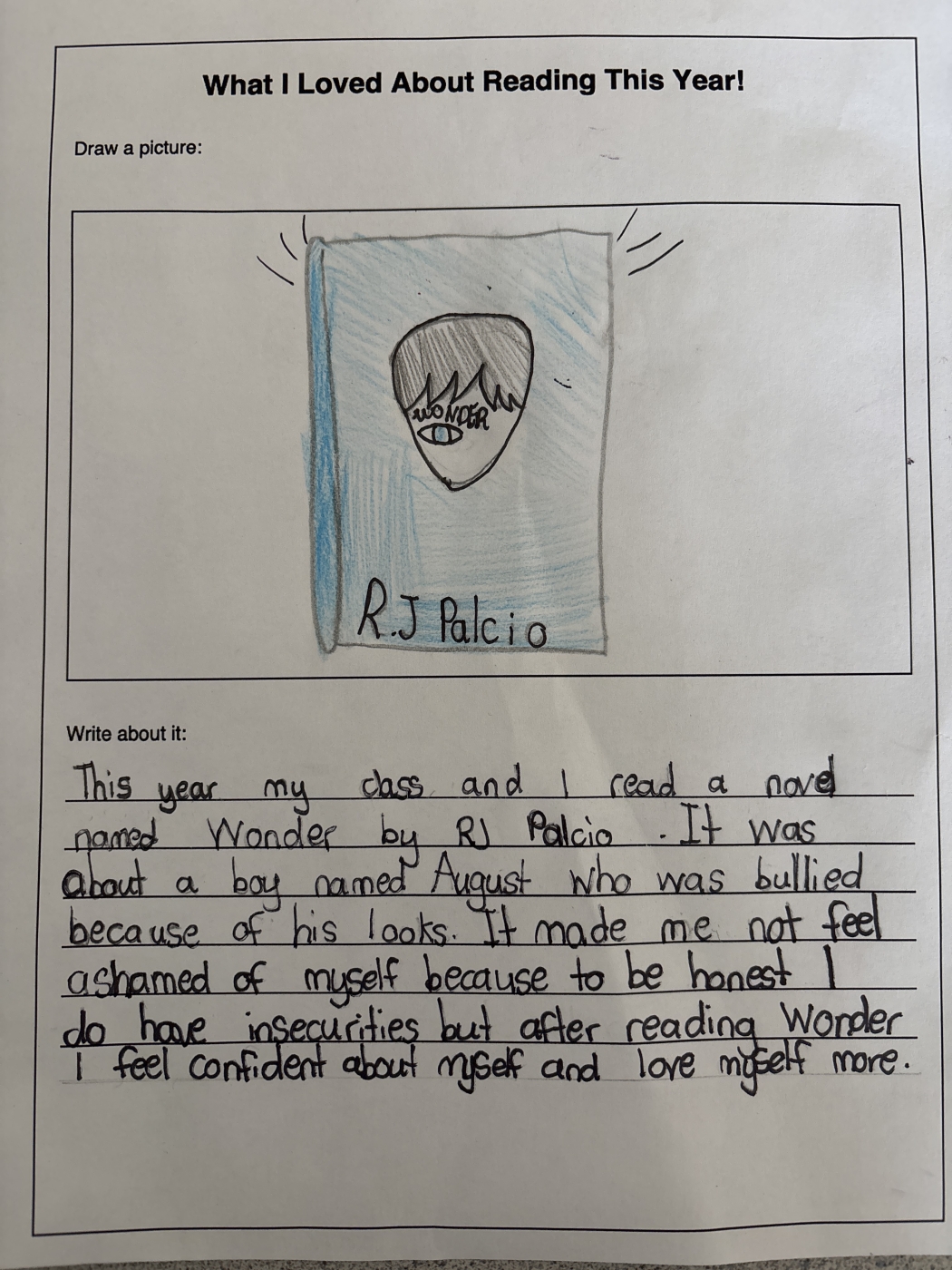
Teachers noted that students shared thoughtful interpretations, asked insightful questions, and developed greater engagement with text. Students expressed a sense of ownership over their learning and pride in their reading progress.
OUR NEXT STEPS
We continue to gather evidence of learning in our student cohorts that demonstrates continued growth in our literacy focus. Over the 2024-2025 school year, students demonstrated progress in relation to our literacy goals to improve their reading fluency and comprehension skills.
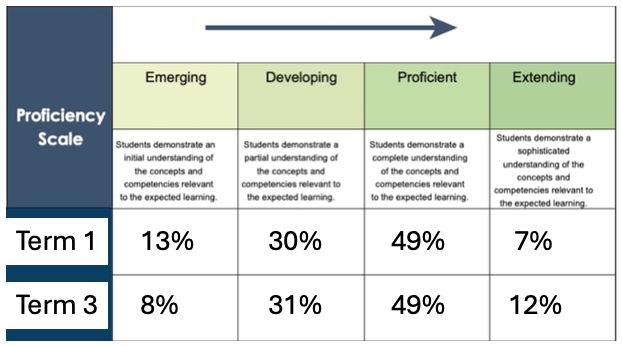
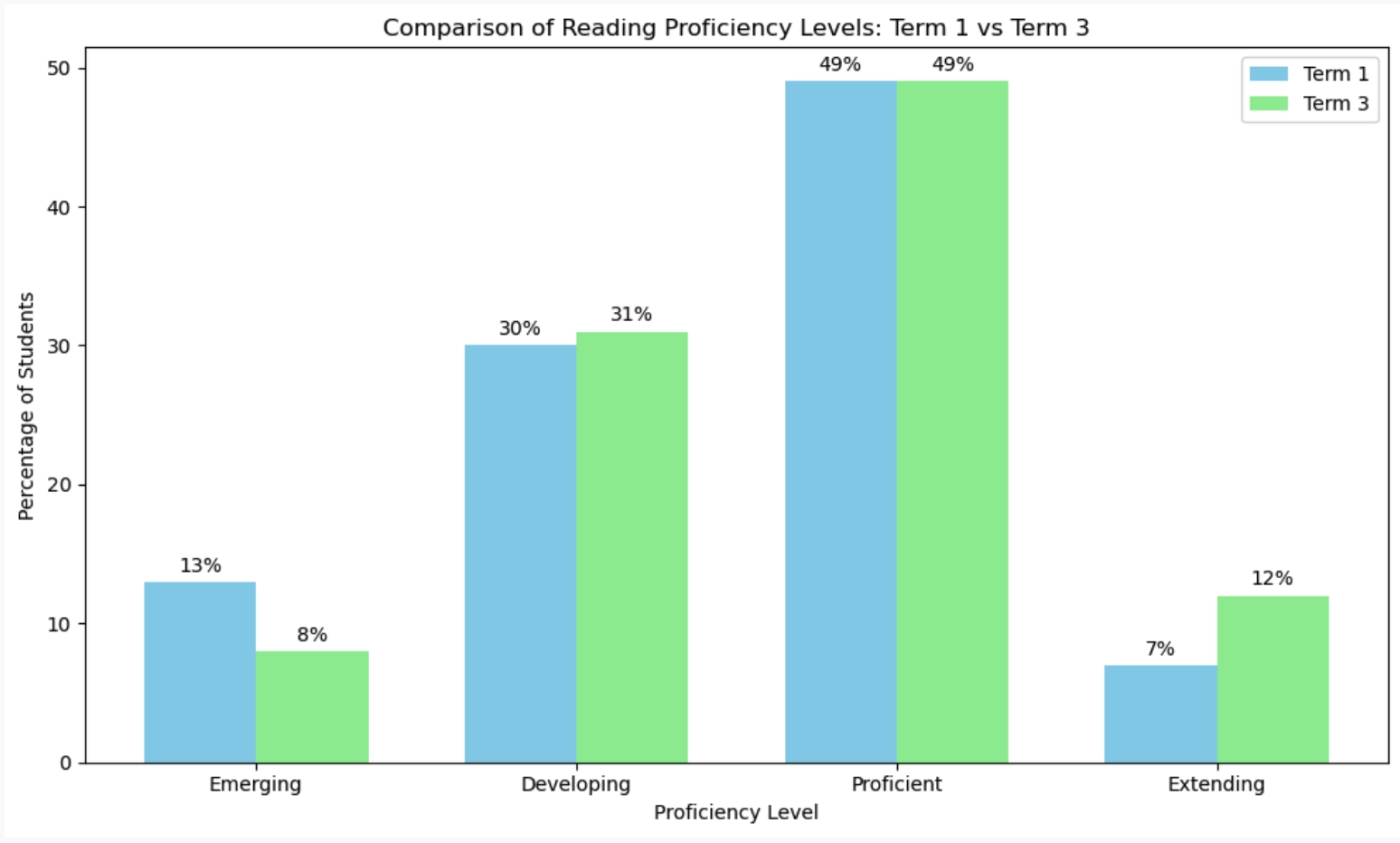
Here is a visual comparison of elementary students' reading proficiency levels between Term 1 and Term 3:
 📊 Key Insights:
- Emerging: Decreased from 13% to 8%, indicating fewer students are at the initial understanding level.
- Developing: Slight increase from 30% to 31%, showing a stable group still building understanding.
- Proficient: Remained steady at 49%, suggesting consistent performance at grade-level expectations.
- Extending: Increased from 7% to 12%, a positive shift showing more students exceeding expectations.
📌 Summary:
This data suggests overall improvement in relation to our reading goals (as stated above), with a reduction in students at the lowest level and an increase in those at the highest. The middle levels remained relatively stable, indicating a solid core of students maintaining or slightly improving their proficiency.
Student learning evidence is gathered in a variety of ways. For example, through observations, small group conferencing, individual conferencing, and formal reading assessment (i.e. using 6 Minute Solution or Dibels).
Based on teacher reflections at the conclusion of the period in which concepts were presented, practiced, and reviewed, as indicated on Summative Reports for the year, 61% of the students in the cohorts were able to read with Proficient or Extending fluency and comprehension. With 39% of the students still requiring support in this skillset at an Emerging or Developing level, this will remain an area of ongoing focus and priority. It is important to recognize that in our diverse school community, where 40% of students are English Language Learners, reading achievement is expected to closely reflect this demographic. These students are simultaneously developing their understanding, reading, and communication skills in English, which naturally influences overall reading proficiency outcomes.
Moving Forward
Evidence of our student learning and staff collaboration demonstrated that our focus on improving reading skills to provide more in-depth learning experiences to transform student thinking has proven beneficial. Our teachers tracked the progress of their students’ learning goals:
- Students will develop the ability to read fluently and with comprehension by engaging with a variety of texts, using strategies to make meaning, and reflecting on what they read.
As a school community, we are committed to creating equitable, supportive, and caring learning environments where all children can thrive and reach their full potential. We will continue to monitor and adjust our student learning plan. By determining our progress; identifying what is working and what needs to be improved; evaluating the impact of our plan; and using this feedback to adjust ongoing teaching and learning – we will support learners in developing literacy proficiencies that cultivate cognitive skills and understanding of others that prepare them for future success.
Surrey Schools
Formed in 1906, the Surrey School District currently has the largest student enrolment in British Columbia and is one of the few growing districts in the province. It is governed by a publicly elected board of seven trustees.
The district serves the cities of Surrey and White Rock and the rural area of Barnston Island.