Ray Shepherd Elementary

OUR CONTEXT
At Ray Shepherd we take pride in building a strong sense of school culture and community and opportunities for students. We engage in building community in a variety of ways, and encourage participation from all staff, students, and families in this process. We are proud of our high level of commitment, interest and engagement from students. We are proud of our social and emotional learning integration into daily routines, curriculum, and place a high level of emphasis on citizenship. Some examples of community building at Ray Shepherd to expand student opportunities include:
SEL: school wide mindful breathing practice, evidence based explicit program Second Step, Morning Meeting book club and bi-weekly release time for a Social and Emotional Lead teacher.

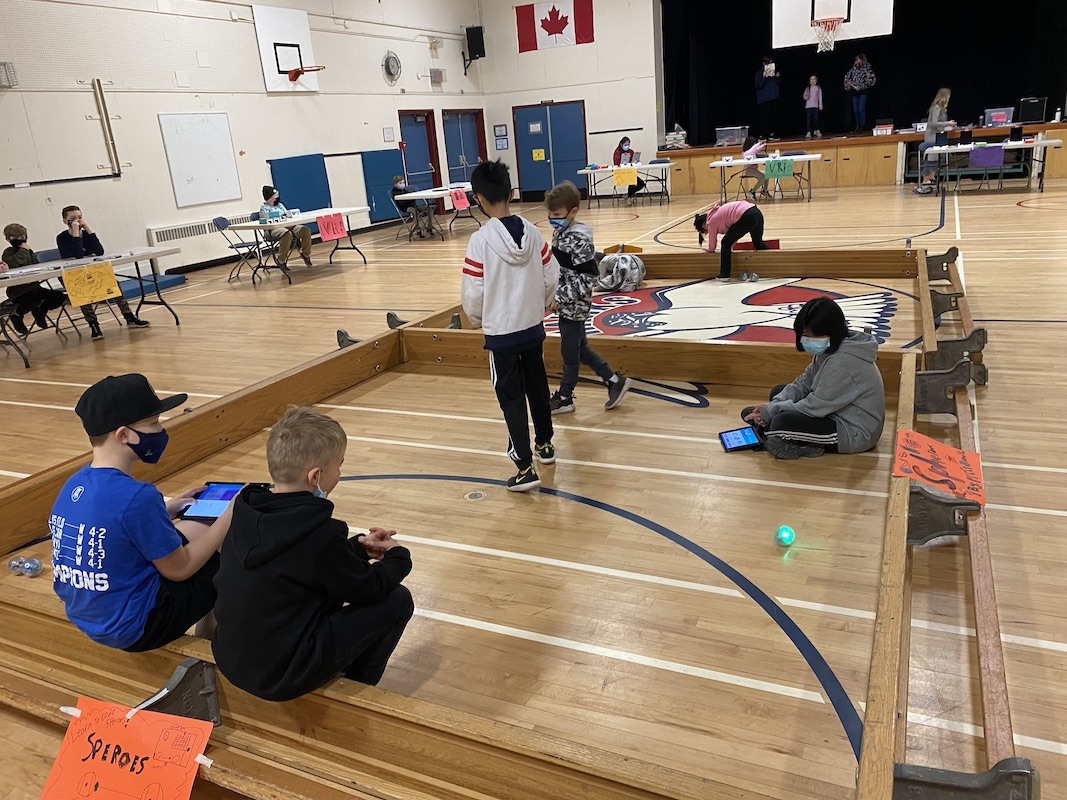
Using Technology to Communicate: Students creating lessons and 'presenting and playing' with all classes at the MakerFaire
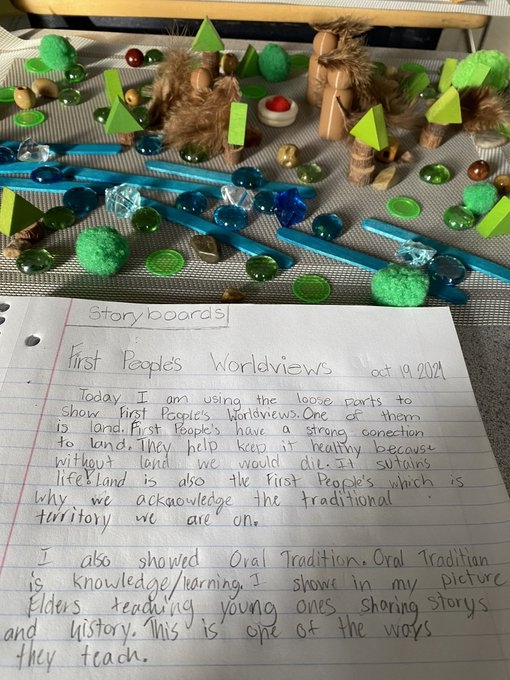
Discovery Room Loose Parts Room : room dedicated to story boards with professional development focus on play based learning
Mentorship Team: focus on early career teachers and mentor teachers working collaboratively to create a professional learning community to support student learning.
Art: strong emphasis of the fine arts at assemblies and on our gallery wall
Diversity Club: celebrating our diversities and embracing and encouraging conversations that promote and discuss equity
Game Ready: Game Ready program runs intramural sports through out the year in addition to school teams, small group activities for foster relationship building through the use of sports.
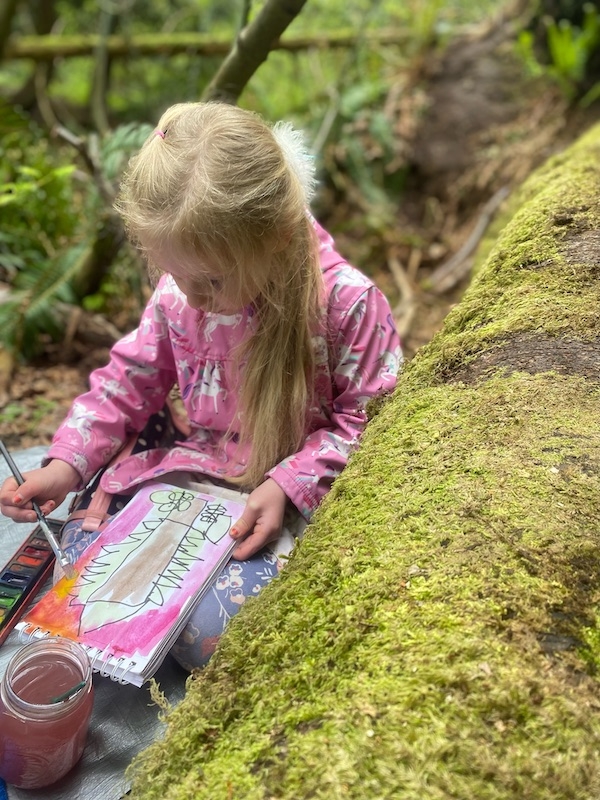
Outdoor Learning: Outdoor learning wagon and resources used by students at Bell Forest Park
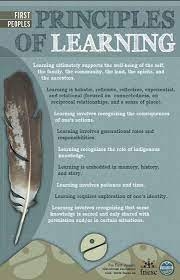
First People's Principles: embedded in announcements, assemblies, and classroom activities
PAC: involved and resourceful parent community who actively fundraises for opportunities for students throughout the school year , Holiday Craft Fair where students deign their own creation to sell, Talent Show
OUR LEARNERS
The focus of our student learning plan is on Numeracy and student voice. Our focus classes will be encouraging student voice through digital portfolio self reflections, student made videos explaining concepts, loose parts, and mental math strategies from Number Talks by Sherry Parish. These strategies will be applied to various content in Numeracy K-7 thought classes at Ray Shepherd.
Our learners can communicate their learning on digital portfolios by computational fluency and flexibility with numbers extend to operations with whole numbers.

Our learners can use self confidence and student voice to showcase their learning.

Our learners can extend their learning through differentiating activities.

Our learners can communicate their mathematical thinking in their own words when working on perimeter of complex shapes.

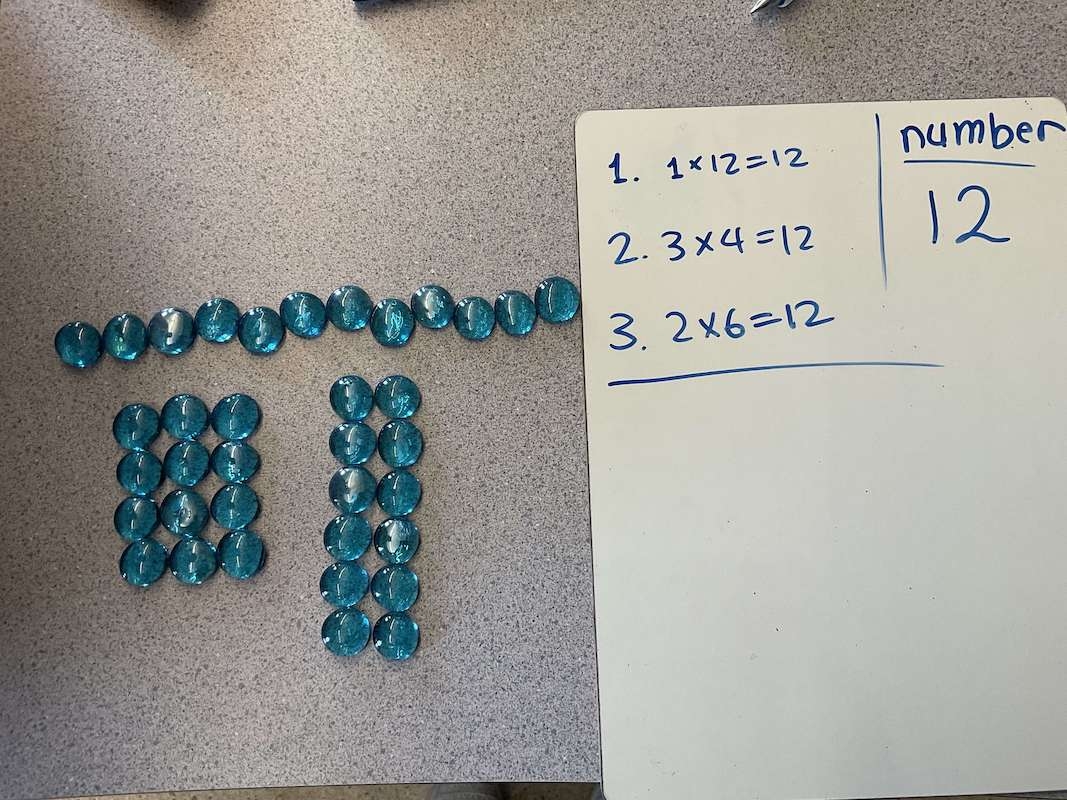
Our learners can demonstrate and extend their learning through the use of loose parts.


OUR FOCUS
Our focus is on numeracy with regards to student voice through the use of strategies that develop and encourage communication of thinking. Specifically, with regards to numeracy and communicating and representing, our students can :
- use mathematical vocabulary and language to contribute to mathematical discussions,
- explain and justify mathematical ideas and decisions,
- communicate mathematical thinking in many ways,
- represent mathematical ideas in concrete, pictorial, and symbolic forms.
The content covered in this school year related specifically to perimeter of complex shapes, factors of multiples, and computational fluency and flexibility with numbers extend to operations with whole numbers and decimals. This goal matters as we hope to create students who have the ability to clearly communicate their thinking, be confident while engaging in numeracy tasks, and also use mental math and manipulatives to understand concepts and processes of solving problems versus memorization. The focus group at this point in time is our intermediate students in grades six and seven. Specifically, these students have had the opportunity to work collaboratively in groups to discuss their learning, and teach one another strategies for problem solving. Though this collaboration, students have had the opportunity to develop and enhance their social and emotional skills such as reflecting on mathematical thinking, connecting mathematical concepts to each other and to other areas and personal interests, using mathematical arguments to support personal choices, which are all part of the curricular competencies in the B.C. curriculum for mathematics.
OUR NEXT STEPS
The two videos below demonstrate two different students explaining and communicating their thinking and learning through the use of self-reflections with regards to factors and multiples. The videos also demonstrate student voice, self confidence, and the ability to show different ways to solve a problem. The videos are examples of direct evidence that are student-centered and reflective. Our next steps, is to expand to K-5 grades, and to have students build consistent and familiar vocabulary that can be built upon in years to come. A goal for our staff is to allow for increased opportunities of less direct teaching and open ended and inquiry based exploration of concepts.
Surrey Schools
Formed in 1906, the Surrey School District currently has the largest student enrolment in British Columbia and is one of the few growing districts in the province. It is governed by a publicly elected board of seven trustees.
The district serves the cities of Surrey and White Rock and the rural area of Barnston Island.