Princess Margaret Secondary 25-26

OUR CONTEXT
Student centered learning through kindness, inclusion, community, & teamwork.
Princess Margaret is committed to truth and reconciliation. We acknowledge that we work, learn, un-learn, and play on the traditional and unceded territories of the Katzie, Kwantlen, Semiahmoo and other Coast Salish Peoples. In working with these communities, we have a vision for learning that is inclusive of the First People's Principles of Learning.
We are a diverse community of learners that prides itself on having a culture of care and inclusion. Our students and staff are continuously challenged to be the best version of themselves. In addition to our teachers, counsellors, and administration, our learners also benefit from wrap-around support from Youth Care Workers, Safe School Liaisons & School Resource Officers, YES workers, Check & Connect staff, Yo Bro, Yo Girl, Outreach workers and more.
We value connection with students and families and work to ensure students feel like they belong at Princess Margaret. Part of that work this year included inviting our Indigenous students from our elementary family of schools to PM through Sacred Ties. Students were able to enjoy food, engage with their Indigenous Culture and start to build relationships with students and adults in our building. We also had a First Peoples in Residence Week here where all students could benefit from learning from Elders in our community.
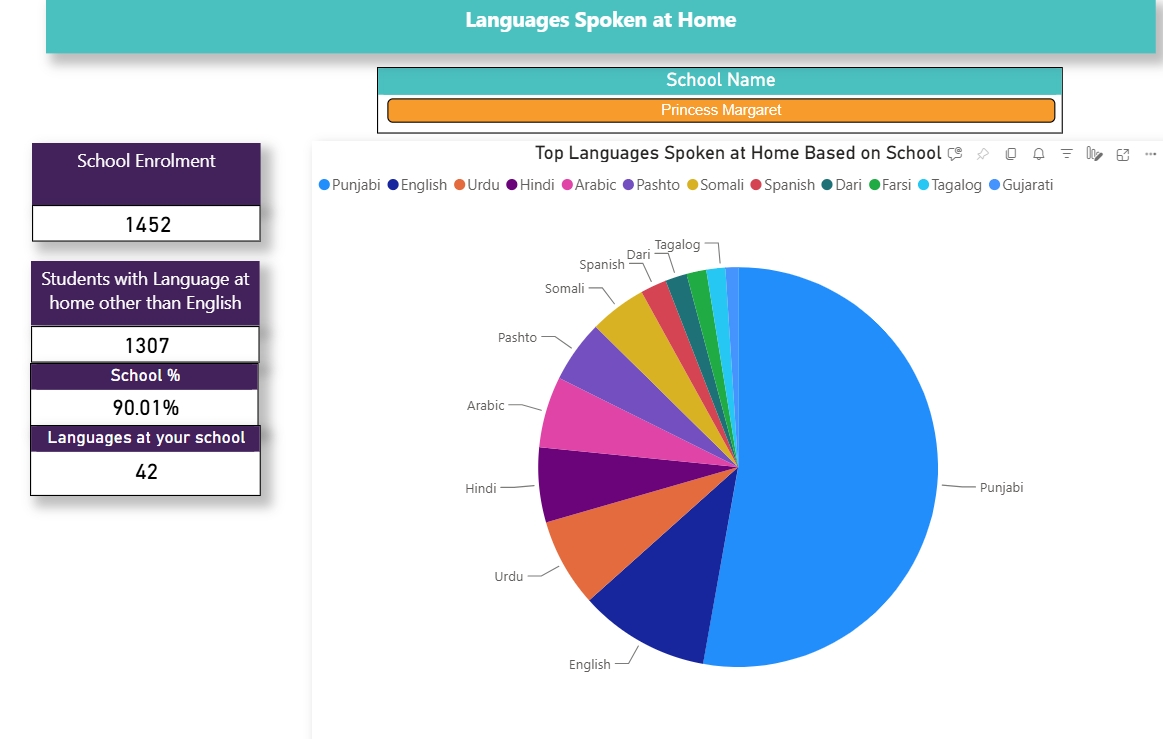
Our students come from a diversity of cultures and ethnicities, making our community a vibrant one which is proud of its multi-cultural context. Of the 1452 students at Princess Margaret, 1307 (90.01%) of them are multi-lingual, often speaking two and sometimes three or more languages. We speak more than 42 Languages at this school. Our students are resilient, focused, and highly motivated to go to university, college or apprenticeship programs. They want to contribute to their society and are actively engaged in their community.
OUR LEARNERS
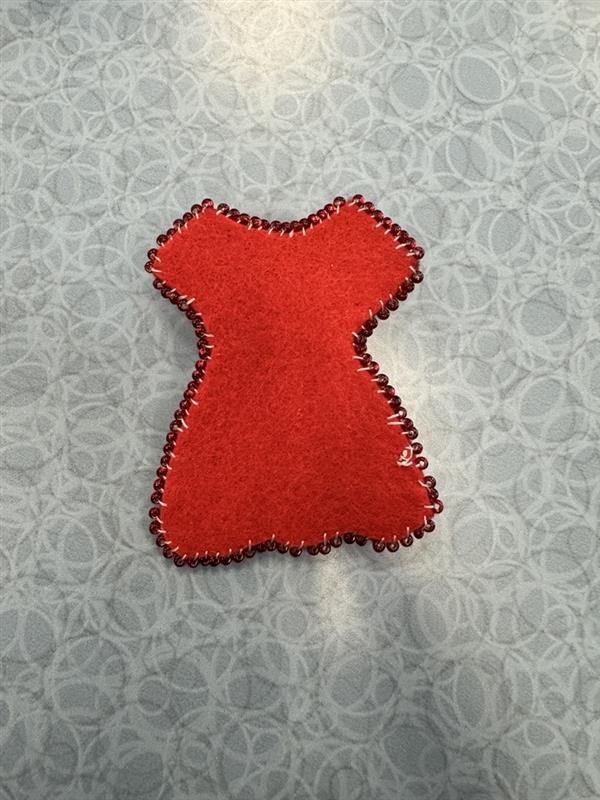
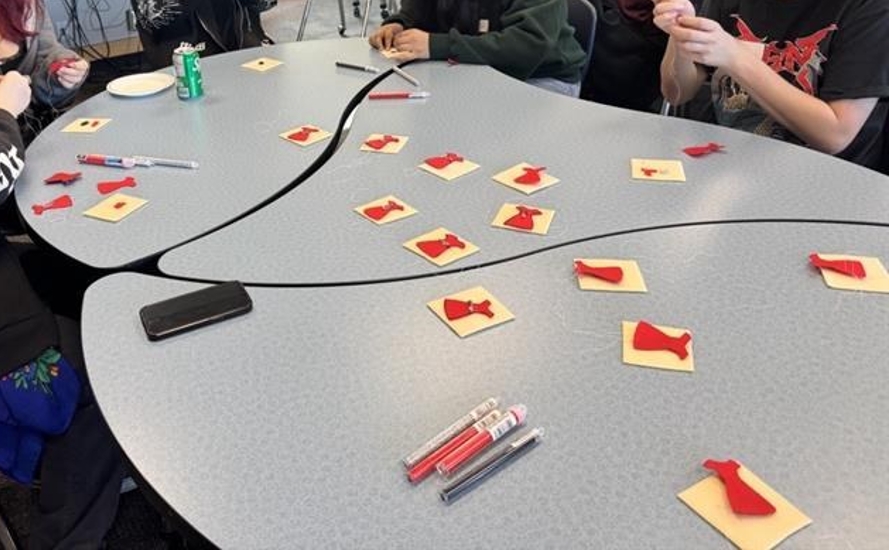
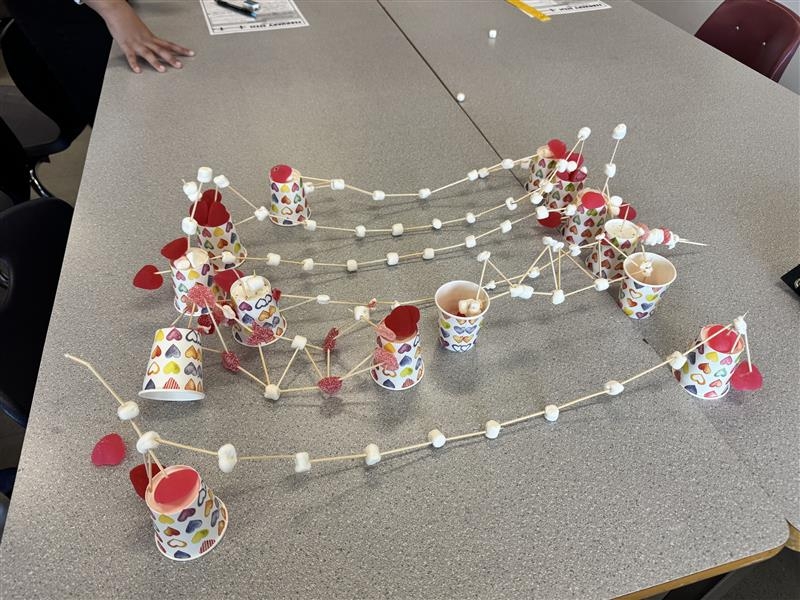
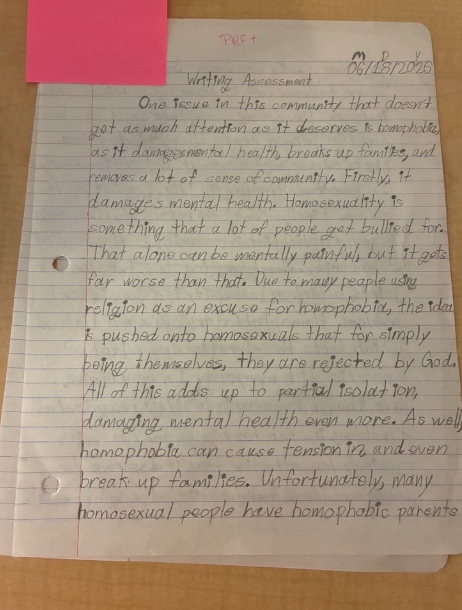
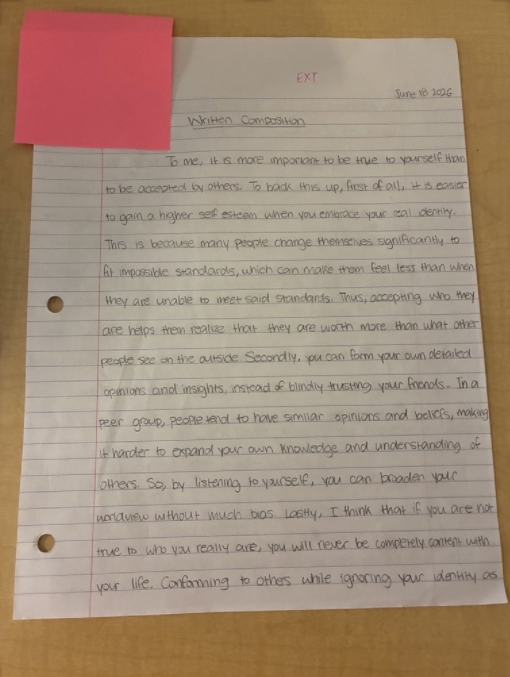
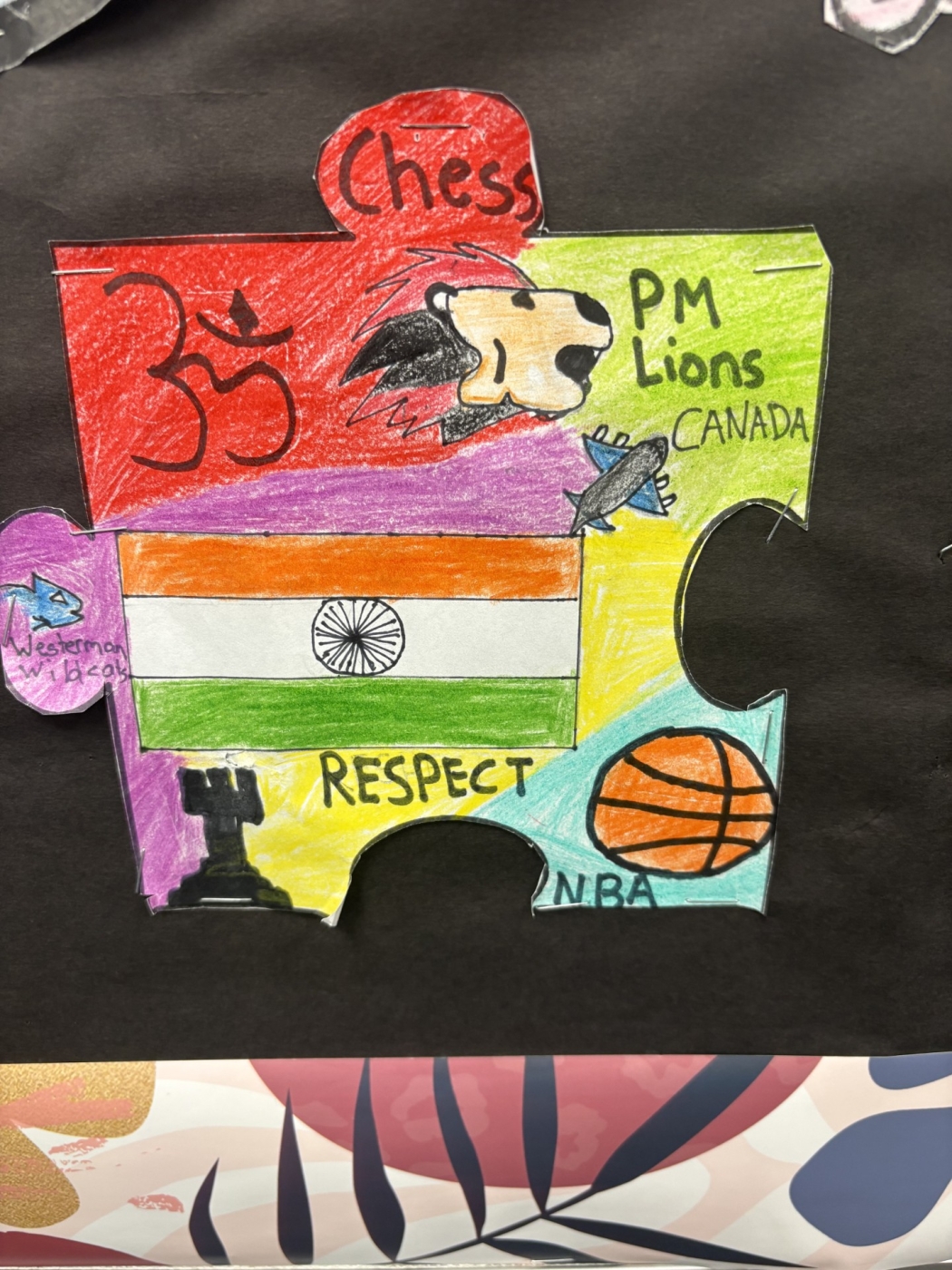
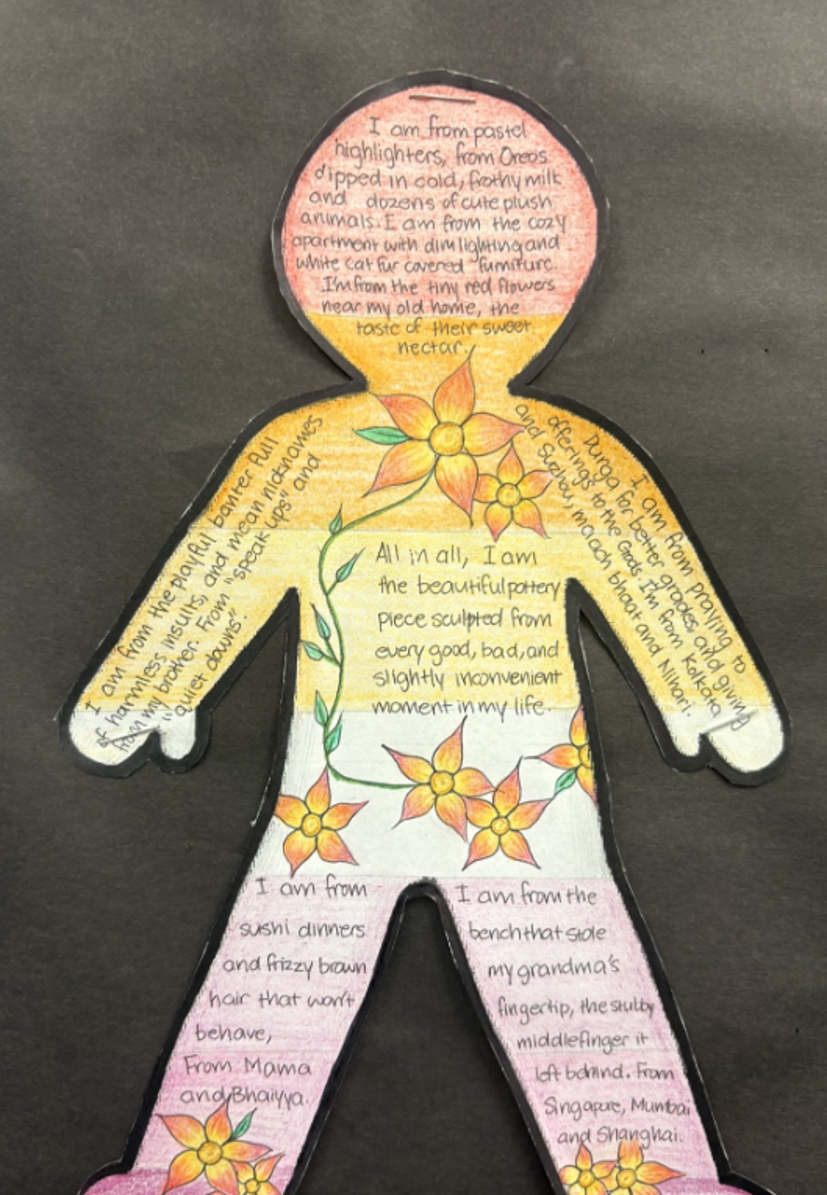
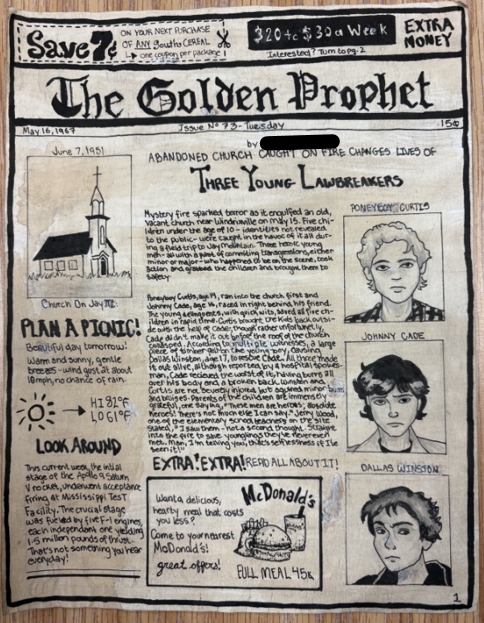
Here are some examples below of projects and assignments that created opportunities for junior students to create hands on creations but also creating meaningful connections to current events and to build on meaning and viewpoints through text related to these projects.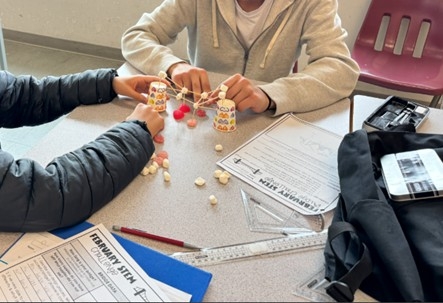
 Our Learners are social, engaged, and curious. They are highly motivated to do well and make their families proud. They are proud of their community, their cultures, and their school.
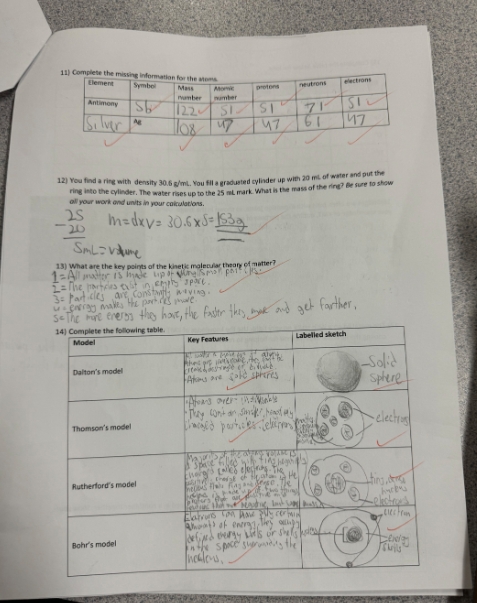
After our work on literacy over the last few years, our school decided to stay with this goal, as we believe that literacy skills span across all subject disciplines, and are embedded in the acquisition of the main Core Competencies. We decided to dedicate our time to continue to support our junior learners in literacy.
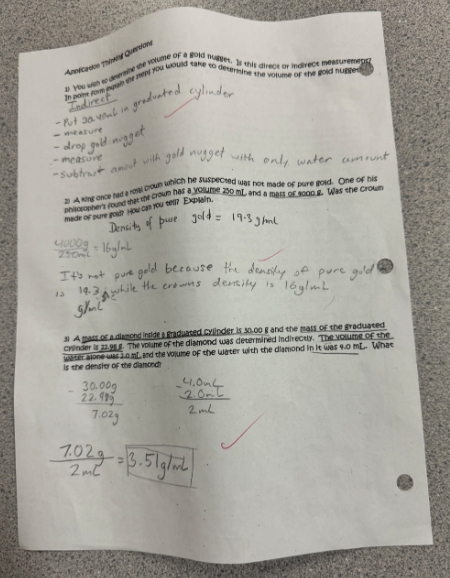
Our students can:
- Recognize and appreciate how different features, forms, and genres of texts reflect different purposes, audiences, and messages
- Respond to text in personal, creative (and sometimes and critical) ways
- Construct meaningful personal connections between self, text, and world
- Exchange ideas and viewpoints to build shared understanding and extend thinking
OUR FOCUS
When looking at the literacy scores from our associate schools and the Grade 10 Literacy exams of previous years (see below 2018-2022), we noticed that we were below the District and the Provincial averages. Our students were not on track to demonstrate literacy skills to a proficient level. This further affirmed our need to continue dedicating our time to focus on literacy. Within the goal of literacy, we are choosing to focus on a few specific competencies.
We met with staff in 2022 -23 from several disciplines (through staff meetings, department meetings, classroom visits, first year teacher observations, etc.), to discuss what students can do well and identify those areas of challenge in relation to literacy skills. Grades 8 and 9 teachers engaged in discussions to select the target group. Senior teachers were surveyed to identify areas of competencies requiring additional support at the junior level. In 2022-23 there were a total of 4 Humanities (HUM) and Math/Science (MASC) teacher/admin meetings at the Grade 8 and 9 level to discuss a meaningful assessment of the competencies we were wanting to build. In 2024-25 we met with all HUM and MASC teachers in September as there was a significant shift of teaching staff. We felt that we needed to re-establish buy in to our goals around literacy and supporting our grade 8's. We met again in September 2025 and June of 2026 to align our focus.
Our focus continues to be on the following literary competencies:
- Applying appropriate strategies to comprehend written, oral, and visual texts, guide inquiry, and extend thinking
- Using writing and design processes to plan, develop, and create engaging and meaningful literary and informational texts for a variety of purposes and audiences
- Using an increasing repertoire of conventions of spelling, grammar, and punctuation
As a department there was unanimous agreement to access assessment tools in reading and writing as well as math to help teachers better understand their students' strengths and weaknesses in literacy. Our Reading Screener is DIBELS. and we use in-house Writing and Numeracy assessments.
We also used the articulation process to gain us much relevant information on student's literacy learning from elementary school so as to flag learning concerns more quickly. In September 2024 and 2025, our HUM/MASC teachers agreed to continue to use the agreed upon assessment tools to gain a snap shot of student level and ability.
Using common assessment tools allowed teachers to gain a snapshot of student's ability and level early in the school year. Once we better understand where students are at, we can provide interventions for more vulnerable populations.
Interventions Could Include:
- Meeting students where they are at
- Teachers co-creating units that support student needs
- Teachers meet students where they are at academically
- Help speed up the process to connect students who are struggling academically with supports
- Drop-in LST support
- Extra in-class support from specialized ELL / BASES / LST / Indigenous Graduation Advocate Teachers
- Discussion at School-Based Team for more specialized programming and supports
Part of our plan is for all teachers to use the same assessment tools. Admin provided time for these teachers to meet as a group to co-assess student work to make sure all teachers are assessing at the same level. Teachers also co-created and developed a meaningful rubric (i.e. for student writing) using the proficiency scale for the younger grades to assess the ability of our students.

OUR NEXT STEPS
Our Evidence
There were approximately 275 students that were part of our focus cohorts for Grade 8's. Of these, some were excluded from the data set due to the following reasons:
- Not present for assessment(s)
- Left our school before the end of the school year
- Switched programs to receive additional supports
We assessed students in different ways to learn more about their learning.
- HUM and MASC teachers did their assessments in September 2025
- HUM- DIBELS Reading Screener
- HUM - Writing Assessment
- MASC - Math Assessment focusing on mathematical literacy
- Teachers completed anecdotal assessment based on observations and assessment completed to that date and teachers perception of student literacy progress or lack there of
- End of year assessments were completed in June. This assessment mirrored the September 2025 assessment.
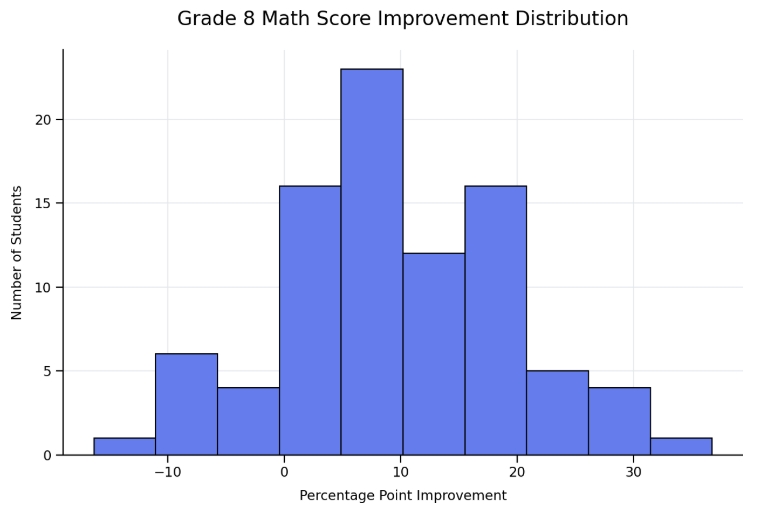
MASC Improvement Sept to June
- Approximately 80–84% of students demonstrated improvement over the year when combining assessment results and teacher observations. The consistency between these measures indicates strong overall program effectiveness, while approximately 15–20% of students remain an area for targeted support
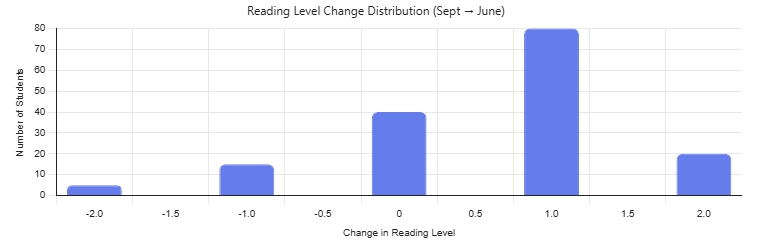
Here is the analysis of Reading level changes from September 2025-June 2026
- ~ 80% of students moved up at least one level
- ~ 15% of students remained at the same level
- ~5% of students dropped one or more levels
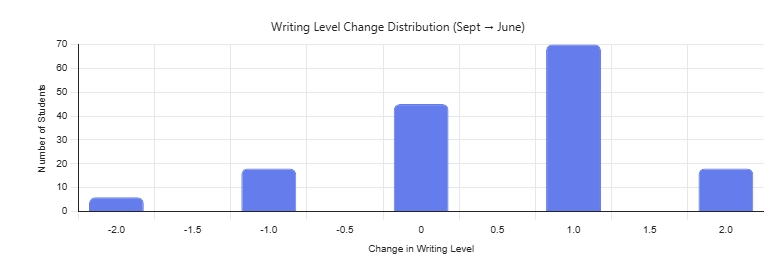
Here is the analysis of Writing level changes from September 2025 to June 2026:
- ~75% of students moved up at least one level
- ~18% of students remained at the same level
- ~7% of students regressed
Based on the information gained from the initial assessments and screenings, we put interventions in place for some of our more vulnerable learners. This includes access to specialized teachers to assist the regular classroom teacher with more targeted in-class supports like an additional BASES teacher in the classroom for one cohort of Humanities and MASC. The two teachers planned and adapted curriculum materials as needed for students to extend their thinking and be successful. Another cohort had our Indigenous Graduation Advocate (IGA) teacher (who is also trained in LST and BASES supports) working with students in-classes. This teacher also collaborated with the classroom teachers to plan and adapt culturally sensitive and relevant lessons and materials for all learners.
Our Next Steps:
Overall we continue to make good progress to help our junior students gain a good foundation in their literacy skills/competencies to help them be successful in their upper grade levels. For those student who have struggled, we have also been successful in identifying needs and have created supportive plans for next school year to help them be successful.
- Targeted support for Grade 9 could include continuing to access LST or ELL supports, or specialized programming to help build stronger skills
- We are going to strengthen our focus on deepening student feelings of belonging and connectedness
For the 2026-2027 school year, we are going to narrow our focus for our grade 8 learners to their literacy skills (reading and writing). Our MASC teachers see this as an area of priority and are going to work with our HUM teachers.
Surrey Schools
Formed in 1906, the Surrey School District currently has the largest student enrolment in British Columbia and is one of the few growing districts in the province. It is governed by a publicly elected board of seven trustees.
The district serves the cities of Surrey and White Rock and the rural area of Barnston Island.