Panorama Ridge Secondary 25-26

OUR CONTEXT
École Panorama Ridge Secondary opened its doors in 2006 and has continued to grow as a vibrant and diverse learning community. We are committed to creating a safe, inclusive, and collaborative environment where students can thrive as lifelong learners, future leaders, and engaged global citizens. We believe in providing meaningful opportunities for intellectual, artistic, technological, athletic, and personal growth. We offer both French Immersion and English language programs, and students benefit from rigorous academics alongside outstanding programs in the arts, music, athletics, and career education. Equity, inclusion, and belonging are central to our work, and our Social Justice Committee continues to support staff collaboration, student leadership, advocacy, and learning.
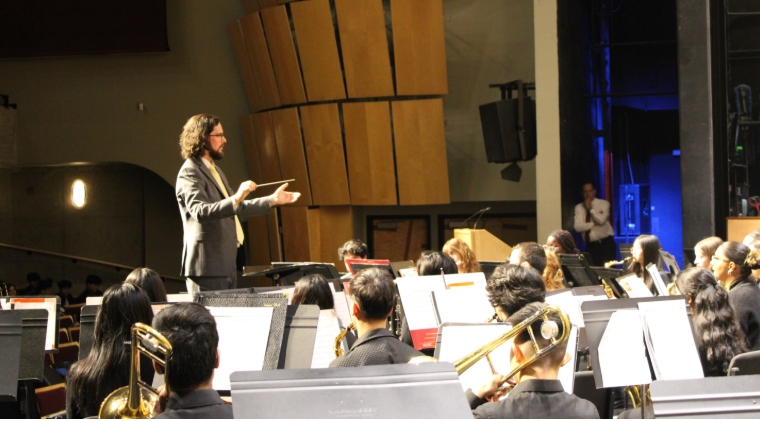
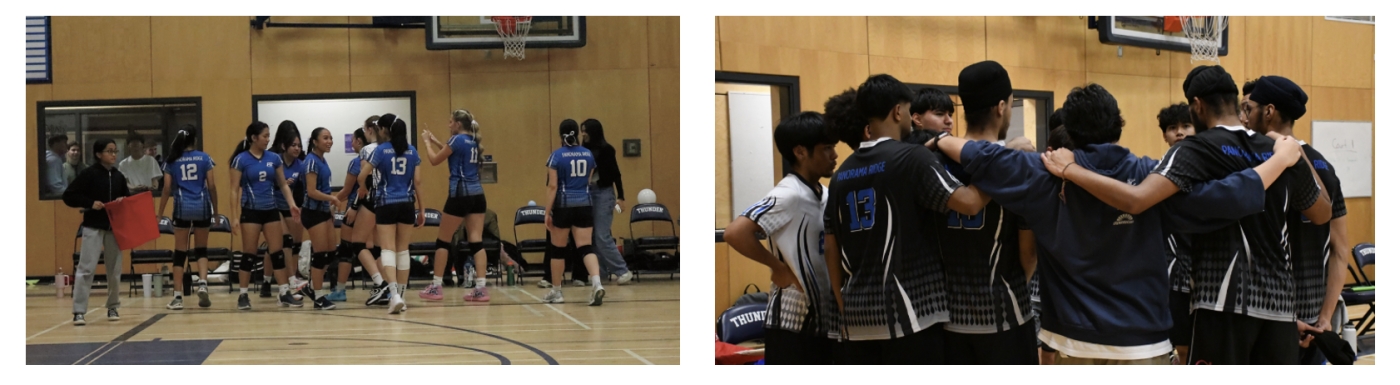
Panorama Ridge has a proud tradition of excellence in academics, athletics, and the arts. Our students have achieved success at the provincial level in sports including soccer, volleyball, kabaddi, ball hockey, basketball, and wrestling. We are also recognized for our strong Performing Arts and Band programs, which provide students with opportunities to develop their creativity, confidence, and talents while contributing to a vibrant school culture.
School and Community |
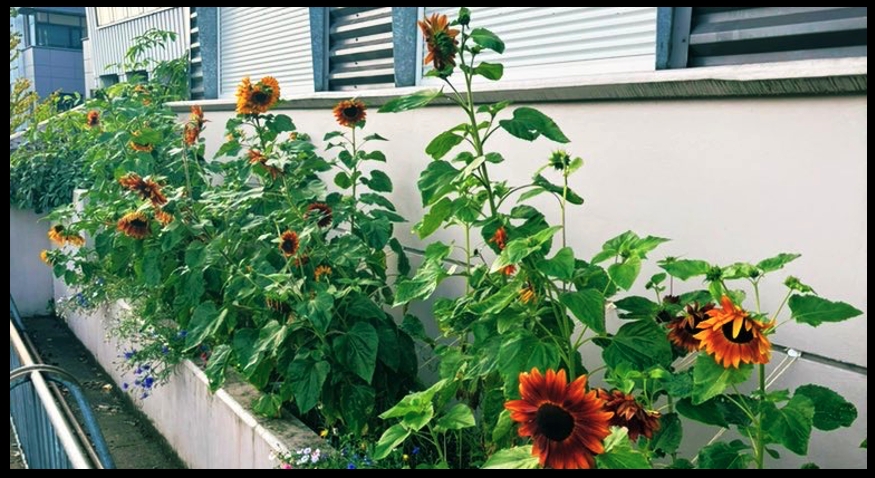
Panorama Ridge students are all about making a positive difference in our community through awesome activities like advocacy work, service projects, and fundraisers. Our student groups, like emPoweR, the Skittles Squad (GSA), the Social Justice Club, Environmental Club, and the Animal Humane Society, have worked together this year to raise funds and raise awareness for oppressed groups and those in need. On top of that, our PR students took on the role of world leaders in Model United Nations, honing their leadership skills and debating global issues.
The Muslim Student Association, the Sikh Student Association, the Black Student Union, the Bhangra Club, the Gidha Club, and the Women in STEM Club, all showcase the incredible diversity within Panorama Ridge. These groups have organized many incredible events throughout the school year: Black Excellence Day, Diwali, Vaisakhi and Eid were all marked by school-wide celebrations.
In Grade 12, our students completed Capstone Projects that showcased their passions and ideas for the future. Our Leadership classes organized a bunch of events and activities to build community and spirit, and our Co-op program provided students with real-world experiences that helped them grow and develop.
Academics |
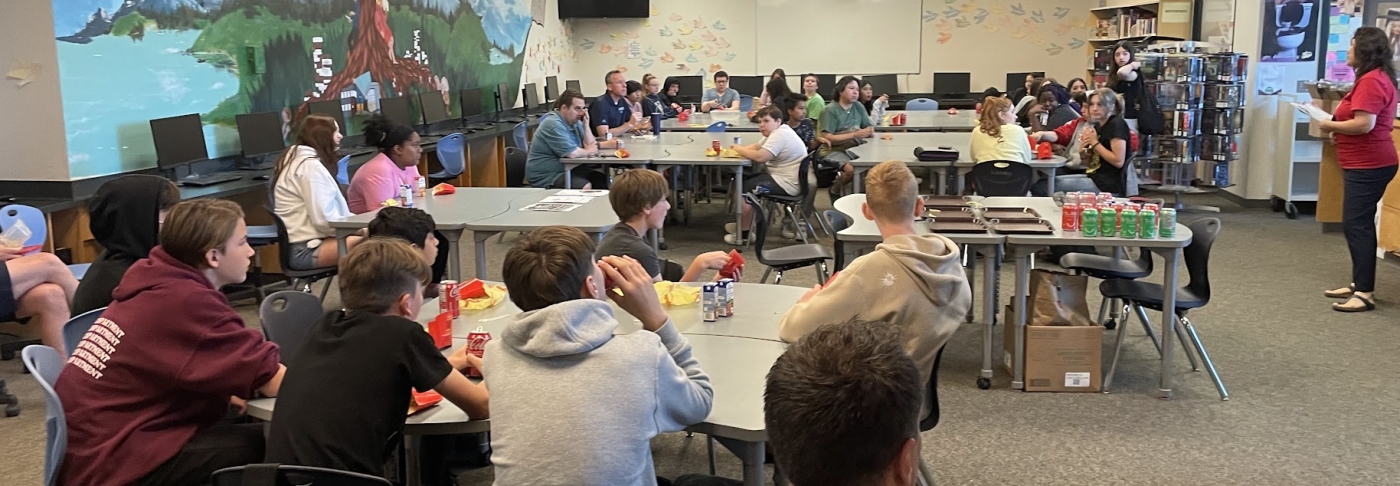
École Panorama Ridge offers academic programs through either French Immersion or English Language. In both programs, Panorama Ridge students have consistently demonstrated strong performances in their courses, excelling in a variety of programs including Technology Education, Business Education, International Languages, Math, Science, English, and Social Studies. In addition, many senior students enroll in AP courses such as English Literature, Calculus, and Biology, and all senior level students complete extensive Capstone projects for graduation. Many scholarships have been awarded to our students within all of these programs. A number of Panorama Ridge students have also been recipients of provincial and/or national scholarships.
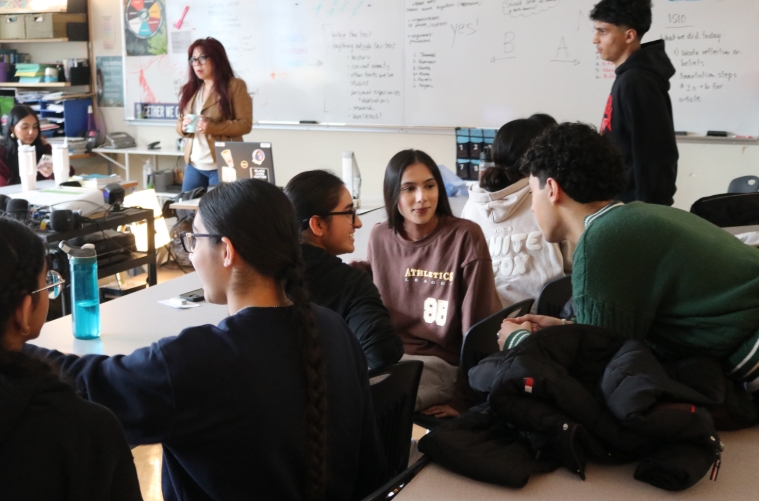
Arts |
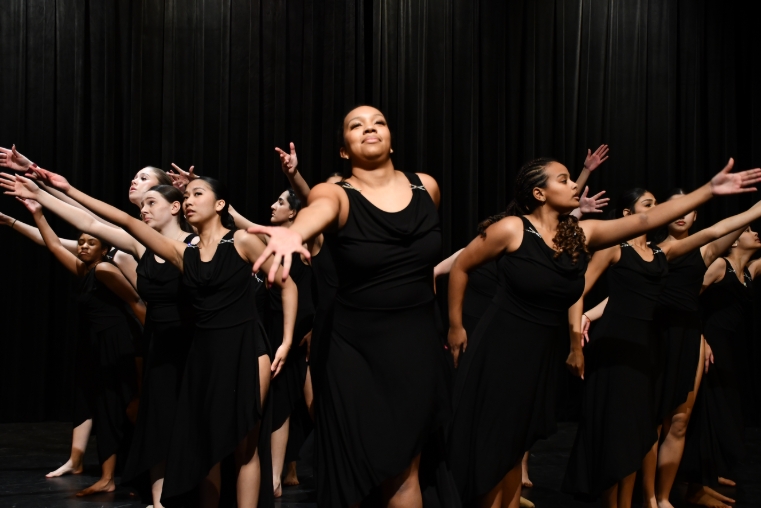
Our Arts programs, including Theatre, Dance, Music, Art, and Photography, give students a number of options to explore their passions and get better at what they love. Throughout the year, the school community gets to enjoy a wide array of performances as these creative students show off their talents.
Athletics |
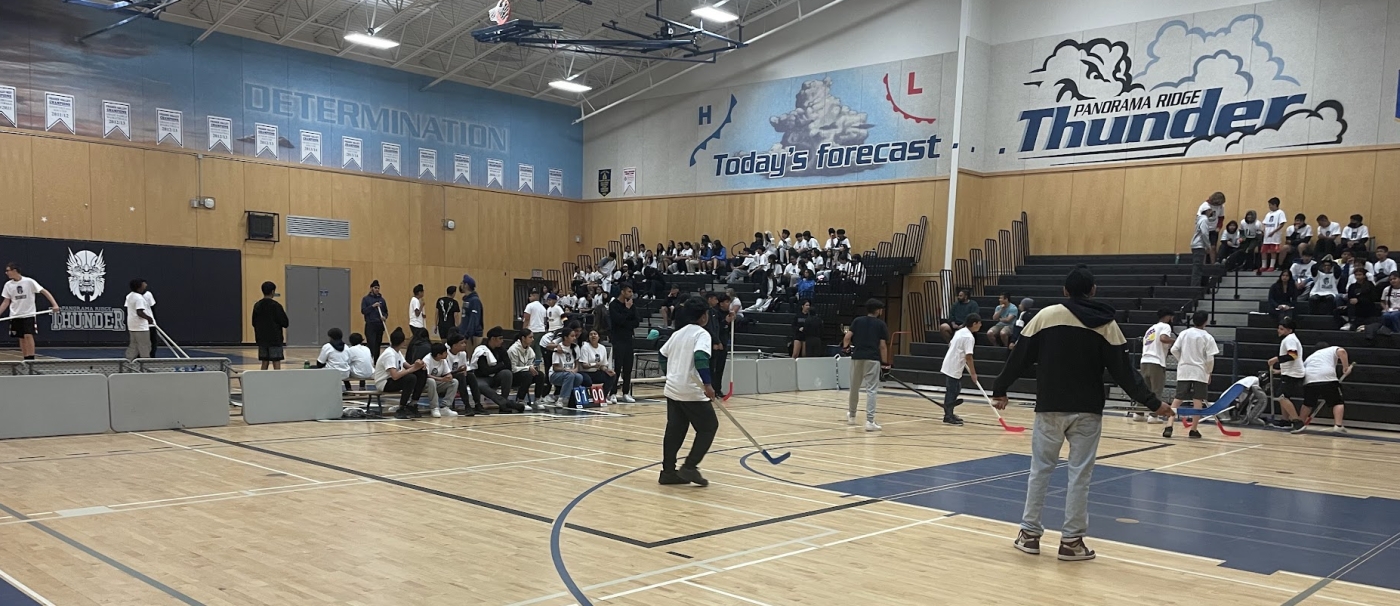
Panorama Ridge’s coaches and sponsors support a diverse range of teams and athletes. Students of varying skill levels compete in various sports, including soccer, field hockey, volleyball, basketball, badminton, rugby, wrestling, cross country, track and field, kabaddi, ball hockey, and ice hockey. Many of our teams have achieved district, provincial, and national championships, while all have benefited from team building, practicing integrity, commitment, and hard work, and having fun!
OUR LEARNERS
LEARNING THAT MATTERS:
In a world that is constantly evolving, the capacity for self-awareness, a sense of belonging, and the discovery of one’s voice has become increasingly essential. At Panorama Ridge, students are actively engaged in this important journey through rich, interdisciplinary learning experiences that encourage reflection, connection, and expression across subject areas.
Our student learning plan is focused on equipping our learners with the following skills:
These competencies, derived from the B.C. English and Social Studies curriculum, are essential in our pursuit of equipping our students with the reflective capacities that are necessary for a meaningful and engaged life in today's world. |
WHERE WE SEE THESE GOALS IN ACTION:
Over the course of the school year, students have engaged in meaningful and sustained learning focused on these curricular competencies. This learning has taken place not only within classroom settings but also through experiences embedded in the broader school community, allowing students to apply and deepen their understanding in authentic, real-world contexts.
Goal #1: Students can explore the significance of people, places, events, and developments within their respective historical and cultural contexts |
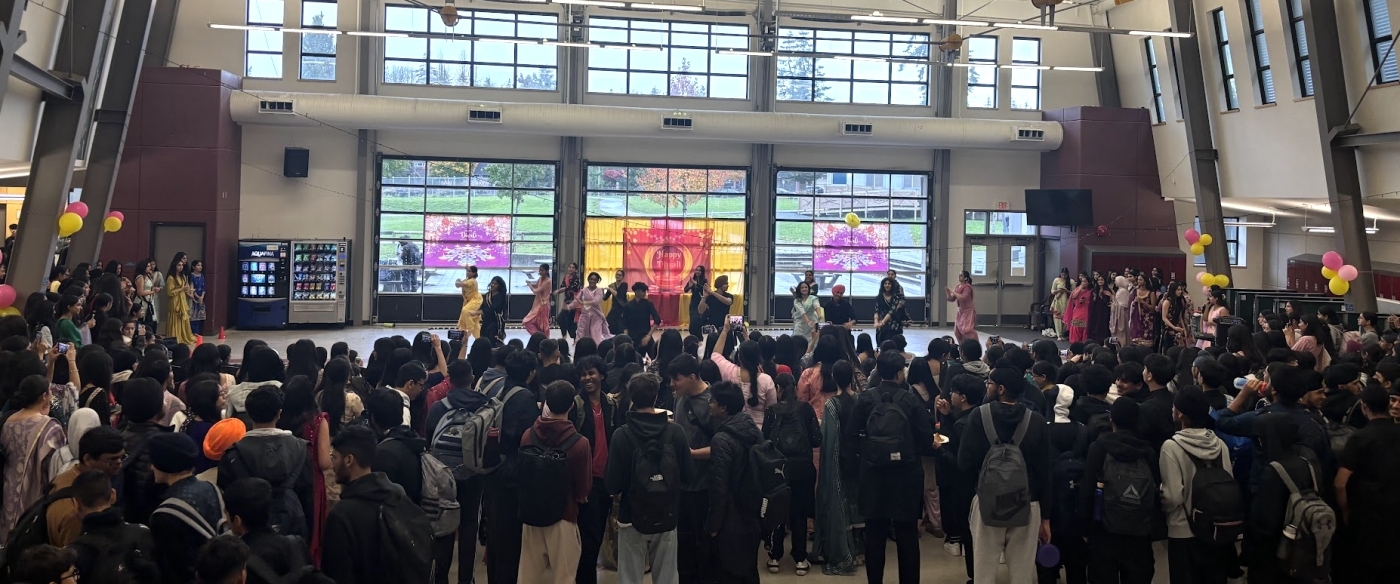
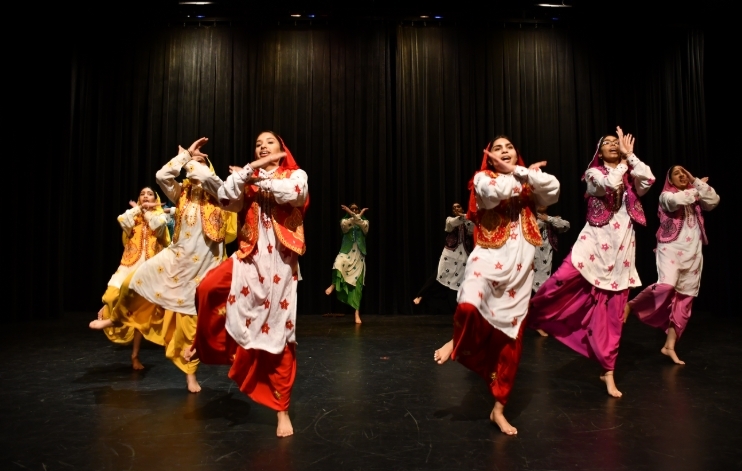
In April, students and staff collaborated to recognize and celebrate Sikh Heritage Month, creating opportunities for the school community to learn about and appreciate Sikh culture and contributions. A highlight of the month was a vibrant Vaisakhi celebration, organized by students, which brought together elements of cultural expression and education. The event featured dynamic Bhangra performances, traditional foods generously provided by local restaurants, visually striking art displays, and informative posters that explored Sikh history, values, and the significance of Vaisakhi. Through this celebration, students not only demonstrated leadership and initiative but also fostered a sense of inclusion, cultural pride, and community connection throughout the school.
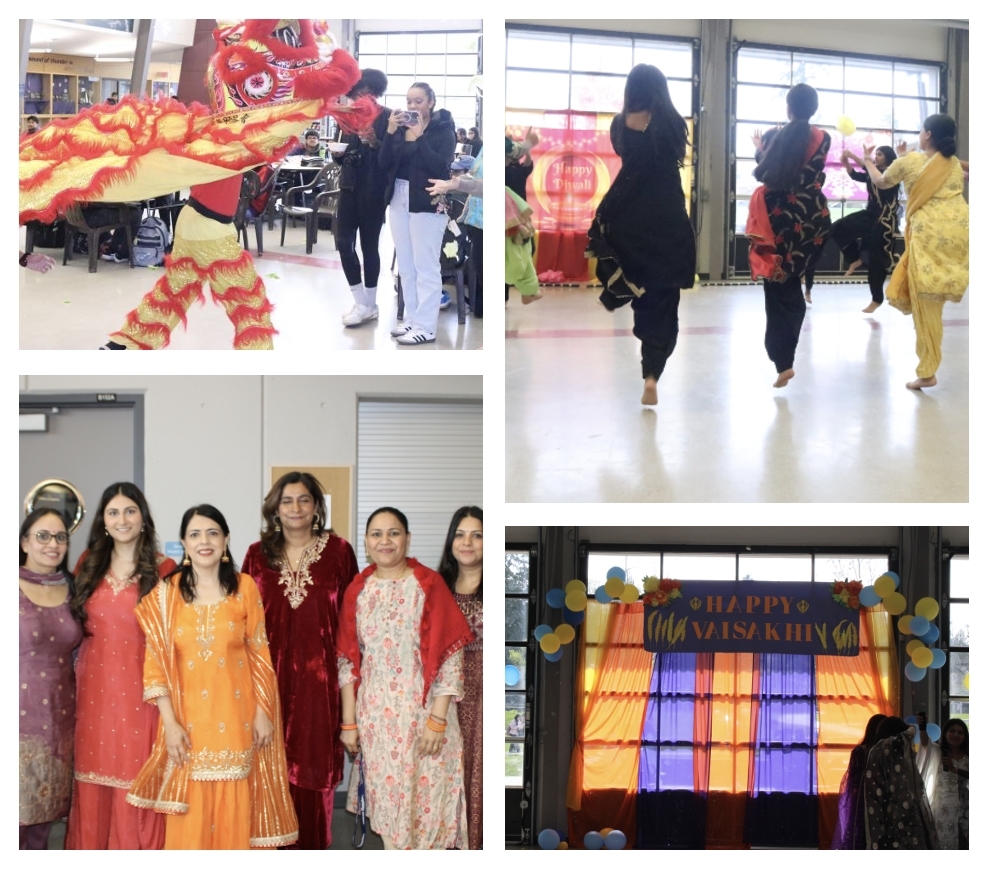
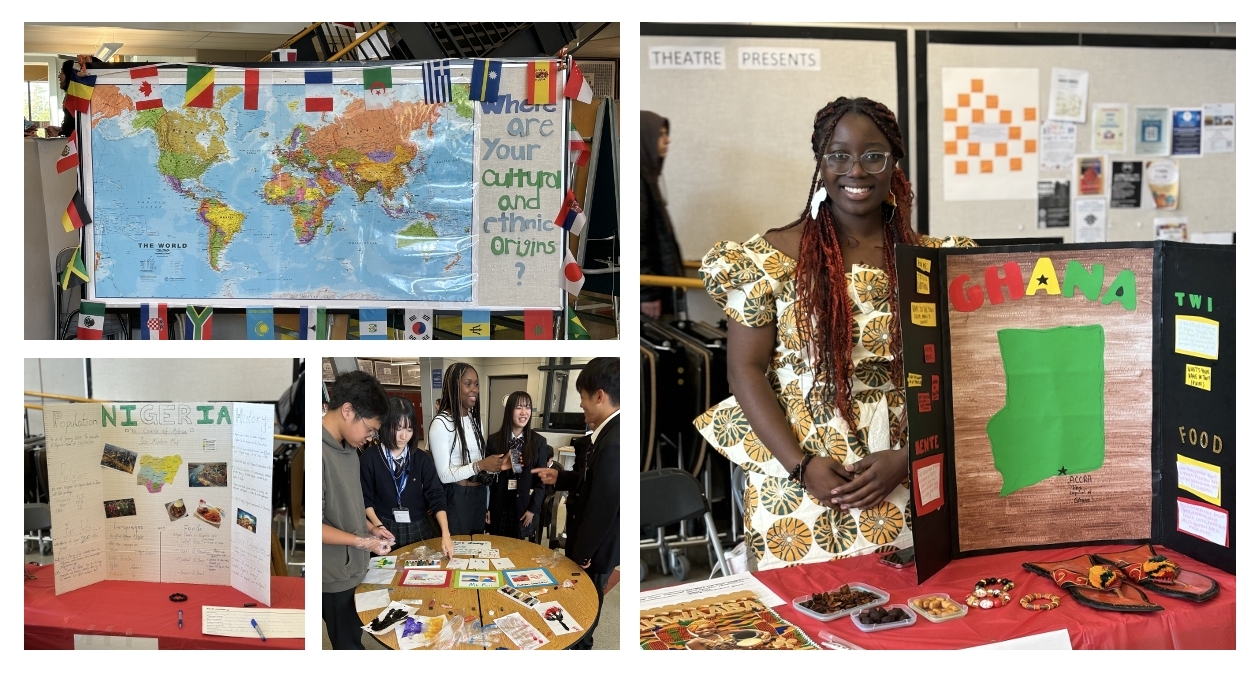
This year marked the second annual celebration of Cultural Celebration Day at our school—a growing event that highlights the rich cultural diversity of our community. Students participated in classroom discussions and activities exploring identity and heritage. At lunch, a lively cultural fair featured music, traditional clothing, artifacts, and food from a wide range of cultures represented by our students, staff and families. The event fostered pride, understanding, and connection across the school.
Goal #2: Students can recognize and evaluate the role of their own personal, social, and cultural contexts, values, and perspectives |
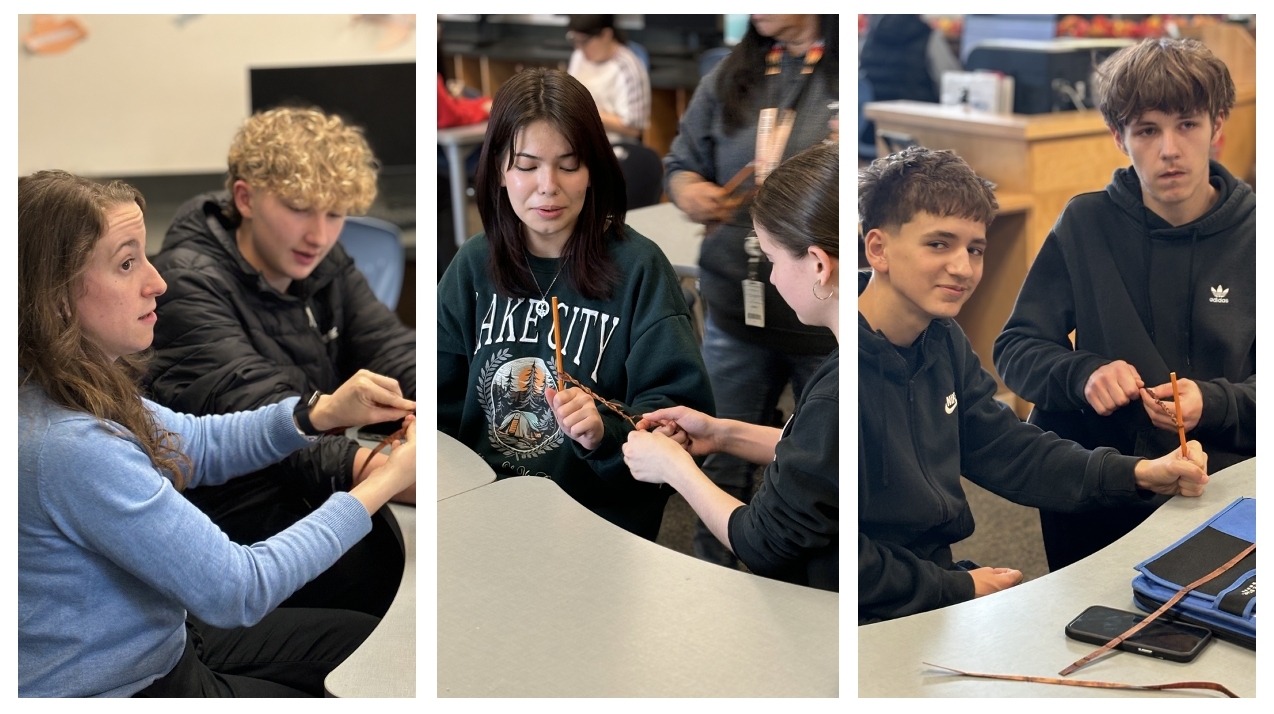
Every month, Indigenous students at Panorama Ridge and their friends were invited to a Friday pizza lunch. These lunches provided an opportunity for students to gather, form meaningful connections, and share in games and cultural experiences. Often, students from our feeder elementary schools would join in the fun.
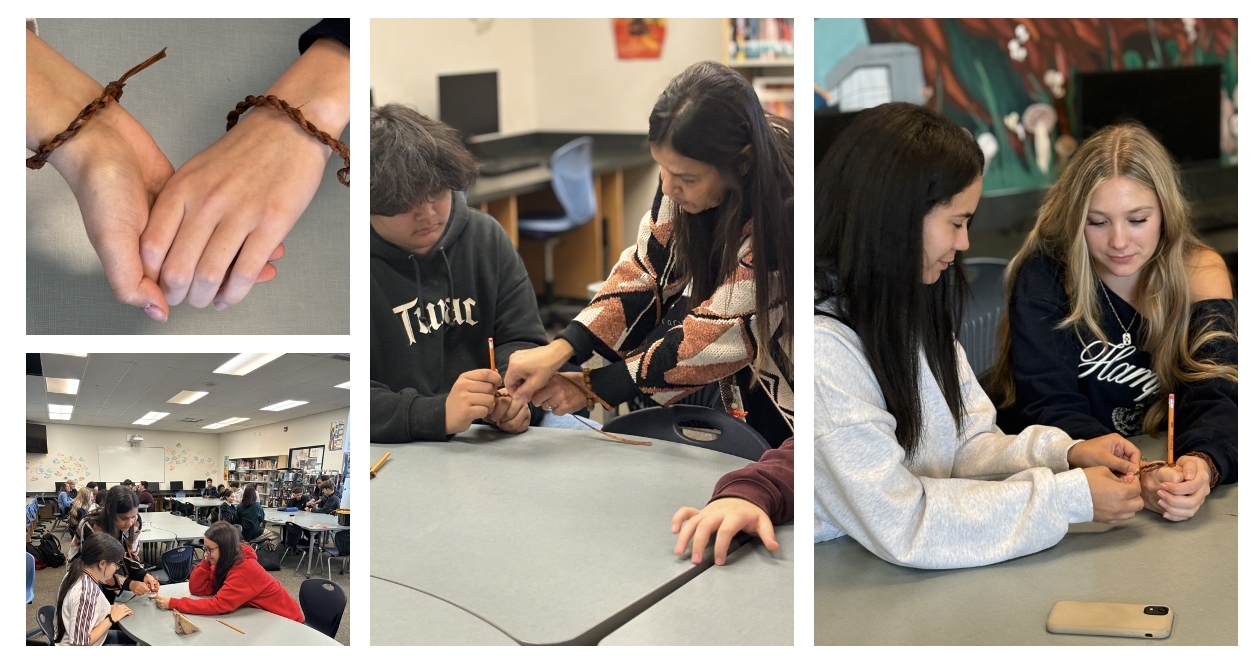
These gatherings were an important rhythm in the life of the school year and helped students explore their personal connections to their culture and community. In addition, some of our senior Indigenous students participated in the district's Indigenous Student Leadership Council to further broaden their network and foster relationships with the community at large.
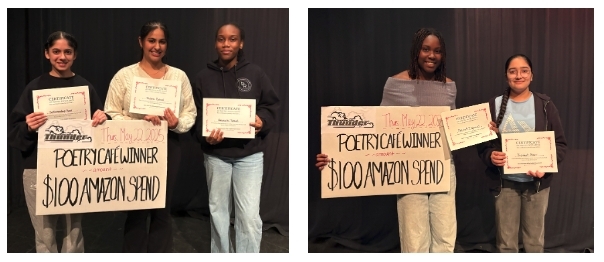
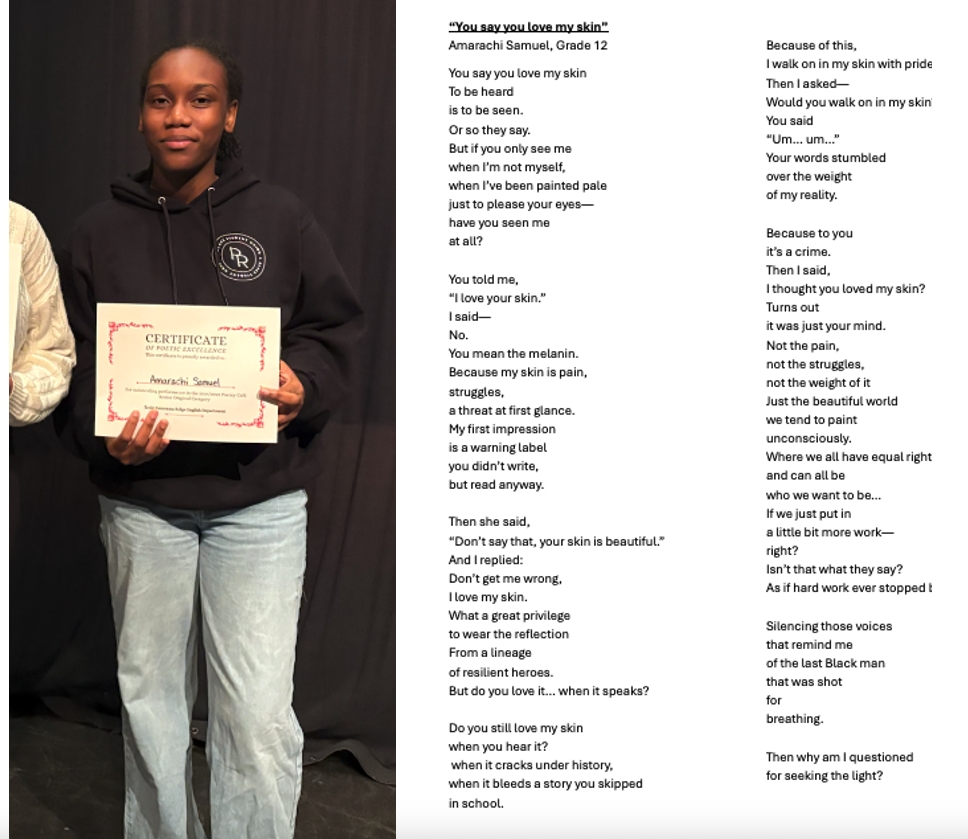
This spring, the English Department hosted the second annual Poetry Café—an inspiring celebration of student voice, creativity, and community. The event was a great success, with over 60 students in attendance and more than 20 students courageously sharing their original work with a live audience. Through poetry, students explored themes connected to identity, belonging, justice, and lived experience, drawing from their own personal, social, and cultural perspectives.
The event created a powerful space for self-expression and reflection, allowing students to engage thoughtfully with their values and the contexts that shape them. The Best Original Poem award went to “You Say You Love My Skin” by Amarachi Samuel, a Grade 12 student, whose moving piece challenged the audience to confront issues of race and authenticity in how we relate to one another. Events like the Poetry Café are a meaningful way for students to recognize and evaluate the forces that shape their worldview and to share those insights with others through art.
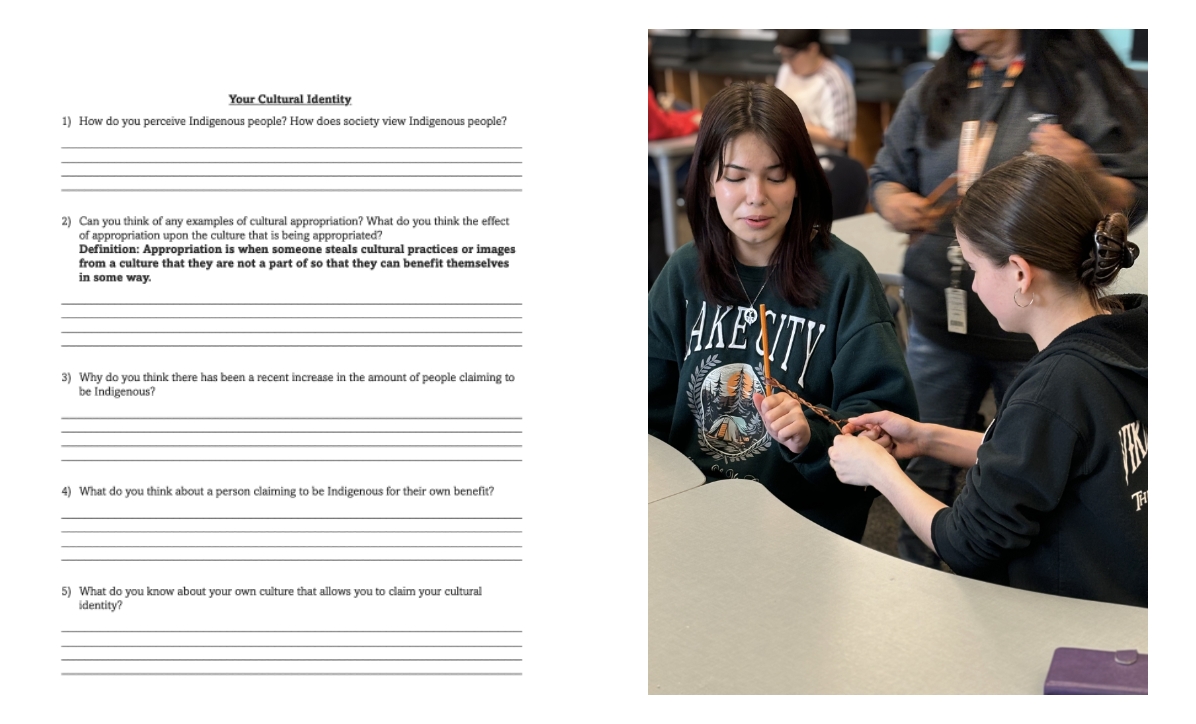
In Humanities 8, students explored and evaluated the role of their own personal and cultural contexts as they examined how Indigenous cultural identities are often appropriated by non-Indigenous people. Through this work, students developed their understanding of how their own cultural identities interact with and shape their lived experiences.
Goal #3: Students can build and maintain diverse, positive peer and intergenerational relationships. |
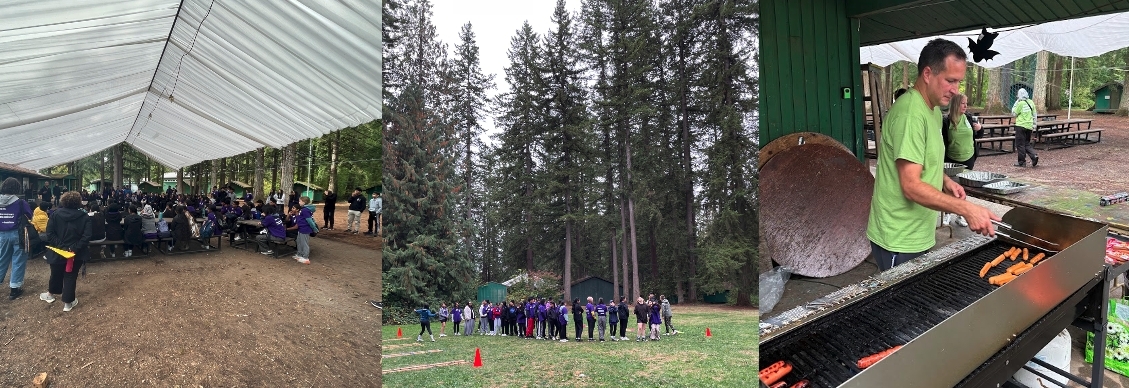
Grade 8 students gathered at Camp McLean for Grade 8 Day in September. . During the day, students connected with each other and built positive connections with key members of school staff, including counsellors, safe school liaisons, administrators, and youth care workers.
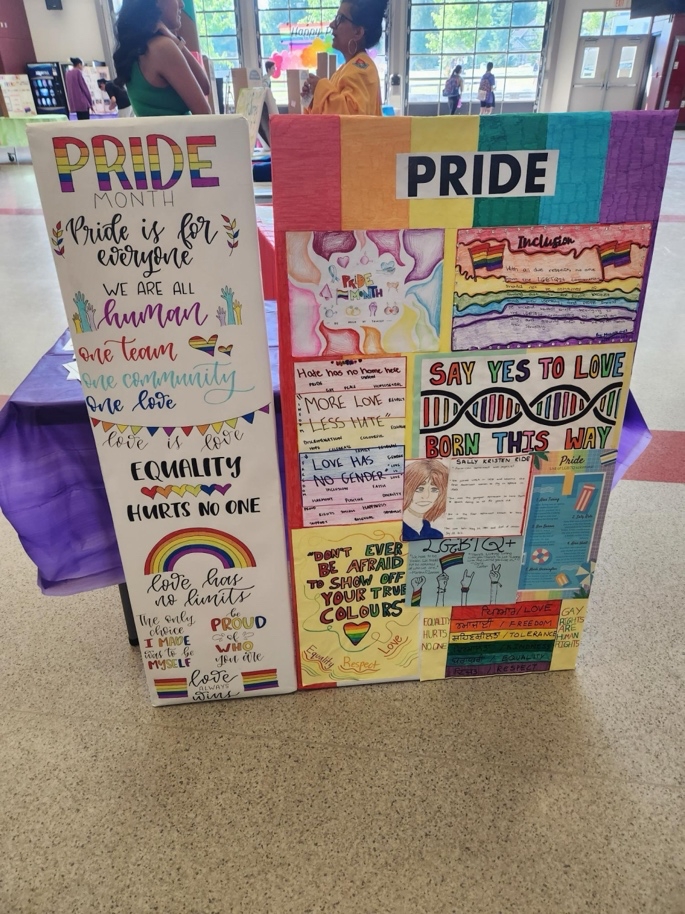
During the school year, the Skittles Club worked to promote an inclusive and accepting culture around the school. They hosted a Pride Gallery Walk in which students from each department of the school worked to create displays that highlighted how LGBTQ2S individuals have contributed to a variety of disciplines.
In reflecting on their experiences, a number of students that attended the event noted how important it was for the school to highlight the experiences of historically marginalized groups.
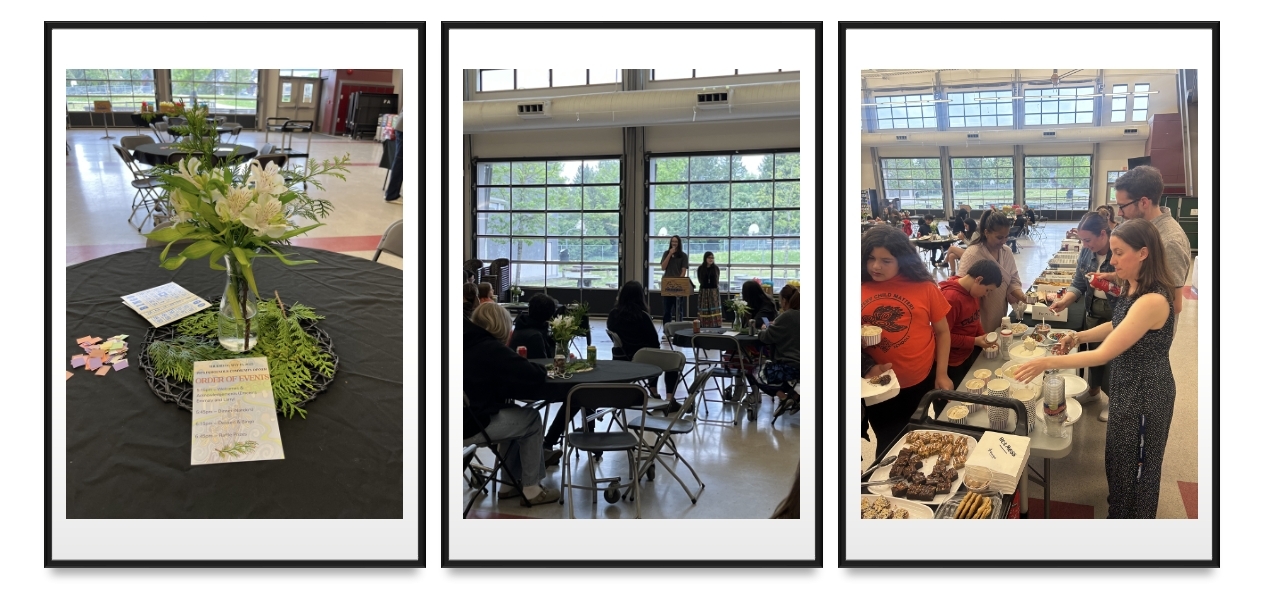
Our annual Indigenous Community Dinner was held this Spring. This event is organized by a team of students and teachers that wanted to gather together to celebrate the school year. Indigenous families from all of our feeder elementary schools and from Panorama Ridge gathered together at the school to share a meal and connect with each other. Students that attended were able to engage in meaningful conversations with other Indigenous students, parents, and elders, once again highlighting the connectivity of community.
OUR FOCUS
SPECIFIC AND TARGETED GOALS:
Building on the foundation we laid last year, our primary focus this year was to deepen students' ability to reflect thoughtfully—an essential skill for leading a purposeful and actively engaged life in today’s complex world. To support this aim, we concentrated our efforts on three specific goals, working closely with a targeted group of Grade 8 and 9 students.
Goal #1 | Students can explore the significance of people, places, events, and developments within their respective historical and cultural contexts |
Goal #2 | Students can recognize and evaluate the role of their own personal, social, and cultural contexts, values, and perspectives |
Goal #3 | Students can build and maintain diverse, positive peer and intergenerational relationships. |
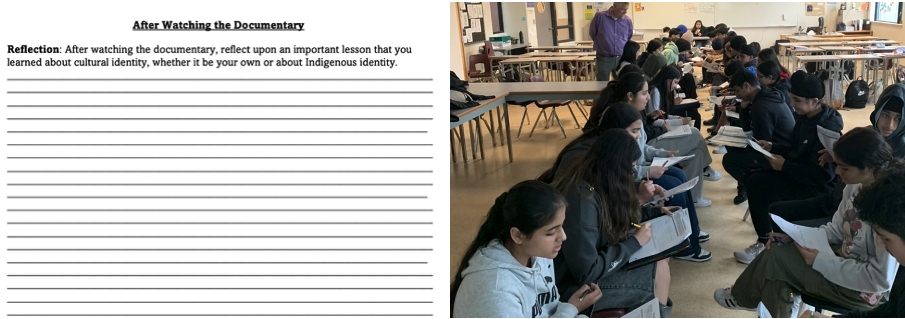
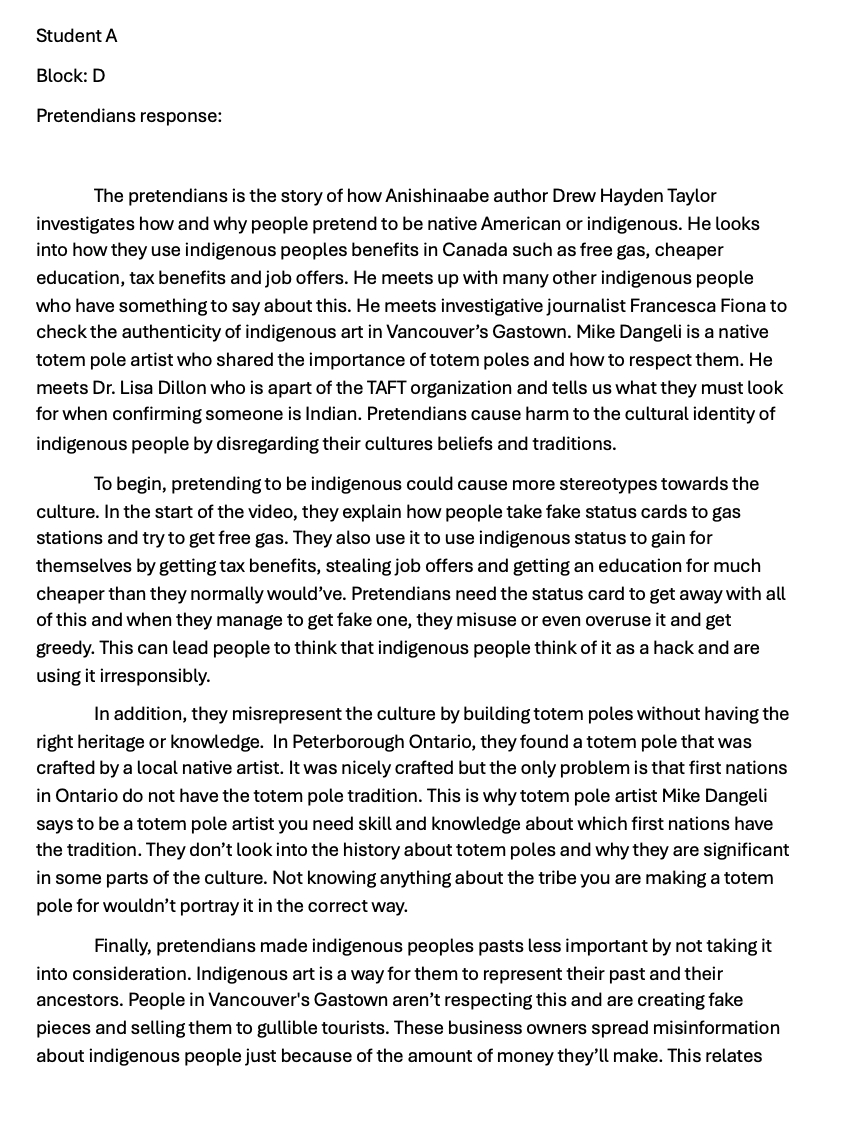
GRADE 8 COHORT:Teachers collaborated together to create learning experiences that were centred around the goals of our student learning plan. To that end, a group of Humanities teachers worked together on a unit that explored the concept of cultural identity, using the CBC documentary “The Pretendians” to help students understand their own cultural identity. This documentary examines sudden the surge of non-Indigenous people falsely claiming Indigenous identity. Students explored this unit through small group and class discussions, personal reflections, independent reading, and guided viewing questions. Students also frequently used online forms to self-assess their progress toward learning targets. This allowed teachers and students to keep track of their progress over time and reflect on areas for future growth. At the end of the unit students demonstrated their learning in a written response that explored their personal experiences and beliefs, along with their response to the challenges and questions raised by the documentary.
|
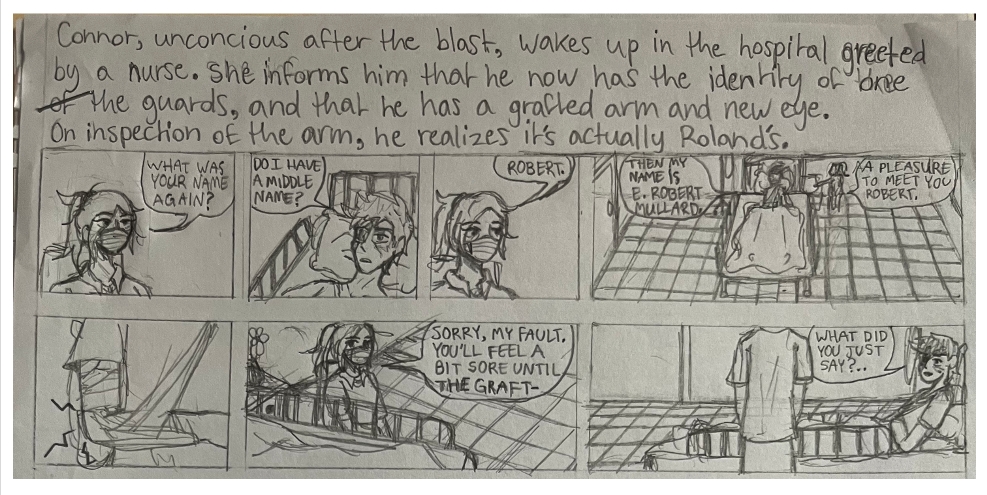
GRADE 9 COHORT:The grade 9 cohort was comprised of two linear English 9 classes who explored the theme of personal identity through a novel study and short stories unit. These unit plans were developed with a focus on culturally responsive assessment practices.
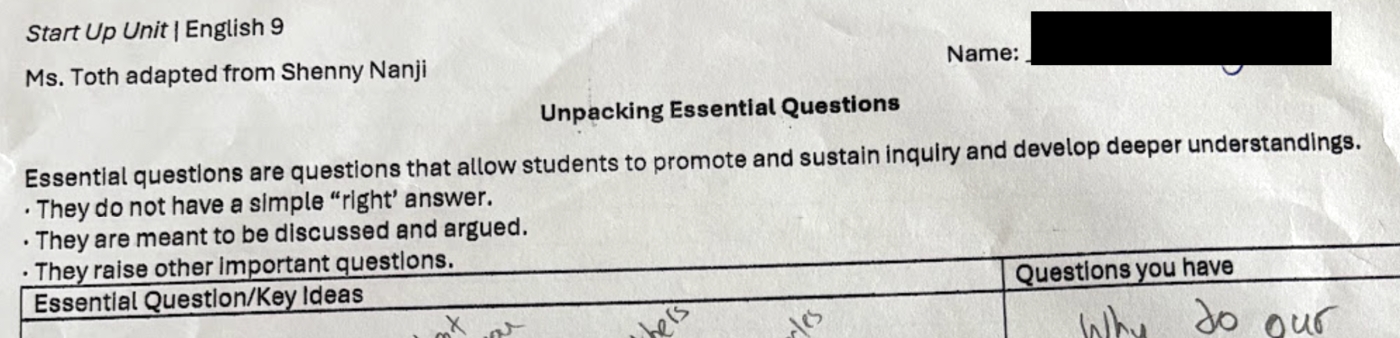
Staff created some initial, middle, and end of the course assessments that were more accessible for all learners. The first essential question graphic organizer was given to students at the start of the semester to introduce the course theme of identity and led into a novel study unit for the book Unwind. This dystopian novel explores the ideas of identity and what it means to be human. The two classes looked at different questions to see how they might approach the course theme of identity differently. The unit was primarily discussion-based and structured around a literature circles model. Students participated in four student-led discussions designed to deepen their thinking and extend their understanding beyond individual assignments.
The unit was primarily discussion-based and structured around a literature circles model. Students participated in four student-led discussions designed to deepen their thinking and extend their understanding beyond individual assignments.
|

OUR NEXT STEPS
WHERE WE ARE ARRIVING:
Our goal this year was to see an expanded group of students develop in their capacity for exploring their personal and cultural identities, rooted in an awareness of both the past and present. This was done through meaningful learning centred around the English and Social Studies curricula.
ASSESSMENT OF CURRICULAR COMPETENCIES: |
In order to evaluate our progress toward our learning goal, teachers assessed students on the same two English and Social Studies curricular competencies throughout the semester, allowing us to see student progress over time. In both cases, students in the learning cohort demonstrated growth over time.
Student Achievement: English 9 Cohort
|
Student Achievement: Humanities 8 Cohort
|
THE STORY OF OUR LEARNING:
At the end of the school year we asked our learning cohort to respond to a simple prompt to help them reflect on their learning: tell us about how you've learned about the importance of cultural and personal identity this year.
Students in the cohort were able to reflect on the important learning that took place in their classrooms.
“One thing we learned is that it’s important to consider things from other perspectives – even if you think you have a good idea of what someone else thinks, you might not.”
“We learned to value how our words can impact other people – how they can make someone happy or sad. Our words can help a group of people or put a group of people down.”
“In our unit on Indigenous art I realized that it’s really easy to pretend you’re something that you’re not and end up taking something that’s not yours. It's important to remember how other people view things.”
During the interviews at the end of the school year one student noted that she felt that the unit on cultural identity was important in helping her to examine her own relationship with her cultural origins and her parents experience as immigrants. This comment underscores the importance of the meaningful work that students and teachers engaged in this year.
Grade-Wide Student Self-Assessment Data:Growth Over Time |
This year, we utilized student reflections on the core-competencies to collect data from a wider array of students. This allowed us to see how students across the school were engaging with our goals.
Goal #1: Students can explore the significance of people, places, events, and developments within their respective historical and cultural contexts
Students frequently identified historical figures, family members, teachers, and personal experiences as having influenced their understanding of the world.
Many students referenced:
- Civil rights leaders
- Historical injustice
- Cultural differences
- Family experiences
- Learning from teachers and mentors
"Martin Luther King changed my perspective on how much I realized that Black people were really treated differently and it was never fair."
"Malcolm X changed my perspective on dealing with situations."
"My Socials teacher taught me a lot about myself and how I view things. This is significant because it helped me understand others."
"My mom helped me notice that some people in my life will grow distant and I will need to accept that."
"My mom made me see that even annoying people might still be nice."
Key Findings
Students are making meaningful connections between historical figures, personal experiences, and their own understanding of society and relationships. Many responses demonstrated empathy and perspective-taking when reflecting on historical and cultural learning.
Goal #2: Students can recognize and evaluate the role of their own personal, social, and cultural contexts, values, and perspectives
Emerging Themes
- Growing the skill of self-reflection
- Recognition of personal biases
- Understanding differing viewpoints
- Growth in empathy
- Awareness of personal strengths and challenges
"I learned that letting others have part of the control is helpful."
"I realized that it's okay for others to not have the same opinion as someone and to respect them either way."
"We both listened to each other's point of view to figure out what both sides of the story was."
"I had my own ideas, but my classmates suggested different ways to finish the task."
"I feel like I try to hide myself and my problems instead of working on them."
Key Findings
Students are beginning to recognize how their own perspectives influence decision-making and interactions. Many students demonstrated an emerging ability to reflect critically on their own behaviour and consider alternative viewpoints.
| Competency | Average Self-Assessed Score: Semester 1 (5 pt Scale) | Average Self-Assessed Score: Semester 2 (5 pt Scale) |
| Identifying strengths and skills | 3.79 | 4.11 |
| Identifying values and beliefs | 3.88 | 3.96 |
| Evaluating and reflecting on ideas | 3.65 | 4.21 |
| Setting goals and monitoring progress | 3.83 | 3.62 |
Goal #3: Students can build and maintain diverse, positive peer and intergenerational relationships
"Someone was having a bad day and I stayed with them and comforted them during their hard moment."
"My friend was feeling stressed so I helped calm her down and talk to her about it."
"When my friend was going through a hard time I tried to get them to get help."
"I offered to be many people's friend, mostly new students."
"I helped a boy who didn't know much English and was getting bullied for his religion."
"It made me feel really good because I heard him later tell someone that I helped him when he was getting bullied."
"I helped a friend who was struggling to understand wave frequency. It made me feel great to see that 'lightbulb moment' when they finally understood."
Future Social Goals Identified by Students
|  |
| Competency | Average Self-Assessed Score: Semester 1 (5 pt Scale) | Average Self-Assessed Score: Semester 2 (5 pt Scale) |
| Working with others | 4.12 | 4.33 |
| Connecting and engaging with others | 3.60 | 3.91 |
| Understanding and sharing information | 4.22 | 4.02 |
| Advocating for yourself | 3.74 | 3.98 |
"I want to become more friendly."
"To be a better listener."
"Talk to more people that aren't my friends."
"Be more verbal with my teachers if I need help."
The student self-reflections provide strong evidence that students are:
- Developing an understanding of historical and cultural perspectives.
- Reflecting on how their own experiences, beliefs, and values shape their thinking.
- Building positive relationships characterized by empathy, collaboration, and support for others.
The strongest evidence emerged around Goal #3, where students consistently described helping peers, supporting newcomers, collaborating in groups, and strengthening relationships with both peers and adults. Goal #2 was also well represented through student reflections on differing viewpoints and self-awareness.
STUDENT WORK: ENGLISH 9 COHORT
Initial Assessment & Teacher Feedback: Student A (May 2026) |
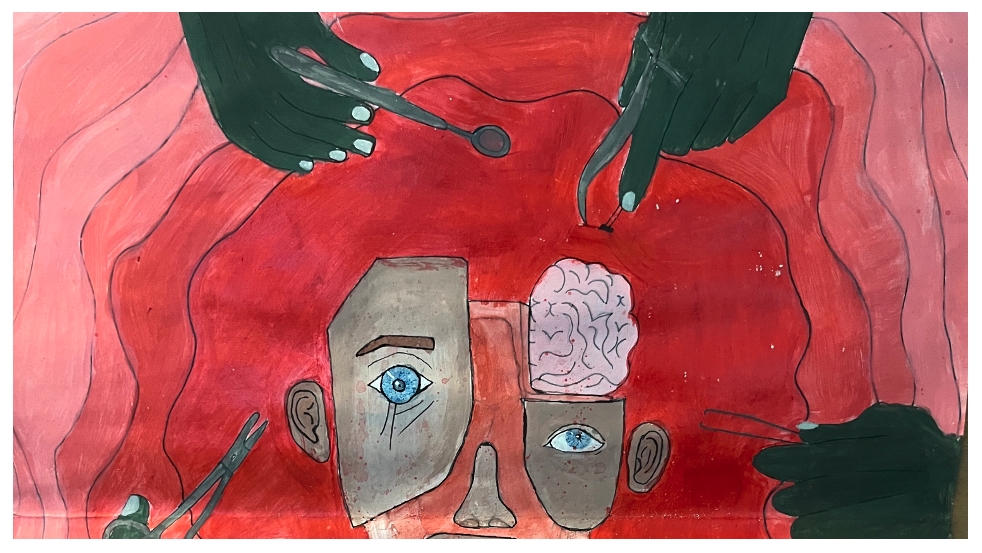
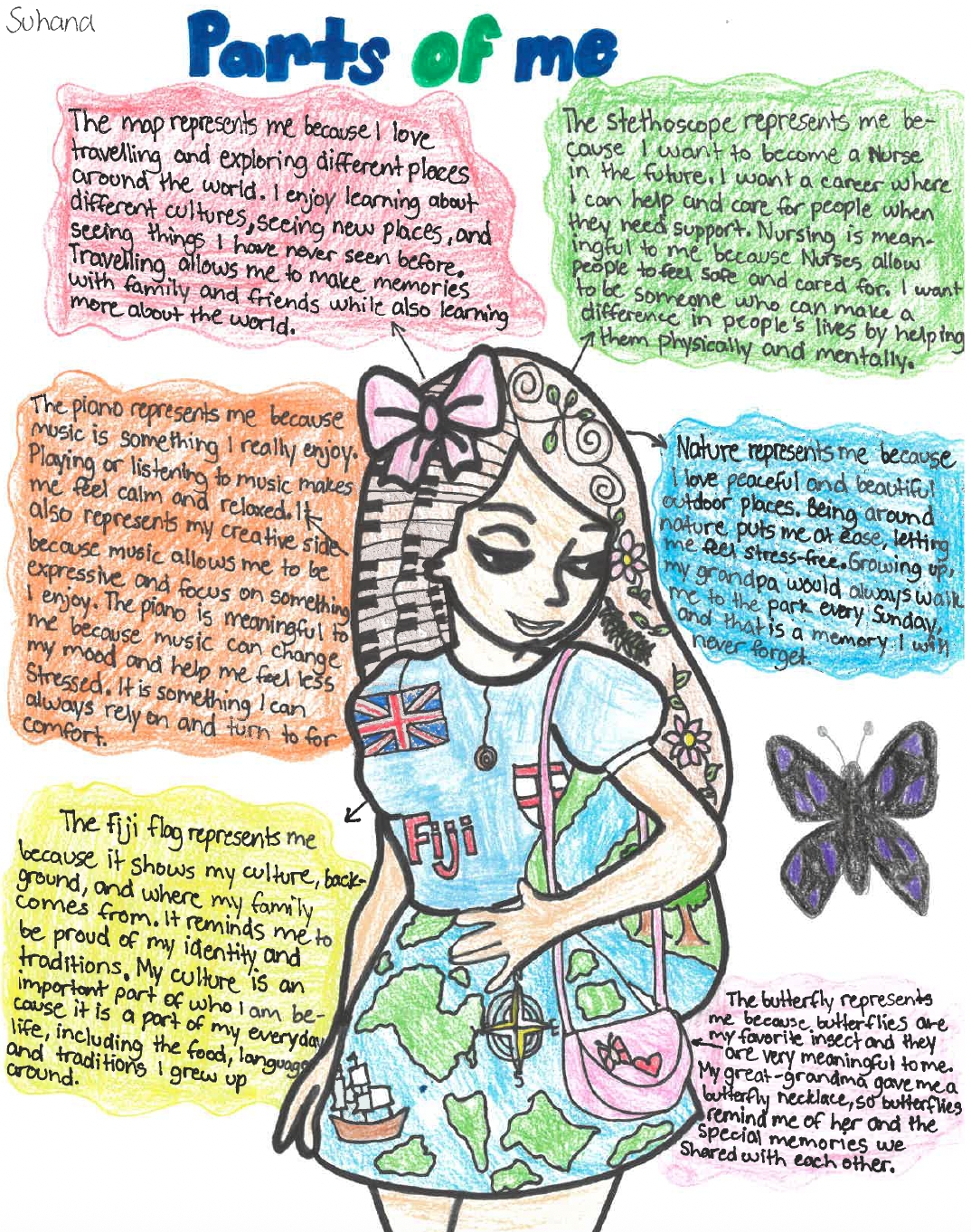 Student Sample #1 Feedback This is a student in my Linear Humanities 8 class who is consistently working within the proficient range, and this assignment highlights their strong ability to use symbolism in the extending range. The student includes a wide variety of clearly labeled symbols (map, stethoscope, piano, flag, nature, butterfly), effectively meeting the symbolism criteria by representing multiple aspects of their identity. Each symbol is purposeful, well-integrated and easy to understand. Their analysis and explanation go beyond simply naming what each symbol represents and explains why it is meaningful to them. For example, they connect the butterfly to a personal relationship with their great-grandmother and describe how travelling creates meaningful memories. These explanations are thoughtful, specific, and well-developed. The writing is also clearly structured, and this make their thinking easy to follow. Overall, this work demonstrates a strong understanding of how symbols can communicate deeper meaning, and the student is confidently extending beyond the proficient range. |
Initial Assessment & Teacher Feedback: Student B (May 2026) |
 Student Sample #2 Feedback This is a student in my Linear Humanities 8 class who has been working within the proficient range throughout the year, and this assignment shows clear growth toward the extending range, particularly in their use of symbolism and willingness to represent multiple aspects of their identity. In their work, the student includes a wide range of detailed and thoughtful symbols that represent their interests, culture, personality, and experiences. They move beyond basic representation by including not only what they enjoy, but also how these elements have shaped them over time. For example, their explanation of drawing reflects personal growth and change, while their descriptions of sports highlight perseverance and enjoyment even when faced with challenges. Over the course of the year, this student has become more confident in expanding their ideas and including more personal reflection in their work. In this piece, they demonstrate a stronger ability to connect symbols to their identity, and there are several moments where their explanations show deeper thinking, particularly when they reflect on memories, improvement over time, and emotional connections to certain activities or places. While some explanations could still be developed further to consistently show deeper insight, this student is beginning to move beyond surface-level responses and is approaching the extending range in their ability to communicate meaning through symbols. |
Initial Assessment & Teacher Feedback: Student C |
 Student Sample #3 Feedback This is a student in my Linear Humanities 8 class who has been working within the developing range throughout the year, and this assignment shows growth in their ability to use symbols to represent more complex aspects of their identity. In this final product, the student selects symbols connected to their interests, beliefs, and personality, and their role within their friend group. They are beginning to move beyond simple representation by attempting to communicate more abstract ideas, such as their interest in astronomy, belief in the supernatural and their identity as someone who supports others. These choices show growing confidence in using symbolism to express who they are. Over the course of the year, this student has been developing their ability to express their thinking more clearly. This work reflects important growth in both their willingness to share ideas and their understanding of how symbols can communicate meaning. With their consistent focus on expanding and clarifying their explanations, this student has grown towards the proficient range. |
STUDENT WORK: HUMANITIES 8 COHORT
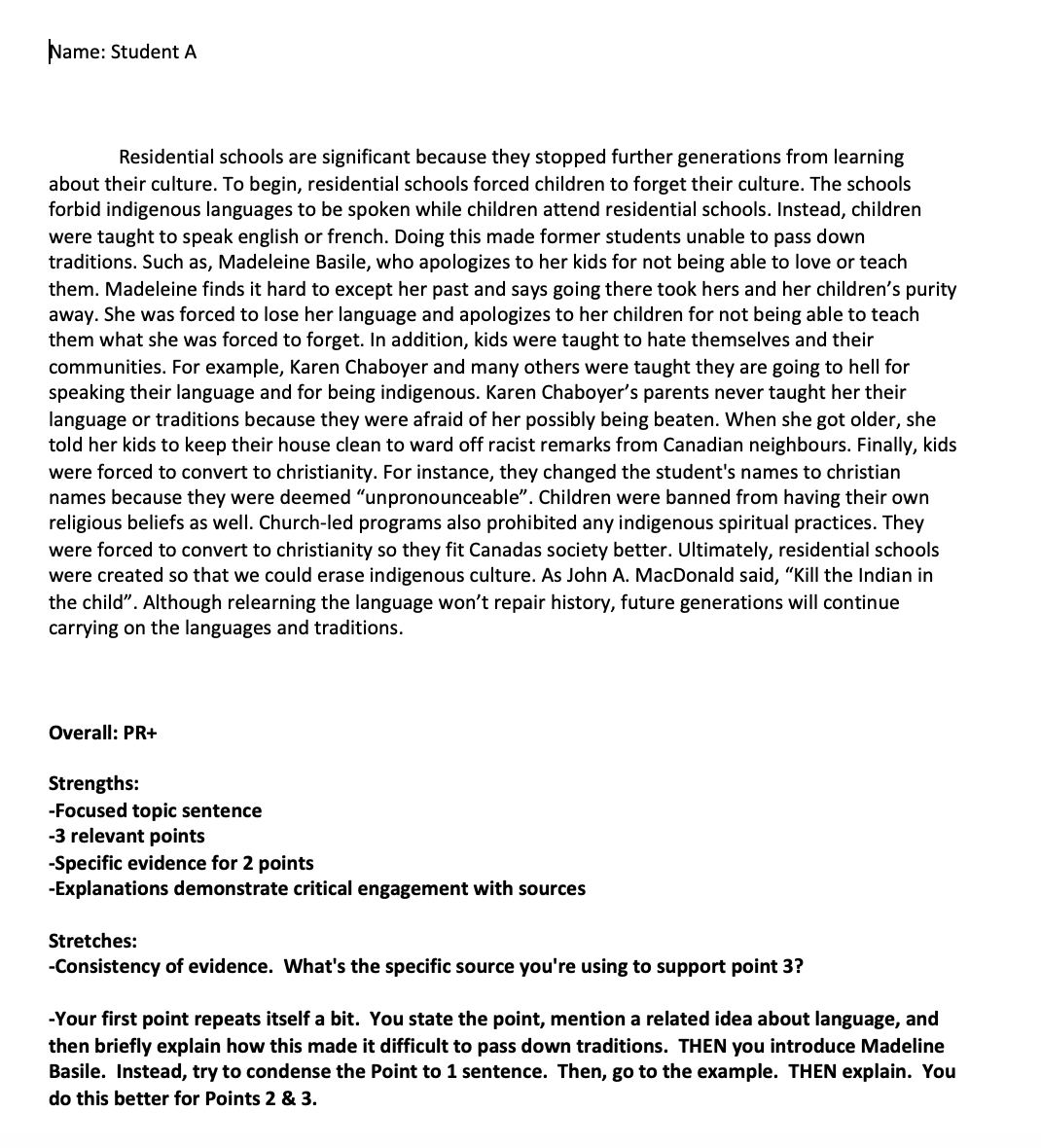
Initial Assessment & Teacher Feedback: Student A (February 2026) |
 |
Final Assessment & Teacher Feedback: Student A (June 2026) |
|
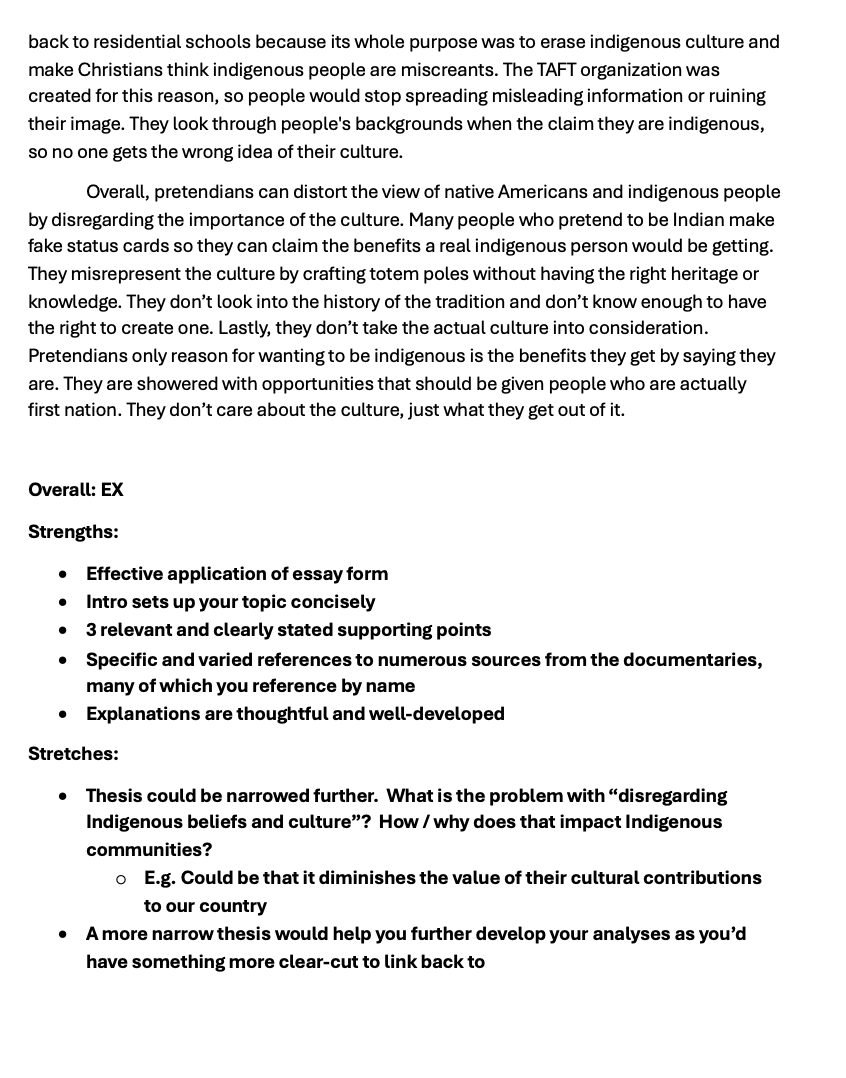
|
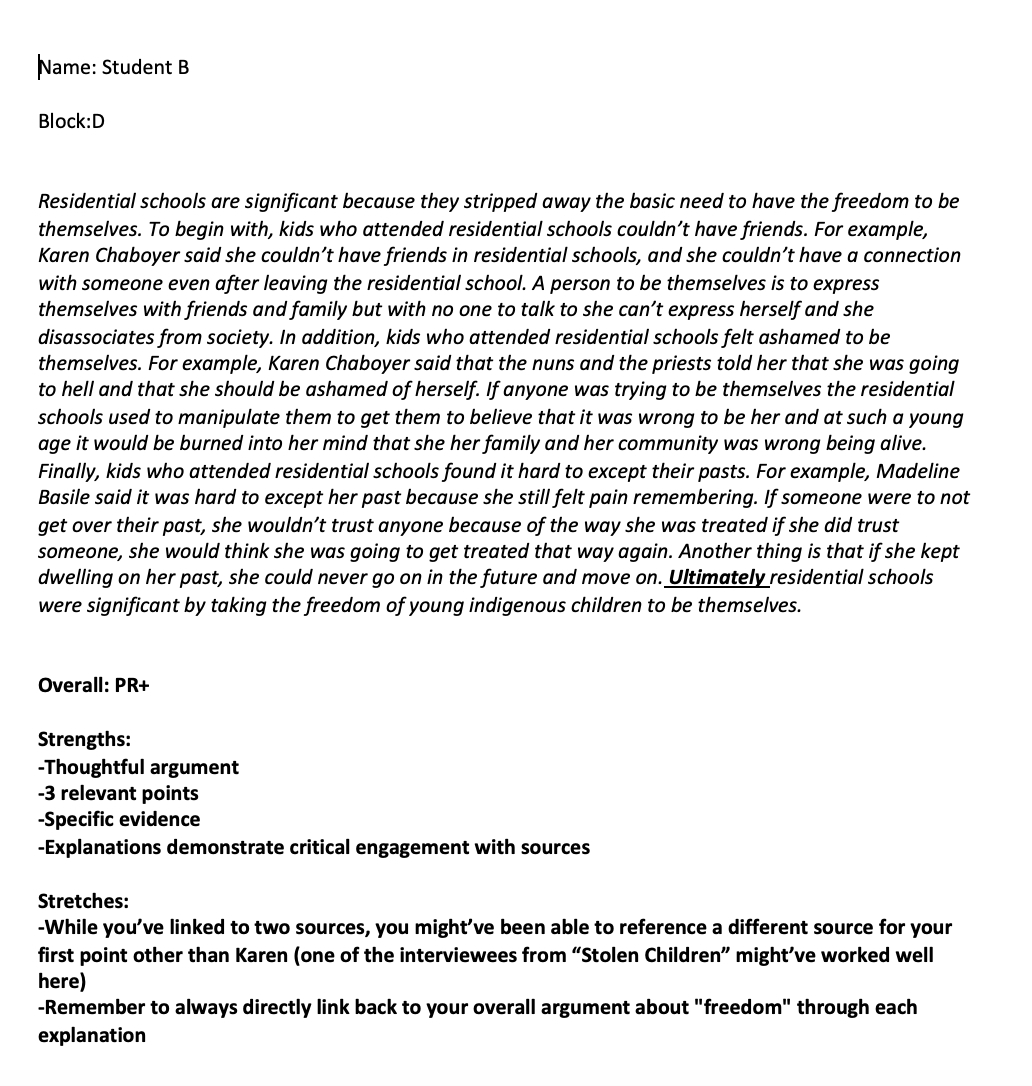
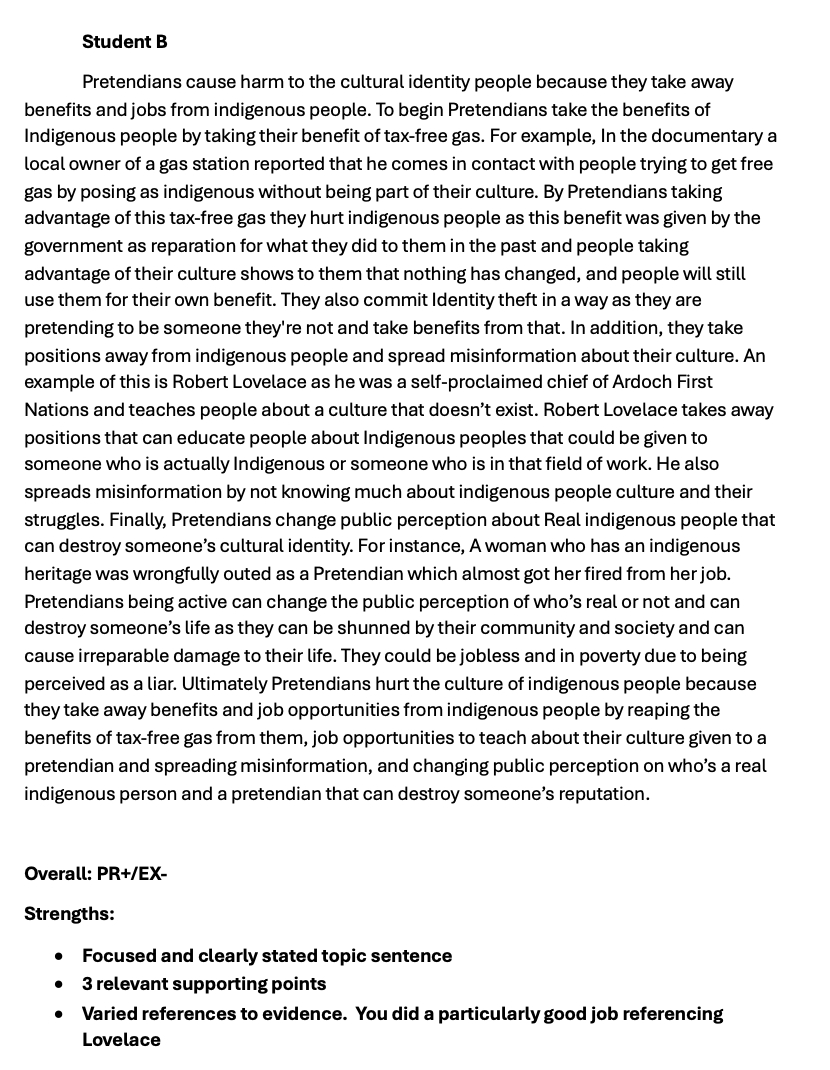
Surrey Schools
Formed in 1906, the Surrey School District currently has the largest student enrolment in British Columbia and is one of the few growing districts in the province. It is governed by a publicly elected board of seven trustees.
The district serves the cities of Surrey and White Rock and the rural area of Barnston Island.