Old Yale Road Elementary 24-25

OUR CONTEXT
Our School Community
Old Yale Road Elementary is a diverse and vibrant learning community situated in the City Centre area of Surrey. We currently serve approximately 600 students from Kindergarten through Grade 7. Our students represent a wide range of cultural, linguistic, and family backgrounds, creating a rich mosaic of lived experiences and perspectives. This diversity is one of our greatest strengths, and we are deeply committed to fostering an inclusive, welcoming, and respectful environment for all.
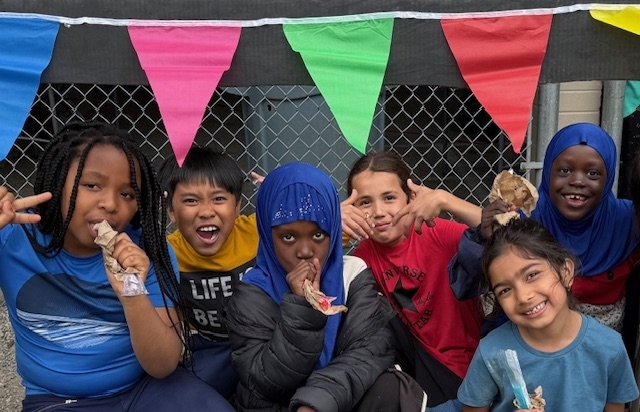
Our school is more than just a place of academic learning—it is an integral part of the surrounding neighbourhood with a long history and strong traditions. Old Yale Road holds a special place in the hearts of families and community members, many of whom feel a deep sense of belonging and pride in the school. We value these connections, recognizing that our partnerships with families and community stakeholders are essential to student success.
Honouring Indigenous Perspectives
We acknowledge that our school, where we work, play and learn, is located on the shared traditional territory of the Katzie, Kwantlen, Semiahmoo, and other Coast Salish Peoples. We recognize that our learning is enriched when we engage with Indigenous knowledge, culture, and traditions and we are grateful for the opportunity to learn, teach, and grow together on this land. We strive to honour Indigenous history, knowledge, and ways of knowing in our daily teaching and we seek opportunities for students to learn about and from Indigenous peoples through both curriculum and lived experience.
We are committed to being active participants in the journey toward reconciliation. We stand as allies to our Indigenous brothers and sisters, and we recognize that truth must come before healing. As such, our students participate in cultural celebrations such as National Day for Truth and Reconciliation & National Indigenous Peoples Day where they reflect on the importance of reconciliation and the values of respect and inclusion. Many staff integrate First Peoples Principles of Learning into daily practice, emphasizing experiential, holistic learning and the importance of relationships and responsibility to one another.
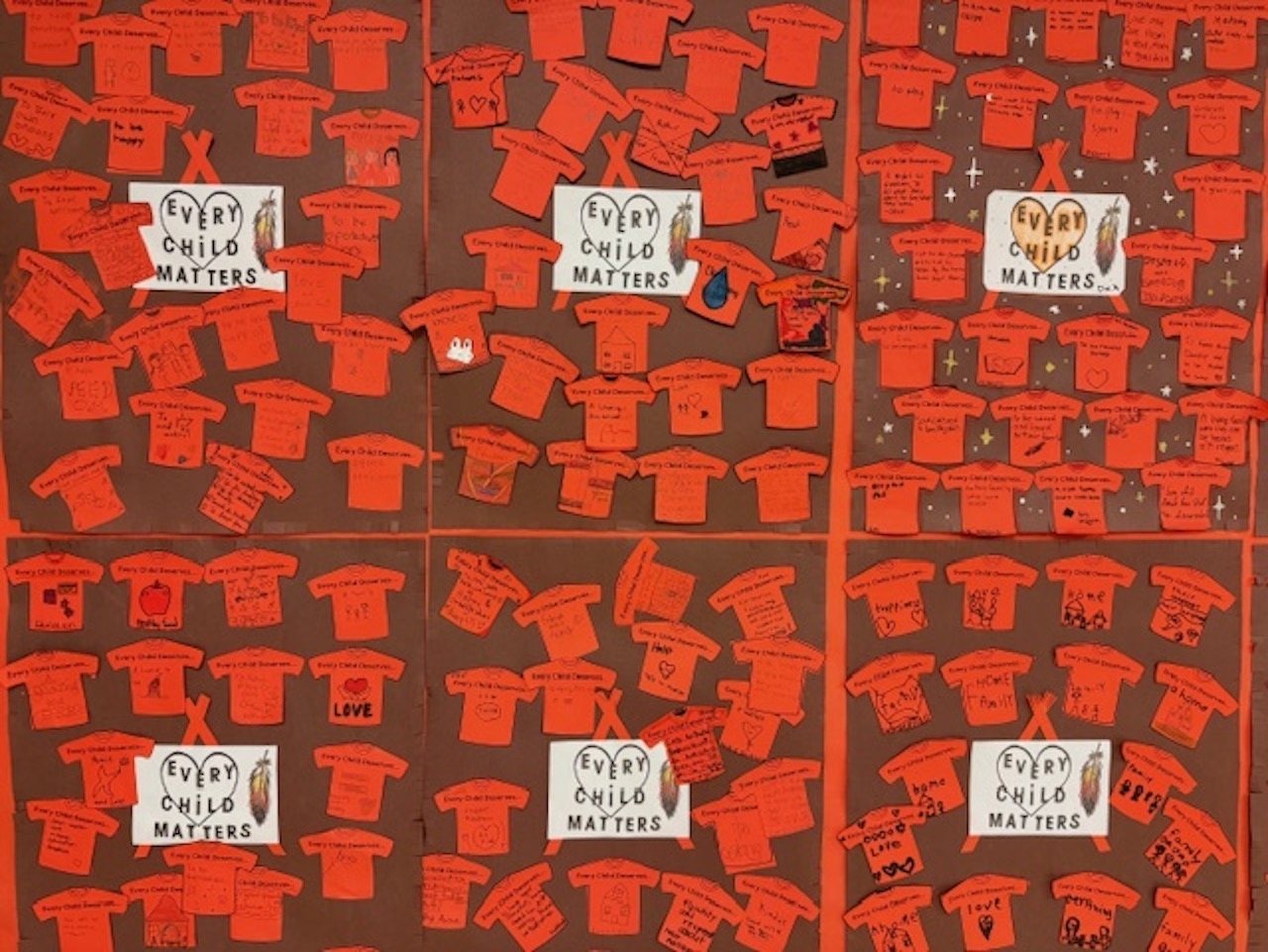
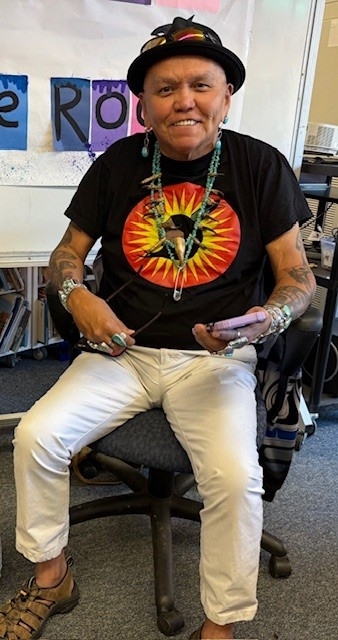
We have welcomed Elders, Knowledge Keepers, and community members into our school to share stories, teachings, and traditional practices. We aspire to engage in land-based learning, storytelling, and connections to the environment, providing students with deeper understanding of how learning is connected to the land we live on. These experiences foster respect, empathy, and a sense of belonging for all students, while ensuring Indigenous voices are honoured and uplifted within our school.
Programs and Supports
At Old Yale Road, we believe in supporting the whole child—academically, socially, emotionally, and physically. To ensure every student has equitable opportunities to learn and thrive, we offer a range of school-based programs:
- Strong Start Program: Our Strong Start Centre welcomes children ages 0–4 and their caregivers, providing early learning opportunities that build foundational literacy, numeracy, and social skills. The program also helps families strengthen connections with the school community from the very beginning of their child’s educational journey.
- Breakfast Program: Each morning, students can start their day with a healthy meal and a chance to connect with trusted adults and peers. This program not only supports nutrition but also fosters a sense of safety, care, and belonging at the start of the school day.
- Universal Lunch Program: Old Yale Road is proud to offer a universal lunch program, providing cold and hot meals to all students wishing to have one. By ensuring that no child goes hungry, we remove barriers to learning and create a more equitable learning environment.
- Adams Apples, Fruit and Veggie and Grocery Program: To further support food security for our families, we participate in collaborative programs with community partners that provide fresh fruit, vegetables, and grocery support. These initiatives reflect our commitment to meeting basic needs so students can focus on their learning.
- Boys and Girls Club: In partnership, afterschool programming is provided to over 150 students in our shared space. Opportunities are given to students in grades 1-7 for extra curricular involvement through the evening hours and during school breaks.
Parent and Community Partnerships
The Old Yale Road Parent Advisory Council (PAC) and parent community play an active and vital role in the life of our school. Their efforts support both the spirit and the resources of our school, making a tangible difference for students and staff.
In 2025, for example, the PAC funded the purchase of an up-to-date sound system for our gymnasium, significantly enhancing our ability to host school-wide events such as winter and spring concerts, talent shows, assemblies, and visiting performances. This upgrade not only improved the quality of events but also allowed us to celebrate student talent in more meaningful ways.
The PAC has also supported learning opportunities beyond the classroom, including an artist-in-residence program with Joanne Howard. Through this initiative, every student had the chance to explore and develop artistic skills, fostering creativity, self-expression, and confidence. These examples illustrate the strong collaboration between school and families in supporting enriched learning experiences for all students.
Extracurricular Opportunities
Beyond the classroom, Old Yale Road offers a wide range of extracurricular activities that give students opportunities to explore interests, develop skills, and build positive relationships. These include athletic programs such as basketball, volleyball, rugby, ultimate frisbee, badminton and track and field, as well as clubs such as Game Club, Chess Club, Crochet Club, LGBTQ+ Ally Club, Garden Club and others.
Participation in these activities strengthens students’ sense of belonging, encourages teamwork, and builds leadership skills. By offering diverse extracurricular opportunities, we ensure that students can find activities that reflect their passions and help them grow as individuals.
Our School Identity and Vision
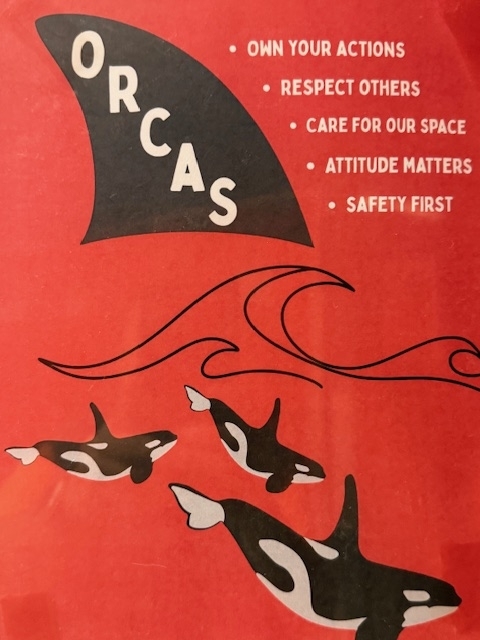
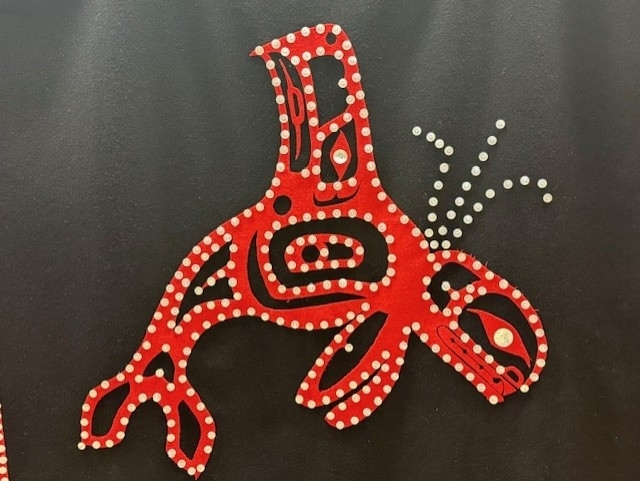
At Old Yale Road, we often describe ourselves as a pod of orcas—a family that works together, supports one another, and moves forward as a collective. Just as orcas rely on their pod for strength and survival, our students, staff, and families thrive because of the connections we nurture within our community.
Our guiding vision is one of continual growth and improvement. We are dedicated to equity, inclusivity, and excellence, and we work tirelessly to ensure that every student is supported to meet their maximum potential. Whether through classroom instruction, extracurricular opportunities, or community partnerships, we are committed to providing an environment where every learner can succeed, feel valued, and belong.
OUR LEARNERS
Building a Foundation for Reading Success
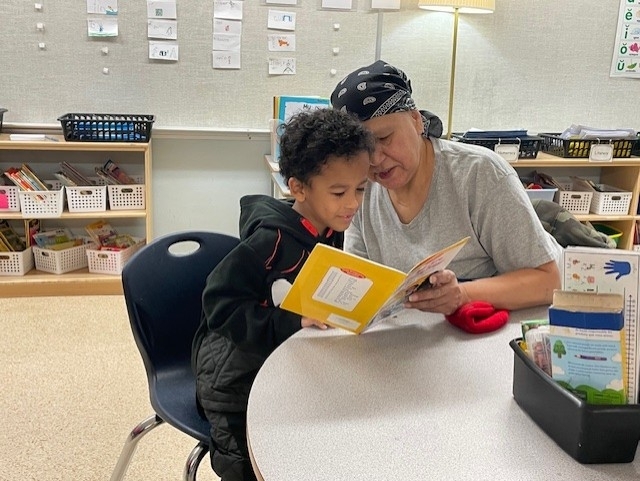
Our students are enthusiastic, hard workers focused on developing the critical building blocks that will support their lifelong journey as learners. For some children in Grade 1 who are not yet meeting expectations in reading, it is essential that we focus on strengthening foundational skills such as phonological awareness, phonics, vocabulary, and fluency. These pre-requisite skills provide the stepping stones to comprehension and confidence, ensuring that students are ready to thrive as they progress through school.
Exposure to a Variety of Texts
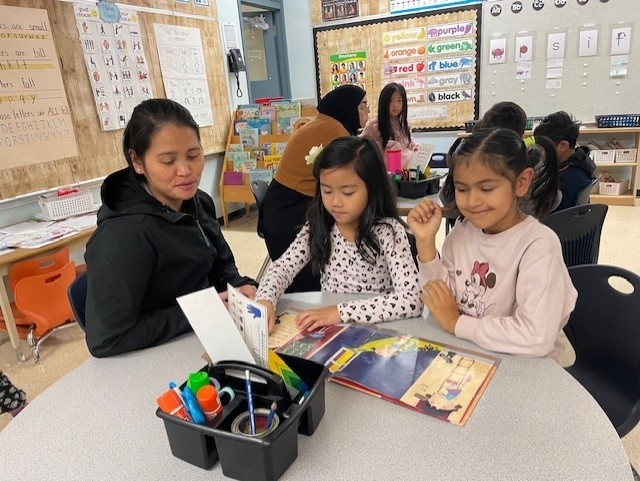
Equally important is ensuring that our students are immersed in a variety of texts that spark curiosity and reflect their identities, interests, and experiences. By offering meaningful opportunities to listen to, view, and engage with stories and information, students begin to see themselves as readers. Exposure to rich language and diverse perspectives lays the groundwork for developing understanding of self, identity, and community.
Nurturing a Growth Mindset and Love of Reading
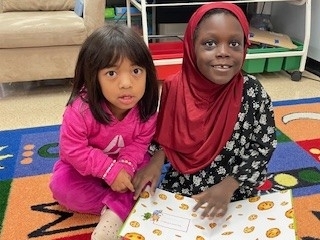
We believe that achievement in reading is not solely about skill development—it is also about fostering a love of reading. When students are encouraged to celebrate small successes, take risks, and persist through challenges, they begin to build a growth mindset. This mindset, paired with consistent exposure to engaging texts, helps learners approach reading with enthusiasm and resilience.
Through targeted support for all students and with a keen focus on our Grade 1 cohort, we aim to:
- Build strong pre-requisite skills for reading.
- Provide daily opportunities for students to engage actively as listeners, viewers, and readers.
- Create a supportive environment that nurtures confidence and motivation.
- Foster both the technical skills and the joy of reading, ensuring students see themselves as capable and enthusiastic readers.
By focusing on these key areas, we are working to improve student achievement in the early years and set the foundation for long-term literacy success.
OUR FOCUS
Literacy-Based Learning Plan: Grade One Cohort Intervention and Monitoring Strategy
Rationale
At Old Yale Road, we are committed not only to developing a love of reading for enjoyment in our students, but also to ensuring that students have the skills to critically analyze the wide range of information they encounter in today’s world. Strong foundational reading skills provide the basis for higher-level comprehension, allowing learners to evaluate and interpret information presented through print, digital media, and oral communication.
Learning Goals for the Cohort
A small group (n= 8) Grade 1 cohort will serve as the focus of our Literacy-Based Learning Plan. Our goals for these learners and all students include:
- Building strong foundational literacy skills, including letter recognition, sound knowledge, and sight word fluency.
- Using developmentally appropriate reading, listening, and viewing strategies to make meaning from text.
- Drawing on multiple sources of information and prior knowledge to deepen comprehension.
Cohort Description
We have chosen to follow a Grade 1 cohort to track the long-term impact of targeted literacy interventions with students who did not meet Kindergarten expectations in phonemic awareness. These expectations were measured in Kindergarten using the Early Literacy Phonemic Awareness Tool – Surrey (ELPATS), an oral assessment developed by Surrey Schools. ELPATS measures students’ ability to manipulate and identify individual phonemes in spoken words, covering core skills critical for reading and writing development. Skills measured include:
- Isolating and identifying initial, medial, and final phonemes.
- Segmenting words into individual phonemes.
- Blending phonemes together to form words.
This tool provides insight into students’ strengths and areas of need, enabling teachers to design targeted instruction. Data from this assessment and other tools and observations is used to plan small-group lessons and provide focused support.
Implementation Plan
We are currently in the initial stage of this Literacy-Based Learning Plan. By tracking an early primary cohort, we aim to follow their progress over several years, allowing us to measure the long-term effects of literacy programming and interventions. Focusing on Grade 1 ensures that we address the critical foundations of reading development early.
Collaboration among Grade 1 teachers, Early Literacy Teacher, Learning Support Team Teachers and Literacy Success Teacher Leaders will be central to the plan, ensuring a consistent and cohesive approach to early literacy instruction.
School-Based Literacy Initiatives
- Responding to Readers (RtR): In 2024/25, 18 teachers participated in RtR creating a strong culture and ethos around best practice in teaching and learning specific to reading development. Beginning this year, the program involves site-based leaders, now called RtR – Literacy Success Leaders, who continue the conversation and support practices of others committed to building successful readers.
- UFLI Foundations Program: Widely implemented across classrooms, UFLI Foundations is a research-based phonics curriculum developed by the University of Florida Literacy Institute. It emphasizes explicit and systematic phonics instruction, decoding skills, and structured practice.
- Words Their Way: A developmental approach to phonics, vocabulary, and spelling instruction. Students don’t just memorize words; they learn the patterns and principles that make spelling, reading, and vocabulary more logical.
- Assessment for Learning: A variety of best practice assessments including ELPATS, ACADIENCE, Dibels, etc
Key Features of UFLI Foundations

- Grounded in the Science of Reading, drawing on education, linguistics, cognitive psychology, and neuroscience.
- Provides explicit, step-by-step instruction following a logical sequence.
- Emphasizes phonics and decoding to support comprehension.
- Designed for both core classroom use and targeted intervention.
- Lessons follow a predictable eight-step structure that builds student confidence:
- Phonemic Awareness
- Visual Drill
- Auditory Drill
- Blending Drill
- New Concept
- Word Work
- Irregular Words
- Connected Text
Key Features of Words Their Way
It isn’t a scripted program with one-size-fits-all lessons—instead, it’s a word study framework that helps teachers assess where each student is in their understanding of how words work, and then group students for instruction based on their developmental level.
- Assessment-based: Students are given spelling inventories to figure out their developmental spelling stage (e.g., emergent, letter-name, within word, syllables & affixes, derivational relations).
- Developmental stages: Instruction progresses with students’ growth—from recognizing letters and sounds → to understanding spelling patterns → to analyzing word meanings and relationships.
- Word sorts: The main activity is sorting words or pictures into categories (by sound, spelling pattern, or meaning). This hands-on, inquiry-based approach helps students discover patterns rather than memorize lists.
- Flexible grouping: Students work in small groups at their developmental stage, rather than by grade level alone.
- Focus areas: Phonemic awareness, phonics, spelling, vocabulary, and word recognition—all taught in an integrated way.
The goal is to build a deep understanding of how words work, so students become stronger readers, spellers, and writers.
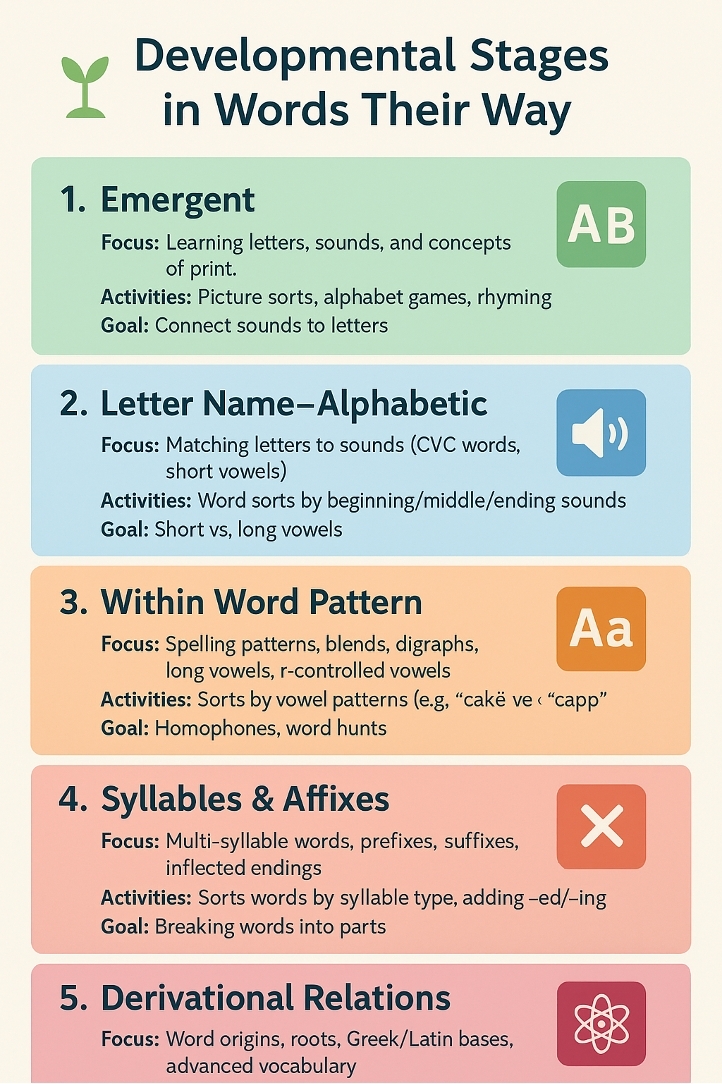
Developmental Stages in Words Their Way
1. Emergent (Pre-K to K)
- Focus: Learning letters, sounds, and concepts of print.
- Activities: Picture sorts, alphabet games, rhyming.
- Goal: Connect sounds to letters.
2. Letter Name–Alphabetic (K–2)
- Focus: Matching letters to sounds (CVC words, short vowels).
- Activities: Word sorts by beginning/middle/ending sounds, short vs. long vowels.
- Goal: Build a foundation in phonics and simple spelling
3. Within Word Pattern (Grades 1–4)
- Focus: Spelling patterns, blends, digraphs, long vowels, r-controlled vowels.
- Activities: Sorts by vowel patterns (e.g., cake vs. cap), homophones, word hunts.
- Goal: Move beyond sound-by-sound spelling to using patterns.
4. Syllables & Affixes (Grades 3–8)
- Focus: Multi-syllable words, prefixes, suffixes, inflected endings.
- Activities: Sorting words by syllable type, adding -ed/-ing, breaking words into parts.
- Goal: Understand how words change with affixes and syllable rules.
5. Derivational Relations (Grades 4–12)
- Focus: Word origins, roots, Greek/Latin bases, advanced vocabulary.
- Activities: Sorts with Greek/Latin roots (tele, auto, bio), derivational endings (-tion, -ity).
- Goal: Build meaning and vocabulary knowledge through word structure.
Big Idea: Students don’t just memorize words; they learn the patterns and principles that make spelling, reading, and vocabulary more logical.
Evaluation and Progress Monitoring
- Baseline Data: Collected using ELPATS & ACADIENCE in Kindergarten to identify students requiring support.
- Ongoing Assessment: Regular progress monitoring through class-based assessments, small group instruction data, and UFLI Foundations lesson outcomes.
- Collaborative Review: Grade 1 teachers will meet with Early Literacy Teacher, Learning Support Teachers and Literacy Success Leaders to analyze student progress and adjust instruction as needed.
- Long-Term Tracking: By following this cohort throughout their primary years, we aim to evaluate the sustained impact of interventions and adapt programming for the cohort group and ultimately all K-3 students.
OUR NEXT STEPS
Our school is committed to ensuring that every student develops strong foundational literacy skills that will support them throughout their learning journey. See below for our approach to evaluation and progress monitoring for our all students, including our cohort sample, ensuring that it is both systematic and responsive, allowing us to identify students’ needs early and provide timely interventions.
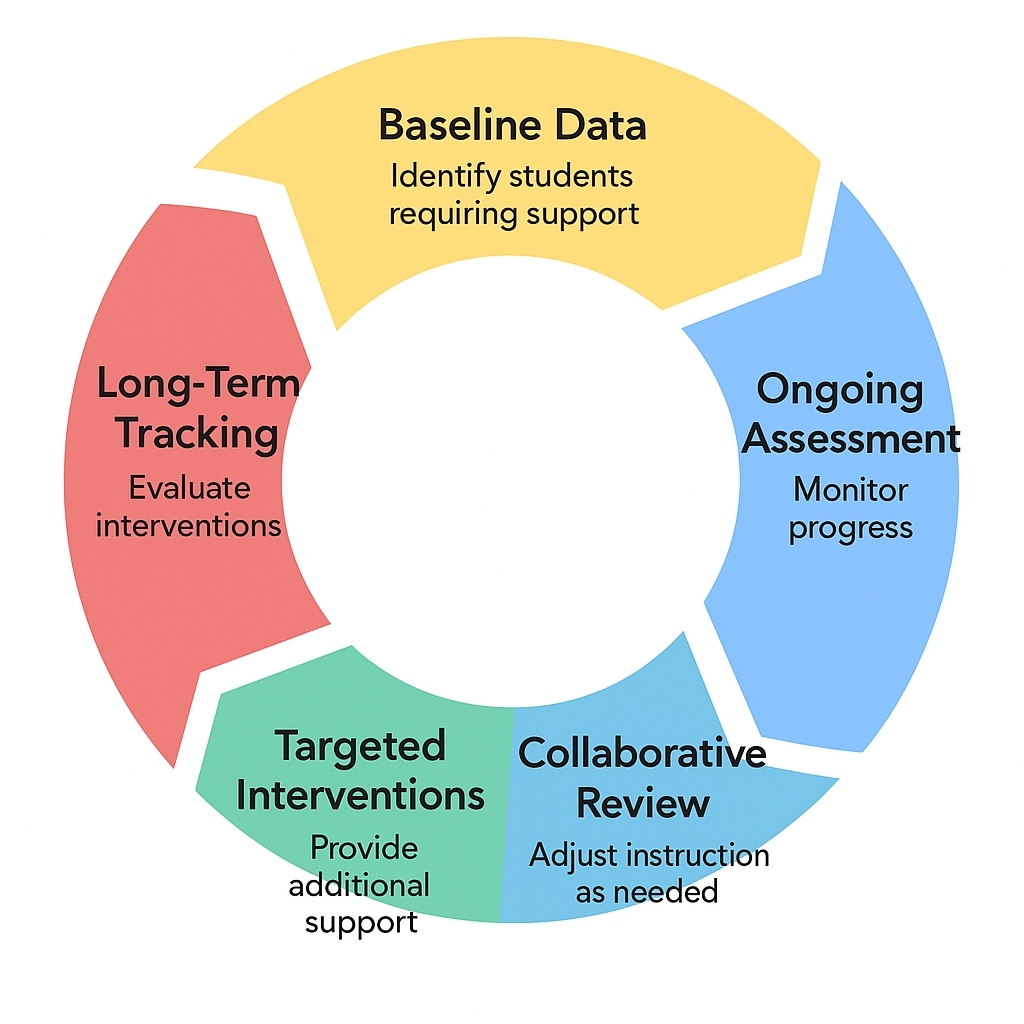
Baseline Data Collection
In Kindergarten, we used ELPATS (Early Literacy Phonemic Awareness Tracking System), and other assessment for learning strategies to establish a baseline understanding of student skills. We will expand to use assessments such as ACADIENCE this year as we continue to identify progress and students who may require additional support with phonemic awareness, letter recognition, and other early literacy skills. By collecting this information at the start of their school experience, we can intervene early and set students up for success. Data collection will continue and expand throughout the primary K-3 years.
Ongoing Assessment
Throughout the year, we monitor progress using a combination of tools:
- Classroom-based assessments
- Small-group instruction data that reflects how students are engaging in targeted literacy lessons.
- UFLI Foundations/Words Their Way lesson outcomes, which track mastery of phonics, decoding skills and other 'word attack skills'.
- **Acadience Reading Assessment, a quick and reliable one-on-one tool that measures students’ ability to sound out words, read fluently, and make meaning from text. (implementation for 2025/2026)
This multi-layered approach ensures that we gain a full picture of each child’s growth and can adapt instruction to meet individual needs.
Collaborative Review
Grade 1 teachers will meet regularly with Early Literacy Teachers, Learner Support Team teachers and Literacy Success Teachers to collaboratively review student progress. During these meetings, they will:
- Analyze observations and assessment data such as UFLI, ELPATS, Words Their Way and ACADIENCE for Kindergarten and Grade 1 students
- Share observations and instructional strategies.
- Identify students who may benefit from intensified interventions.
- Adjust small-group instruction and set new short-term goals.
This collaborative approach ensures consistency, shared responsibility, and a stronger support network for our learners.
Long-Term Tracking
We will continue to track this Grade 1 cohort through their primary years to evaluate the sustained impact of interventions. This long-term perspective allows us to refine programming, measure the effectiveness of our strategies, and plan future supports for all students.
Supporting the Grade 1 Cohort
Our Grade 1 cohort are not yet meeting literacy expectations. To address this, we will implement a layered plan of support:
- Targeted Small-Group Instruction
- Daily phonics and phonemic awareness practice using UFLI Foundations/Words Their Way and other best practice in literacy skill building.
- Focused Classroom Interventions
- Short, intensive skill-building sessions for students identified through Acadience and ELPATS data.
- Use of UFLI and Words Their Way
- Progress Monitoring
- Progress checks to ensure interventions are effective - on-going Acadience, UFLI, Words Their Way and ELPATS data collection
- Quick classroom-based checks (sight word fluency, decoding assessments) to adjust instruction.
- Professional Collaboration and Growth
- Ongoing professional learning for teachers around evidence-based literacy instruction.
- Collaborative analysis of what works for struggling readers and sharing of best practices across grade levels.
Looking Forward
By closely monitoring this Grade 1 group, we can learn what strategies work best, refine our approaches, and extend them to more students across the school. Using both UFLI and Words Their Way in conjuction with ELPATS and Acadience screeners as key tools, we will evaluate student progress, plan future interventions, and ensure that every child has the opportunity to reach the next level of proficiency.
Ultimately, our school’s plan is about building confident, capable readers who can move from “learning to read” to “reading to learn.” By combining strong assessment practices, intentional interventions, and collaboration, we can help all students progress toward greater literacy success.
Surrey Schools
Formed in 1906, the Surrey School District currently has the largest student enrolment in British Columbia and is one of the few growing districts in the province. It is governed by a publicly elected board of seven trustees.
The district serves the cities of Surrey and White Rock and the rural area of Barnston Island.