North Ridge Elementary

OUR CONTEXT
North Ridge is a wonderfully vibrant school of 488 students. Our parents are very much supportive and appreciative of all that we do at school to support their children. Our staff team, vice principal/principal and our parents are fully committed to a wrap-around, caring approach to helping students thrive. One aspect that clearly jumps out to any observer is how happy our students are at school. They love coming to North Ridge and participating in all that our school has to offer; there is an incredible sense of belonging to our school family. Our learning extends beyond our classrooms. We are fortunate to have a full forest as a playground where much daily playing and learning takes place. We also have recently won the fight against a patch of invasive blackberry bushes and developed a school garden with six planter boxes.


OUR LEARNERS
We interviewed 11 teachers who are heavily involved in outdoor learning. Some powerful themes that came out of this conversational process is that, when it comes to outdoor learning, students increased their levels of happiness, engagement, cooperation, communication, connection and self regulation.
We have decided that our focus will be in the Personal and Social Core Competency, specifically in the area of social awareness and responsibility. North Ridge is fortunate to have a large mature forest filled with Douglas firs, cedars, oaks and a small number of cottonwoods. We are taking full advantage of our forest through daily outdoor learning. We believe that our focus is important for students because it builds resiliency, curiosity, engagement, joy and connection to nature and First Peoples principles of learning.
"The outdoors offers limitless potential to young children. It becomes a place where they can go to relax their mind, to be inspired and to deep dive into the world of imagination. It's a place where they can design, create and explore. The possibilities are endless." Angela Hanscom
Our student learning goal is:
•I can joyfully interact with others and the outside environment respectfully and thoughtfully.
 These are stars found by students by snapping dead twigs of a cottonwood tree. Students also learned the indigenous story/connection behind the stars and how they help brighten the sky. Our learners make connections to the natural world. "Look. This one has a big star. The stick has to be the right size. If it is too small it is all brown and if it is too big there is no star. The cottonwood drops lots of twigs."
One kindergarten class did a self reflection about how they felt during Wilderness Wednesday on May 10th. The choices were: Happy Face/It was fun, Neutral Face/It was ok, Sad Face/I did not enjoy it.
11 students responded with Happy Face, 1 with Neutral Face and 3 with Sad Faces. Below are some reflections on this day's outdoor learning which featured looking at nature with a magnifying glass.


This activity shows that students joyfully interact with others and the outside environment respectfully and thoughtfully. The detailed observations created engaged learners who respectfully explored the natural environment the learning focus of observing nature with a magnifying glass.
OUR FOCUS
In the past few years, our teachers are learning to embrace the benefits of outdoor learning. We are learning that when students learn outside in our natural environment, they become engaged, inspired, relaxed and happier! This is important because learning will accelerate and deepen with increased joy and inspiration.
Our aim is to build stronger learners who are more connected to the natural world. This is expressed so aptly in The First Peoples Principles of Learning: Learning is wholistic, reflexive, reflective, experiential and relational (focused on connectedness on reciprocal relationships and a sense of place.)
We have decided that our focus will be in the Personal and Social Core Competency, specifically in the area of social awareness and responsibility. Our student learning goal is:
•I can joyfully interact with others and the outside environment respectfully and thoughtfully.
Our outdoor learning cohort is our 4 Kindergarten classes. The four classes spend approximately 5 hours a week learning outside during Treetop Tuesdays, Wilderness Wednesdays and Forest Fridays. Some specific learning activities include the daily land acknowledgement and thank-you, math measurement, nature-based science, animal habitats and movement, environmental stewardship, cooperative games, cooperative art and building activities etc...
OUR NEXT STEPS
Student Learning Goal:
•I can joyfully interact with others and the outside environment respectfully and thoughtfully.
We interviewed numerous kindergarten and Grade 1 students about their outdoor learning experience. We asked two specific questions. What do you like about Wilderness Wednesdays/Treetop Tuesdays? How do you take care of our environment? Student answers emphatically showed the tremendous positive impact that learning outdoors has on their learning engagement, joy and connection to the natural world. Care and respect for our environment speaks loudly in their comments. They are beginning to understand their connection to the land, their responsibility for its care which is embedded in First Peoples Principles of learning.
Question: What do you like about Wilderness Wednesdays/Treetop Tuesdays?
Student Answers:
-We like playing tag and family games. We use sand for the food and rain to be the water.
-I play Jurassic park and we use sticks for digging for bones.
-We learned about caterpillars that become a chrysalis and then a butterfly. The butterfly lays the eggs.


-We love the trees. New leaves come out in the spring. Squirrels and birds have homes in our trees.
-I like just being outside because it makes me feel happy. I feel that’s where I belong.
-We learn about bugs. Some bugs are called arachnids like spiders and scorpions.
-We play tag, hide and seek, camping. We use sticks and rocks to make pictures on the ground and to make a fireplace.
-I like to learn outside because I can move more and have more fun to explore things.
-We go out when it is rainy, cold, snowy, cloudy. We still like it in all weather!
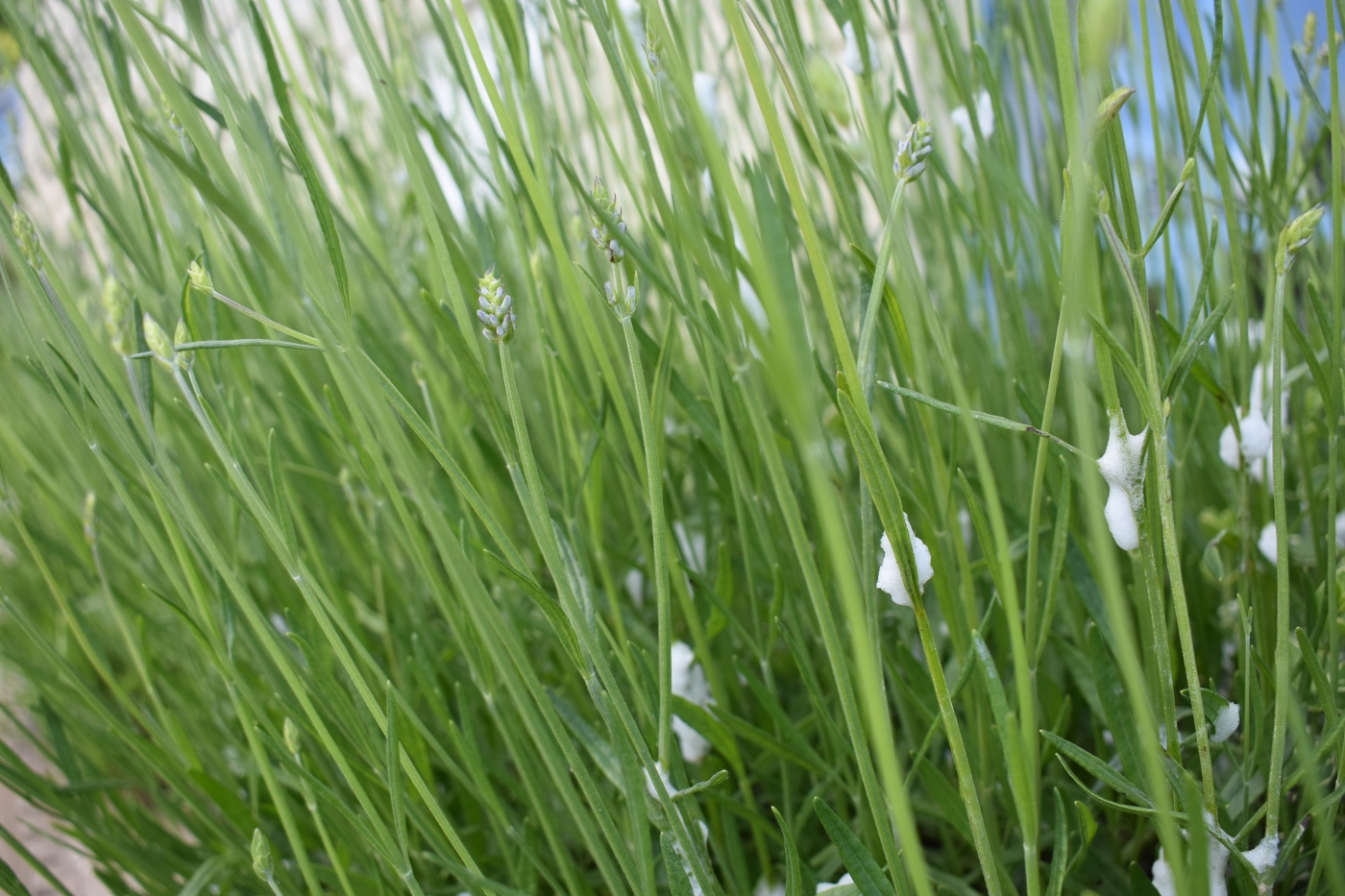
-Spittle bugs make spit to hide and protect themselves against predators. They go on the plant stem.
-We like playing in the forest. It is fun to play with all my friends. You get to run around lots.
-We learn Math outside. We had to look for nature things like a feather, a bug, a rock...
-It is more fun outside because we can play active games like monkey bars, What time is it Mr. Wolf?
-You get exercise and fresh air and play time with friends; this makes us happy!
-We get to do fun activities. This morning we grinded up leaves, flowers, grass and pinecones. We were making deodorant for our dads. It smelled really good.
-We get to find things and collect them.
-I feel happier outside because we like fresh air, running around and we like different weather like wind, cloud, rain, snow.
-When it snowed we made animal footprints like the bear, dog and goose and bird
-I made a chess board in the snow and used sticks for pieces.
Question: How do you take care of our environment?
Student answers:
-We love the trees. New leaves come out in the spring. Squirrels and birds have homes in our trees.
-We always thank the First Peoples for letting us be on their land.
-We take care of the environment by picking up trash. We learn about our forest and keep it healthy. We don’t hurt living things and protect our trees.
-We made a heart and we put all the pinecones in the heart to fill it up.
-You have take care of the environment. Do not throw stuff on the ground.
-We thank the people for letting us use their land.
-We try to help as much as we can. If we see bugs or worms we put them back in their homes. We tell other kids to be kind to nature.
-We do the indigenous welcoming because it respects nature and first peoples. We thank the Coast Salish people. Hytchka
Summary
We are excited about our learners, their connection to nature and their engagement to learn and interact with others outside. We look forward to continuing our journey by seeking new opportunities to explore with a growing cohort such as in our community garden and with our newly acquired outdoor wagon. Below are photos of our Grade 5/6 class preparing potato dishes with the potatoes they planted , nurtured and harvested in our garden.


"Not all classrooms have four walls." Anonymous
North Ridge Forest Playground


Surrey Schools
Formed in 1906, the Surrey School District currently has the largest student enrolment in British Columbia and is one of the few growing districts in the province. It is governed by a publicly elected board of seven trustees.
The district serves the cities of Surrey and White Rock and the rural area of Barnston Island.