L.A. Matheson Secondary 25-26
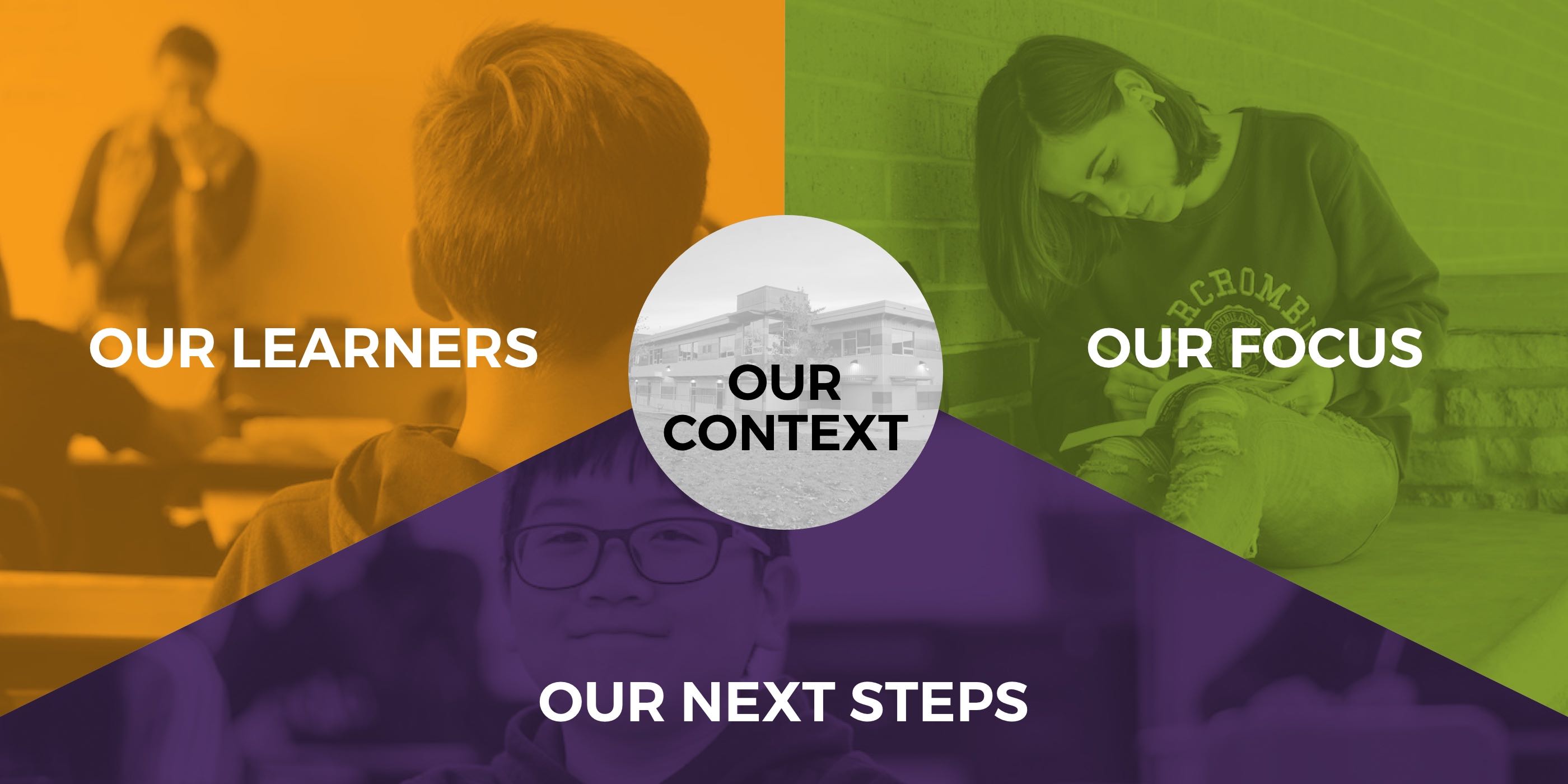

OUR CONTEXT
https://vimeo.com/842560539?fl=pl&fe=cm
L.A Matheson is situated on the unceded traditional territories of the Kwantlen, Katzie, Semiahmoo and Coast Salish peoples.
OUR LEARNERS
L.A. Matheson Secondary is a richly diverse learning community where students bring a wide range of cultural, linguistic, and educational experiences to school each day. Many of our students are multilingual learners who speak two or more languages and possess valuable cultural knowledge, perspectives, and lived experiences that enrich our classrooms. Each year, we welcome a significant number of newcomer students, many of whom are simultaneously developing English language proficiency while learning grade-level curriculum. Our school community also includes students with a broad range of learning profiles, including students with exceptionalities, Indigenous learners, and students requiring additional academic and social-emotional supports. This diversity is one of our greatest strengths and has shaped our commitment to creating equitable and inclusive learning environments where every student can thrive.

As a staff, we recognized that literacy is the foundation through which students access, engage with, and demonstrate learning across all curricular areas. Through collaborative inquiry, classroom observations, student work samples, teacher voice, and district and provincial assessment data, we identified an opportunity to strengthen students' access to increasingly complex academic texts, particularly as they transitioned into secondary school. While our learners demonstrated curiosity, resilience, and rich background knowledge, many required intentional support in developing academic vocabulary, making meaning from discipline-specific texts, and communicating their thinking confidently.
Rather than viewing these as deficits, we recognized the importance of building upon the linguistic, cultural, and experiential assets our students already possess. Our inquiry was grounded in the belief that when educators intentionally activate students' background knowledge, explicitly teach academic vocabulary, and provide meaningful opportunities for students to connect new learning to their own experiences, students are better positioned to access rigorous learning and engage more deeply with complex ideas. This asset-based approach is particularly important for multilingual learners, whose existing language knowledge and cultural identities are valuable resources for learning.
Beginning with our Grade 8 Humanities classrooms allowed us to intentionally support students during a critical transition year while exploring literacy practices that could be transferred across disciplines. We viewed this work not as an initiative belonging to a single department, but as an opportunity to strengthen literacy as a shared responsibility across our school community. By creating consistent approaches to vocabulary development, comprehension, and background knowledge activation, we sought to build students' confidence as readers, writers, thinkers, and communicators in every classroom.
OUR FOCUS
Our focus at L.A. Matheson is on building strong, foundational literacy skills that support our diverse student body. Our primary focus is on grade 8 students, as early intervention can set them up for long-term success. We emphasize explicit vocabulary instruction to bridge gaps and help students grasp academic language. Additionally, we leverage background knowledge, drawing on students’ lived experiences and prior learning, to help them connect to texts and tasks. By creating meaningful connections and ensuring vocabulary is accessible, we hope to equip every student with the literacy tools they need to thrive in all subject areas.
We focused on building and extending vocabulary through reading, listening, and viewing in our Grade 8 Humanities classes. By explicitly teaching key academic vocabulary within Humanities, we equipped students to engage with increasingly complex historical and literary texts.
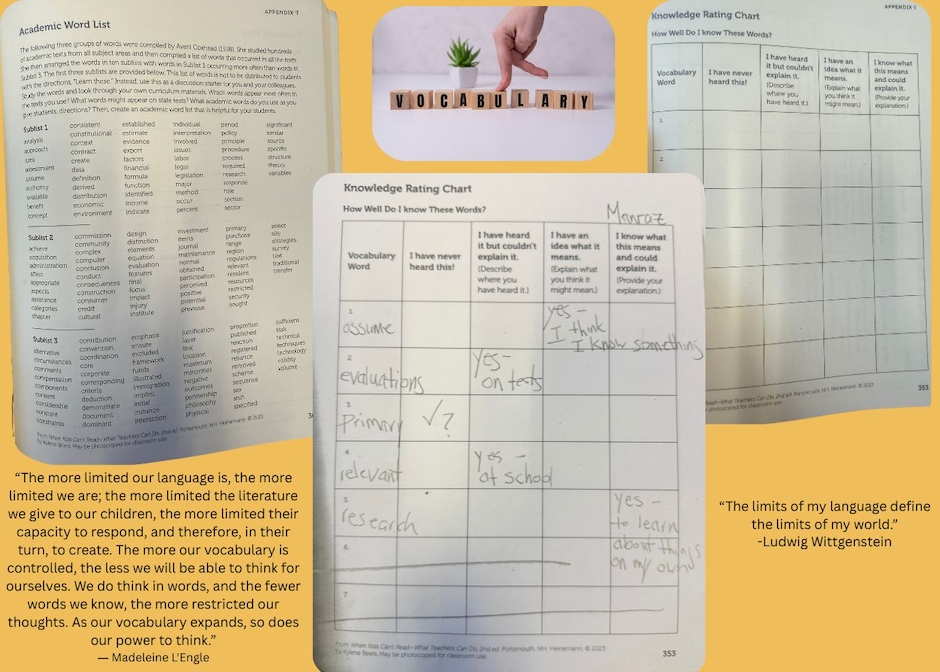
In Humanities, we leaned into making connections between the texts and students’ personal, cultural, and world experiences. By activating and valuing their diverse backgrounds, we ensured students could relate to historical narratives and themes, fostering deeper comprehension and engagement.
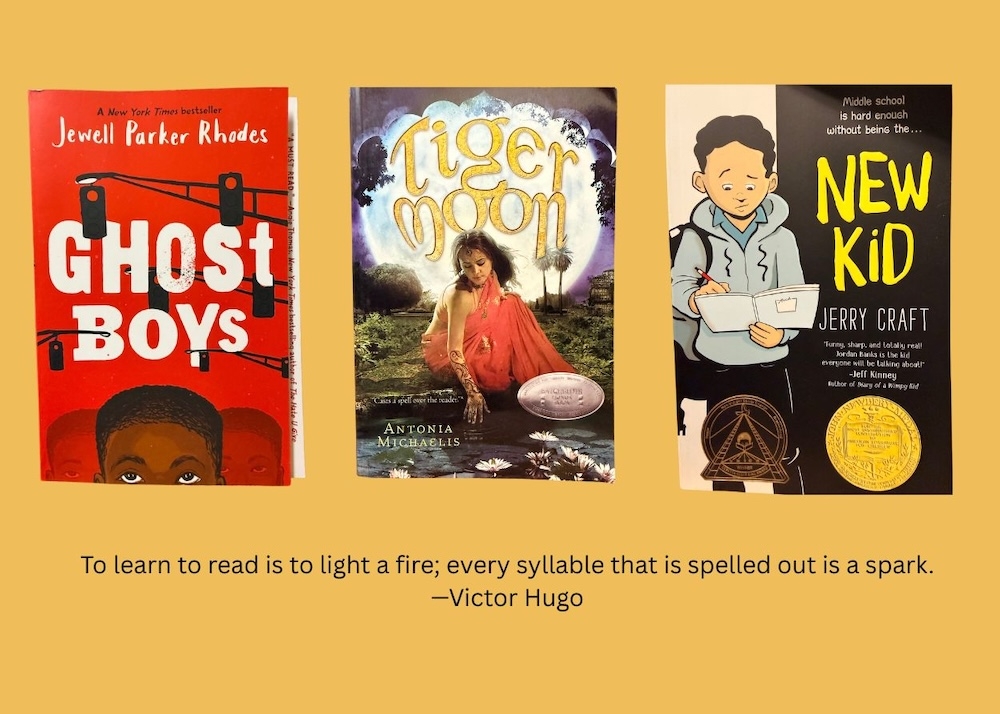
We also highlighted understanding and synthesizing ideas from a range of historical, informational, and fictional texts, empowering Humanities students to navigate complex sources confidently and improving their learning across the curriculum.
Our focus was informed by key research and district frameworks. Drawing from “Disciplinary Literacy in Action,” we worked to create a school-wide culture of deep reading, writing, and thinking, especially in our Grade 8 Humanities classes. Inspired by “When Kids Can’t Read,” we prioritized explicit vocabulary instruction and strategies to support struggling readers. Additionally, the Surrey Schools Literacy Framework K–12 guided us, emphasizing equitable access to literacy. Together, these foundations shaped our focus on academic vocabulary, background knowledge activation, and meaningful connections, ensuring that all students could access and engage with texts across the curriculum.
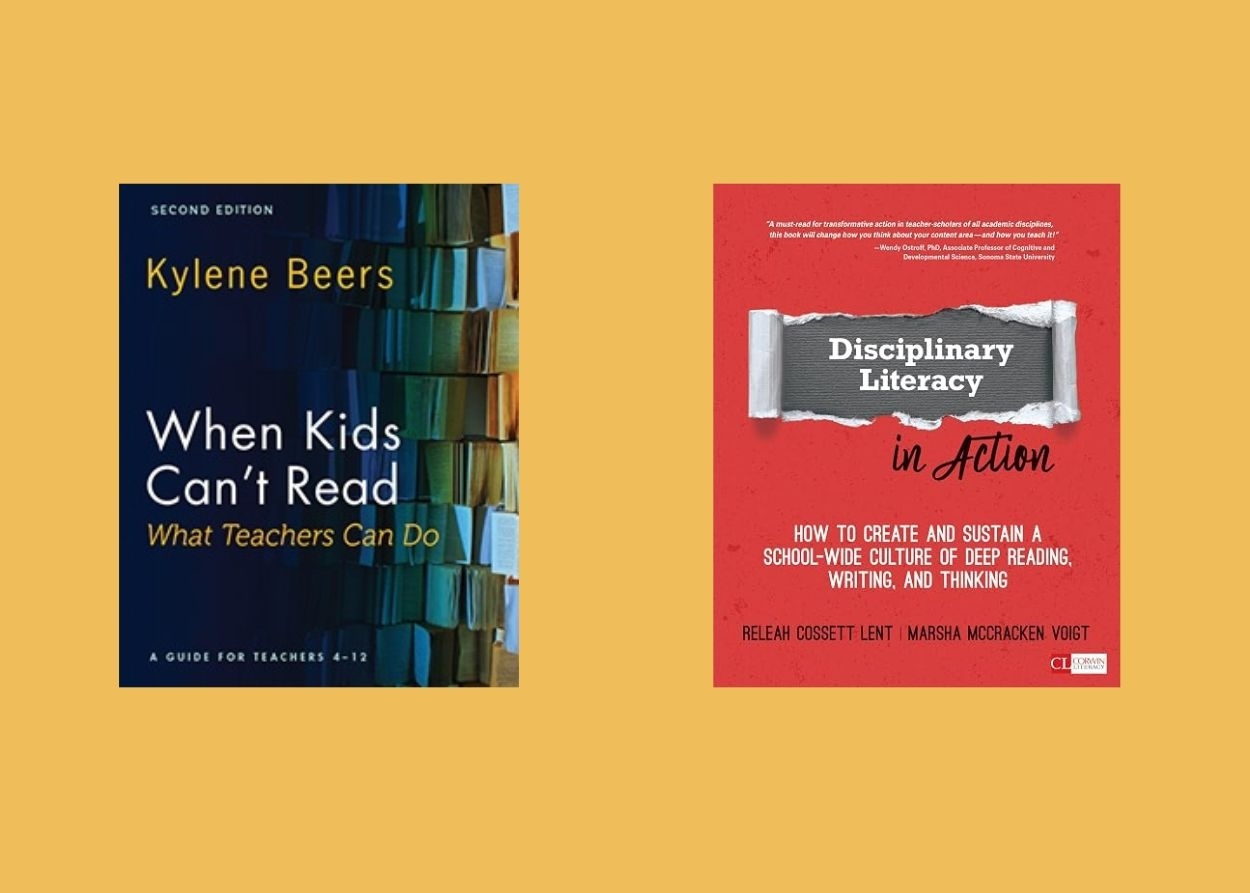
Beers, Kylene. When Kids Can't Read—What Teachers Can Do: A Guide for Teachers 4–12. 2nd ed., Heinemann, 2022.
Lent, ReLeah Cossett, and Marsha, McCracken Voigt. Disciplinary Literacy in Action: How to Create and Sustain a School-Wide Culture of Deep Reading, Writing, and Thinking. Corwin Literacy, 2019.
OUR NEXT STEPS
The 2025–2026 school year marked the beginning of a long-term, school-wide literacy inquiry. Recognizing that meaningful and sustainable change requires time, our initial focus was on building a strong foundation for future growth. We established a cross-curricular Literacy Committee with representation from English, Social Studies, Science, Mathematics, Physical and Health Education, and Inclusive Education. This collaborative structure enabled us to develop a shared understanding of literacy as a collective responsibility and identify high-impact instructional practices that could be implemented across disciplines.
Our inquiry began in Grade 8 Humanities, where teachers intentionally returned to foundational literacy practices. Rather than assuming students possessed the vocabulary, background knowledge, or academic language needed to access increasingly complex texts, teachers slowed down instruction to explicitly teach vocabulary, activate and build background knowledge, and provide multiple opportunities for students to engage deeply with texts. This work required educators to become increasingly curious about their learners, taking the time to understand students' identities, lived experiences, cultural knowledge, and prior learning, while recognizing that every learner brings valuable strengths and different ways of knowing to the classroom. By working alongside students and building on what they already knew, teachers created more responsive learning environments where students could make meaningful connections and engage more confidently with challenging content.
Through ongoing collaboration, classroom observations, teacher reflection, and student work, we observed encouraging evidence of growth. Humanities teachers reported noticeably higher levels of student engagement, increased confidence when approaching complex texts, and improvements in students' use of increasingly sophisticated academic vocabulary in both discussion and writing. Students also demonstrated stronger comprehension skills, greater ability to decode unfamiliar language, and deeper critical thinking as they analyzed and synthesized historical and informational texts.
Looking ahead, we view this work as a minimum three-year inquiry. Our next steps include continuing to strengthen literacy instruction within Grade 8 Humanities while intentionally expanding successful practices across additional grade levels and curricular areas. We will continue building staff capacity through our cross-curricular Literacy Committee, supporting educators in embedding explicit vocabulary instruction, disciplinary literacy practices, and intentional activation of background knowledge into everyday instruction.
To better understand the impact of our work, we will continue collecting multiple sources of evidence. Alongside classroom observations, student voice, teacher reflections, and writing samples, we plan to introduce common literacy measures, including, where appropriate, standardized screening tools such as DIBELS, paragraph writing assessments administered throughout the school year, and structured opportunities for students to self-assess and reflect on their own literacy growth. These measures will help us monitor progress while ensuring students remain active partners in the inquiry process.
As a long-term measure of success, we will compare the literacy outcomes of our current Grade 8 cohort on the Grade 10 Literacy Assessment in 2027–2028 with the school's baseline data from 2025–2026. This longitudinal approach will allow us to evaluate whether sustained, cross-curricular literacy instruction is improving students' ability to read critically, communicate effectively, and demonstrate their learning across disciplines.
Finally, we recognize that literacy continues to evolve alongside advances in technology. As artificial intelligence becomes an increasingly common tool in education and the workplace, we will intentionally explore ways to teach students to use AI ethically and responsibly. Rather than replacing thinking, reading, or writing, we envision AI as a tool that can support brainstorming, vocabulary development, organization, revision, and feedback while ensuring that students continue to develop the critical literacy skills, communication abilities, and independent thinking necessary for lifelong learning.
Surrey Schools
Formed in 1906, the Surrey School District currently has the largest student enrolment in British Columbia and is one of the few growing districts in the province. It is governed by a publicly elected board of seven trustees.
The district serves the cities of Surrey and White Rock and the rural area of Barnston Island.