Harold Bishop Elementary 22-23

OUR CONTEXT
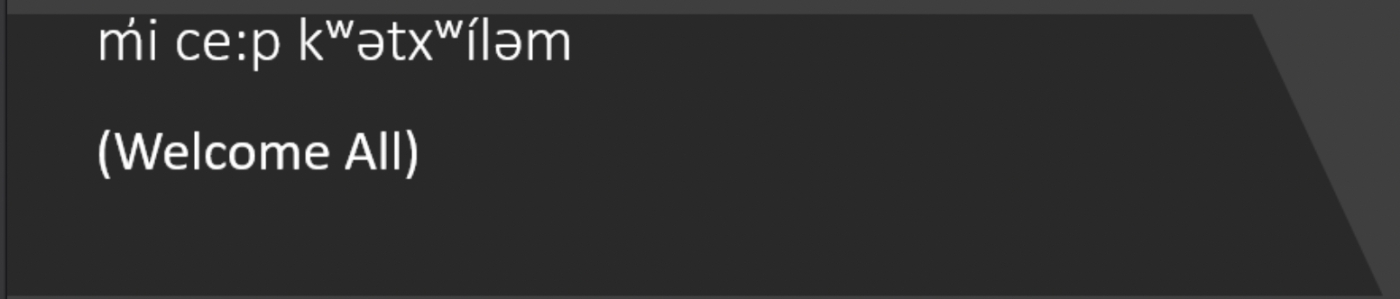
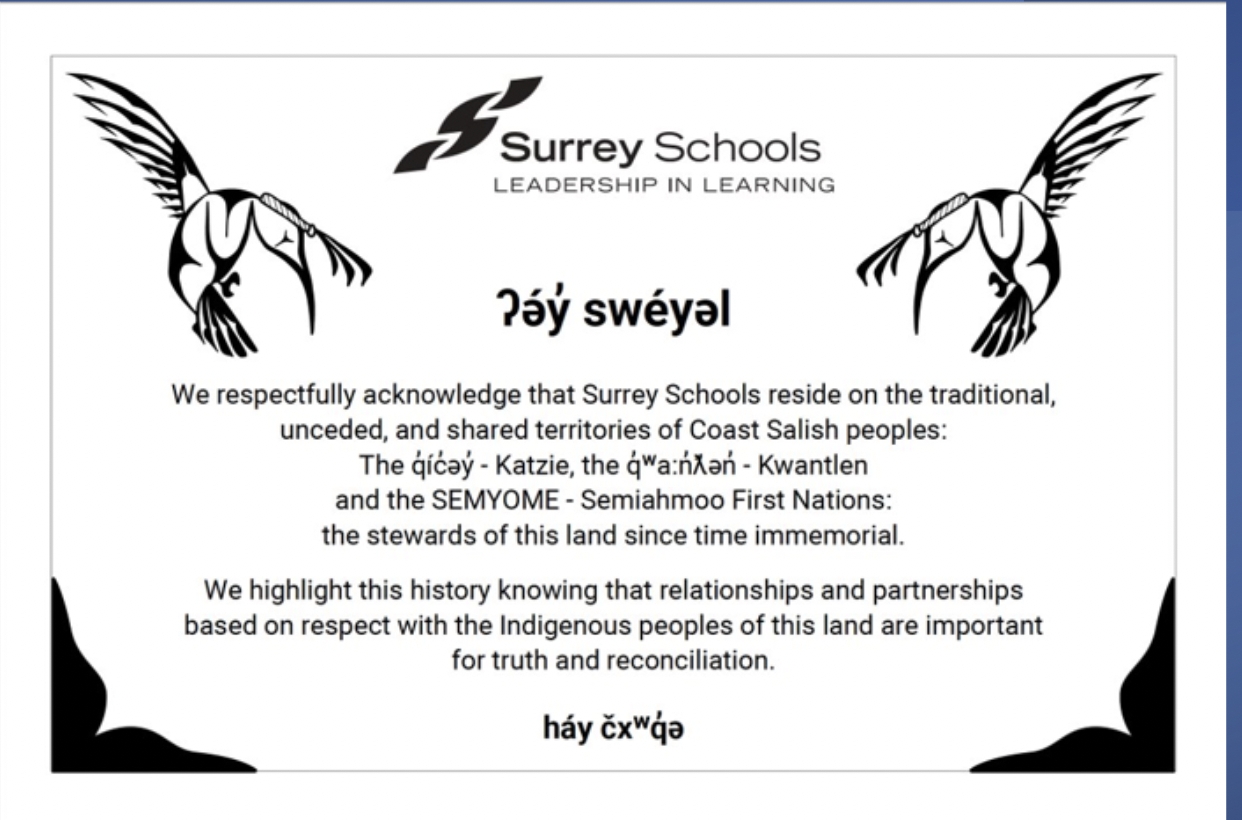 Harold Bishop Elementary is located on the traditional, unceded territories of the Coast Salish Peoples. The Katzie, Kwantlan and Semiahmoo Frist Nations. When we gather in community, we remember that acknowledging whose land we work, live and play upon is an essential part of our commitment to reconciliation.
Harold Bishop strives to meet the social, emotional, physical and academic needs of all our diverse learners. Our focus is building a community of learners together.

BISHOP BEARS Motto: Brave, Encourage, Active, Respectful, Safe

We are a community of just over 480 wonder-filled students, K-7, a staff of just over 60 caring adults, and hundreds of supportive family members. Nearly 70% of our students speak a language other than English at home. In addition to daily learning routines, we also enjoy time spent with buddy classes, having fun on Spirit Days, watching our leadership team lead school events, making music in grade 7 band, field studies in the Tynehead Gully and Serpentine Creek located alongside our school, and playing on various sports teams.
We are grateful for the enduring support of our Parent Advisory Council (PAC). With their generous efforts, time and fundraising, we enjoy special events such as school-wide Hip-Hop Dance, Green Thumb Theatre performances, Tennis/Pickle Ball instruction as well as contributions towards our technology iPads, bussing on field studies, classroom materials and Sports Day treats.
School Programs at Harold Bishop: Early Literacy, Inspiring Minds Child Care, Challenge Program, Breakfast Club
Extra Curricular Activities: Student Leadership, Young Rembrandt's Art Club, Intramural sports, Jump Start, Arts Umbrella, Young Entrepreneur Trade Show, Robotics
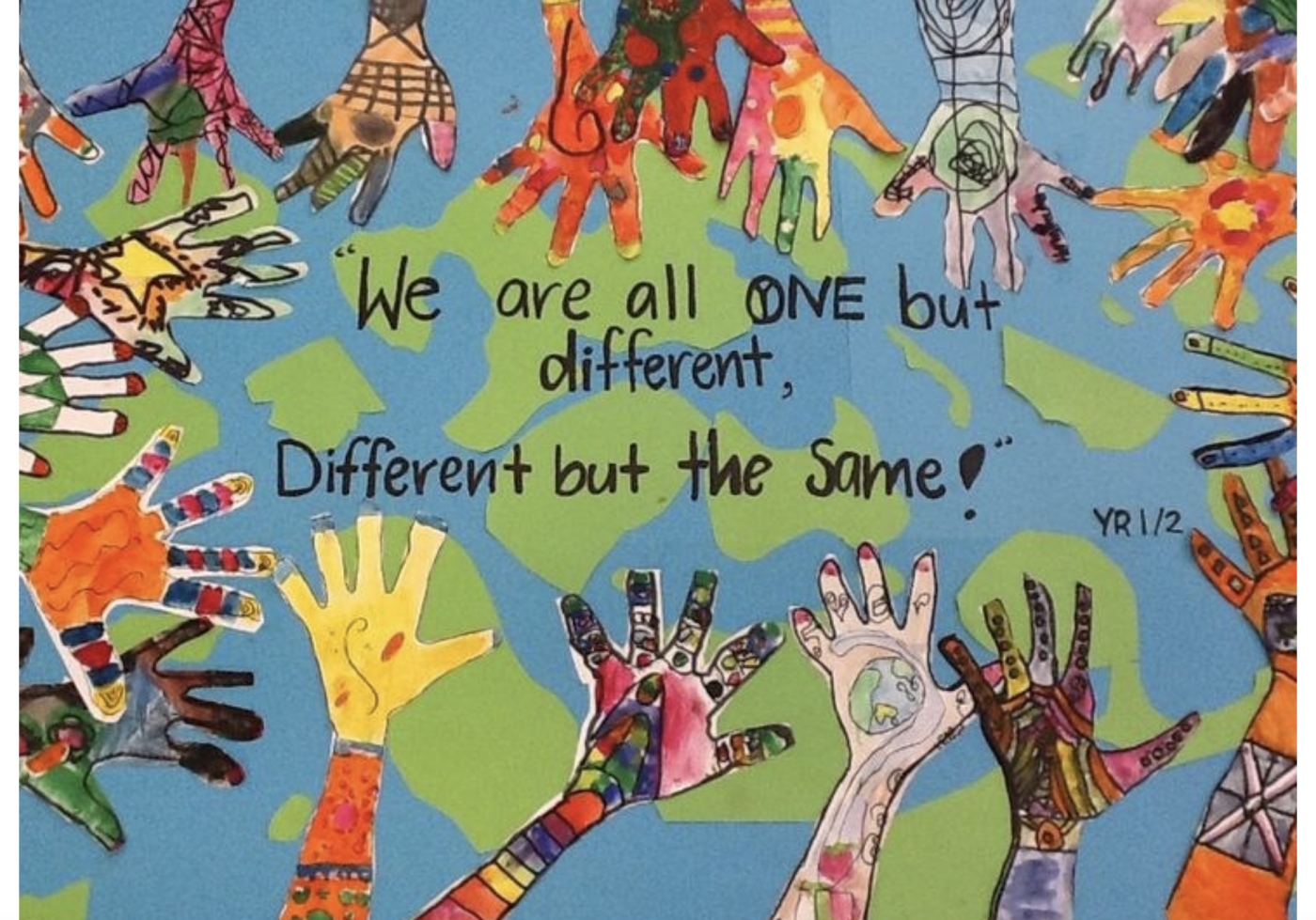
Our school celebrates our diverse cultures, cares for the environment, & practices gratitude
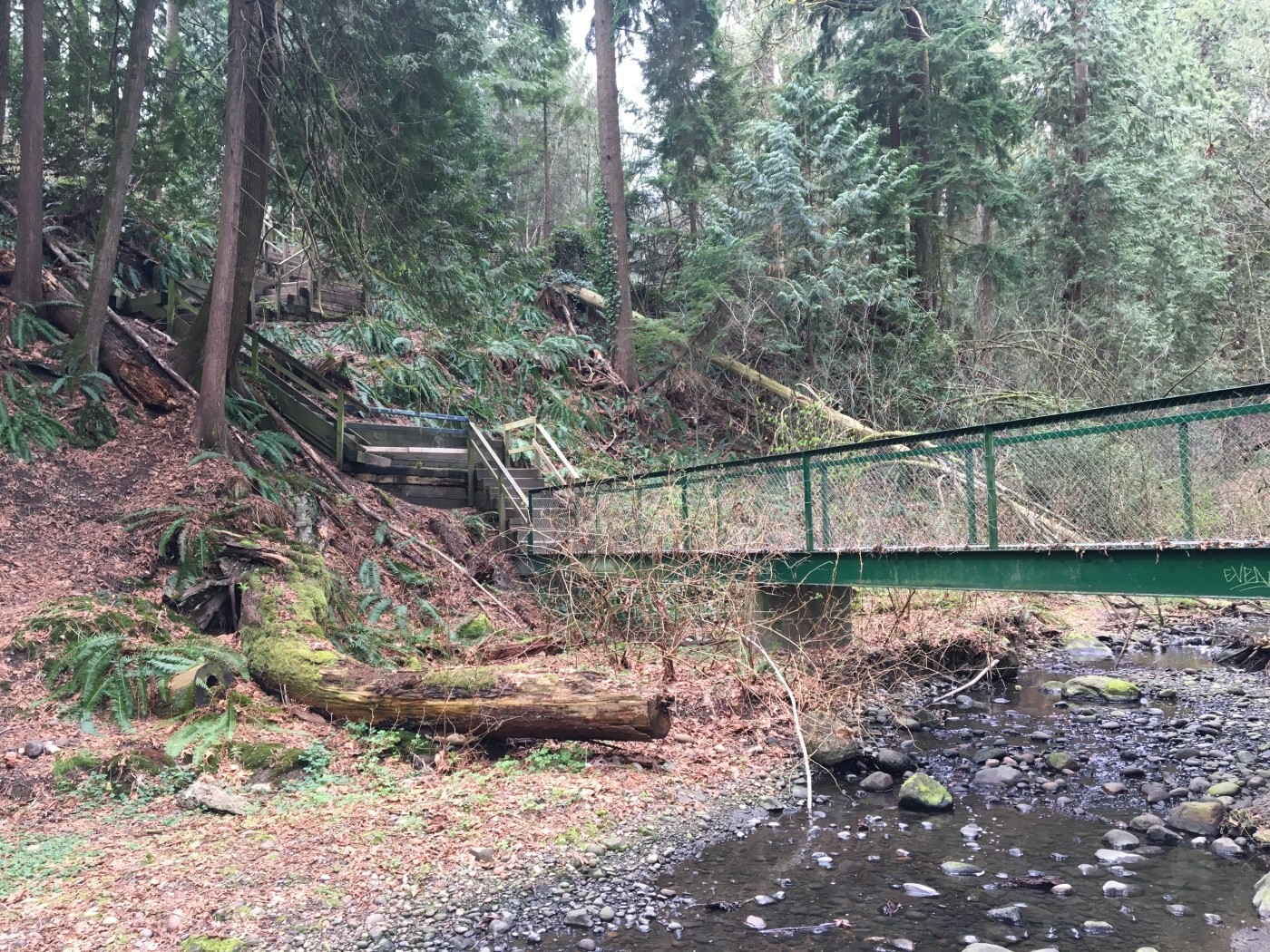
Our schools unique out door learning environment
On any given day, you can find students gathering in our natural outdoor learning environment located along the Serpentine Creek that runs past our school property. These outdoor learning opportunities allow all our students to connect to the local land and First Peoples Principles of Learning.

Our School garden builds social responsibility
Our newly formed school garden committee has received grants this year from Farm to School ($1000), and Foresters Financial Group / Whole Kids ($3000) to purchase four raised garden beds and garden supplies. Our garden is a pollinator garden and is a dynamic space for students to learn in as it is always changing. Students build social responsibility through caring and learning about the relationships between people, the local plants, and animals.

Our school is committed to leadership opportunities:
- Student leadership branches: lunch monitors, tech committee, fundraising, M.C. leaders, athletics, mascots leaders, big buddies, and recycling team)
- Multiple entry points for all students to contribute based on interests and strengths
- Teacher mentorship
- Leading the Learning opportunities
- Sponsoring/mentoring of future practicum Teachers/Eduction Assistants
Our school is inclusive:
- Growing healthy relationships (network of safe, caring adults)
- Celebrating diversity
- Honouring identities
- Constructivist approach (students are active participants in their learning, not passive)
- Differentiated instruction (inquiry-based, problem based learning, student-centered approach)
- Indigenous ways of knowing, First Peoples Principles of Learning
Our school is focused on Social Emotional Learning (SEL)
- Explicit teaching in SEL
- Focus on self-regulation and the importance of emotions
- Recognizing the value of SEL as a lifelong skill; cultivating growth mindset
- Developing healthy relationships, friendship groups
- Cultivating resilience

OUR LEARNERS
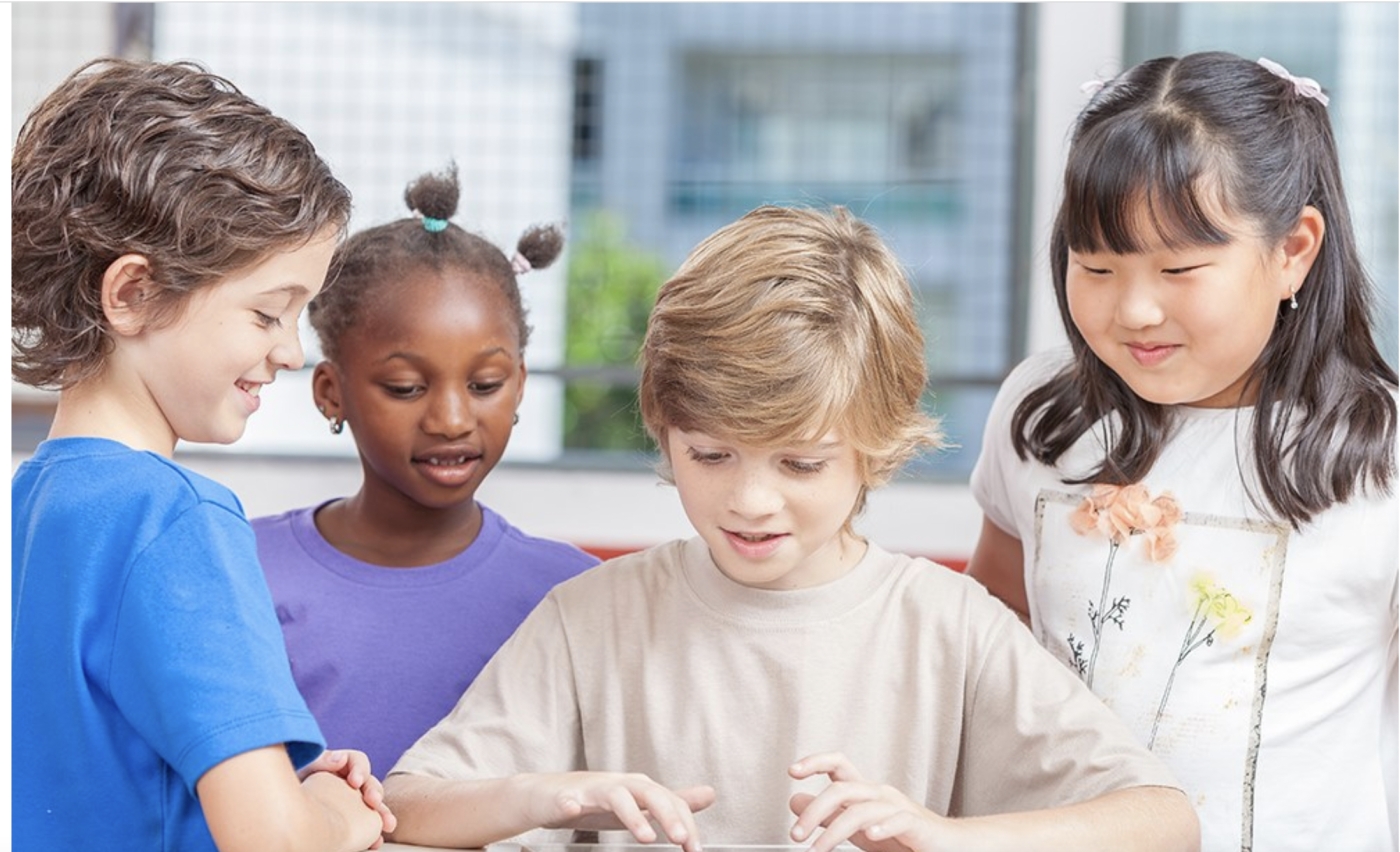
Harold Bishop students have been focusing on developing their ability to make connections between themselves, others, and the world around them. Students who feel seen, valued, and heard have tools to self-regulate are able to reach their full potential. We are implementing explicit Social and Emotional Learning (SEL) instruction to cultivate these understandings of self and others.
Our learners engage in a variety of literacy activities each day where they are communicating, reading, writing, and reflecting on their learning experiences in the area of Social and Emotional Learning. Our educators develop curricular and social experiences to inspire, empower, and support our learners.
Our learners develop their personal and social core competencies focusing on the area of responsible decision-making.
Our learners engaged in a variety of literacy activities connected to the following competencies:
Personal awareness and responsibility focusing on developing an awareness of and taking responsibility for their social, physical, and natural environments by working independently and collaboratively for the benefit of others, communities, and the environment.
Learning to make personal connections to stories and make meaning through my experience and knowledge.
Learning to deepen my self-awareness through oral discussions and written text.
In the focus area of Responsible Decision-Making, our learners can demonstrated an understanding of their personal decision making in promoting community and environmental wellbeing.
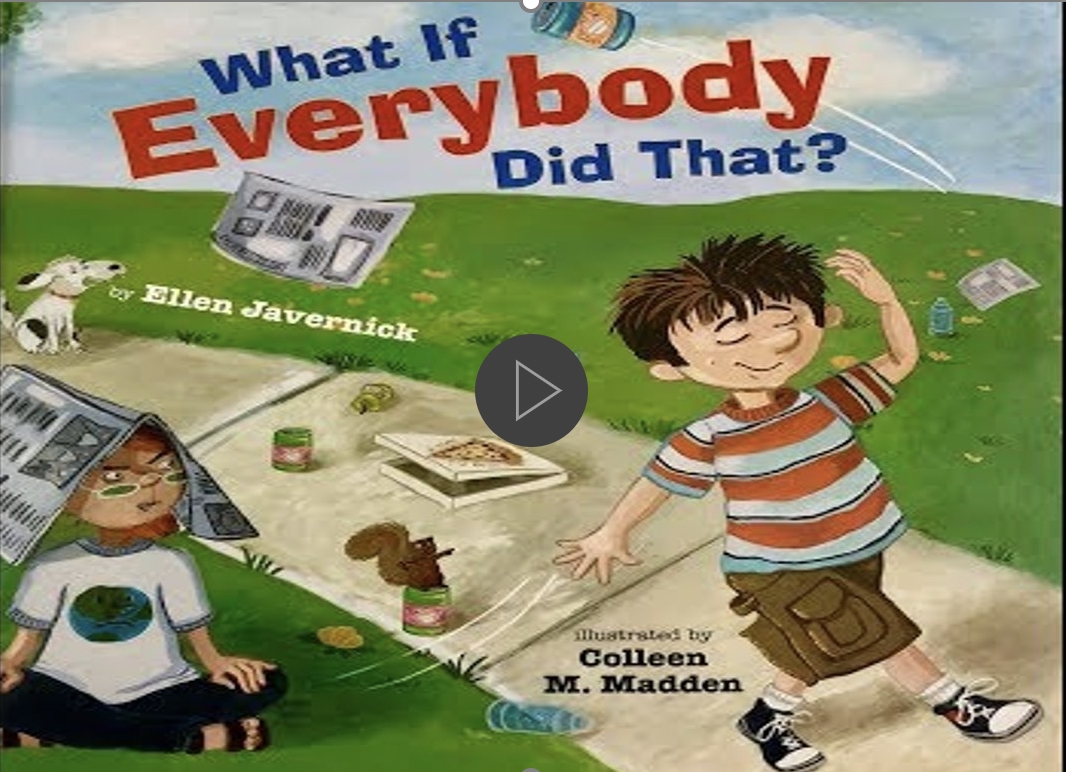
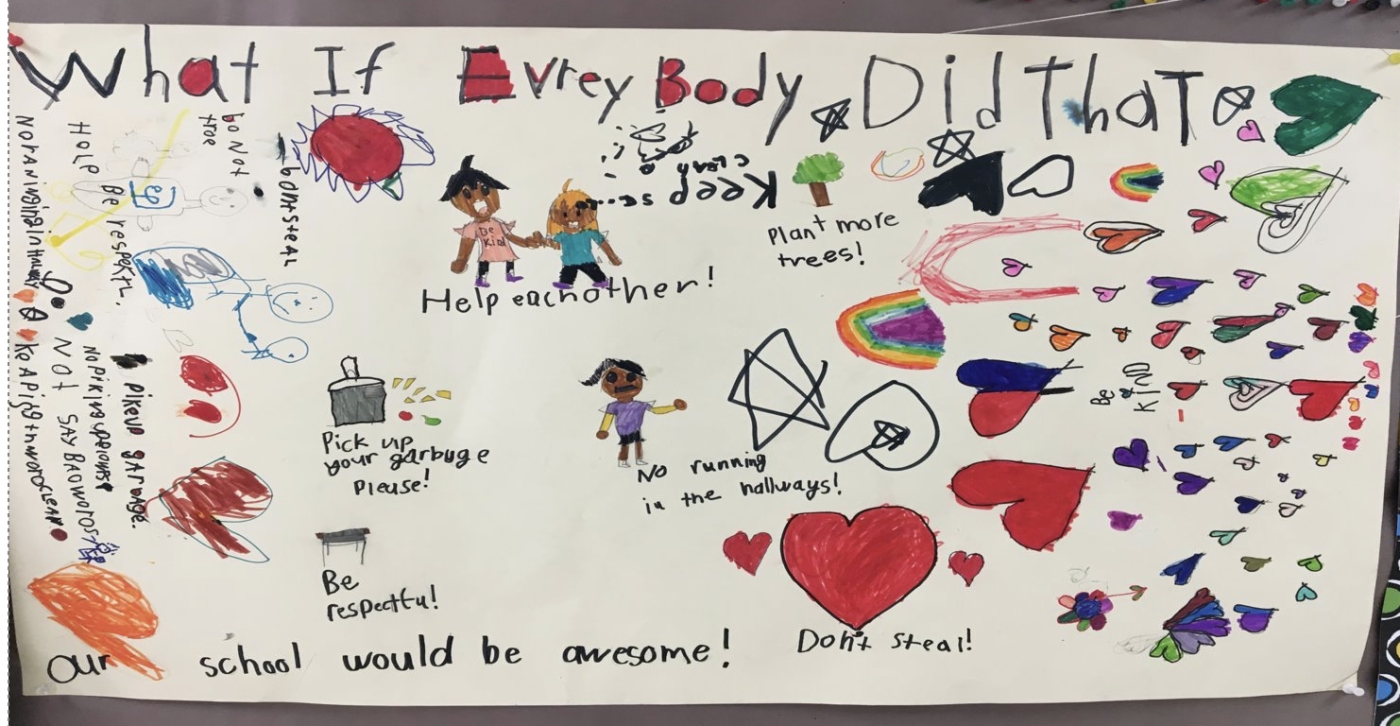
We began our school year with a school wide question: How can we make a difference in our school community? To address this question, we shared the audio book, 'What If Everybody Did That?" by Ellen Javernick. The story focus was on the impact of littering. In one of our school wide assemblies, our learners shared ways to help make our school and community a better place together.
Our learners collaborate and brainstorm ideas to share with our school community ways to keep our school and community litter free
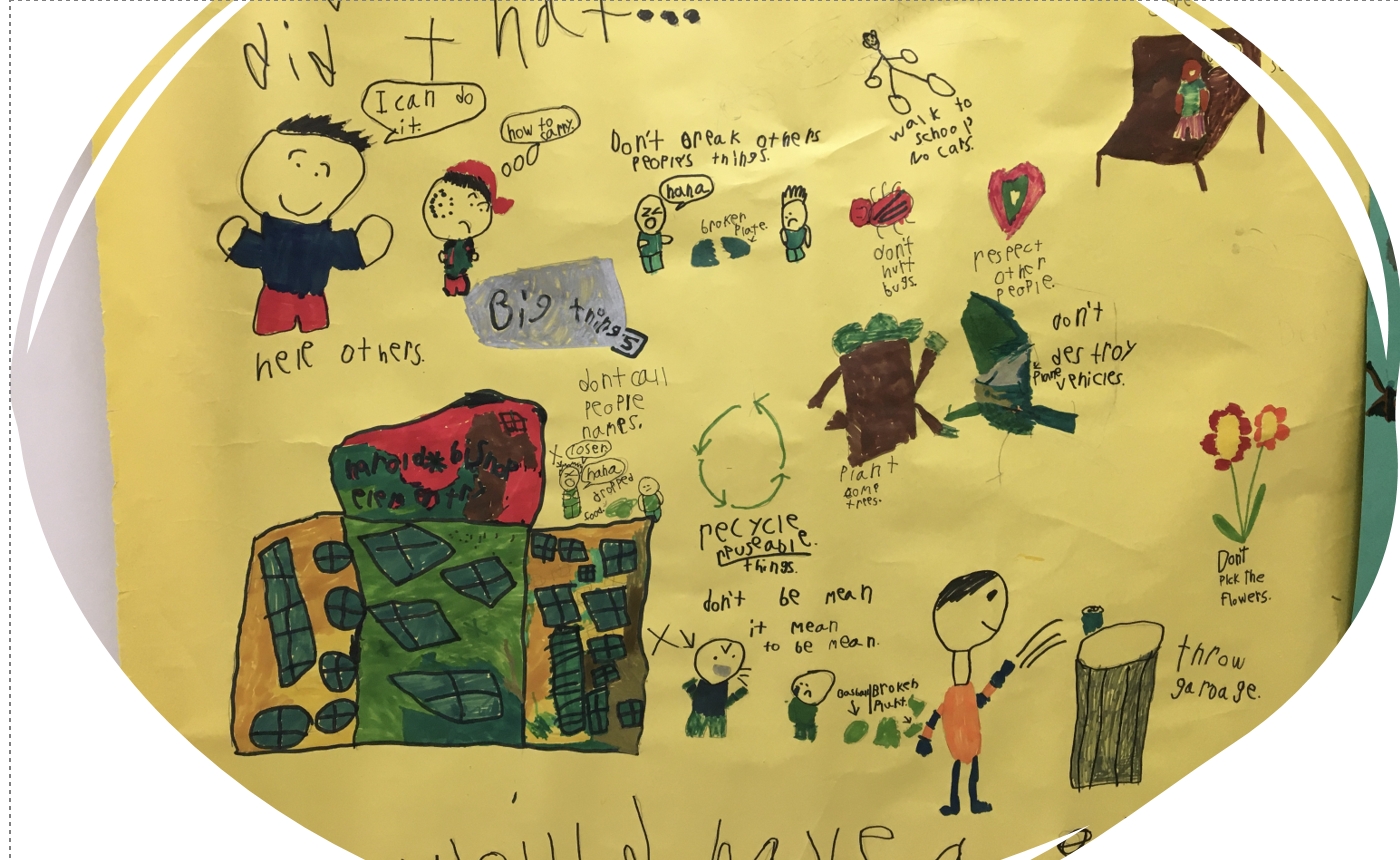
Our learners share ways at our school assembly to educate our school community to make responsible decisions around a litter free environement

Our mission is to lower the litter and littering on our school grounds and community. We want to educate you not to litter.
If you litter you are hurting your future
Even one person can make a positive difference on our planet.
Students create a Recycling Club and Nature Club to help promote responsible decision making and community well-being

One day, we were asked the questions How can we help the planet? Then I saw garbage on the playground and felt that I needed to begin a recycling club to help clean our school grounds and community.
Join our recycling and planet club. We meet at the grassy field every Wednesday and Thursday during recess
Our posters help spread the reminder to not litter.
Our learners can assess risks and address ethical, cultural, and environmental issues
Our learners consider ethical standards and safety concerns as they evaluate the benefits and consequences of their actions. Our students explore the importance of biodiversity in an ecosystem, including the impacts on our own school grounds. To help make these connections, students created a closed ecosystem that they observed over time to gather information about the changes. They also learned about food pyramids and webs and their direct impacts on the environment. During Science and language Arts lessons, our learners develop their SEL capacities by thinking about the implications of their research, experimental methods, and the impact of these on others and the world around them.
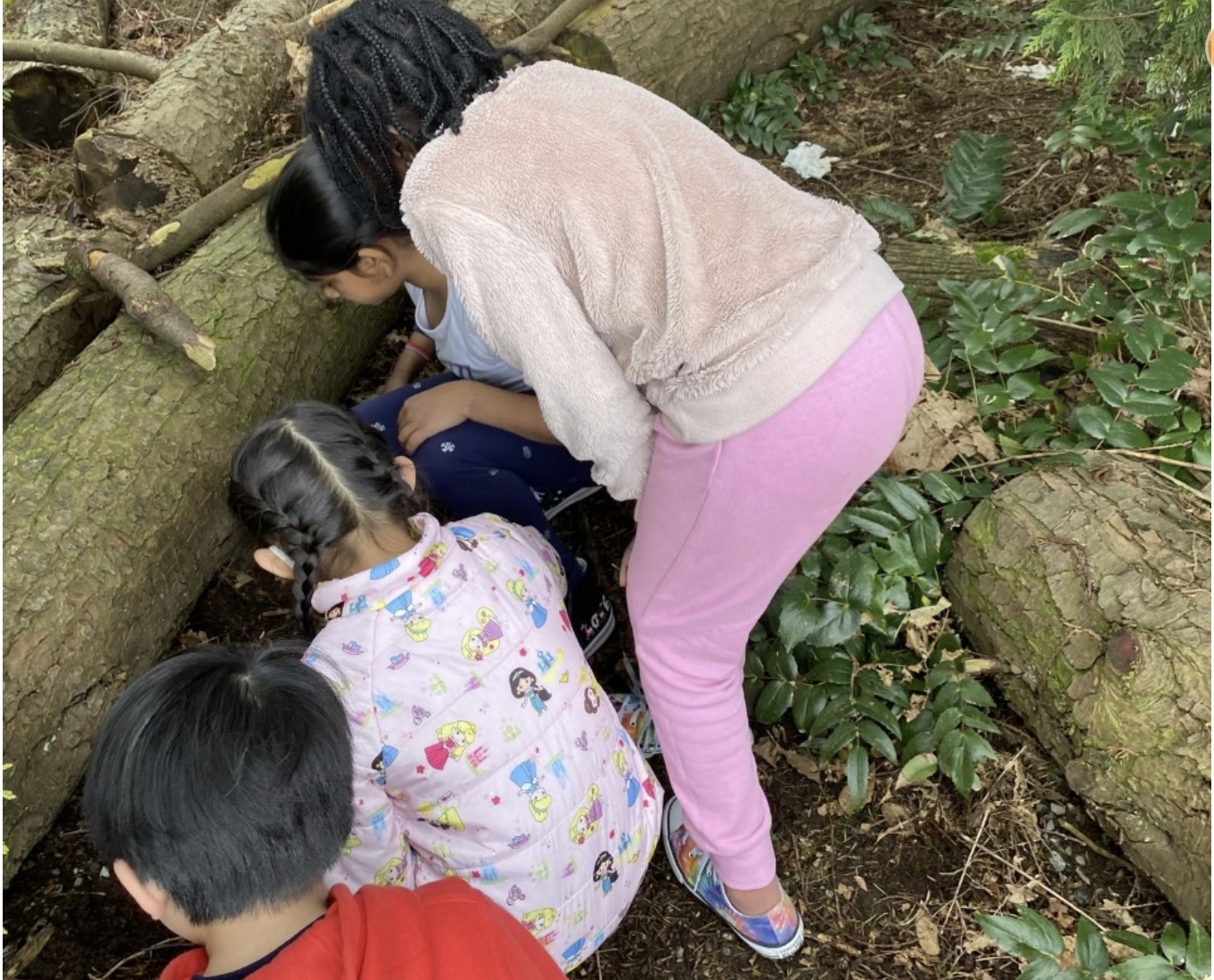
Students create a closed ecosystems to examine ways to provide all the necessary requirements living things need to survive, thrive and stay healthy as part of their biodiversity unit.
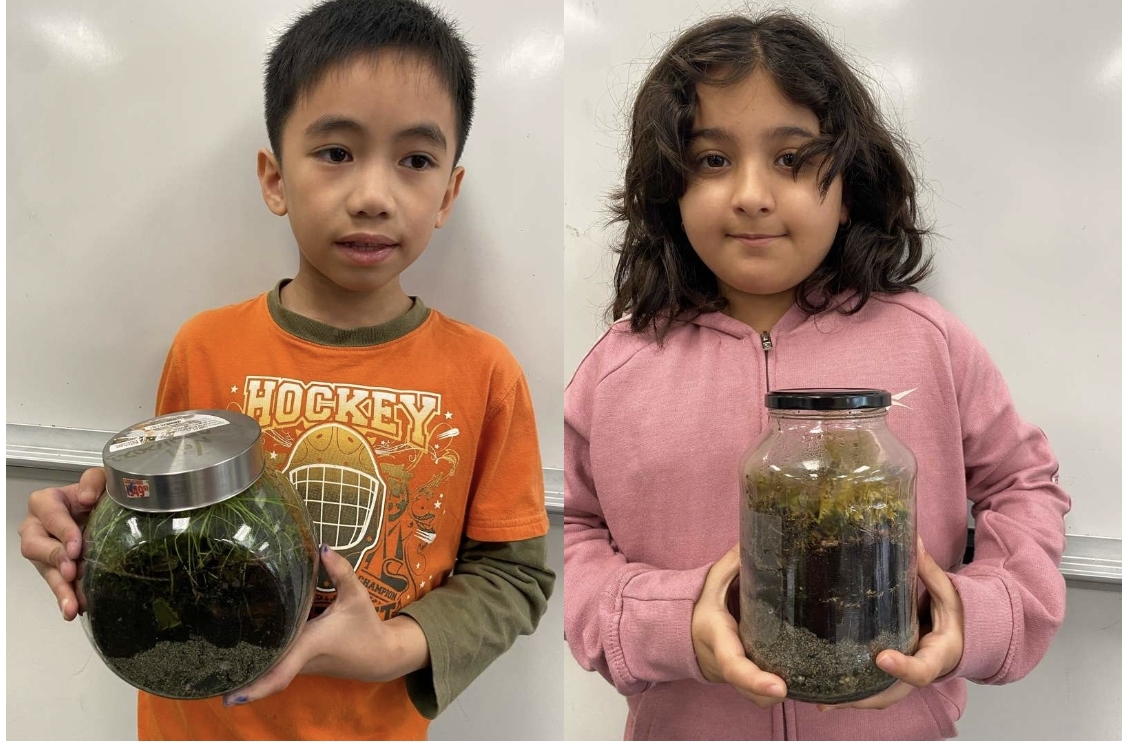
Below our Learners explain what they can do to help our planet thrive and stay healthy, and what they can do to help
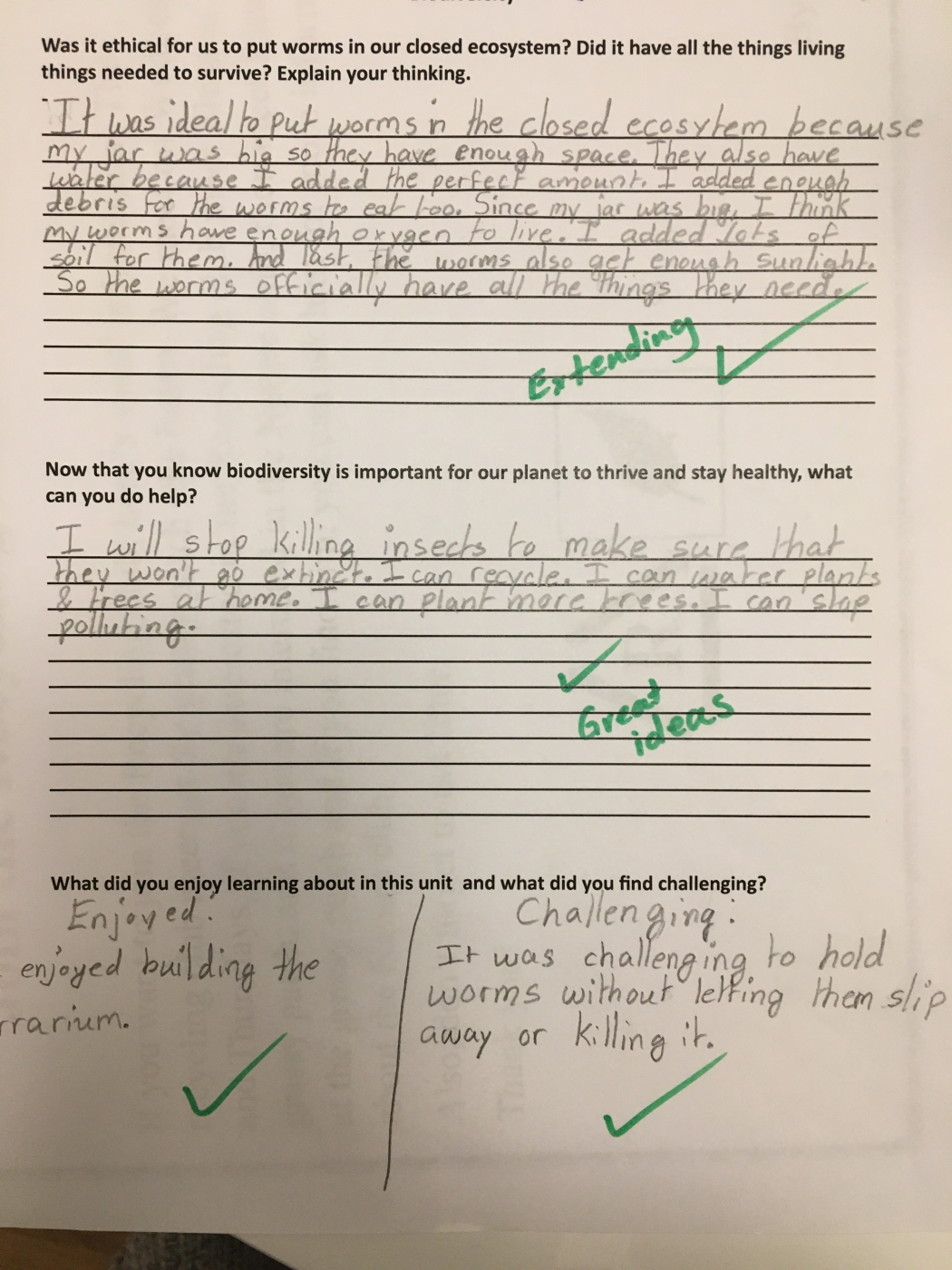
I will stop killing insects to make sure that they won't go extinct. I can recycle . I can water plants and trees at home.
I can plant flowers and reduce, reuse and recycle.
Our learners can demonstrate the development of their responsible decision making through literacy by making self to text connections
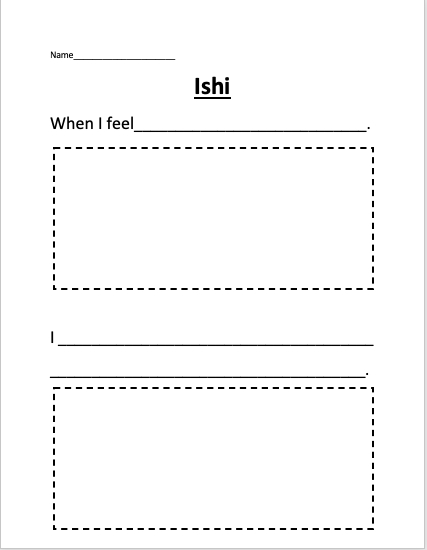
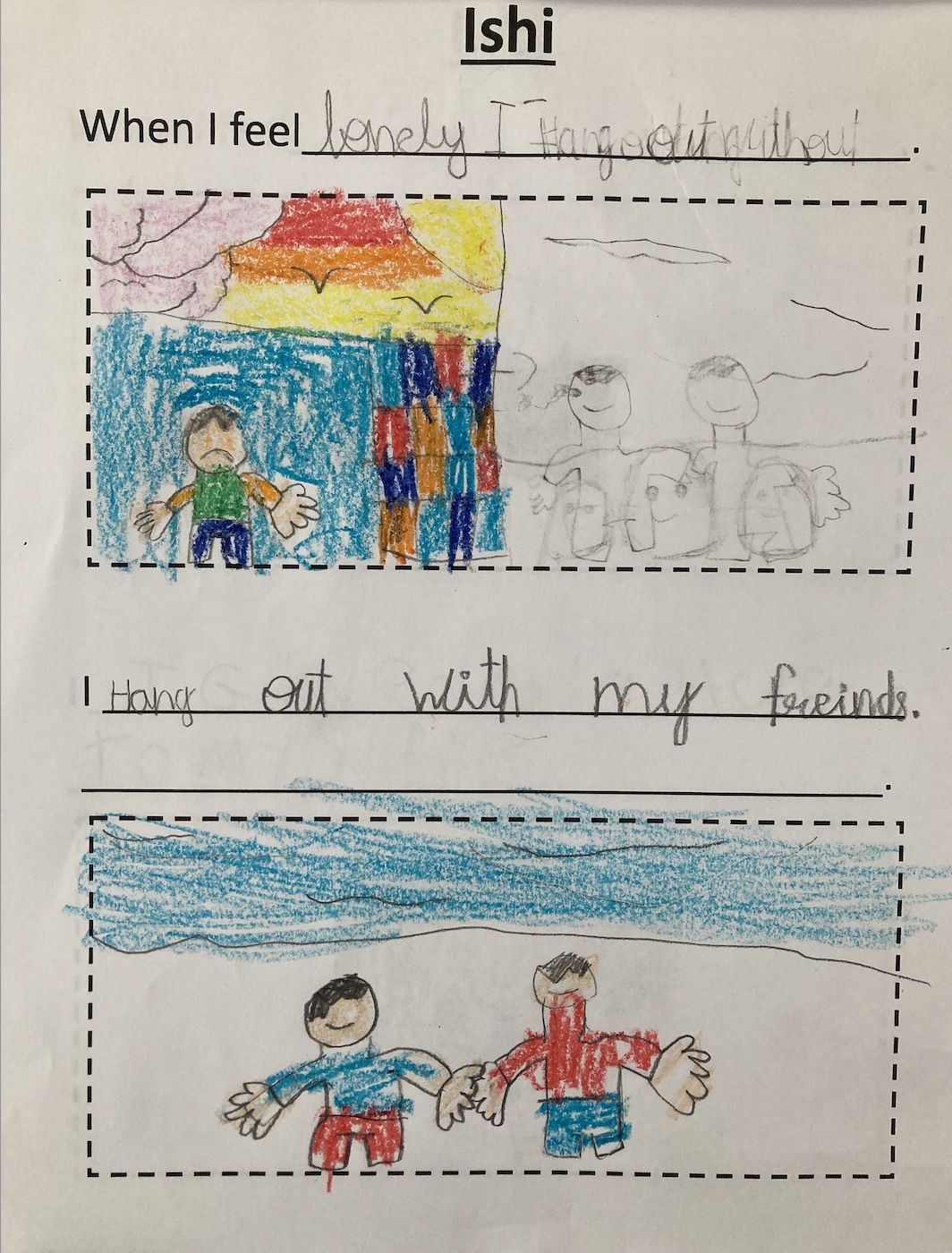
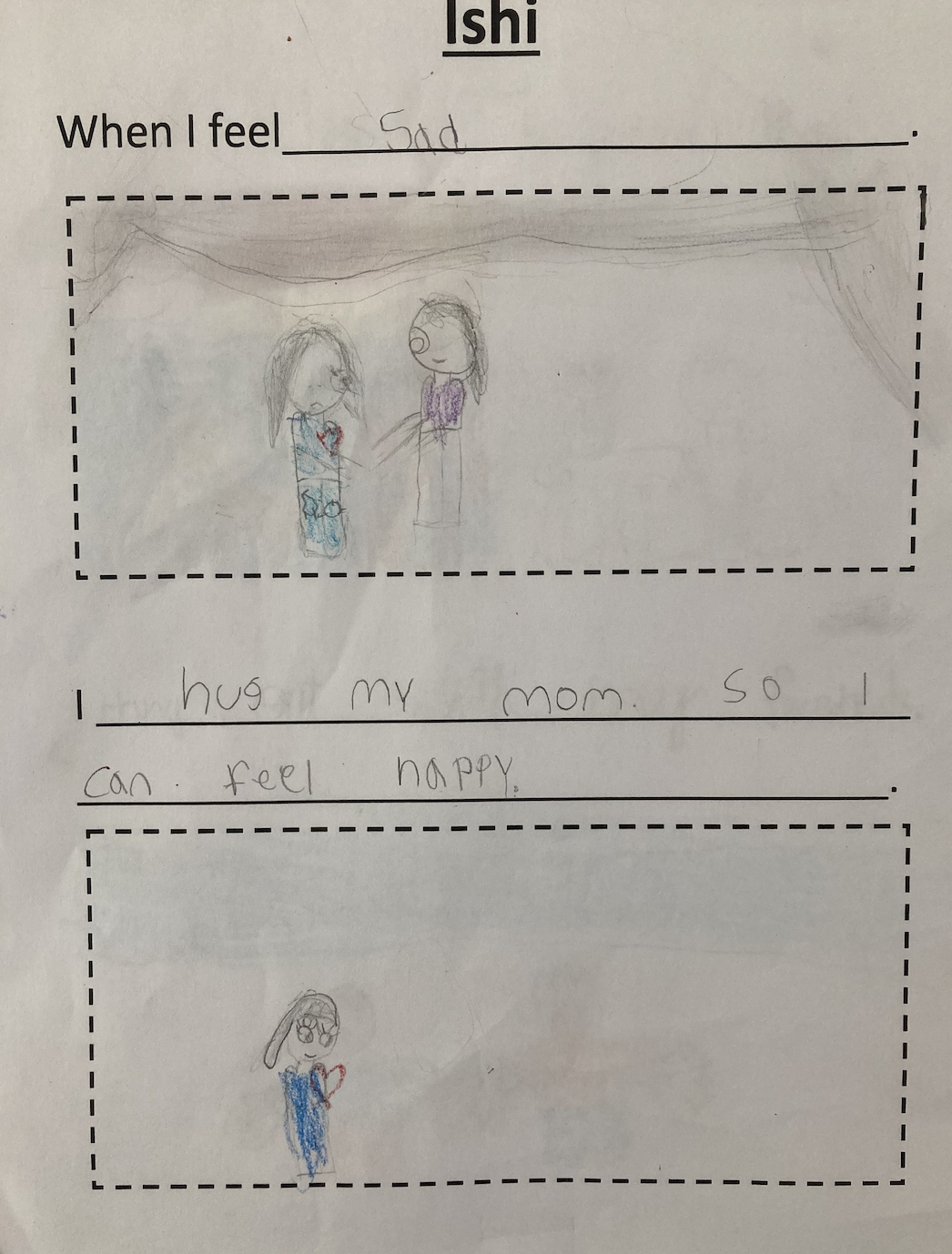
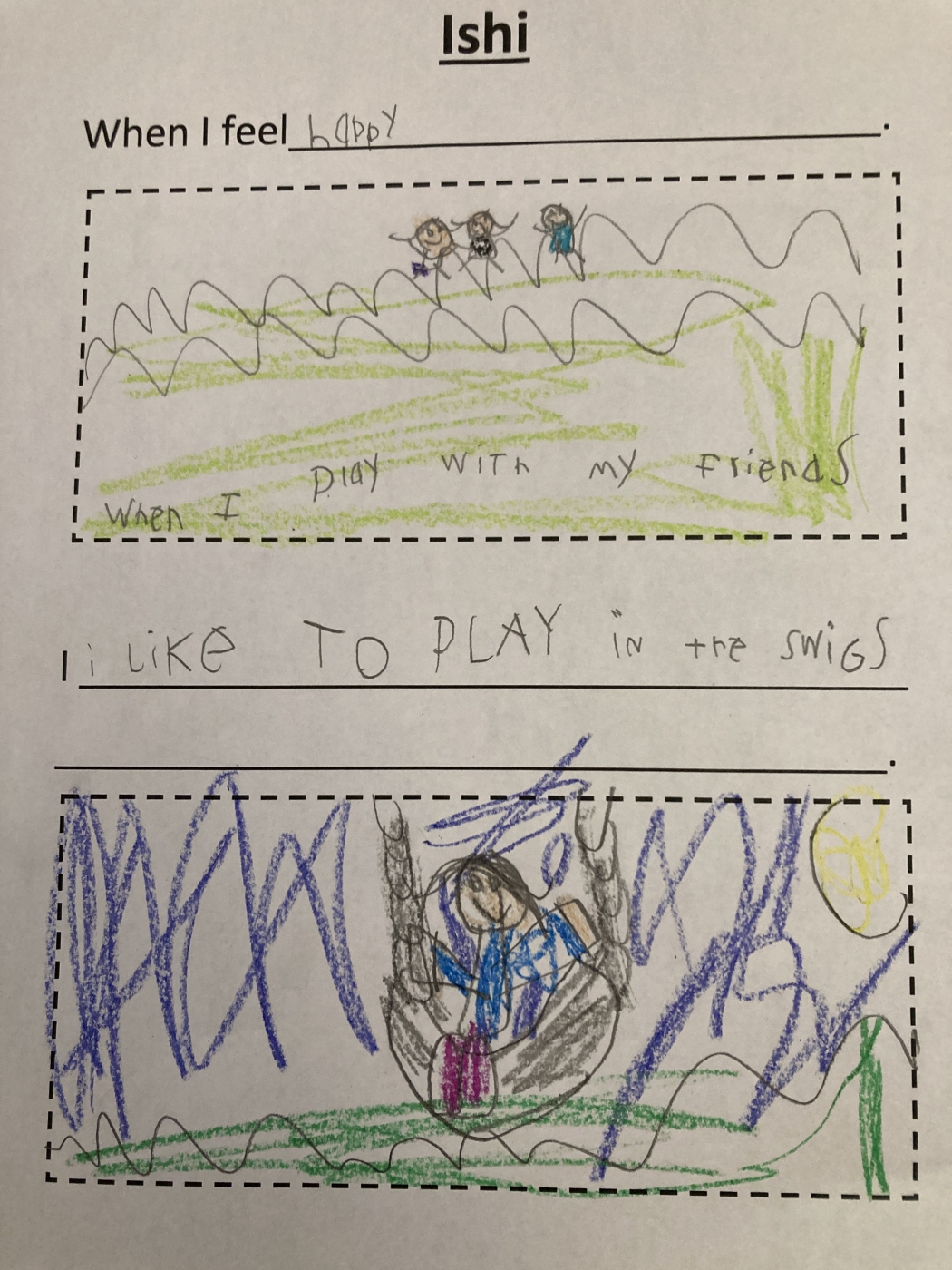
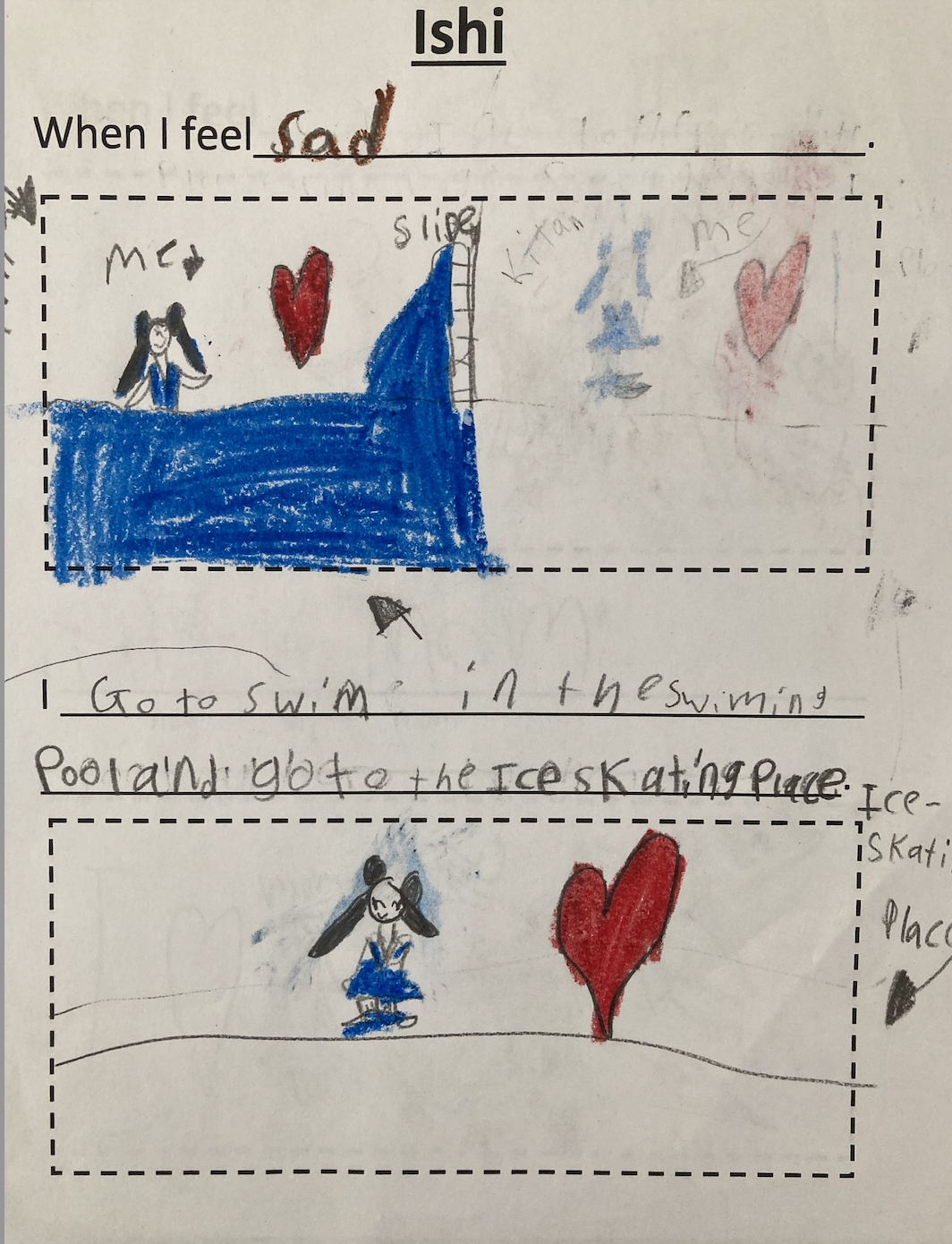
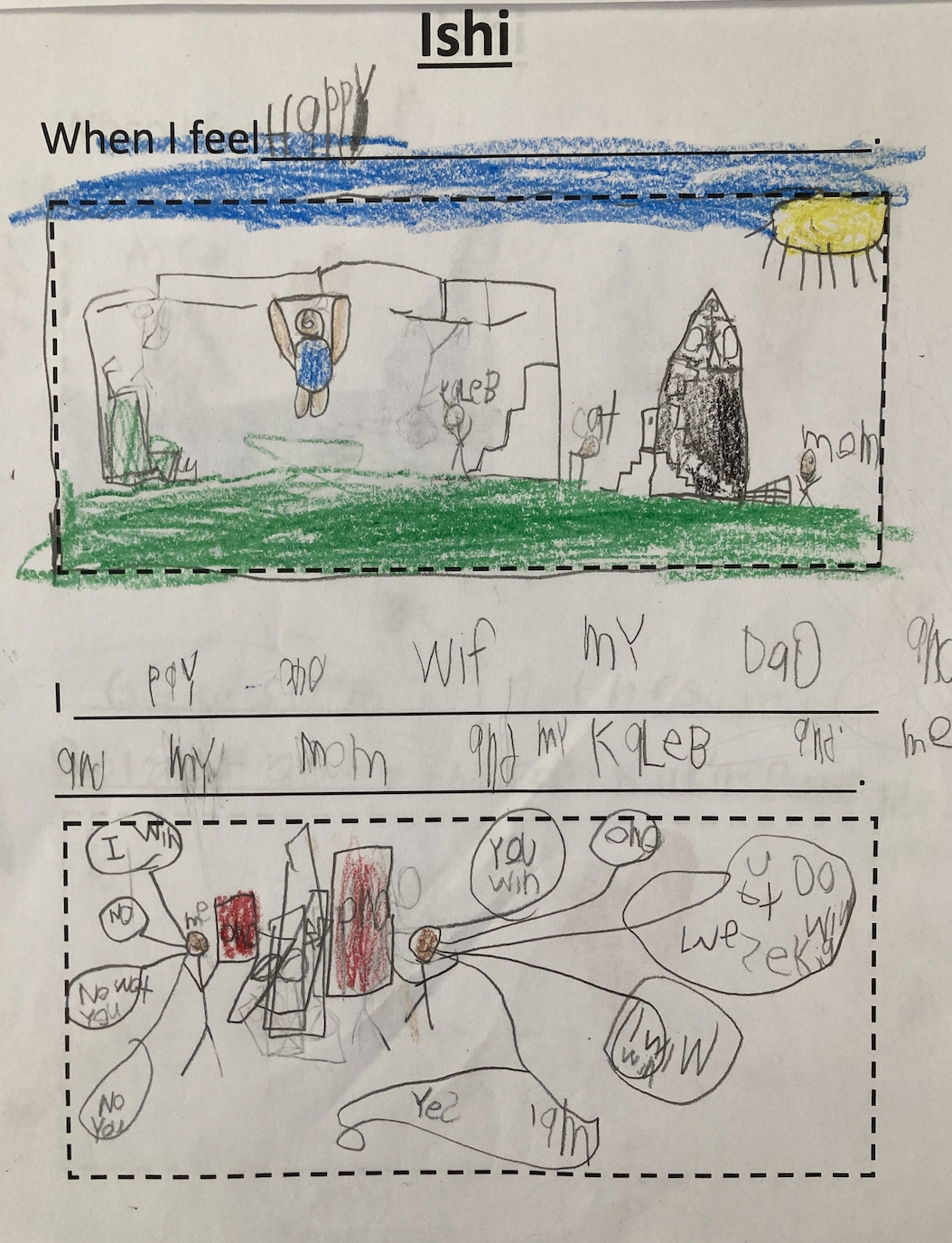
Our young learners demonstrate development of their responsible decision making through literacy by making self to text connections to the book Ishi: Simple Tips from A Solid Friend by Akiko Yabuki. Ishi reminds us to be mindful of our emotions and to be kind to ourselves and others. The story Ishi: Simple Tips from a Solid Friend follows a rock named Ishi that faces situations that require recognizing an emotion or feeling and what to do to make themselves feel better. Students brainstormed some of the many emotions a person may have, and students were asked to think of a time when they felt an emotion, to name it and share it with a friend. Next, students where prompted to think of what they do when they are feeling their chosen emotion. They were then asked to respond to the story using the following writing prompt:
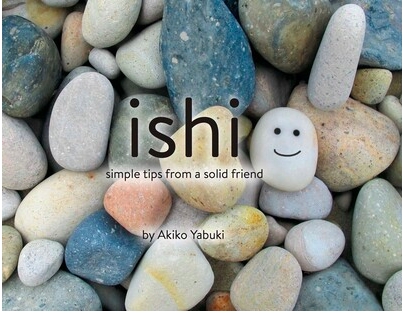
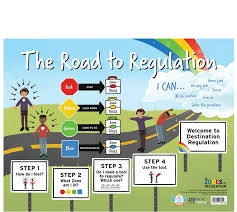
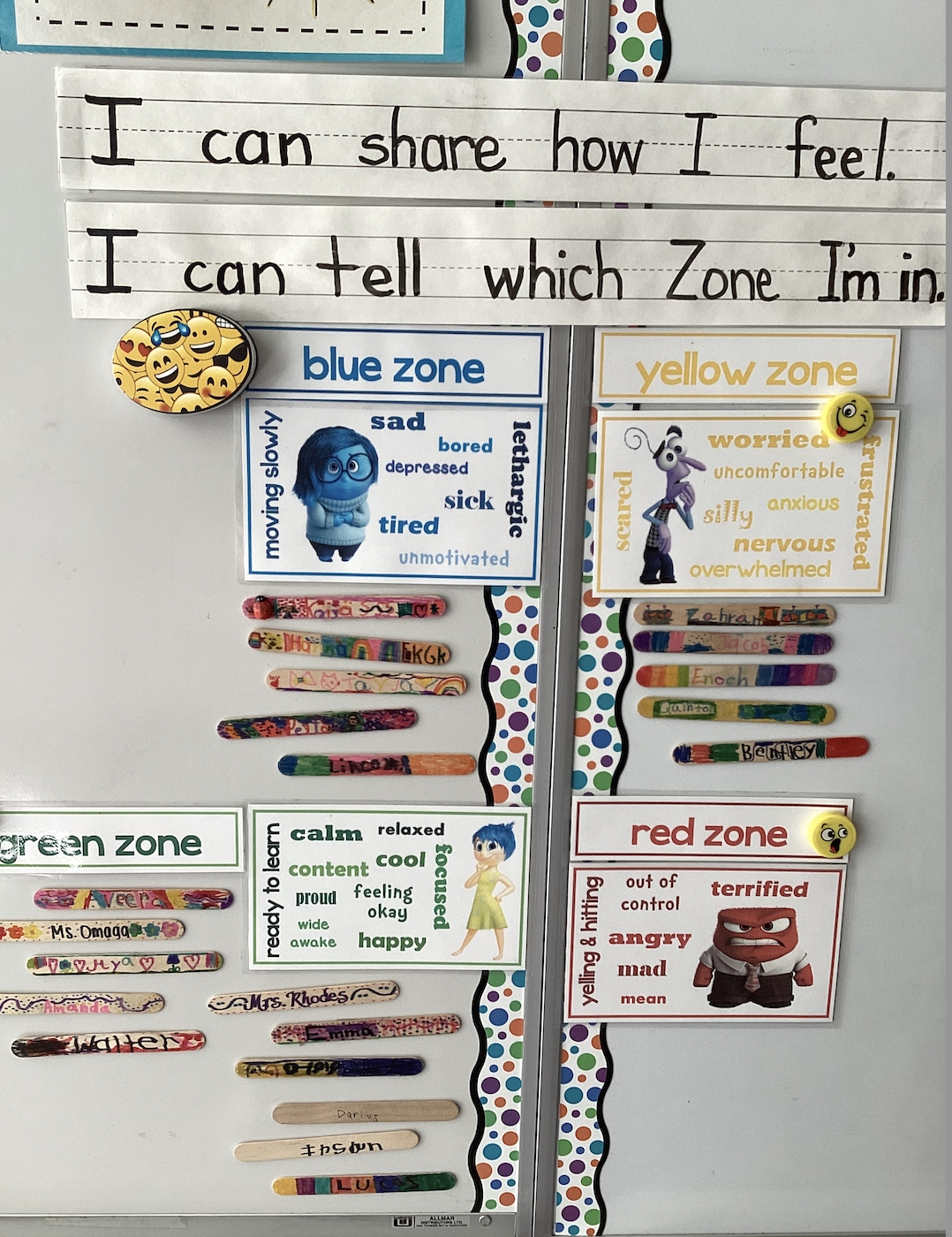
Using The Zones of Regulation as a tool, our students are learning how to describe their feelings in the moment. They have also been practicing this important skill daily through Sharing Circles, Morning Meetings, and class Zones Check-In Boards. All this prior practice has not only made students more self-aware, but also better able to solve problems.
Our learners can assess risks and address ethical, cultural, and environmental issues
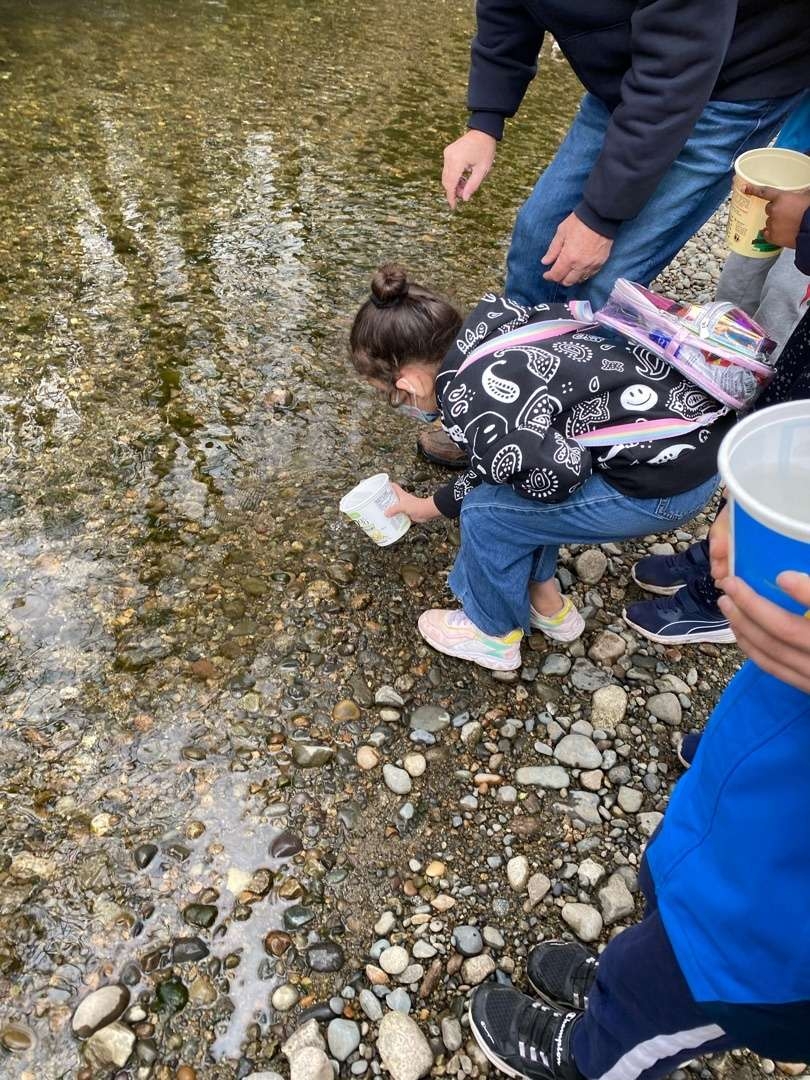
Across all grades, students consider ethical standards and safety concerns as they evaluate the benefits and consequences of their actions. In this Science unit, our learners investigate the sustainability of systems by exploring the life cycle of salmon. Students took salmon fry from their class aquarium to the creek by the ravine behind our school. The creek is a tributary of the Serpentine River, which is where the salmon eggs are from. Our students observe all of the things that would make this place an excellent home for the fry, including many tall trees for shade rocks and gravel for hiding places, and lots of fresh cold water. They also notice that there were a few things that could harm the precious salmon such as garbage. The students talk about how important a role they have in protecting the salmon and their home. One by one, each child came and released a fry or two into the creek. It was an experience that they are unlikely to forget anytime soon. Empowering children through knowledge and hands on experiences, is a key goal of the Salmonids in the Classroom Program. The children have learned a lot about the salmon life cycle, such as being able to show what they know in words and, through pictures and in writing.
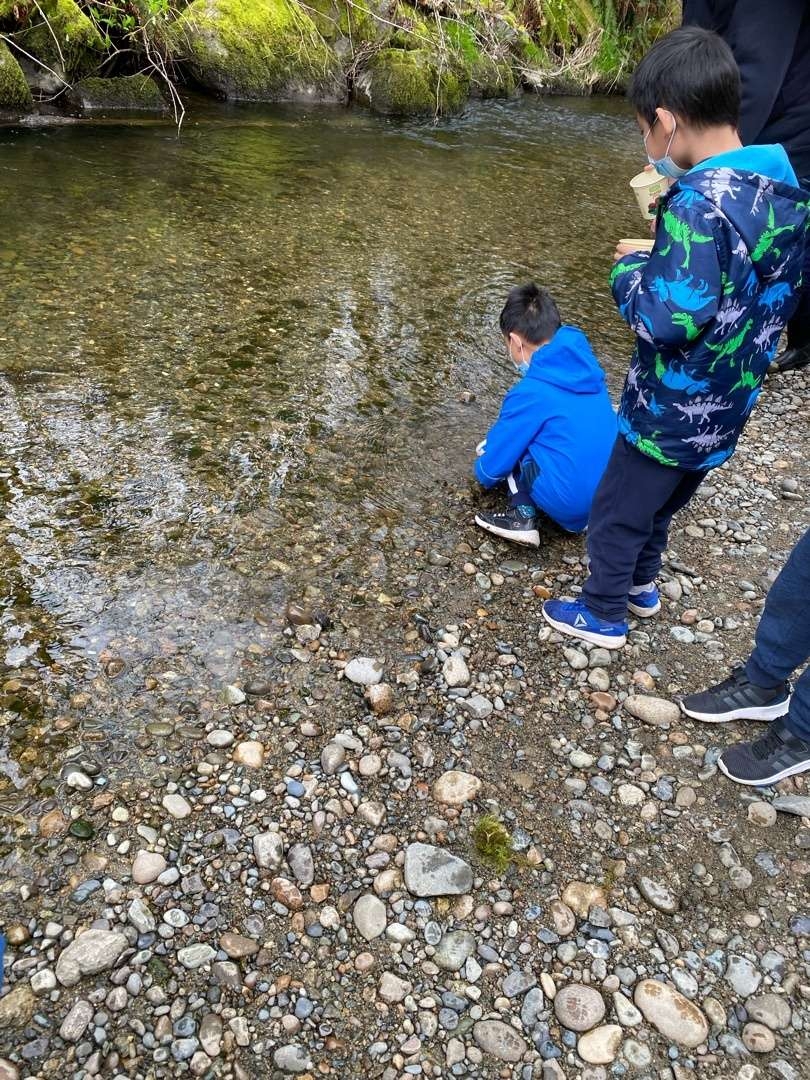
I learned that we have to keep the scream clean and safe.
I learned that fish jump. Fish eat worms. Bears, eagles, ducks eat fish in the ecosystem
OUR FOCUS
Social Emotional Learning through Literacy
Collaborative Social, Emotional and Academic Learning (CASEL) defines SEL as the application and acquisition of, “the knowledge, skills, and attitudes to develop healthy identities, manage emotions and achieve personal and collective goals, feel and show empathy for others, establish and maintain supportive relationships, and make responsible and caring decisions.”
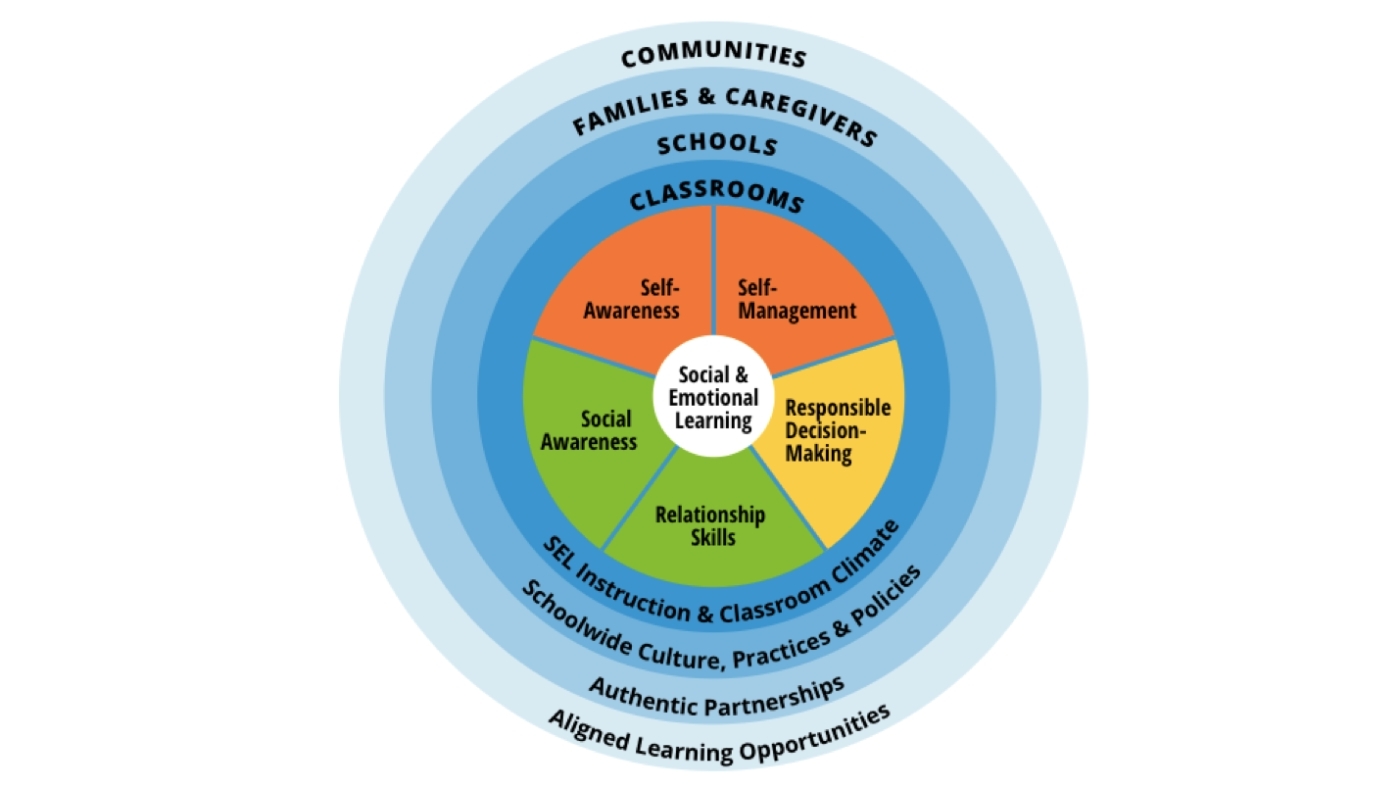
Figure 1: CASEL Framework
The CASEL Framework (Figure 1) identifies 5 key areas of SEL development. Although all aspects of SEL are integrated into our daily work with students, we identified two targeted areas for student learning goals focusing on Responsible Decision Making and Social Awareness.
Our learners engage in a variety of literacy activities each day where they are communicating, reading, writing, and reflecting on their learning experiences in the area of Social and Emotional Learning. Our educators develop curricular and social experiences to inspire, empower, and support our learners.
Literacy development is our focus at Harold Bishop because we understand that our learners need to be able to read, write, speak and communicate effectively as they move through their learning journey. This will be done through the three learning goals listed below.
Our Focus Goals:
- Developing an awareness of and taking responsibility for their social, physical, and natural environments by working independently and collaboratively for the benefit of others, communities, and the environment.
- Learning to make personal connections to stories and make meaning through experience and knowledge.
- Learning to deepen self-awareness through oral discussions and written text.
Below are examples of our students’ classroom experiences as they relate to responsible decision making.
During the year, our learners were introduced to literary text and asked to make personal connections, identify emotions and helpful ways to regulate them. While reading, the primary students were encouraged to identify and share their feelings. They engaged in classroom discussions reflecting on connections they made to the characters' emotions and reactions in the story. While reading, the students talk about how the character is feeling and what strategies the character could engage in for responsible decision making.
Many of our classes are learning strategies to help recognize feelings and emotions and ways to make responsible decisions. In classes the following tools are used:
Sharing Circles with the story: The Sharing Circle by Theresa Larsen-Jonasson
Morning Meetings
Zones Check-In
Brain Breaks/Body Breaks
Deep Breathing Exercises like Rainbow, Bear, Bee, Snake, and Elephant Breaths/Belly Breathing
Breathing Ball
Yoga
Our learners make connections to their community. They can explain how they are using their strengths and abilities in different ways.
Many of our classes are investigating local First Peoples' knowledge of sustainable land practices. Through this process, students have an opportunity to make responsible decisions that consider their role as individuals and community members making connections in a variety of ways to the ecosystem.
Our learning cohorts have created spaces within their learning environments for individuals to share connections through writing, story workshop and sharing circles.
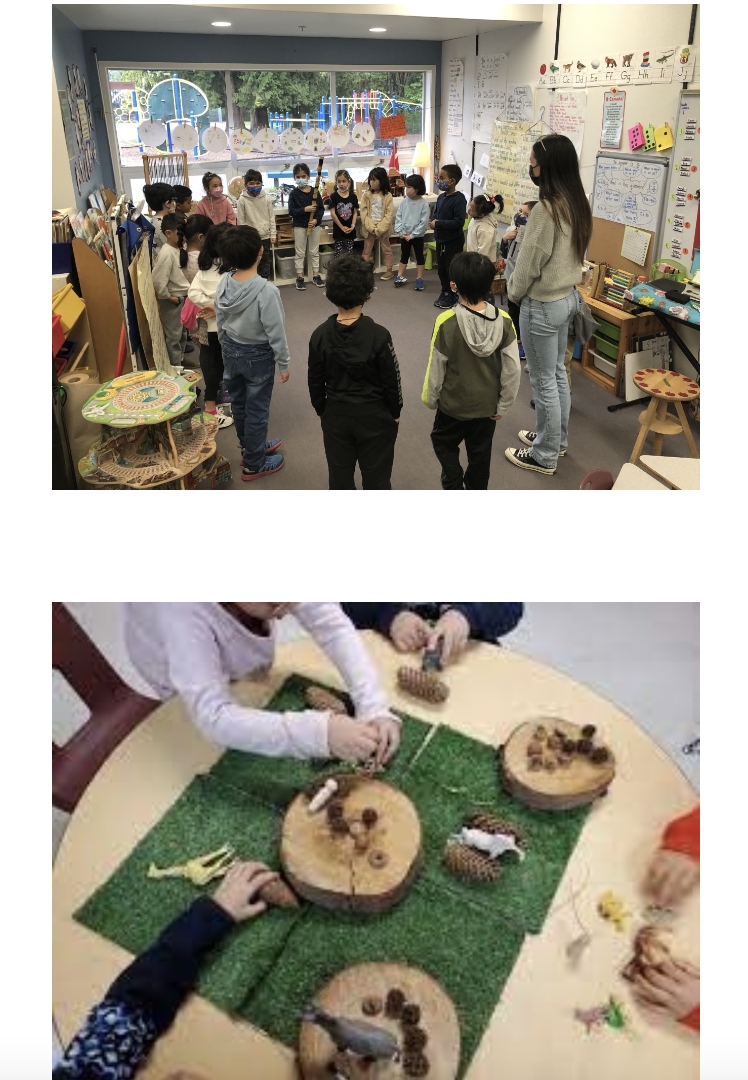
Our Learners are Developing an Understanding of the Role of Personal Decision-Making in Promoting Community Wellbeing
The ability to make caring and positive choices about personal behaviour and social interactions is at the heart of responsible decision-making. In all areas of learning, students reflect on and evaluate the benefits and consequences of different actions. They think about the outcomes of these actions, and they ask themselves: How will this action impact others? Is it worth it? Why do I want to make this choice? Was this a strong choice? Will this help me or the community?
OUR NEXT STEPS
Our learners are developing their personal and social responsible decision-making. Students have showed an increase in the ability to engage in a variety of literacy activities connected to the following curricular competencies:
Personal awareness and responsibility focusing on developing an awareness of and taking responsibility for their social, physical, and natural environments by working independently and collaboratively for the benefit of others, communities, and the environment.
Learning to make personal connections to stories and make meaning through experience and knowledge.
Learning to deepen self-awareness through oral discussions and written text.
Our learners continue to make responsible decisions that benefit the natural environment
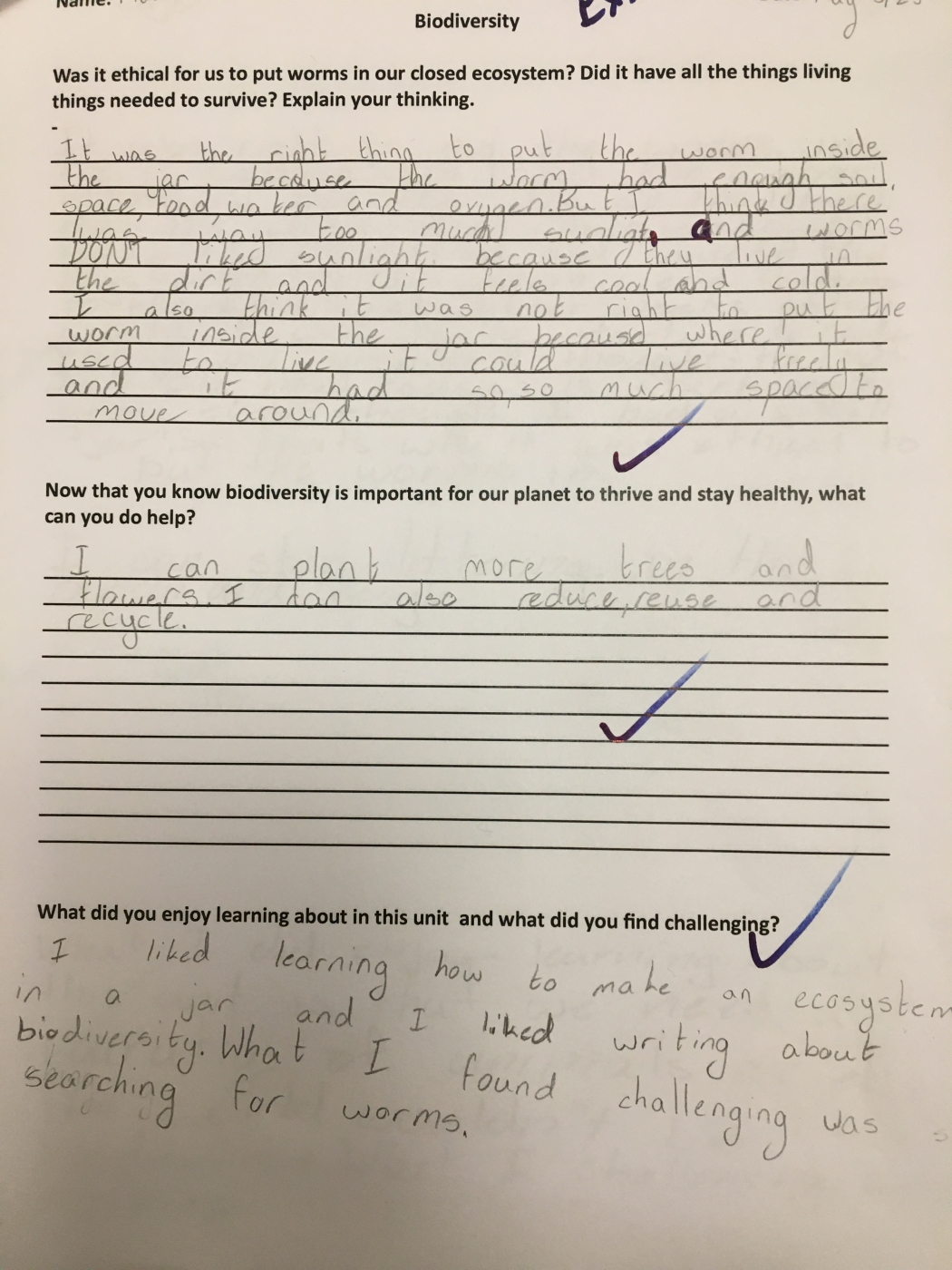
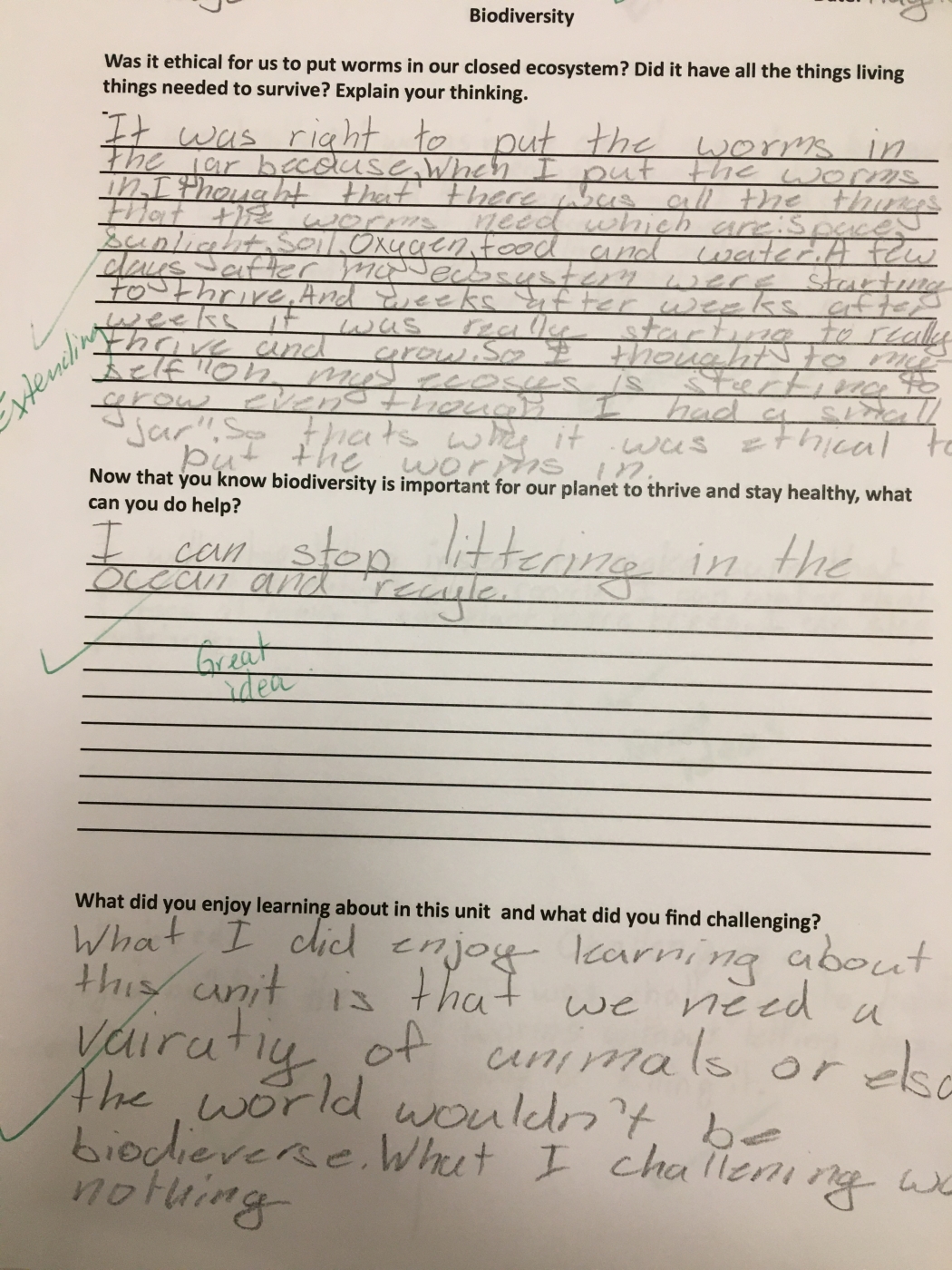
Our Primary learning cohort has engaged in several learning activities that highlighted the importance of the power individuals have to make a collective environmental impact. Students created a closed ecosystem with a variety of plants and one to two earth worms. Students monitored the health of their ecosystem over a period of time to determine if the ecosystem was healthy and could thrive similar to what living things need on Earth. Students wrote reflections and shared their learning in small groups and in conferences with their classroom teacher. Our focus was primarily on the ethical responsibility of using the worms in their ecosystem and what efforts can be done to help maintain a biodiverse planet. This learning objective was explored through picture books and various online media.
When asked to reflect later on their learning of the ethical decision of placing the earth worms in their closed ecosystem, and providing all the necessary requirements living things need to survive nearly our entire cohort (just over 80% proficiency) were able to provide at least one reason as to why it was important to make responsible decisions surrounding the importance of biodiversity for our planet to thrive and stay healthy and ways they could do to contribute to helping responsibly. They demonstrated this through many different activities, including class decisions, small group decisions (such as a think, pair, share) as well as written reflections and conferencing. Here is a sample of what some of the students shared after writing on their reflections sheets earlier this Spring.
Our learners can make personal and meaningful connections to text
In the beginning of the year our early primary cohorts focused on making text to self-connections through a Social Emotional Lens, specifically focusing on making a personal and emotional connection to stories. Our young learners demonstrated development of their responsible decision making through literacy by making self to text connections.
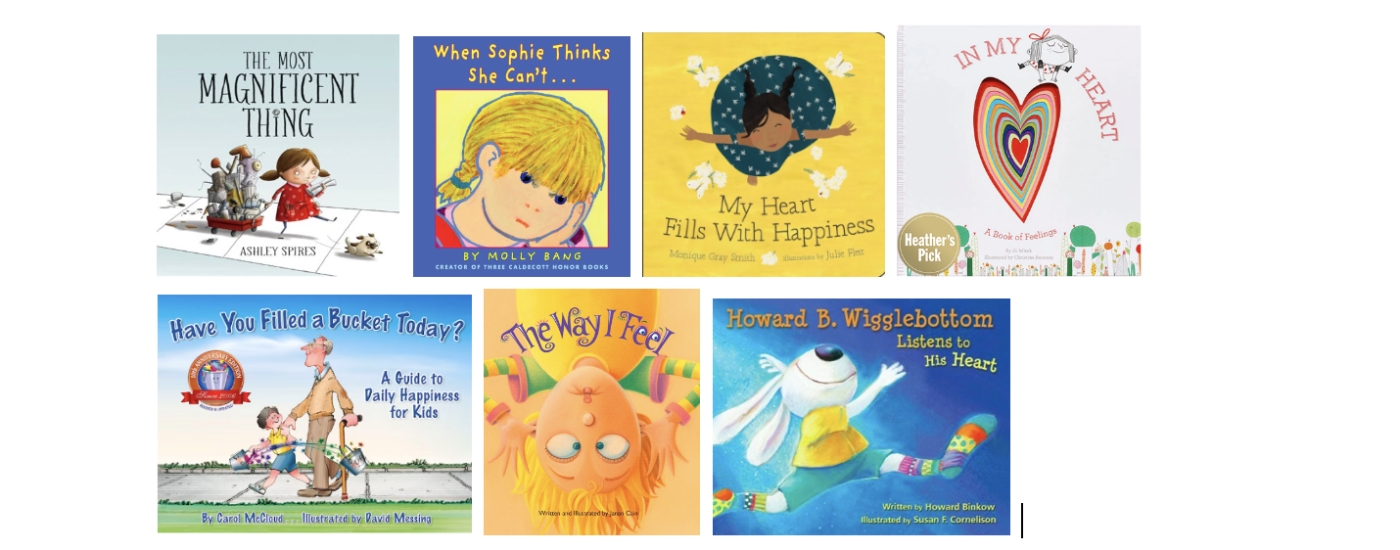
Connecting to and discussing the book Ishi: Simple Tips from A Solid Friend by Akiko Yabuki and other books like The Way I Feel, Crankenstein, When Sophie Gets Angry-Really, Really Angry..., Sometimes I Feel...SUNNY, Joy’s Greatest Joy and Simply Sadness has provided our young learners with the language they need to express themselves in a safe and healthy way.
Based on their teachers' reflections, 62% of our learners were proficient and 38% were developling in demonstrating that they can sometimes share their emotions and know a self-regulation strategy to help express and manage those feelings. Our early primary cohorts used both oral and written language to express their thoughts and ideas. Here is a sample of some of their responses to the the book Ishi.
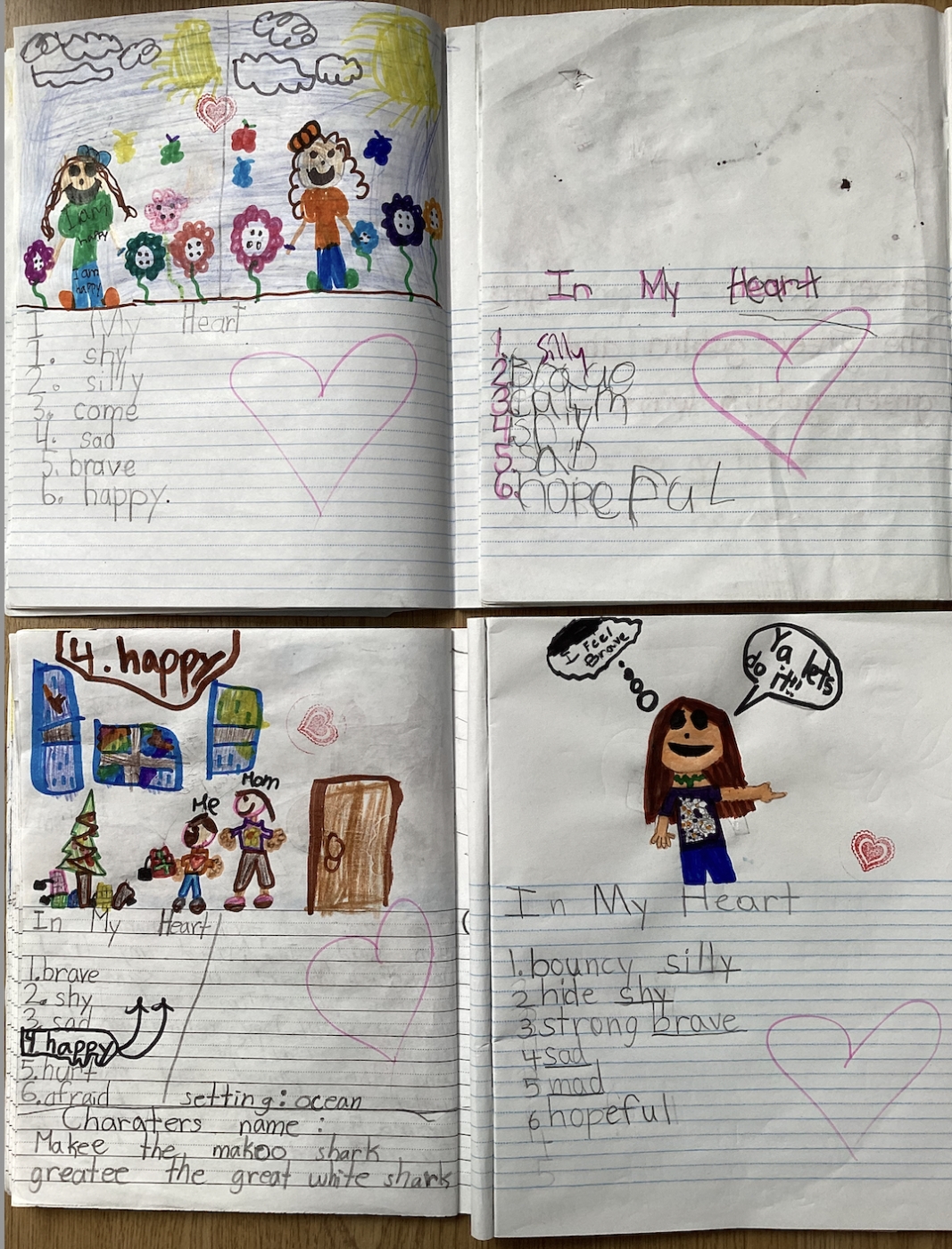
Further evidence of students' ability to make personal and meaningful connections to text was observed in their written response to the story In My Heart: A Book of Feelings by Jo Witek. This beautiful book journeys through the many ways we can feel at any given moment...or all at the same time! Students brainstormed all the feelings discussed in the story and added to that list with other feeling words they had learned from previous stories. Next, they were asked to share with an elbow buddy how they were feeling “right now”. They were then asked to look at the list and choose which six feelings best described them as a person and the emotions they often felt inside. Their final task was to choose only one of the feelings from their personal list and create a picture to match. Every student who participated in this learning activity could easily express the many feelings they had in their heart. Some of our young learners even added extra feelings to their list! Below are some of the responses shared in their learning journals.
Moving Forward
Advancing our learners skillsets in self-awareness and responsible decision making have been very effective. Our students have progressed in their understanding of themselves and how this connects to their interactions with their peers, our school, and the surrounding community. As we continue with this work, we will build on it in the following ways.
- Create more ways for learning cohorts to develop the literacy skills to make personal connections to stories and make meaning through experience and knowledge.
Instructional strategies we implement will build on students’ successes in their social relationships by expanding opportunities to work collaboratively in groups and engage in more hands-on activities that are specifically aimed at developing students’ reading, writing, thinking, and communication skills.
As a school community, we are committed to creating equitable, supportive, and caring learning environments where all children can thrive and reach their full potential. To this end, we will continue to monitor and adjust our student learning plan. By determining our progress; identifying what is working and what needs to be improved; evaluating the impact of our plan; and using this feedback to adjust ongoing teaching and learning – we will support learners from all communities in developing social emotional learning literacy proficiencies that cultivate cognitive skills and “thinking habits” that prepare them for future success.
Surrey Schools
Formed in 1906, the Surrey School District currently has the largest student enrolment in British Columbia and is one of the few growing districts in the province. It is governed by a publicly elected board of seven trustees.
The district serves the cities of Surrey and White Rock and the rural area of Barnston Island.