Harold Bishop Elementary

OUR CONTEXT
Harold Bishop Elementary
Building a Community of Learners Together
Our school strives to meet the social, emotional, physical and academic needs of our diverse learners

Please Click on the link to view more about our school: https://sway.office.com/CEAUhw0K1ZoYKgEa?ref=Link
OUR LEARNERS
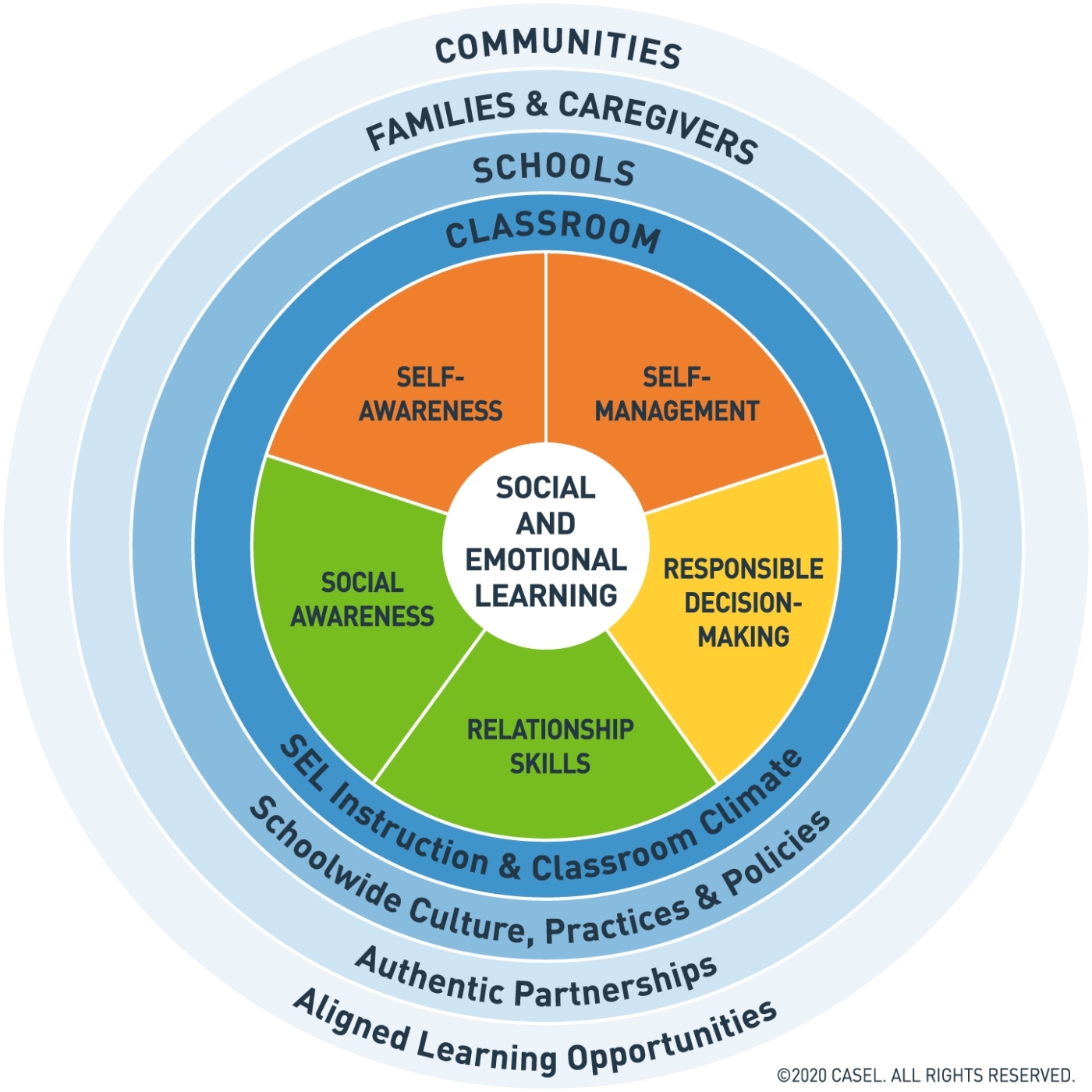
Social and Emotional Learning (SEL) is the process that supports adults, youth, and children in developing skills that are necessary for school, work, and life. This includes self-awareness, self-management, responsible decision-making, relationships skills, and social awareness. These skills are embedded in all subject areas in BC's curriculum. Below, we celebrate our learners' successes and strengths in the areas of:
- Self-Awareness
- Responsible Decision-Making
Self- Awareness
Our learners can calm themselves, focus their attention, and interact effectively with others by practicing mindfulness.
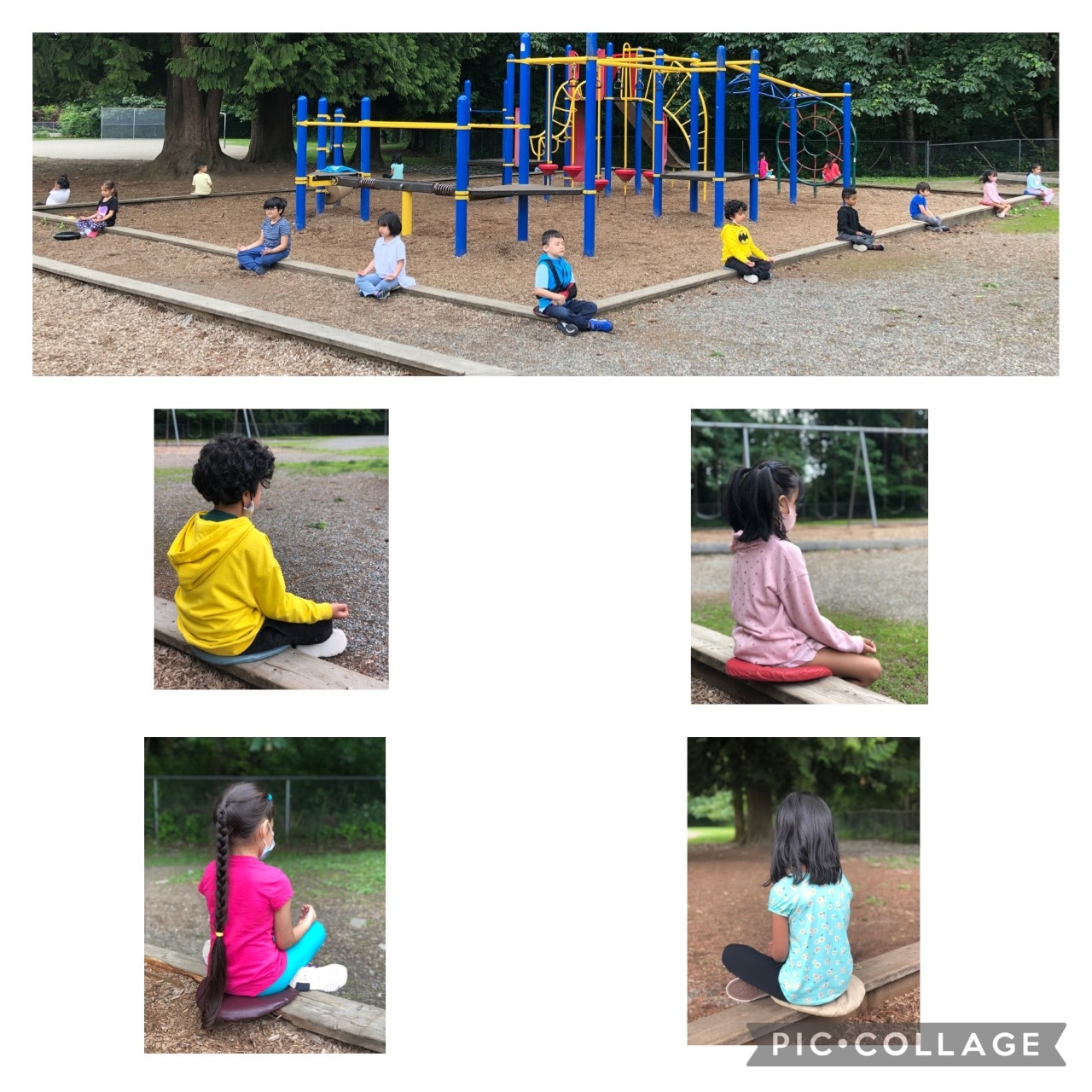
Students practice mindfulness using a variety of techniques: visualization, mindful listening, deep breathing, body scans, noise isolation, and daily gratitude. Our Kindergartens and Grade 1 cohort belly-breathe twice a day. Either lying on a mat (eyes closed and body still) or sitting up (eyes closed and cross legged), the children breathe deep at the beginning of the day and after lunch. Daily deep breathing helps keep the children regulated during the school day. It keeps children calm, focused, make good choices, listen and take direction well, and problem solve through a struggle (socially and academically). If necessary, children will deep breathe at other times in the day when they need to better regulate their emotions or ability to focus. Their brains recognize the deep breathing as it has been done regularly and allows for the child to return to a calm and alert state.
In the following video sample, a Kindergarten student recognizes the importance of identifying their emotions and using self-calming strategies to help them focus and reduce stress.
“Belly breathing helped me get better at calming down so I am not so active. My brain feels calm and the breathing helps me feel better.”
Our learners recognize their strengths and they use strategies to focus and accomplish their goals.
By acknowledging how they are feeling at the start of class, students acknowledge their barriers to learning, and in doing so, create a safer space for all learners to overcome the stressors they are feeling. Belly breathing prior to an exciting story workshop session allows for children to self-regulate and sustain a calm body and brain to allow for these young storytellers to create and share their work.
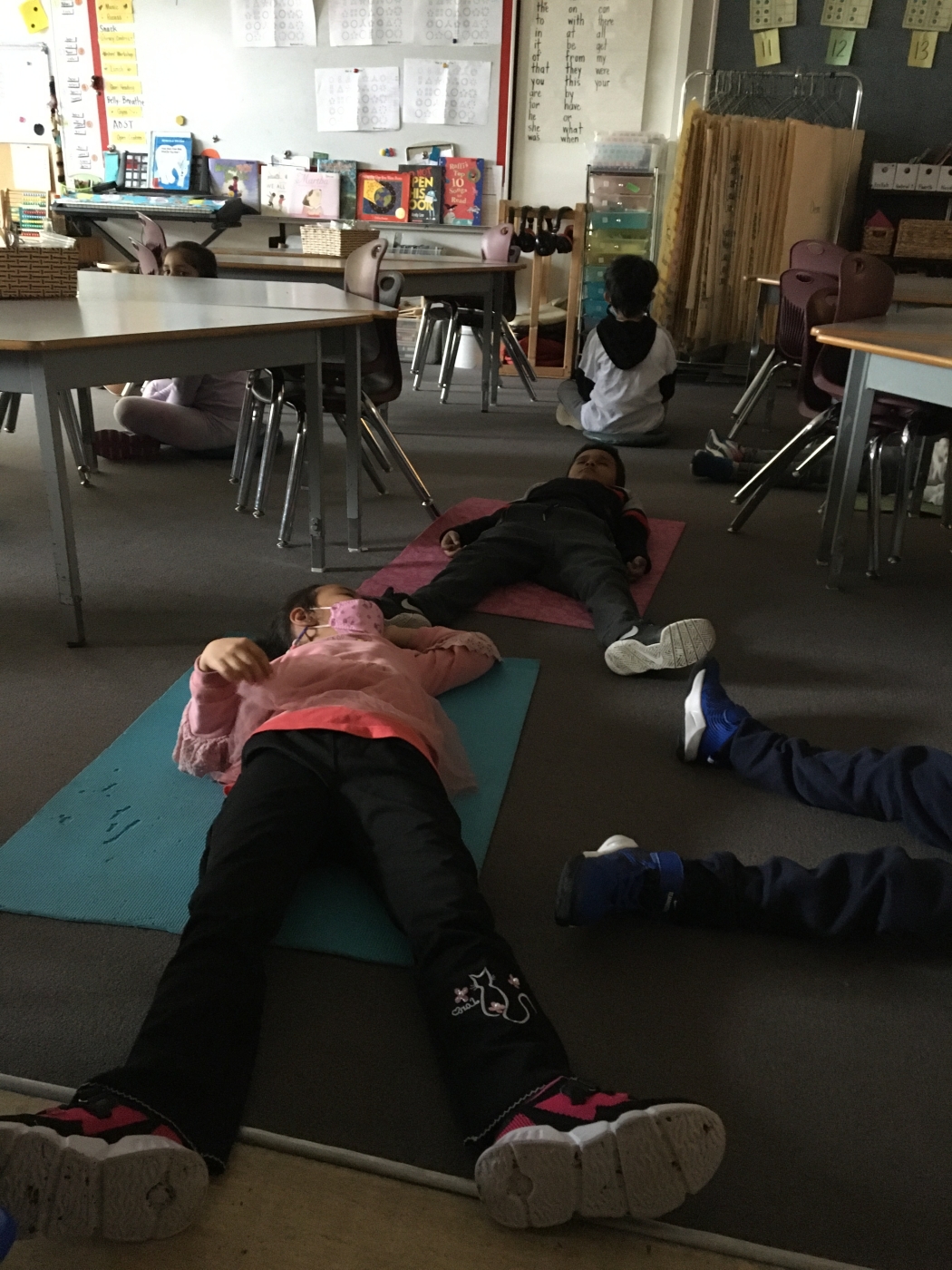
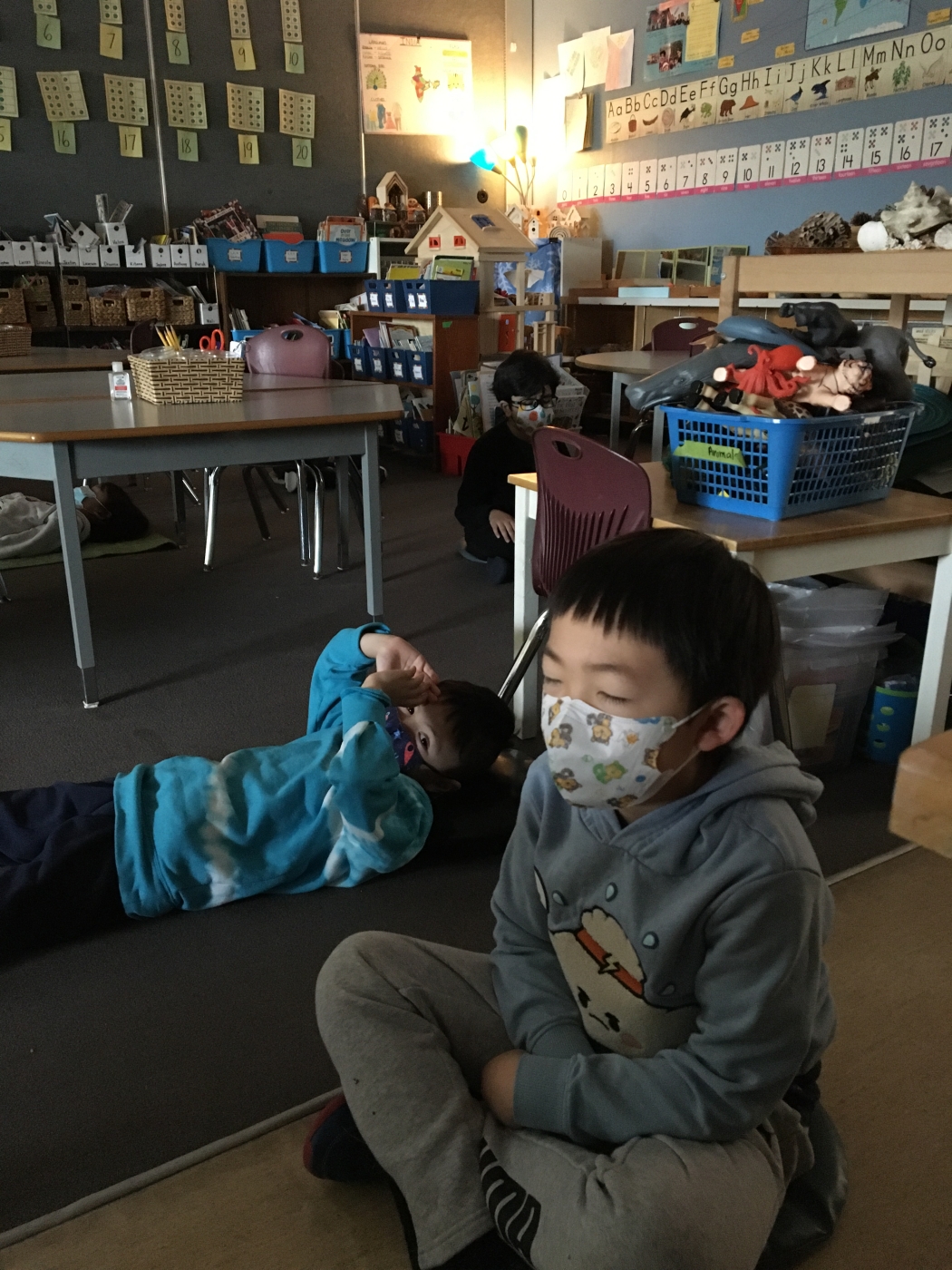
This video demonstrates our learners practicing mindful breathing before starting their story workshop:
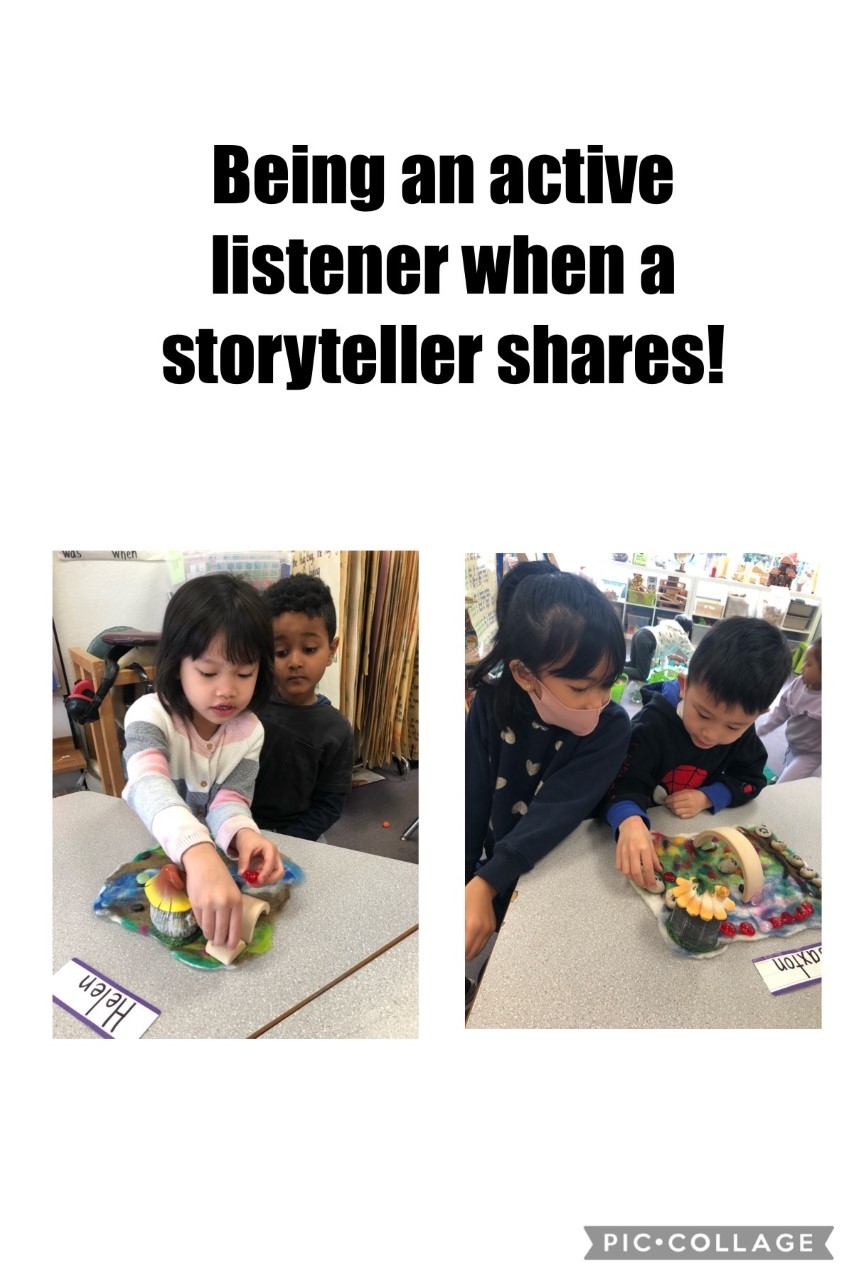
Watch our young story tellers create and share their work in this video:
Our learners demonstrate that language and story can be a source of creativity and joy. By exploring language through song they develop literacy skills
Singing brings our learners together, and singing in unison helps build self-regulation. Our Kindergarten and grade 1's need to wait and pause during a song, be patient, and singalong with their peers as a group. They practice listening skills and develop the ability to see themselves as an inclusive group when they sing together. Singing as a group builds confidence and allows for team building. Our learners develop literacy skills while following along on the song chart: reading left to right, tracking, one-to-one correspondence.
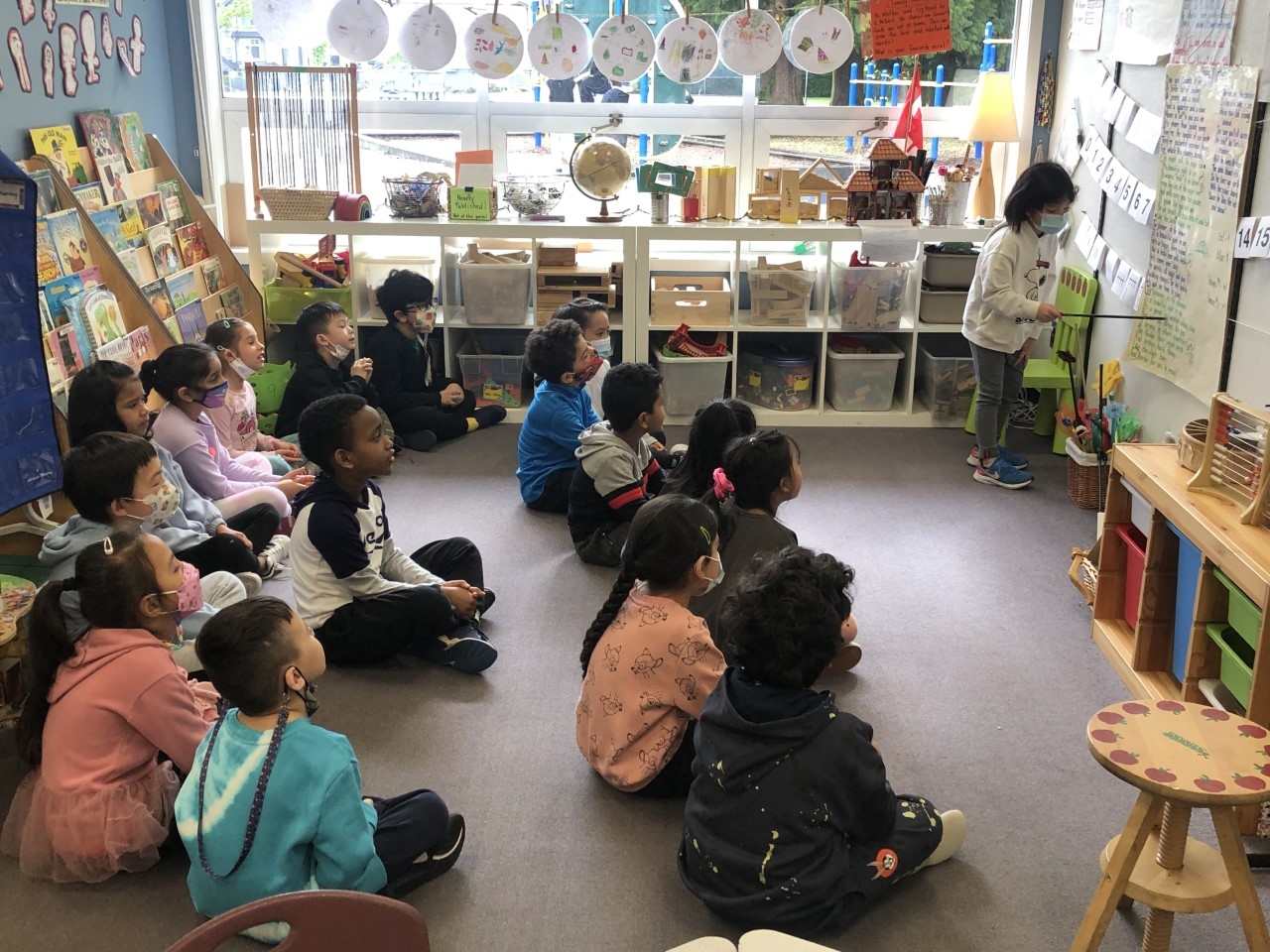
Our learners make connections to their community. They can explain how they are using their strengths and abilities in different ways.
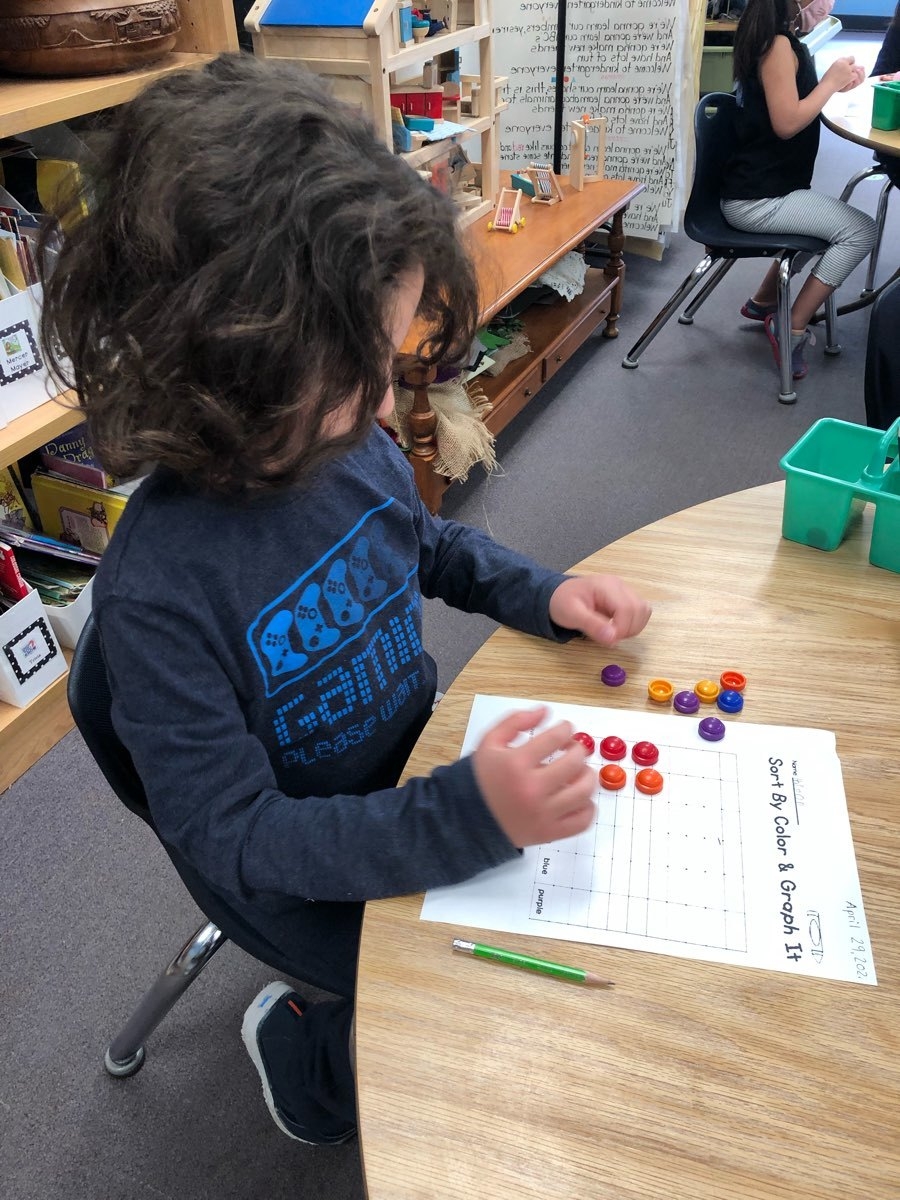
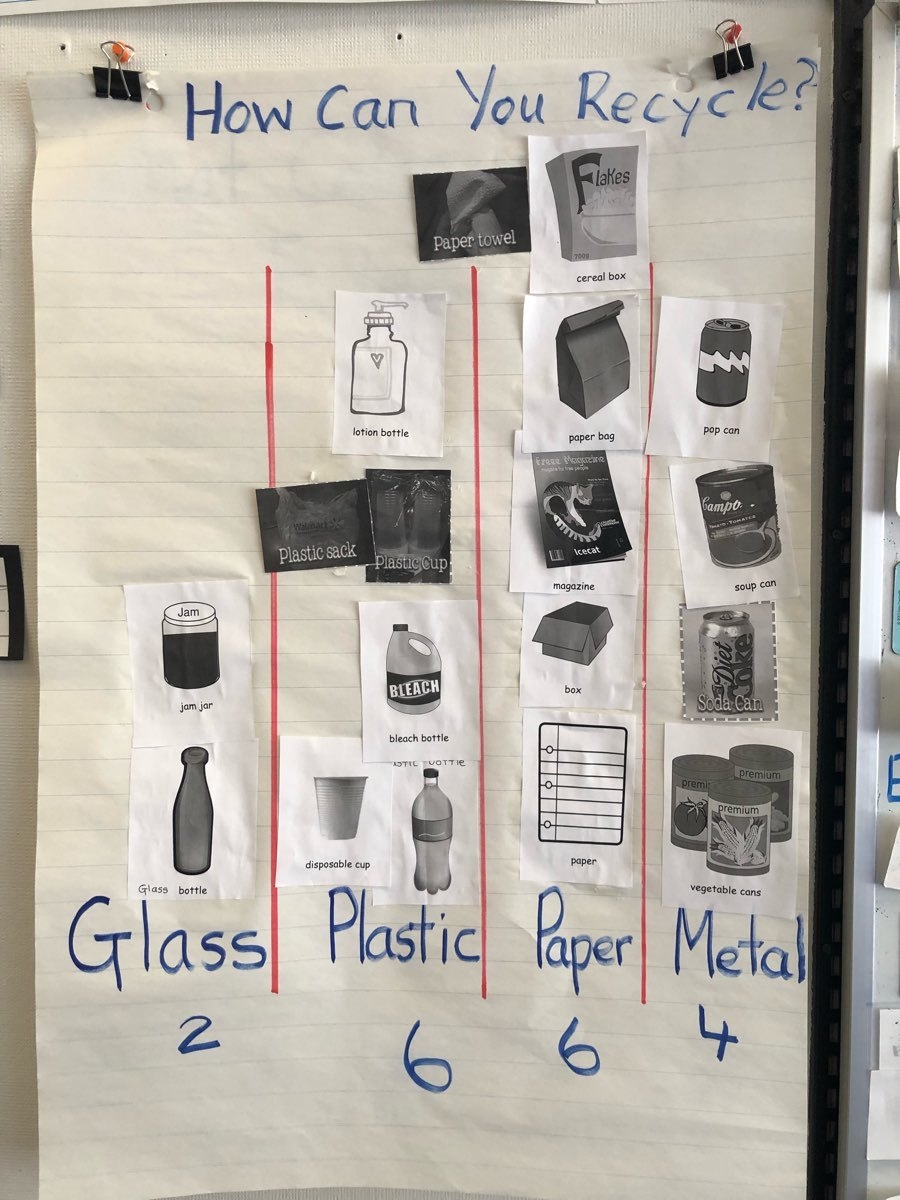
In this Math and SEL activity our learners are developing a sense of how math can help them understand themselves and the world around them. Our Kindergarten and Grade 1 cohort have been learning how to pose a question, collect the data and create a class graph representing the information. After creating the graph, they analyze it by asking and answering questions. Our learners sort out pictures of items that can be recycled and placed under glass/paper/plastic or metal. After gluing on the cards, they talk about which column has MORE/LESS/SAME, and made up their own titles.
Our learners can explore issues with an openness and willingness to see other perspectives.
Students develop strong connections and an overall sense of wellness within their learning community when their capacities for small group, academic discussions are developed. During "Book Clubs" in our Grade 6 cohort, students develop their capacity to participate in discussions by intentionally listening without judgment, asking open-ended questions, rephrasing what they've heard, and using language that is helpful, not harmful. Students share opinions, build on each other’s ideas; and affirm their classmates' thinking.
In response to this Book Club experience, our Grade 6 students expressed the following:
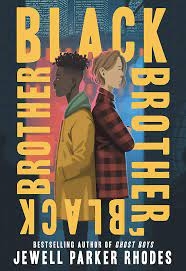
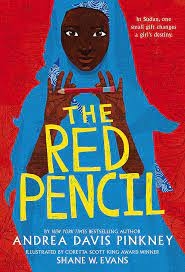
Reading the book The Red Pencil strengthened my understanding on the topics of family, friends, equality and inclusivity by reading from Amira's point of view on these topics. I can understand how she feels and I am glad I have not experienced what she has.
The book Black Brother Black Brother changed my opinion in how I think about equality and how every one should treat each other and respect each other.
I relate to this book because it is about family that hides about what they are because they are immigrants. Reading this book and talking about it made me realize to be confident about myself and be proud to be an immigrant.
This book made me realize how serious racism really is. I really liked the end of the book where Donte, the darker skinned brother and Trey the lighter skinned brother spread awareness at their school and wear matching shirts to stop racism at their school.
Responsible Decision making
Our learners can assess risks and address ethical, cultural, and environmental issues.
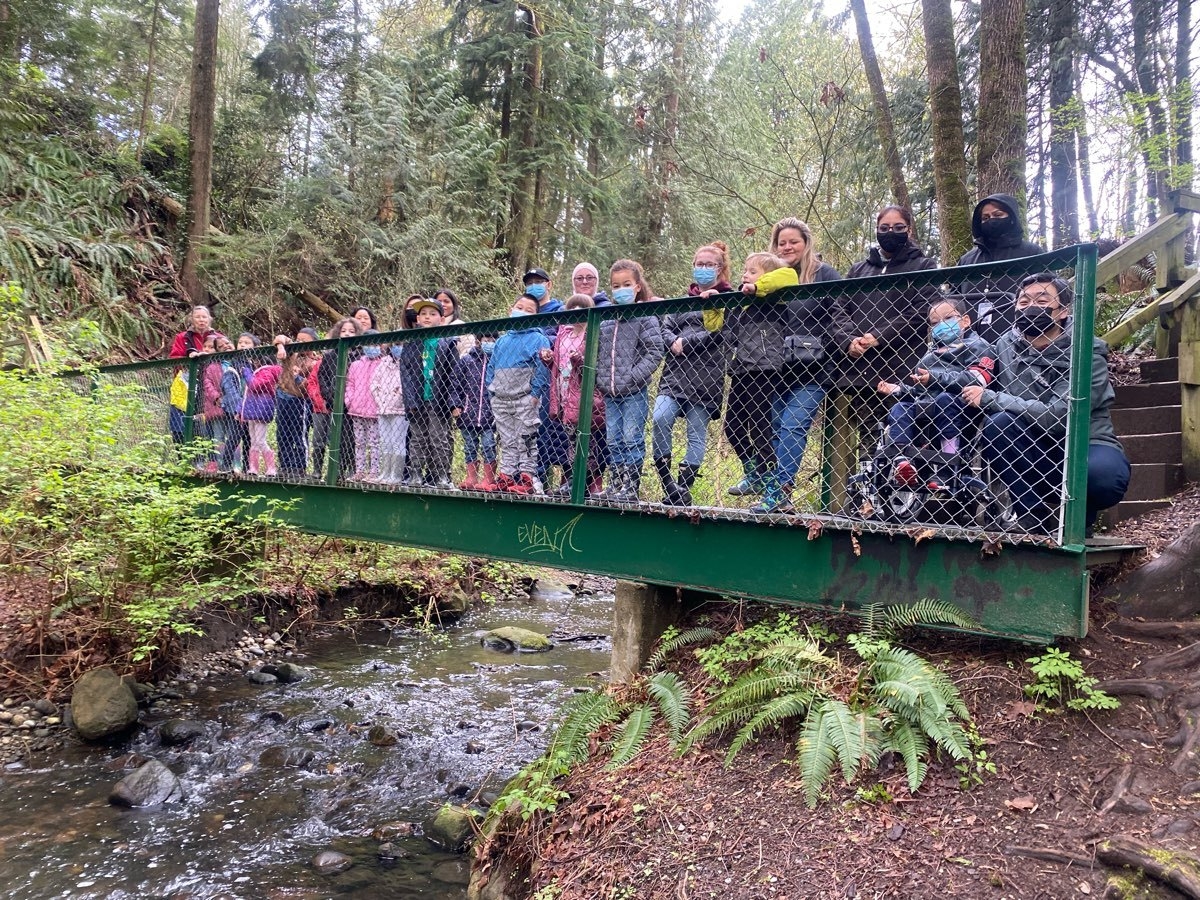
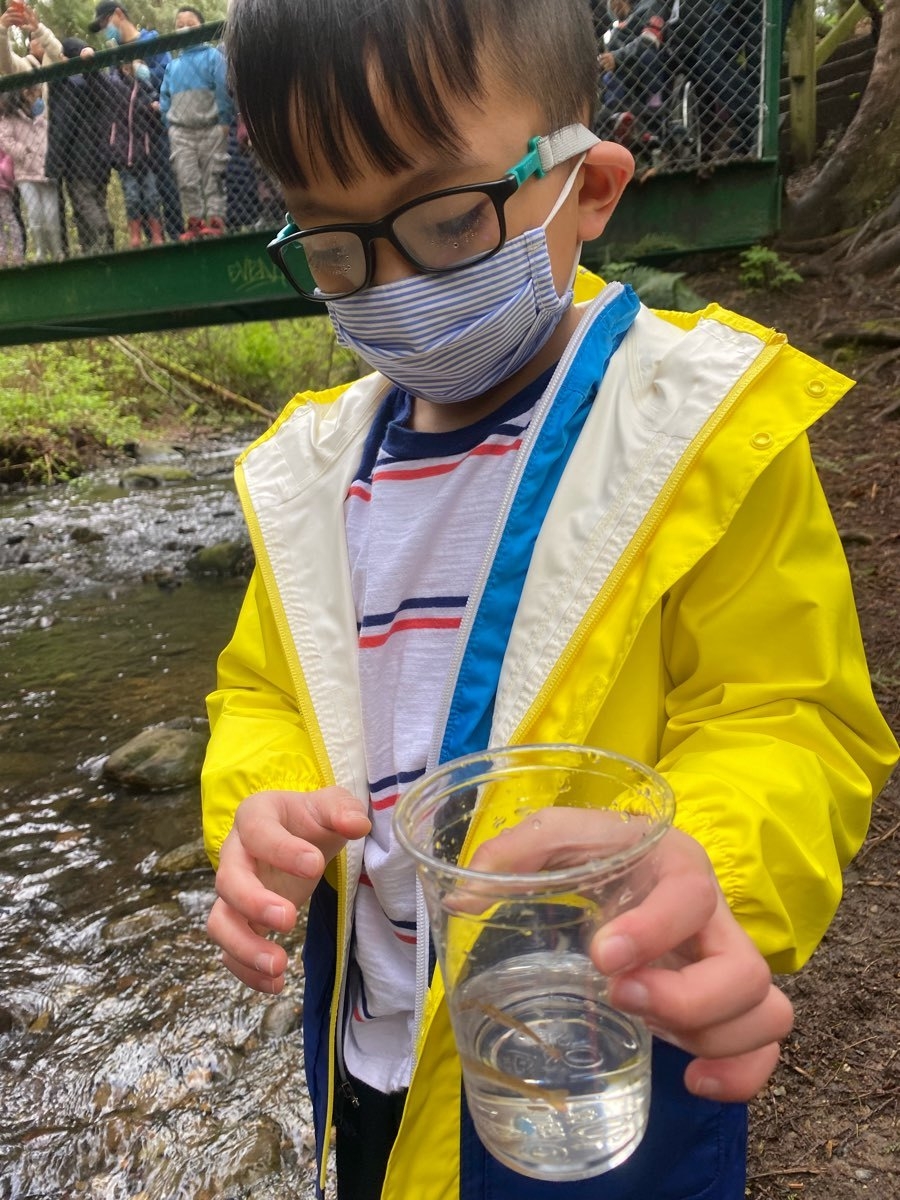
Across all grades, students consider ethical standards and safety concerns as they evaluate the benefits and consequences of their actions. In this Science unit, our learners investigate the sustainability of systems by exploring the life cycle of salmon. Our Kindergarten and Grade 1 cohort took salmon fry from their class aquarium to the creek by the ravine behind our school. The creek is a tributary of the Serpentine River, which is where the salmon eggs are from. Our students observe all of the things that would make this place an excellent home for the fry, including many tall trees for shade rocks and gravel for hiding places, and lots of fresh cold water. They also notice that there were a few things that could harm the precious salmon such as garbage. The students talk about how important a role they have in protecting the salmon and their home. One by one, each child came and released a fry or two into the creek. It was an experience that they are unlikely to forget anytime soon. Empowering children through knowledge and hands on experiences, is a key goal of the Salmonids in the Classroom program. The children have learned a lot about the salmon life cycle, such as being able to show what they know in words and, through pictures and in writing.
During Science, our learners develop their SEL capacities by thinking about the implications of their choices and the impact of these on others and the world around them.
Our learners are taking responsibility by developing plans and working collaboratively for the benefit of their community.
Our Grade 7's have been learning about the Power Play Young Entrepreneurs program over the course of a month. Each Grade 7 student has created a product, a business plan, marketing strategy, in hopes to sell their products at our school trade show. They have learned a lot about the process of starting one's own business. In some cases they have obtained start up loans from their parents (which, of course, must be paid back according to their loan agreements). Our learners showcased and sold their products to our school community. As a group, the grade 7's made the decision to donate $200.70 of their profits to BC Cancer Society.
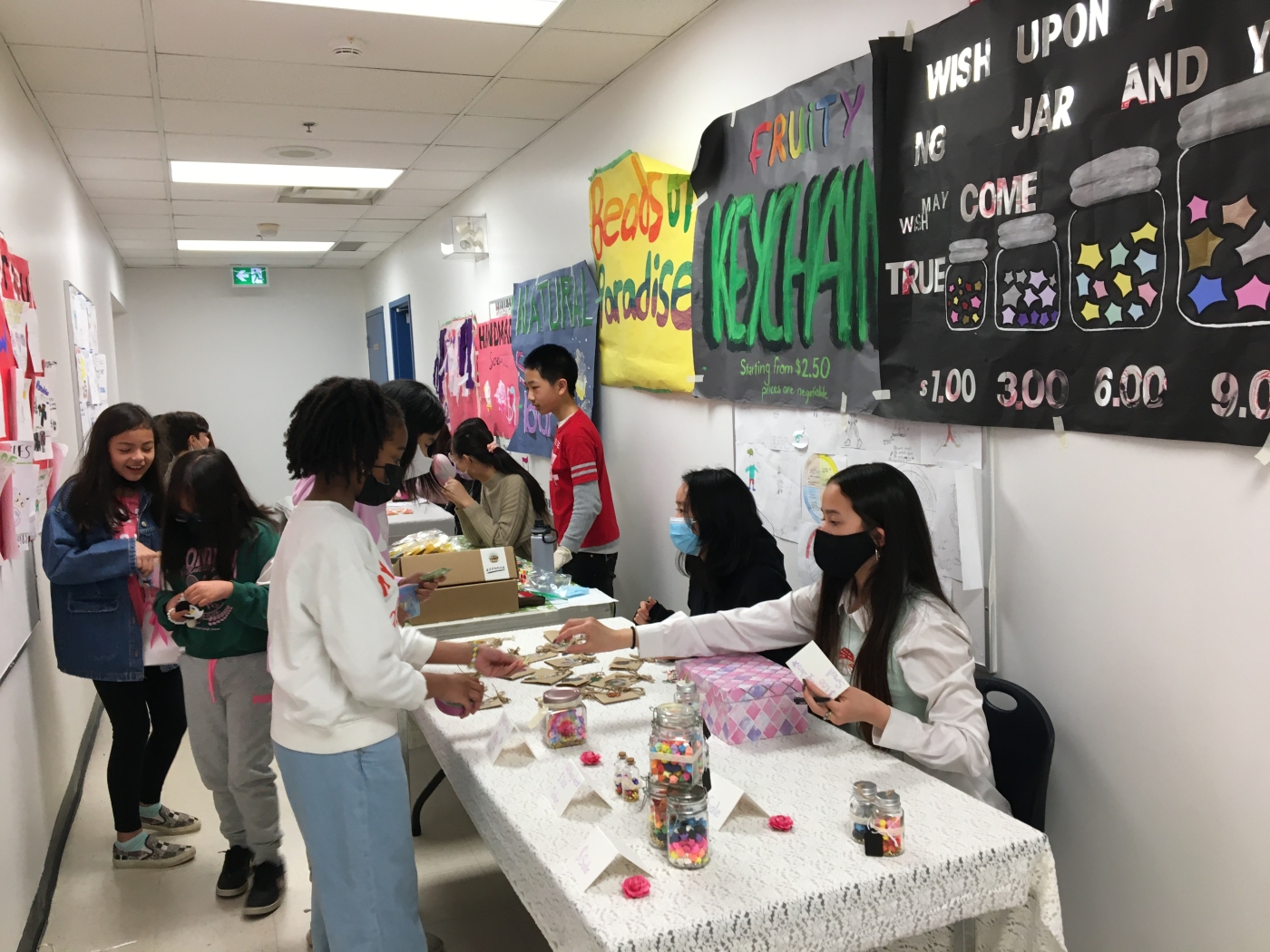
In response to the entrepreneur show and creating their business plans students expressed the following:
Before the entrepreneur show I didn’t really have high hopes that I would sell much but I am happy that I was able to sell out. I originally was going to make 25-30 keychains, but I didn’t have that much time to, so I only made 20, which wasn’t bad but I wish I could’ve reached my goal so I wouldn’t be stressed the day before the show. I had really fun making the keychains and had a lot of stressing when it would break but I hope the grade 7’s next year are able to do the entrepreneur show and have fun like I did.
At the entrepreneur show I was very excited and prepared to sell. I think it was a cool experience for me. I am proud of myself for being able to connect with the visitors/customers near my stand. I think I was really good at getting the younger kids to buy my products. I love how I gift wrapped my candles, so it attracted more customers.
Next time if I ever get this opportunity again I would like to improve on my selling skills. I want myself to improve on communicating to the customers and telling them more about my products than just telling them the price and what I'm selling. I want myself to continue learning that the money I earn from selling isn’t all my profit. I also want myself next time to price my products that are a fair price to me and the customers, not just the customers because that could make me lose money.
Our learners understand the Indigenous perspective that everything is inter-connected and that education is not separate from the rest of life. They can make responsible decisions that consider the perspectives, experiences, and worldviews of others.
Our Grade 3 students reflect on how the land shapes and influences the worldview of First Peoples. In this example, students learned about the Coast Salish skill of weaving after watching a short video from an Elder, and how stewardship and deep respect for the land allowed for the mountain goat and woolly dog to thrive and provide an abundance of wool for Coast Salish Peoples to use for thousands of years. Our learners’ choice to weave contemporary pieces using traditional weaving techniques demonstrate their learning of the importance of infusing traditional teachings within our 21st century world.
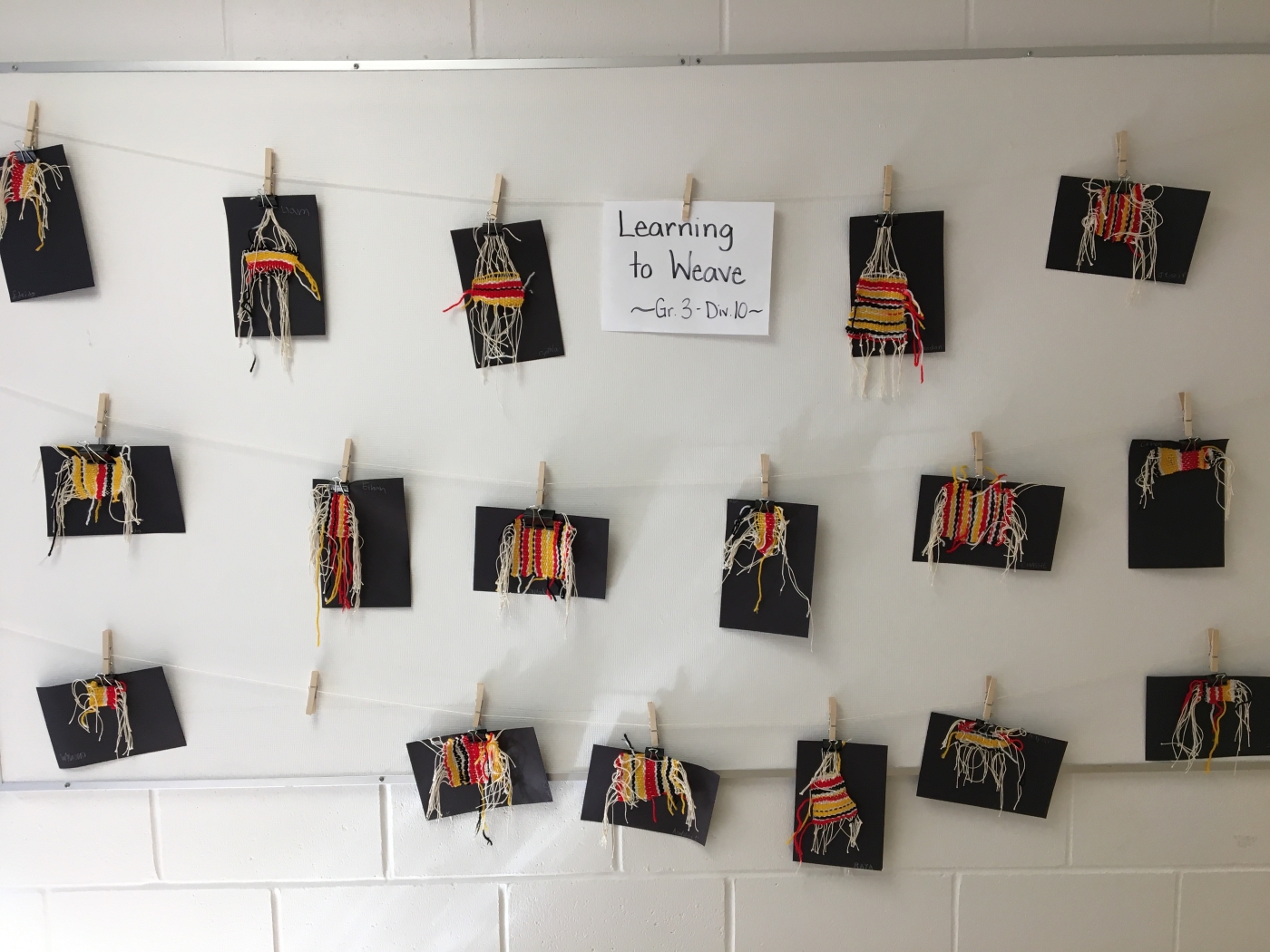
Our learners can assess risks and address ethical, cultural, and environmental issues.
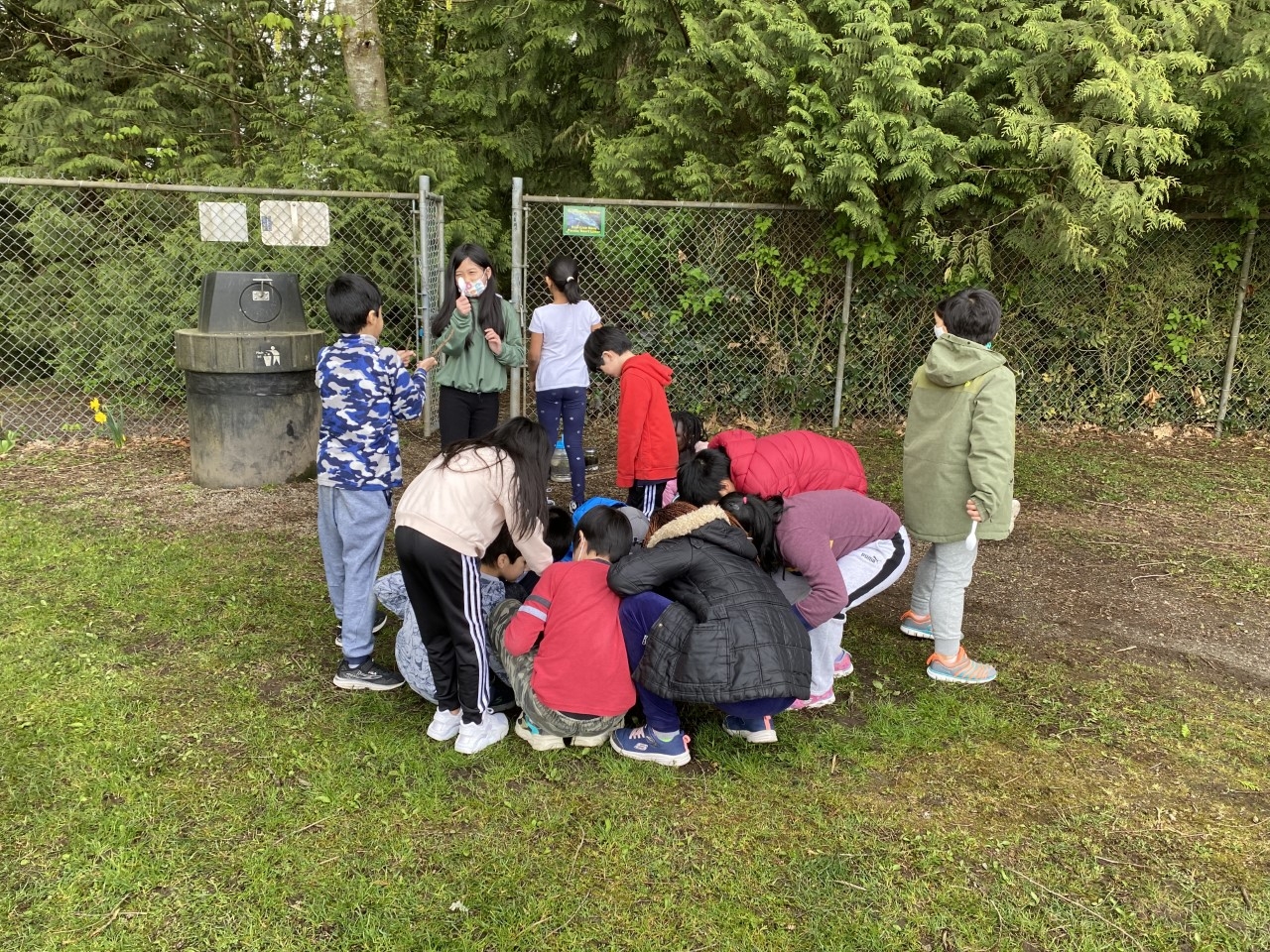
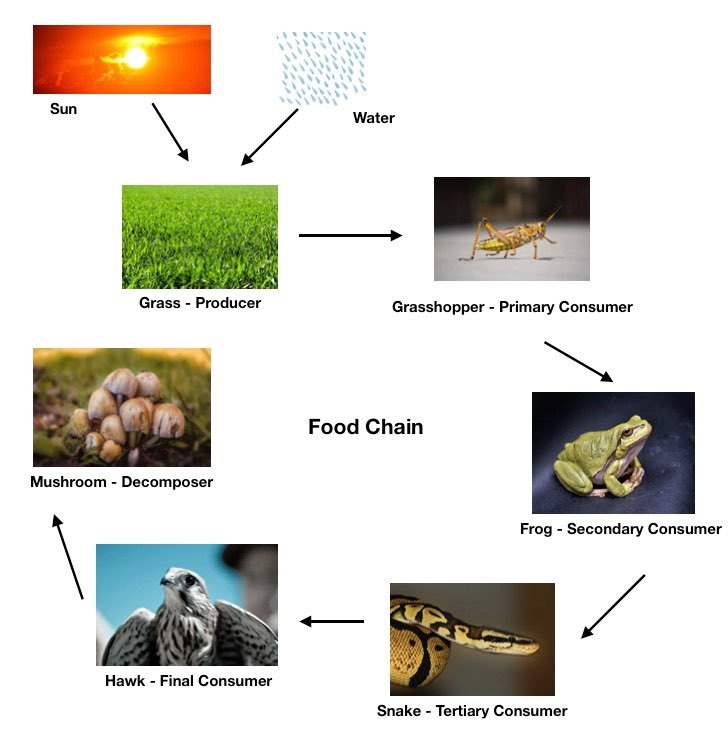
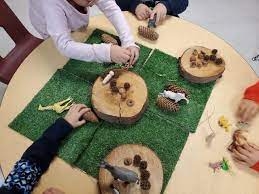
Our learners consider ethical standards and safety concerns as they evaluate the benefits and consequences of their actions. Our 3rd graders explore the importance of biodiversity in an ecosystem, including the impacts on our own school grounds. To help make these connections, students created a closed ecosystem that they observed over time to gather information about the changes. They also learned about food pyramids and webs and their direct impacts on the environment. During Science, our learners develop their SEL capacities by thinking about the implications of their research, experimental methods, and the impact of these on others and the world around them.
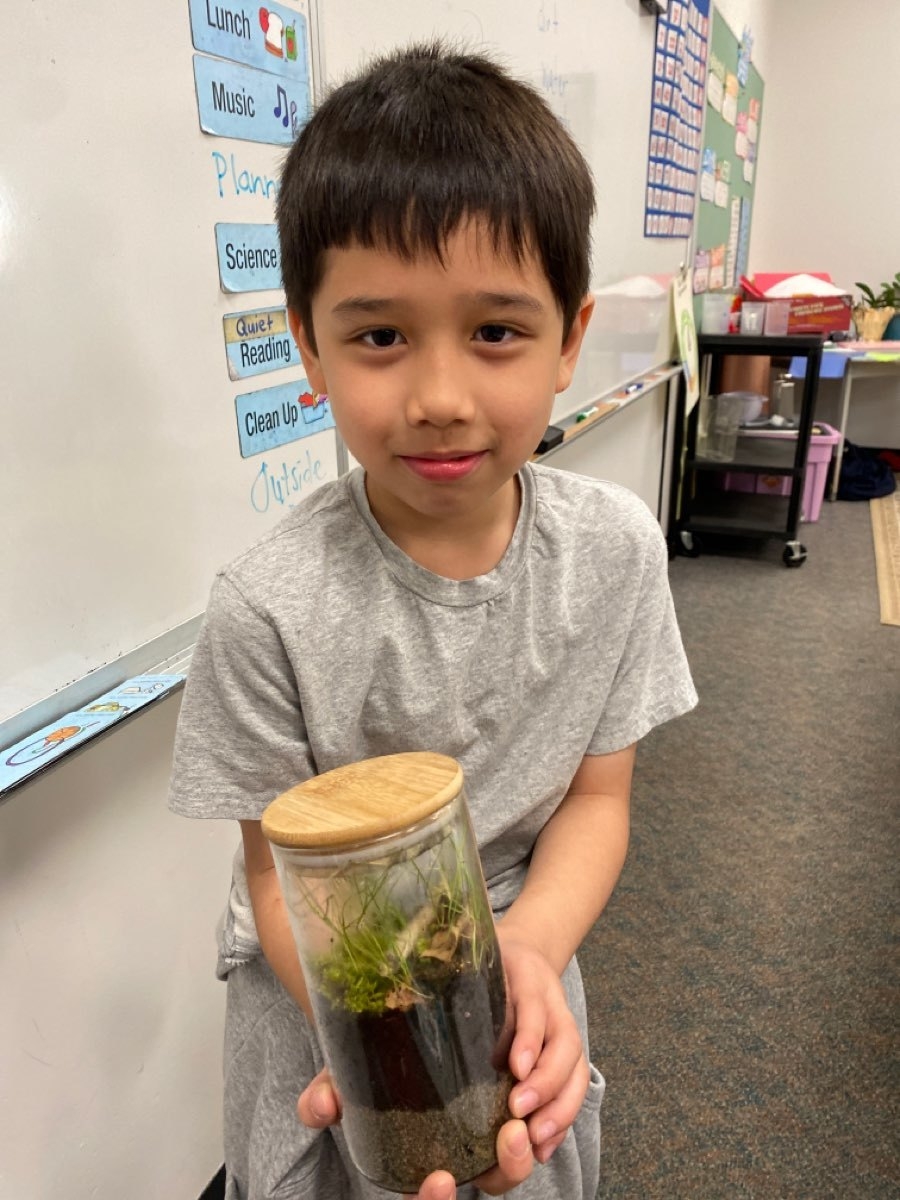
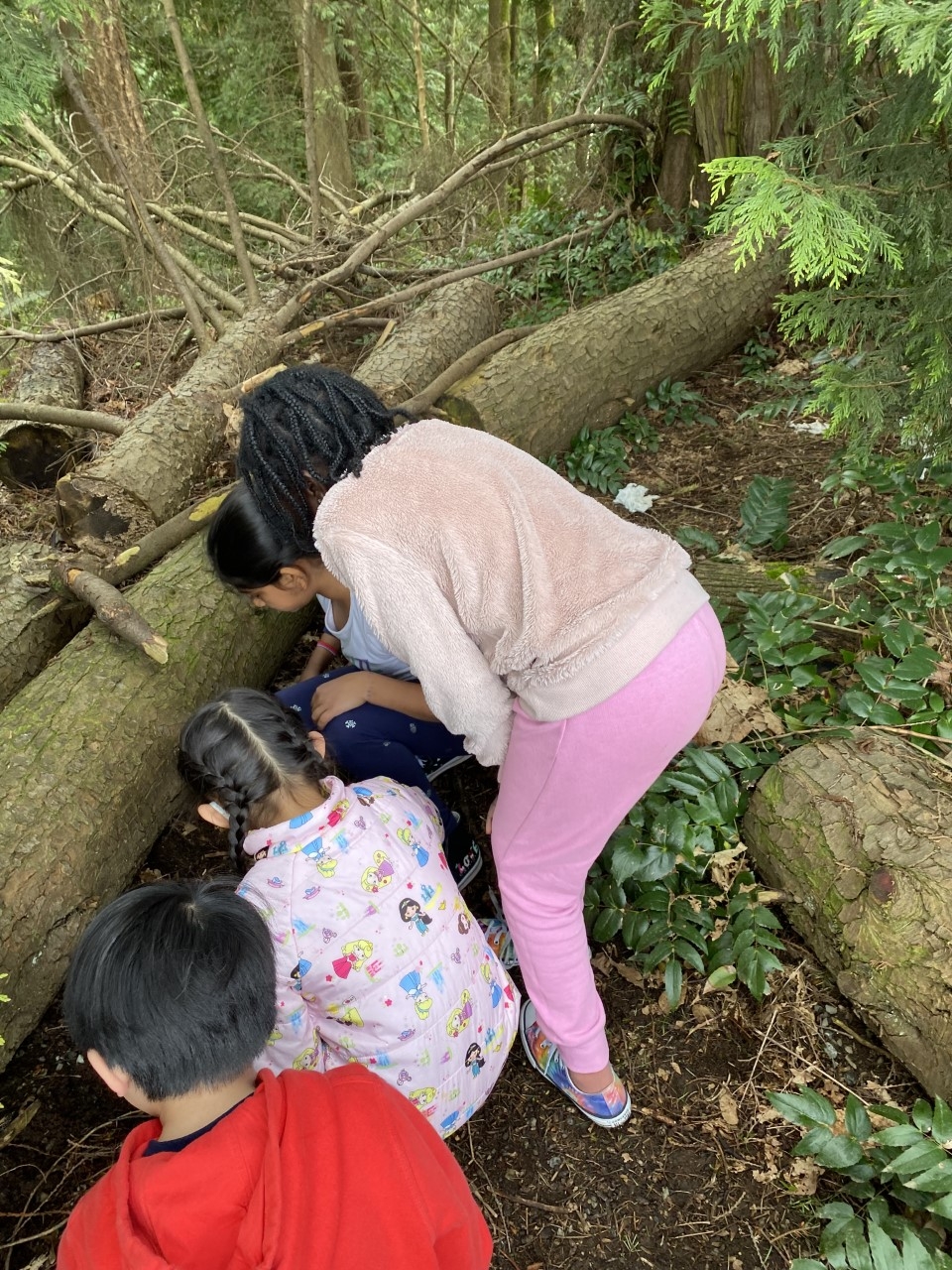
A student's recording of their observations over time:
I noticed that my grass when I first saw it was only a seed. After 1 month I noticed that all the grass grew. Some seeds died I think because they did not have enough nutrition. It is important to care for our environment.
OUR FOCUS
Every day, our learners are presented with opportunities to practice and demonstrate their Social and Emotional Learning (SEL) skills and capabilities. Our team of educators provide our learners with these essential skills to set them up for success in today's rapidly changing world. To identify students’ overall strengths and areas for growth, we tracked Responsible Decision-Making of learners across subject areas and grade levels. These cohorts include a diverse range of learners that are representative of our school’s population.
The personal and social core competencies we focused on in relation to “responsible decision-making” include:
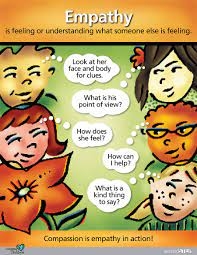
Students identifying and developing an appreciation for different perspectives on issues.
Students building and maintaining diverse, positive peer and intergenerational relationships.
Students developing an awareness of and taking responsibility for their social, physical, and natural environments by working independently and collaboratively for the benefit of others, communities, and the environment.
Below are examples of our students’ classroom experiences as they relate to responsible decision making.
Identifying Solutions to Personal and Social Problems through literacy
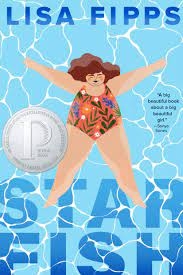
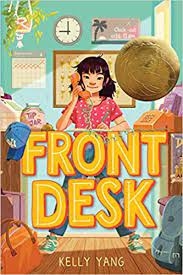
Our learners are provided with the opportunity to identify solutions to real world personal and social problems. Students participate in "Book Clubs" where they select, read and discuss novels that focus on complex, global issues such as equity, racism, and poverty.
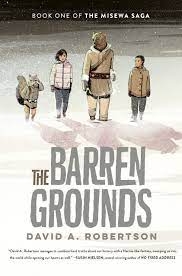
Many of our classes are investigating local First Peoples' knowledge of sustainable land practices. Through this process, students have an opportunity to make responsible decisions that consider their role as individuals and community members through their science, social studies and math lessons.
Identifying proactive strategies to self-regulate emotions through literacy and writing
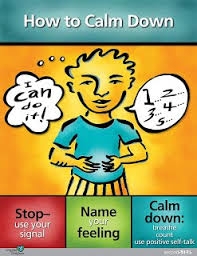
Students across our grade levels make use of different calm down strategies in relation to responsible decision making to help enhance optimal leaning across all subject areas. Many of our learning cohorts have created spaces within their learning environments for individuals to identify emotions through writing, story workshop and sharing circles.
Developing an Understanding of the Role of Personal Decision-Making in Promoting Community Wellbeing
The ability to make caring and positive choices about personal behaviour and social interactions is at the heart of responsible decision-making. In all areas of learning, students reflect on and evaluate the benefits and consequences of different actions. They think about the outcomes of these actions, and they ask themselves: How will this action impact others? Is it worth it? Why do I want to make this choice? Was this a strong choice? Will this help me or the community?
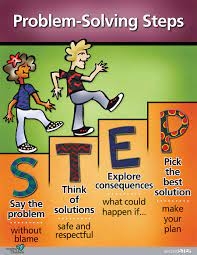
Our students use problem-solving processes that help them generate solutions to problems by thinking through possible options and outcomes. One of the processes our cohort of learners’ use is called STEP:
OUR NEXT STEPS
Our learners are developing their personal and social core competencies. In the focus area of responsible decision-making, students demonstrated an increase in their ability to:
Identify and develop an appreciation for different perspectives on issues.
Build and maintain diverse, positive peer and intergenerational relationships.
Develop an awareness of and taking responsibility for their social, physical, and natural environments by working independently and collaboratively for the benefit of others, communities, and the environment.
Identifying Solutions to Personal and Social Problems through literacy
Our Primary students demonstrated development of their SEL skills over time as they collectively brainstormed and discuss the many feelings inside their hearts. Students were introduced to the book, “In My Heart: A Book of Feelings” by Jo Witek. Students discussed feelings inside of their hearts to identify their positive and cultural identity which involves the awareness, understanding and appreciation of the factors that contribute to a healthy sense of oneself. Children also reflected on people, activities, foods, and places that lived inside of their hearts and how it makes them feel. Using Sharpies, they drew a map of their heart. They painted each section of their map with watercolours. Finally, they made an artist statement which explained their work. The results were colourful and profound representations of who they are and what is important to them. The sample below shows how kindergarten and first graders can articulate their thoughts and speak when they are aware of SEL skills and exhibit self-worth, self-awareness, and positive identity to become confident individuals who take satisfaction in who they are and what they can do.
One student's artist statement shows that they have a clear understanding of what is important to their life.
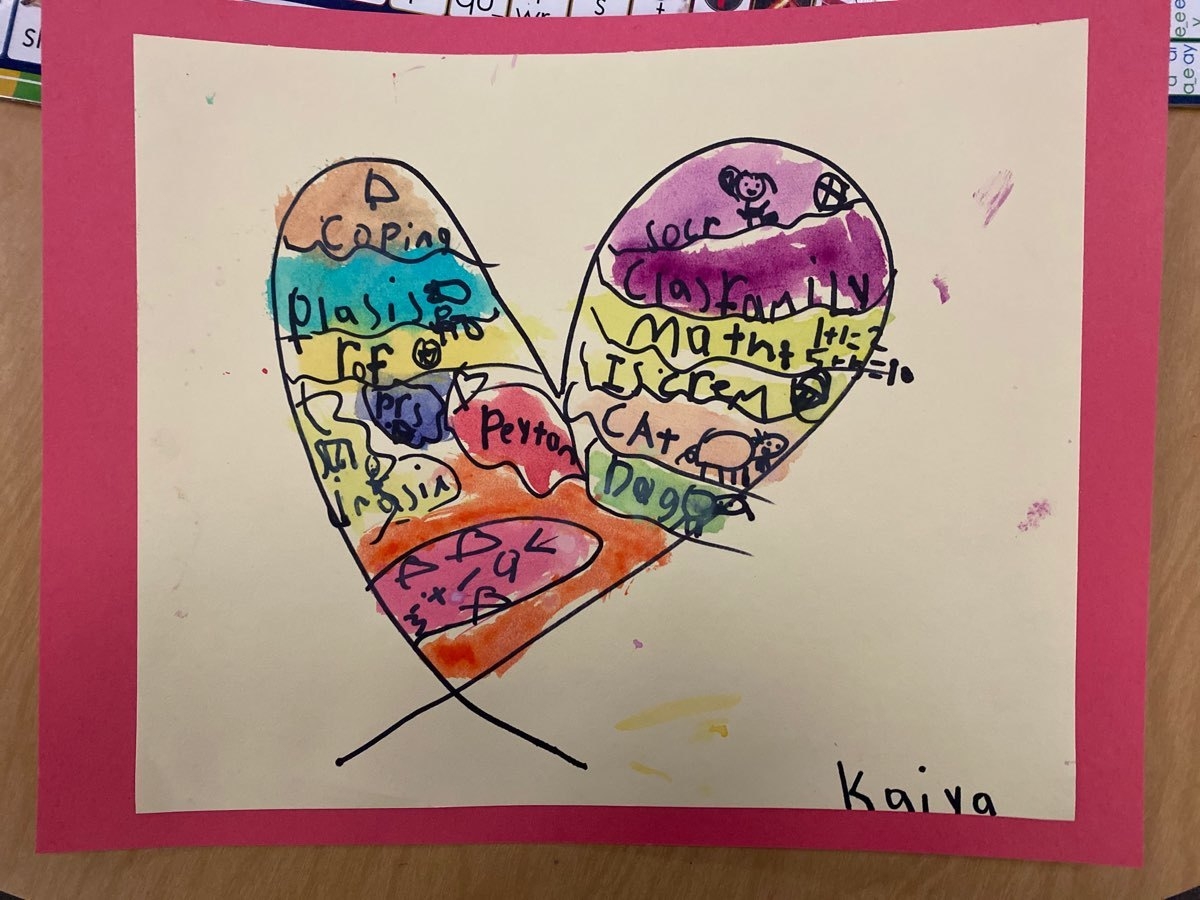
A first grader said this about their heart map:
In my heart is mom, dad, puppy, Mrs. Fraser, home, family, friends, trees, school, earth, forests, everybody, food, Kaiya, cousins, and the ocean.
Developing an understanding of the role of personal decision-making in promoting community wellbeing
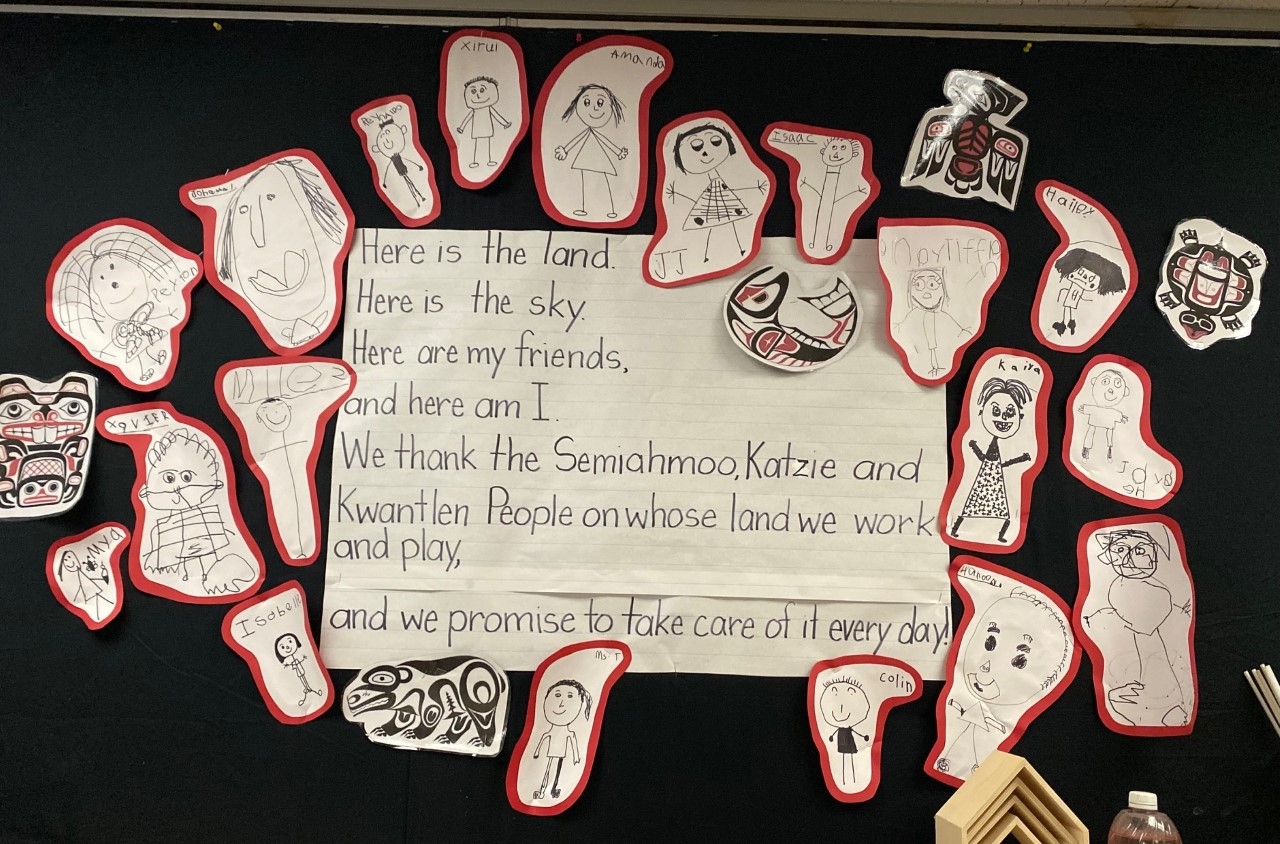
Our primary cohort begins each week with a land acknowledgement poem that they say together with actions
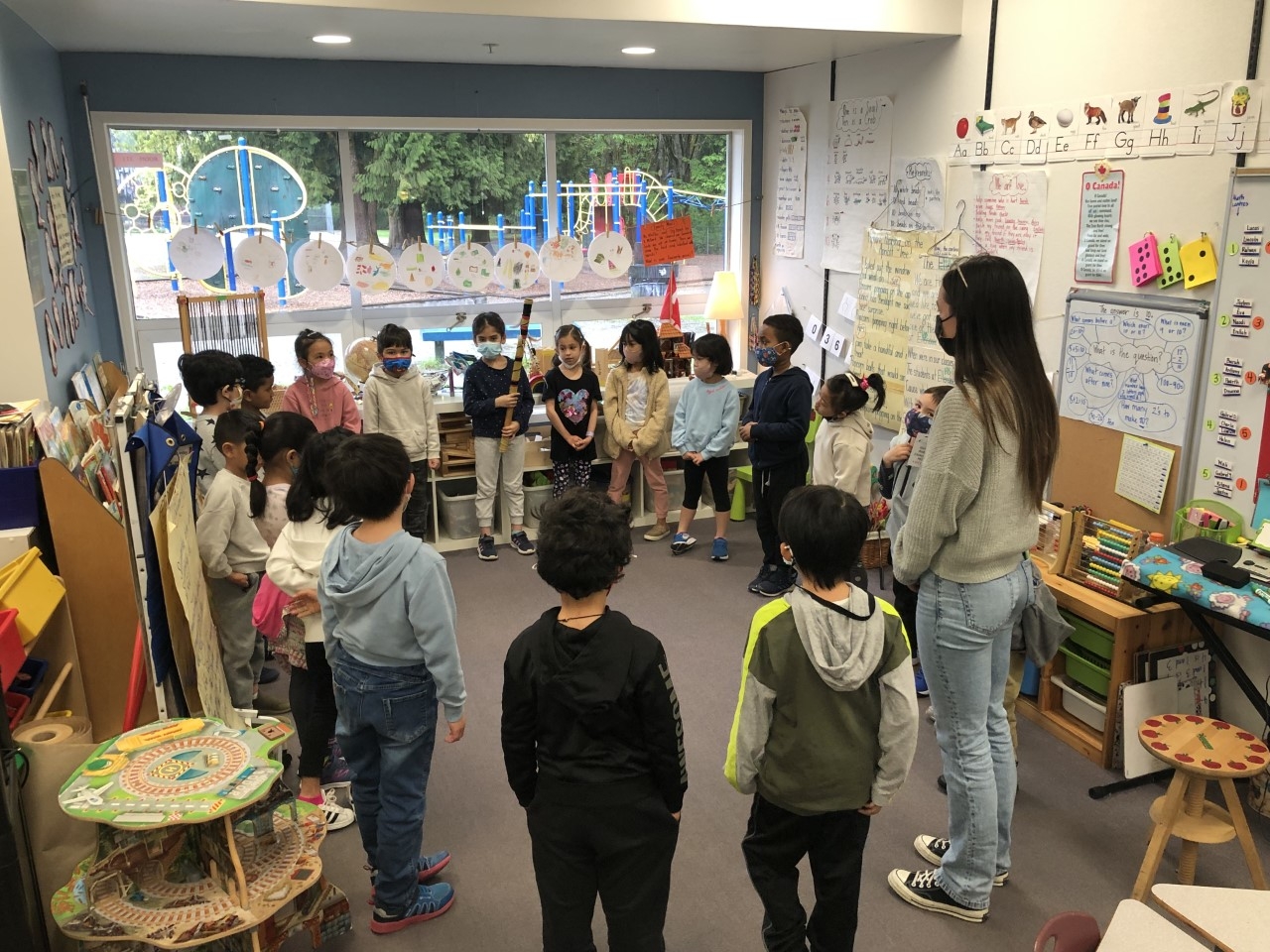
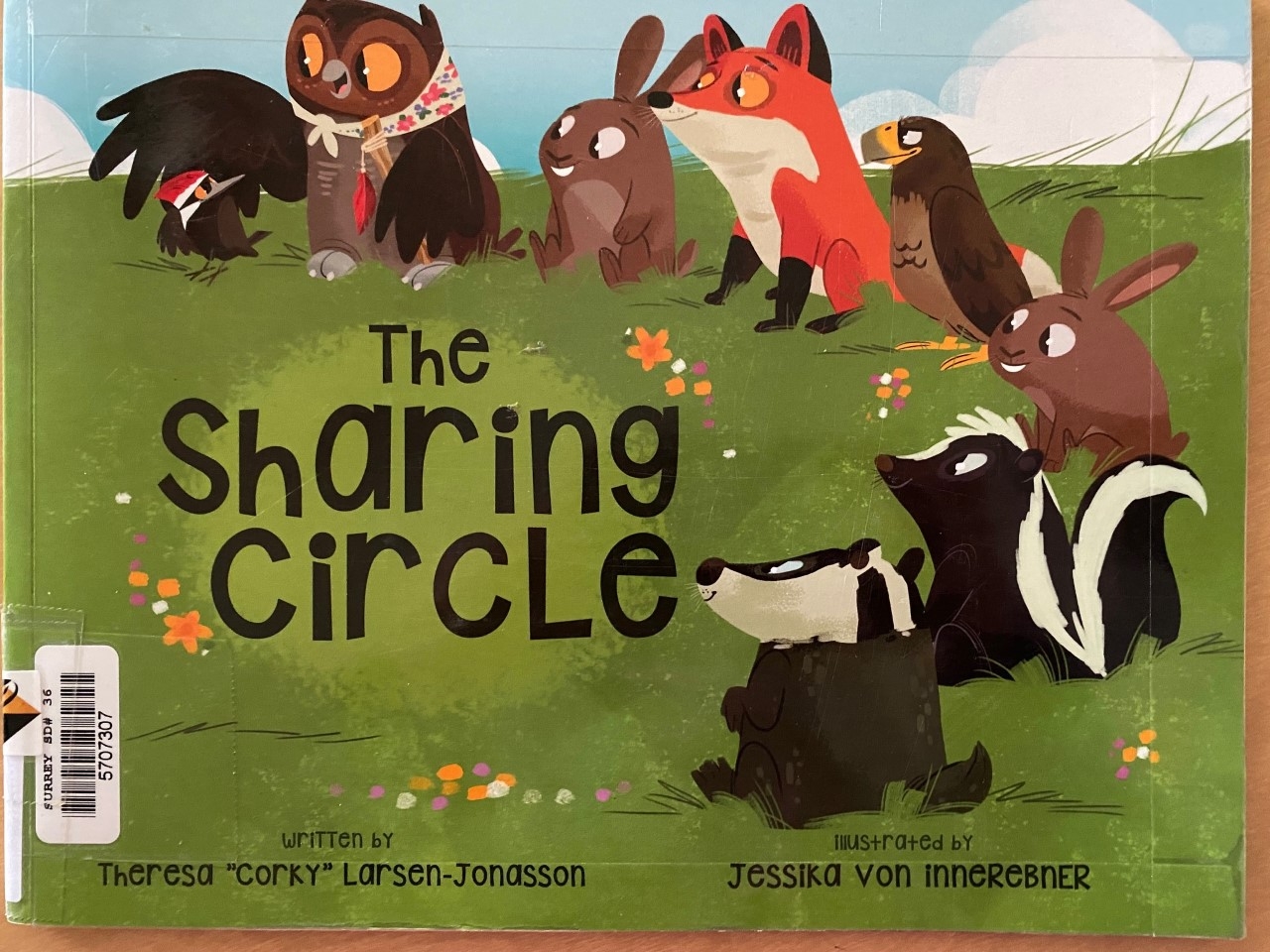
Our primary students have become familiar sitting in a circle on the carpet for their “Sharing Circle” over time. Our primary students model this routine after they have read the story " The Sharing Circle" together. The sharing circle is a traditional Indigenous format for discussions and decision making. Participants sit in a circle to demonstrate that everyone is connected and that every person has an equal voice. They pass the talking stick around their circle clockwise, like the rotation of the sun. Each person in the circle has the opportunity to share their thoughts, feelings or ideas. Only the person holding the talking stick is permitted to speak. The job of everyone else in the circle is to listen. Listening is the most important part of the sharing circle.
Through the time together sharing their stories and feelings, our students have also demonstrated the ability to come together as a class community. This powerful oral tradition, serves to improve personal and interpersonal communication. It teaches students patience, understanding and compassion. It aims to celebrate diversity and connections among each other. Students learn about trust, respect, honesty and thoughtful decision making. Over time of practicing this routine, each person in the sacred circle feels heard and honoured for their contributions. This special time together has a profound impact on who our students are as a class and how they care for one another.
The following examples demonstrate how the "Sharing Circle" serves to improve the personal and interpersonal communication and thoughtful decision making of our primary students.
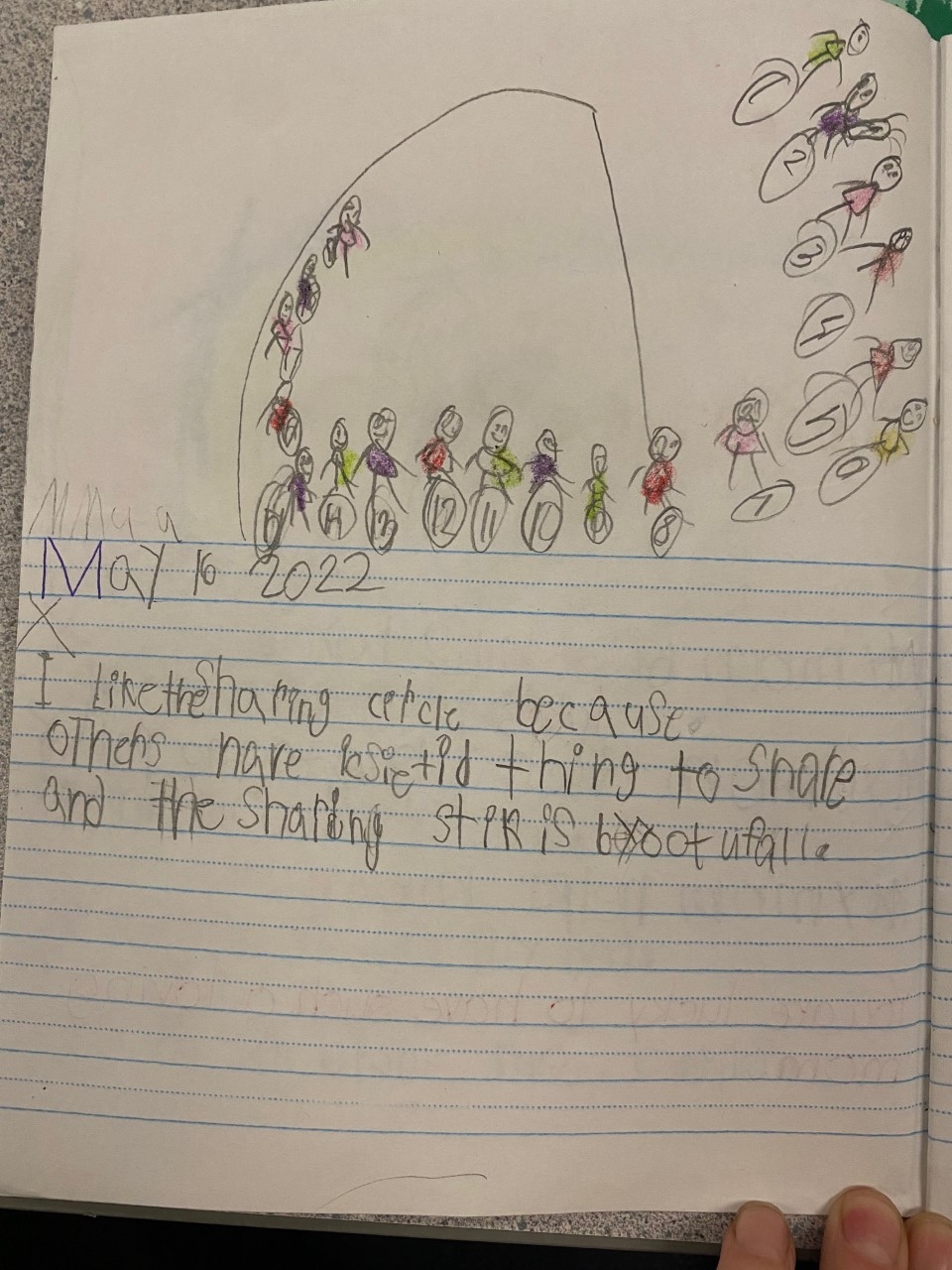
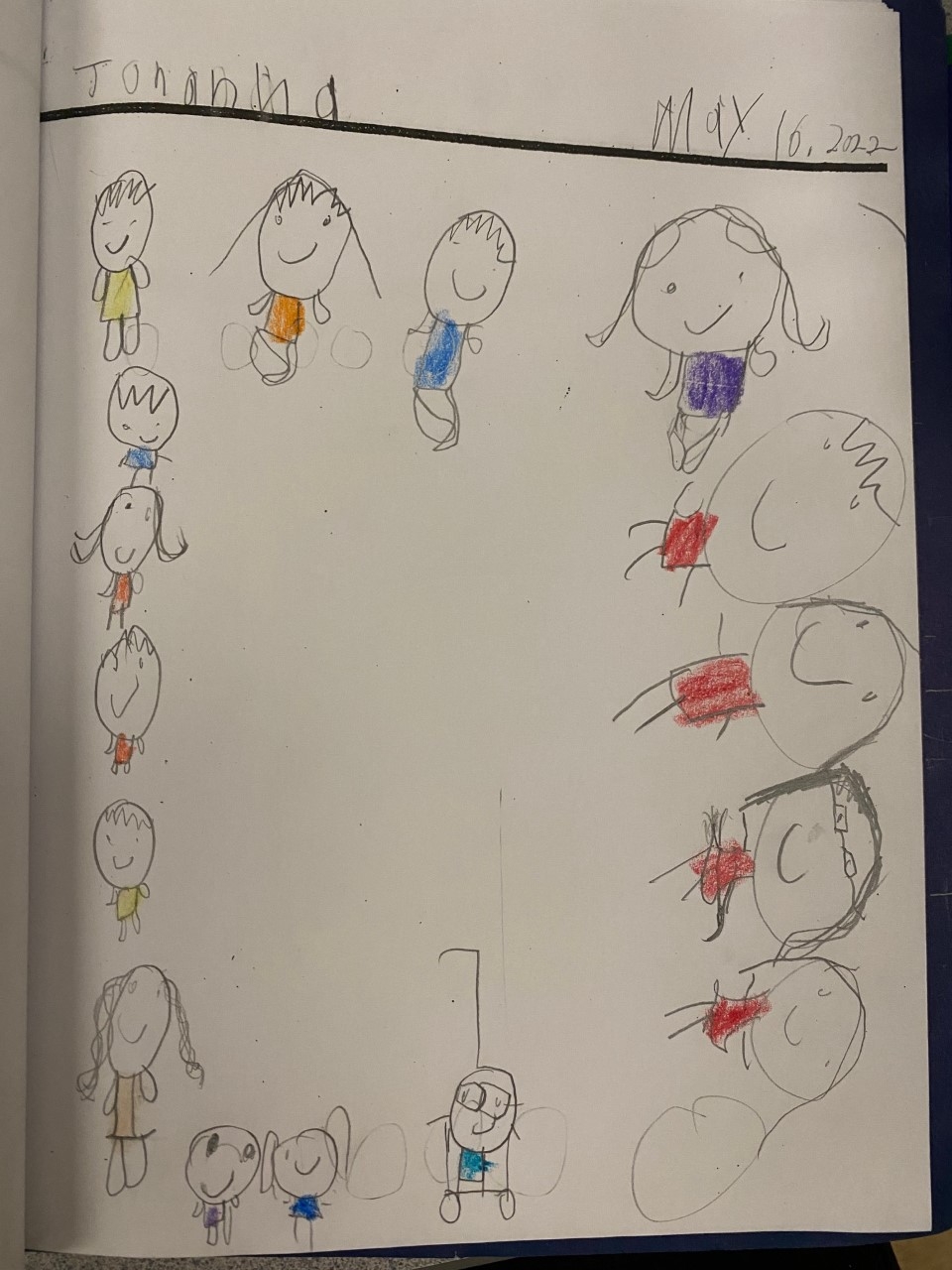
“Every voice is special. Every listening is special.”
“I like sharing circle because others have exciting things to share and the talking stick is beautiful.”
“I like sharing circle because I get to share my story.”
“We pass the stick the same way as the sun, and we listen to each other, and we look at each other as we talk.”
Collaborating Effectively with Peers
Evidence of our students' learning demonstrates they are collaborating and learning from each other. Based on their teachers’ reflections, 85% of our learners demonstrate they can effectively contribute during group activities, cooperate with others, listen respectfully, and express their ideas. In the sample below, our young authors demonstrate their ability to work with others to achieve a common goal:
Marking a peers work can improve my own writing because I can learn for their to not do their mistakes. Also what I am writing about their mistakes I will not be doing. Lastly It helps you do more of your transitioning.
Working in a group can improve my own learning because they have lots of good ideas. I can improve how to write a better topic sentence and add more transition words.
When developing a paragraph it is good to write a blue print so you don't forget what your writing about and so your always on track and lastly it will be there so if you want to add stuff to it and you won't forget about that idea
Moving Forward
Advancing our learners skillsets in self-awareness and responsible decision making have been very effective. Our students have progressed in their understanding of themselves and how this connects to their interactions with their peers, our school, and the surrounding community. As we continue with this work, we will build on it in the following ways.
Self-Awareness
- Increase opportunities for all students to reflect on their own self-awareness and connect how their emotional responses impact their actions and behaviour. This will be done in different contexts for deeper understanding (classroom, playground, hallways, gym, etc.).
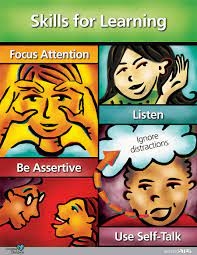
- Support students by teaching them greater self-awareness skills and strategies to effectively manage themselves and their learning (fidget tools, self-regulation strategies, environmental supports).
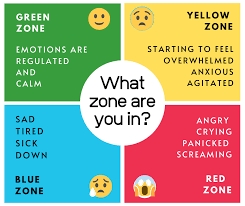
- Support our students across our grade levels learn strategies to help them understand the connection between their sensory systems, their emotions, and their abilities to relate to the world in ways that make others feel comfortable relating to them. One strategy is using The Zones of Regulation which incorporates core teachings from Social Thinking to help students learn more about perspective taking to better understand how being in the different Zones impacts others’ thoughts and feelings around them. In addition, the Zones curriculum helps our students gain an increase vocabulary of emotional terms, skills in reading facial expressions, insight on events that trigger their behaviour, and problem- solving skills.
Responsible Decision-Making
- Further imbed teaching of self-management skills throughout curricular areas (explicit SEL skills).
- Create more opportunities for students to take ownership of their learning and practice responsible decision making (i.e. learning through inquiry)
- Create opportunities linked to our learning standards and curriculum that develop the personal and interpersonal communication skills of our cohorts.
- Provide opportunities to connect with outdoor-ed classes, local Indigenous partners, and further develop our understanding of the connection between our actions and the environment.
- Provide opportunities for students to create healthy living goals that they can track.
Surrey Schools
Formed in 1906, the Surrey School District currently has the largest student enrolment in British Columbia and is one of the few growing districts in the province. It is governed by a publicly elected board of seven trustees.
The district serves the cities of Surrey and White Rock and the rural area of Barnston Island.