Georges Vanier Elementary

OUR LEARNERS
Literacy is a fundamental life skill. It is the ability to read, write, speak, and think in a way that lets us communicate effectively and make sense of the world. Communication-a core competency- is embedded across all areas of learning in BC's curriculum central to supporting our learners develop their literacy skills as they collaborate, problem solve, share ideas, share and exchange information, and express their individuality. Evidence of our learners many gifts, attributes, and competencies are illustrated below.
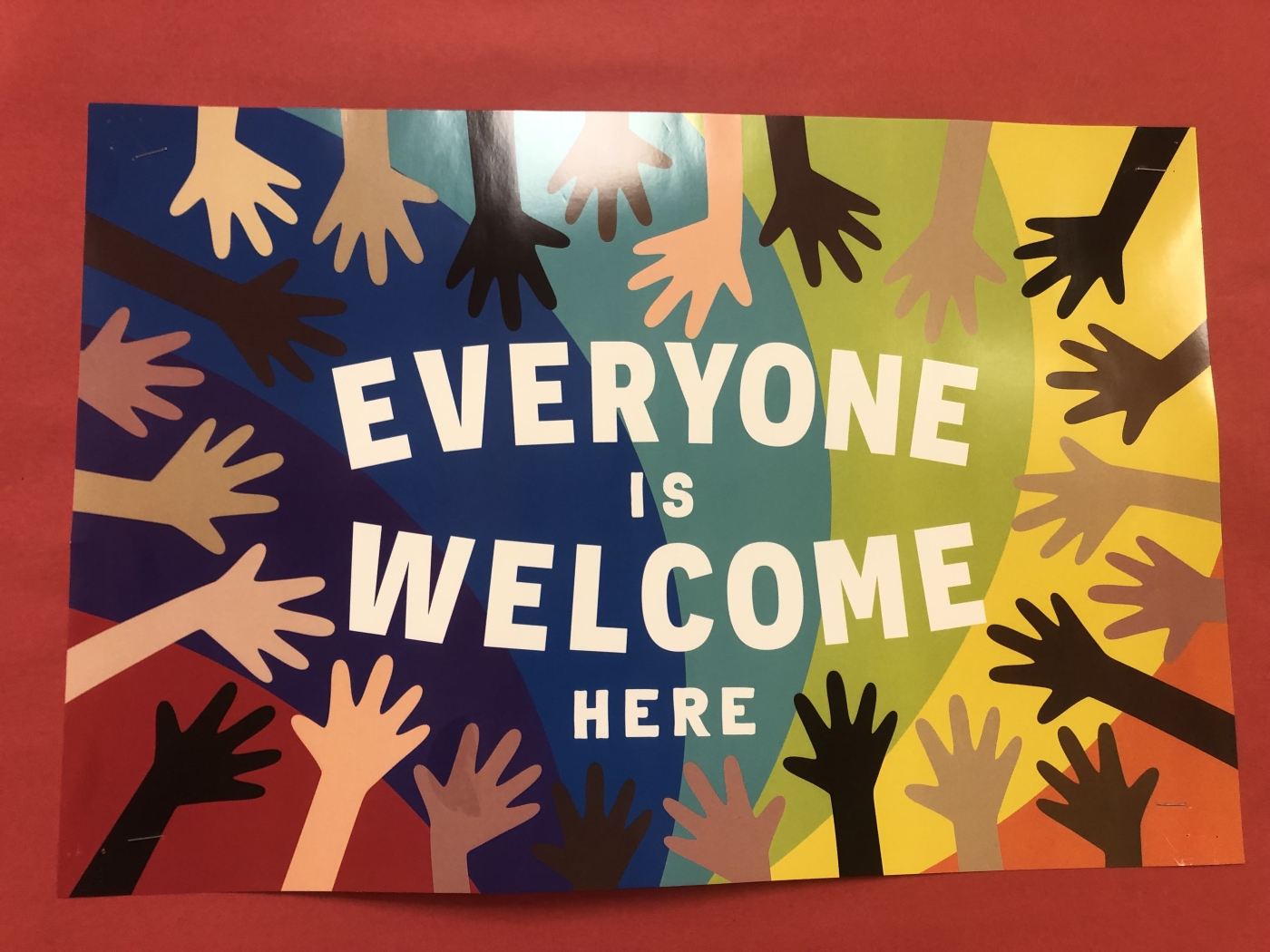
Our learners can communicate their ideas of inclusion, diversity, and collaboration.
Writing sample from a Grade 6 student:
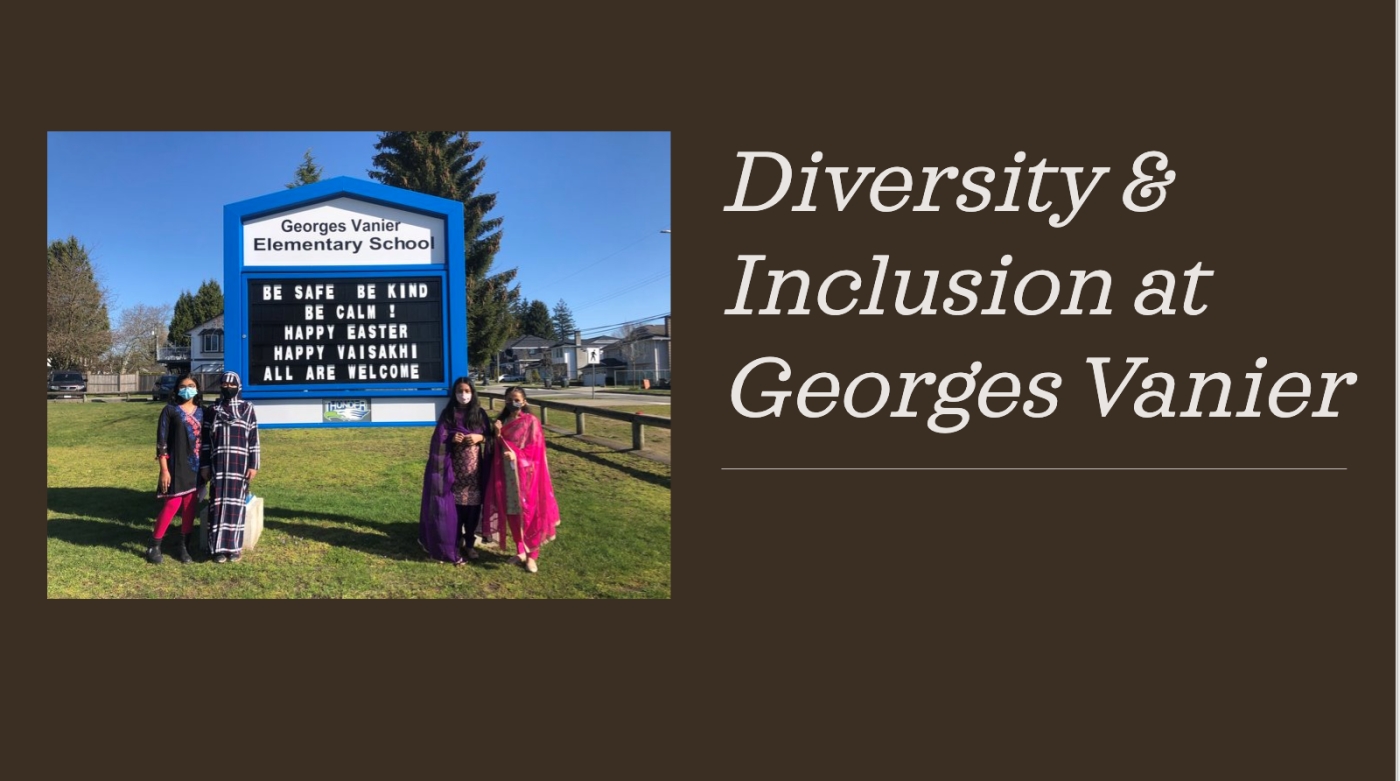
Let’s understand the connection between Diversity and Inclusion. Diversity is the "what"; inclusion is the "how." Diversity focuses on the makeup of our workforce — demographics such as gender, race/ethnicity, age, sexual orientation, veteran status, just to name a few, and inclusion is a measure of culture that enables diversity to thrive.
At our school Georges Vanier, we welcome diversity and inclusion whole heartedly. We also have the diversity club in place. We celebrate various festivities together which allows students to learn and accept different cultures. We respect and welcome all races, languages, ethnicities, genders and ideologies which makes us proud.
Our learners understand that learning requires exploration of one's identity. They can communicate pride in who they are and what they can do through images and written language.


Our learners can communicate their observations, explain their ideas, and reflect on their personal experiences. After our week long 'First People In Residence' Georges Vanier, our learners wrote about their reflections and the knowledge that was shared with them from our numerous cultural facilitators.


OUR FOCUS
Each and every day, among the variety of learning experiences presented to our learners, our team of educators focus on thinking, writing, and communicating in all curricular areas. Our aim is to build strong literacy foundations that are fundamental for student's participating in today's world.
Our students' learning goals include:
- Communicating their understandings and learnings with clarity (using oral, written, visual, and digital forms of communication).
- Collaborating effectively with peers (working together to complete a common goal).
All teachers, across all grades, provide students with learning opportunities aimed at increasing the literacy success of all learners. Students across all grade levels are using writing to create a welcoming and inclusive community, where all are welcomed, feel safe, and have a sense of belonging. To highlight and determine overall successes and gaps, we monitored the progress of one cohort of primary and intermediate Indigenous learners.
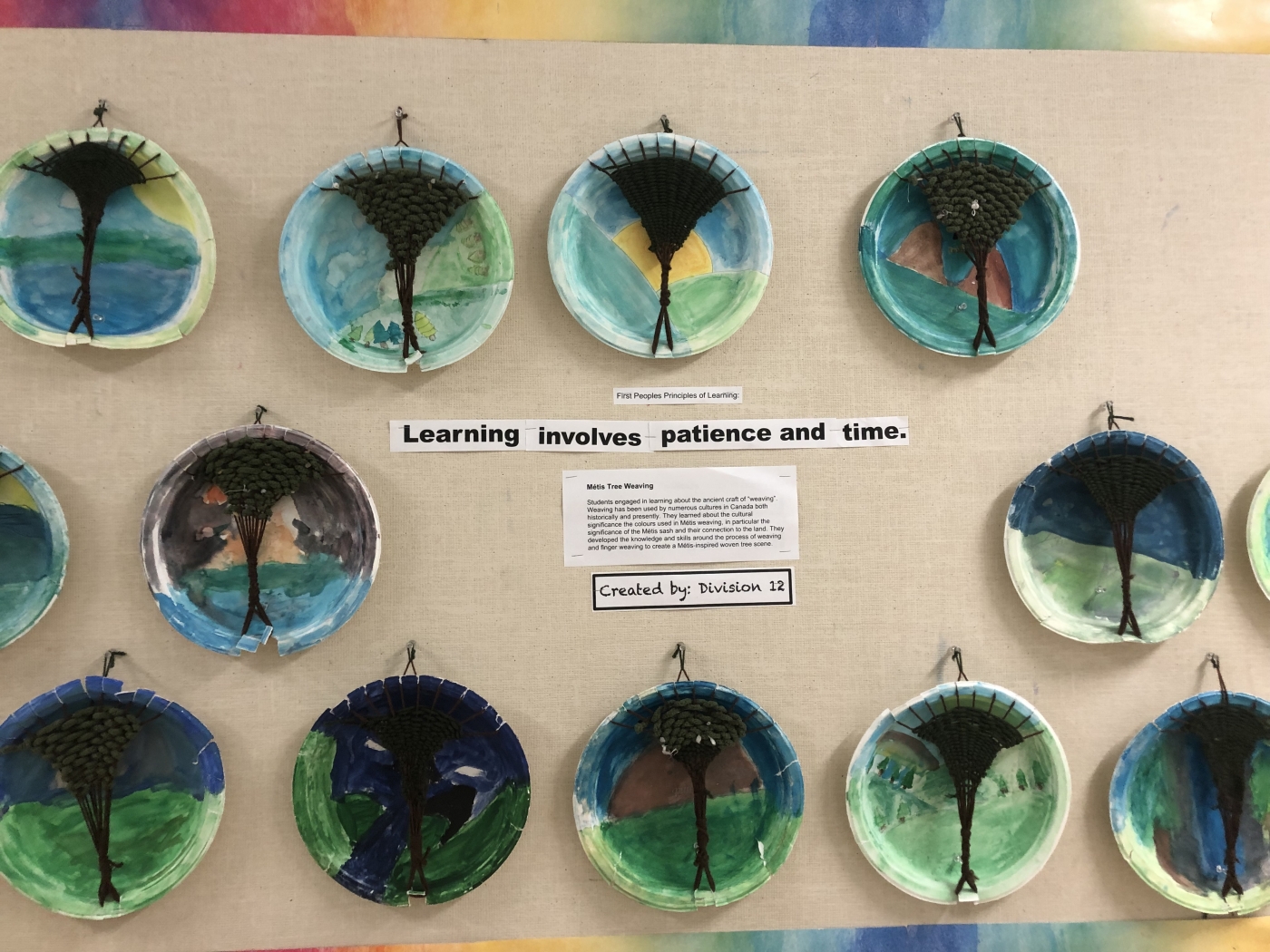
Experiences that have contributed to our students' learning goals include: providing opportunities to share student writing about a sense of belonging through Hands on Learning.


Experiences that have contributed to our students' learning goals include: providing opportunities to share student writing about a sense of belonging through Oral Communication. This was evident in our school-wide 'Ted Talks' where students chose, planned, and delivered an oral presentation on a desired topic.


OUR NEXT STEPS
Evidence of our students' learning demonstrates that our literacy focus is positively impacting our cohort of learners. When surveyed and asked to communicate their students' progress using the provincial assessment scale, teachers from the cohort indicated that all students are developing growth in relation to our two literacy goals:
- Communicating their understandings and learnings with clarity (using oral, written, visual, and digital forms of communication).
- Collaborating effectively with peers (working together to complete a common goal).

Based on the evidence gathered in students' portfolios, 87% of the students in the cohort demonstrated the ability to communicate their ideas with clarity. We are continuing to focus on developing this area.

Moving Forward
Based on evidence of students' progress in relation to our two learning goals, our next steps will include:
Communicating their understandings and learnings with clarity
- Increasing opportunities for students to regularly write personal experiences that support them in developing deeper understandings of their sense of belonging.
Collaborating effectively with peers (working together to complete a common goal)
- Further exploring how we can strategically support our learners to work collaboratively with one another, to build their sense of empathy and compassion, to listen respectfully to each others' stories.
Further Explorations
As a school community, we are committed to creating equitable, supportive and caring learning environments where all children and youth can thrive to reach their full potential. To this end, we will continue to monitor and adjust our student learning plan. By determining our progress; identifying what is working and what needs to be improved; reflecting and evaluating our plan; and using this feedback to adjust ongoing teaching and learning-we will support learners from our community in developing literacy proficiencies that cultivate a deeper sense of belonging.
Surrey Schools
Formed in 1906, the Surrey School District currently has the largest student enrolment in British Columbia and is one of the few growing districts in the province. It is governed by a publicly elected board of seven trustees.
The district serves the cities of Surrey and White Rock and the rural area of Barnston Island.