Frank Hurt Secondary 25-26

OUR CONTEXT
Frank Hurt Secondary acknowledges that the land and waters on which our students, staff, parents, and entire community work and learn are the traditional and unceded ancestral territories of the Katzie, Kwantlen and Semiahmoo First Nations.

When you walk through the doors of Frank Hurt Secondary, you will be welcomed by one of our students, if not a group of students. You will see engagement, the sounds of productive interactions and feel like you are in a community that is proud, inclusive, and generous.
As you walk the halls you may notice the age of the building, but that does not hide the youthful energy of the individuals within. Students are working co-operatively with caring adults to learn, resolve issues, and succeed academically, socially and emotionally. This is Frank Hurt, home of the HORNETS!
Frank Hurt offers a variety of academic classes along with a multitude of electives. This range of choice promotes our students to get involved in whatever area they find challenging and interesting. We want to have our students grow into well-rounded human beings when they graduate from Frank Hurt and enter the world after high school. As we say to our students all the time, high school is the just the beginning, your lives will flourish once you leave our building as a graduated Hornet.
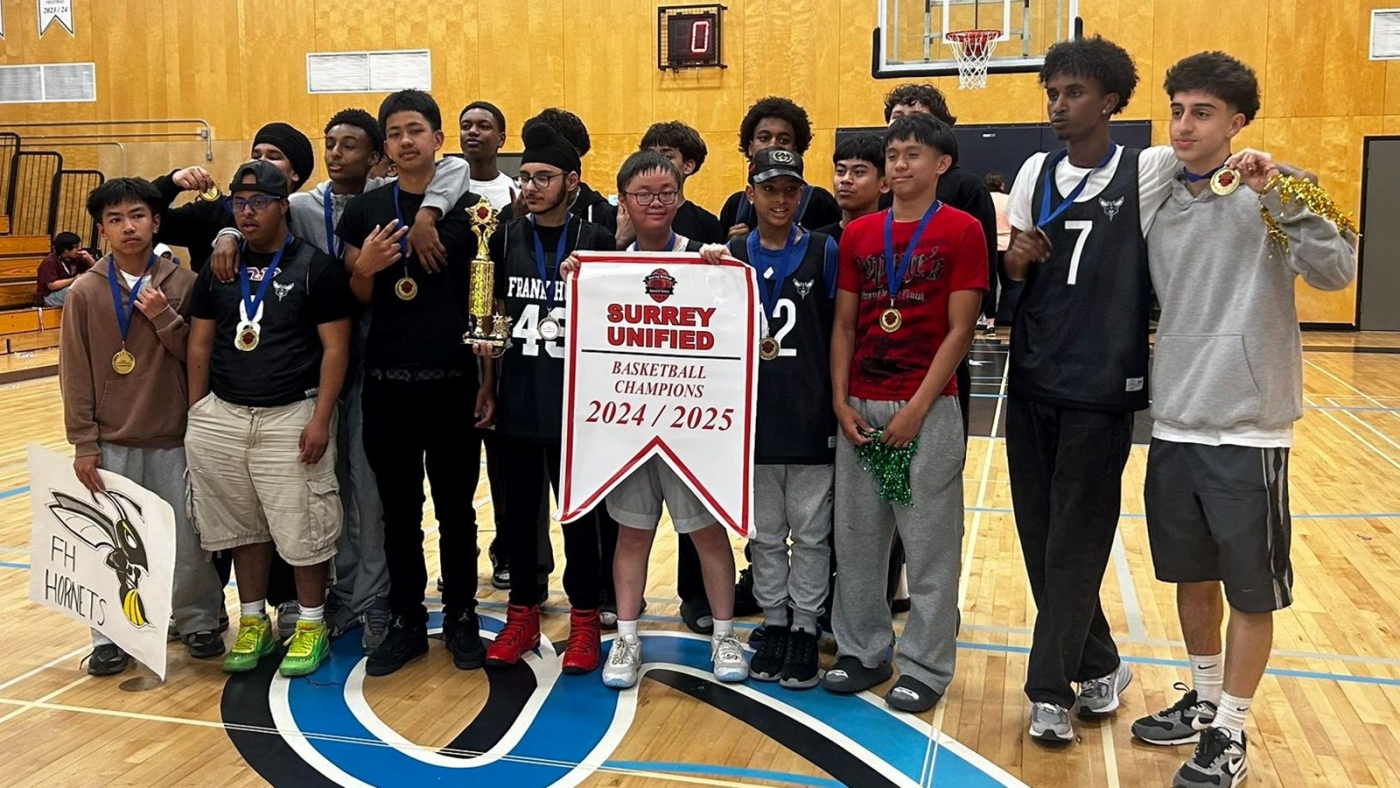
The Frank Hurt Unified basketball team winning the first ever Surrey Unified Championship.

The students in our robotics class can use critical thinking skills to develop and design robots to make designs on a floor. They collaborate with their peers to plan, carry out, and review construction of their robots.

Working in the great outdoors to self-regulate and take care of their well-being perfectly captures our students demonstrating their personal awareness and responsibility.
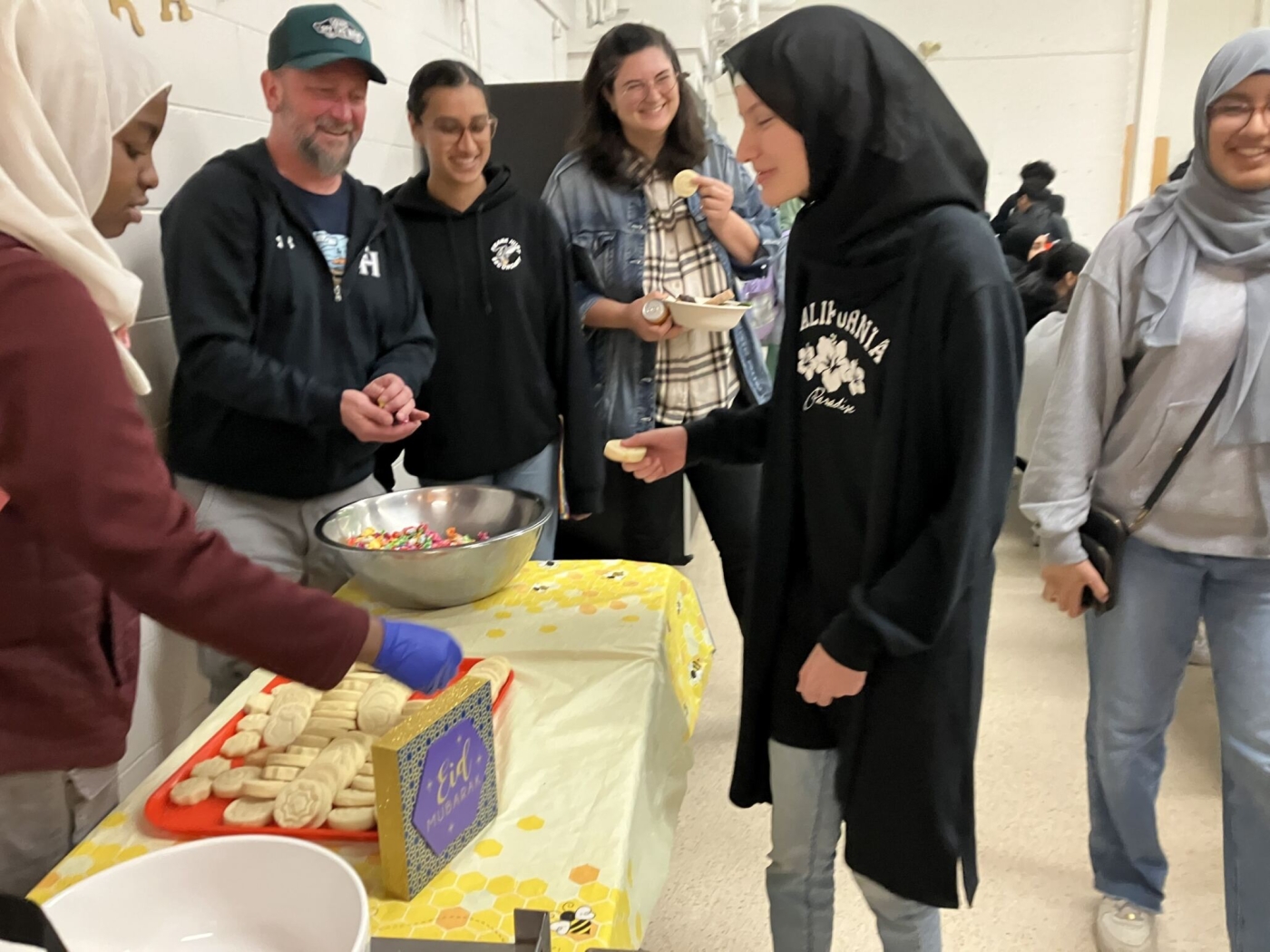
Eid Mubarak
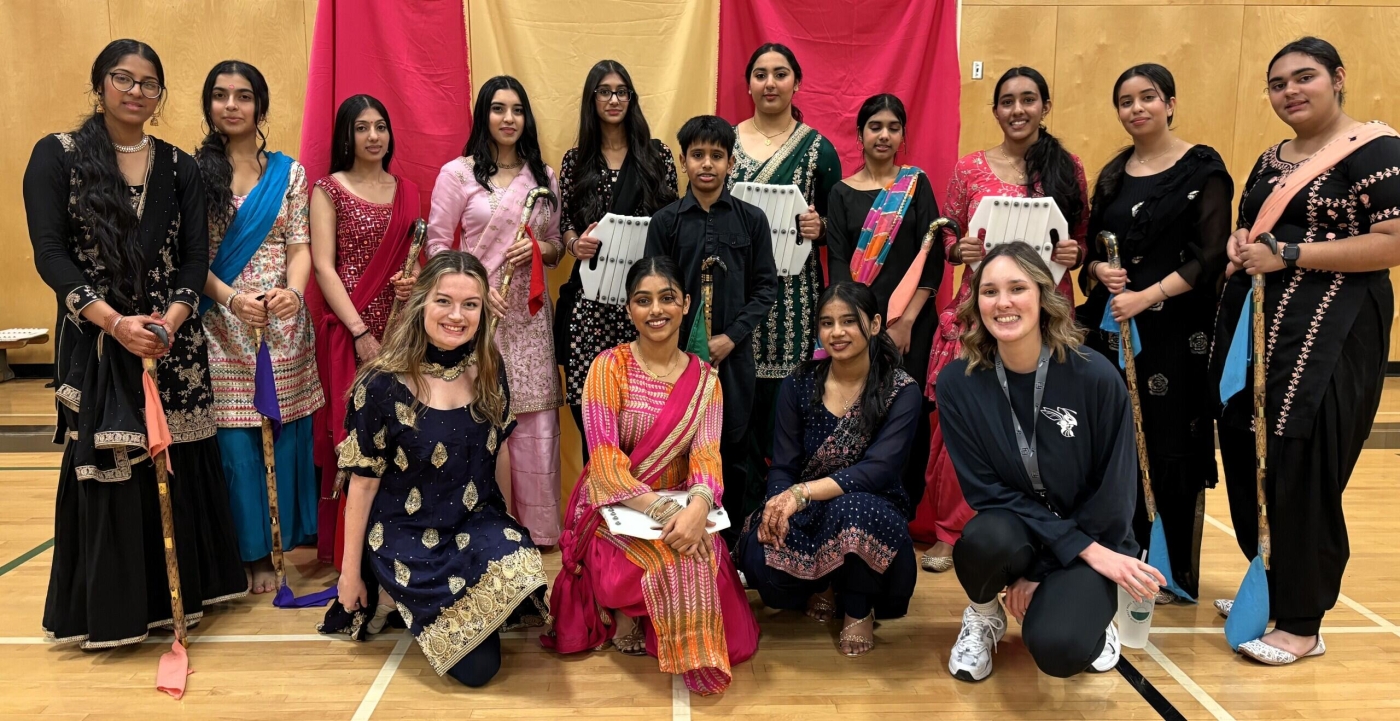
Happy Diwali
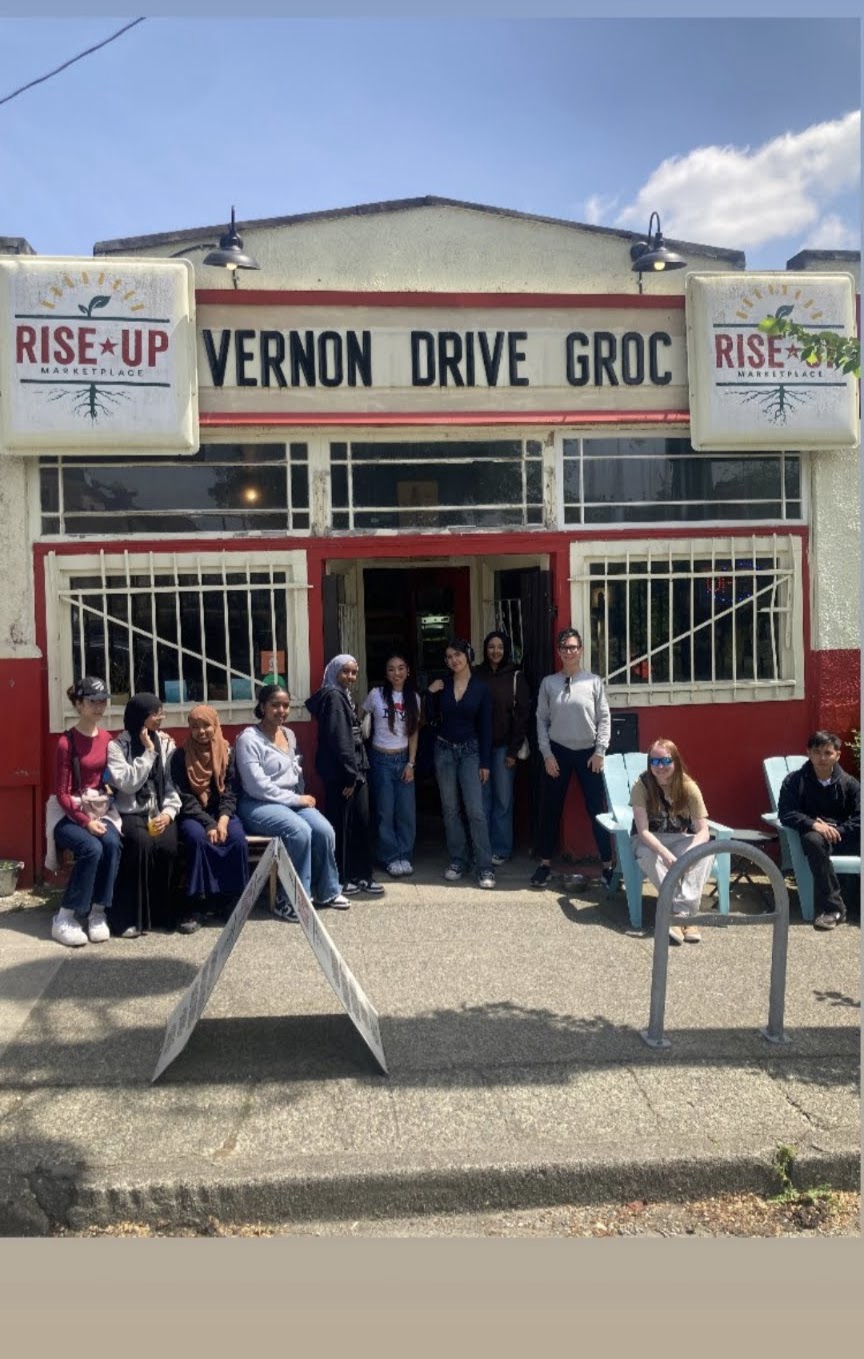
Black Studies class on a tour of Hogan's Alley in Vancouver
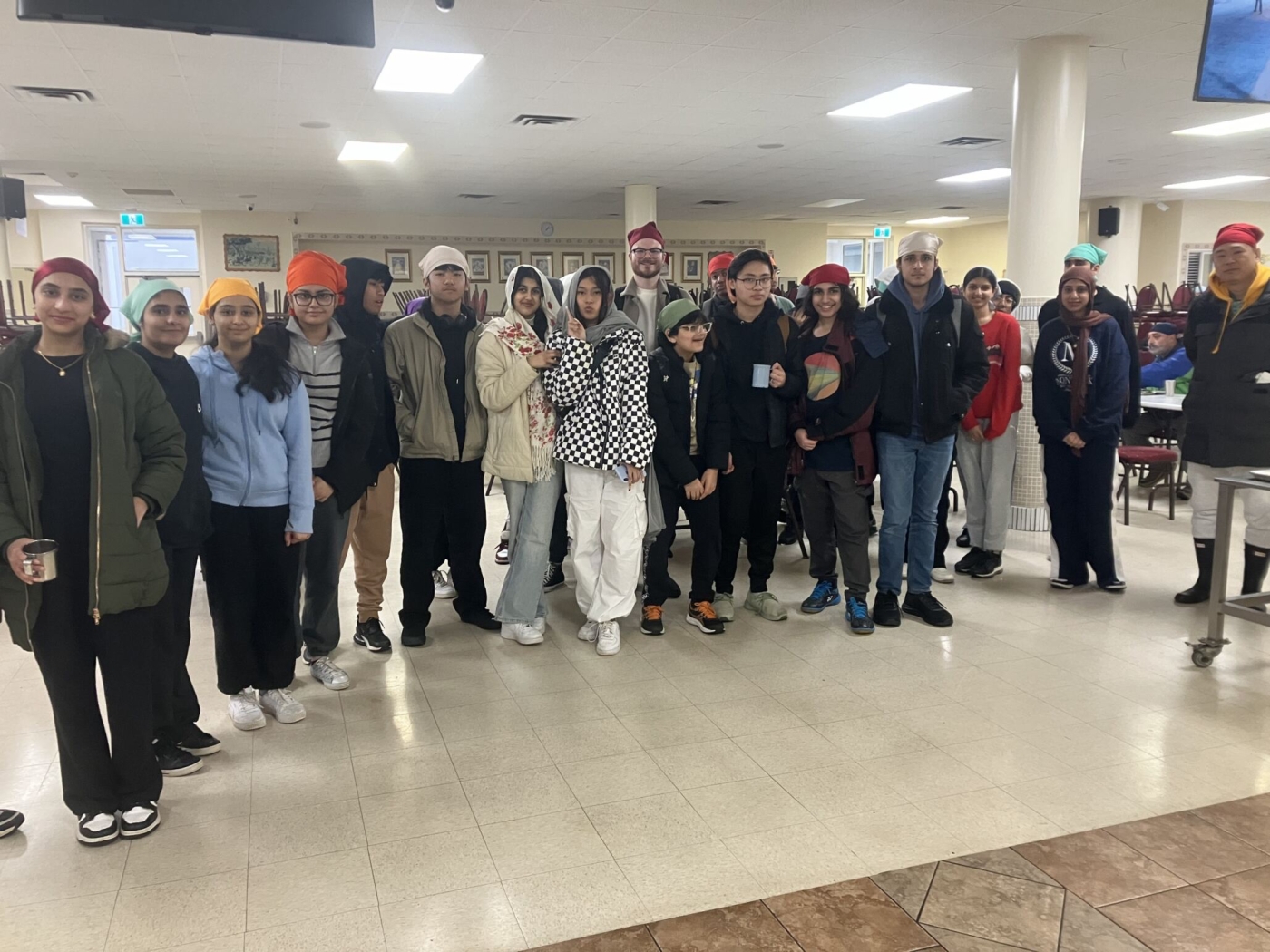
Social Studies 9 class visiting the National Historic Site Gur Sikh Temple.
Through the celebration of important cultural events such as Eid and Vaisakhi and by unlearning and relearning about the Black people's contributions, brilliance, experiences, and legacies throughout British Columbia, our students demonstrate their willingness to value diversity while promoting and embracing their own cultural identities.
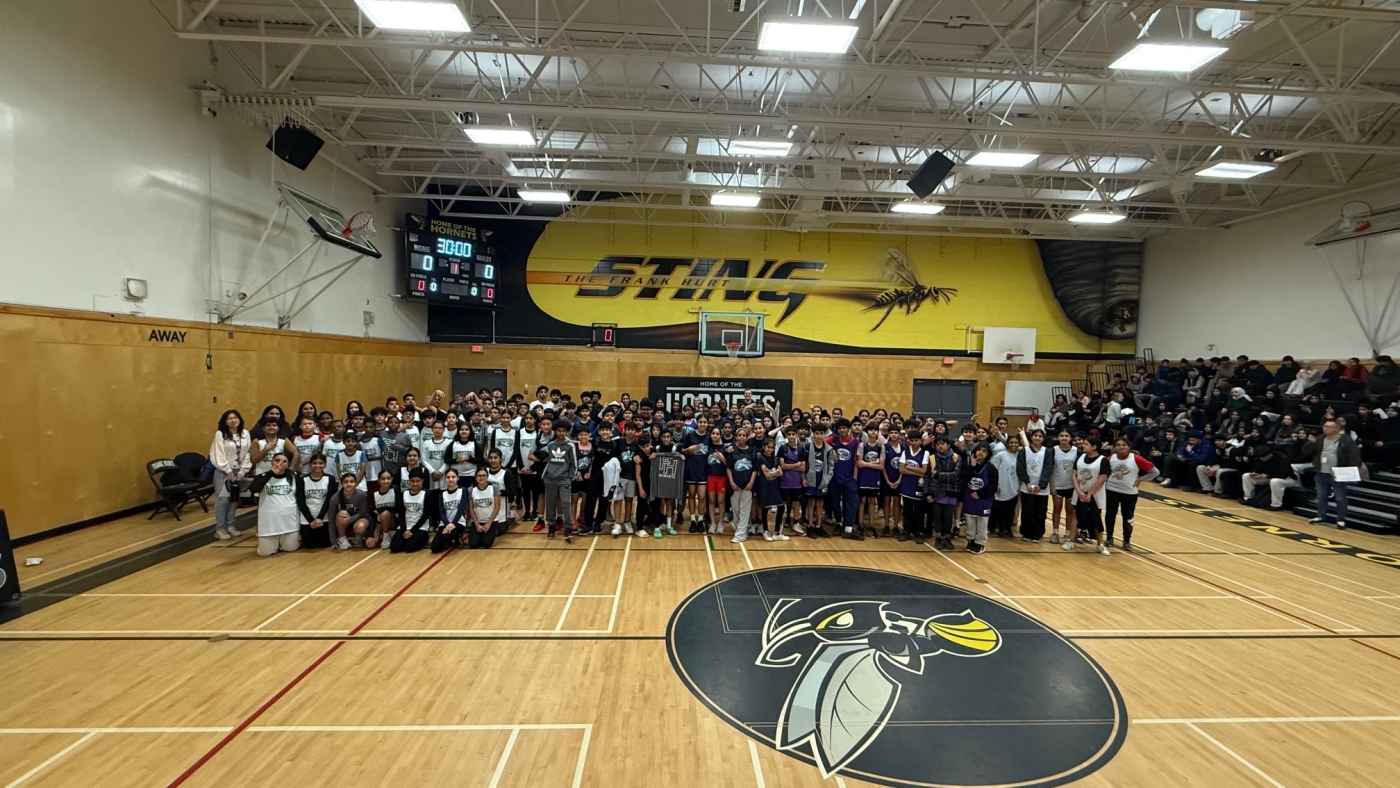
Hosting our annual grade 7 elementary feeder school basketball tournament contributes to the well-being of our community while connecting and engaging with a wide range of members.
OUR LEARNERS
At Frank Hurt, we foster an inclusive and diverse community where every learner feels seen and valued. Our students take pride in their school and in the connections they build with one another. Guided by shared values of respect, integrity, and belonging, we empower learners to express themselves in ways that genuinely reflect who they are and who they aspire to become.
Our learners can explain how they are using their strengths and abilities in different ways.

Frank Hurt student work displayed at the Secondary Art Exhibit at the Museum of Surrey. The works display various examples of how our students through the curricular area of visual arts showcase their strengths and abilities in works that are all unique and reflective of each of our learners.
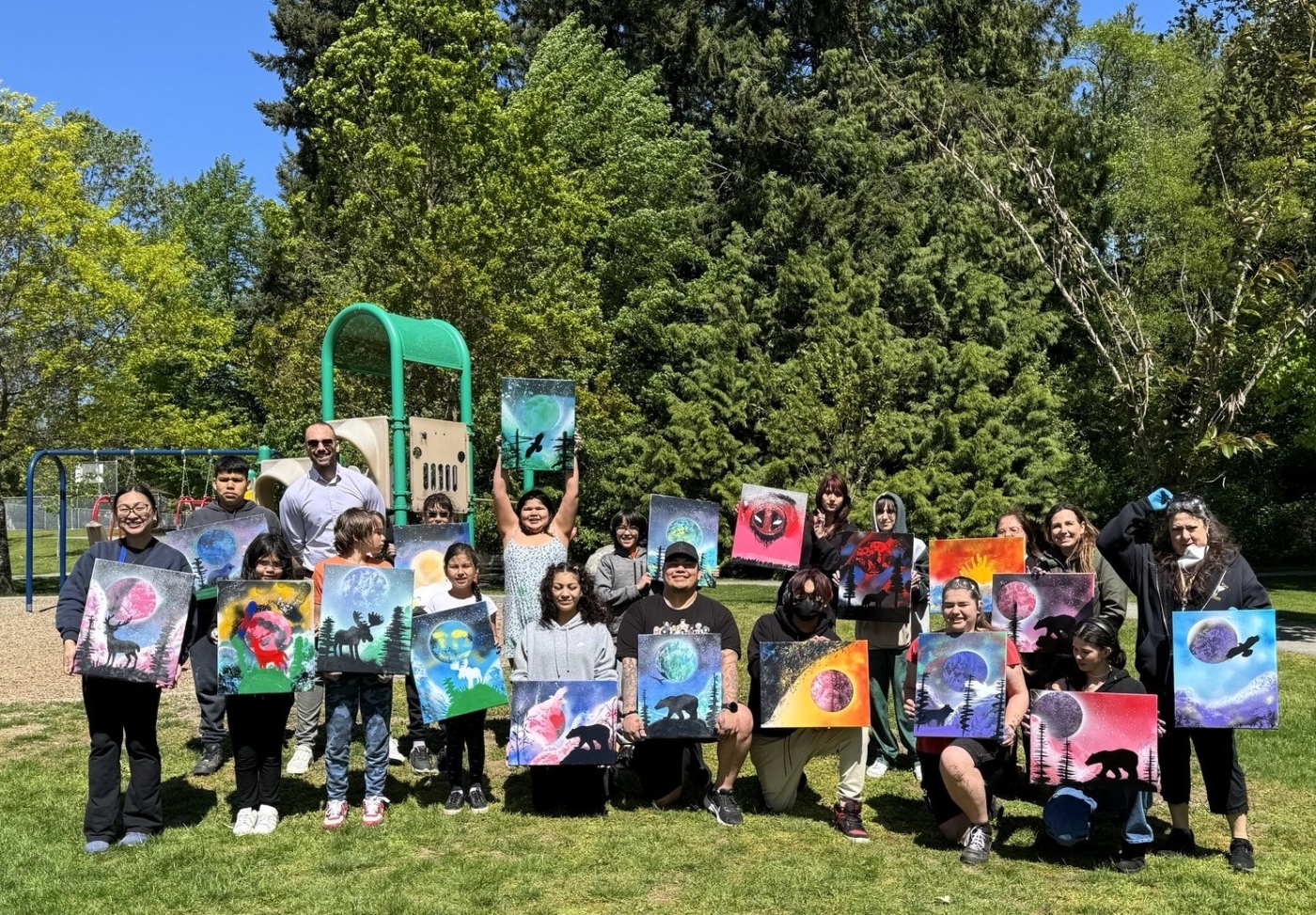 Beautiful art from the Rain Awakens workshop.
Explain and reflect on experiences and accomplishments.
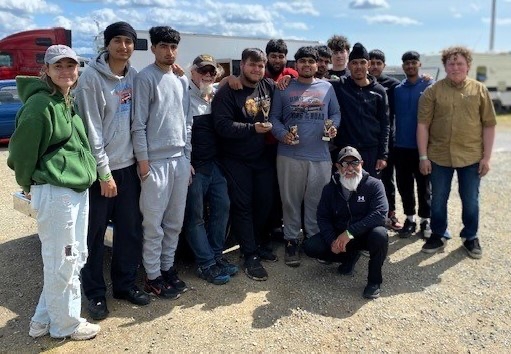
To wrap up the semester, the Frank Hurt Racing Team participates yearly at Mission Raceway.
Contributing to the community and caring for the environment.
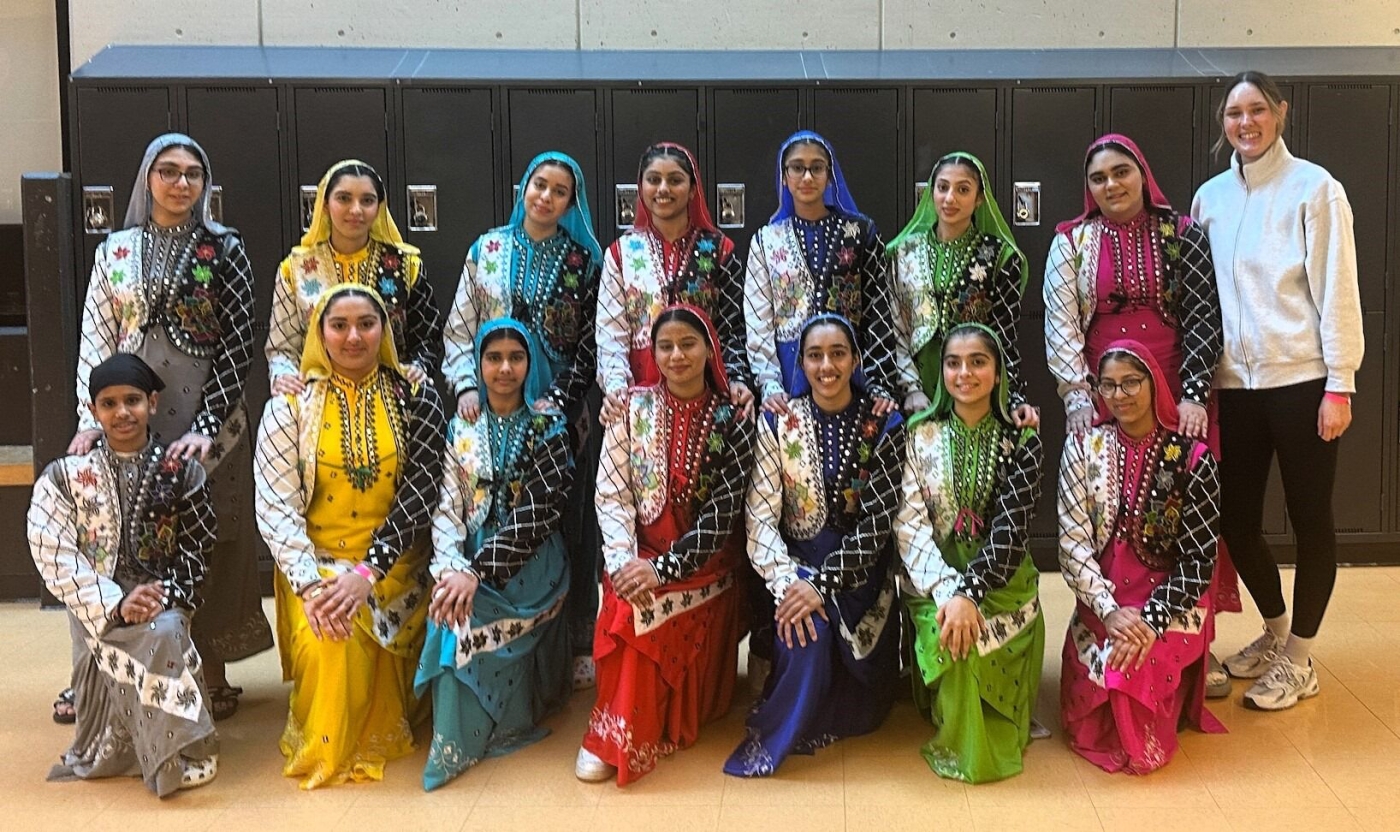
Frank Hurt Bhangra team creates cultural connection between our students and the community.
Building relationships to enhance social responsibility.
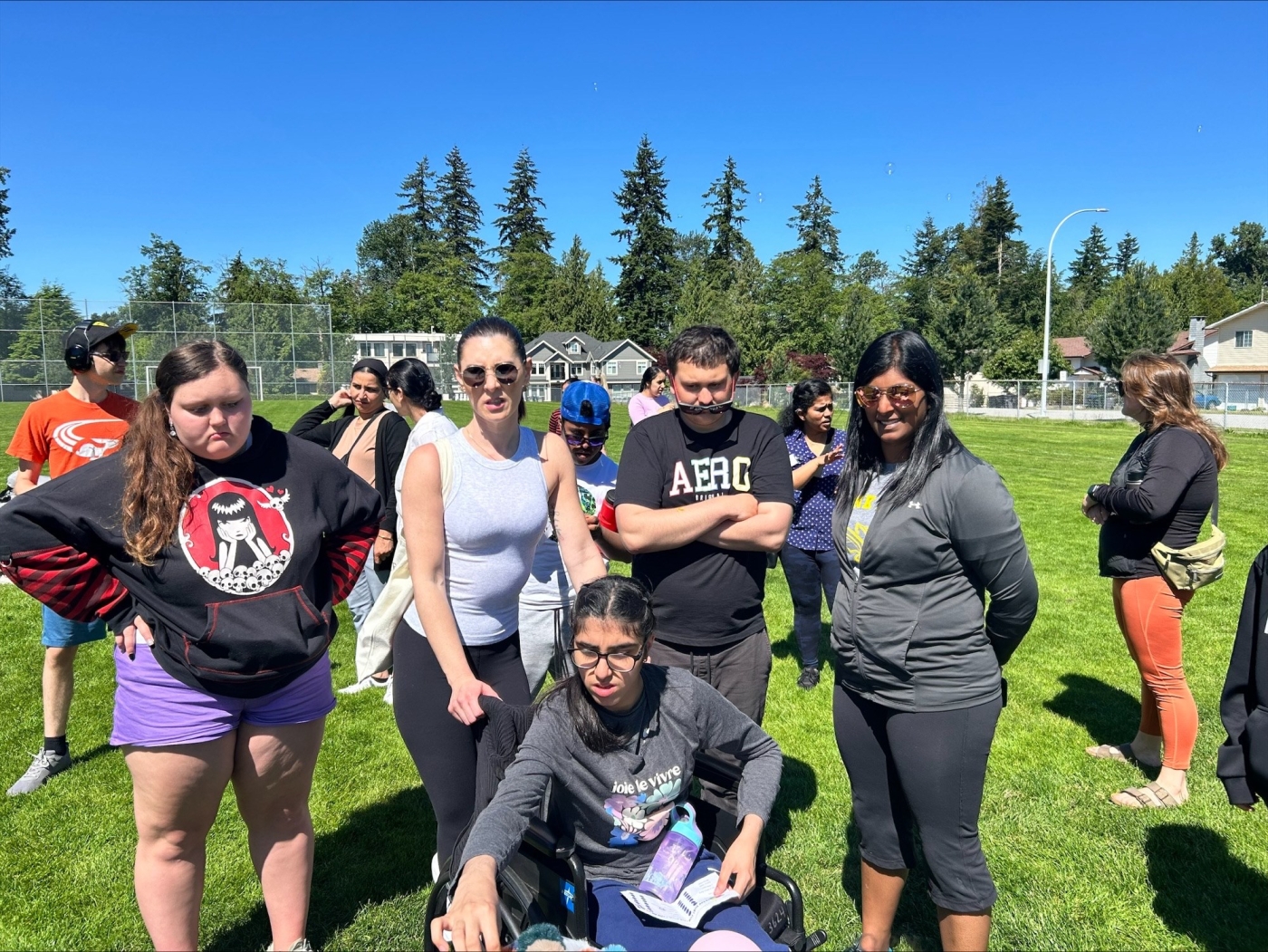
Frank Hurt invited other Surrey high schools to participate in the first annual Frank Hurt BASES Fun Fair
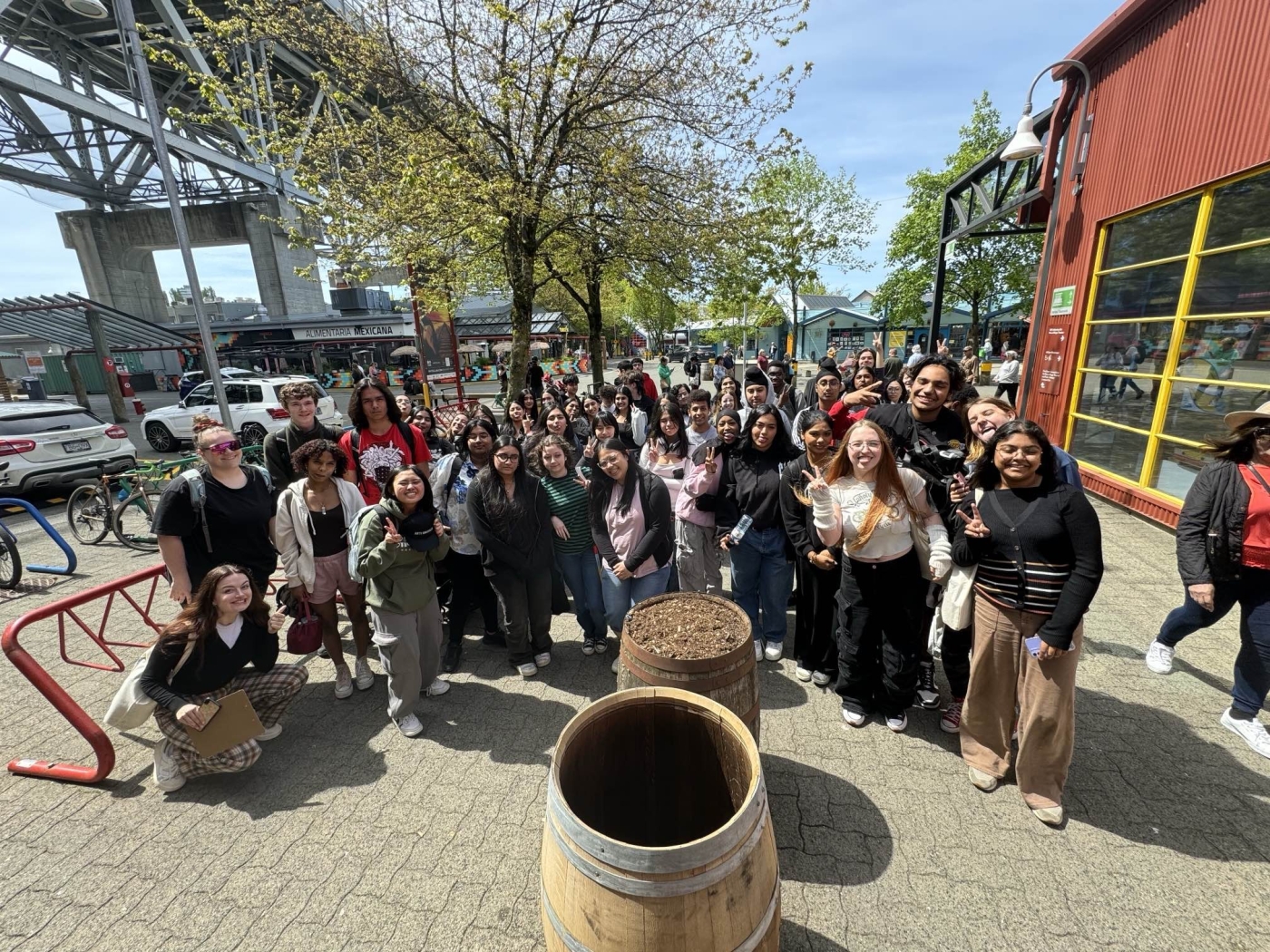 Vancouver Arts Umbrella hosted the FH Theatre Program to watch the premier of "The Quest" a new musical performed by some of the best young performers in the lower mainland.
Our learners demonstrate the importance of building strong, genuine, and healthy relationships to enhance not only themselves but the community they live in
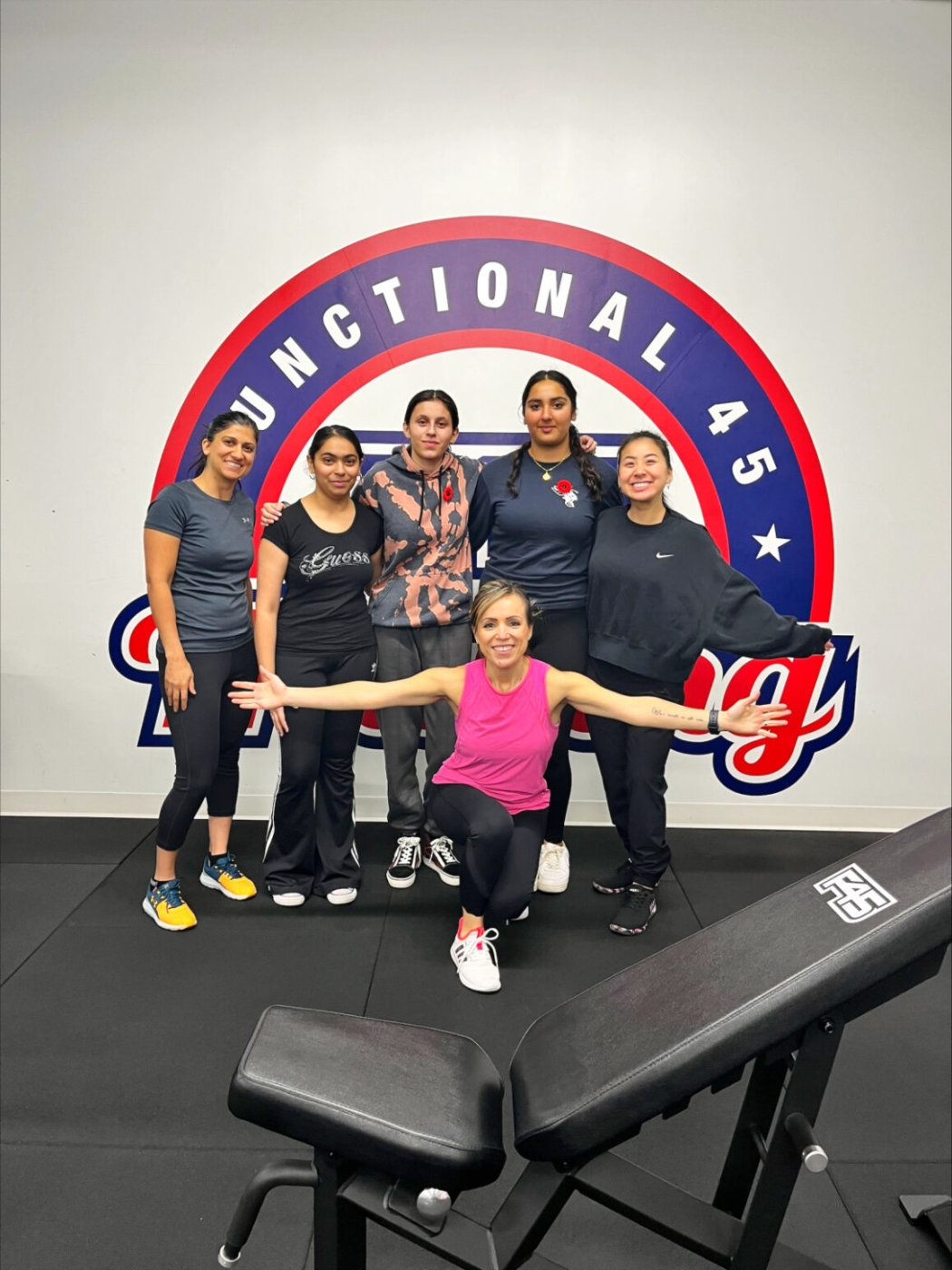
Empowering Hornets at Functional 45.
Our learners can address ethical and cultural issues.


The members of the Anti-Oppression Collective (AOC) and Beyond Black History Month (BBHM) collectives created social justice ornaments for our social justice tree. These groups that consist of students across all grades really work to improve the importance of valuing diversity. They not only discuss ethical and cultural issues, but work on finding ways of educating our student population to build a more diverse and inclusive community.
In addition, we have amazing work being done in our school across all of our departments.
Physical and Health Education
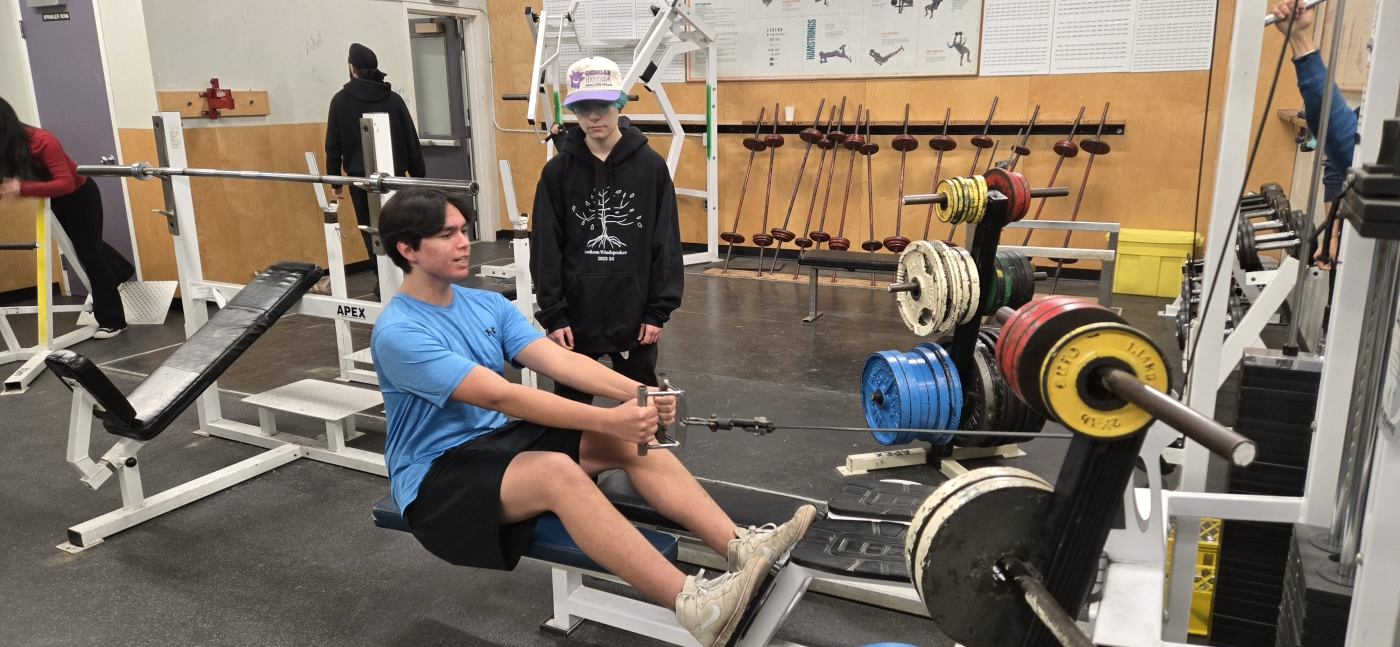
Develop and demonstrate safety, fair play, and leadership in physical activities
BASES
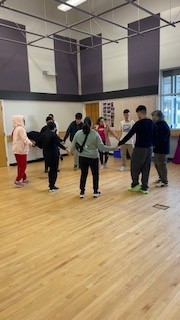
Inclusion, community integration, and building social skills
Culinary Arts
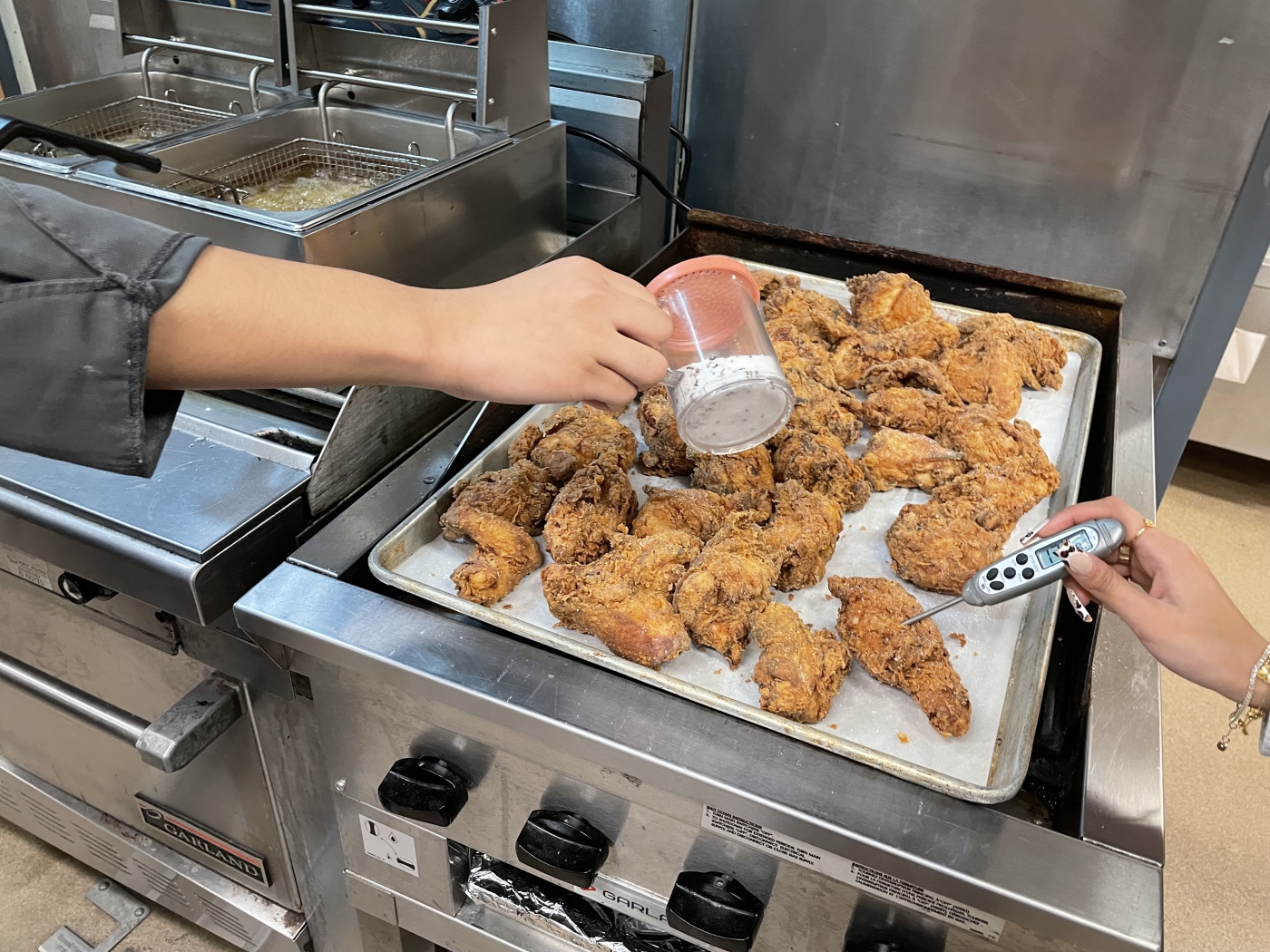
Identify and use appropriate tools, technologies, materials, processes, and time needed for production
ELL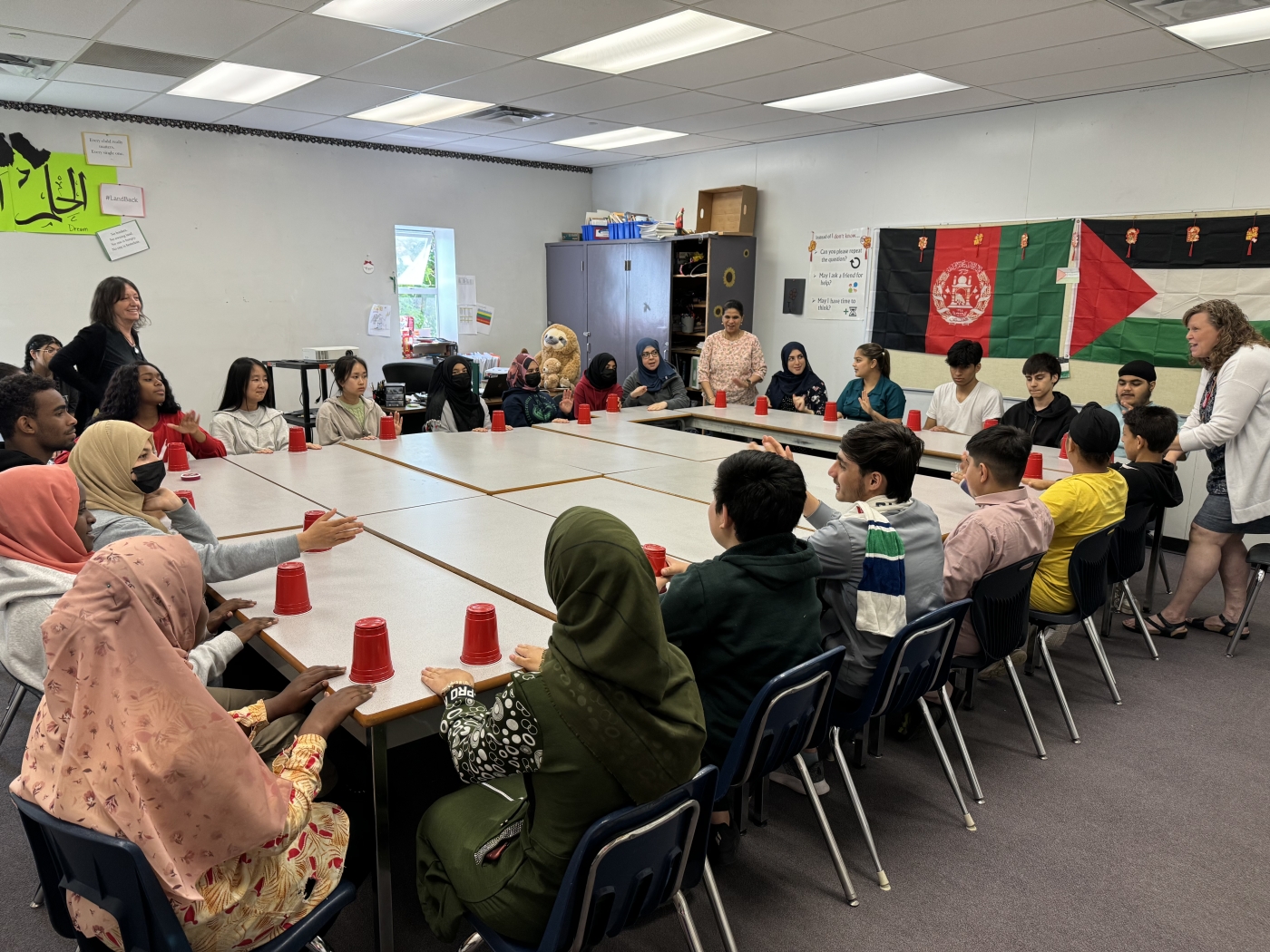
Students are actively engaged in expanding vocabulary, reading, writing, and speaking skills. At the same time, they are exposed to Canadian culture and customs through class activities and field trips
English
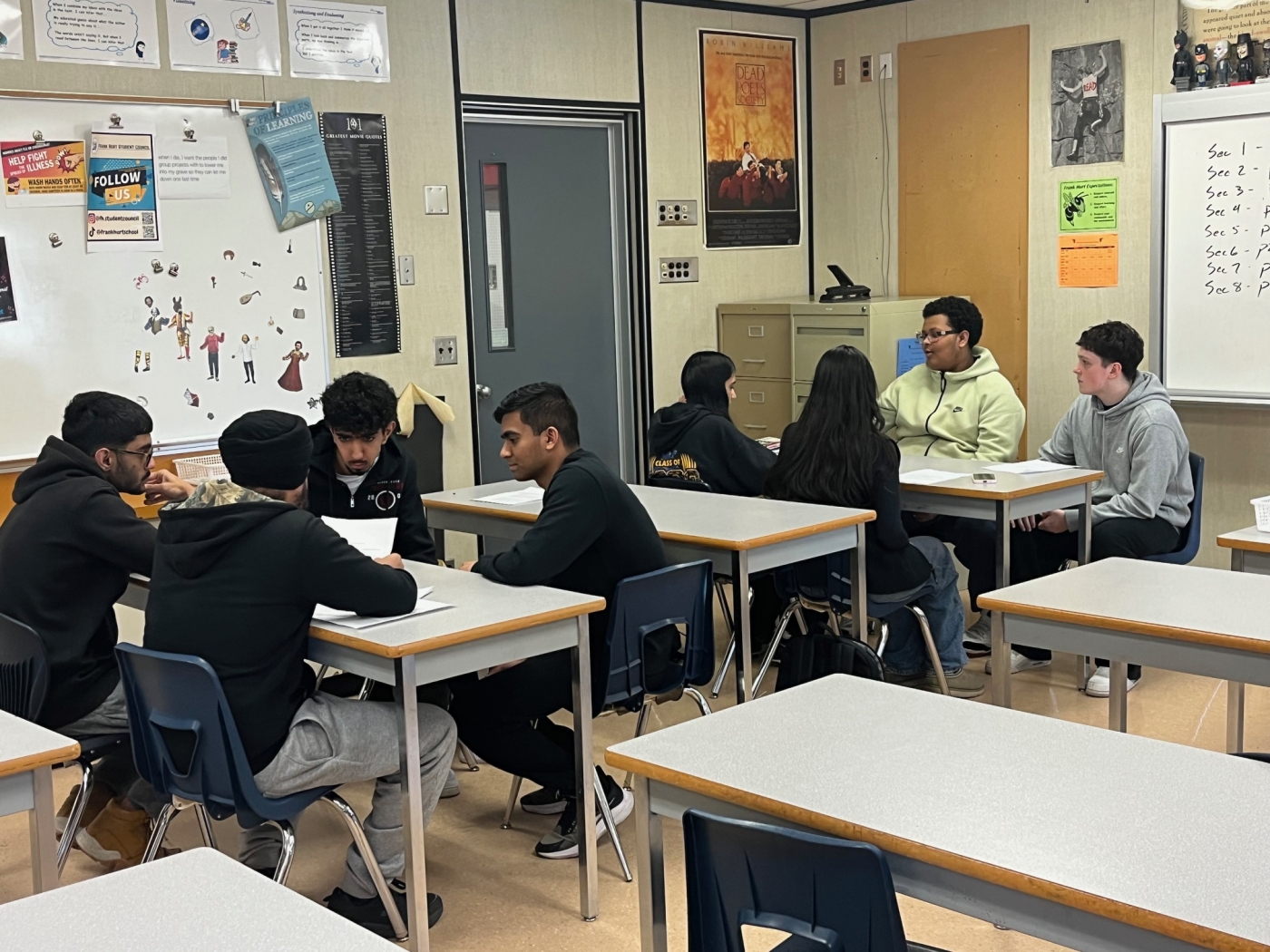
Exchange ideas and viewpoints to build shared understanding and extend thinking
Express an opinion and support it with credible evidence
Respond to text in personal, creative, and critical ways
Fine Arts
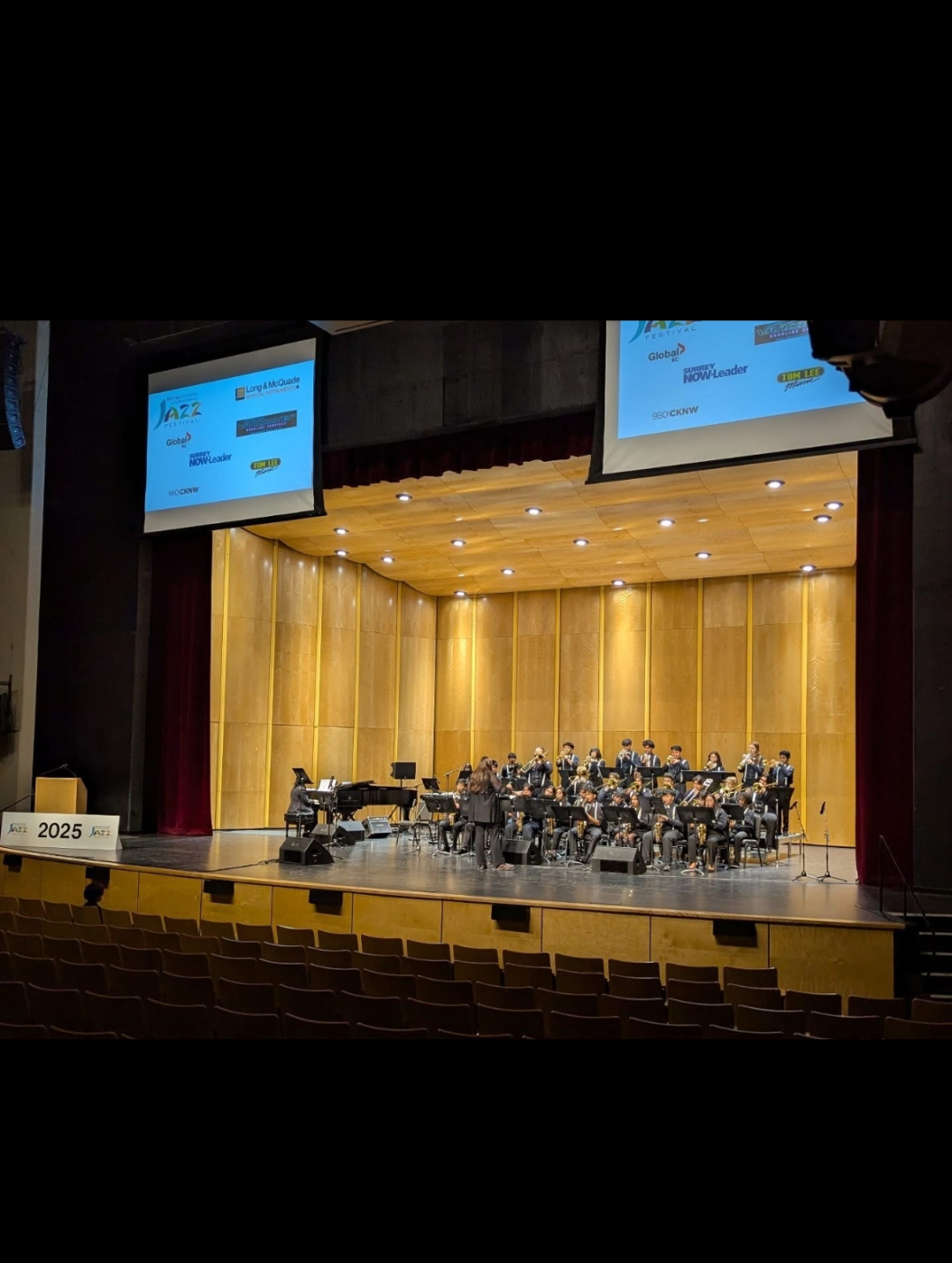
Perform in large ensemble, small ensemble, and solo contexts
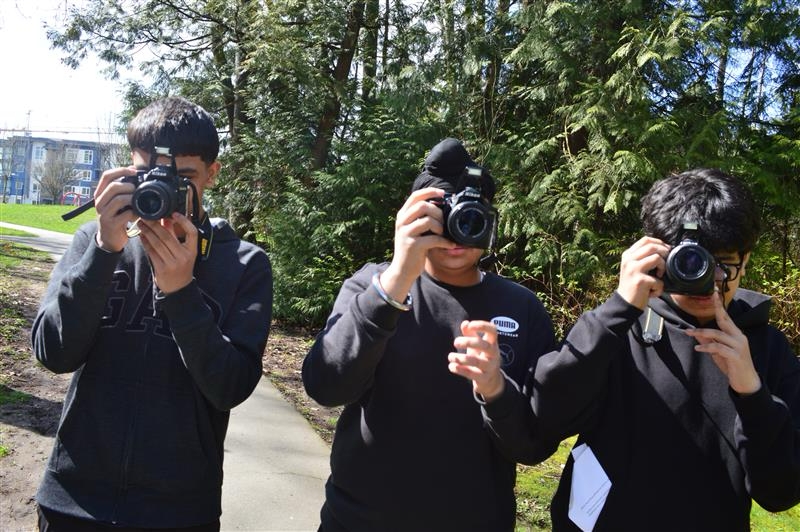
Develop and refine photographic skills and techniques related to a range of styles and genres
Home Economics
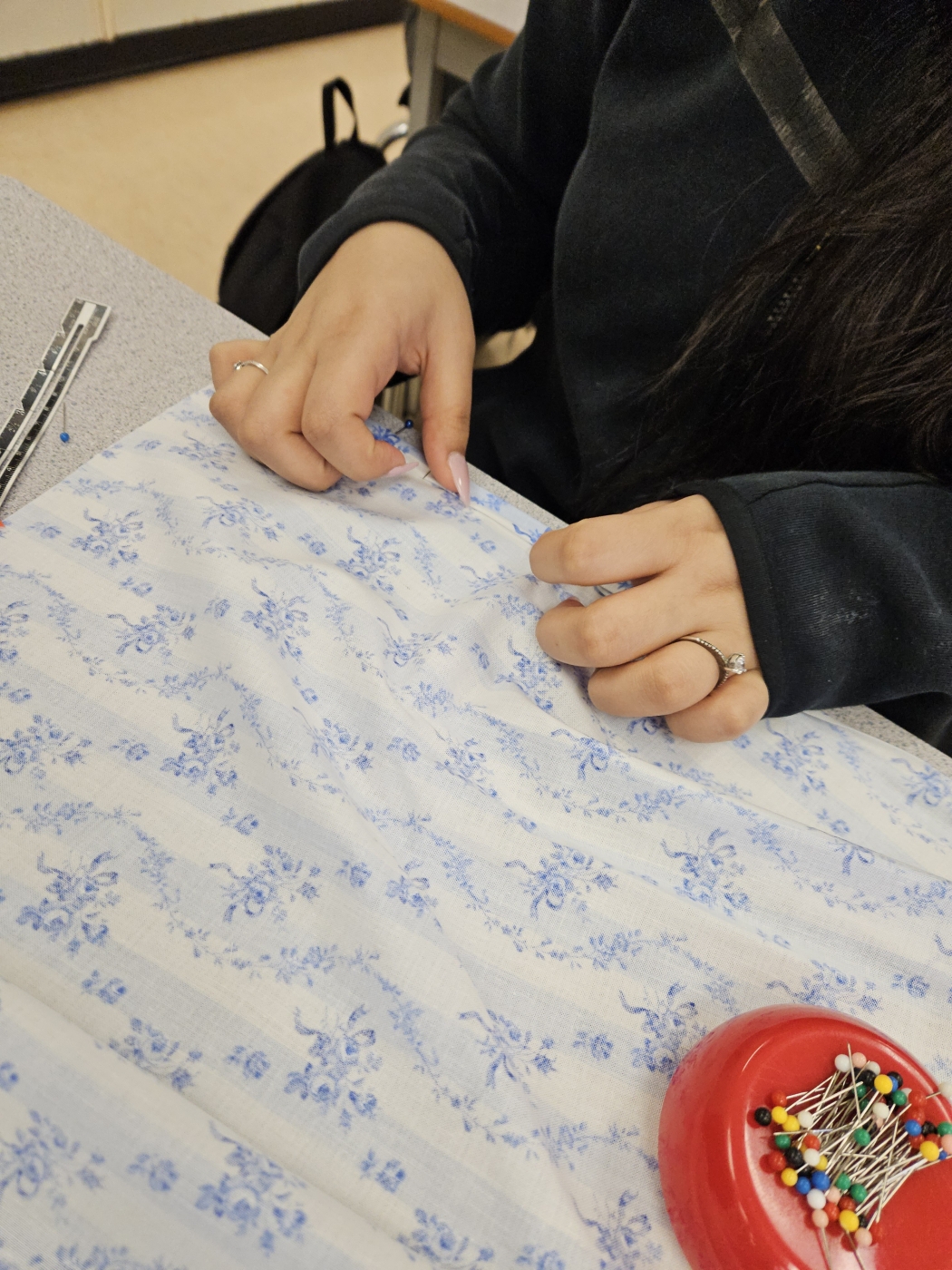
Students are choosing and adapting the appropriate tools and technologies to use for their sewing projects.
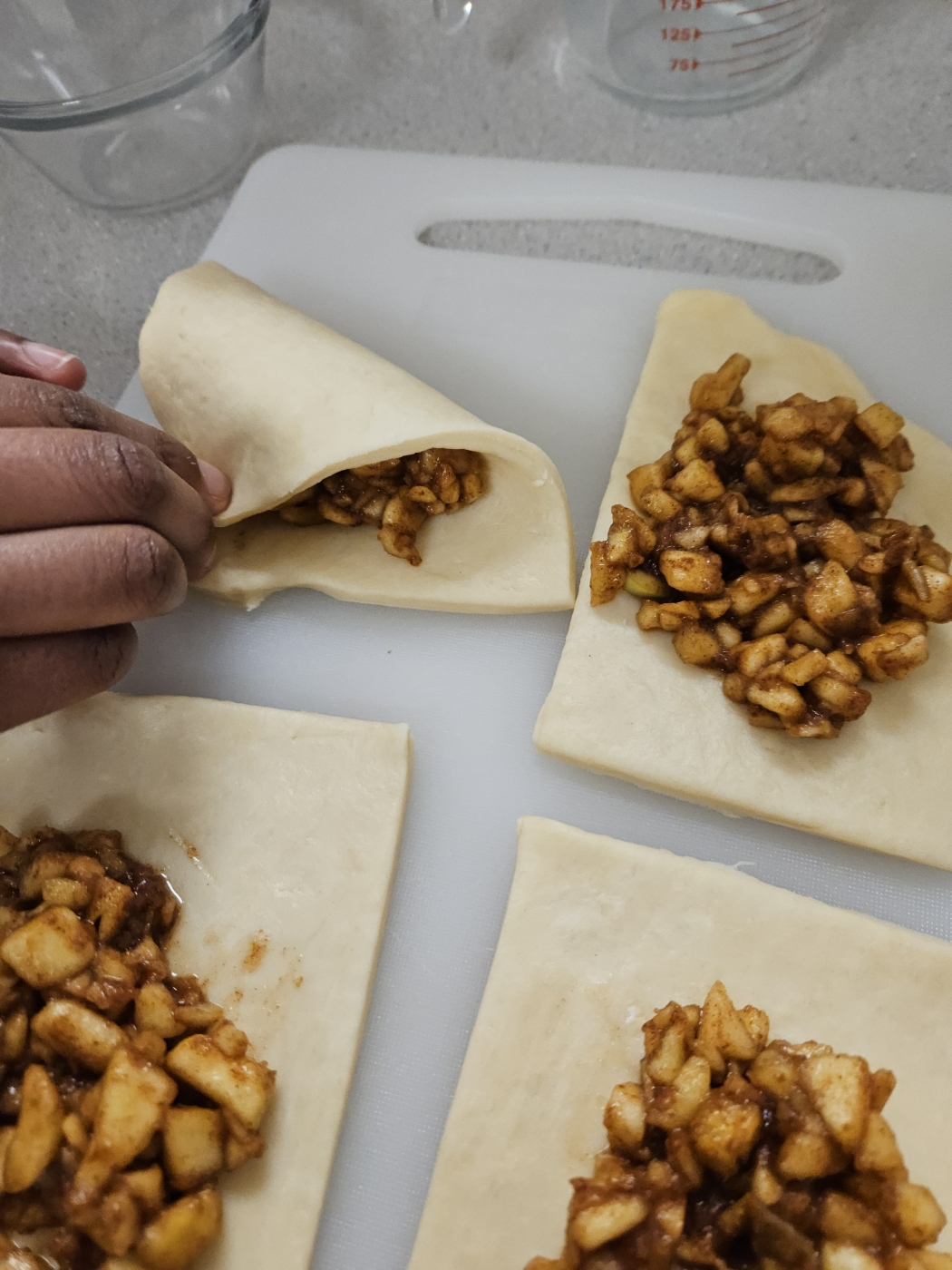
Students are identifying and using appropriate tools, technologies, materials, and processes for creating their recipe. They are using their ingredients in ways that minimize waste.
Modern Languages
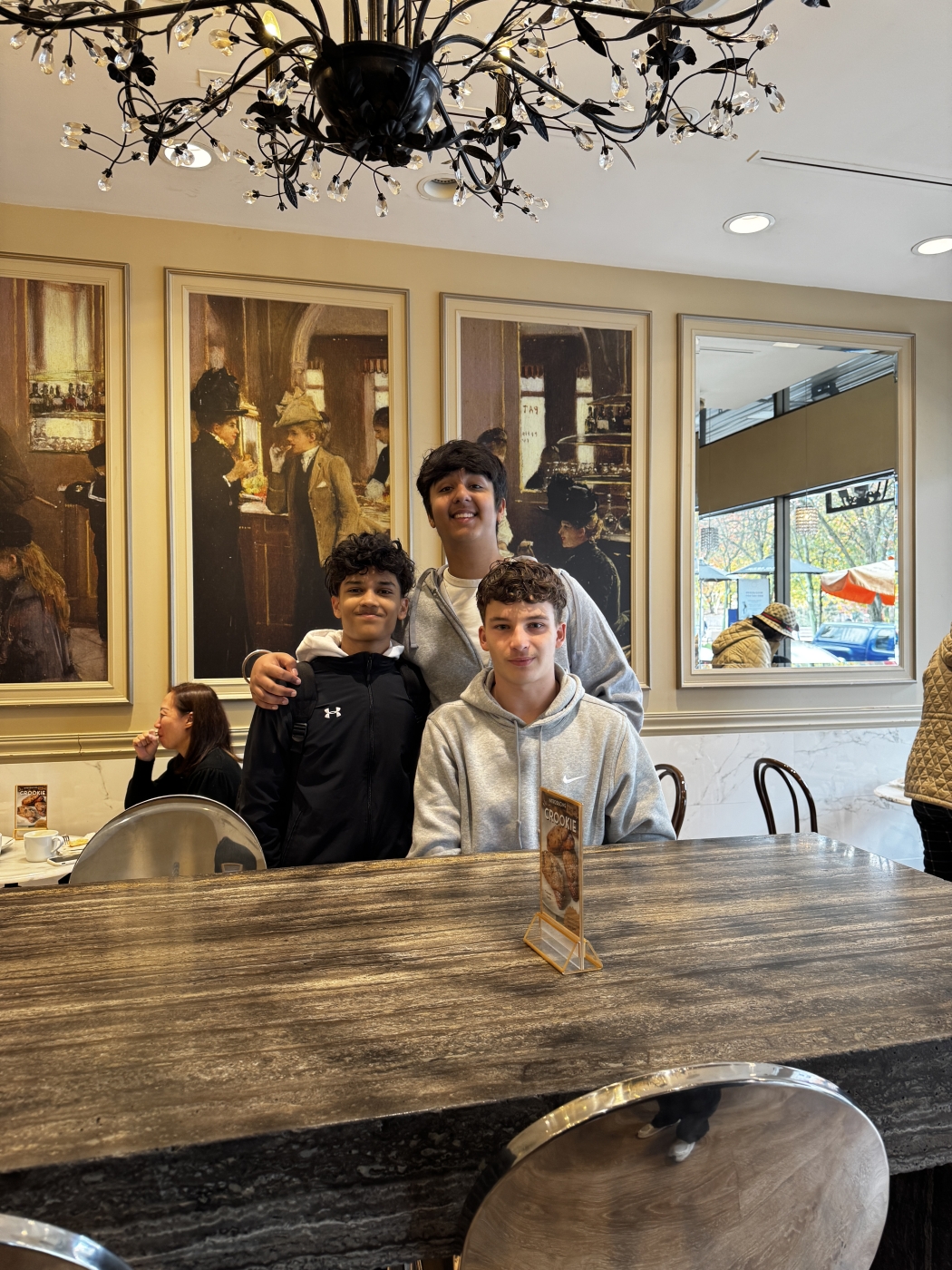
Celebrating Francophone cultural diversity in Canada and participating and interacting in everyday situations in French.
Mathematics
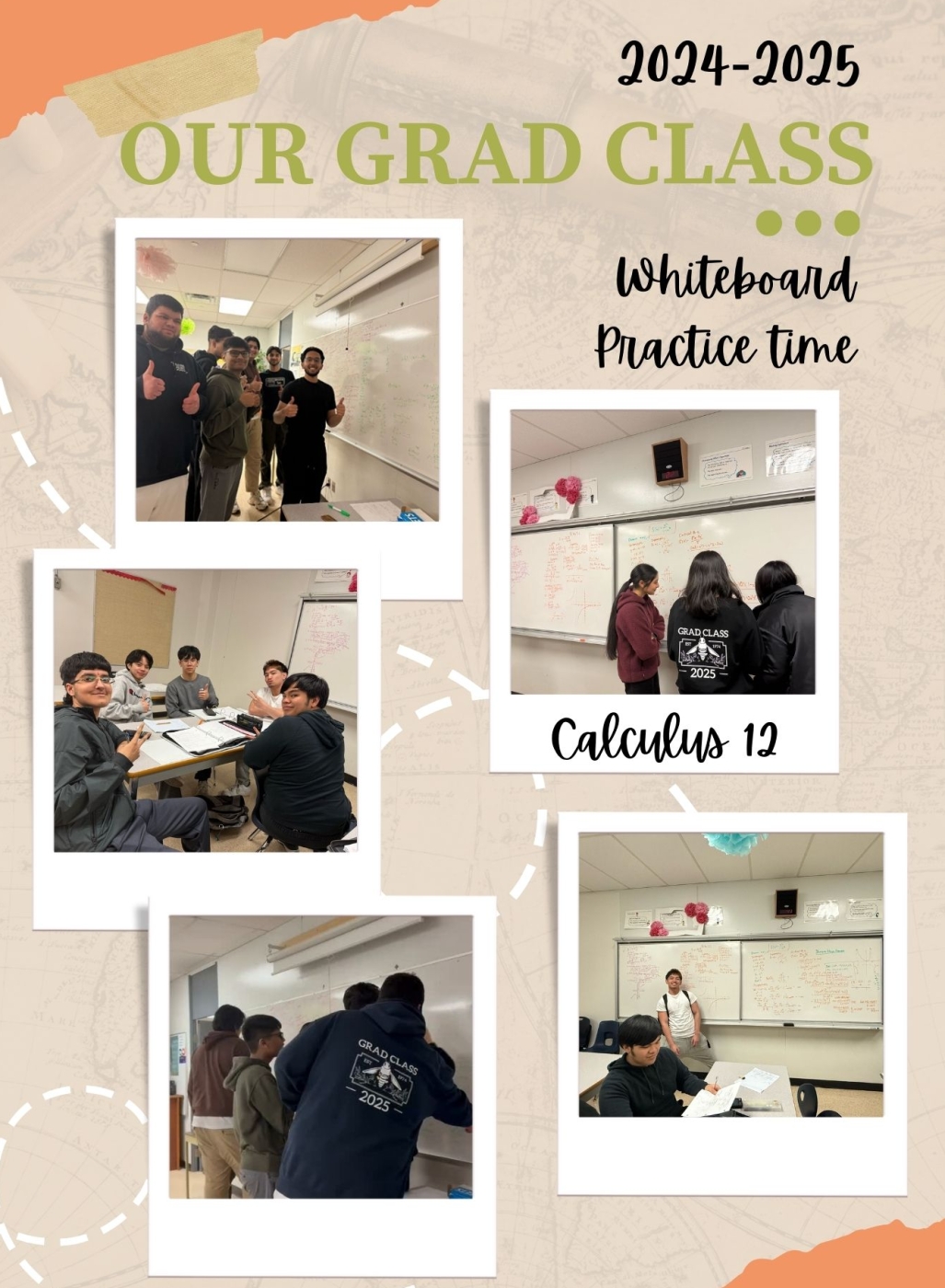
Develop, demonstrate, and apply conceptual understanding of mathematical ideas through play, story, inquiry, and problem solving.
Science
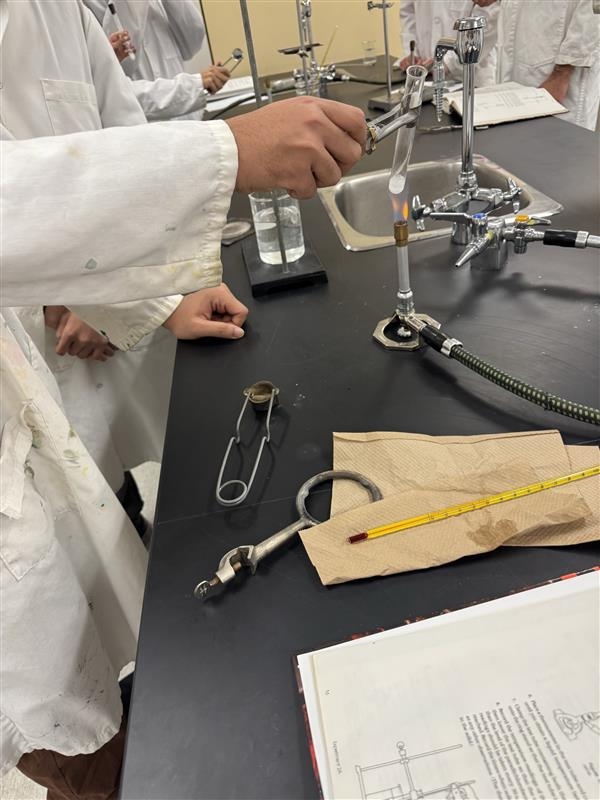
Collaboratively and individually plan, select, and use appropriate investigation methods, including field work and lab experiments, to collect reliable data (qualitative and quantitative).
Social Studies
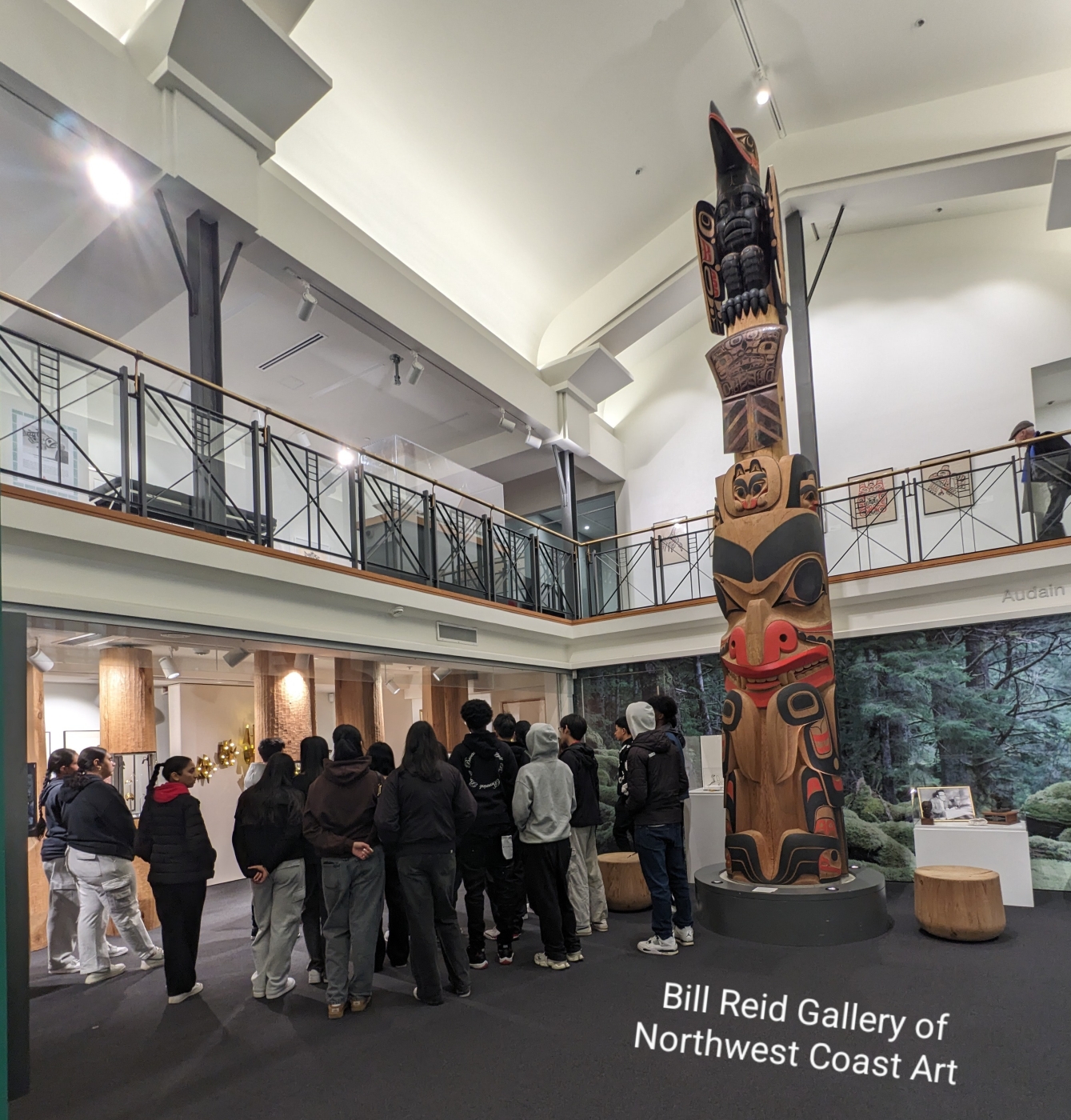
Make reasoned ethical judgments about actions in the past and present, and assess appropriate ways to remember and respond.
Technology Education
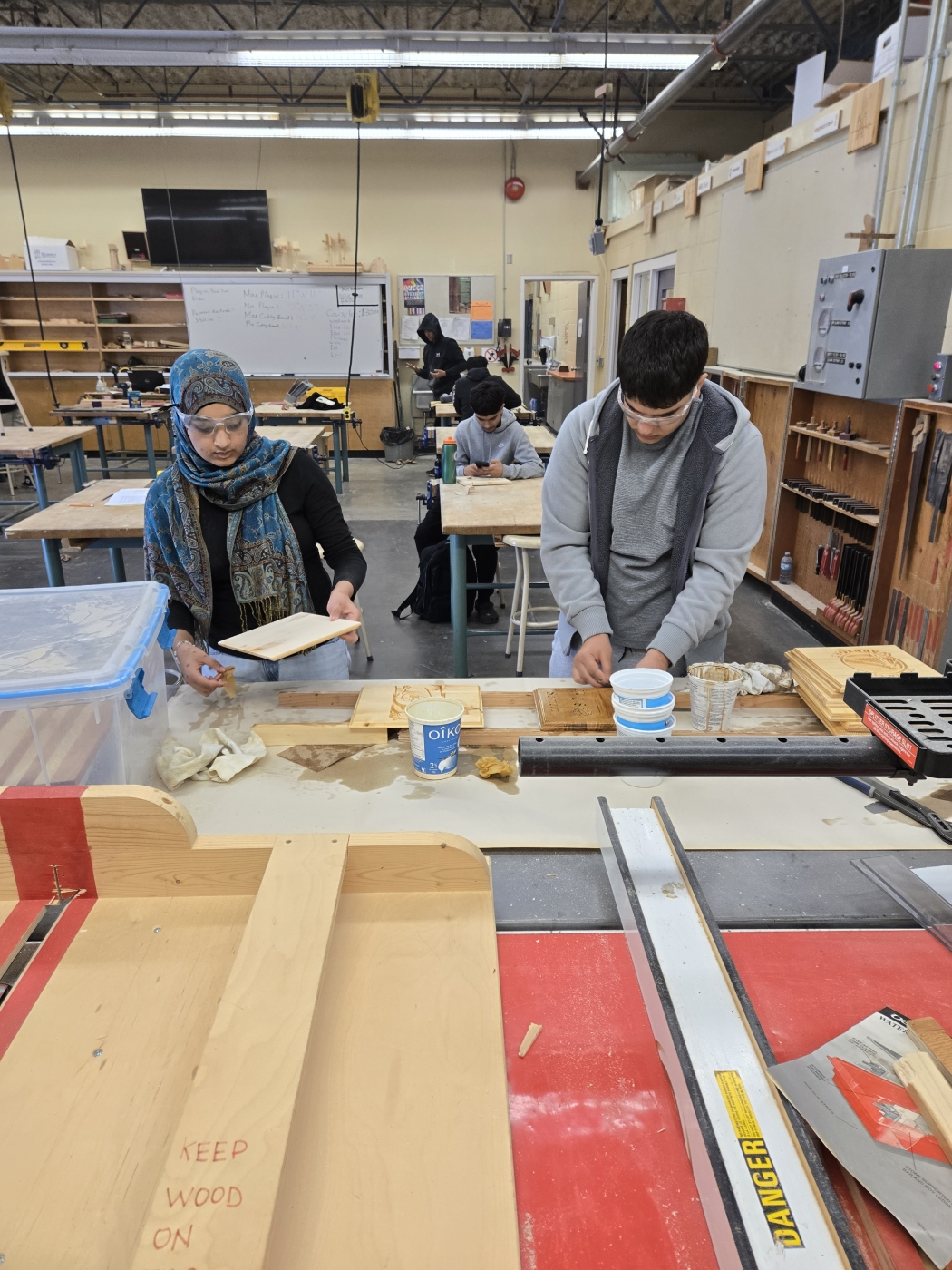
Identify and use appropriate tools, technologies, materials, and processes.
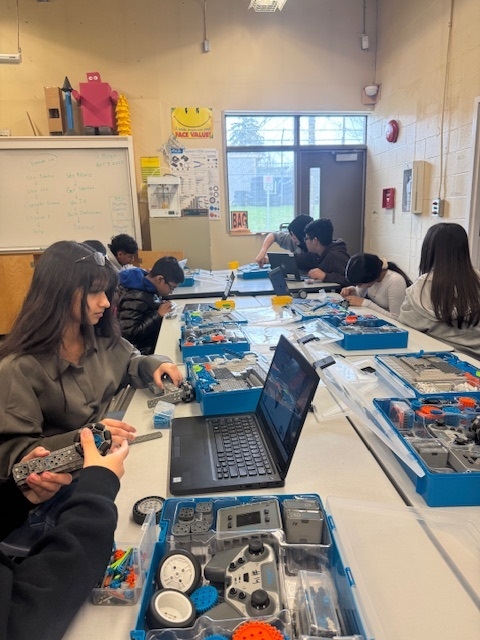
Create design, incorporating feedback from self, others, and results from testing of the prototype.
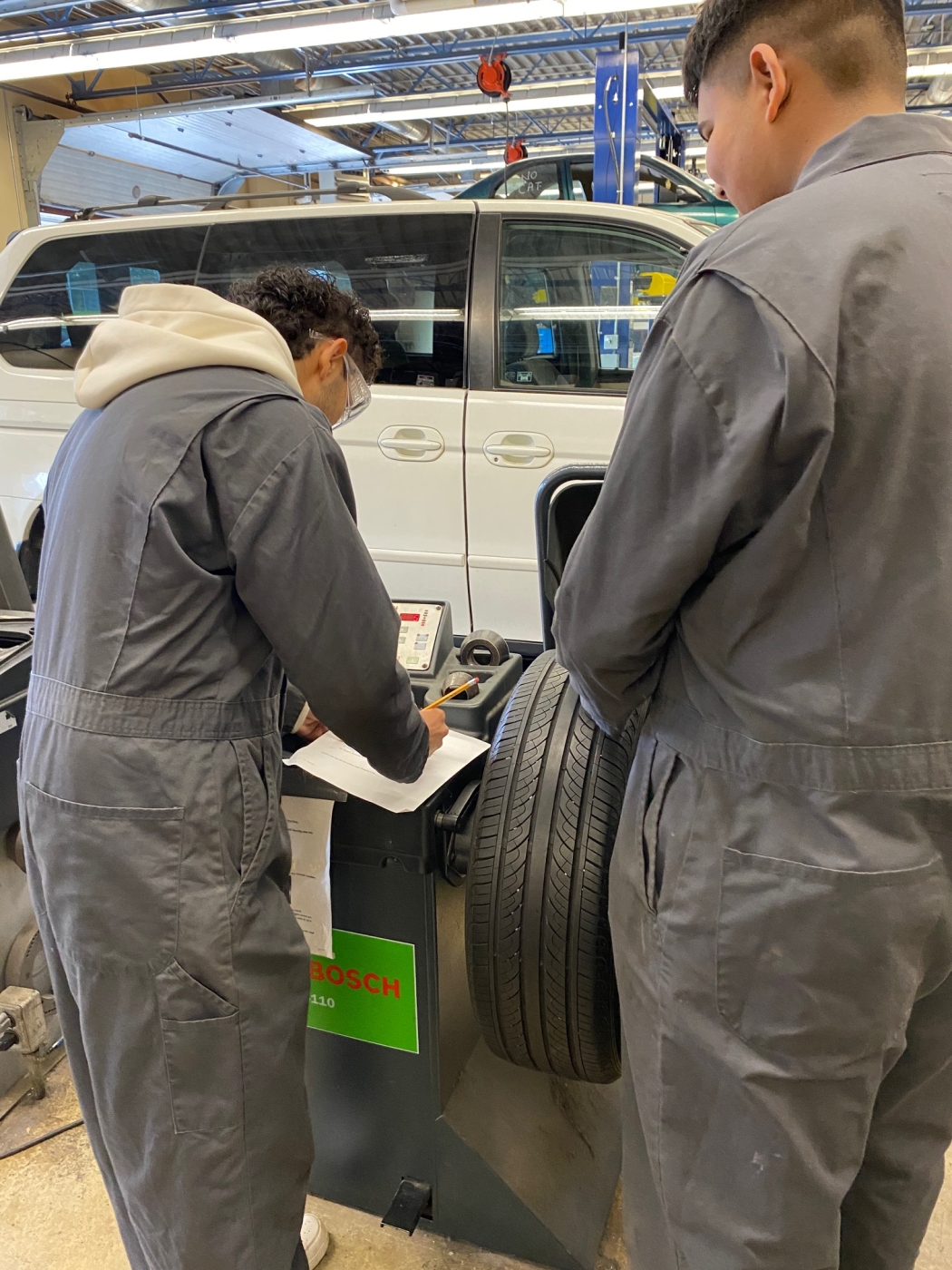
Evaluate ideas based on information from feedback and testing results to make necessary changes.
OUR FOCUS
At Frank Hurt, we give students many chances each day to build their literacy and communication skills in all of their classes. These skills help students think more deeply, work well with classmates, and express themselves with confidence.
As students learn new reading, writing, and communication strategies, they add them to their “toolbox” and become better prepared for future learning. To see which skills students are already strong in and which ones they still need to grow, we looked closely at a grade 8 cohort of learners through their Humanities 8 class which is a combination of English Language Arts 8 and Social Studies 8.
Our goals focus on helping students:
Exchange ideas and viewpoints: talk together to build shared understanding and extend thinking
Comprehend and connect: use reading and viewing strategies to understand texts and make meaningful connections
Create and communicate: share ideas clearly through writing, speaking, and other forms of expression
Through class discussions, group activities, and reading and writing tasks, students demonstrated growth in their literacy and communication skills, particularly when it came to confidence in their verbal communication.
OUR NEXT STEPS
Curricular Competency Focus (English 8):
Exchange ideas and viewpoints to build shared understanding and extend thinking
Assessment 1: Structured Discussion Observation – October 2025
Students participate in a structured discussion focused on small-group problem-solving, followed by a class discussion. The discussion is centred on a shared question from a class
article and requires students to listen, respond, and build on one another’s ideas in order to reach shared understanding.
This assessment directly targets the English 8 curricular competency by focusing on how students exchange ideas and viewpoints to deepen collective thinking.


Observed Strengths
- Students demonstrated strong collaboration while preparing and organizing their debate arguments.
- Many students confidently defended their viewpoints using relevant historical evidence.
- Students showed increased willingness to respond to and challenge opposing perspectives respectfully.
- Several students demonstrated deeper critical thinking by connecting historical events to themes of leadership, power, and ethics.
- Most students contributed to building a shared group position during preparation and discussion.
- Students demonstrated improved confidence when speaking in front of peers during the debate format.
- Many students were able to clearly communicate their ideas and justify their reasoning during rebuttals.
Areas for Growth
Students are developing their ability to exchange ideas and viewpoints to build shared
understanding. While some students are actively listening and building on others’ ideas, others need support in expressing their ideas clearly, responding to peers, and contributing to group understanding. Next steps include providing structured discussion opportunities, modeling strategies for connecting and synthesizing ideas, and encouraging students to actively listen, engage, and guide group thinking to deepen collective understanding.
Assessment 2: Group Decision-Making Task (Product + Process) – January 2026
Task Description: World Religions Group Research Project
Students work in intentionally selected groups to research one of the major world religions and present their findings to the class. While the final presentation is an important component, this assessment places equal emphasis on the collaborative decision-making process used to research, organize, and present information.
Throughout the project, students must exchange ideas and viewpoints in order to:
- Decide which information is most important to include
- Divide responsibilities equitably
- Clarify complex or unfamiliar concepts
- Ensure the group has a shared understanding of the religion before presenting
This task directly aligns with the English 8 curricular competency by requiring students to collaboratively build understanding through discussion, negotiation, and synthesis of ideas.
Required Components
- Final Group Presentation demonstrating a clear and cohesive understanding of the religion
- Group Process Reflection (written) addressing:
- What different ideas or viewpoints came up during your research?
- Where did group members have different opinions or interpretations?
- How did your group decide what information to include?
- How did you make sure everyone understood the topic before presenting?


Observed Strengths
- Students were able to share multiple ideas and viewpoints during the research process.
- Many groups collaborated effectively when deciding what information was most important to include.
- Students showed growth in dividing responsibilities and working toward a shared presentation goal.
- Several groups demonstrated a clear shared understanding of their assigned religion by the time they presented. They were respectful in their approach.
- Students were able to explain complex or unfamiliar concepts with support from peers.
Areas for Growth
Students are continuing to develop their ability to make group decisions through discussion and compromise. While many students contributed to the final product, some groups needed support ensuring that all voices were heard during the planning process.
Further growth is needed in helping students synthesize different viewpoints into one clear shared understanding. Next steps include using structured group roles, decision-making protocols, and reflection prompts to support equitable participation and stronger collaborative thinking.
Assessment 3: Mock Murder Trial – March 2026
Task Description: The Outsiders Mock Trial (Johnny: Innocent or Guilty?)
During the novel study of The Outsiders, students participate in a structured Mock Murder Trial
examining whether Johnny is innocent or guilty of Bob’s murder.
Students are divided into two large groups and assigned a position (Innocent or Guilty). Within their assigned group, students collaborate to:
- Develop evidence-based arguments supporting their position
- Anticipate opposing arguments
- Prepare counterarguments and rebuttals
- Build a shared understanding of their collective stance
The trial takes place over two class blocks. Students present arguments, respond to opposing viewpoints, and refine their thinking in real time.
This assessment directly aligns with the English 8 curricular competency by requiring students to exchange ideas and viewpoints, build shared understanding within their group, and extend thinking through structured debate and rebuttal.


Observed Strengths
- Several students who do not typically speak during discussions actively participated in the trial format.
- Students in the current leadership rotation demonstrated increased confidence and willingness to advocate for a position.
- Many students demonstrated strong understanding of accountability and responsibility, with this theme appearing consistently in arguments.
- Most students were able to collaborate effectively within their assigned group.
Areas for Growth
Students are continuing to develop their ability to exchange ideas and build shared understanding in collaborative and debate settings. While many students confidently shared and defended ideas, some require support to participate consistently and respond meaningfully to peers.
Further growth is needed in strengthening counterarguments with clear evidence and in building directly on teammates’ ideas during discussion. Next steps include structured roles, guided rebuttal practice, and continued emphasis on equitable participation, active listening, and extending group thinking.
Assessment 4: Structured Debate – April 2026
Task Description: Renaissance Unit Debate
During the Renaissance unit, students participate in a two-group structured debate addressing the question:
Were the Medici exemplary role models for building a city’s wealth?
Students are divided into two opposing groups and assigned a position. Within their groups, students collaborate to research historical evidence, exchange ideas, and develop key arguments. They must also anticipate opposing viewpoints and prepare rebuttals in response.
During the debate, students listen to and respond to competing perspectives while refining and defending their own ideas.
This task requires students to:
- Develop and defend a shared position using evidence
- Listen actively and respond to opposing viewpoints
- Refine thinking based on new perspectives
- Build shared understanding of complex historical issues
This assessment directly aligns with the English 8 curricular competency by emphasizing respectful dialogue, synthesis of ideas, and extension of thinking through debate.


Observed Strengths
- Students demonstrated increased confidence when sharing and defending their viewpoints during the debate.
- Students showed greater willingness to challenge opposing perspectives and support their ideas with researched evidence.
- Many students gathered detailed historical information and confidently justified their positions throughout the discussion.
- Students effectively connected their arguments to themes of leadership and influence within Florence.
- Several students demonstrated deeper critical thinking by incorporating moral values and ethics into their arguments.
- Many students listened respectfully and responded thoughtfully to competing viewpoints during rebuttals.
- Collaboration within groups improved, with most students contributing to the development of shared arguments and ideas.
Areas for Growth
Students are continuing to develop their ability to respond spontaneously to opposing viewpoints and extend discussion beyond prepared arguments. While many students confidently defended their positions, some relied heavily on scripted responses and required support in building on ideas in real time.
Further growth is needed in ensuring equitable participation within groups, as some students contributed more consistently than others during preparation and debate. Next steps include continued practice with structured rebuttals, collaborative discussion strategies, and opportunities for all students to actively contribute to group thinking and decision-making.
Moving Forward
Students are continuing to develop their ability to exchange ideas and viewpoints to build shared understanding and extend thinking. While many learners are showing strong progress, the data shows several common areas where continued support is needed.
Taken together, these findings show that students benefit from continued practice with active listening, clear expression of ideas, equitable participation, and real‑time collaborative thinking. They are learning to respond to different viewpoints, build on one another’s ideas, and work toward shared understanding, but many still need structured support to do this confidently and consistently.
This cohort has shown such meaningful growth, and we plan to extend this approach over the next two to three years. The long‑term goal is to apply these communication and collaboration strategies to the wider school population, helping all students strengthen their ability to share ideas, listen respectfully, and build deeper understanding together.
Surrey Schools
Formed in 1906, the Surrey School District currently has the largest student enrolment in British Columbia and is one of the few growing districts in the province. It is governed by a publicly elected board of seven trustees.
The district serves the cities of Surrey and White Rock and the rural area of Barnston Island.