École Sunrise Ridge

OUR LEARNERS
OUR LEARNERS
Learning is a collaborative process, involving all stakeholders in the education of the child. Literacy, defined as being the ability to read, write, speak, and listen effectively within a range of age appropriate skills and abilities, is foundational to all learning. The BC curriculum is central to supporting our learners as they develop these wide ranging skills. We understand that this is best accomplished when students work collaboratively with peers, teachers, and parents. Evidence of the many gifts, attributes and competencies of our learners are highlighted below.

Our learners understand that the act of writing is a communication process that develops over time with practice. They understand that there are different reasons why we write and different audiences for our writing.

Our learners will have multiple opportunities to practice and communicate the various forms and styles of writing. They will do so through the use of various tools and strategies, including explicit instruction, modelling and rubrics. For instance, individual lessons are taught, modelled, and practised with many different topics over several months so that learners acquire the necessary background skills and understanding in order to write effectively.

Our students understand that in order to be effective, writing needs to follow certain conventions and rules that enable effective communication. This is always an area of focus and the new strategies that teachers are learning and implementing will supplement their professional skillset in this area.
OUR FOCUS
OUR FOCUS
Every day in our school there are a variety of learning experiences available to our learners. These experiences focus on thinking, reading, writing, and communicating through all curricular areas. Our overall focus is on building strong literacy foundations that we recognize are fundamental for students’ participation in our world today.
Our student learning goals as they relate to writing include:
- Exchanging ideas and perspectives to develop shared understanding
- Using writing and design processes to plan, develop, and create text for a variety of purposes and audiences.
- Using the features and conventions of language to express meaning in their writing and representing.
All teachers, across all grade levels, provide rich and varied opportunities for students in the areas of writing development. These opportunities, supported by explicit strategies and resources, are aimed at increasing the ability to use writing for a range of purposes that demonstrate connections to personal experiences, ideas, and opinions. In order to highlight successes and aid in the determining of potential gaps, we monitored a cohort of Intermediate students (Grade4/5) in relation to success in meeting the above goals developed by staff.

Personal Narrative Writing- Memory Pockets
Our learners focussed on personal narrative writing, where they shared in written form stories that pertained to their own experiences, memories, and feelings through memory pockets. As part of this process, students were exposed to various different exemplars of personal narrative writing (walking stories and event stories) as well as explicit teacher instruction, developed from Adrianne Gear’s Powerful Writing Structures.

Non Fiction Writing: Fact Pockets
Non fiction writing is compiled using wide variety of different text structures to share a variety of purposes and information. From within these many options, our students focussed on descriptive and biography writing.

OUR NEXT STEPS
Our Next Steps
It is demonstrated, through the evidence provided by our cohort of students and reflected in the larger group of early Intermediate students, that our writing focus is positively impacting learners. After reflecting on what would comprise a representative sample of our student population, the cohort that we selected were Grade 4/5 students.
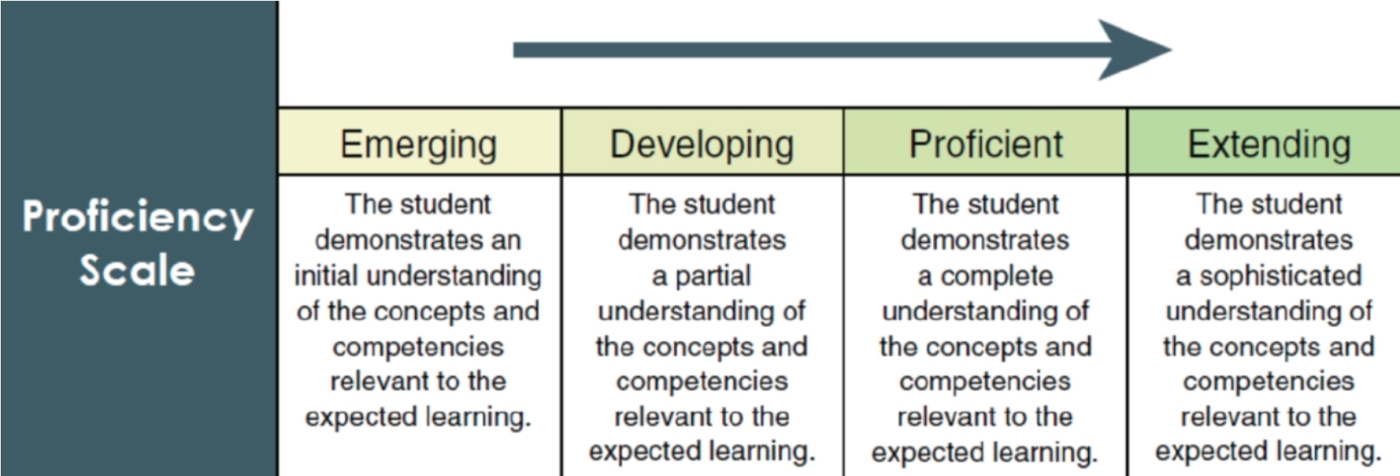
The teachers of the sample group used language from the provincial assessment scales to identify successes and remaining challenges. The teachers were pleased to identify that there was noted improvement for all students identified in the sample cohort in relation to the literacy goals developed by staff. These goals, in no particular order of priority, were identified as:
- Exchanging ideas and perspectives to develop shared understanding
- Using writing and design processes to plan, develop, and create text for a variety of purposes and audiences.
- Using the features and conventions of language to express meaning in their writing and representing.
| Type/Time of Writing Sample | Emerging | Developing | Proficient | Extending |
|---|---|---|---|---|
| December 2021 Personal Writing | 17% | |||
| May 2021 Personal Writing | 47% | |||
| December 2021 Non-Fiction Writing | 29% | |||
| May 2022 Non-Fiction Writing | 43% |
As noted above in the graph, the students progressed in both of the areas identified for assessment: Personal and Non Fiction writing. While there is significant improvement in the area of Non Fiction writing (+14% over the year), the area of Personal Narrative writing showed an even more notable improvement. In this area, there was a 30% increase in the number of students that the teacher identified as being "proficient" in alignment with provincial assessment language and guidelines.
Throughout the year, students used the writing process to demonstrate an ability to communicate a particular idea to a particular target audience. Students were encouraged to use various writing tools and planning structures to construct the requested writing samples across various genres. The genres utilized focussed primarily on the following:
Personal writing Nonfiction Informational writing Story writing Poetry
Student learning evidence is gathered in a variety of ways. For example, in one method, the teacher, using the language of the assessment standards, identifies student strengths and challenges in relation to writing samples and provides comments. Student digital portfolios and self reflections ,as well as peer evaluations, also play a role in developing a holistic, authentic, and ongoing assessment process. Samples of these various methods are outlined below:
In their work on "Biography of a Famous Person", 77% of students were able to use writing and design processes to plan, develop, and produce non fiction writing from a research frame. There remains 23% of the cohort who require further support and instruction in this area.

Based on teacher reflection at the conclusion of the period in which concepts were presented, practised, and reviewed, 65% of the students in the cohort were able to use the features and conventions of language to express meaning in their writing and representing at a level from developing through to extending. With 35% of the students still requiring support in this skillset, this will remain an area of ongoing focus and priority.
Moving Forward
This year represented our "first steps" with the Powerful Writing Structures resource that formed the basis of our work. Staff remains excited and committed to further solidifying their own understanding and proficiency in using the suggested strategies and resources. Based on the progress we have made, and following staff consultation and review, we have identified the following as future areas of focus:
- Continued in-service and review of the Powerful Writing Structure resource, using various formats including Staff meetings, Lunch and Learns and online methods.
- An enhanced focus on improvement with regard to the conventions of writing as this remains an area of significant challenge.
- Branching out to include other areas of writing and other resources and documents that support this work.
As we approach our second year with these refined goals, our students and teachers will continue to work together, assess together and implement the suggested methods. As a school community, we will work together to ensure that our parent partners are aware and receiving information regarding how to support their children in this area. This will be part of the PAC meeting structure (Curriculum updates and in-services) for the next school year. We believe that these initiatives at the individual student, class, and at the larger school community level, will allow our students to experience even greater success moving forward.
Surrey Schools
Formed in 1906, the Surrey School District currently has the largest student enrolment in British Columbia and is one of the few growing districts in the province. It is governed by a publicly elected board of seven trustees.
The district serves the cities of Surrey and White Rock and the rural area of Barnston Island.