Ecole Salish Secondary 25-26

OUR CONTEXT
The Salish Way
Salish Secondary resides on the unceded, and traditional territory of the qʼʷa:n̓ƛʼən̓ (Kwantlen), q̓ic̓əy̓ (Katzie), sɛmiˈɑːmuː (Semiahmoo), qiqéyt (Qayqayt) and other Coast Salish Nations, who have been traditional stewards of this land since time immemorial.
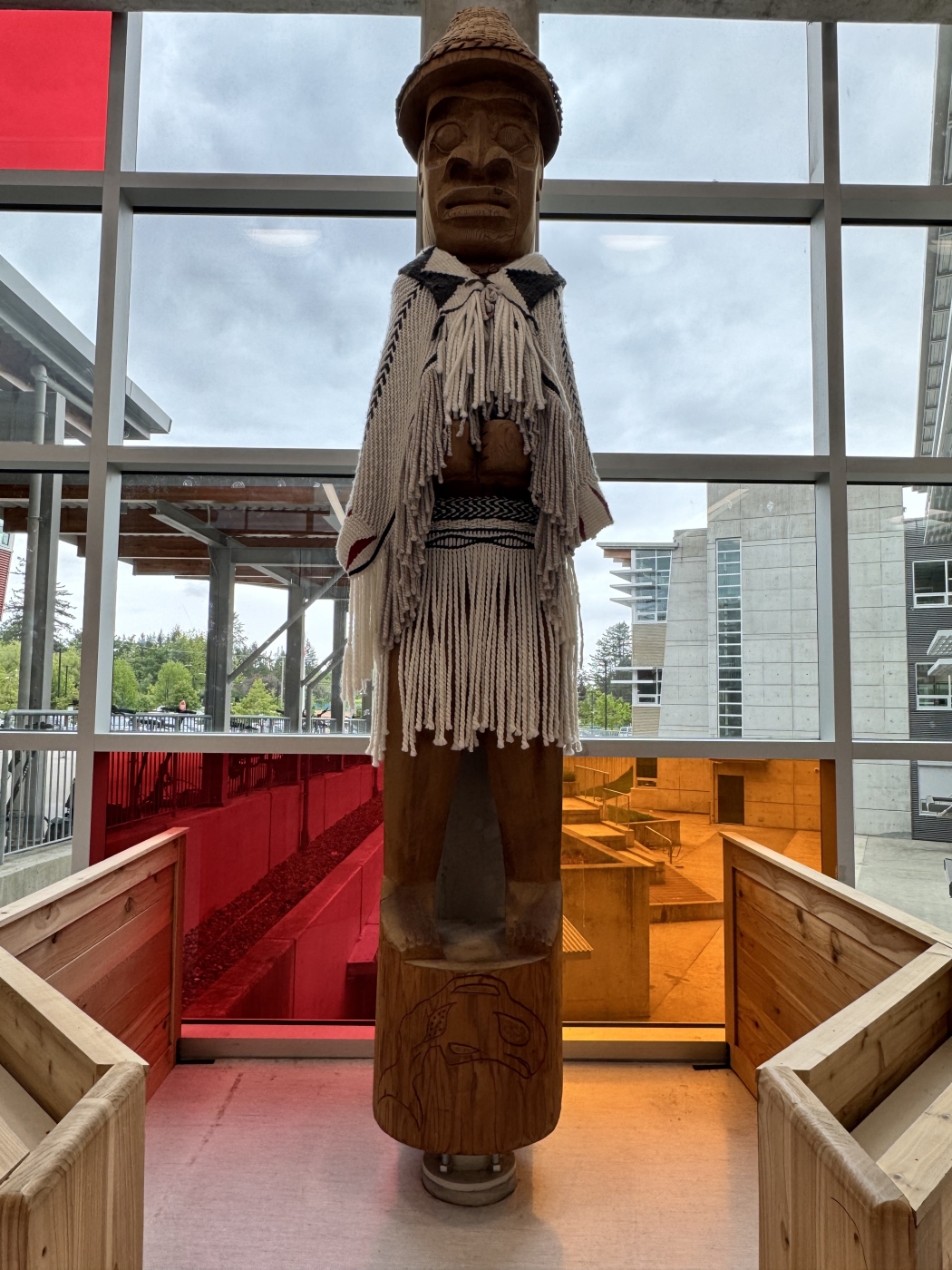
École Salish Secondary opened in 2018 in the Clayton/Cloverdale community. Our school is unique for the collaboration with many Indigenous artists who played a huge part in the design and physical space of the school. Local First Nations members were invited to be a part of the school community before the building was even erected. The name 'Salish' was gifted with permission to the Surrey School District. At Salish, we honour our Indigenous roots. When you enter the building you will be greeted by the beautiful welcome figure, carved by artist, Gary Leon.
Our Vision
Our vision is to work together, build strength and fuel passion. Our culture is built on a foundation of relationships and has a community focus.
Keeping our diverse community in mind, we design learning for all students through our understanding that all students learn differently. We emphasize inclusive education to ensure that students with diverse learning needs, including those with disabilities, receive appropriate accommodations and support.
Students have the opportunity to witness our commitment to inclusivity and diversity every day. Salish is founded in Indigenous knowledge and the First Peoples Principles of Learning. Co-teaching, multi-disciplinary learning, and creative instructional design guide our teachers.
Salish offers rich programming in the humanities, fine and performing arts, technology education, science exploration, athletics, and French Immersion. Unique to Salish are the LEAP program, MASS program, Recreation Leadership Program and the Wolfpack Program.
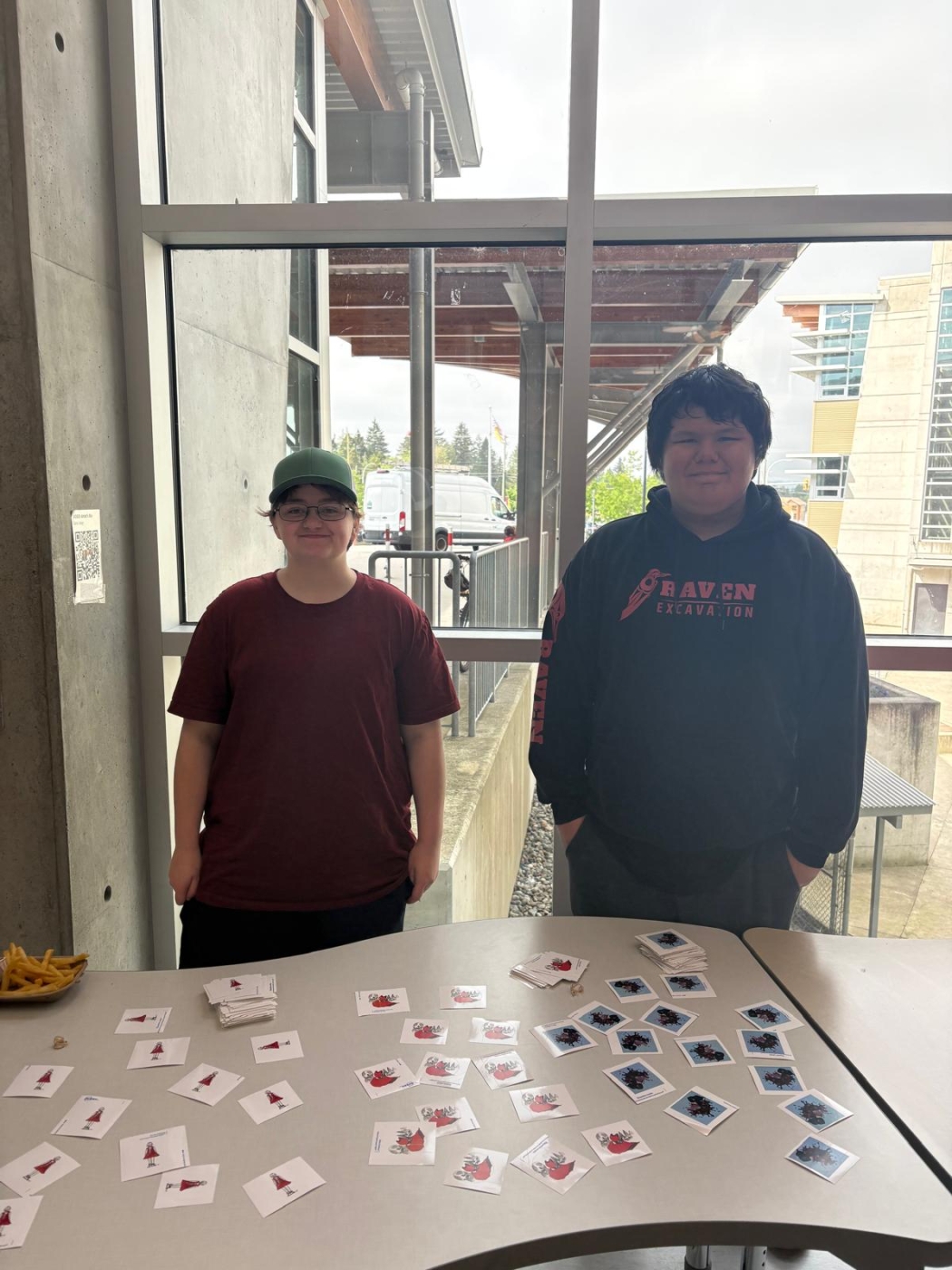
As a young school, the students have worked hard at creating a positive school community and culture by initiating and running a variety of clubs such as the Good Samaritans Club, Environmental Club, Social Justice Club, Black Student Union, Tea and Fiction Club, D and D Club, Video Game Club, Weight Lifting, Art Club and more.
The Coast Salish Artists
One of the most beautiful things about Salish is the artwork that is on display in every pod around the school. Nine Coast Salish artists were invited to share their work. Below are a series of vignettes, produced and filmed by Dallas Yellowfly and Alicia Collie of Three Crows Productions.
OUR LEARNERS
Our learners come from diverse backgrounds and bring with them a wide range of experiences, learning needs, and cultural perspectives. They recognize that meaningful learning involves reflecting on and exploring their own identities. They also understand the importance of honouring each individual’s history and story by ensuring our curriculum and school culture reflect a broad and inclusive range of cultural perspectives. Learning is deeply rooted in memory, history, and storytelling—encompassing the experiences and narratives of all people.
School Goal
To increase student engagement and community connections.
Many students are struggling with motivation, focus, and a sense of belonging in school, which is contributing to lower engagement and academic performance. These challenges highlight the urgent need to strengthen both student engagement and meaningful connections with the school community.
Salish Secondary offers a variety of courses and programs built to increase student engagement and connection to community:
LEAP Program
MASS Program
Wolfpack
Recreation Leadership
Leadership
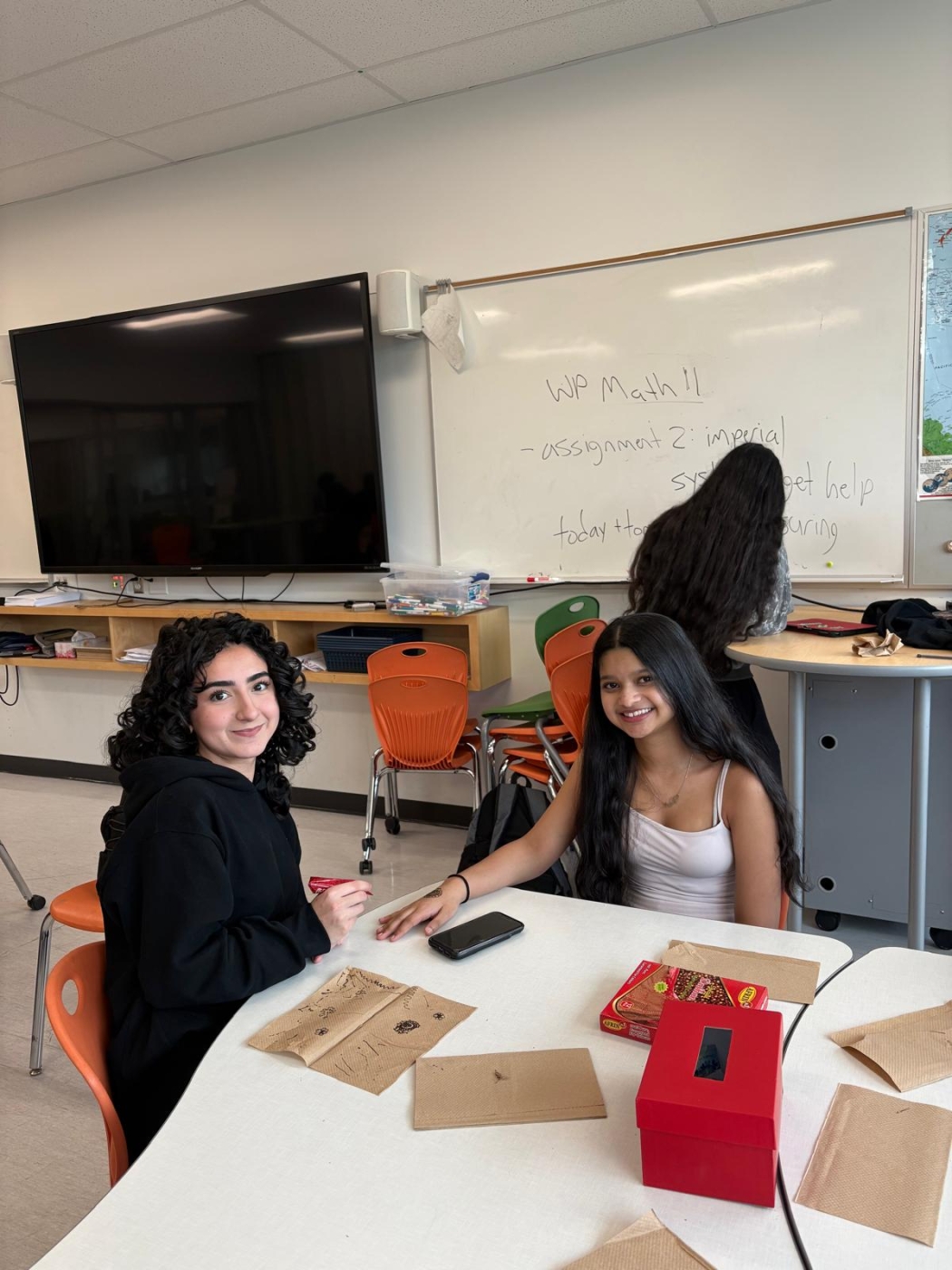
Students in a variety of programs have contributed significantly to increasing student engagement in school.

OUR FOCUS
Student Engagement and Connection to Community
The LEAP Program at Salish
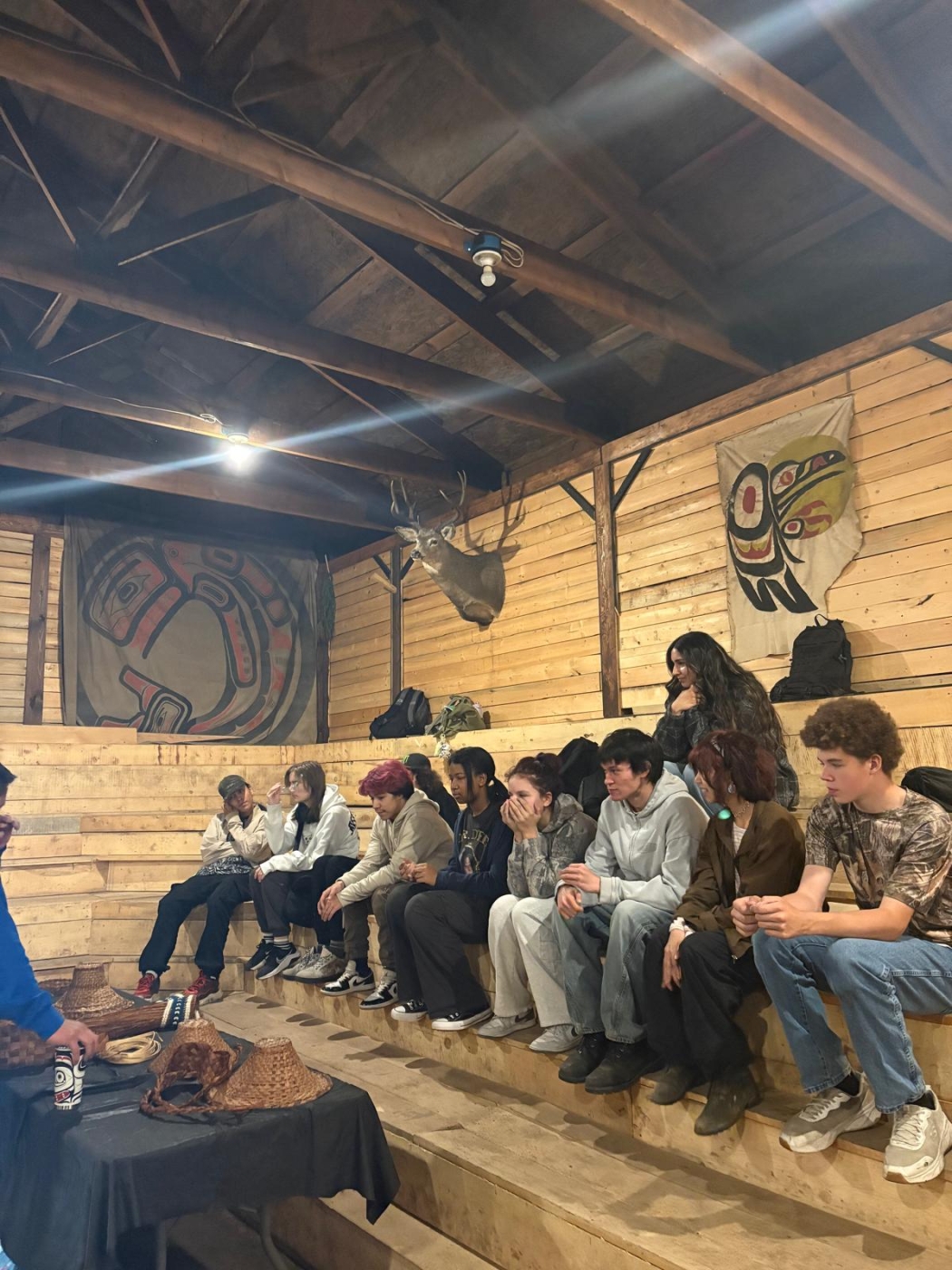
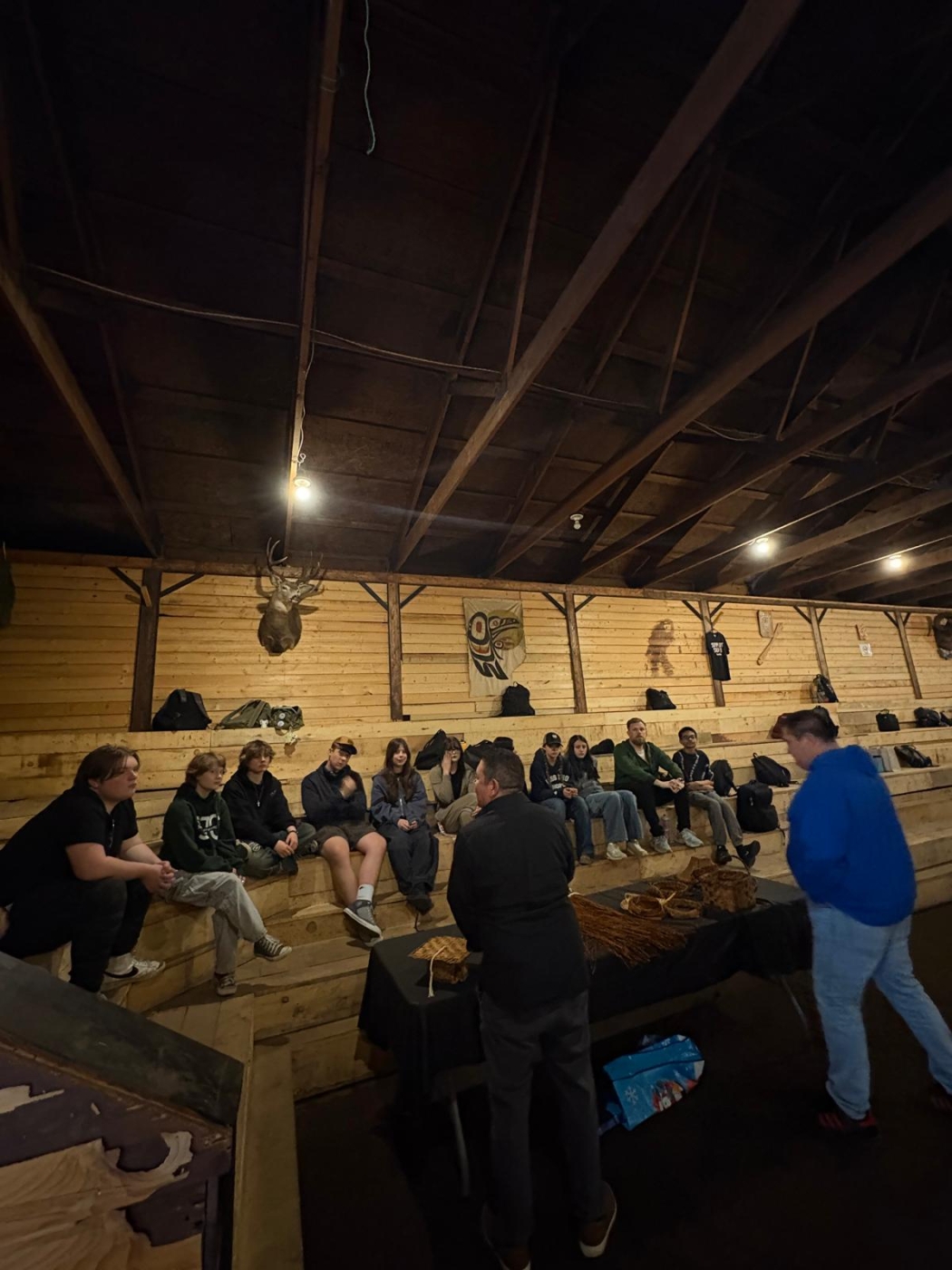
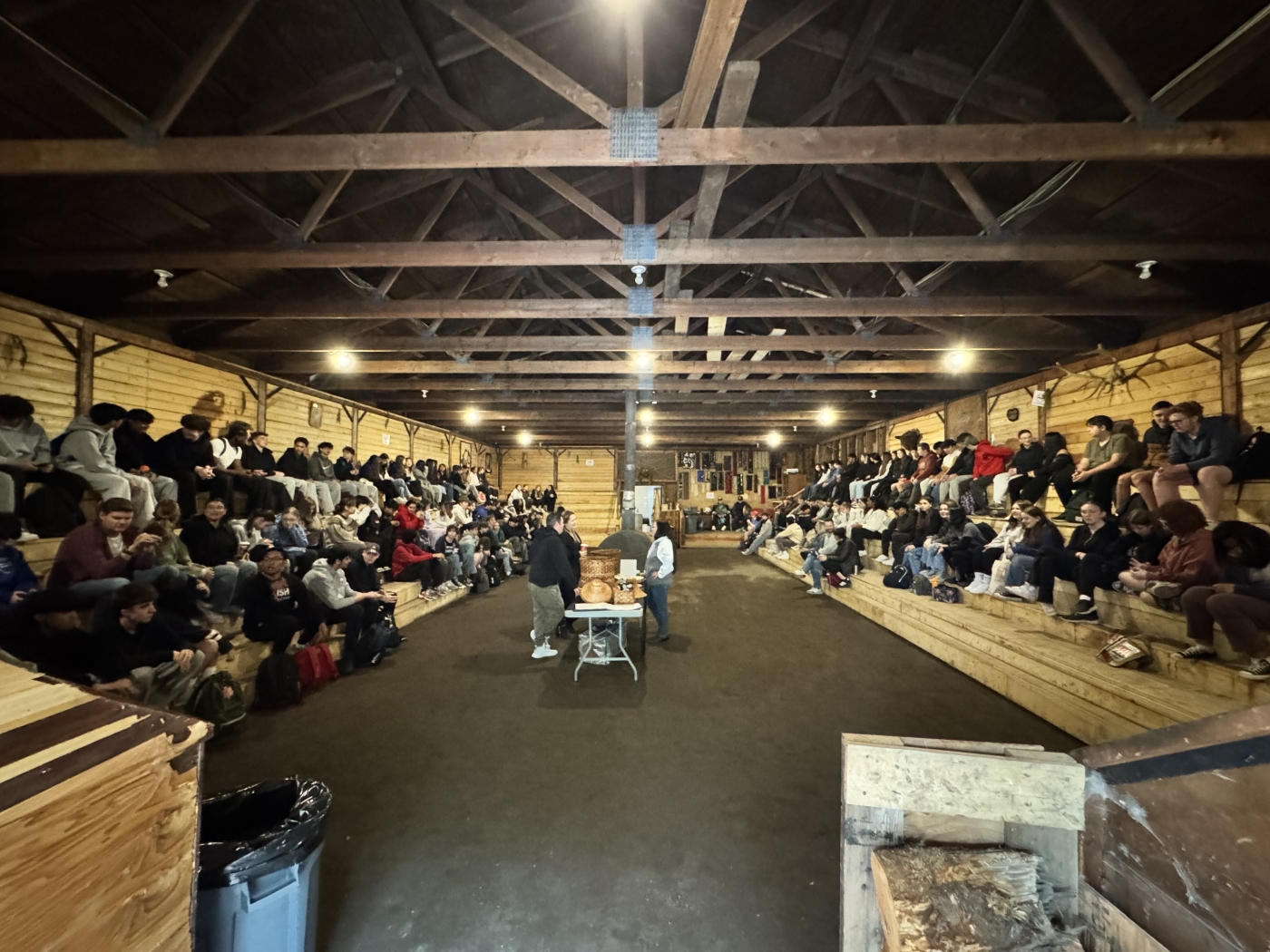
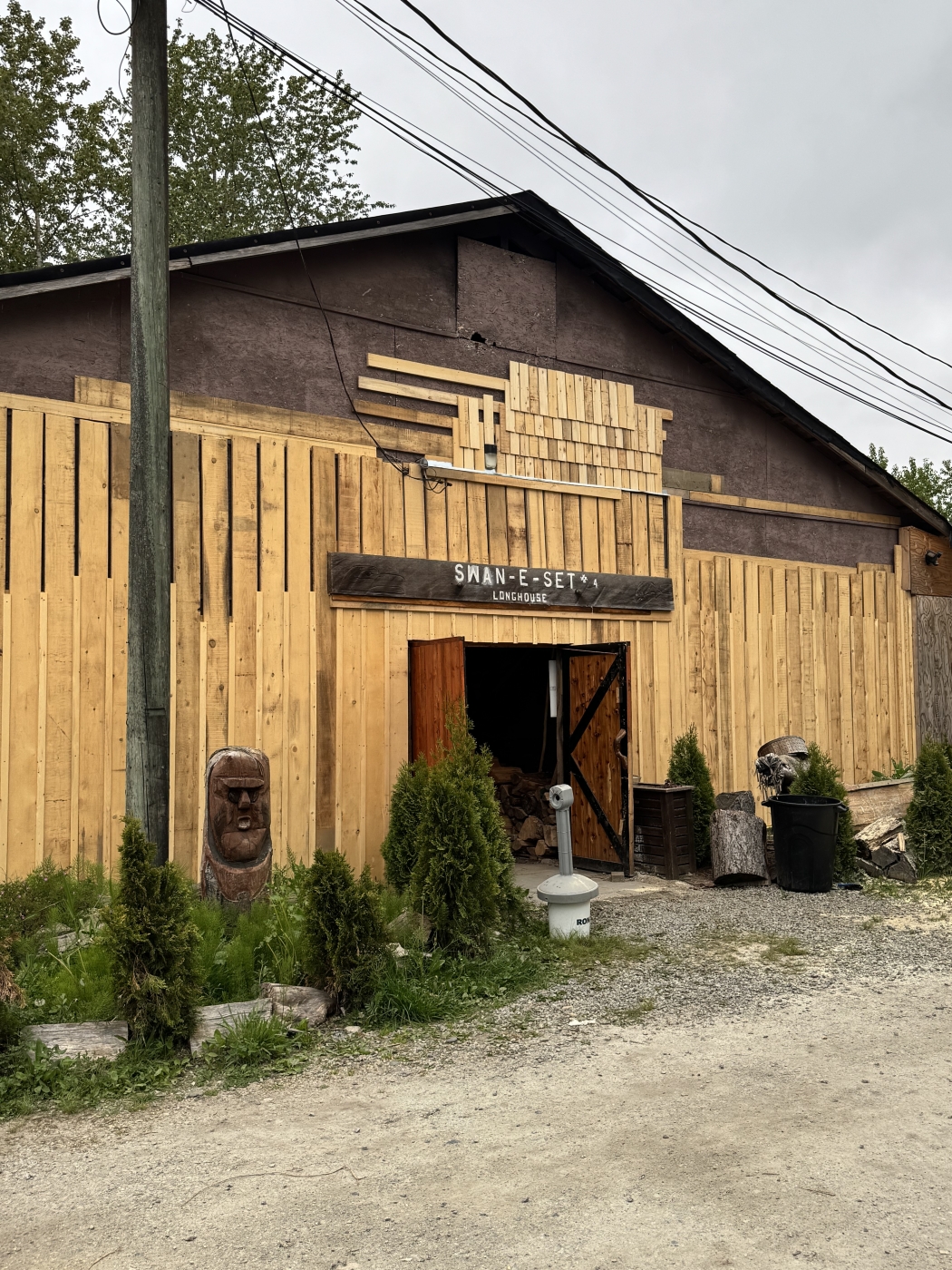
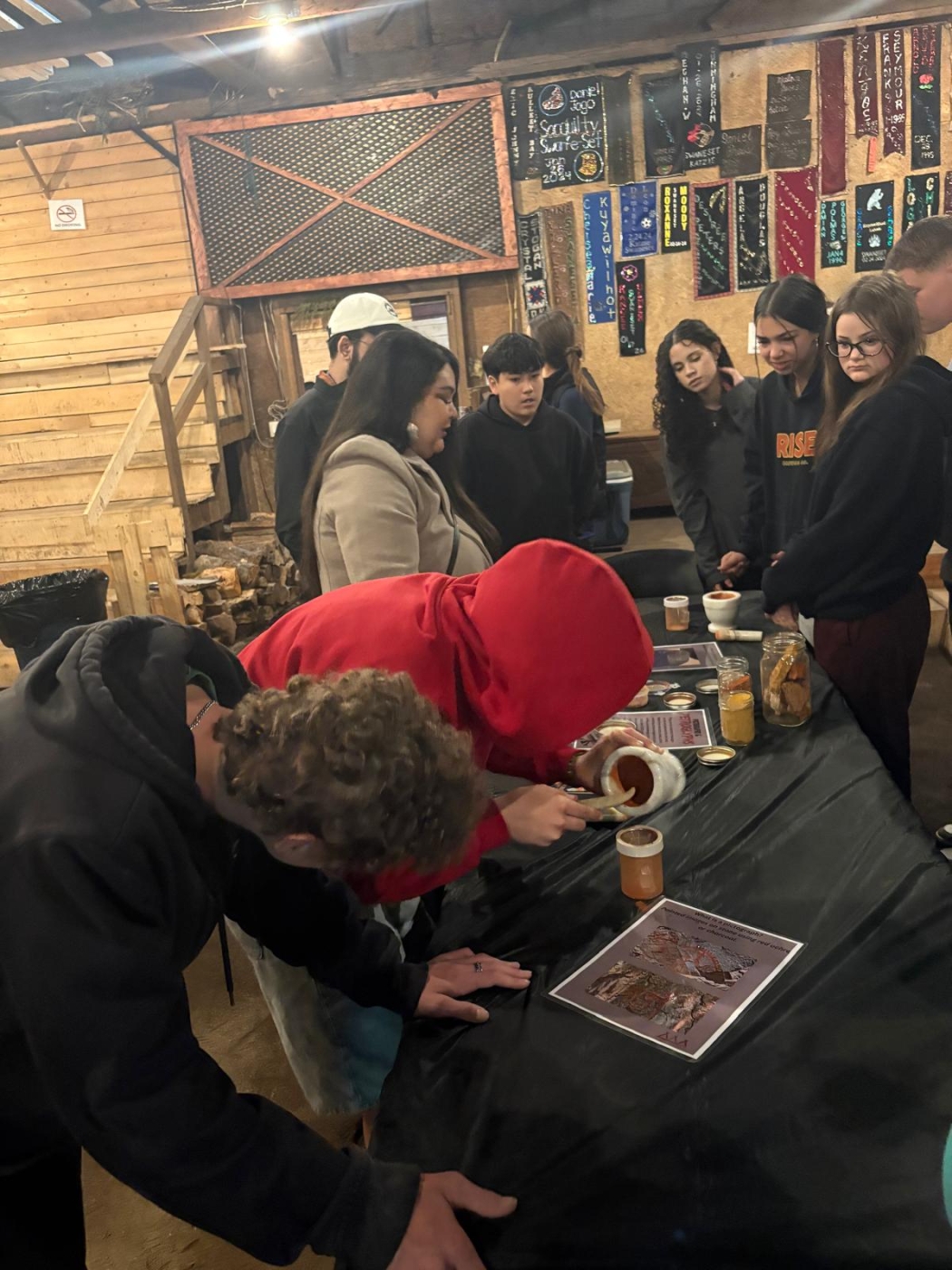
Salish is unique in its offering of the LEAP program. LEAP is an interdisciplinary, experiential learning program for students in grades 8-12. The program is rooted in the First Peoples Principles of Learning. LEAP promotes positive student identity and cultural identity by empowering youth, and fostering a strong sense of belonging. Students in LEAP spend half of their school day for a full calendar school year in the program completing their English, Social Studies and Physical Education courses, as well as Science and Careers in the senior program, and ADST in the junior program. LEAP was created as a way to improve student engagement and success rates for learners. The program is built on strong peer/teacher relationships that are fostered through targeted community building practices. Once a month students in LEAP participate in a field study to a variety of places that connect with in class learning, in order to enrich their experiences with place based learning.
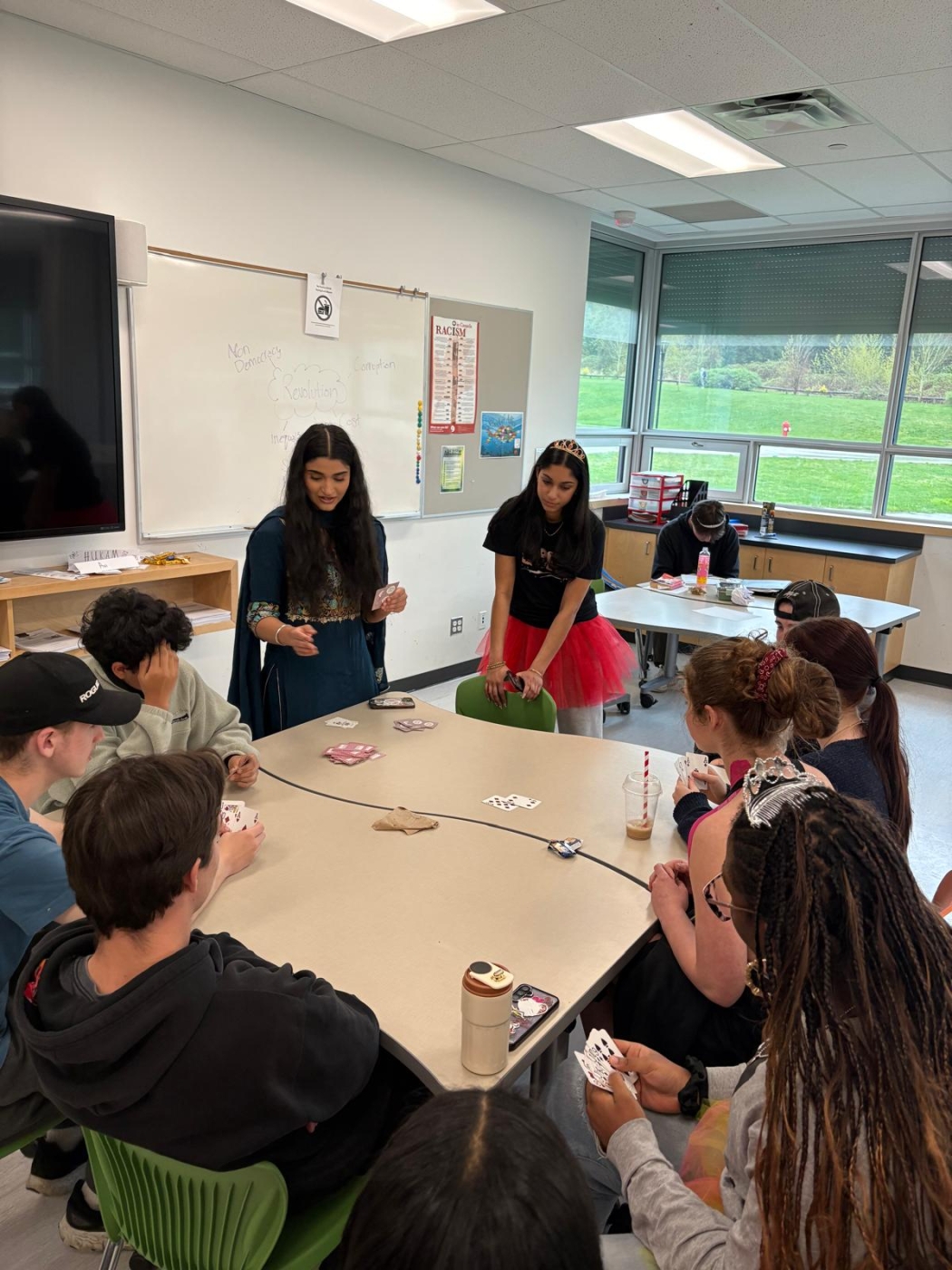
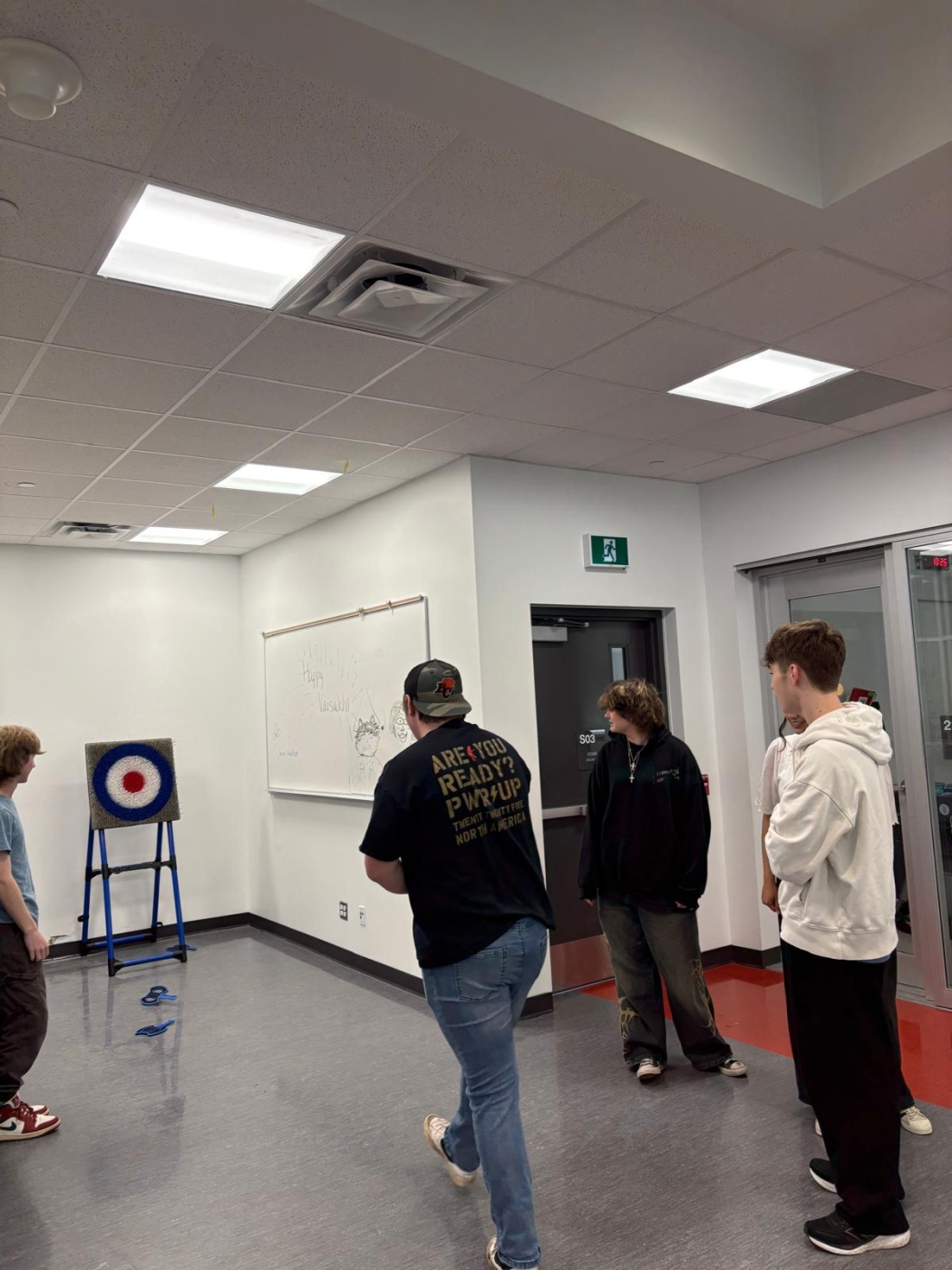
Teachers in LEAP begin the year with foundational community/team building activities and model these practices. When students get to know each other, their confidence grows and they are more willing to take risks in their learning. LEAP is a soft landing place for grade 7 students transitioning from Elementary to High school. They feel supported in their transition by their teachers and have less navigating to do around the building because they spend half of the day in the program.
LEAP focuses on student strengths and growth. Accessible entry points are created for all learners so that every student has a chance to be successful in a way that supports individual student needs. The teaching team collaborates daily, preparing engaging and thoughtful lessons. They use the First Peoples Principles of Learning as the foundation of their teaching.
OUR NEXT STEPS
École Salish Secondary is in the second year of a three year inquiry with the Network of Inquiry and Indigenous Education (NOIIE), called the Indigenous Education Impact Initiative (IEII). The focus on the inquiry is increasing student engagement and success through the LEAP program. We will be collecting and analyzing quantitative and qualitative data, such as student feedback, attendance records and report card data, to determine how and why a program like LEAP helps students thrive. Retention in LEAP is high in the third year of the program, running with grades 8-12 students. We will be following students who remain in the program, and others who leave the program.
Student Survey Results:
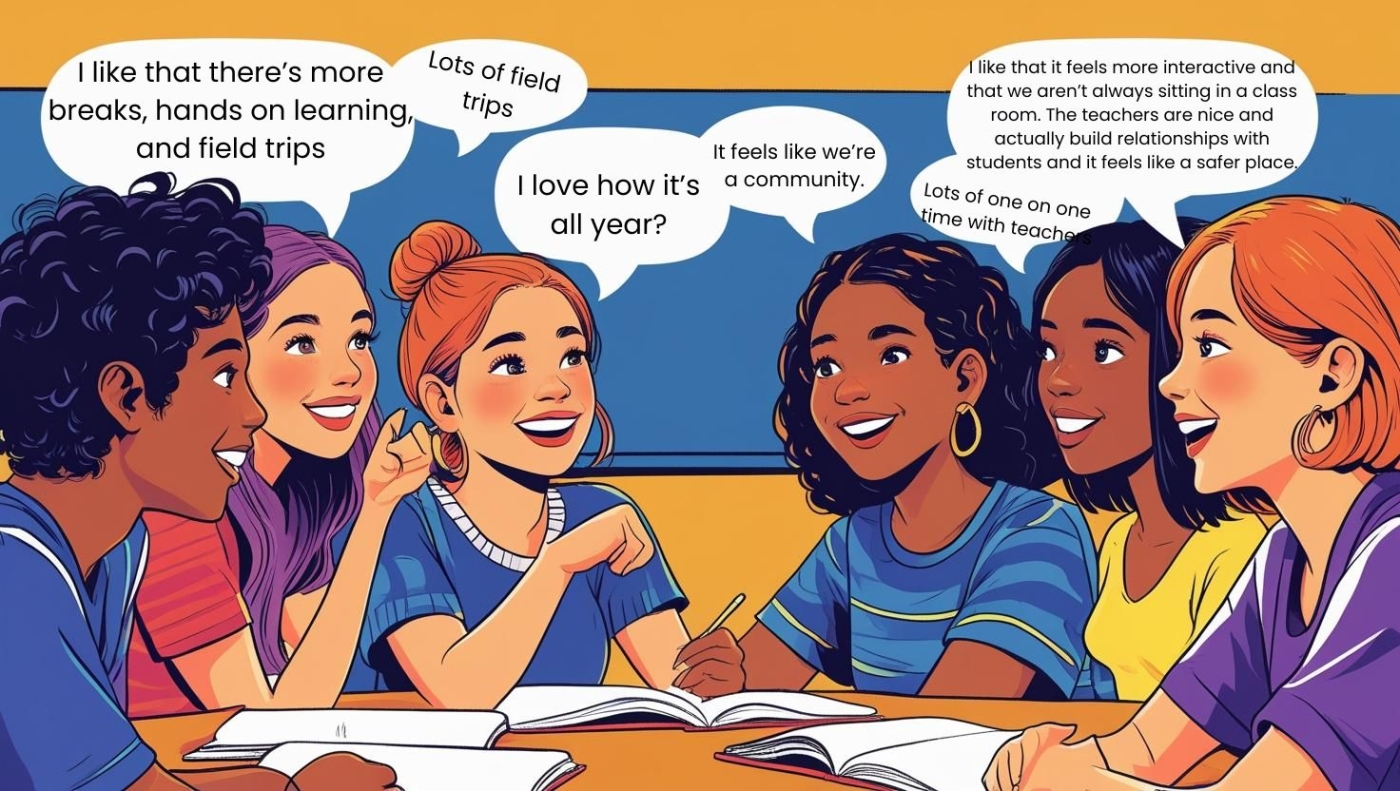
What do you like about the LEAP program?
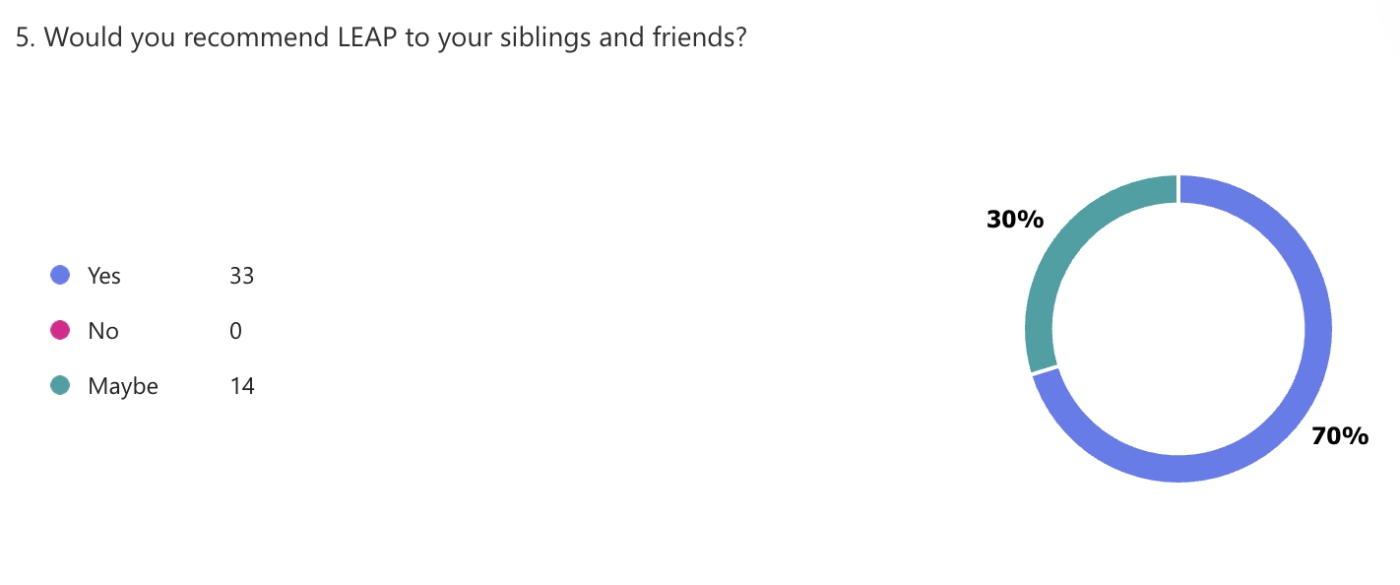
Anecdotal Evidence:
Student A was struggling in her main stream classes first semester. She was not attending and not completing her work. Her parents and teachers were frustrated. Eventually her parents reached out to the LEAP coordinator to ask if there would be a possibility for her to enter the program half way through to see if it would help her. At first Student A was unsure about LEAP and did not want to join. After some persuasion, we introduced her to the class and she began. Within the first week she recognized the strong sense of community. She made some quick friends and has been doing so much better. Below are some pieces of evidence that show her and her parents' enthusiasm for the opportunity to be in LEAP.
"i love the environment in leap at the start i didn't want to join because i didn't think i would be with any friends but everyone is so nice and i made so many friends i talk to daily my learning has improved because my teachers teach me in a way i understand i like how we have regular breaks." - Student A
"I just wanted to follow up with you on Student A. Since Student A has begun leap there has been a remarkable difference in her school work and willingness to participate. She often comes home excited to share her successes and to tell us about her day. I so glad we got the chance to meet with you and the team and you were all able to recognize what she would need to be successful. I will be in on the 13th to meet with some of the girls teachers, and if I don’t get a chance to see you, I want to thank you for everything so far." - Parent of Student A
HOW HAS LEAP HELPED WITH YOUR LEARNING:
Student comments:
“English, socials, careers, and science have been very helpful. When i was in those classes outside of leap previous years they weren't classes i was very good in. The environments were different and i didn't like how i was being taught. This year though in leap I've learned much more and i feel i have been doing better in the subjects compared to other years with the different environment and connections it's made it easier and better for me to learn.”
Student B struggled in her mainstream classes last year. She had difficulty attending regularly, was often behind in her coursework, and was not consistently completing assignments. As a result, her academic performance suffered and she became increasingly disconnected from school. Teachers and family members were concerned because they could see her potential, but she was struggling to find motivation and a sense of belonging within the school environment.
Over time, Student B began hearing about the LEAP program and eventually reached out herself to ask if there was a possibility of joining. At first, she was unsure about whether LEAP would be the right fit and was hesitant about making a change. However, after meeting the class and learning more about the program, she decided to give it a chance.
As she became more comfortable and engaged, her attendance improved significantly. Being at school more consistently allowed her to stay on top of assignments, participate more actively in class, and rebuild confidence in her abilities.
This increase in attendance had a direct impact on her academic success. Student A began completing more work, improving her grades, and demonstrating stronger effort across her classes. Teachers noticed a clear difference in both her engagement and overall attitude toward learning.
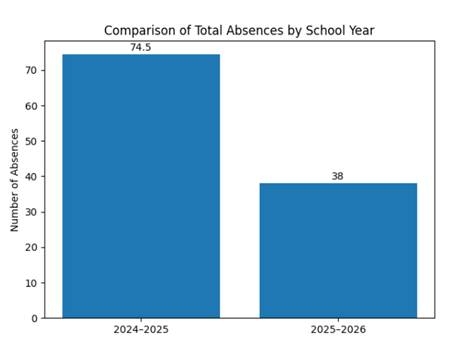
Here is a comparison chart showing the total absences for both school years using the attendance reports.
2024–2025: 74.5 absences
2025–2026: 38 absences
HOW HAS LEAP HELPED WITH YOUR LEARNING:
Student C comment:
“I get to get more positive feedback from peers with group work.”
‘leap has helped me with my learning i like how the topics are explained i think i understand more”
“I think maybe socials and english has been improved just because of how much we worked on it”
Student C’s literacy/class improvement
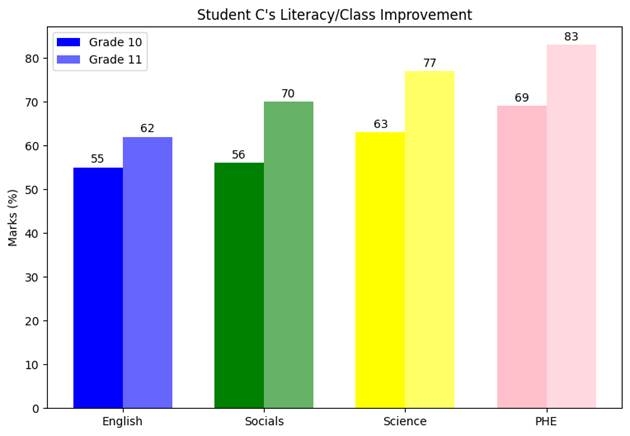
LITERACY
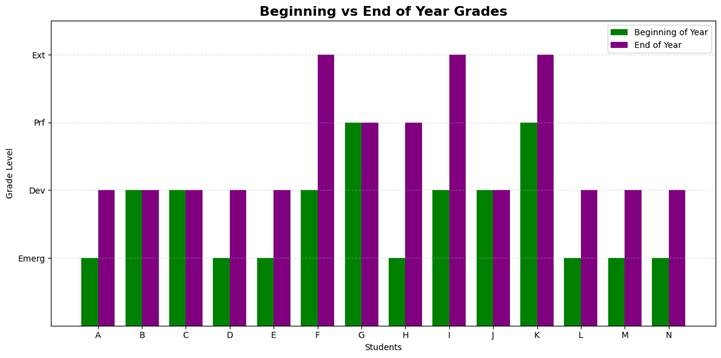
This chart compares the marks from a writing assignment the Junior students did in the beginning of the year versus the end to see where their literacy skills were at. The assignment was marked on the proficiency scale.
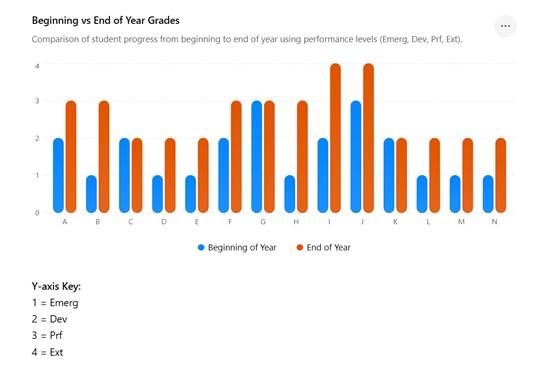
This chart compares the marks from a writing assignment the Senior students did in the beginning of the year versus the end to see where their literacy skills were at. The assignment was marked on the proficiency scale.
CAN COMMUNITY AND CONNECTION AFFECT A STUDENTS LEARNING?
Student comments:
"Some students have trouble with understanding things so it needs to be explained in a different way so if you explain it in a different way or use more communication and connection it could really change a students view on the work." - Student D
"Connection and a community affect a students learning in a positive way, I think leap does a really good job at that. Although I like working alone, community gives insight into how others are thinking about a topic sparking imagination and creativity." - Student E
"It can encourage more risk taking, and fuel motivation for the person to work harder. In a healthy community students can learn health habits too." - Student F
"It can because if a student does not feel comfortable in the environment that they are in they will not try their best or give it their all, like in LEAP I feel very comfortable so i give all my work everything i got." - Student G
Surrey Schools
Formed in 1906, the Surrey School District currently has the largest student enrolment in British Columbia and is one of the few growing districts in the province. It is governed by a publicly elected board of seven trustees.
The district serves the cities of Surrey and White Rock and the rural area of Barnston Island.