Ecole K.B. Woodward 25-26

OUR CONTEXT
Dear Families;
Welcome to École Élémentaire K.B. Woodward. Walking through the entrance of the school; the staff, students and the surrounding community recognize our collective pride in our deep roots and history.
Daily, we acknowledge that we are on the shared and unceded traditional territory of the Katzie, Semiahmoo, Kwantlen, and other Coast Salish Peoples.
We acknowledge that we are guests on this land.
We recognize that many nations live on this land.
We respect all cultural traditions.

Nous reconnaissons et honorons que nous vivons, apprenons, et jouons sur le territoire traditionnel non-cédé des peuples Katzie, Semiahmoo, et Kwantlen.
Who are we at KB? Please click on this LINK to find out about us!
At École Élémentaire KB Woodward, we have a United Focus/Vision Commune: we are committed to a sense of belonging where safe, inclusive, and equitable relationships are fostered for all.

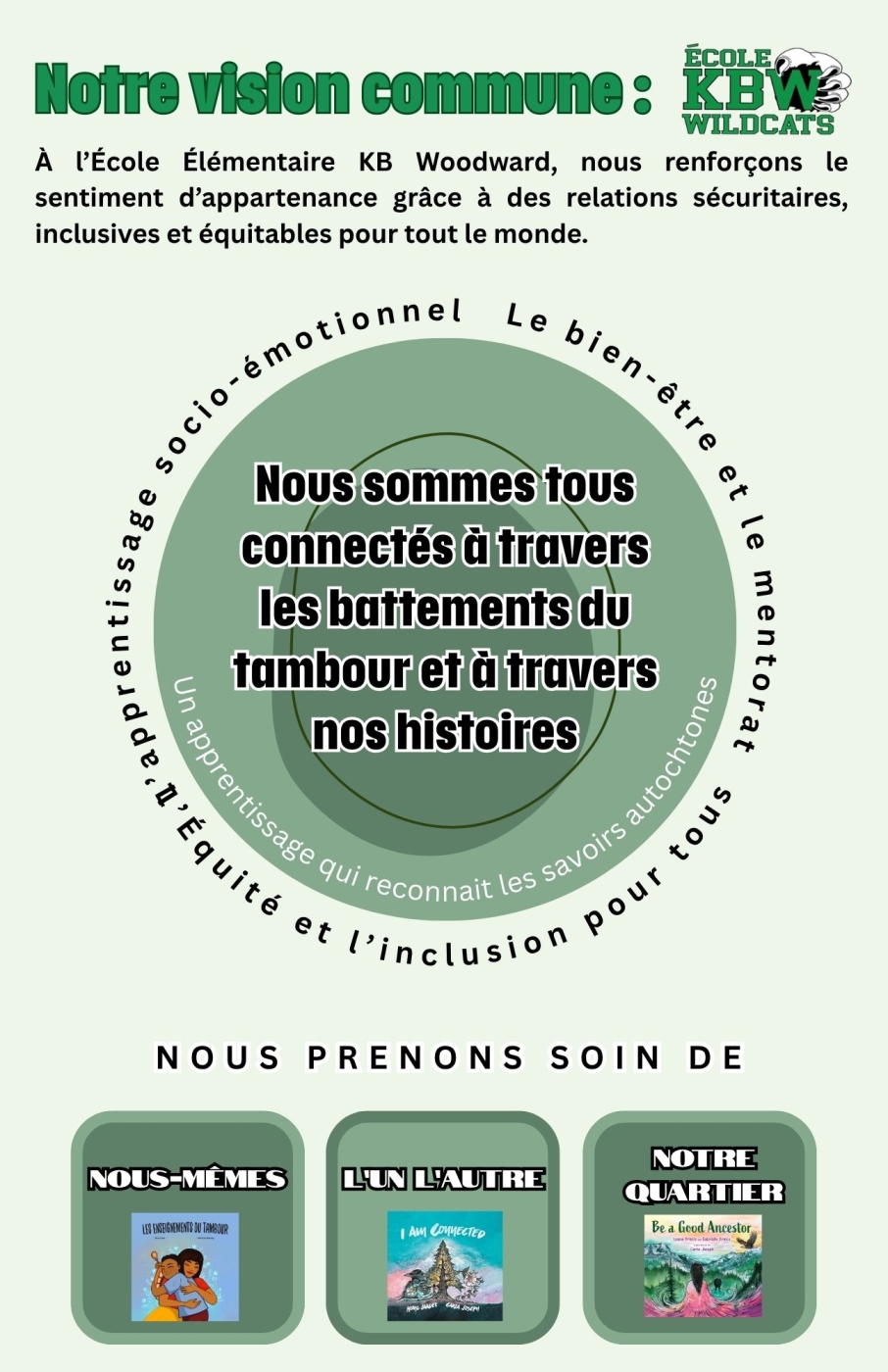
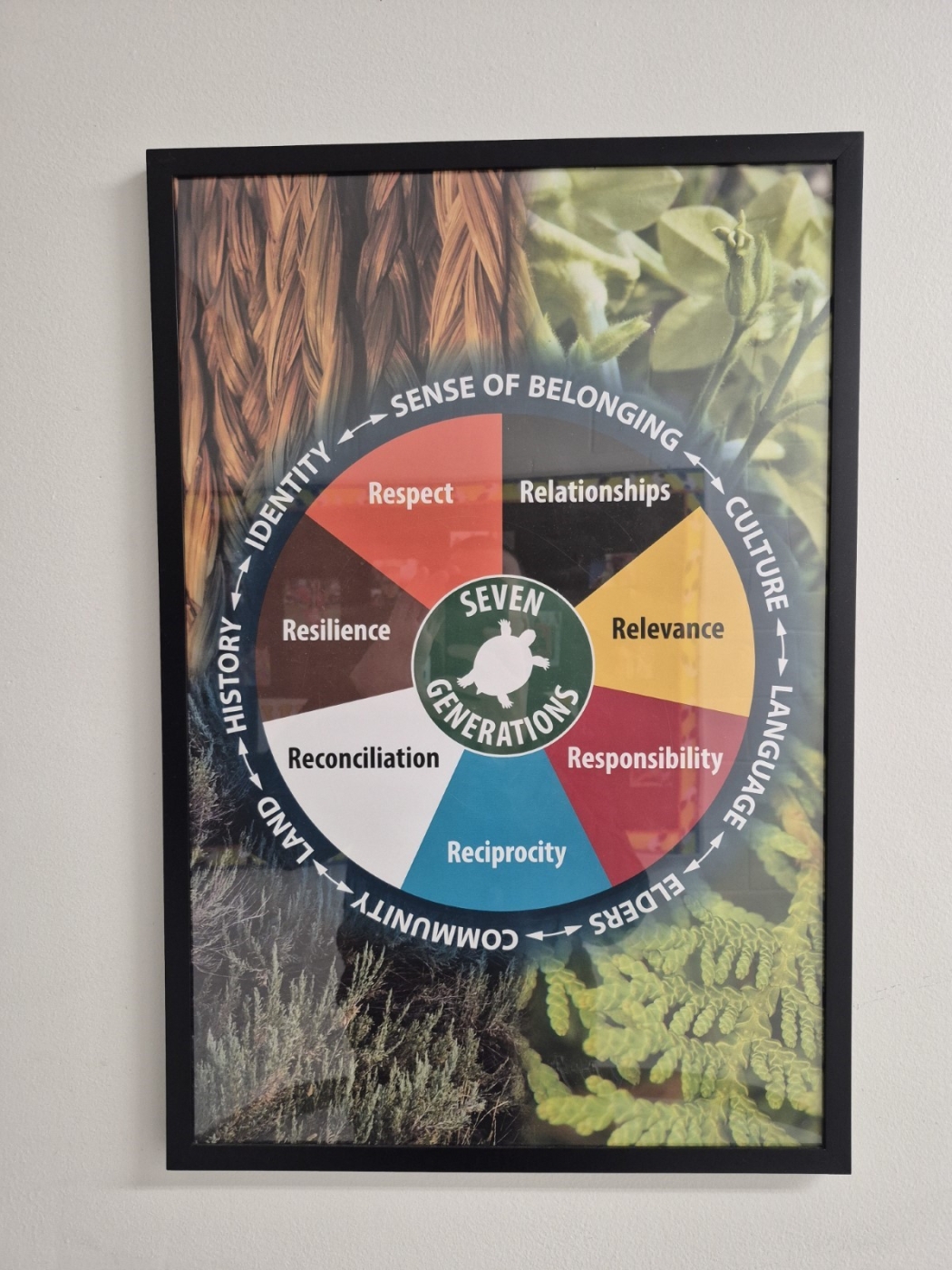
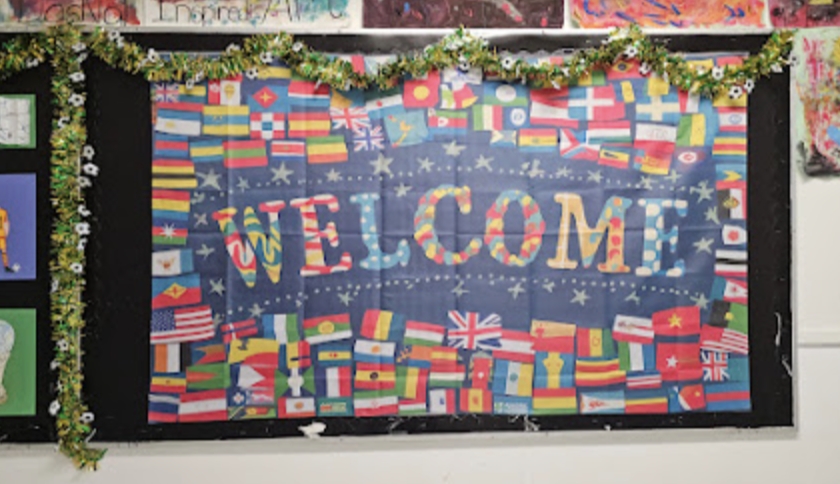
This Welcome Figure is shared in the front foyer to greet all who enter our amazing school.

OUR LEARNERS
Literacy is a fundamental skill. It is the ability to read, write, speak, and think in a way that lets us communicate effectively and make sense of the world.
At KB Woodward, the importance of 'story' is evident in many ways, through a variety of mediums. At KB Woodward, we weave in oral storytelling, and exchanging ideas with each other into our daily practice.
Our learners 'travaillent ensemble' and work together as collective Wildcats.

Our exchange of stories is increasingly grounded in the teachings of Seven Generations. We are focusing on Belonging.
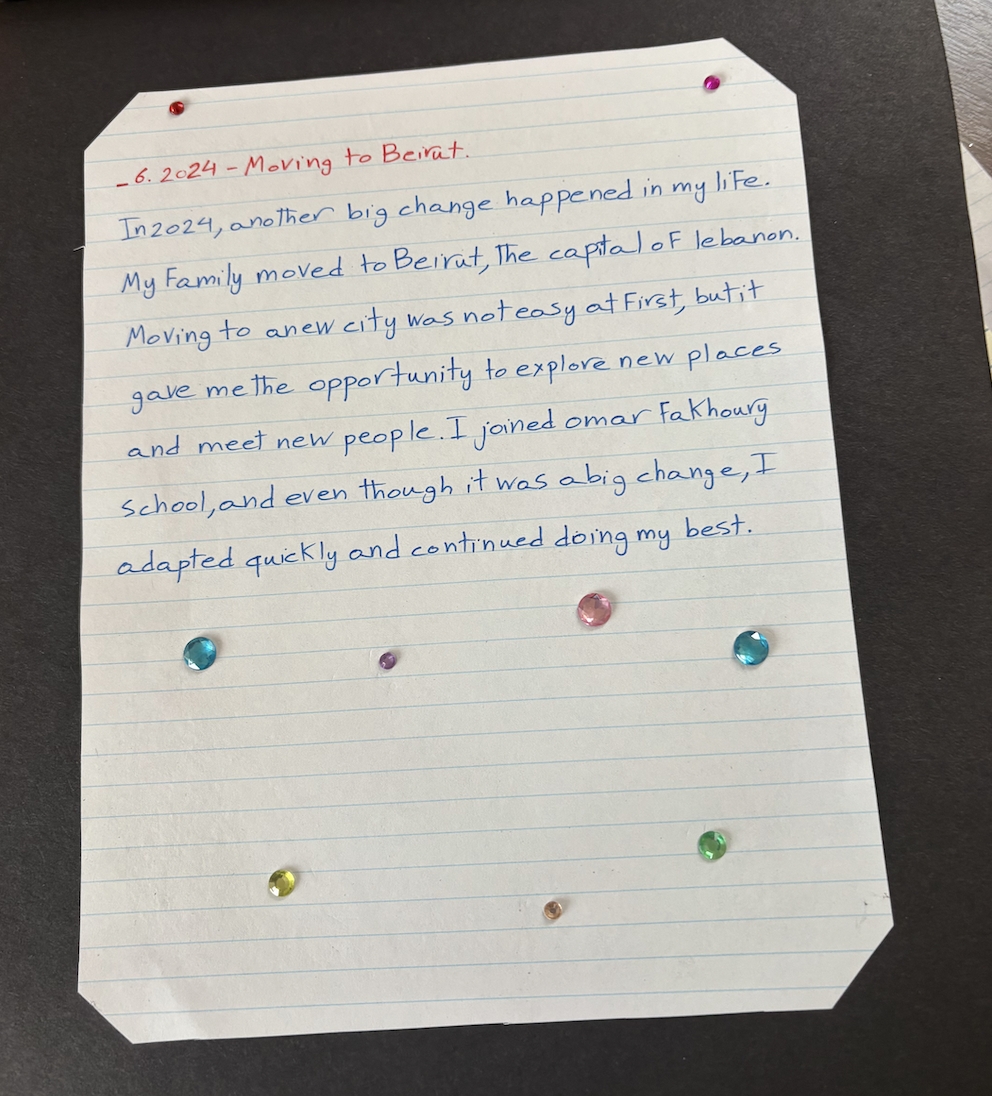
Our learners recognize themselves and others through their own personal story and experiences.
In the following examples, this Intermediate learner shares their personal experiences about their move to Canada from Beirut.

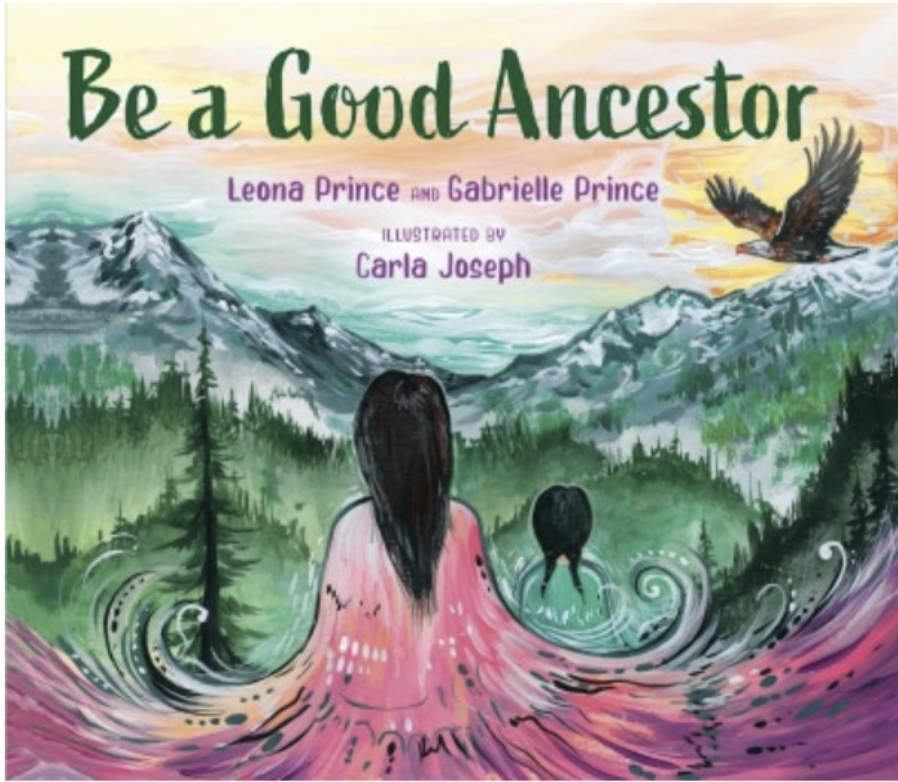
Students at KB Woodward have experiences with a variety of literature, including fiction and non-fiction. It is important for students to see themselves, visually (looking like them) and through perspectives, life experiences, and family make up that reflect their experiences.
Our learners understand that learning requires exploration of one's identity. They can communicate pride in who they are and what they can do through images and written language.


Our learners can express their pride and identity en français. These medicine wheels with personalized examples of activities promote health in each of the 4 areas (mental, emotional, spiritual, physical).


Our learners celebrate inclusion and acknowledge our diverse community.

Our learners understand the importance of connecting to Indigenous Ways of Knowing and Being. Our students recognize that, "Learning ultimately supports the well-being of the self, the family, the community, the land, the spirits, and the ancestors". Evidence of this can be found in several ways:
The heartbeat of the drum.
Drum making is identified as a way to strengthen the presence of culture, language, and traditional practices.
Our learners understand the Indigenous perspective that drums are living things and are to be treated with the utmost respect.
At KB Woodward we have ' Drumming Beats' twice a week. Our large and diverse student population attends and participates in our drumming circle. Students have learned and remind each other that we are honoured to have the drums; they are the second life of the elk and the second life of the maple tree. Students acknowledge the territories in English, French, and Cree; honour each of the seven generations; and sing various songs that we have been gifted.
The acknowledgment in Cree has been passed on orally and grounds our sense of place.
A picture of a drum that was made at our school.

In the following video, a student proudly sings at our school's ceremony. These songs are shared during our drumming beat sessions.
OUR FOCUS
Each and every day, among the variety of learning experiences presented to our learners, our team of educators focus on building strong literacy foundations that are fundamental for students participating in today's world.
Our focus has been grounded in the Curricular Competency: Create and Communicate (writing, speaking, representing) with a primary and intermediate cohort.
At KB Woodward, we are grounding our work following the Big Ideas:
- Through listening and speaking, we connect with others and share our world
- Stories connect us to ourselves, our families, and our communities
- Everyone has a unique story to share
Last year, we focused on the importance of exploring oral storytelling processes. Students read the story Be A Good Ancestor and then connected the story to their own experiences.
This year, we went deeper into how story can help connect learners to their own personal identity.
Specifically, we wanted our students to recognize the importance of story in their own personal, family and community identity, and to be able to share their ideas and perspectives with others.
Therefore, we are focusing on these two curricular conpetencies:
- Recognizing the importance of story in personal, family, and community identity
- Exchanging ideas and perspectives
We are using these two curricular competencies as a way of fostering our sense of belonging and connectedness.
Student learning evidence is gathered in a variety of ways. For example, in one method, students were asked to engage in conversations about the collective stories: I am Connected and The Teachings of the Drum. These stories were read orally across the cohort.


This year, we also used our our weekly drumming sessions as a way of sharing our oral traditions and story. These drumming sessions captured our large student body and invited all to share in the collective heartbeat. Many of the songs that are played in the drumming sessions have been gifted.
At the beginning of each drumming song, a student drum leader shares the story of the song orally with the collective. We hear the history and legacy of the song and how it was passed on, or gifted, to our KB community.
For example, at the drumming sessions, we often hear the story of the Water Song. The Water Song was gifted to the KB Community by Lorenda McKay of the Laxgalts'ap Nation, who is the grandmother of a current student at KB Woodward. As we listen to the stories of the drum, we feel connected to each other and to the land.
Students, staff, and our parent community who attend the drumming sessions listen attentively as these oral storytelling processes are exchanged, including:
- stories from the Indigenous community which are only shared with permission
- when stories are being exchanged by the speaker and the circle listens by holding the drum to the chest.
Reflections from a staff member at École KB Woodward:
The drum is the heartbeat of the people and the land
This year, we used our collective work in recognizing the importance of story in family, community and identity to celebrate in a school-wide Fun, Inclusive Football Afternoon.
During this school-wide event, students were able to:
- think about their own cultural identity and personal story
- connect their story to their classmates and with their families
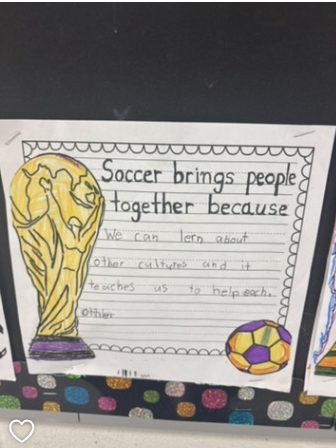
Below are examples of how students connected their story and perspectives to the school-wide event. This was shared orally with families.
Soccer brings people together because people from many countries play together. Learning and listening about soccer helps us learn about each other.

A large welcome sign in a variety of languages could be observed to welcome families to the event.
OUR NEXT STEPS
In the words of Chief Marilyn Gabriel of the Kwantlen First Nation, “We take pride in our community and in our past. For our Elders to witness what has come alive in our community – our language, our culture, our drumming as medicine and prayer – is a beautiful thing” (We Are Kwantlen, p. 241).
Direct evidence of student learning from the cohort in relation to the identified literacy goals (create and communicate: writing, speaking, representing) can be found in the summative analysis of the proficiency scale.
Student Learning Goals (Restated):
1. Recognize the importance of story in personal, family, and community identity
2. Exchange ideas and perspectives to build shared understanding
Goal one: Recognize the importance of story in personal, family, and community identity
When students in a primary cohort began the school year, it was observed that students were not able to express themselves orally to share their personal story. Students were not able to connect their pesonal story to their own identity. An analysis of data shares that 70% of learners were not able to connect to their own story and express this connection orally or in written form.
As a primary intervention, students were read the story I am Connected. After reading the story, students were invited to share their learning about their own personal story about their family and community.
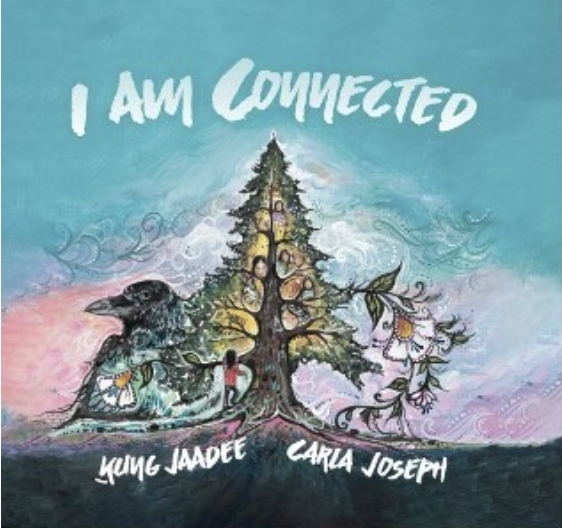
This book was used as a beginning literacy tool. It was was read as a primary intervention across the primary and intermediate cohort.
Other interventions included: students were engaged in hands-on learning experiences, small group work, and class-wide reading and writing activities that highlighted personal stories.
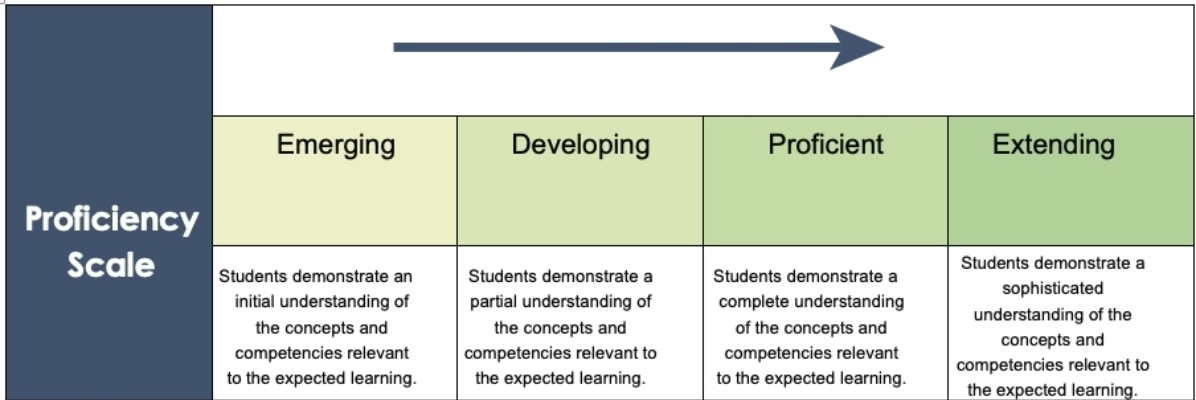
These interventions had a positive effect. In April, 50% of the learners in the cohort were at a proficient level and could connect to their own personal identity orally and in written form.
| Month | Emerging | Developing | Proficient | Extending |
|---|---|---|---|---|
October | 70% | 30% | ||
April | 20% | 30% | 50% |
Analysis of data:
At the beginning of the school year, 70% of students in the cohort were emerging in their ability to connect to their own personal story and identity. After the interventions, only 20% of students were at the emerging level, yet half of the students, 50%, were proficient in their ability to connect to their personal story and identity.
Direct evidence.
1. After reading the story I am Connected, students in the cohort showed an increased ability to connect to their own experiences and identity.
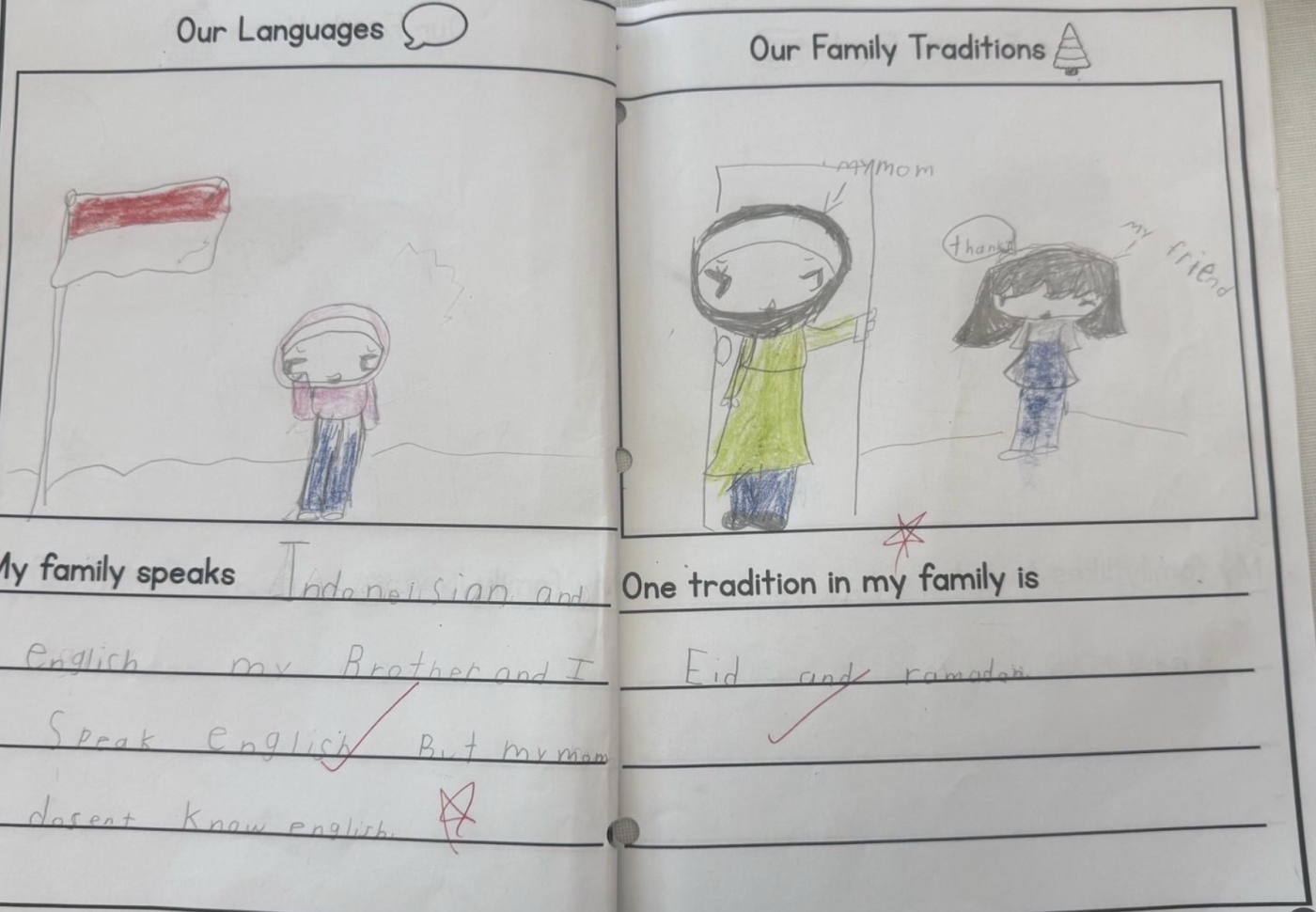
One tradition in my family is we celebrate EID.
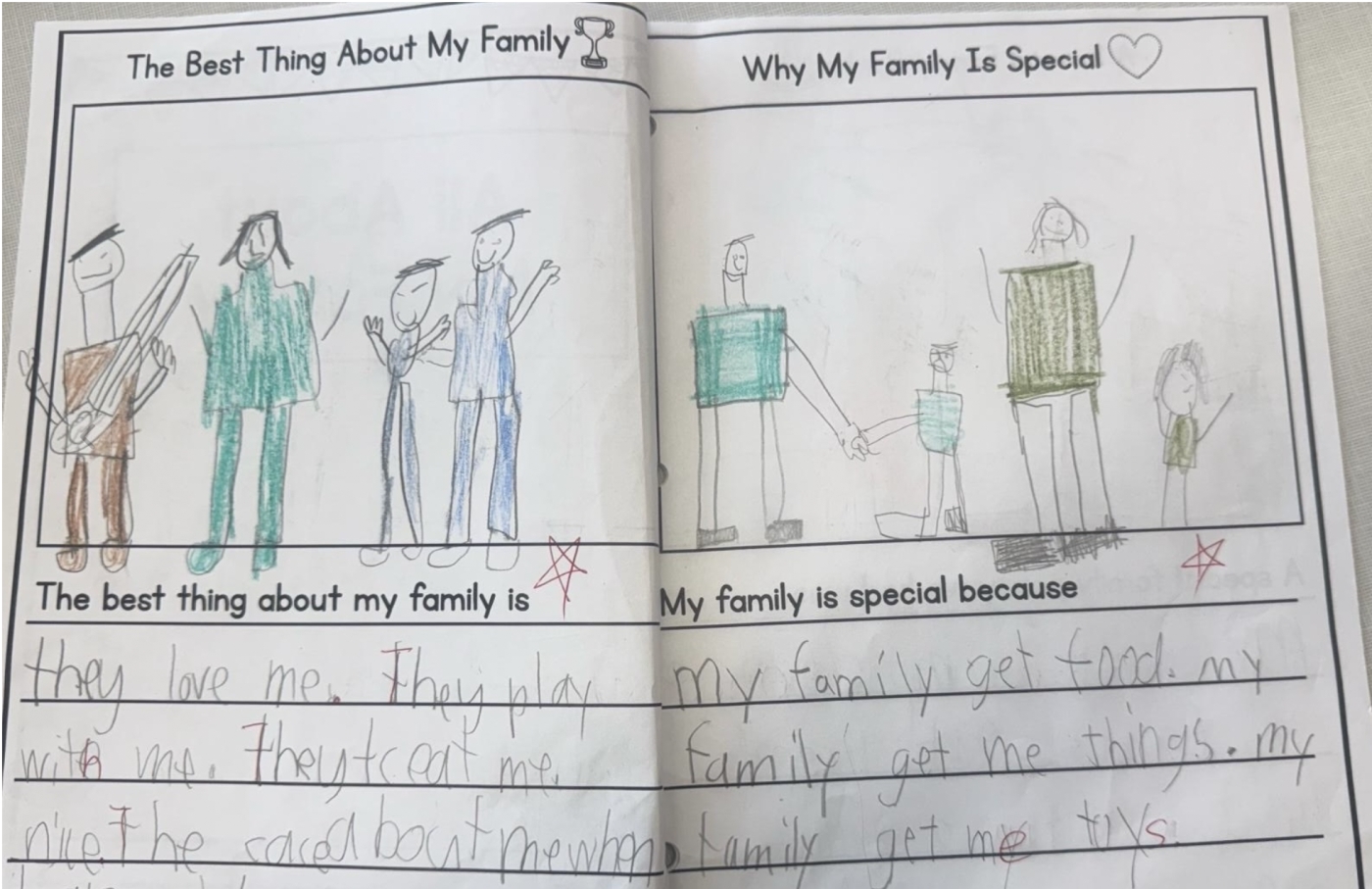
This student explains why their own family is special.
2. Students connected to their own culture after reading the story I Am Connected.
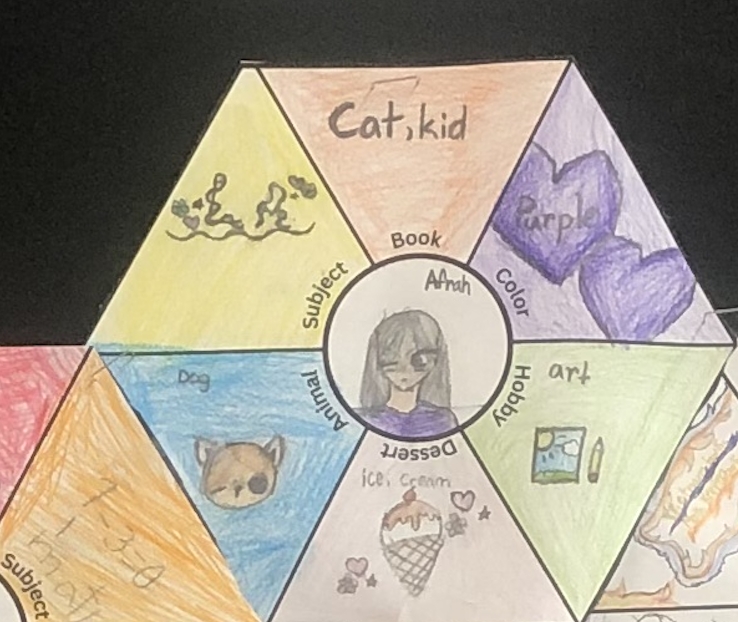


3. Students connected their own self through a flower diagram. These students described their roots, who they are, their goals, and sense of belonging and identity through this writing.

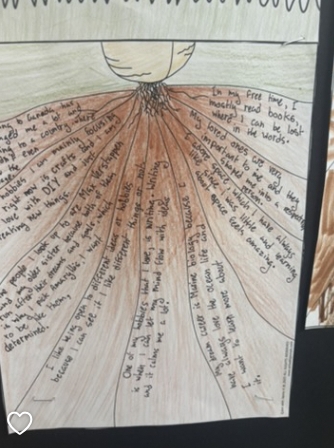
Goal two: Exchange the ideas and perspectives to build understanding
We are beginning to look at data to address this goal. Our first step was to gather data.
At the beginning of the year, a small cohort of primary learners were shown serveral story scenes and images. We recorded this data in the chart below.
Analysis of Scale:
Beginning: student cannot verbalize oral connections to the story
Developing: student can connect orally to the story using one or two sentences
Expanding: Student connects to the story using simple sentences
Consolidating: Connects to ideas in longer sentences
Bridging: Connects to the story using a range of blending sounds and more complex expressions
Analysis of Data:
In this cohort, we saw that in September, most of the learners could only share their ideas and connections to the story in simple sentences.
Through interventions of increased letter sound recognition, journal writing, literacy centers and small group instruction, 50% of of the learners in the cohort were able to connect their ideas to the story in longer sentences in front of peers in April.

We recognize the importance of building literacy skills through valuable experiences that foster a sense of belonging and connectedness. We are looking forward to going deeper in this goal as our students foster ways to exchange ideas with peers.
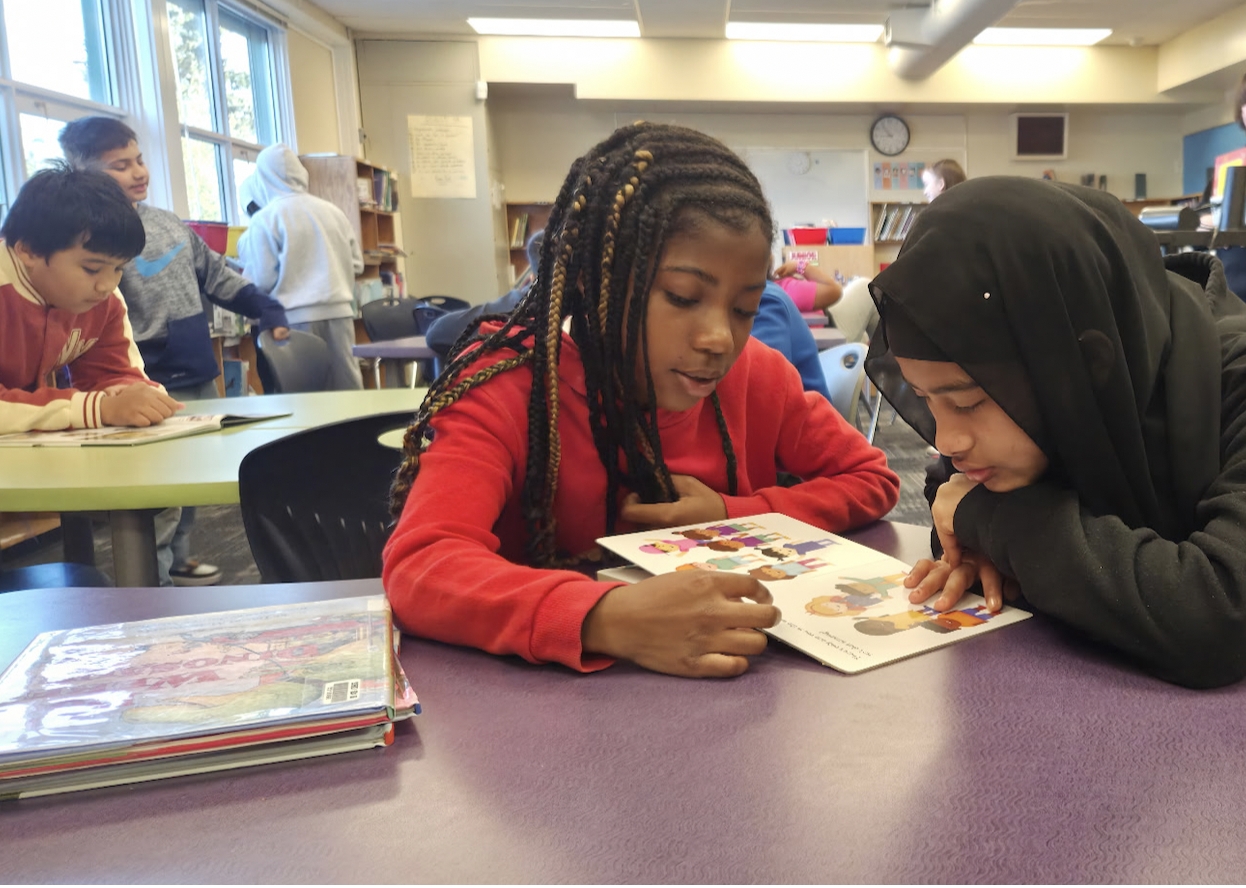 Students in the cohort exchanging ideas and perspectives.
A window into a student learning experience
As we began this work, we identified a student in the cohort who struggled with their sense of belonging at school. The student often disengaged from learning environments and was not able to focus on taking turns with others, listening and speaking with peers, and was not open to the the literacy interventions in the class environment.
Evidence for this student’s lack of sense of belonging was the student’s consistent struggles on the playground at recess and lunch to interact with peers and exchange ideas in positive ways.
The student began attending the drumming sessions with their class twice a week and was observed engaging in oral traditions and storytelling with family members, peers and elders. With direct interventions and support, this student was able to move from the emerging proficiency scale to developing in some areas of this curricular competencies. The student showed an increase in their ability to exchange ideas and perspectives in a positive manner outside at recess and lunch with peers.
Moving Forward
Evidence of our students' learning demonstrates that our literacy focus is positively impacting our cohort of learners. When surveyed and asked to communicate their students' progress using the provincial assessment scale, teachers from the cohort indicated that all students are developing growth in relation to our two literacy goals:
- Recognize the importance of story in personal, family and community identity
- Exchanging ideas and perspectives
As we progress with these literacy goals, we will go deeper into the following:
- Showing awareness of how story in First Peoples cultures connects to peoples, family, and community.
- Using personal experience and knowledge to connect to stories and to our identity. This includes a deeper dive into our name. Where does it come from? How has our name shaped our identity? How can we share this story with others?
- Sharing an original story with others
Further Explorations
As a school community, we are committed to creating equitable, supportive and caring learning environments where all children and youth can thrive to reach their full potential. To this end, we will continue to monitor and adjust our student learning plan. By determining our progress; identifying what is working and what needs to be improved; reflecting and evaluating our plan; and using this feedback to adjust ongoing teaching and learning - we will support learners from our community in developing literacy proficiencies that cultivate a deeper sense of belonging and identity.
Learning involves patience and time and requires exploration of one‘s identity. This powerful visual is displayed for all to see.

Surrey Schools
Formed in 1906, the Surrey School District currently has the largest student enrolment in British Columbia and is one of the few growing districts in the province. It is governed by a publicly elected board of seven trustees.
The district serves the cities of Surrey and White Rock and the rural area of Barnston Island.