Ecole K.B. Woodward 22-23

OUR LEARNERS
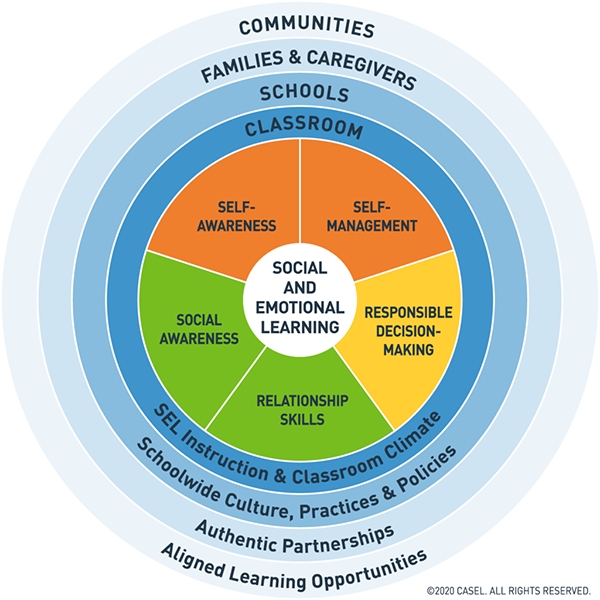
Social and Emotional Learning (SEL) is the process that supports adults, youth, and children in developing skills that are necessary for school, work, and life. This includes self-awareness, self-management, responsible decision-making, relationships skills, and social awareness. These skills are embedded in all subject areas in BC's curriculum. Below, we celebrate our learners' successes and strengths in the area of:
- Self-Awareness
- Social Awareness
Self-Awareness
Our learners make connections to their community. They can explain how they are using their strengths and abilities in different ways.
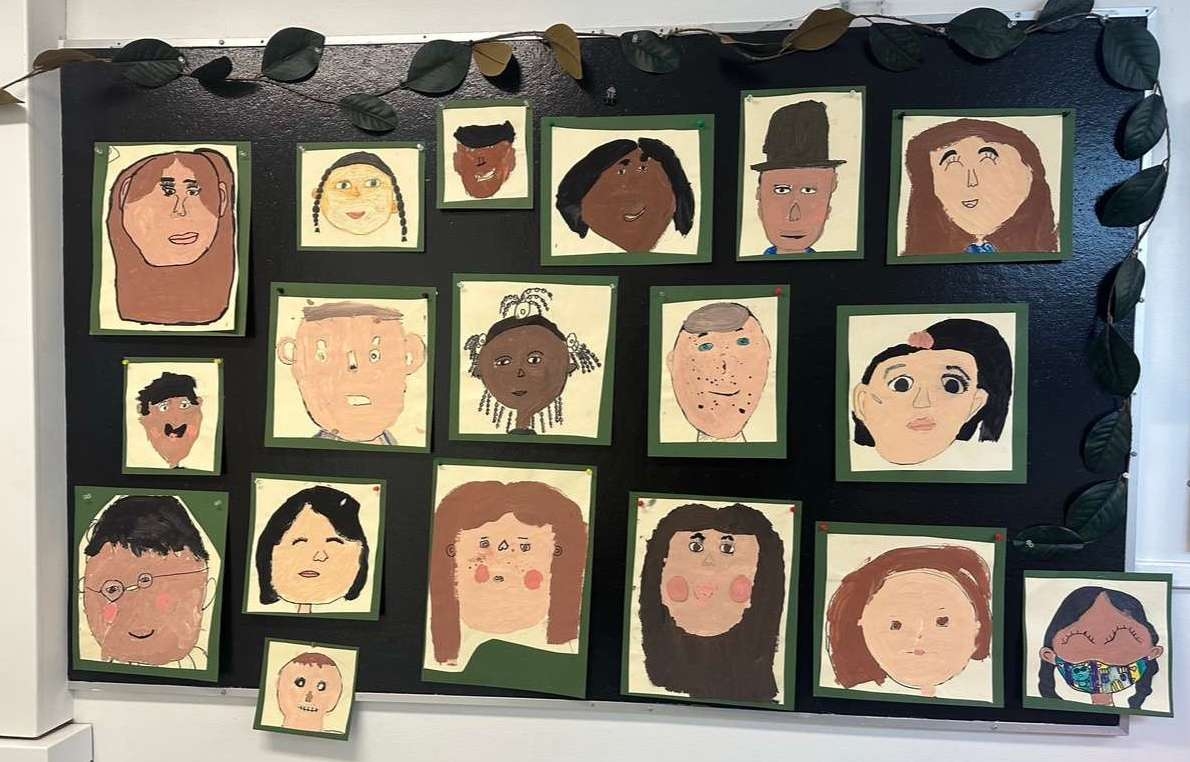
Our learners recognize themselves and others through story and art. 
Students at KB Woodward have experiences with a variety of literature, including fiction and non-fiction. It is important for students to see themselves, visually (looking like them) and through perspectives, life experiences, and family make up that reflect their experiences. In this Grade 2/3 class, after reading the story Brown by Nancy Johnson James and Constance Moore, students identified their own skin tone and created self-portraits. They even came up with names for the shade they created. Can you find cinnamon brown, toasted almonds or marshmallows?
Our learners can calm themselves, focus their attention, and interact effectively with others by practicing mindfulness.
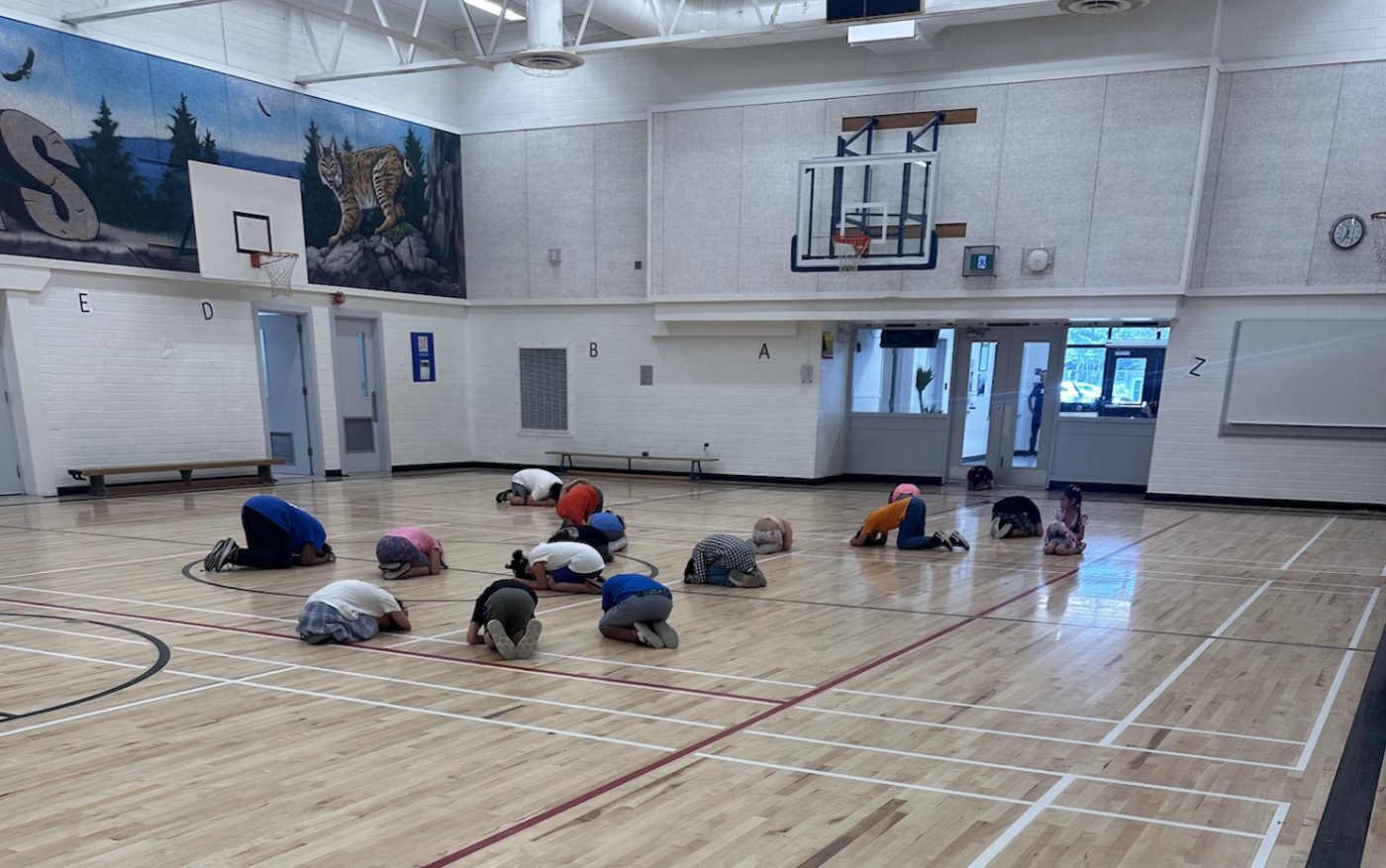
Students practice mindfulness using a variety of techniques: visualization, mindful listening, deep breathing, body scans, noise isolation, and daily gratitude. In this Grade 2/3 class, students have been practicing different mindful breathing to self-regulate and promote positive well-being. At the end of Gym Class they use their breathing tools to be ready to return to the classroom for more learning!
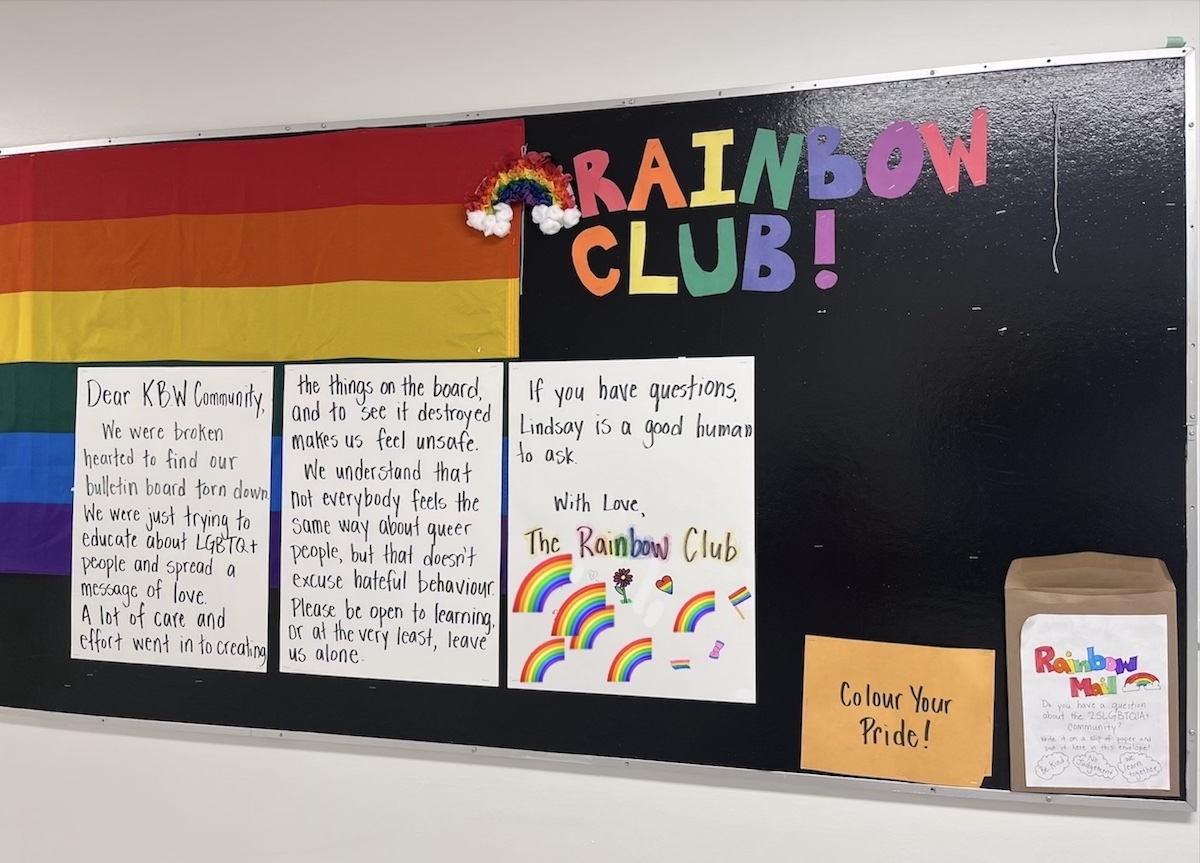
Our learners can explore issues with an openness and willingness to see other perspectives.
At KB Woodward we support, honour, and continue our lifelong journeys in learning about the world around us. During this year, we had some students make an unkind choice with a bulletin board. It allowed space for a restorative justice circle to take place where lots of learning about being caring humans took place. Students were able to recognize some connections of the things that their families have faced that were unfair and unkind as well. All different people in the world have been treated in ways that the students and staff at KB Woodward strive to move away from and learn to be better than.
Social Awareness
Our learners can identify social norms and identify unjust ones.
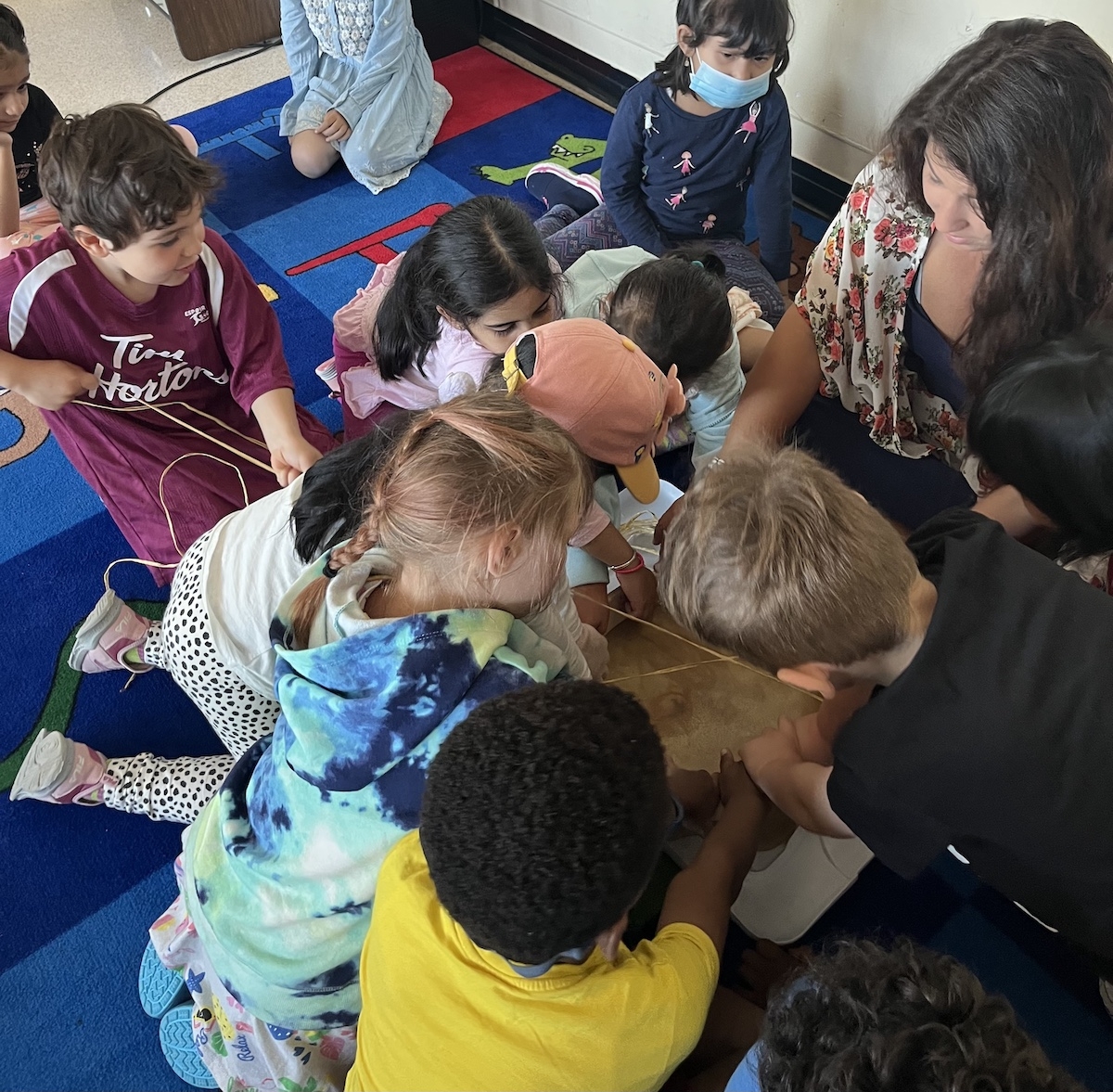
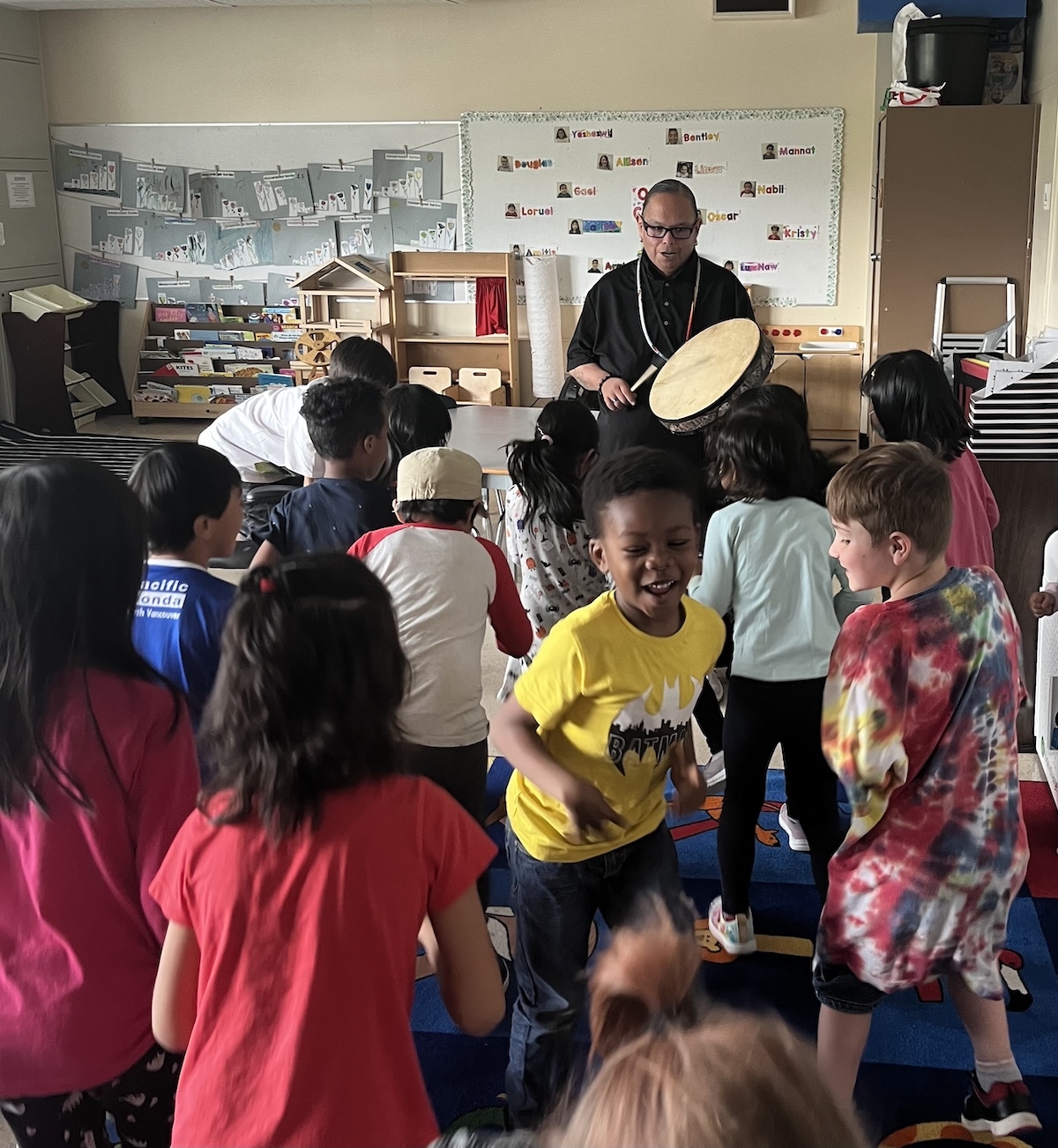
Our learners understand the Indigenous perspective that drums are living things and to be treated with the utmost respect.
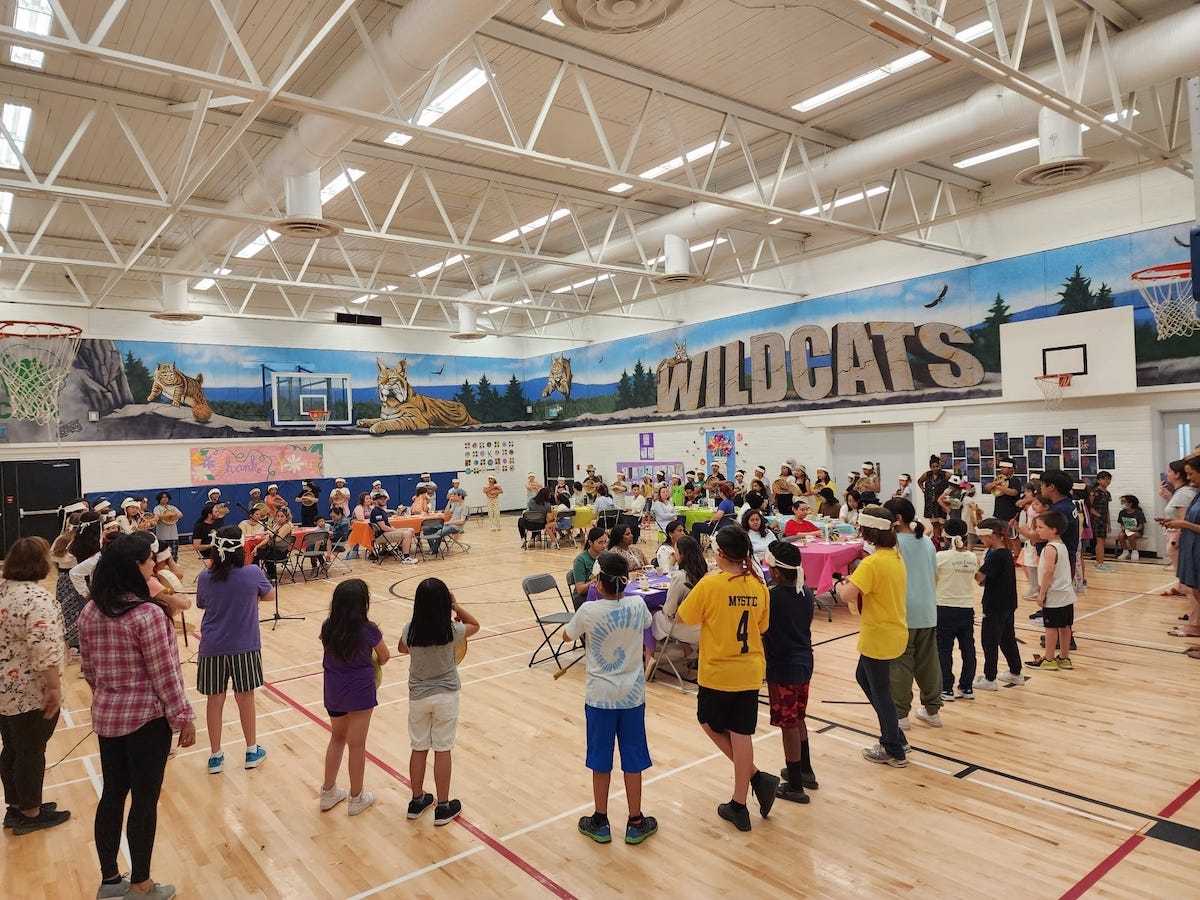
At KB Woodward we have 'Morning Beats' with our Vice Principal, Ms. Clark twice a week. Students of all backgrounds and ages can come and participate in our drumming circle. Students have learned and remind each other that we are honoured to have the drums; they are the second life of the elk and the second life of the maple tree. Students acknowledge the territories in English, French, and Cree, honour each of the seven directions, from Gregory Cajete's teachings, and sing various songs that we have been gifted. It is a good way to start our days on Mondays and Fridays.
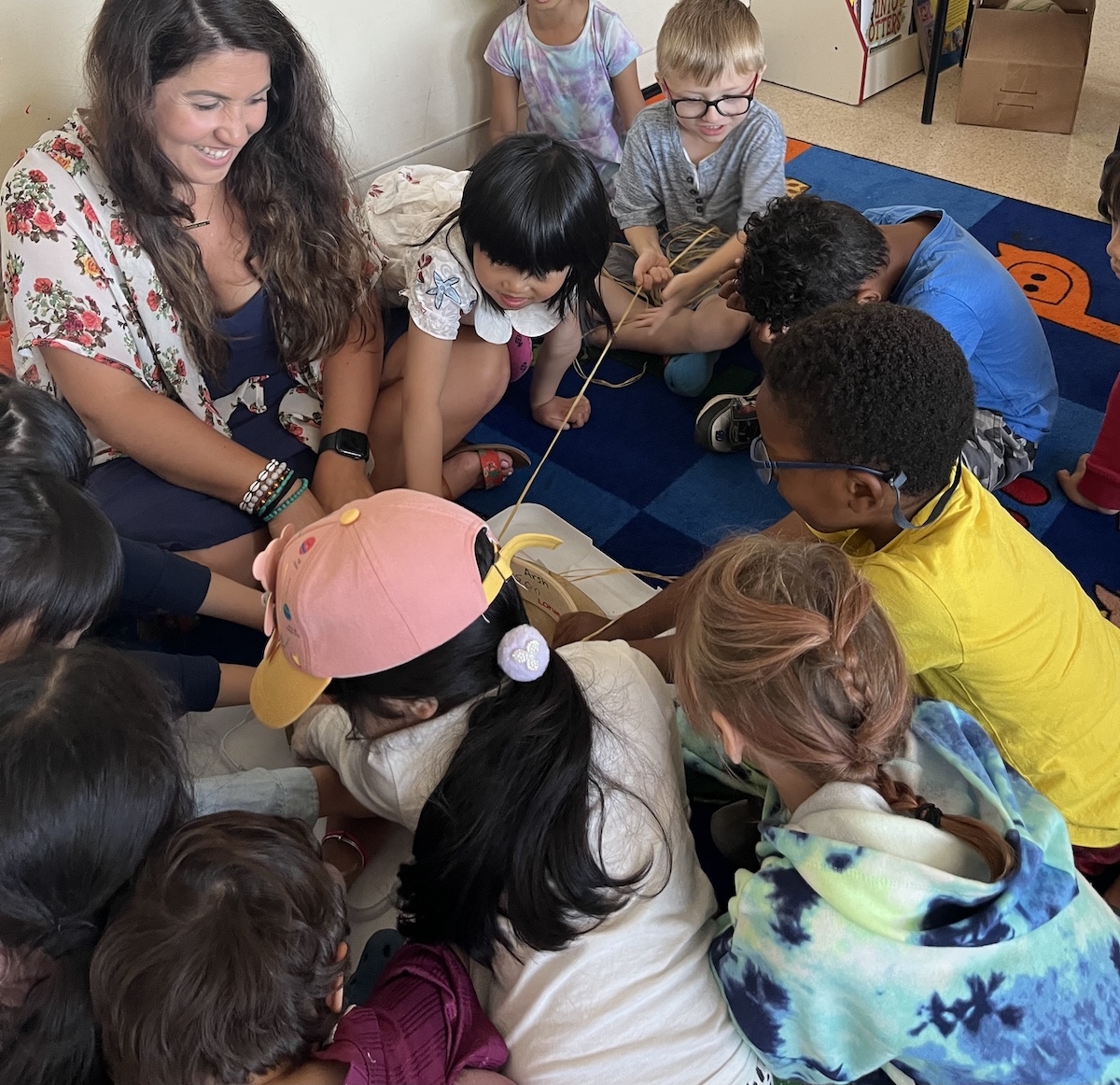
Since our drumming group continues to grow in size, we continue to need to make more drums. We have been lucky enough to have the Indigenous Education Department's support with grants and our KB Woodward's PAC support with financing. Many students and staff have been able to be a part of creating the drums we use to drum each week. Students love to try to find the drum they worked on or another student they know and look up to.
This Spring, we were honoured to have a Welcome Figure be carved for our school. 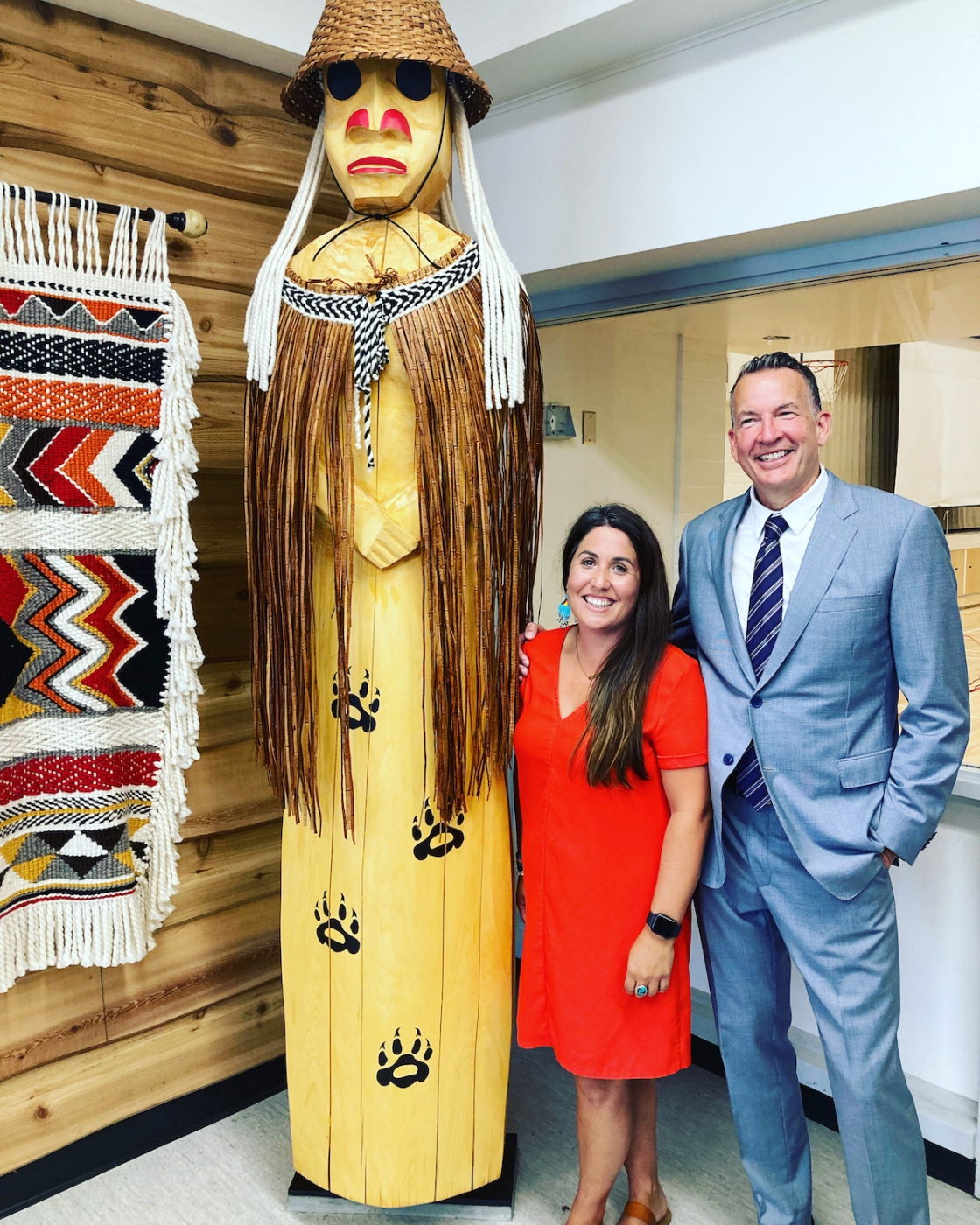
Our students were thrilled to be a part of the unveiling ceremony in early June and drum to honour the artwork created by Gary Leon (carving) and Paula James (weaving). It was beautiful for our entire school community to bear witness to the work of a Coast Salish ceremony.
Students, staff, parents, guardians, and special guests were all a part of the process. It was wonderful to bring everyone together and be part of something so special.
Our learners can express gratitude when they have an experience shared with them.
Students show gratitude with words, with kindness, and with gifts of appreciation. 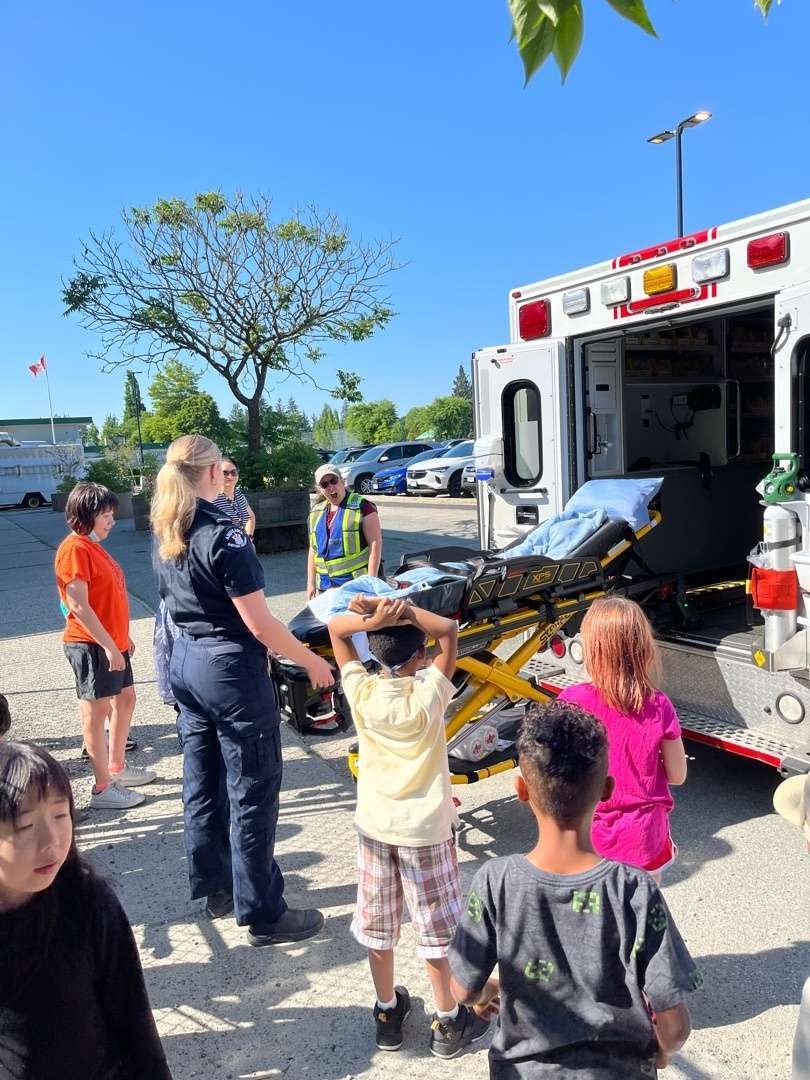
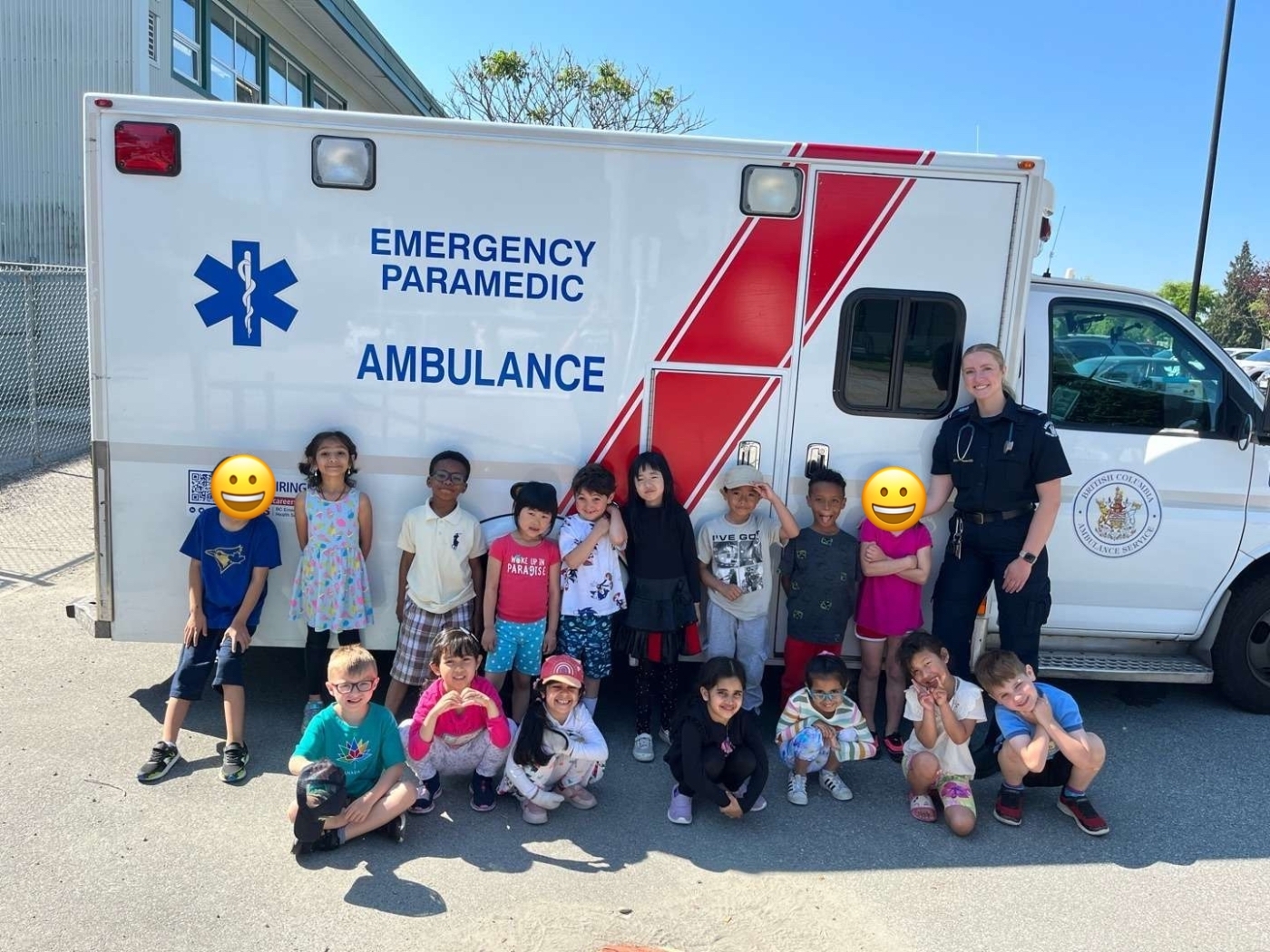
During Paramedic Services Week, a Kindergarten/Grade 1 Class had a visit from a paramedic who works for BC Ambulance. The students had lots of questions and were eager to engage with the paramedics presentation. When the class discussed how we could thank Chloe, the paramedic, for sharing her knowledge with us, they decided they should make a book that she could take back to her station to share with her fellow paramedics. Each student made a page thanking all paramedics for their service and many had a thoughtful message to share.
During our First Peoples in Residence presentation, the students in a Kindergarten/Grade 1 class were eager to show their knowledge and raised their hands and said "Hy cepka" at the end of the first couple songs he shared independently. Dennis began to talk to them about the difference between thanking all, and thanking one person, as he was presenting to them. He talked about dialect and the students were all very engaged. One student asked if we were down river or upriver in Surrey. At the end of the presentation the students were very eager to thank him by saying "Hay chxw q'a" to show that they had been paying attention.
OUR FOCUS
Every day, our learners are presented with opportunities to practice and demonstrate their Social and Emotional Learning skills and capabilities. Our team of educators provide our learners with these essential skills to set them up for success in today's rapidly changing world. To identify students’ overall strengths and areas for growth, we tracked Self-Awareness of learners across subject areas and grade levels. These cohorts include a diverse range of learners that are representative of our school’s population.
The SEL competencies we focused on in relation to “self-awareness” include:
- Identifying personal and social identities
- Identifying personal, cultural, and linguistic assets
- Examining prejudices and biases
- Experiencing self-efficacy
Below are examples of our students’ classroom experiences as they relate to self-awareness making.
Identifying Personal and Social Identities
Identifying Personal, Cultural, and Linguistic Assets
Examining Prejudices and Biases
OUR NEXT STEPS
Moving Forward
Advancing our learners skillsets in self-awareness have been effective. Our students have progressed in their understanding of themselves and how this connects to personal and social identity, their personal, cultural, and linguistic assets, along with examining their prejudices and biases. As we continue with this work, we will build on it in the following ways.
Self-Awareness
- Increase opportunities for all students to reflect on their own self-awareness and connect how their emotional and physiological responses impact their actions and behaviour. This will be done in different contexts for deeper understanding (classroom, playground, hallways, gym, etc.).
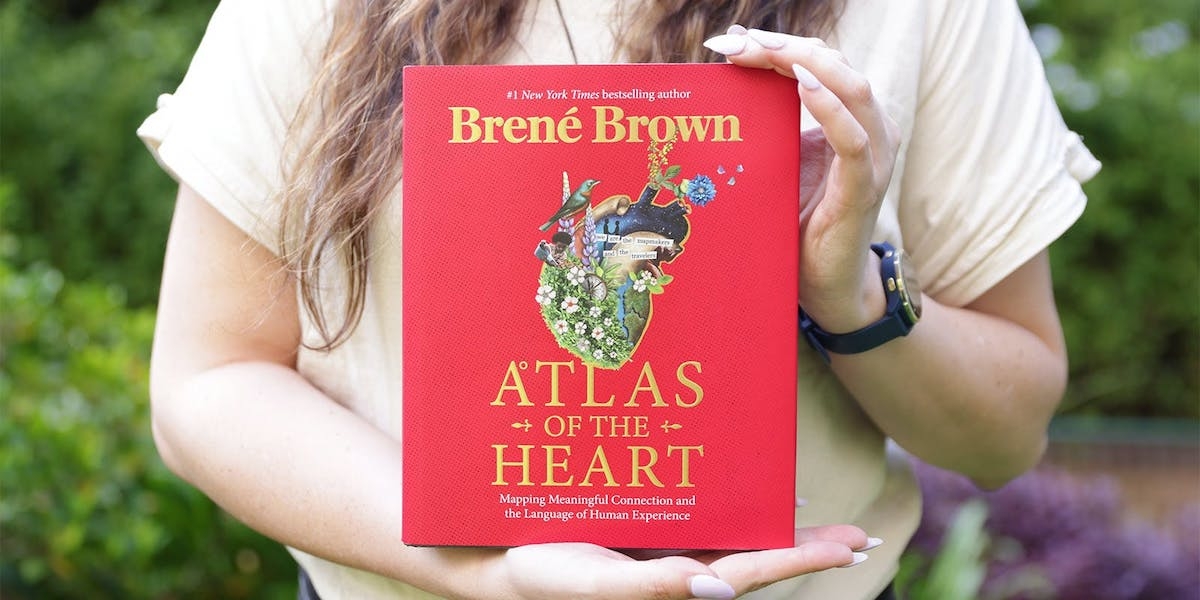
- Support students by teaching them further emotional language throughout the school year at a whole school level that can be adapted to be age-level approachable. To do this work, we will work with Brene Brown's Atlas of the Heart and follow the calendar that our SEL Committee has created.
September
Places we go for connection: Belonging, Fitting In, Connection, Insecurity
October
Places we go with others: Comparison, Empathy, Sympathy, Boundaries
November
Words for Big Feelings: Stress, Anxiety, Worry, Overwhelmed, Fear
December
Places we go when life is good: Joy, Happiness, Calm, Gratitude, Relief
January
Words for comparing: Jealousy, Comparison, Admiration, Envy
February
Words for when things don’t go as planned: Bored, Disappointed, Expectations, Frustration, Regret
March
Words for when we don’t understand: Wonder, Confusion, Curiosity, Surprise
April
Places we go when we're hurting: Anguish, Despair, Sadness, Grief
May
Places we go when we feel anger: Anger, Contempt, Disgust, Hate
June
Places we go when our heart is open: Love, Heart Break, Trust, Betrayal, Hurt
Surrey Schools
Formed in 1906, the Surrey School District currently has the largest student enrolment in British Columbia and is one of the few growing districts in the province. It is governed by a publicly elected board of seven trustees.
The district serves the cities of Surrey and White Rock and the rural area of Barnston Island.