Ecole Erma Stephenson

OUR CONTEXT
Our Context
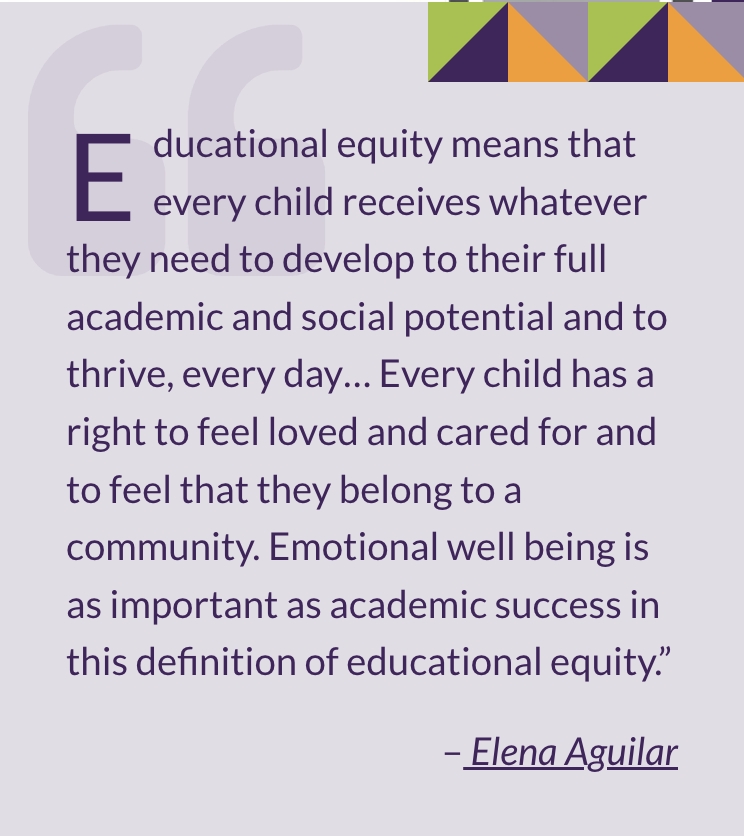
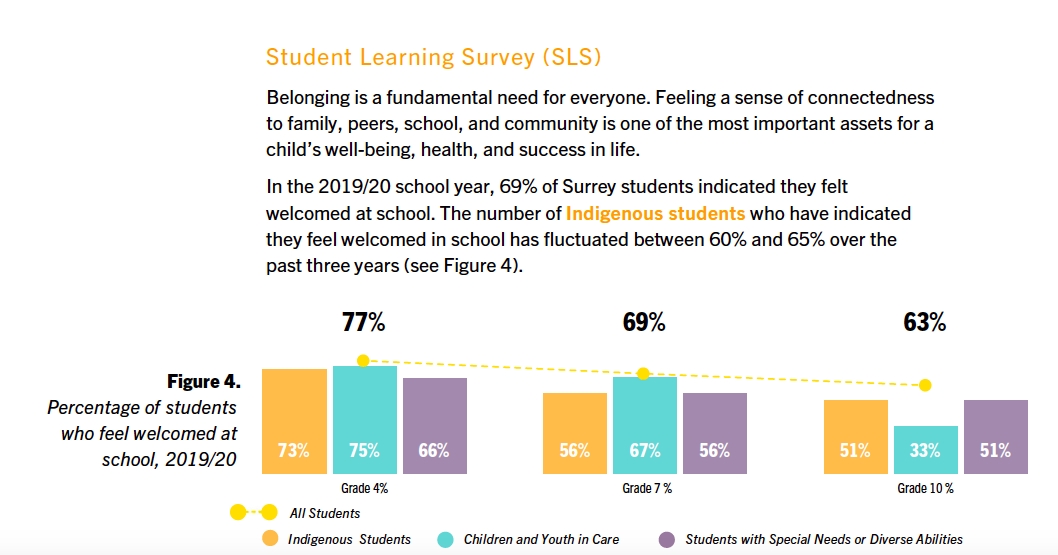
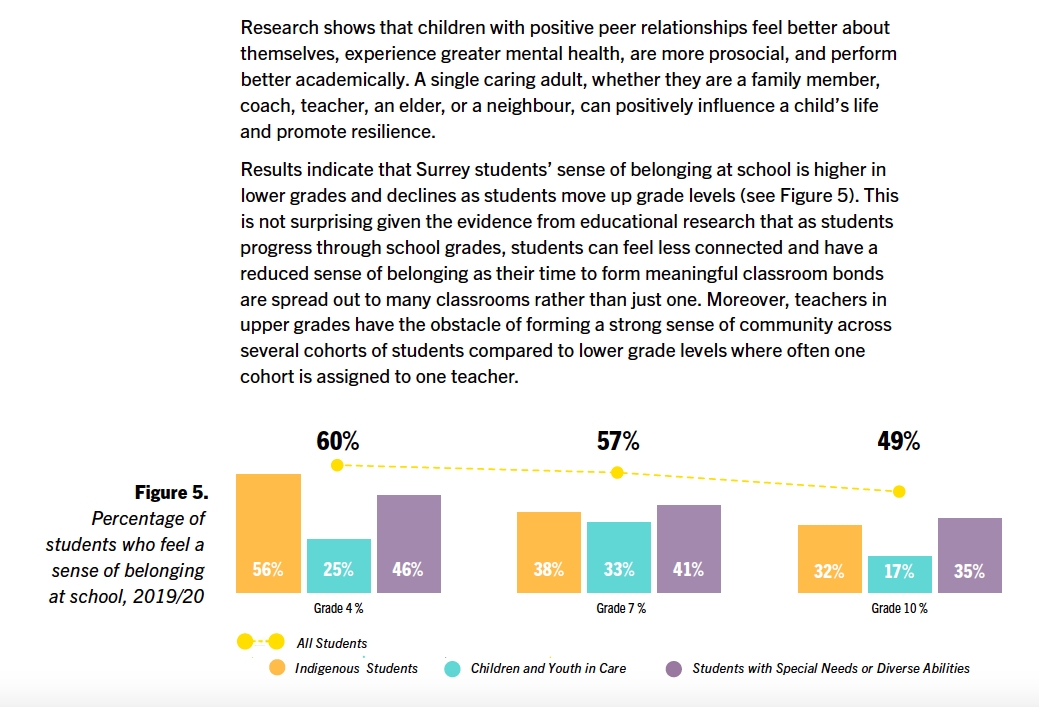
At Erma Stephenson, we strive for a school culture that values diversity, equity, inclusion and belonging. Belonging is the sense of security and support one has resulting from a belief in being accepted and valued for being their ‘authentic self’.
 |  |  |
Erma Stephenson is located in a park-like setting in the Fraser Heights area of Surrey. At Erma, we celebrate diversity and value achievement in all areas. Our parents support and contribute to our school community and we believe learning involves generational roles and responsibilities. We have an Intensive French program for Grade 6 and 7 students that continues in high school. Our experienced team of educators strive to provide innovative problem-based learning opportunities for students. Our school provides a variety of activities for students to get involved including student leadership, spirit days, sports teams, and clubs. Our students have access to technology which they use throughout the school day to support their learning.At Erma we are kind and we respect ourselves, others, learning and our environment.
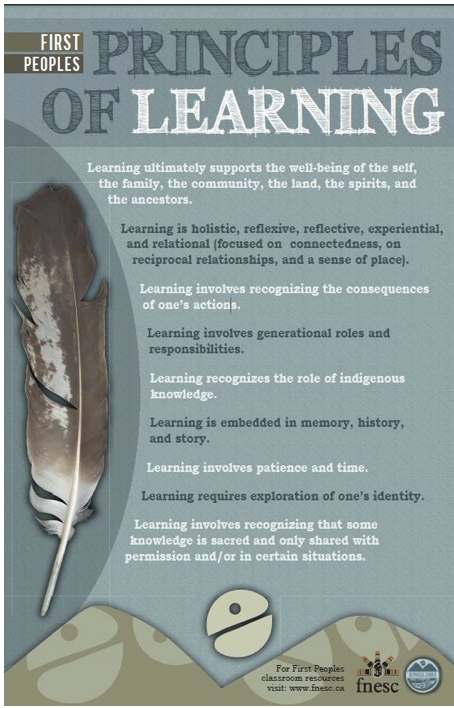
At Erma Stephenson we embrace the First Peoples Principles of Learning.
OUR LEARNERS
Our Learners
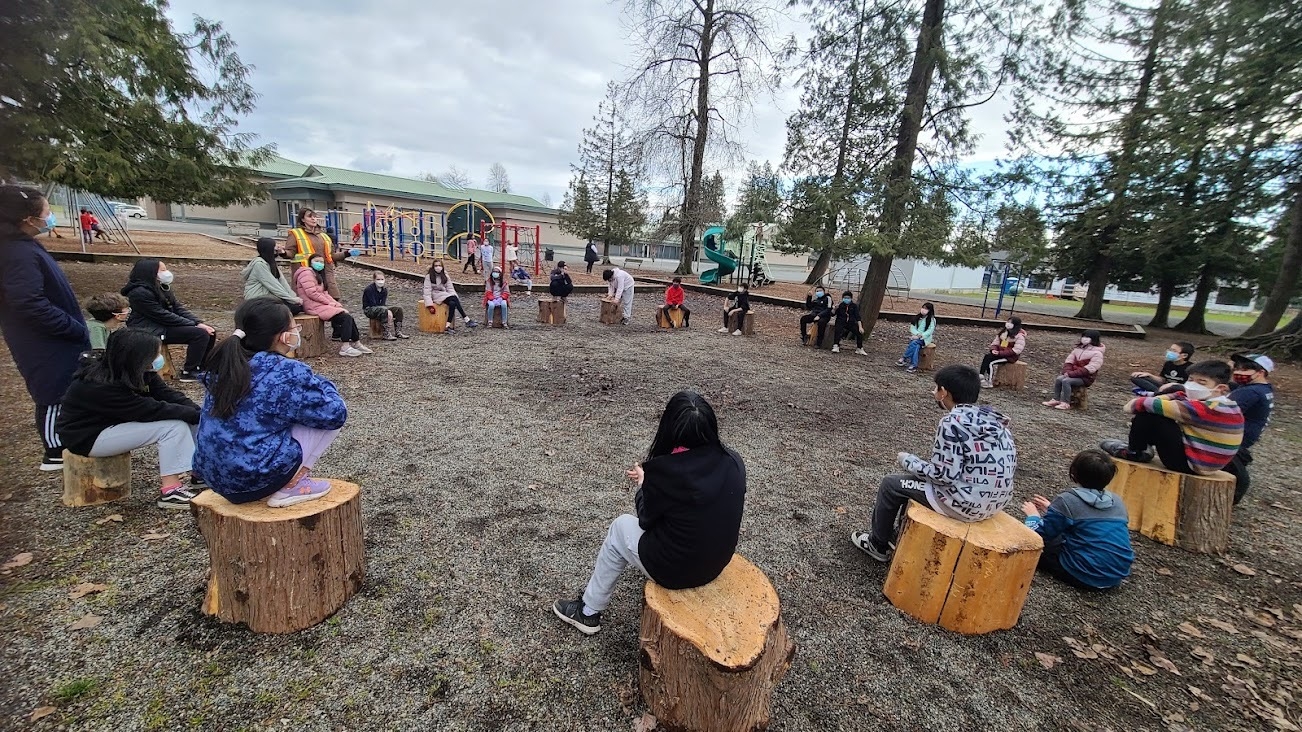
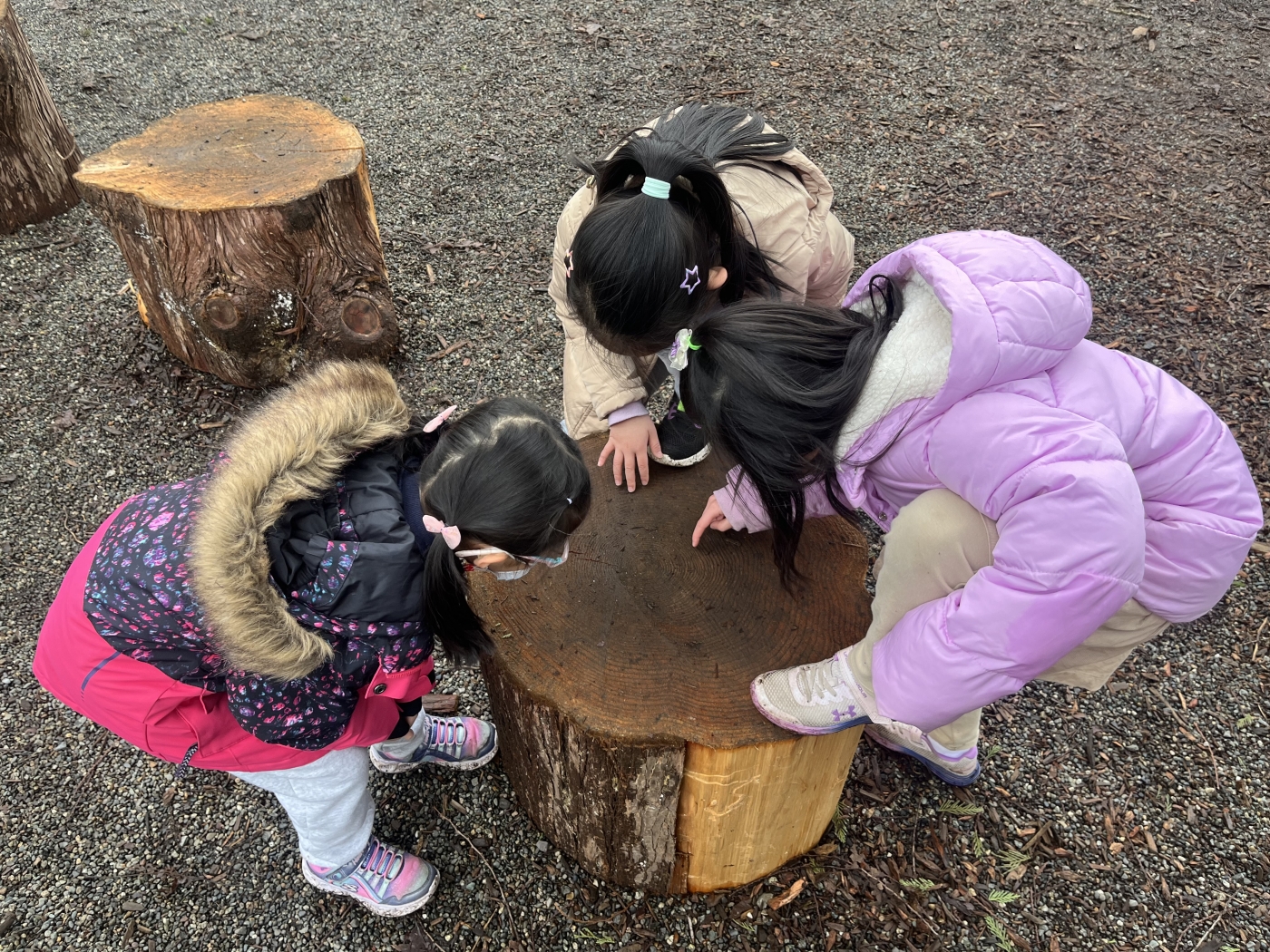
As the foundation of a positive, engaged, connected school community, all learners must know they matter, they are cared for, and they belong. It is important that all students feel:
- Safe and supported
- Have adults in the school who care for them
- Are respected and treated fairly
- Are an integral part of our school community
Students who are personally aware and responsible take ownership of their choices and actions. They set goals, monitor progress and understand their emotions, using that understanding to regulate actions and reactions. They are aware that learning involves patience and time. They can persevere in difficult situations, and understand how their actions affect themselves and others. The core competencies are personal awareness and responsibility are embedded throughout the BC curriculum.
Social and Emotional learning (SEL) is the foundation upon which impactful learning takes place.
It is the process that supports children, youth and adults in developing skills that are necessary for school, work, and life. This includes self-awareness, self-management, responsible decision-making, relationship skills, and social awareness. These skills are embedded in all areas of BC’s curriculum and within the social context of school and community.
From CASEL Collaborative for Academic, Social, and Emotional Learning (CASEL)
Social and emotional learning (SEL) is an integral part of education and human development. SEL is the process through which all young people and adults acquire and apply the knowledge, skills, and attitudes to develop healthy identities, manage emotions and achieve personal and collective goals, feel and show empathy for others, establish and maintain supportive relationships, and make responsible and caring decisions.
 |  |  |
 |  |  |
SEL advances educational equity and excellence through authentic school-family-community partnerships to establish learning environments and experiences that feature trusting and collaborative relationships, rigorous and meaningful curriculum and instruction, and ongoing evaluation. SEL can help address various forms of inequity and empower young people and adults to co-create thriving schools and contribute to safe, healthy, and just communities.
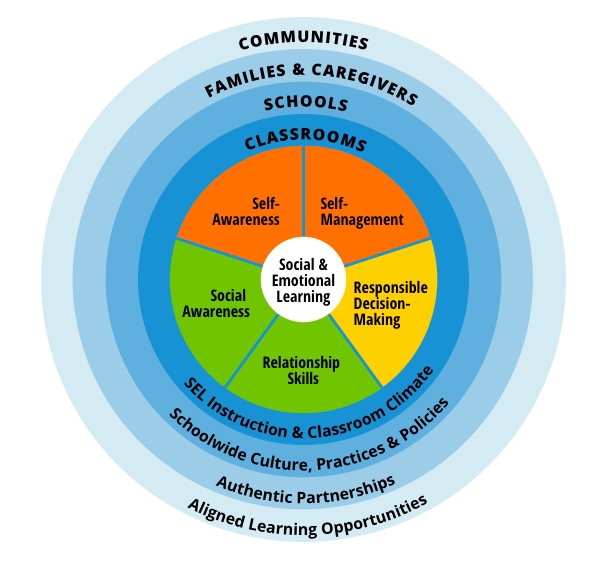
From the BC Core Competencies on Personal Awareness and Responsibility, our learners can:
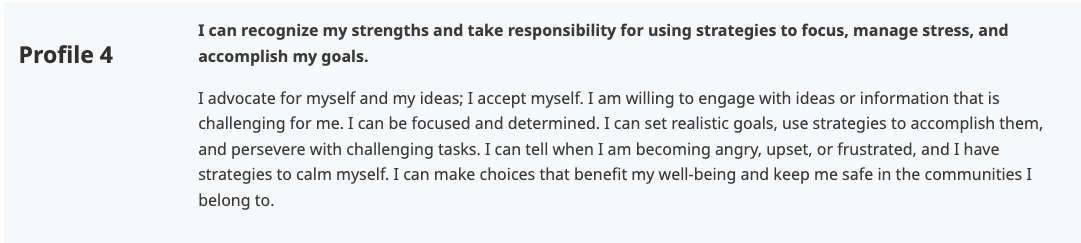
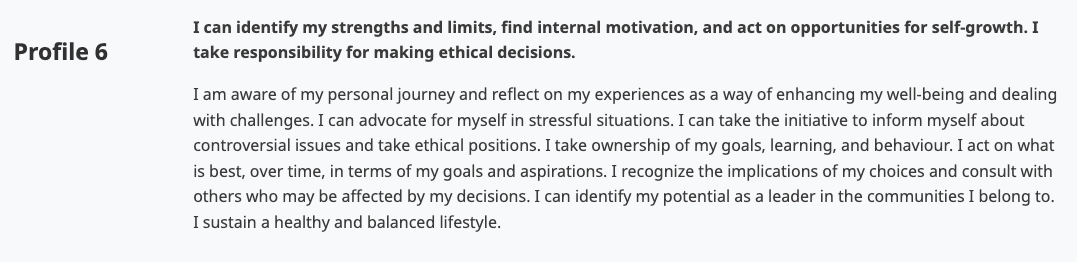
From the BC Core Competencies on Social Awareness and Responsibility, our learners can: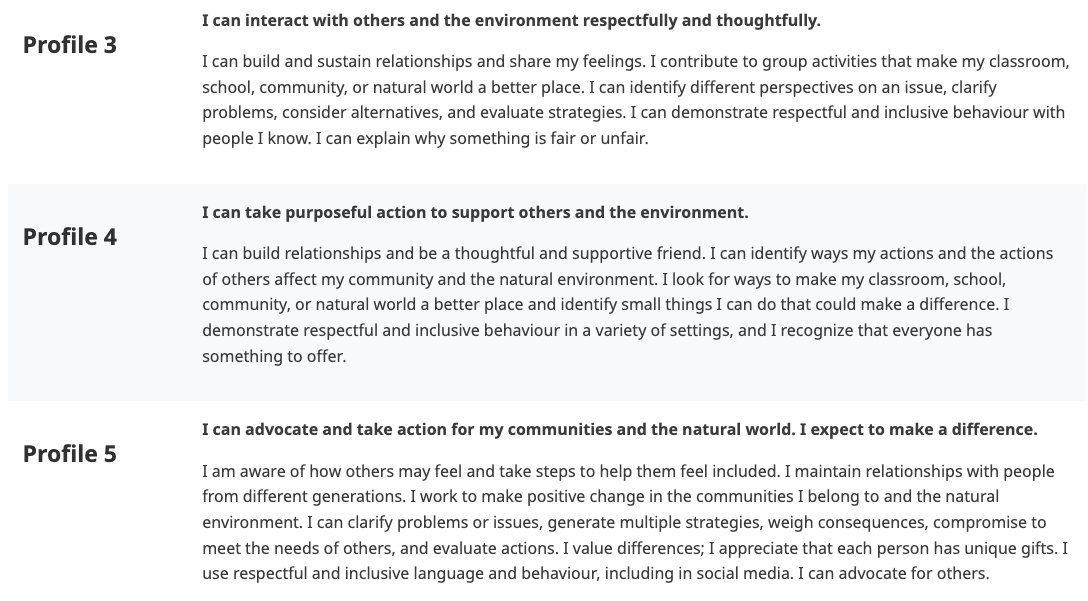
OUR FOCUS
Our Focus
Social Emotional Learning and a Sense of Belonging
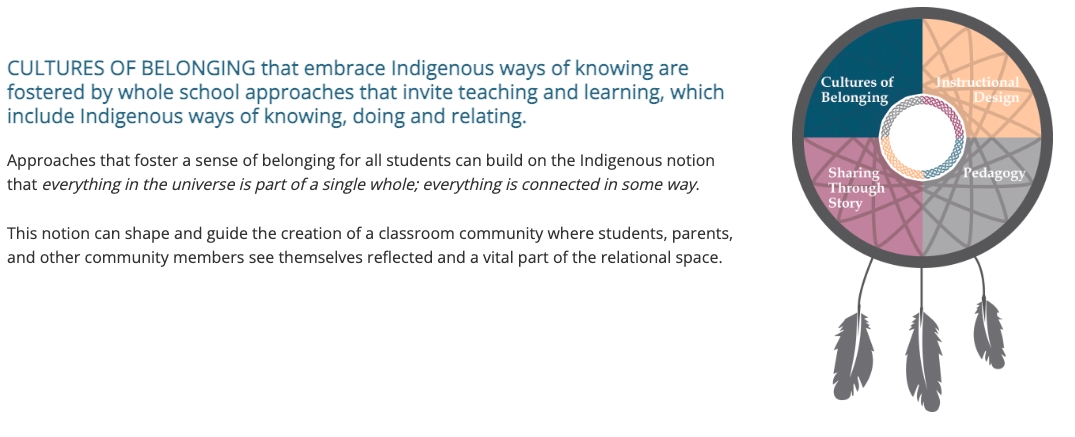
Our team of educators at Erma weave SEL into their day-to-day lessons. Working with our intermediate cohort, we have ben focusing on developing our students' self-management skills. Using the core competency, Personal Awareness and Responsibility, we want our students to become personally aware and responsible individuals who are able to take steps to regulate their emotions, set and adjust learning goals, and be kind, compassionate, empathetic individuals.
Our learners are specifically taught and have opportunities to practice and demonstrate their Social and Emotional skills and capabilities. Our team of educators strive to provide a learning environment where students feel they belong by
- Employing a sensitive and caring approach
- Fostering respect, inclusion, and acceptance
- Establishing social norms
- Cultivating student identity building
- Shining a light on each student
Student reflections have guided us on our journey towards our focus of self-management. We will use current MDI information (Middle Years Development Instrument) as well as student survey responses to help us with gathering evidence from our learners.
From the BC Curriculum Personal and Social Core Competency - "Students who are personally aware and responsible take ownership of their choices and actions. They set goals, monitor progress and understand their emotions, using that understanding to regulate actions and reactions. They are aware that learning involves patience and time. They can persevere in difficult situations, and to understand how their actions affect themselves and others.
OUR NEXT STEPS
Our Next Steps
Our learners will continue to develop their SEL skills and capabilities. In the focus area of self-management and belonging, students demonstrate an increase in their ability to:
- Identify emotions
- Manage emotions
- Identify and use stress management strategies
- Anticipate consequences of one’s actions
Students also demonstrate an increase in:
- Sense of belonging
- School engagement and participation
- Self-Management
- Empathy and Kindness
Direct evidence will include student self-assessment of the Personal and Social Core Competency as well as questions from the MDI and Satisfaction Surveys, specifically:
Is school a place where you feel like you belong?
How many adults do you think care about you at your school?
Moving Forward

Our continued focus will endeavour to increase students’ sense of belonging and self-management. We will build upon it in the following ways:
- Learning specific strategies for emotion management
- School-wide focus on SEL and Belonging
- Explicit instruction of skills beyond the cohort using common school-wide language and strategies
- We will connect with our parent community to share resources, strategies and skills
- Further imbed teaching throughout curricular areas (explicit SEL skills)
- Students will be able to name, explain and use strategies that have been taught in classes on how they can help themselves and respond to their emotions
- As the cohort moves forward, a focus in the fall will be looking at connections to curricular competencies in Physical and Health Education as well as application within other curricular areas
Surrey Schools
Formed in 1906, the Surrey School District currently has the largest student enrolment in British Columbia and is one of the few growing districts in the province. It is governed by a publicly elected board of seven trustees.
The district serves the cities of Surrey and White Rock and the rural area of Barnston Island.