East Kensington Elementary 25-26

OUR CONTEXT

Rooted in wellbeing and the wisdom of nature.
East Kensington motto is "Rooted in wellbeing and the wisdom of nature.."
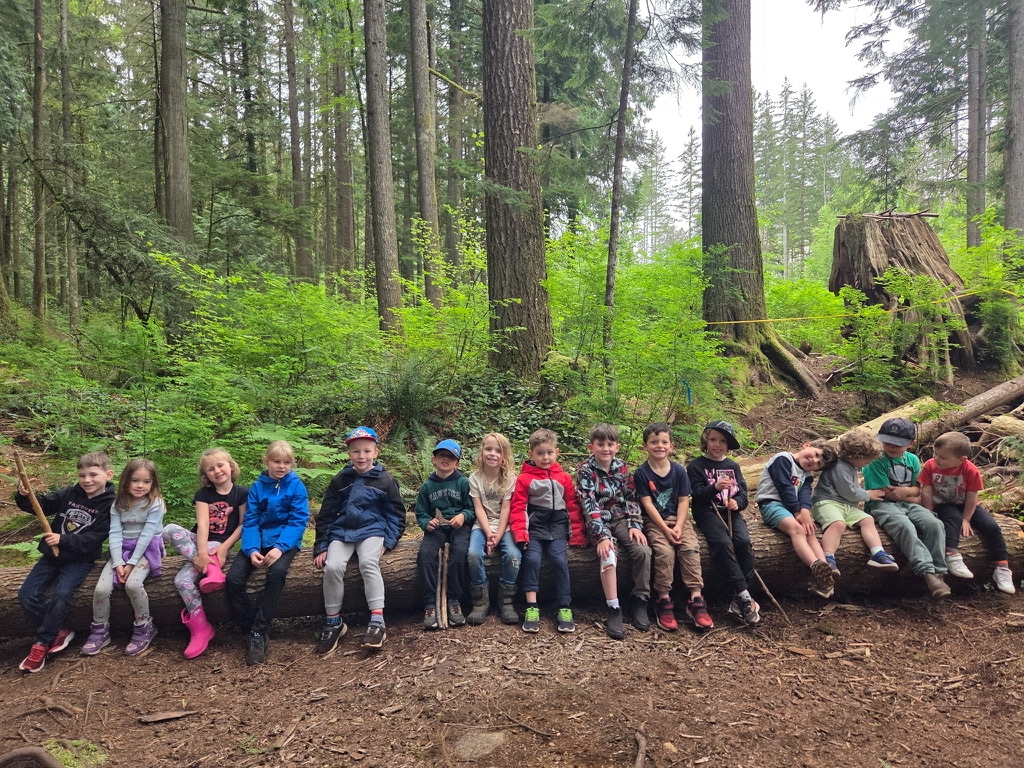
Through daily outdoor learning experiences, children in the EKOLogy program develop a sense of wonder and gratitude in the beauty, diversity and complexity of the world to become environmentally and socially responsible people with a passion for lifelong learning. Children in our EKOLogy program spend time each day learning outside the classroom.
Our outdoor learning program:
- provides outdoor experiences that integrate B.C.'s curriculum with children's innate wonderings and curiosity.
- allows teachers to facilitate emergent, experiential, inquiry-based, play-based, and place-based learning.
- allows teachers to help children to identify, co-manage and navigate risk. Opportunities to experience risk are seen as an integral part of learning and healthy development.
- aligns with the First Peoples Principles of Learning.
- develops students' core competencies. Experiential learning in the outdoors fosters children's competencies as creative and critical thinkers, effective communicators, and people who are personally, socially and environmentally aware.
Our Values
- We all belong here.
- We are safe and sound here.
- We are curious and courageous in our learning here.
- We are self and other aware here.
- We find our voices here.
- We are skilled and resilient here.
- We are a community of care here.
- We believe the best of each other here.
OUR LEARNERS
OUR LEARNERS
Social and emotional learning is a process in which children develop in their ability to use creative and critical thinking skills to be able to articulate their emotions in a healthy manner. Social Emotional Learning tools include recognizing and managing emotions, caring and creating positive relationships with others, making good decisions, and learning ethical and responsible views when it comes to decision making. Social Emotional Learning is embedded throughout the BC curriculum and is deeply woven within The First Peoples Principles of Learning. East Kensington learners understand that learning is holistic reflective, experiential and relational.
Our learners can think critically, have the ability to reflect on their actions and are able to have honest and clear forms of communication. This allows them to create a better understanding of themselves as well as their social responsibilities to each other, the school community and the environment in which they learn in.
Students do daily observations, where they track the moon cycles, weather, calendar and changes they notices in the living ecosystems. Once a month, the class gathers to collaborate and bring awareness to the changes they have noticed. It opens up discussion and critical thinking practices for our students to better understand their social role and responsibility in the environment they live in.
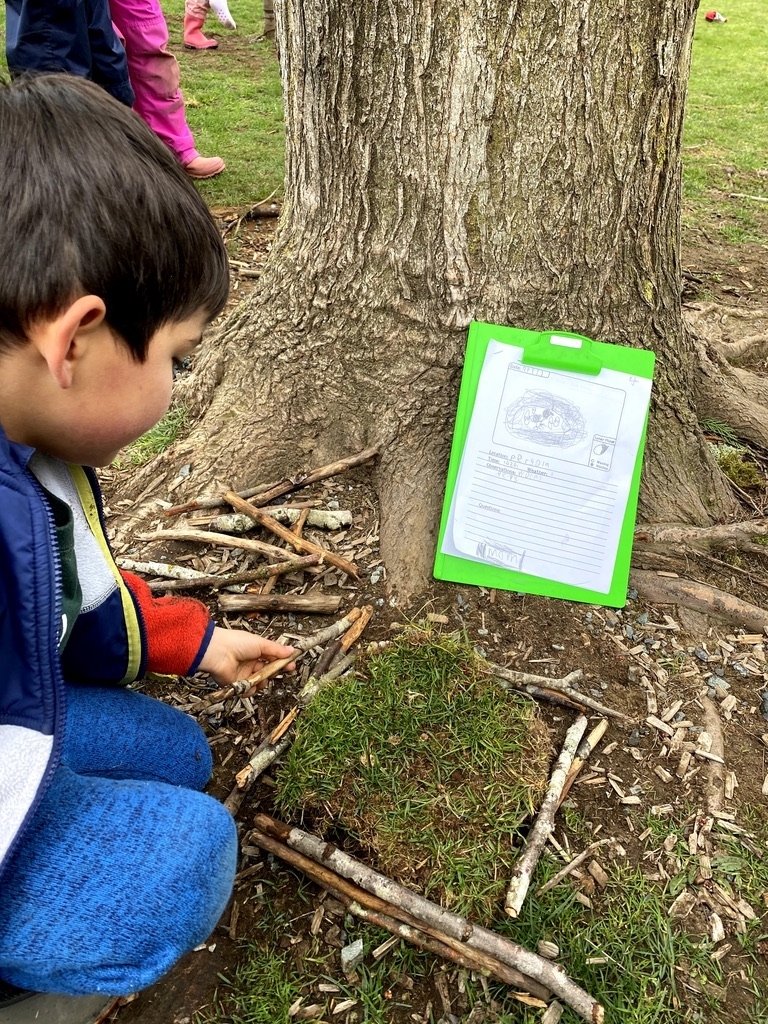
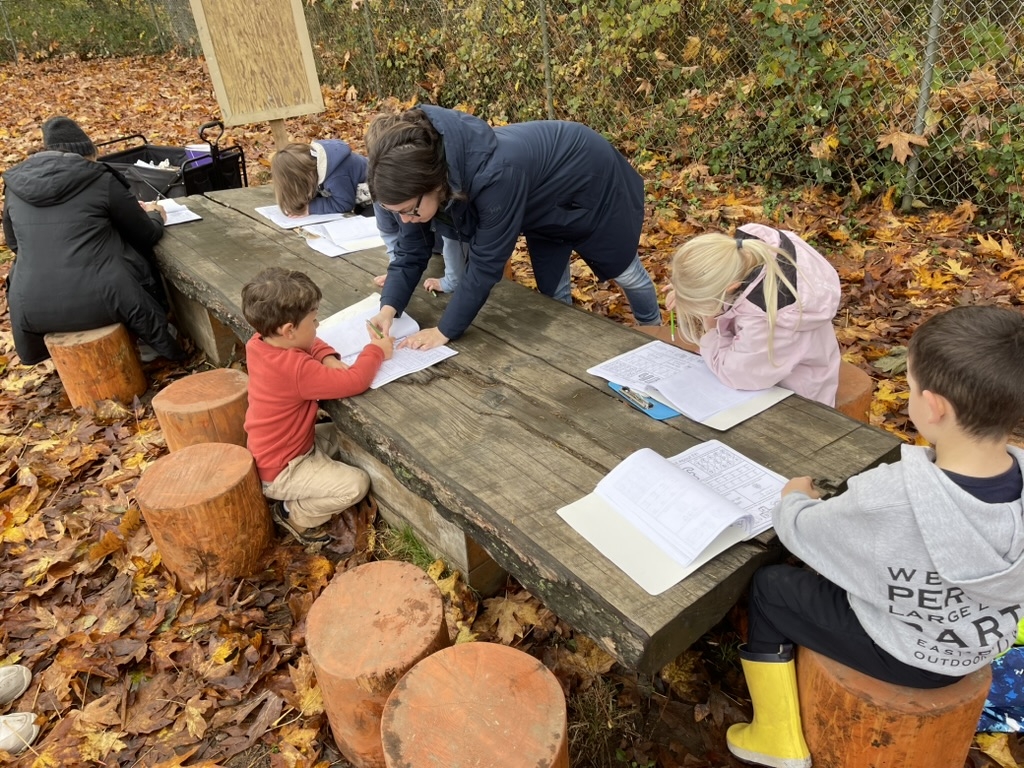
In this photo, students were asked to observe, sketch and re-create a natural habitat they may find in the eco-system. Students worked on self-regulation, collaborative partnerships and creative thinking practices to show their learning and understanding. This student found a mindful space where they could sketch a bird habitat and then worked with a partner to gather natural materials to create what they believed the bird habitat would look like. The students then shared their inquiry and learning with other groups in the class.
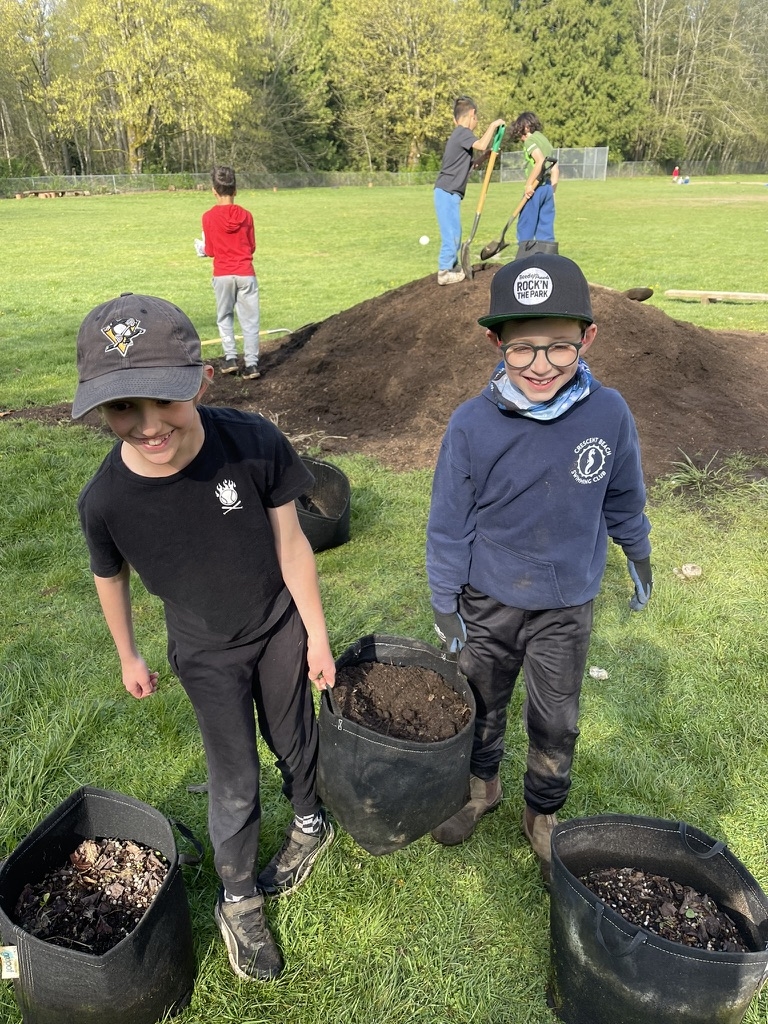
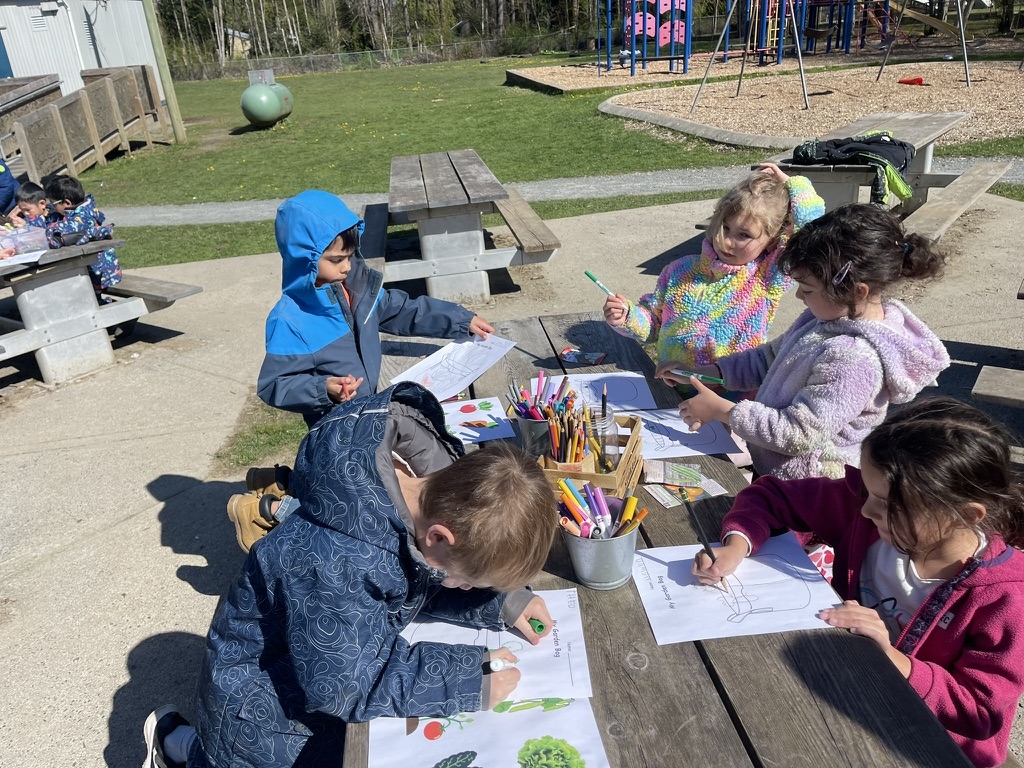
Students in the above picture are planting their own small garden that they tend during the spring and then take home over the summer break.
OUR FOCUS
Language and story can be a source of creativity and joy. Ministry of Education Language Arts Big Idea
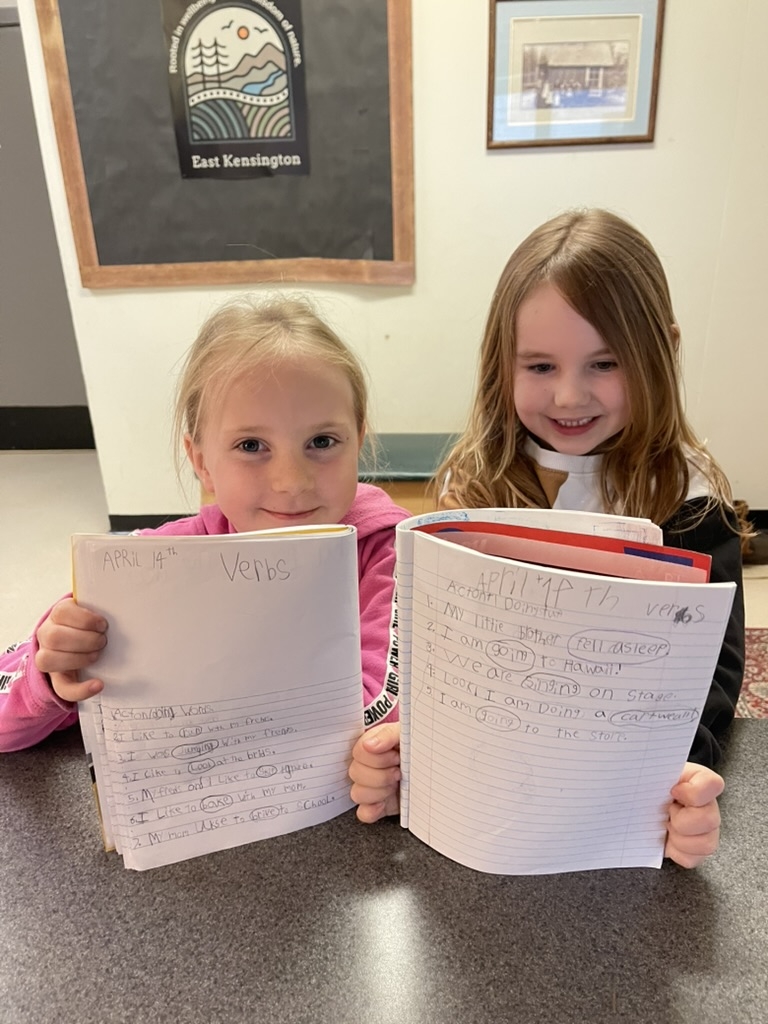
Language shapes how we see the world-and ourselves. We have a choice in the words we use to describe ourselves, others, and the world around us. The words we choose and the meanings we attach to them influence our decisions, beliefs, and wellbeing.
Studies have shown that phonemic awareness is a foundational skill, essential for learning to read. As students learn to identify sounds through oral and auditory activities, they become phonemically aware. Engaging in phonemic awareness instruction develops students’ understanding of sounds, and that knowledge directly impacts their spelling and writing.
East Kensington has implemented the University of Florida's Literacy Institute's program for literacy achievement in the primary grades. It has been very effective. The next step was to work with district staff to create a program that addresses the needs of those students with unique learning needs that require more targeted interventions.
Conversations with our Integration Support Teacher lead to inquiry into how we can support intermediate students struggling with language acquisition. Conversations with teachers, LST, IST, and parents determined that daily reinforcement with a small group was critical to success for these students.
- Our Integration Support Teacher to complete reading assessments with intermediate students who required support to better identify how to support students.
- Integration Support Teacher to meet with students daily in small group during Language Arts for 15 minutes. IST will conduct UFLI lessons with students each day.
- Share UFLI resources with parents and encourage them to reinforce reading strategies at home.
- Complete reading assessments with students at end of the year and compare results.
OUR NEXT STEPS
The implementation of Ufli was effective in improving the intermediate students' ability to read and it also increased their confidence. Our next steps are:
- Meet with teachers to identify intermediate student who require support with reading.
- Continue to use the UFLI program for intermediate students struggling with reading.
- Coordinate with district staff and Intensive Literacy Programs to augment and improve supports for students.
Surrey Schools
Formed in 1906, the Surrey School District currently has the largest student enrolment in British Columbia and is one of the few growing districts in the province. It is governed by a publicly elected board of seven trustees.
The district serves the cities of Surrey and White Rock and the rural area of Barnston Island.