Dr. F.D. Sinclair Elementary

OUR CONTEXT
Dr. F.D. Sinclair Elementary School reflects our community, in which we recognize, honour, and celebrate our diversity. It is connected by multiple generations, including children, parents and grandparents. Our students thrive from opportunities to celebrate our community; they are not only proud of their own identity, but also proud to be part of our community. We are a rich blend of multicultural learners. Other than English, Punjabi is the most common language spoken by Sinclair families. Other common languages include Hindi, Urdu, and other East-Asian languages.
Our school is home to a diverse population of over 400 students and is located in the heart of Newton, across from Newton Athletic Park. Since the school opened in 1956, there has been a rich history of learning at Dr. F.D. Sinclair. Our school values of truthfulness, courage, kindness, respect, and generosity come from a Lakota story written by Kevin Locke called Dawn Flight. We first began this work during our First Peoples in Residence Week in January 2022. We have continued our practice of these values to support the well-being of our students and community.
Students have the opportunity to participate in First Peoples in Residence week, Read- a -thon, Black history Month, Random Acts of Kindness Week and cultural celebrations such as Eid, Lunar New Year and Diwali. These opportunities play a pivotal role in our students’ personal and cultural identity.
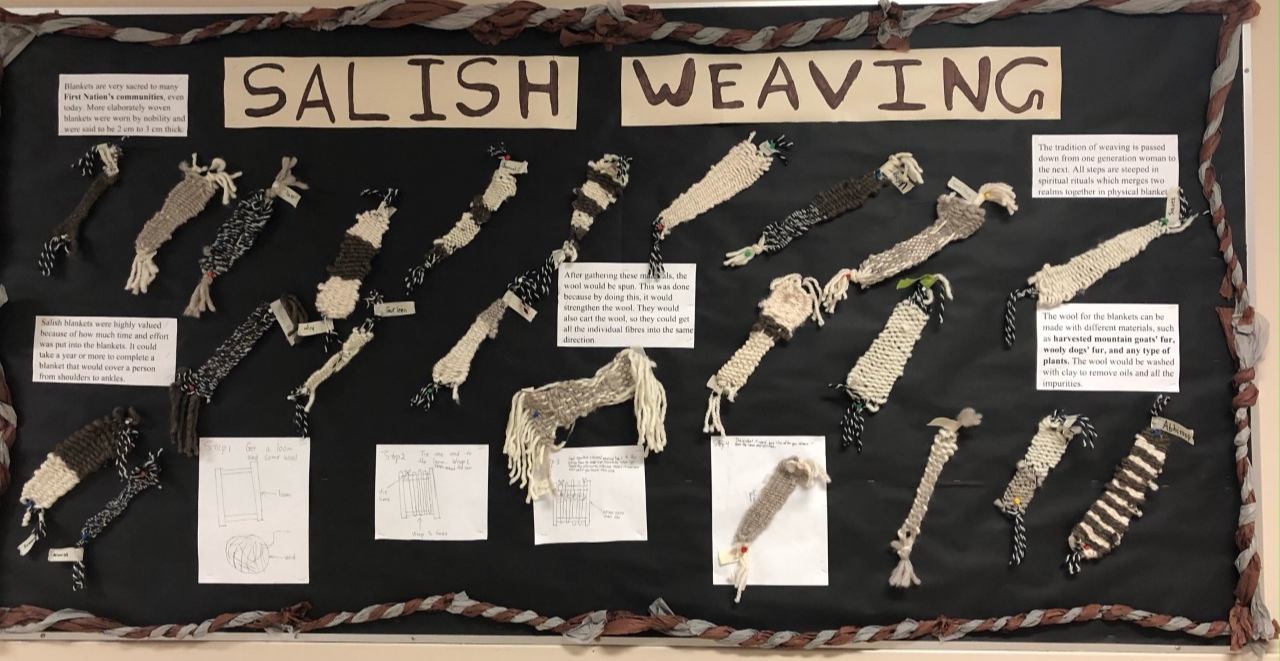
Students participated in Salish weaving using traditional tools and wool
Students also have the opportunity to participate in grade 6 and 7 intramurals, primary mud kitchen, reading link challenge, and Seva library leadership (Seva is a Punjabi word for self-less service). Our grade sevens have the opportunity to be school roles model in our Leadership Team. The four strands included Social Responsibility, Spirit, Communication, and Big Buddies.

Three siblings in their Eid outfits that their mother sewed for their celebration
Our students engage in activities that develop the skills that they can use as lifelong learners. In the area of Social Emotional Learning, they are learning to set goals, monitor progress, and understand their emotions. Using these self-regulation strategies, our hope is that our students learn to regulate their actions and reactions to create a socially aware and responsible community.

Students in a grade 5/6 class sharing their creative cultural skills during Vaisakhi
OUR LEARNERS
Social and Emotional Learning (SEL) is the process that supports adults, youth, and children in developing skills that are necessary for school, work, and life. This includes self-awareness, self-management, responsible decision-making, relationships skills, and social awareness. Self-awareness through literacy is the area in which we are focusing on.
Personal and social awareness enables students to strengthen their core competencies, most especially their ability to identify and communicate emotions, demonstrate empathy, and apply strategies for positive personal and social outcomes.

(CASEL, 2022)
Our students are building an understanding of the role they play in our community. While students are continuing to learn self-awareness of their feelings. Self awareness is the ability to understand one's own emotions, thoughts and values. This includes the following:
- Identifying one's emotions
- Demonstrating honesty and integrity
- Linking feelings, values, and thoughts
(CASEL, 2022)
After a survey of wellness, we learned that many of our students have a sense of belonging in our community. The following graph shows A – Dr. F.D. Sinclair students and B – Surrey School District averages. Because students feel welcome at school, they feel safe and are able to take risks and challenge themselves. Learning occurs when children feel a sense of belonging.
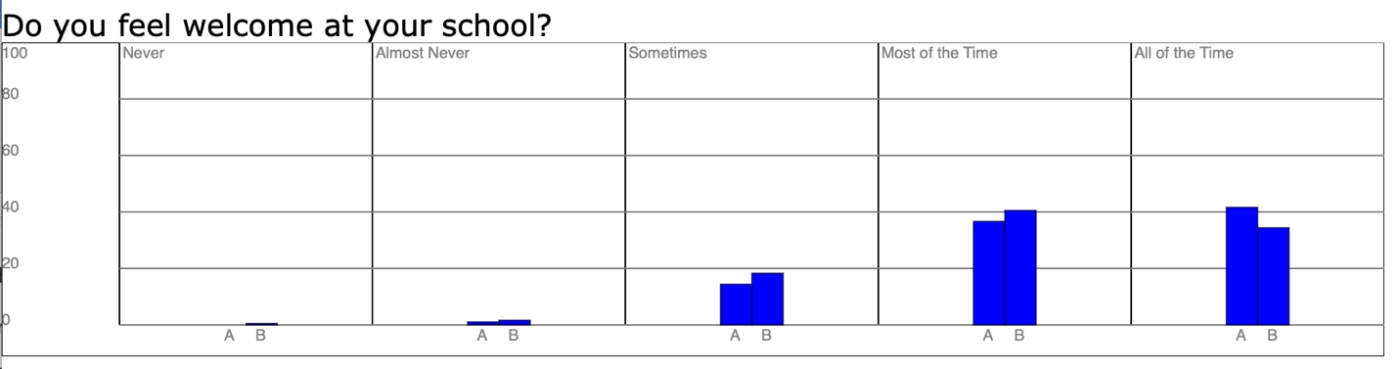
(Student Learning Survey, Ministry of Education, 2021/22 )
Our primary students have a strong classroom community. Classes meet daily for a morning meeting to connect and set goals for themselves. Students greet one another and share how they are feeling in the morning. This sets the tone for a positive day and continuously builds relationships through the year.
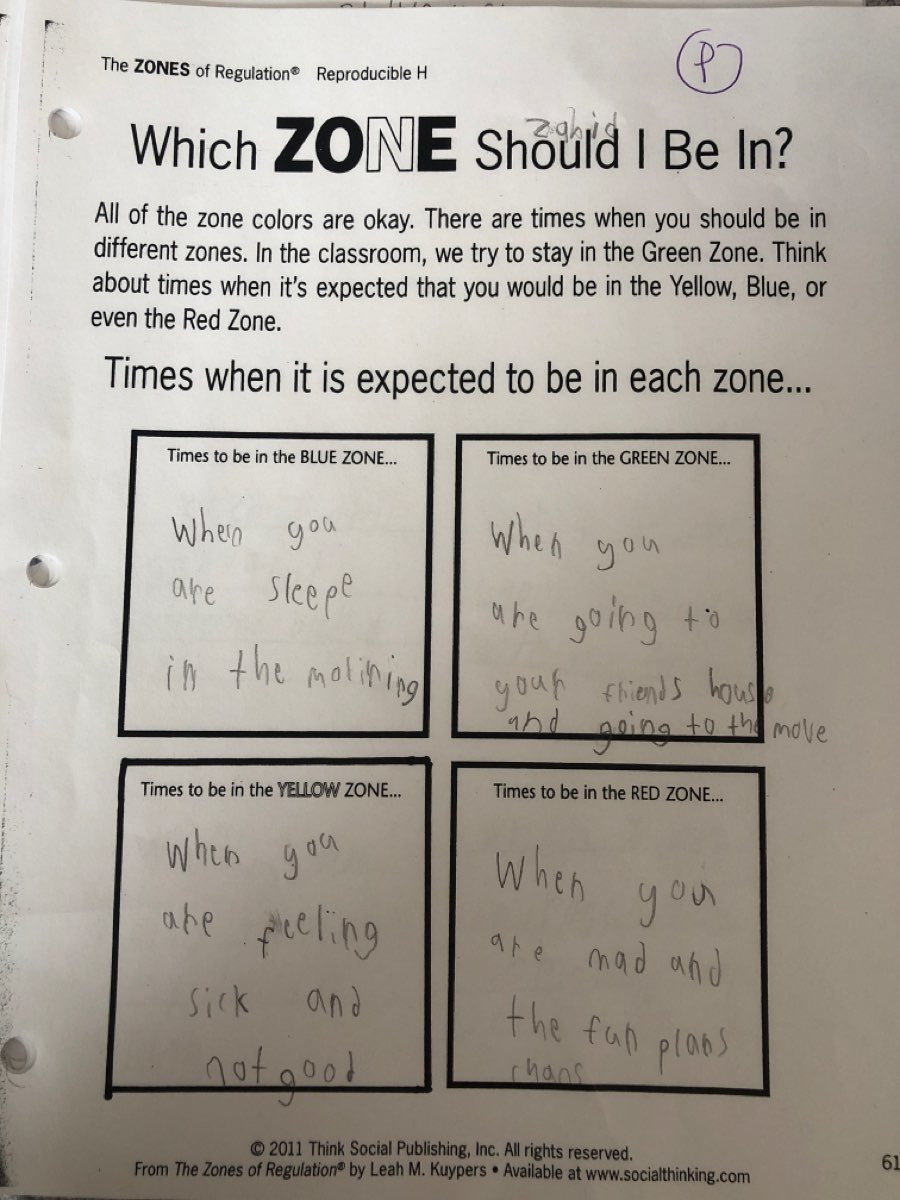

Students work on identifying the feelings and discuss problem solving as a group
It is important for students to take care of themselves and one another, and integrate these practices with their daily activities. Many students participated in daily routines that focus on student empathy.
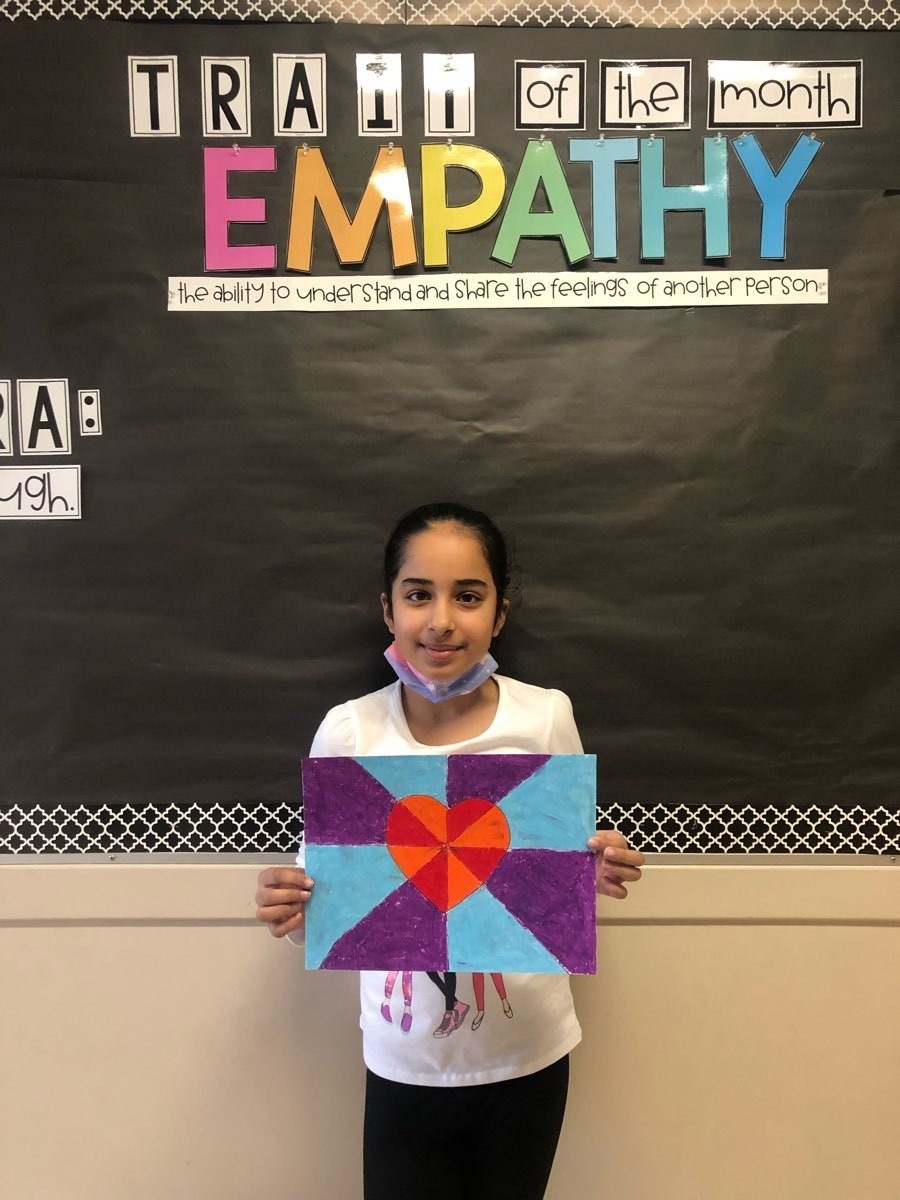
Students learn about empathy in the month of February
Create stories and other texts to deepen awareness of one's self using SEL
Across all grades, students learn SEL skills through literacy.
Early Primary
Early Primary Class Learn Vocabulary to Support Self-awareness.m4a
Our early primary students learn SEL skills to support language development and self-awareness. Within literacy lessons, they learn the following:
- To build self-awareness in all areas of the curriculum
- To reflect on experiences with different feelings
- To identify a time they had a big feeling
- To make connections to self and the world around them
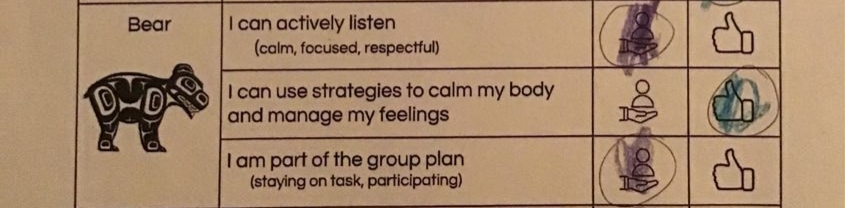
Early primary self-assess their self-awareness and self-management
Late Primary
Late Primary Class Learn Writing Skills to Support Self-awareness.m4a
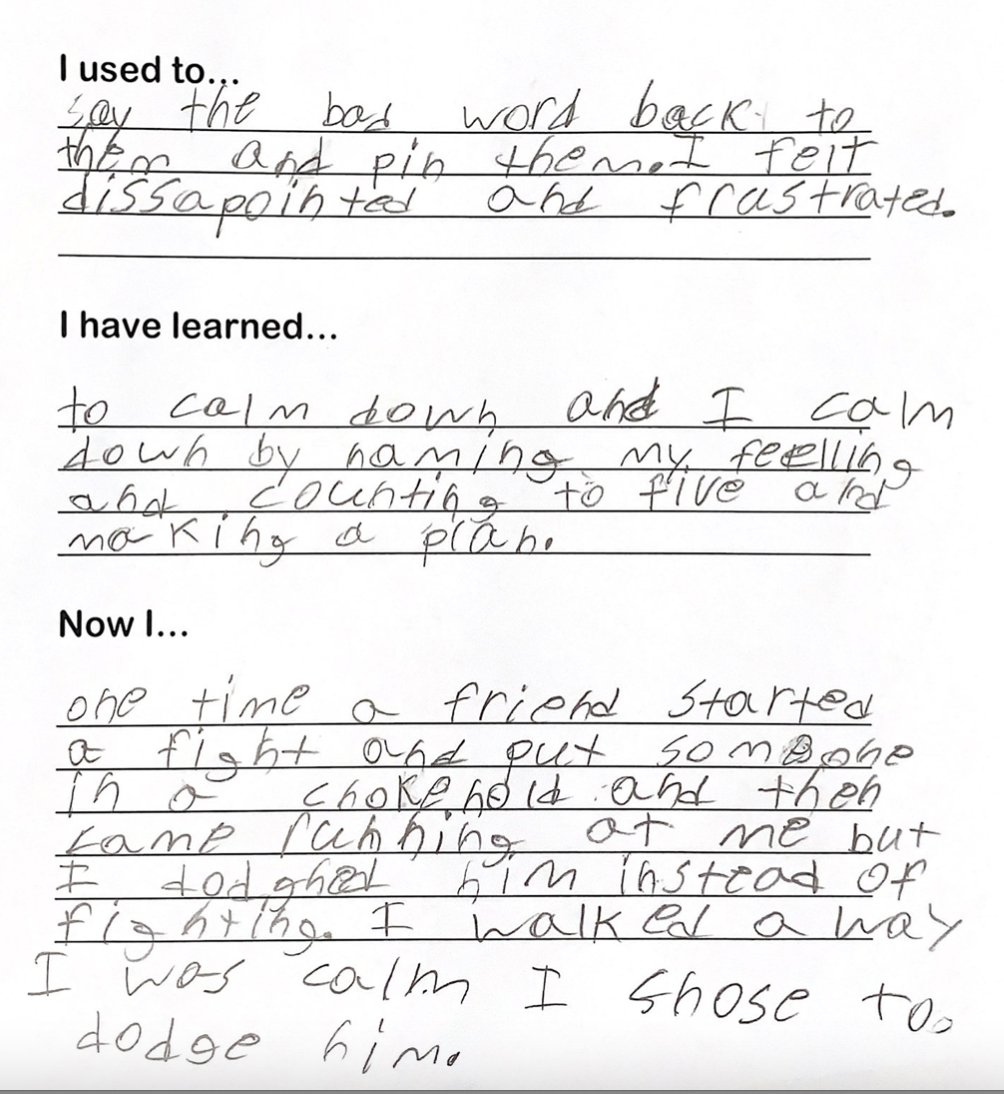
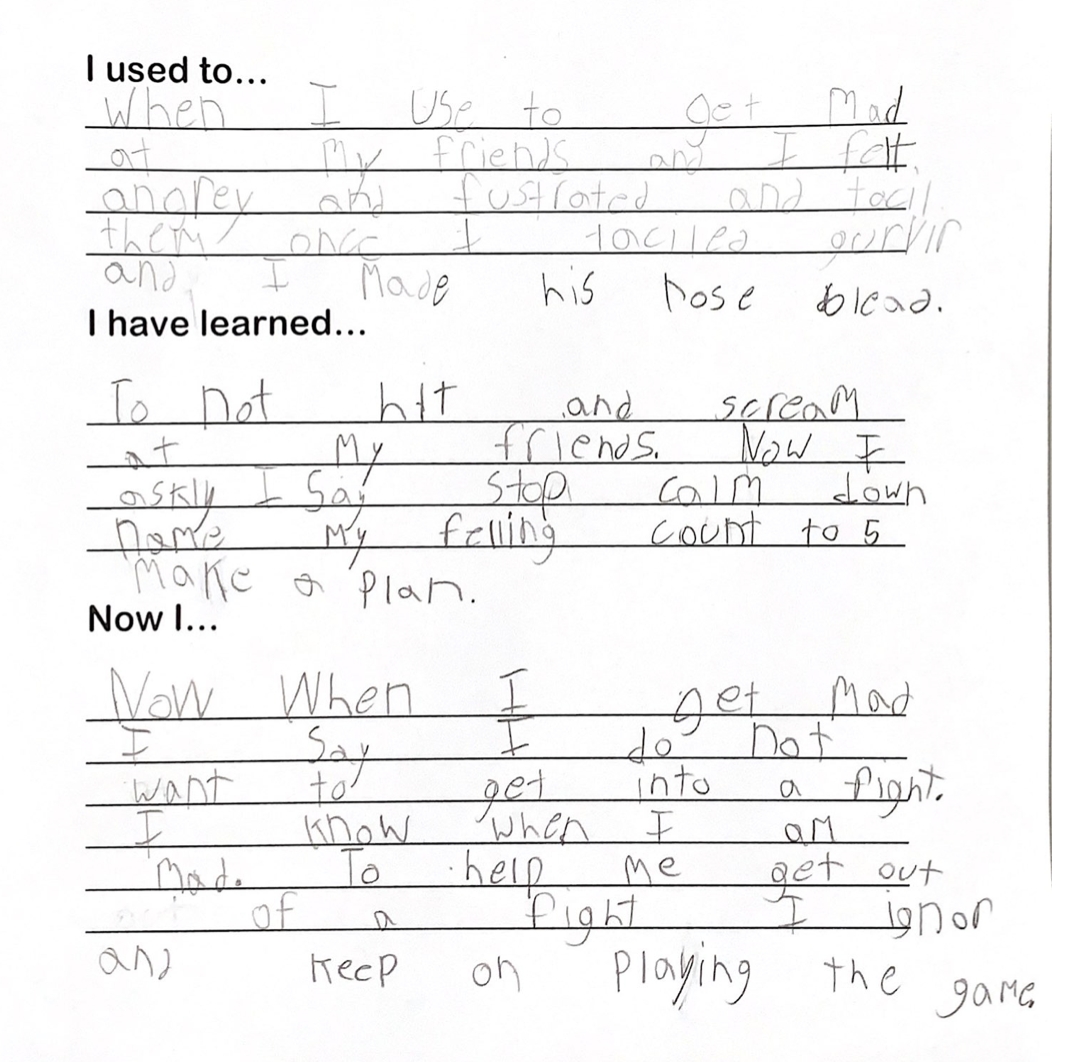
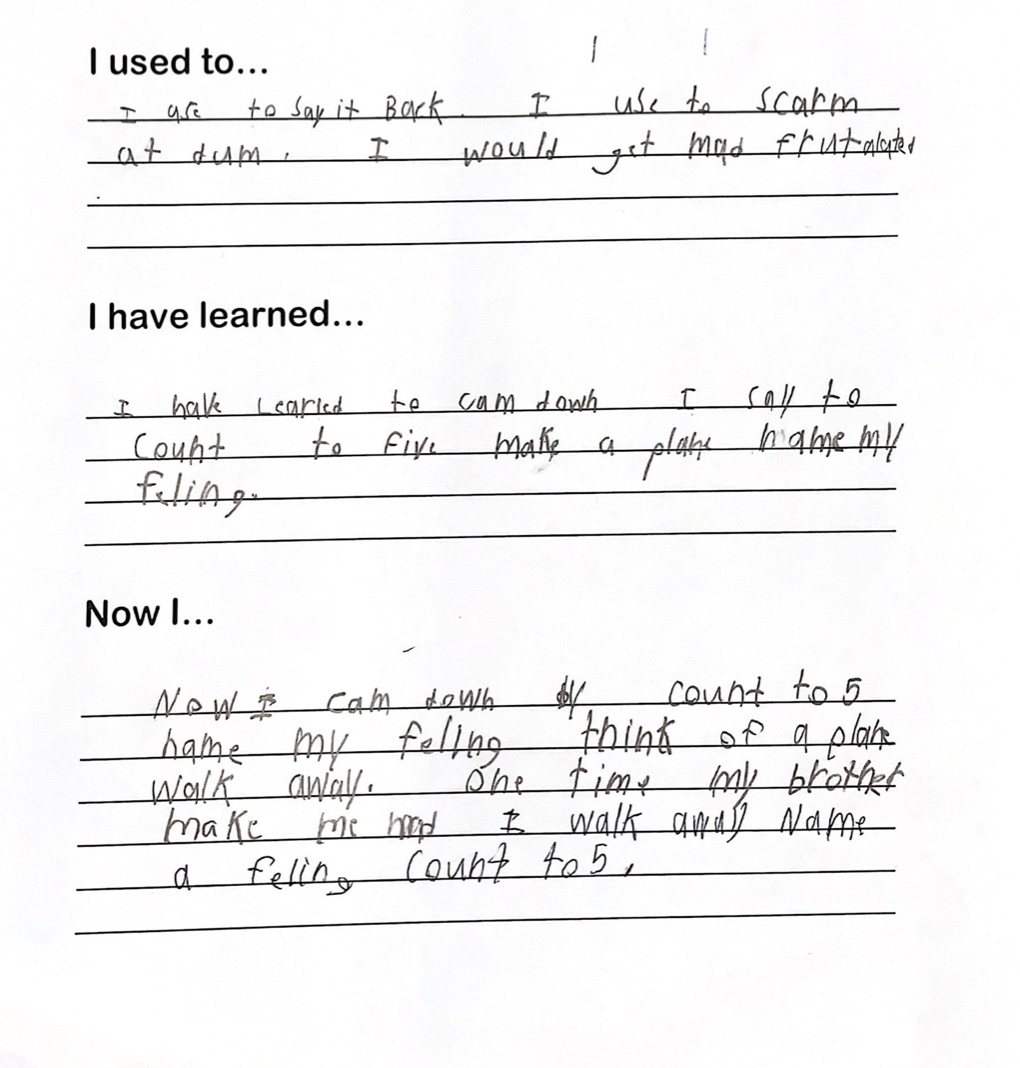
These students have learned how to calm themselves when they are feeling upset or overwhelmed. Instead of becoming angry with their friends, they are learning skills to calm themselves by counting down from 5, name their feeling, and making a problem solving plan.
Intermediate
Intermediate Class Learns to use Symbols and Expressive Writing to Support Self-awareness.m4a
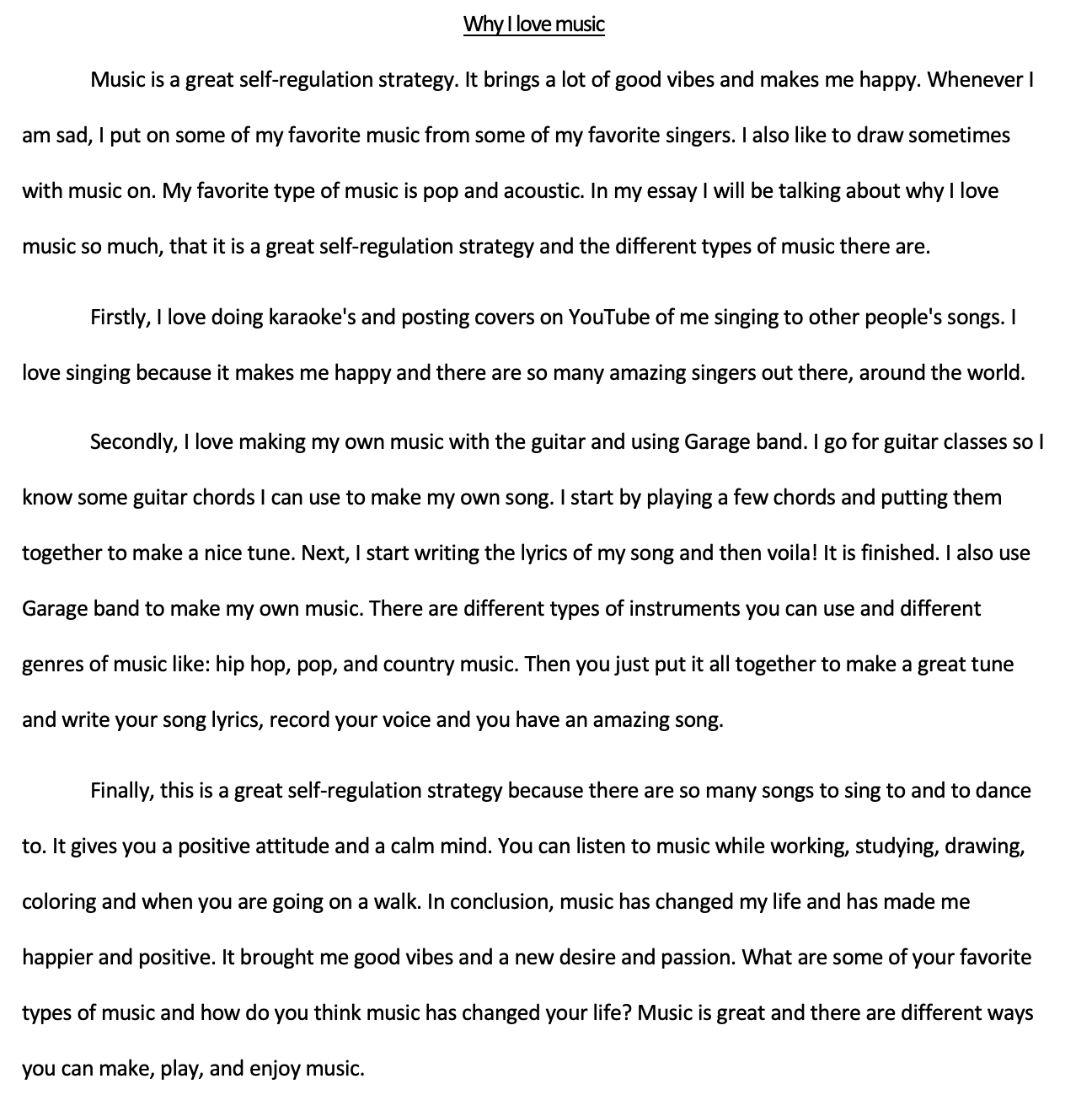
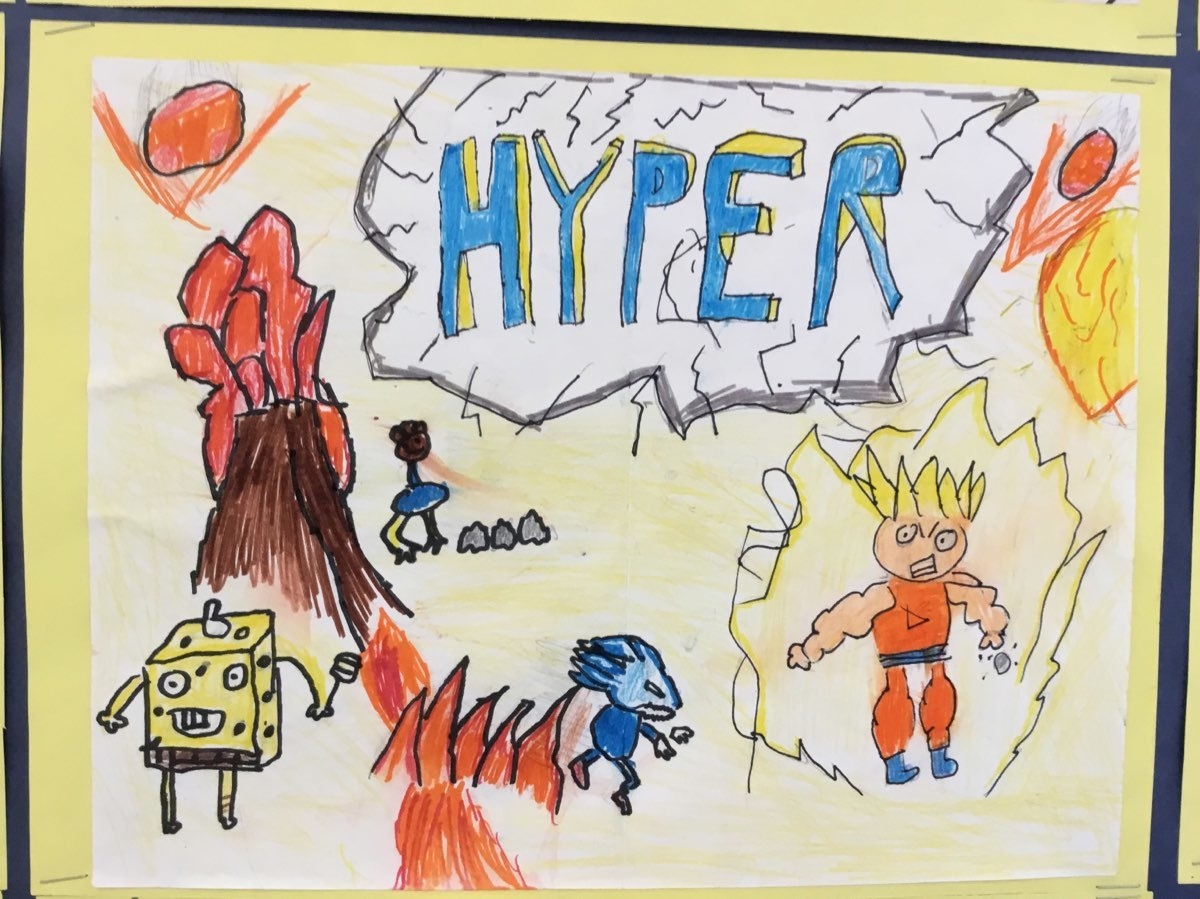
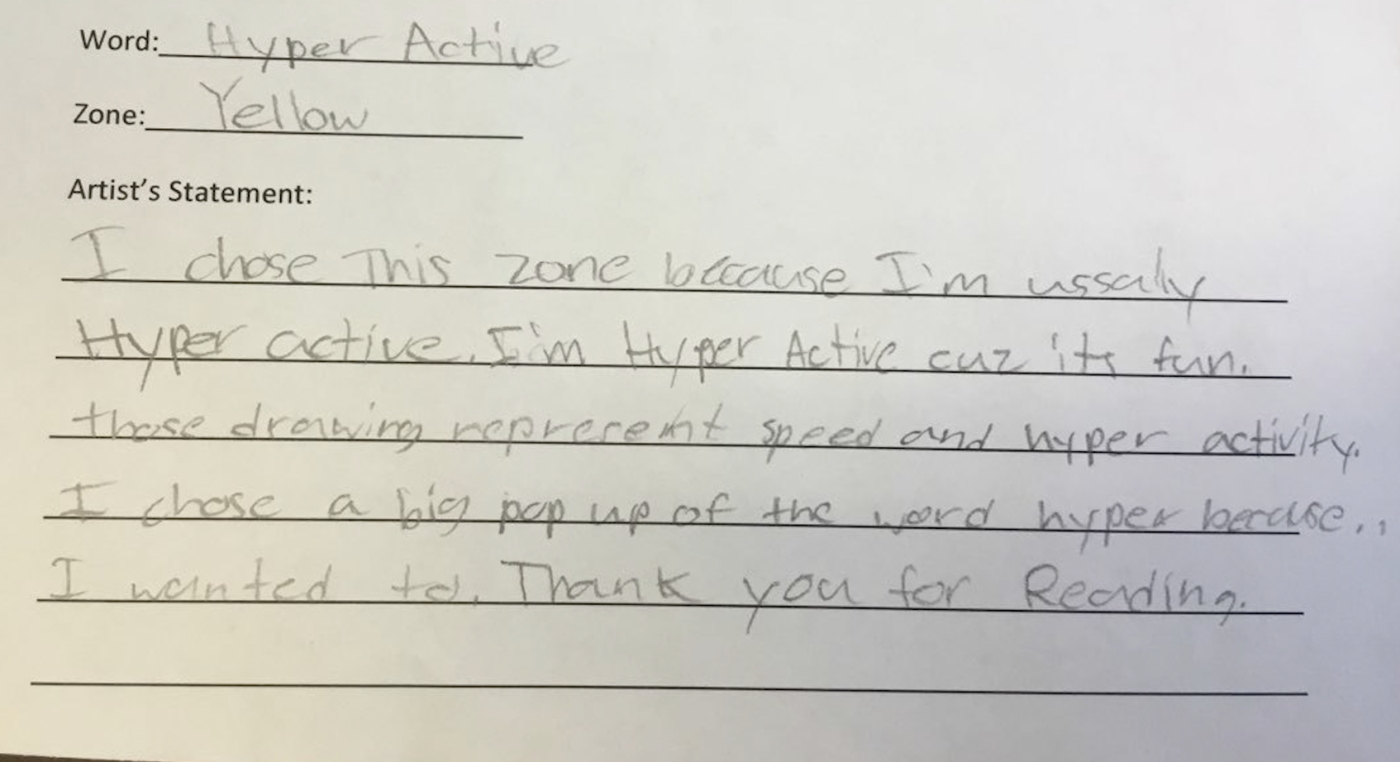
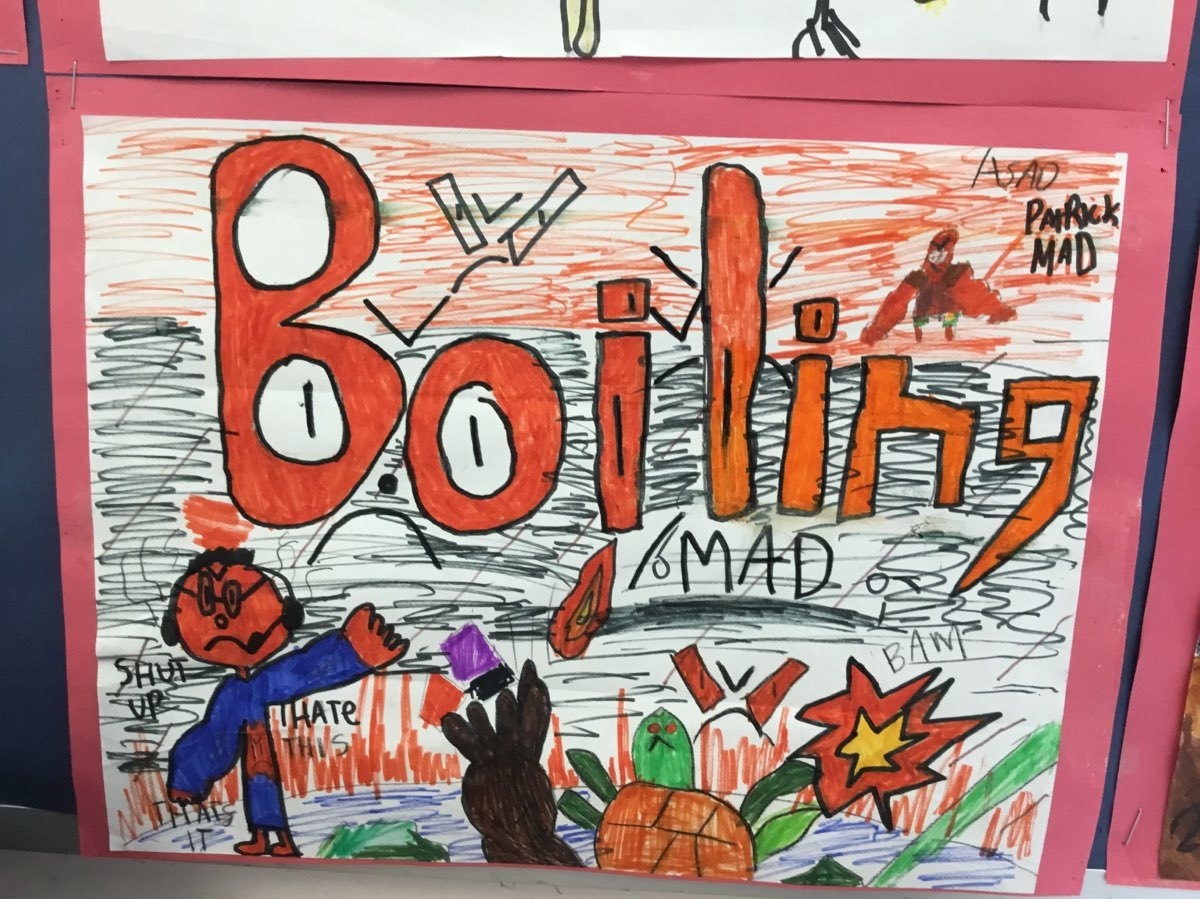
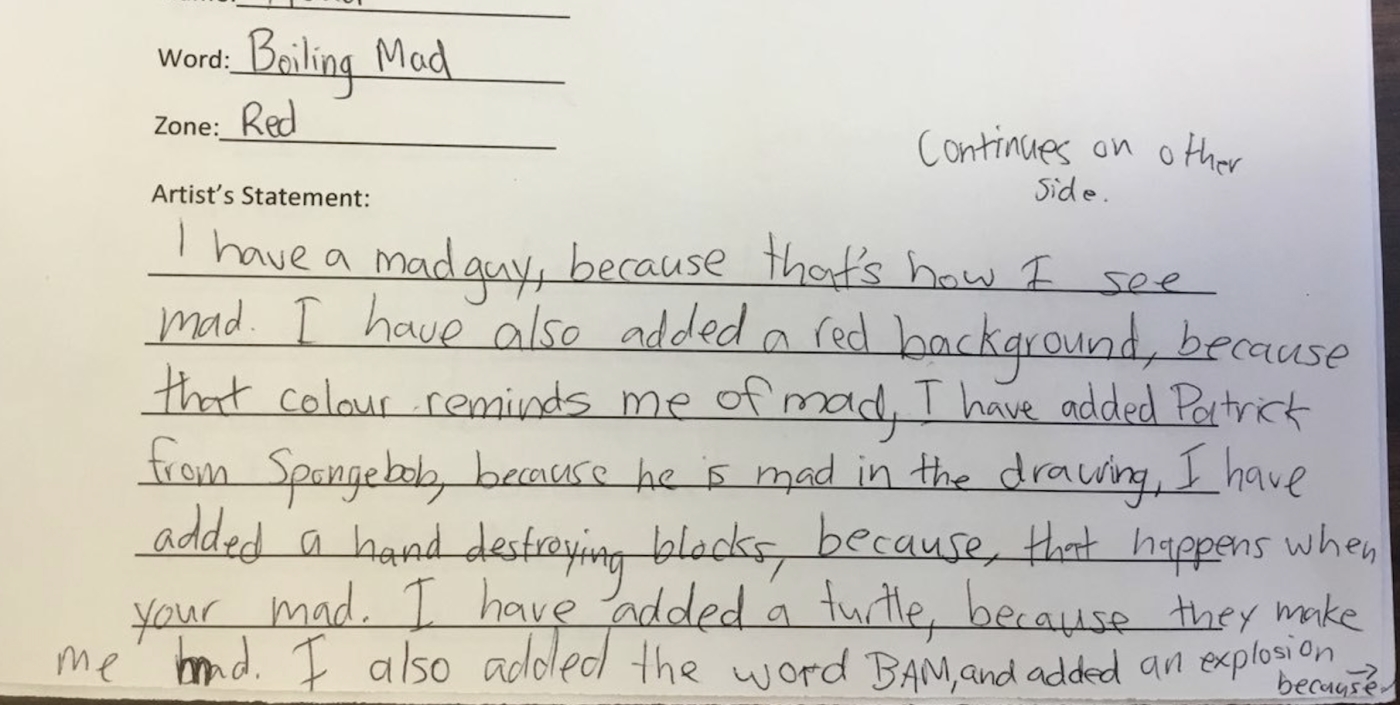
Our intermediate students have been learning to name their emotions. An intermediate class created engaging and meaningful texts. In a reflective writing activity, they were asked to identify a strategy used to self-regulate. One student chose to write about a self-management strategy that worked: listening to music. Students used the writing process of planning, writing, revising, and editing to create a writing piece. Through their writing, it is evident that students are able to use language to identify emotions and strategies that work for them.
OUR FOCUS
Every day, our learners are presented with opportunities to practice and demonstrate their Social and Emotional Learning skills and capabilities. Our team of educators provide our learners with these essential skills to set them up for success in today's rapidly changing world. To identify students’ overall strengths and areas for growth, we tracked self-awareness through literacy in three cohorts of learners across subject areas and grade levels. These cohorts include a diverse range of learners that are representative of our school’s population.
Our student learning goals include:
- Creating stories and other texts to deepen strengthen ability to understand emotions, thoughts and values as demonstrated through writing
Many of our students are learning to build and maintain diverse and positive peer relationships. Our students learned how to identify their emotions, being aware and respectful of others’ feelings and needs, and sharing their own needs in appropriate ways through literacy. Learning the language used to describe feelings provided students with the required language to articulate their thoughts, feelings, and emotions. The aim is for students to use this learned language in their personal writing.
OUR NEXT STEPS
Our learners have made significant gains in developing their SEL skills and capacities. In the focus area of self-awareness, students demonstrated the following:
The ability to understand their own emotions, thoughts, and values
The proficiency scale was used to measure student progress. Please view the scale below:
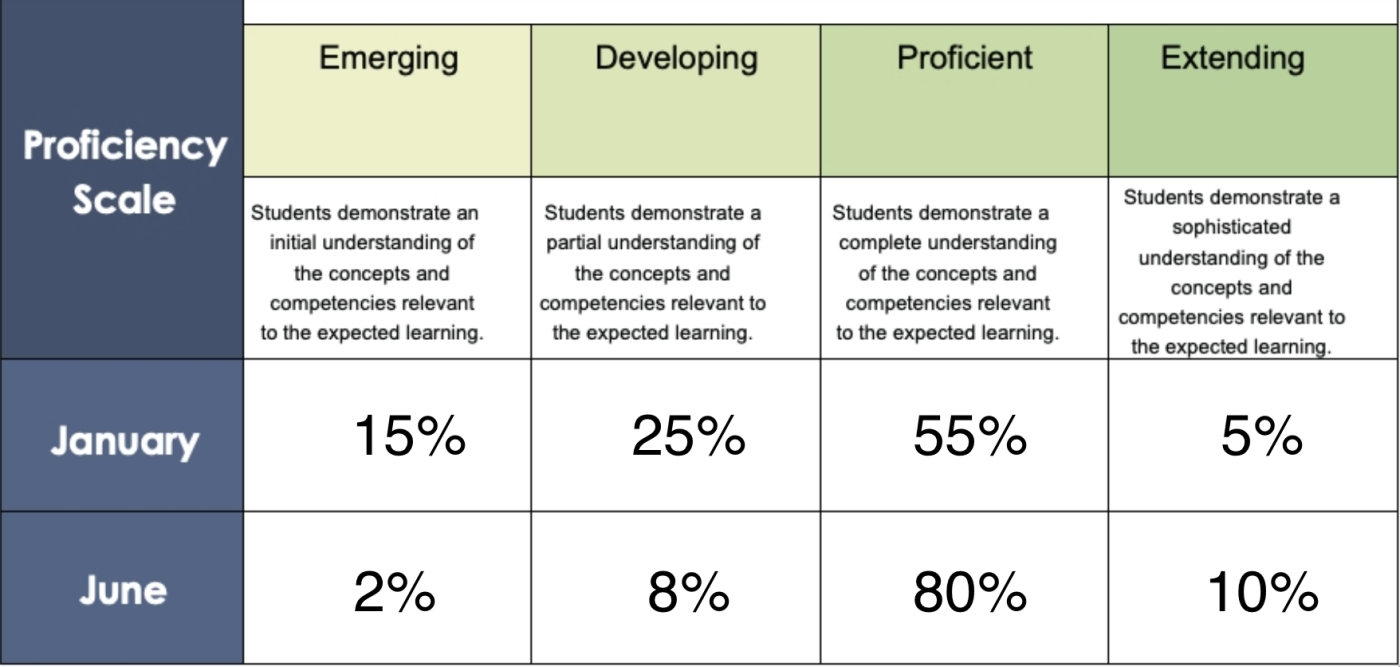
Growth was demonstrated in our January to June results. When averaging results across our goals, we saw a decrease in the percentage of the students who were Emerging (-13%) and a decrease in those who are Developing (-17%). Similarly, we saw an increase in the percentage of the students who are Proficient (+25%) and an increase in those who are Extending (+5%). More descriptive evidence of learning that is specific to our goal is highlighted below.
Early Primary
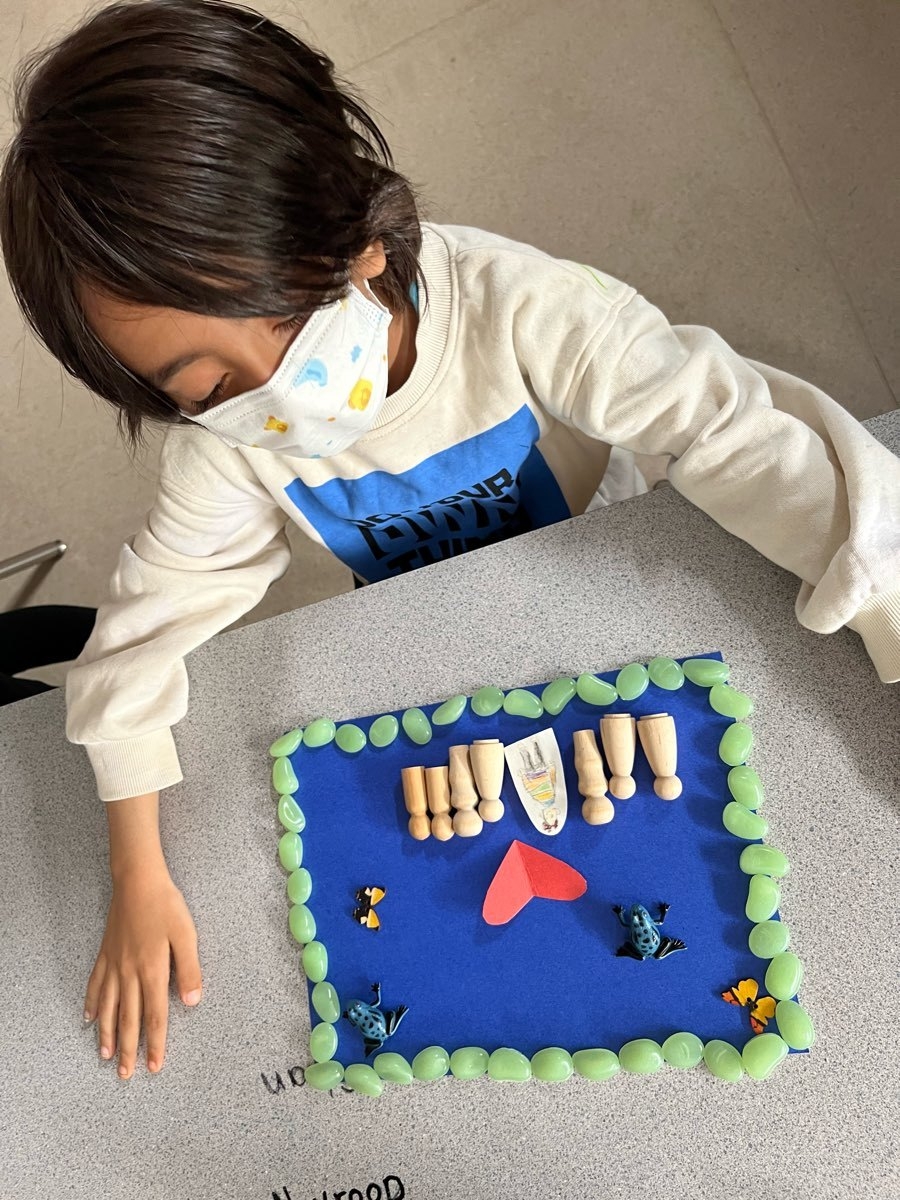
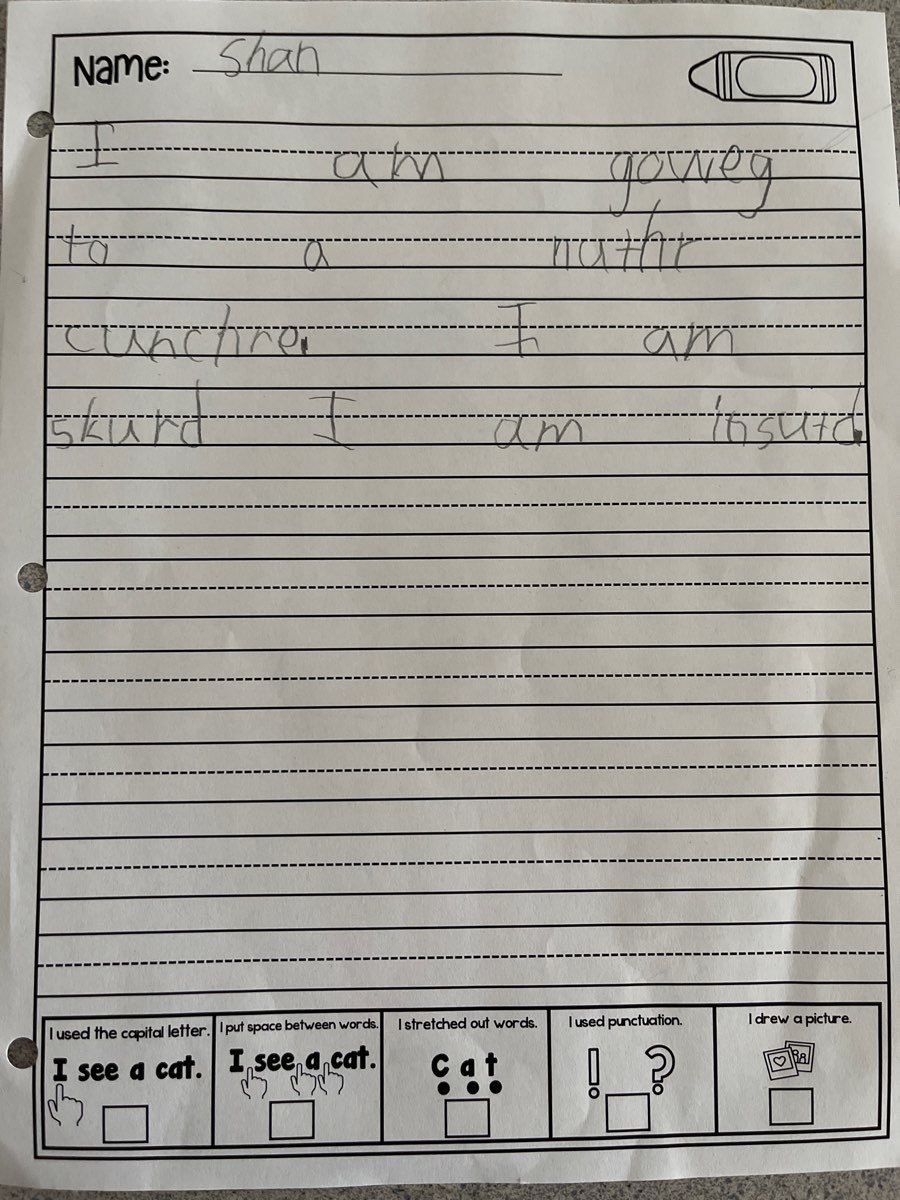
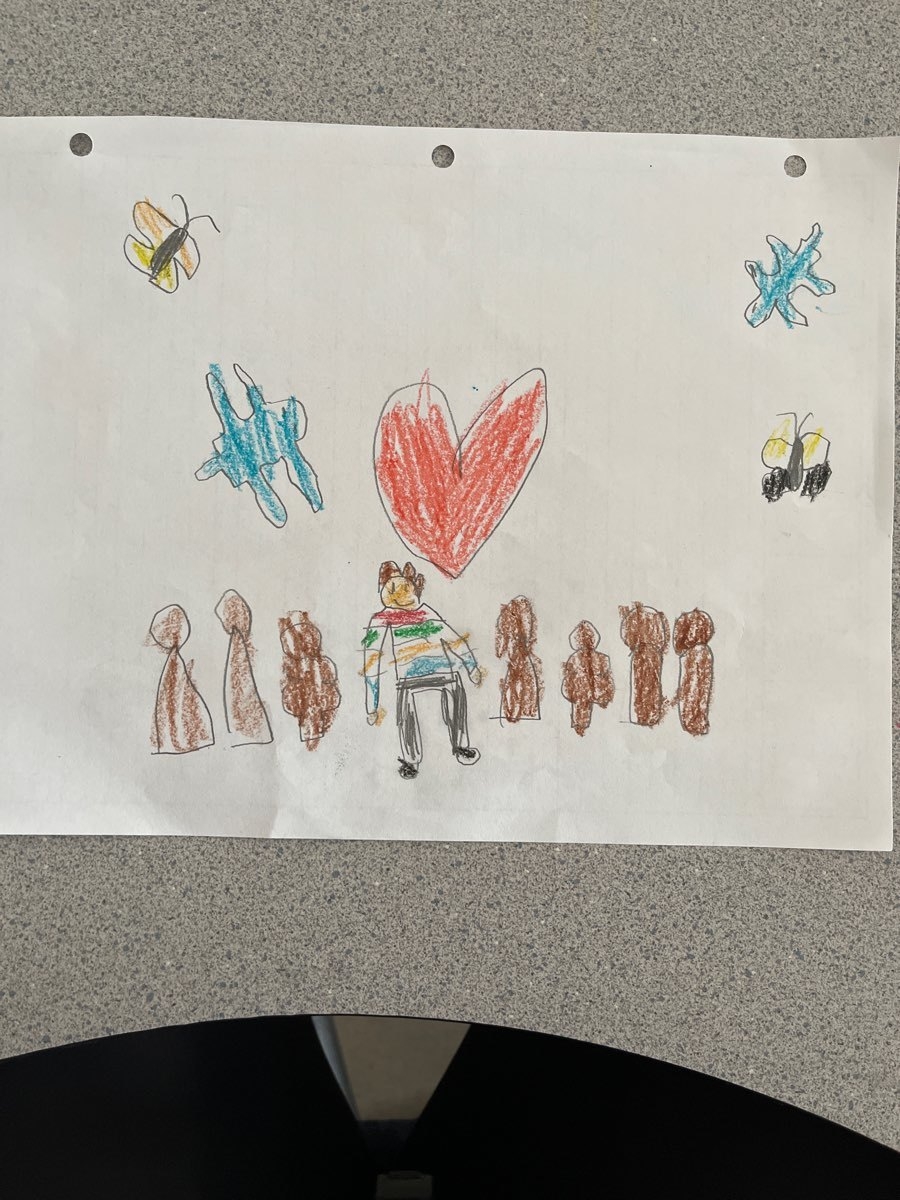
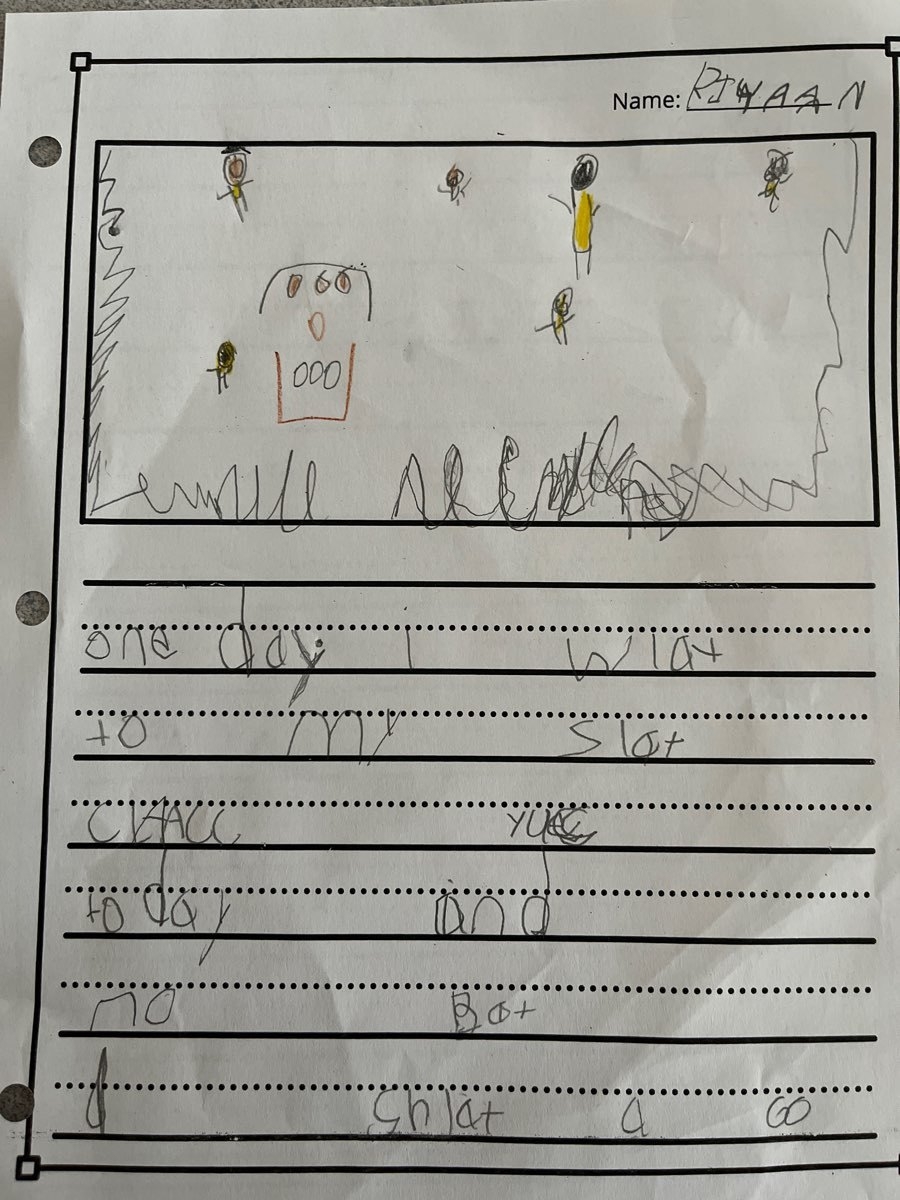
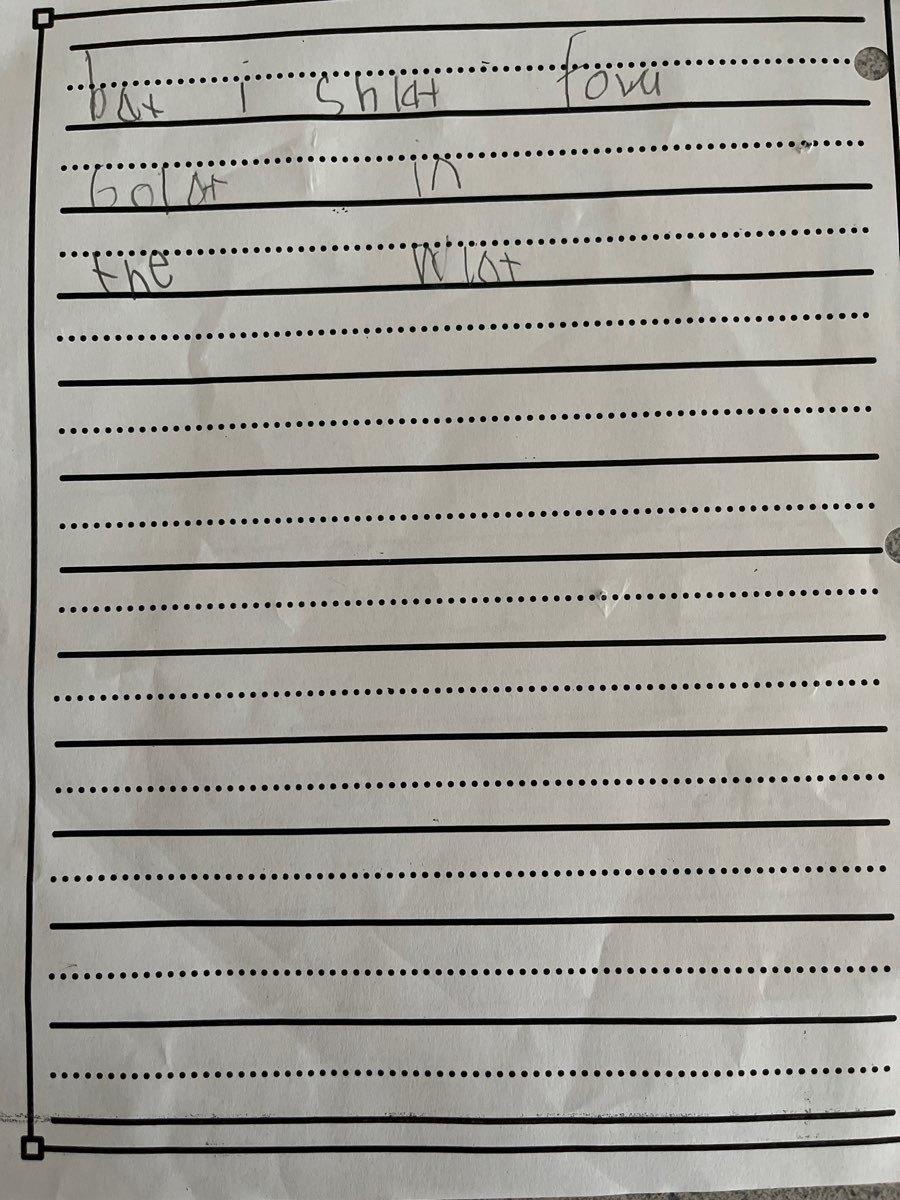
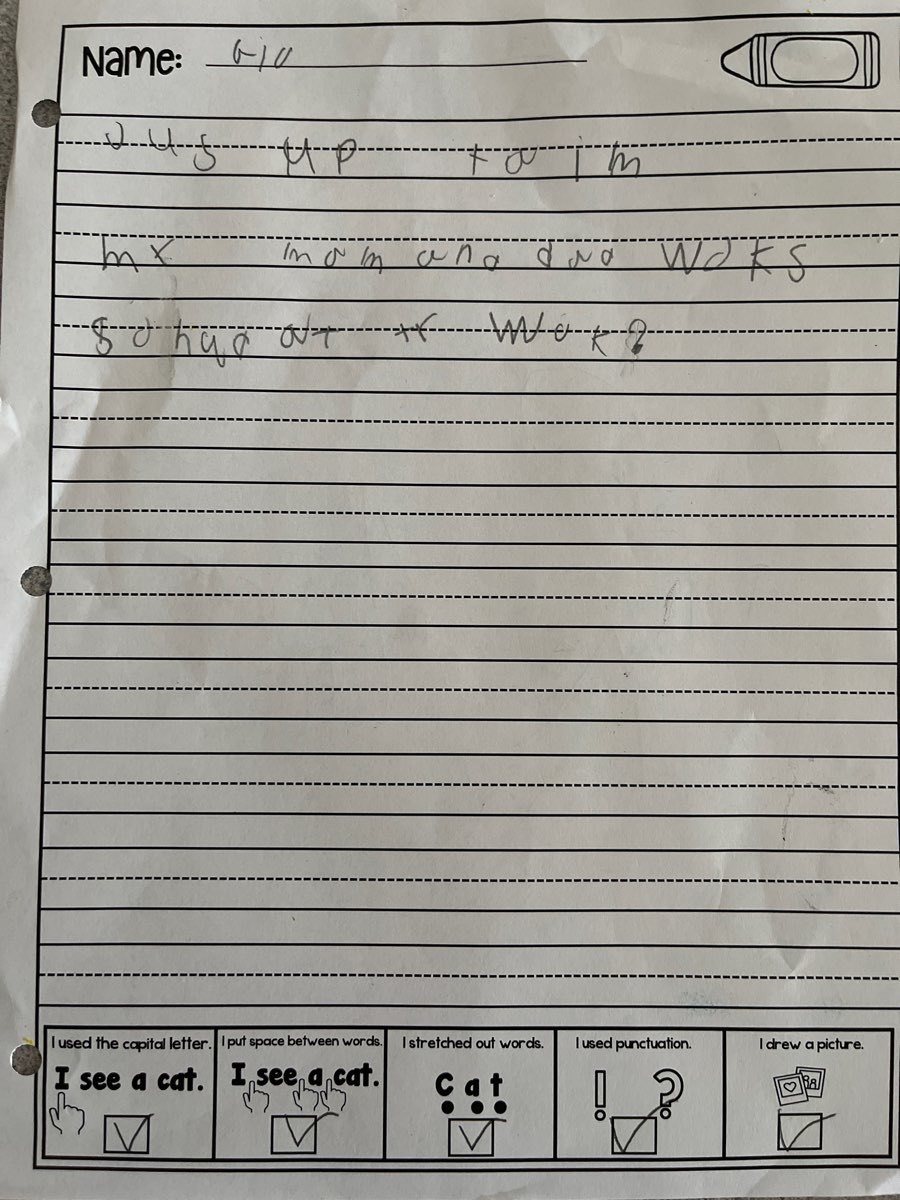
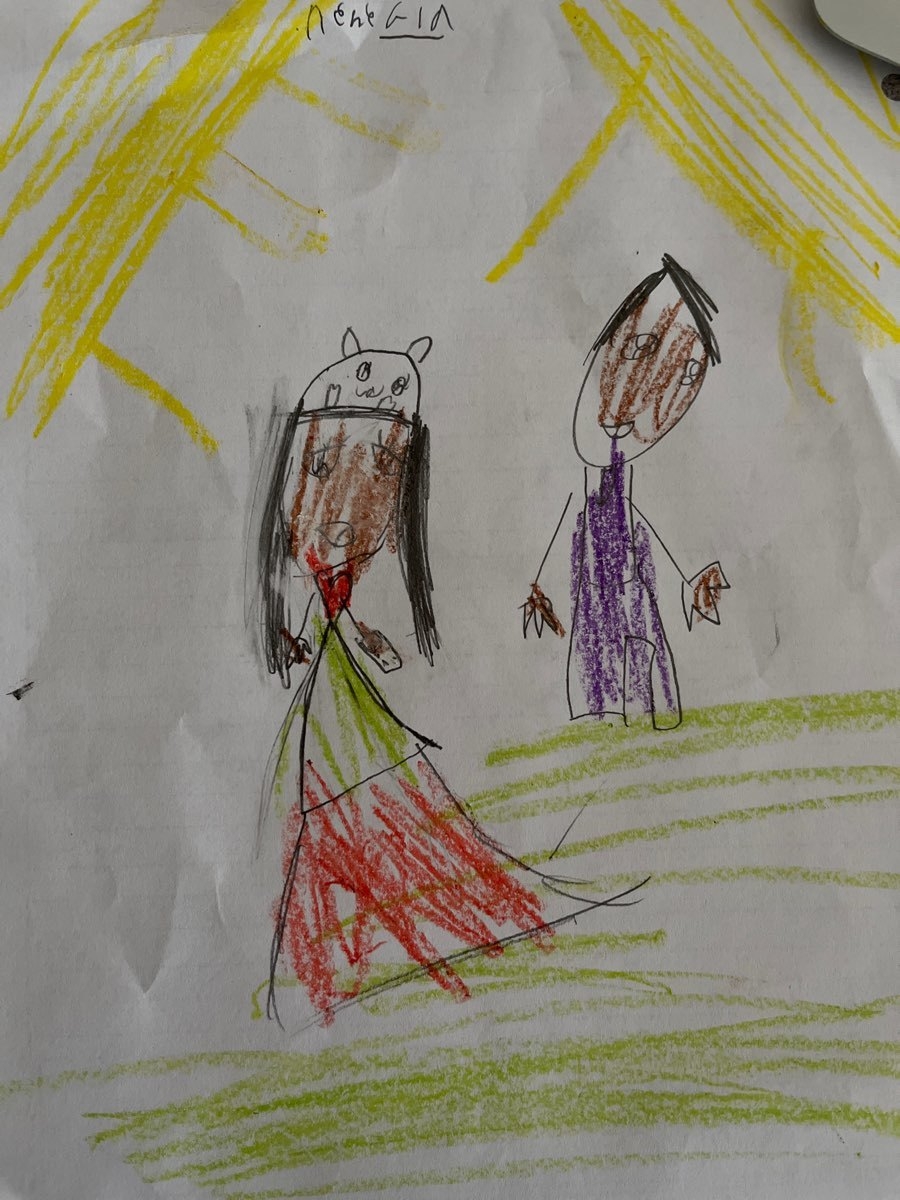
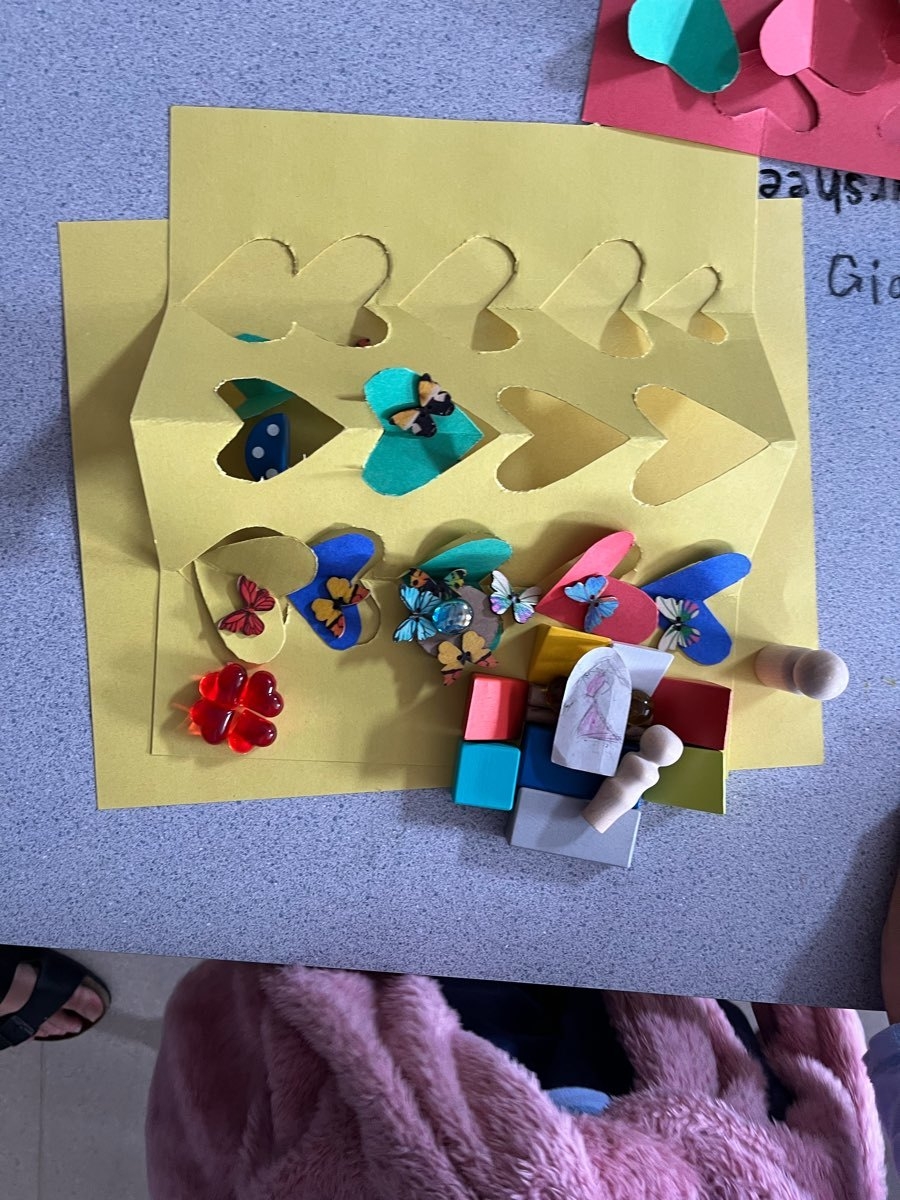
Our primary classes have been engaging in activities to develop their writing skills. Students participated in Story Workshops to create a story with plot that focuses on emotions. They use loose parts to organize into events and record their thinking. During this process, students demonstrated their learning of emotions and feelings. They were able to use written language to express themselves. Of the early primary cohort, the teacher reported that 85% of students are able to use language in their writing that demonstrates self-awareness:
Early Primary Audio Clip 1.mp3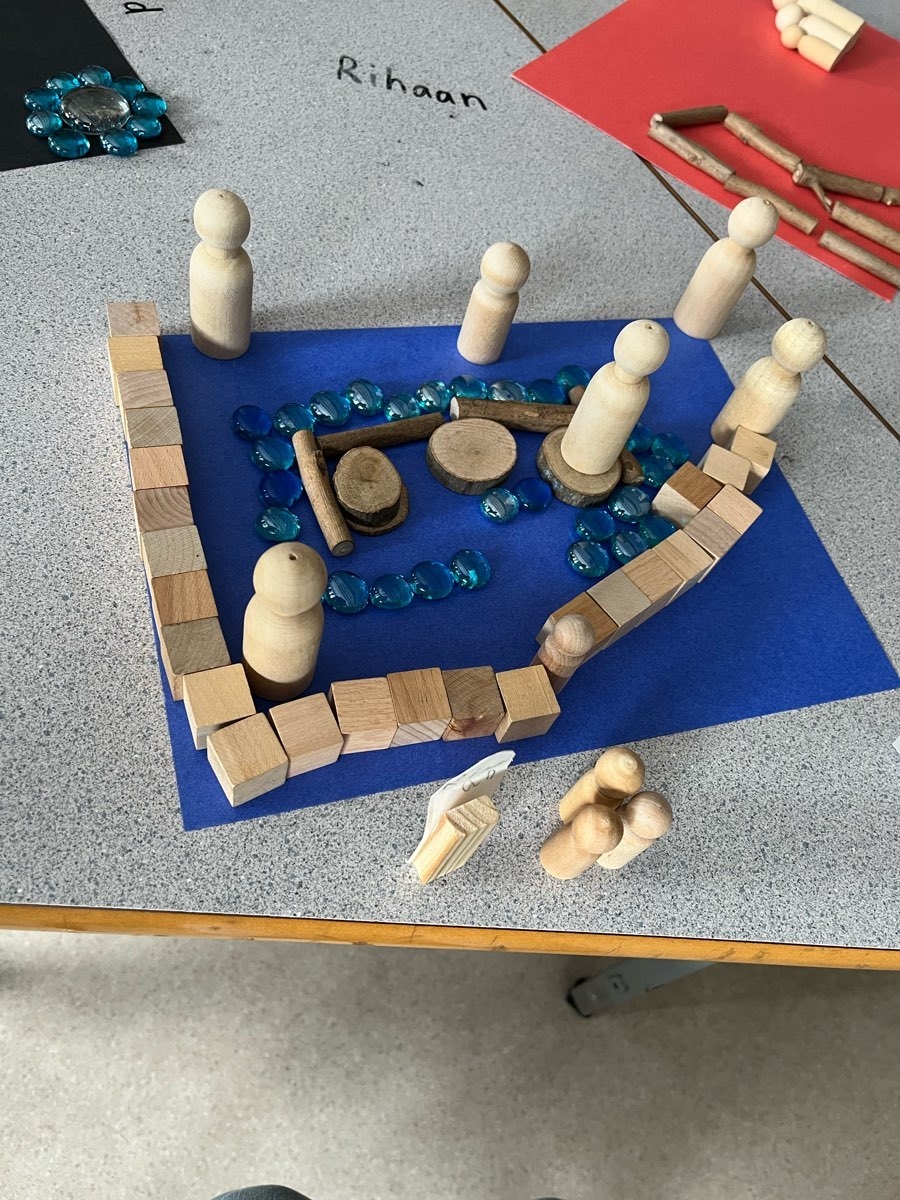
Late Primary
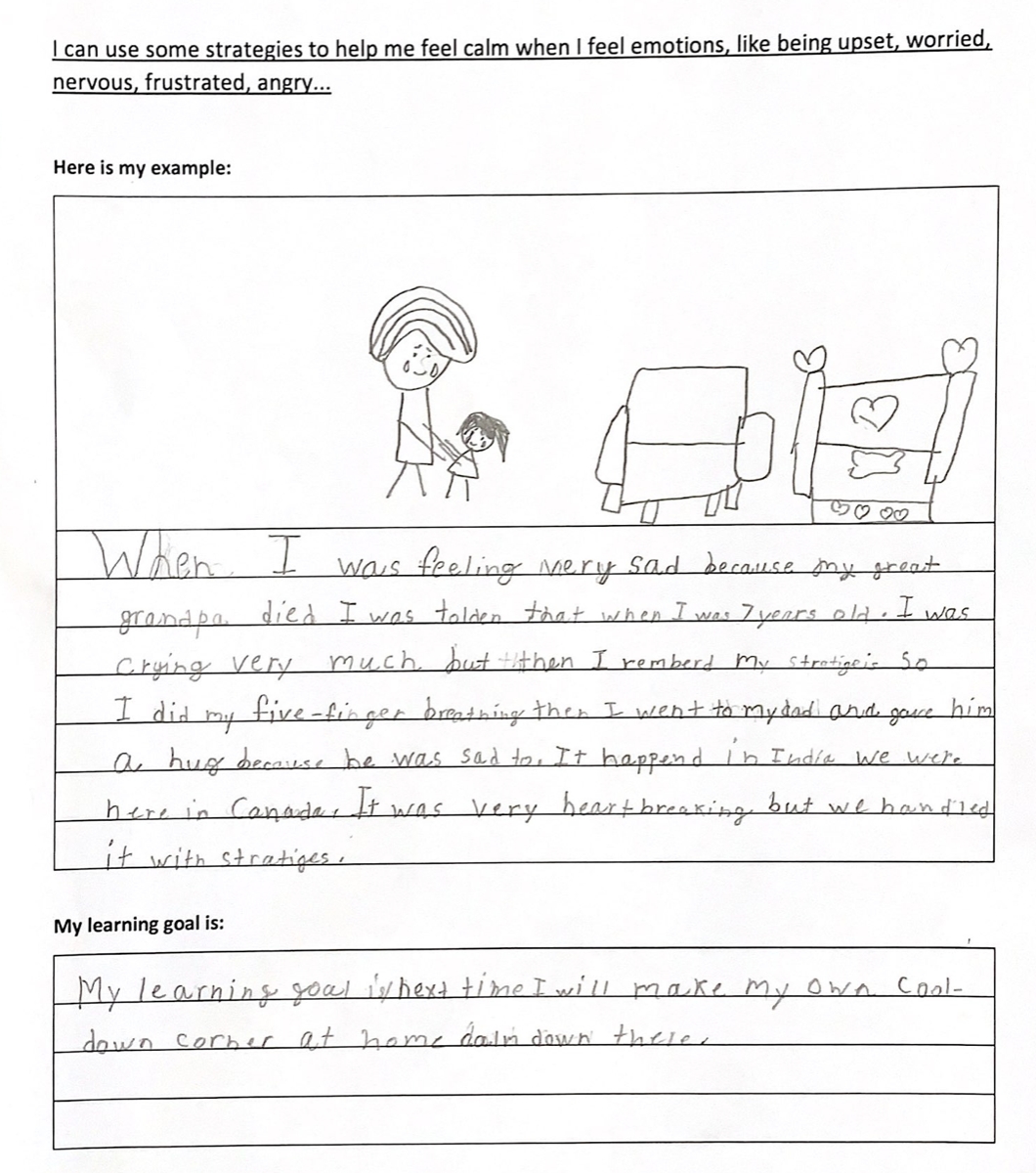
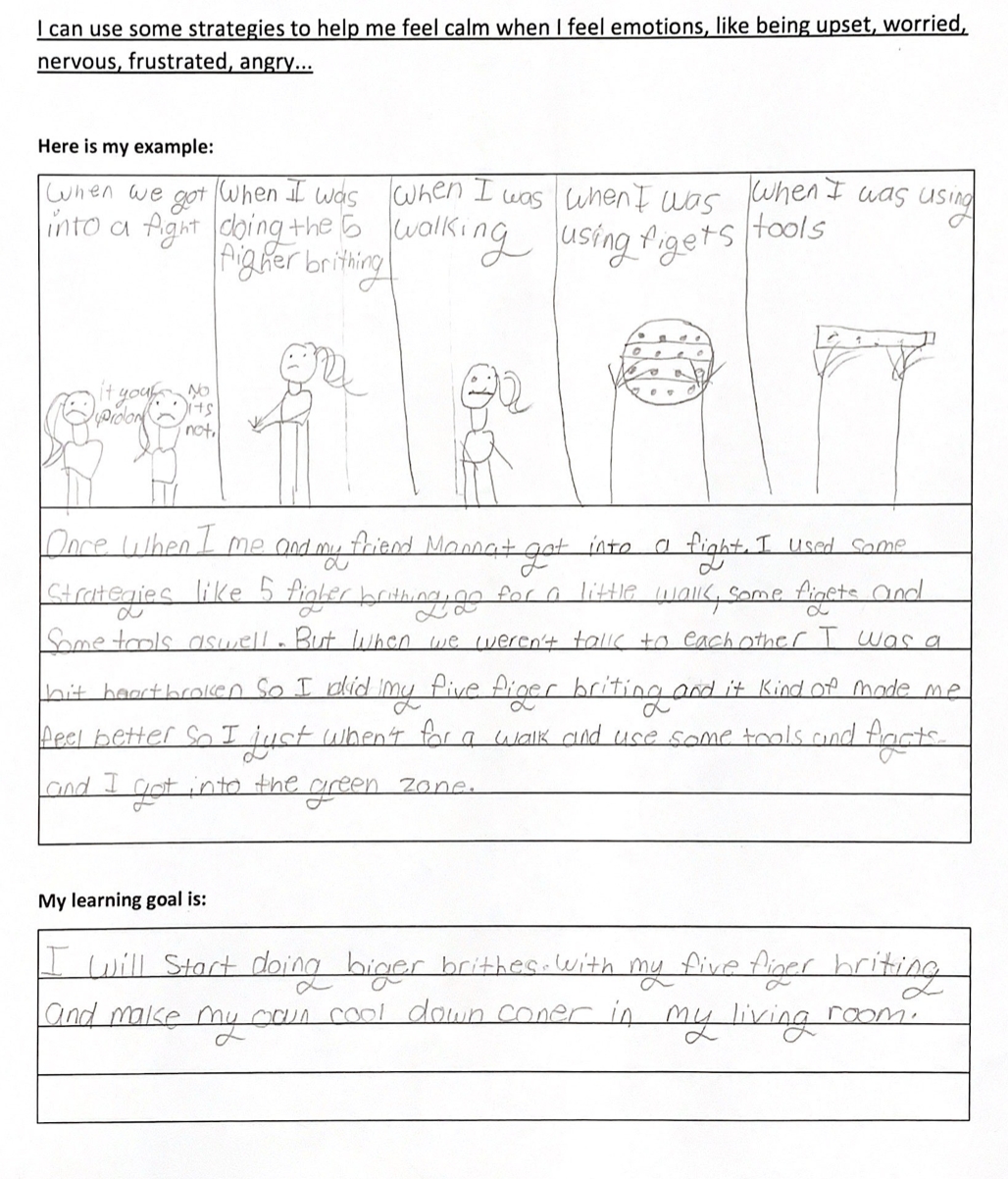
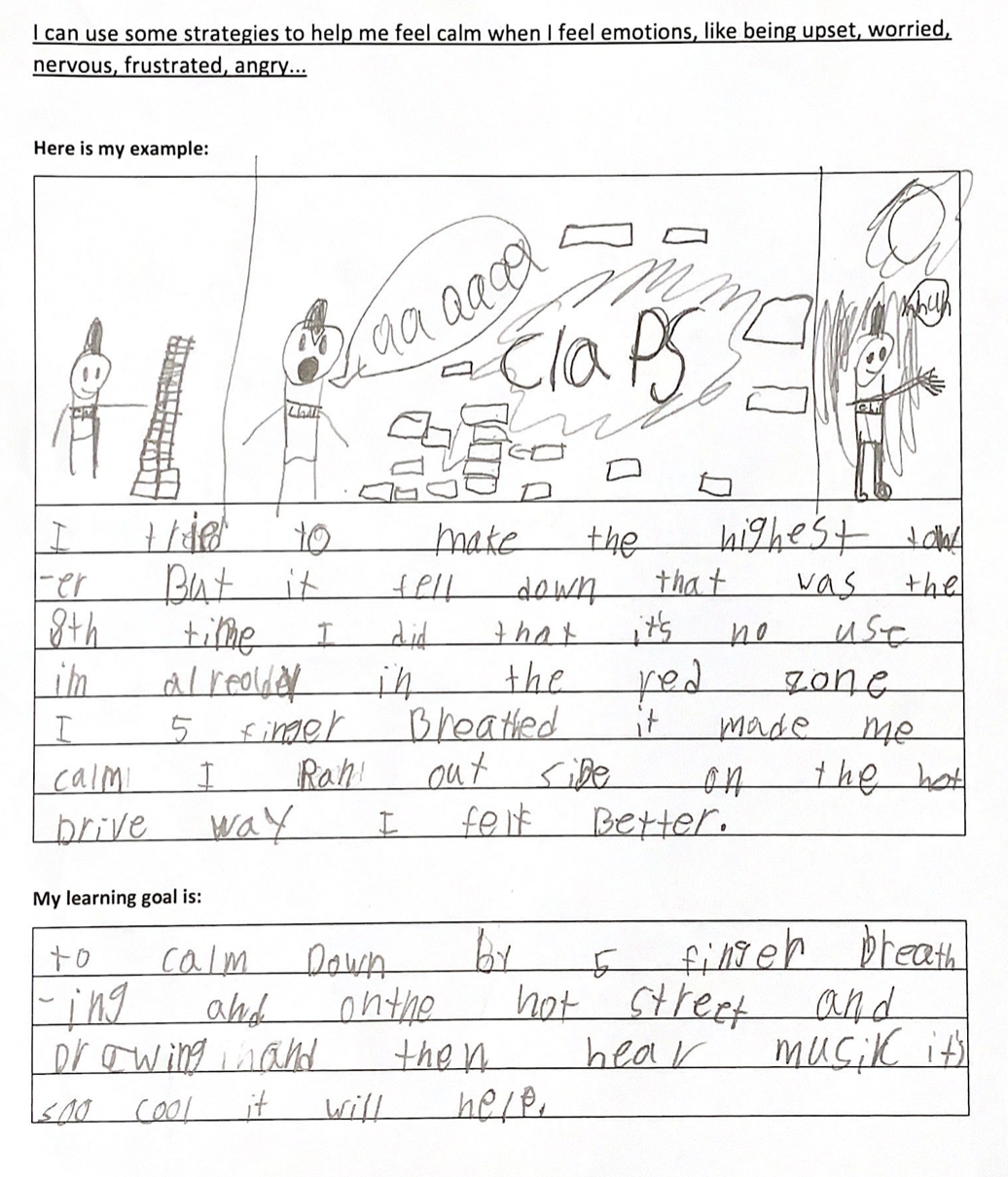
Late primary students worked on self-awareness. Over they year they practiced identifying different situations where they felt strong emotions. In this example, the students demonstrated that they could identify when they felt big emotion and used a strategy to manage these emotions. All students in our late primary cohort are able to self-identify their emotions with increasing proficiency. Below is an example of students demonstrated self-awareness and set goals for next year to begin using self-management.
Intermediate
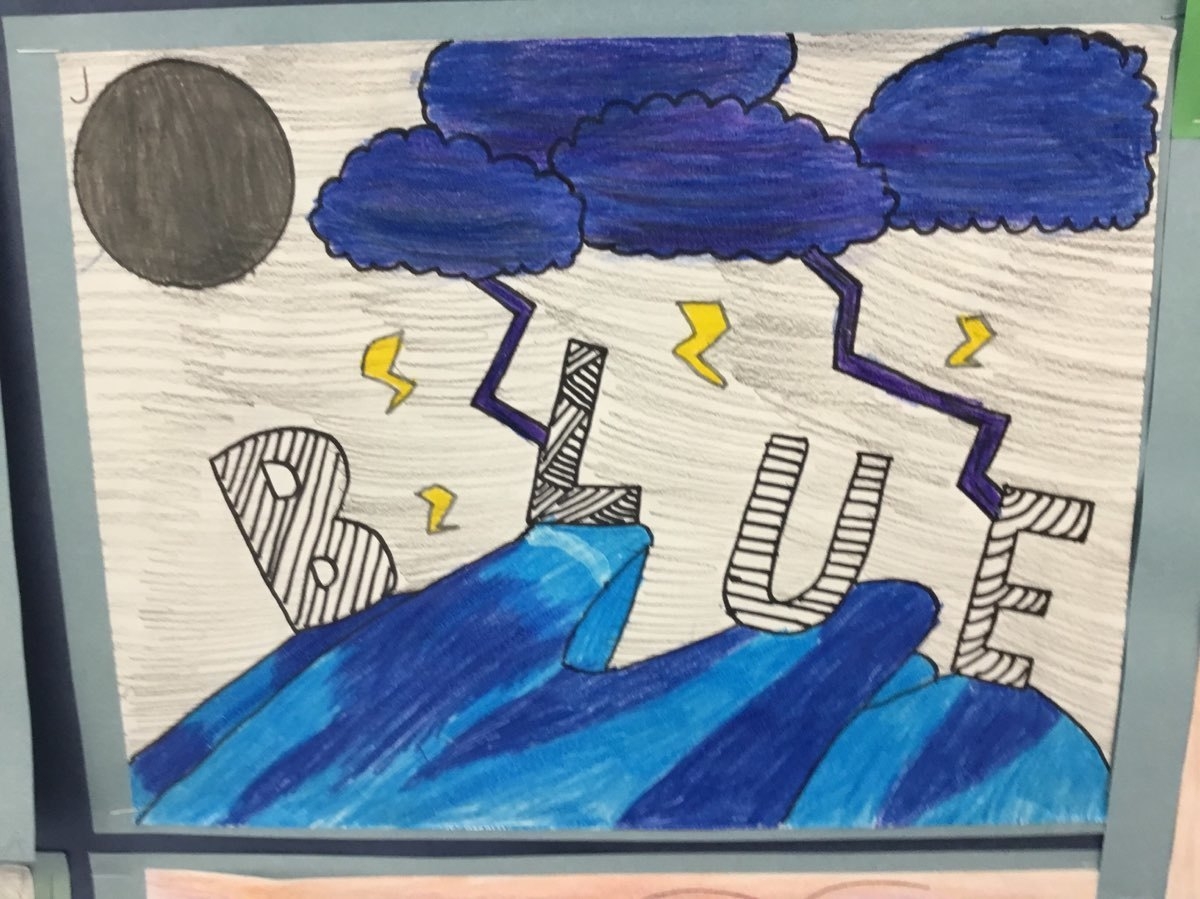
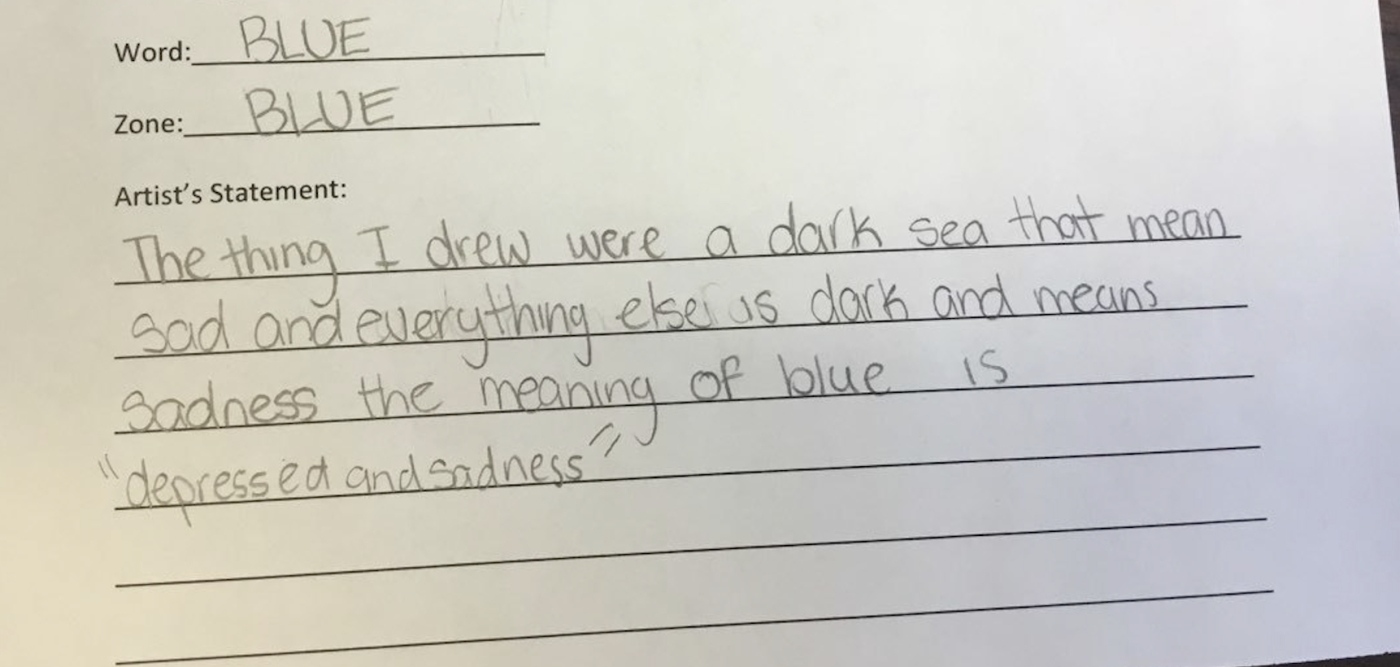
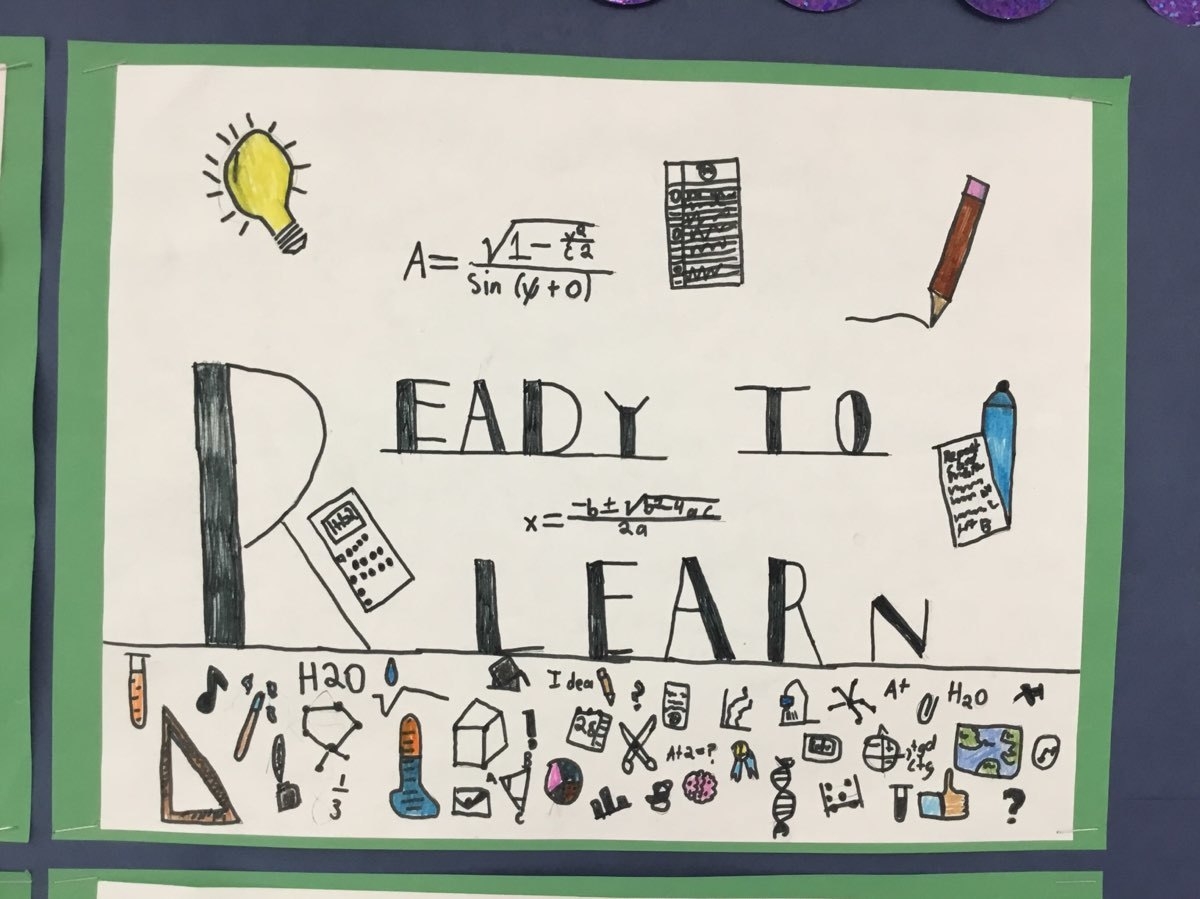
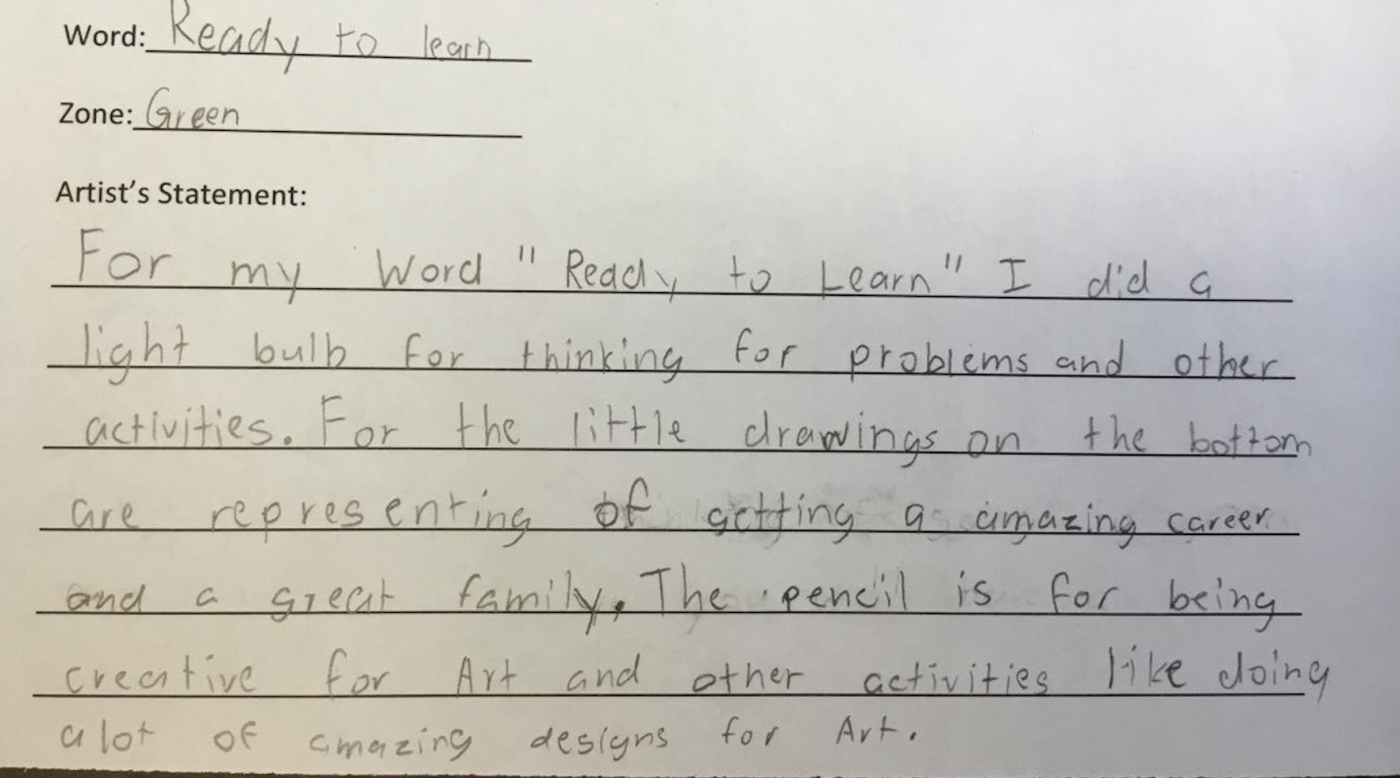
Intermediate students reflected on the language used to describe their feelings. Students wrote an artist's statement to demonstrate their understanding of the vocabulary and explained how they symbolized their feeling. In our cohort of 28 intermediate students, 78% of students have demonstrated that they are able to independently use language to describe their emotions, thoughts, and values.
Moving Forward
Our students have progressed in their understanding of themselves and how this connects to their interactions with their peers, our school, and the surrounding community. Based on evidence of students’ progress in relation to our learning goal, our next steps will include:
- Continuing to work on understanding one’s own emotions, thoughts and values
- Deepening the understanding of how emotions, thoughts and values influence behaviour across contexts
- Exploring instructional strategies that will build on students’ success in self-management by expanding opportunities to develop students’ self-management skills
Self-management is the ability to manage one’s emotions, thoughts and behaviours effectively in different situations and to achieve goals and aspirations. Moving forward, we will explore the following:
- Identifying and using stress management strategies
- Connecting with different genres of literature
Surrey Schools
Formed in 1906, the Surrey School District currently has the largest student enrolment in British Columbia and is one of the few growing districts in the province. It is governed by a publicly elected board of seven trustees.
The district serves the cities of Surrey and White Rock and the rural area of Barnston Island.