Clayton Heights Secondary

OUR CONTEXT
Clayton Heights Secondary is located on the shared, unceded, traditional territory of the Katzie, Semiahmoo and Kwantlen First Nations. We are a community where all students are encouraged to be inclusive and responsible citizens who participate in intellectual, artistic and athletic pursuits. With the guidance and encouragement of the school community, students are challenged to create, to anticipate and to dream.
Our students understand and accept their rights and responsibilities as citizens and participate in civic and social groups. They explore social, environmental and technological issues and advancements facing the nation and the world, while developing skills and understandings needed to pursue interests and utilize personal talents. Students are provided the opportunity to investigate career and educational options appropriate to their individual passions. All members of our school community are challenged to better understand the importance of maintaining physical and emotional well being and develop decision-making, planning and resource management skills needed for their role as critical participants in a democratic society.
Our school is founded on the belief that service learning should be an integral part of all learning experiences. Student leadership programs support all aspects of student leader development, student involvement, and student leadership experiences at school.
The program is guided by the philosophy that leadership is about action, not position, and that all students have the capacity to make meaningful contributions during their school careers and beyond.
OUR LEARNERS
At Clayton Heights, our team of educators strives toward creating a school community that is equitable and meets the individual needs of our learners.
“Educational equity means that every child receives whatever they need to develop to their full academic and social potential and to thrive, every day, both academically as well as social-emotionally. Every child has a right to feel loved and cared for and to feel that they belong to a community. Emotional well-being is as important as academic success in this definition of educational equity.” – Elena Aguilar
Supporting students so they can successfully graduate means focussing on the skills needed to be proficient in literacy and numeracy across all subject areas, as well as being competent in the core competencies of communication, critical and creative thinking and personal and social responsibility.

Personal Awareness and Responsibility
Our learners can identify their emotional needs, and demonstrate self-regulation to find support and success at CHS.
In the Spring of 2021, we surveyed approximately 50% of the school population about their perceptions of the school culture and their connection to school.
Given the nature of learning throughout the pandemic, it was unsurprising that many students expressed that they felt disconnected from the school culture and community. Students from grades 8 to 12 consistently listed mental health as the greatest barrier to their enjoyment of school.

To address the needs at Clayton Heights, we have provided bi-weekly lessons on mental health. These "Mental Health Moments" have given students the knowledge and resources to identify emotions and supports within the school to assist in their self-regulation skills needed to be an engaged learner and positive member of the CHS community.
Positive Personal and Cultural Identity and Social Responsibility
Our learners can identify their passions and interests and make connections to the CHS community.
"Connection is why we're here; it is what gives purpose and meaning to our lives." Brene Brown
In an effort to provide contexts for connection and a sense of belonging, our school has undertaken a number of initiatives aimed at increasing student engagement and sense of belonging at the school. We value celebrating each individual's personal identity and believe in creating an inclusive and safe space for all students. The following pictures provide just a small sample of the return to school activities that students engaged in this year. At CHS, teachers share their passions in clubs to connect with students outside of the classroom and build a community through shared interests. Students often volunteer their time in projects that give back and support both the school and local community.


Cloverdale Community Kitchen Mental Health Awareness Week Craft Club


Diversity, Equity and Inclusion Club/Eid Art Council Pride Arch/ SOGI education
OUR FOCUS
Supporting students so they can graduate successfully, develop positive relationships, and nurture their passions and strengths to be positive, caring, inclusive community members is our focus at CHS. We aim for all students to gain the skills needed to be proficient in literacy and numeracy across all subject areas and competent in the core competencies of communication, critical and creative thinking and personal and social responsibility.
At CHS, our educators support students in developing positive and successful academic, social and emotional transitions in their journey through:
- Grade 7 into grade 8
- The exploration years (grade 8 and 9) into grade 10
- Grade 12 to a successful graduation and beyond
To highlight and assess our supports, we examined the CHS Transitions program, which focuses on academic skill building, student connection, and social-emotional learning. Support is provided so students are able to develop a growth mindset and motivation to achieve their goals for the future.
Student Learning Goals:
- Our learners can demonstrate the literacy and numeracy skills to be proficient in all courses
- Our learners can demonstrate respect, respect and collaboration and inclusivity in working with others to solve problems (Careers)
- Our learners can evaluate and explain strategies for promoting well-being (PHE)
- Our learners can use self- assessment and reflection to develop awareness of their strengths, preferences and skills ( Careers)
- Our learners can set and achieve realistic learning goals with perseverance and resilience ( Careers)
Junior Transitions:
For some students, the struggle to meaningfully engage in school has been a greater challenge. Our support team worked this year to identify grade 8 and 9 students that were at risk of not successfully transitioning into the grade 10 to 12 graduation program.
This cohort of students was supported throughout the year by a dedicated transitions teacher, alongside the youth care workers, safe-school liaisons, and counsellors. Through the creation of a dedicated drop-in space, weekly check-ins, academic support, attendance follow up, and in-class support, many of these grade 8 and 9 students made significant academic and social progress and built positive connections to the school community.

| “September till January had been a real struggle for my son transitioning into grade 8. In January the Transitions teacher took my son on as one of his students to support. There has been a huge change in my son this semester having him there for support. The Transitions teacher has done weekly check-ins with him and made him feel comfortable in the school and able to talk to him. Whenever there were any issues in class or when he needed support or follow ups with teachers, the Transitions teacher has been there right away to support my son. He created a plan to help make him successful this semester. Having the Transitions teacher there for support has been great.” – Parent feedback on Transitions Program |
Senior Transitions: Skills for Success
We have also worked to provide additional layers of support to grade 11 and 12 students at risk of not successfully completing the graduation program. In our “Skills for Success” class, this cohort of students learn about and practice growth mindset strategies, explore goal-setting and approaches to personal organization. In addition, this program monitored the student's academics, providing the guidance and support so they could see success across all their classes, with a focus on cross-curricular literacy.

Our learners can use self- assessment and reflection to develop awareness of their strengths, preference and skills
Student weekly / daily learning plans: The following sample provides examples of scaffolded organizational and self-management tools which students were encouraged to use throughout the semester.
Reflections on the learning process: Throughout the semester, students were given opportunities to reflect on the learning process and their role in it. By inviting students into conversations and dialogue around the ways they learn, they were increasingly able to demonstrate a greater self-awareness of what they need in order to learn. This metacognition proved especially valuable for senior students.
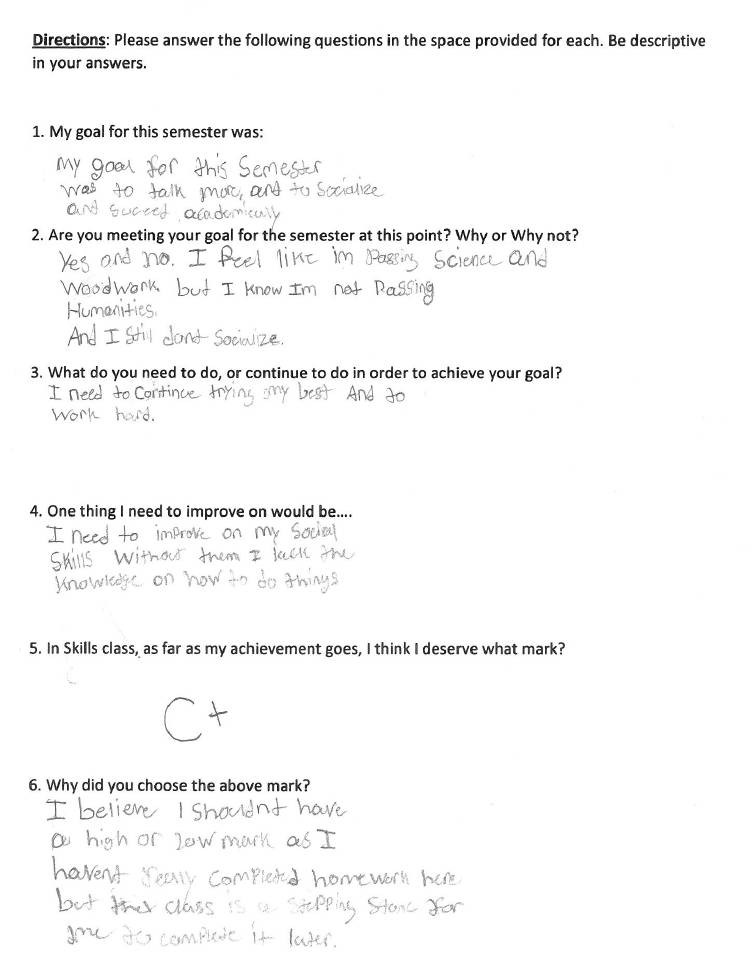

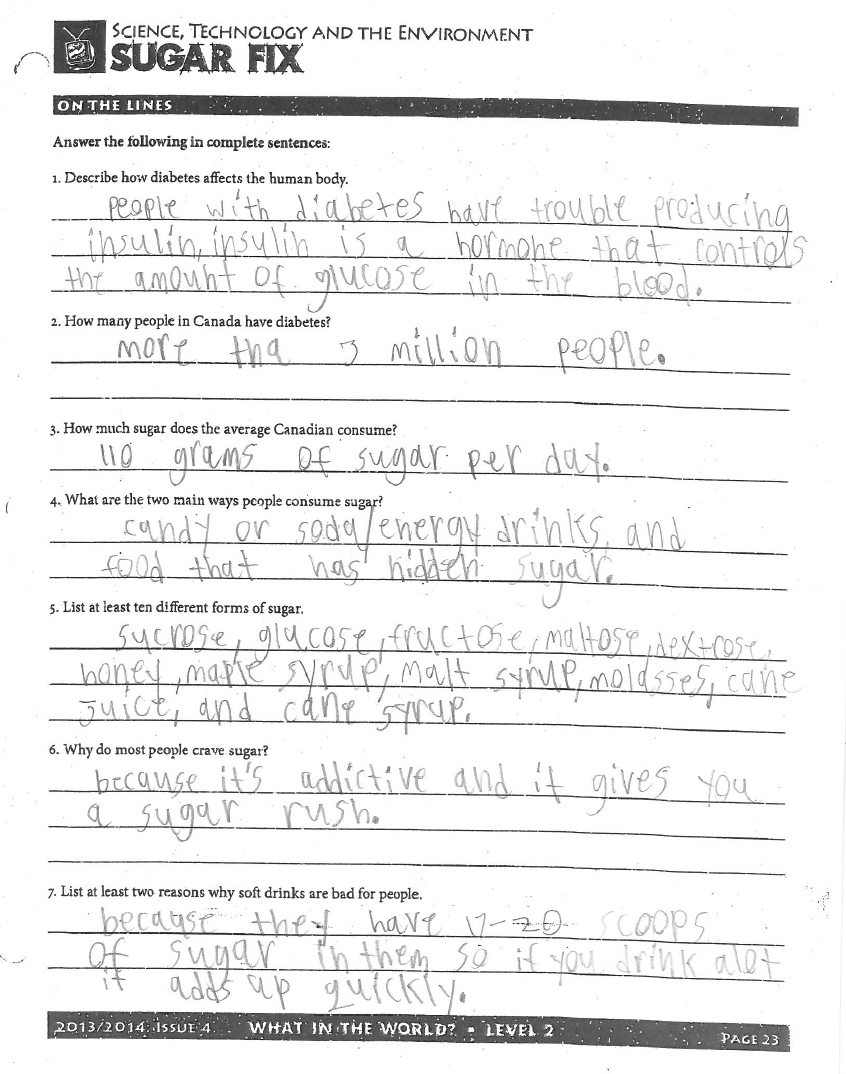
Students will be able to evaluate and explain strategies for promoting mental well-being


OUR NEXT STEPS
To continue our work on developing the literacy and numeracy skills needed for graduation, we will collect evidence through our Literacy and Numeracy assessments at grade 10 and grade 12. Analyzing these assessments will help us determine the specific competencies that we can focus on improving for the following year.
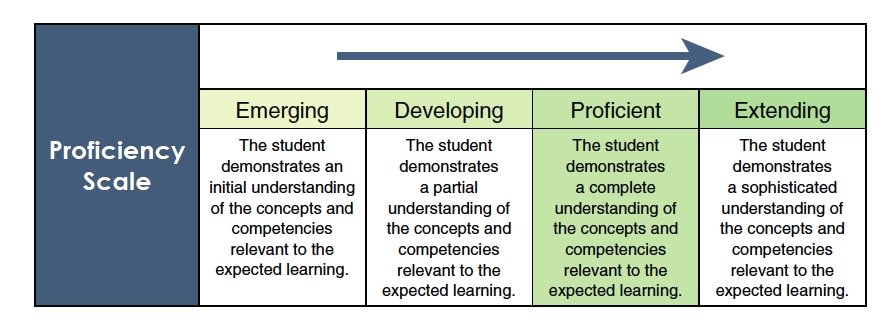
In addition, we will continue to work with students so they clearly understand their learning using the proficiency scales to assess the curricular competencies in each of their subject area.
All students will continue to focus on their social-emotional learning as part of the personal and social responsibility core competency. Students will continue to practice SEL skills across different contexts and cultures.
" Social and emotional learning (SEL) is an integral part of education and human development. SEL is the process through which all young people and adults acquire and apply the knowledge, skills, and attitudes to develop healthy identities, manage emotions and achieve personal and collective goals, feel and show empathy for others, establish and maintain supportive relationships, and make responsible and caring decisions." CASEL, 2022

Our Transitions program will continue to support our vulnerable learners through building connection, providing support in academics, working on social-emotional learning, and goals for the future.
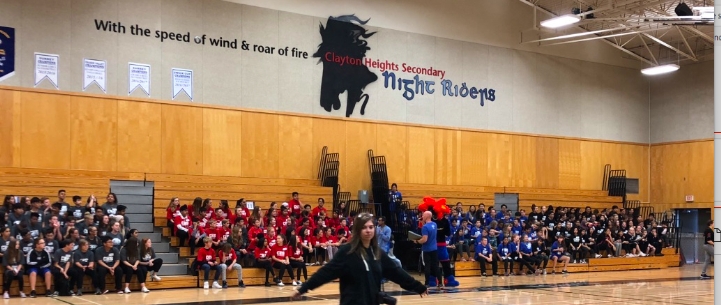

Graduation is a celebration of being a well educated citizen who has identified their passion and skills to make a positive contribution to the community. Our graduates have post secondary plans for the future, can identify their strengths and interests, and are able to be caring, just, inclusive community members who contribute positively to society.
Surrey Schools
Formed in 1906, the Surrey School District currently has the largest student enrolment in British Columbia and is one of the few growing districts in the province. It is governed by a publicly elected board of seven trustees.
The district serves the cities of Surrey and White Rock and the rural area of Barnston Island.