Chantrell Creek Elementary 25-26

OUR CONTEXT
Our School
Welcome to Chantrell Creek Elementary, a vibrant hub of learning nestled in the heart of a diverse community in South Surrey. At Chantrell Creek, we celebrate the richness of our multicultural student population, where every voice is valued and every background embraced. Our commitment to fostering an inclusive environment sets the stage for students to thrive academically, socially, and emotionally. With a focus on Literacy, Numeracy, and Social-Emotional Learning, we empower our students with the essential tools to excel in both their academic pursuits and personal growth.



Our Values
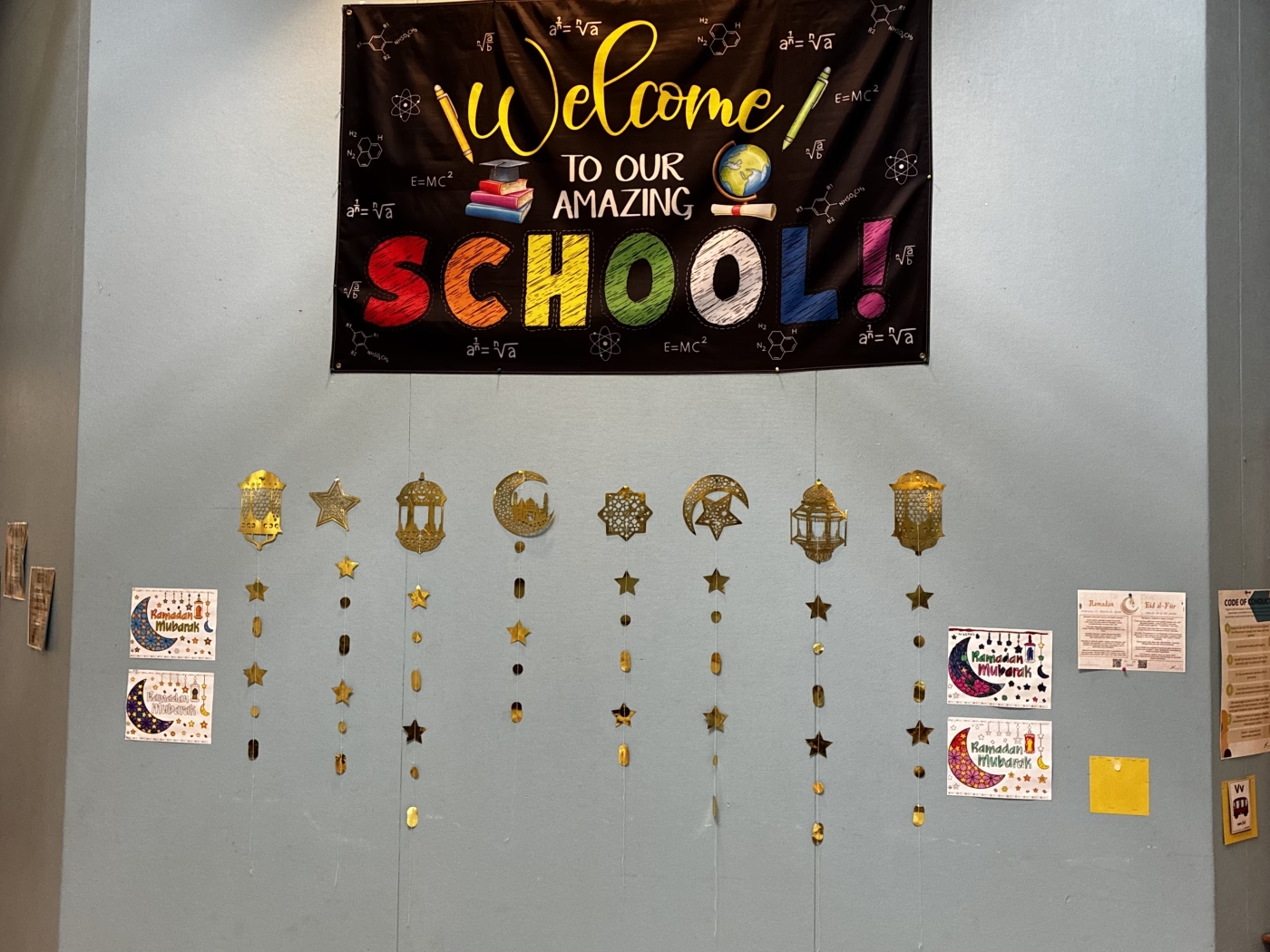
At Chantrell Creek Elementary, our motto "Let your spirit soar!" sums up our school community, where we inspire and empower every student to reach for the stars. From the moment students step through our doors, they are encouraged to embrace their unique talents and passions. Whether it's through academic achievement, creative expression, athletic pursuits, or community service, there are countless opportunities for our students to soar. Our comprehensive curriculum is designed to nurture each child's individual strengths and interests, providing a foundation for lifelong learning and success. Through engaging lessons, extracurricular activities, and meaningful relationships with teachers and peers, Chantrell Creek Elementary is a place where every student's potential is recognized and celebrated.
Literacy
Literacy forms the cornerstone of academic success and lifelong learning. Proficiency in literacy not only enables students to comprehend and engage with various subjects across the curriculum but also equips them with essential communication skills vital for expressing ideas and understanding others. By fostering a strong foundation in literacy, we empower our students to become critical thinkers, effective communicators, and lifelong learners prepared to navigate the complexities of the modern world.
Students engage actively as listeners, viewers, and readers to develop an understanding of self, identity, and community.


Numeracy
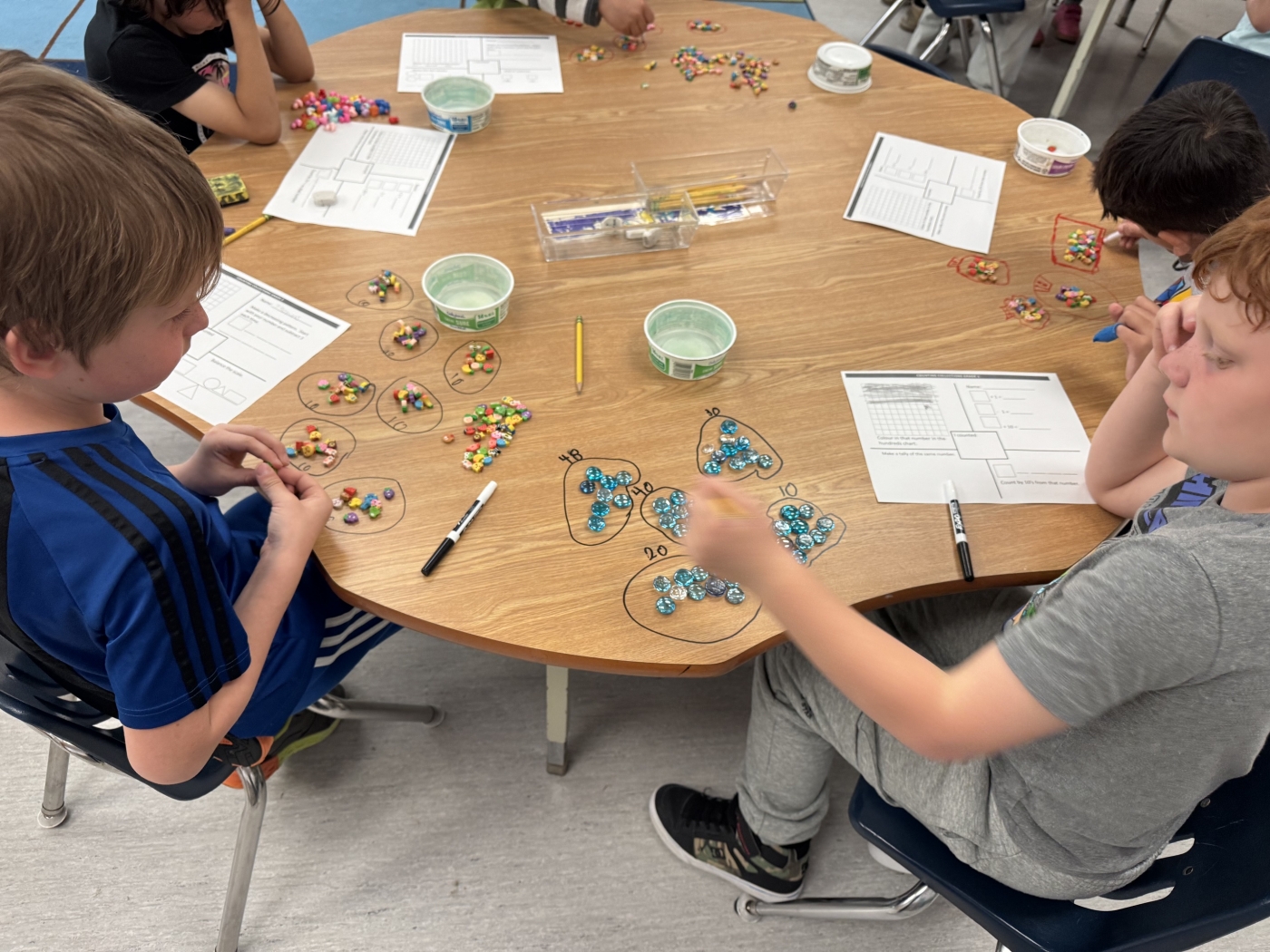
Numeracy is a fundamental skill that empowers students to make sense of the world around them and tackle a diverse range of challenges. At Chantrell Creek Elementary, we recognize the critical role numeracy plays in developing logical reasoning, problem-solving abilities, and decision-making skills across various subjects and real-life situations. Whether it's understanding mathematical concepts, analyzing data, or applying quantitative reasoning, proficiency in numeracy opens doors to academic achievement and empowers students to thrive in an increasingly data-driven society.
Students develop, demonstrate, and apply mathematical understanding through play, inquiry, and problem solving.

Social-Emotional Learning
Social-emotional learning is woven into the fabric of daily life, fostering empathy, resilience, and positive relationships among our students. Through dedicated programs and activities, we empower children to develop self-awareness, manage their emotions, and navigate social interactions with confidence and compassion.
Below are examples highlighting our students’ strengths as they demonstrate SEL skills in a variety of learning activities.


Fine Arts
Fine arts education is essential at Chantrell Creek Elementary as it fosters creativity, self-expression, and critical thinking skills among our students. Through visual arts, music, drama, and dance, students explore different modes of communication and develop a deeper understanding of themselves and the world around them. Engaging in fine arts not only cultivates a sense of cultural appreciation and empathy but also enhances cognitive abilities, including problem-solving and spatial reasoning. By integrating fine arts into our curriculum, we provide students with a holistic education that nurtures their artistic talents and fosters a lifelong love for creativity and innovation.
Students experience their chosen forms of creative expression as an important part of their identity.


Athletics
Sports and athletics play a vital role in the holistic development of students at Chantrell Creek Elementary. Participation in sports fosters teamwork, leadership skills, and resilience, instilling values of discipline and determination that translate into academic success. Through physical activity, students not only improve their physical health but also enhance their cognitive abilities, including concentration, memory, and problem-solving. Moreover, sports provide opportunities for social interaction, friendship building, and personal growth, promoting a well-rounded education that prepares students for success in all aspects of life.
Participation in sports helps develop learners who have the knowledge and skills they need to be safe, active, healthy citizens throughout their lives.


Outdoor Learning
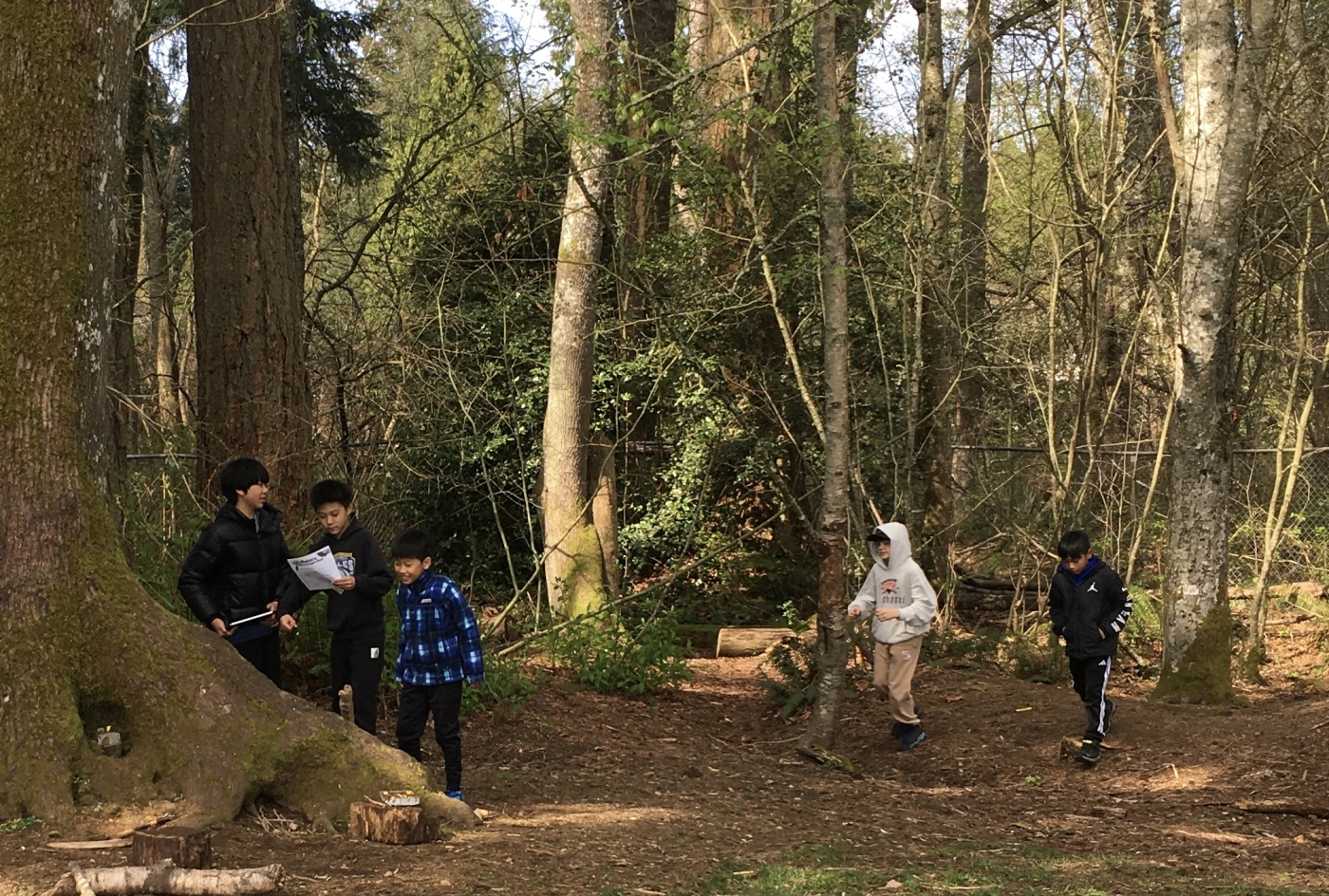
At Chantrell Creek Elementary, we believe in the transformative power of outdoor education in enriching the learning experience. Immersing students in nature fosters curiosity, environmental stewardship, and a deeper connection to the world around them. Outdoor education encourages exploration, hands-on learning, and problem-solving in real-world contexts, promoting holistic development and fostering a sense of wonder and respect for the natural environment. By integrating outdoor education into our curriculum, we empower students to become active, engaged learners who are equipped with the skills and knowledge to thrive in an ever-changing world.
Learning is holistic, reflexive, reflective, experiential, and relational. Learning is focused on connectedness, reciprocal relationships, and a sense of place.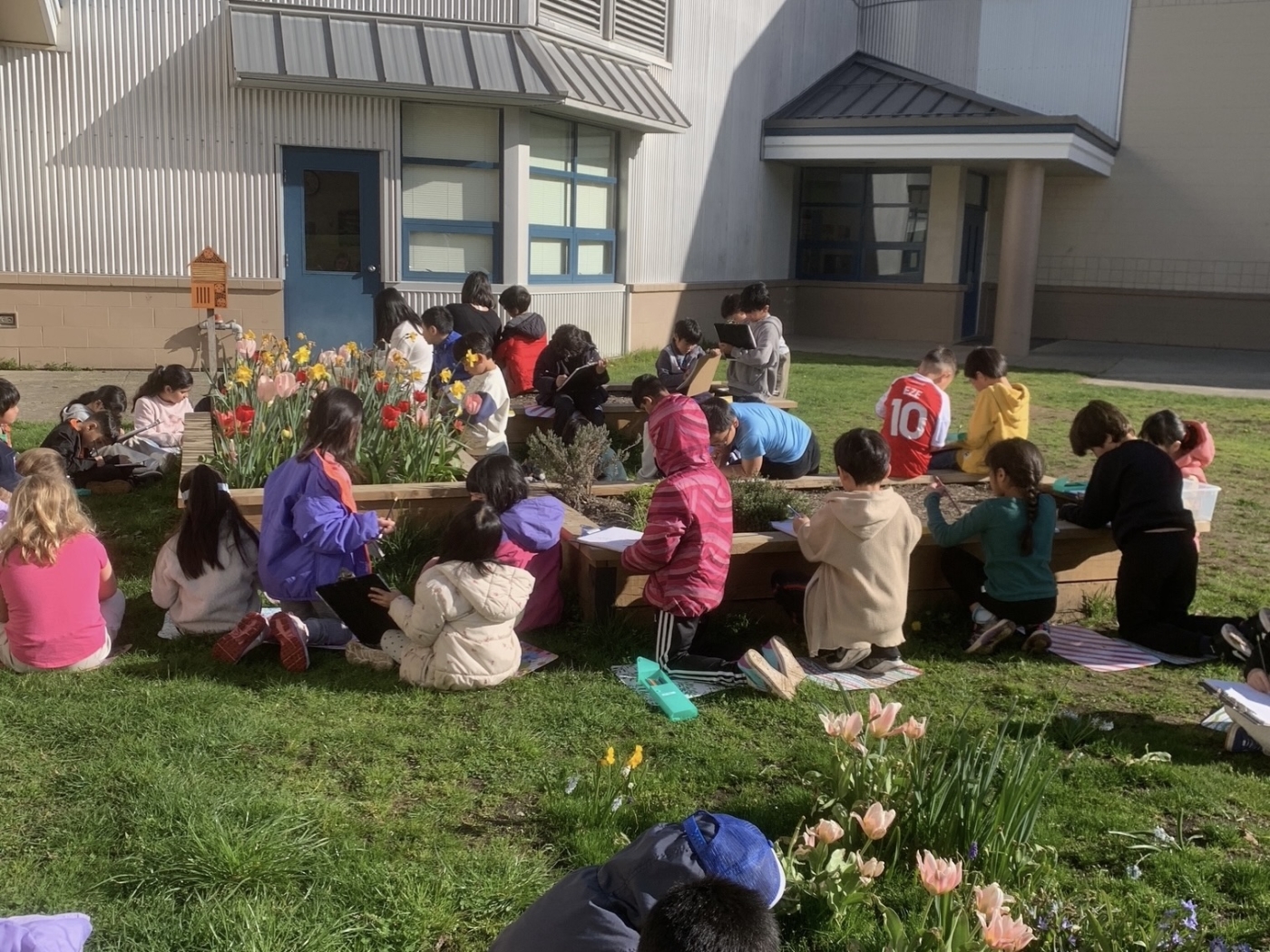
Indigenous Education
Incorporating Indigenous education into the curriculum at Chantrell Creek Elementary is essential for fostering cultural awareness, understanding, and reconciliation. By learning about Indigenous perspectives, histories, and contributions, students gain a deeper appreciation for diverse cultures and perspectives. Indigenous education promotes empathy, respect, and equity, empowering students to become responsible global citizens who contribute positively to reconciliation efforts and advocate for social justice. Through meaningful engagement with Indigenous knowledge and teachings, we cultivate a more inclusive and equitable learning environment that honors Indigenous peoples' rich heritage and strengthens community connections.
Strong communities are the result of being connected to family and community and working towards common goals. Family and community relationships can be a source of support and guidance when solving problems and making decisions.

OUR LEARNERS
At Chantrell Creek Elementary, we recognize and celebrate the diversity of our learners, including our high population of English Language Learners (ELL). With an understanding of the unique learning needs present in our student body, we prioritize a numeracy focus that is inclusive and responsive to the diverse linguistic backgrounds and abilities of the students. Through culturally responsive teaching practices, differentiated instruction, and comprehensive numeracy interventions, we strive to empower all learners, including our ELL population, to achieve academic success and develop as confident, capable problem-solvers and critical thinkers.
For the past two school years, the school’s Student Learning Plan has focused on strengthening early literacy among primary students. Following observable growth in literacy skills, a collaborative team of primary, intermediate, and learning support staff identified an opportunity to shift the focus of this year’s plan toward enhancing student numeracy. This decision was informed by ongoing teacher observations and an analysis of trends in the British Columbia Ministry of Education’s Foundation Skills Assessment (FSA) results over the past five years (see Tables 1 and 2). This data has guided the development of our numeracy inquiry and established a clear focus for growth.


OUR FOCUS
The school’s student learning plan at Chantrell Creek Elementary during the 2025-2026 school year focused on strengthening numeracy skills beyond basic computation. Recognizing the demands of a rapidly changing world, we prioritized the development of students’ problem-solving and critical thinking abilities as essential for future success. Through ongoing assessment, data analysis, and classroom observations, instruction and interventions were intentionally designed to provide meaningful numeracy experiences that support these skills. By emphasizing the core competencies of communication, collaboration, and creative and critical thinking, students engaged in rich, higher-order numeracy tasks that extended beyond basic computational work. Our goal is to equip every learner with the skills, confidence, and curiosity to thrive as lifelong learners.
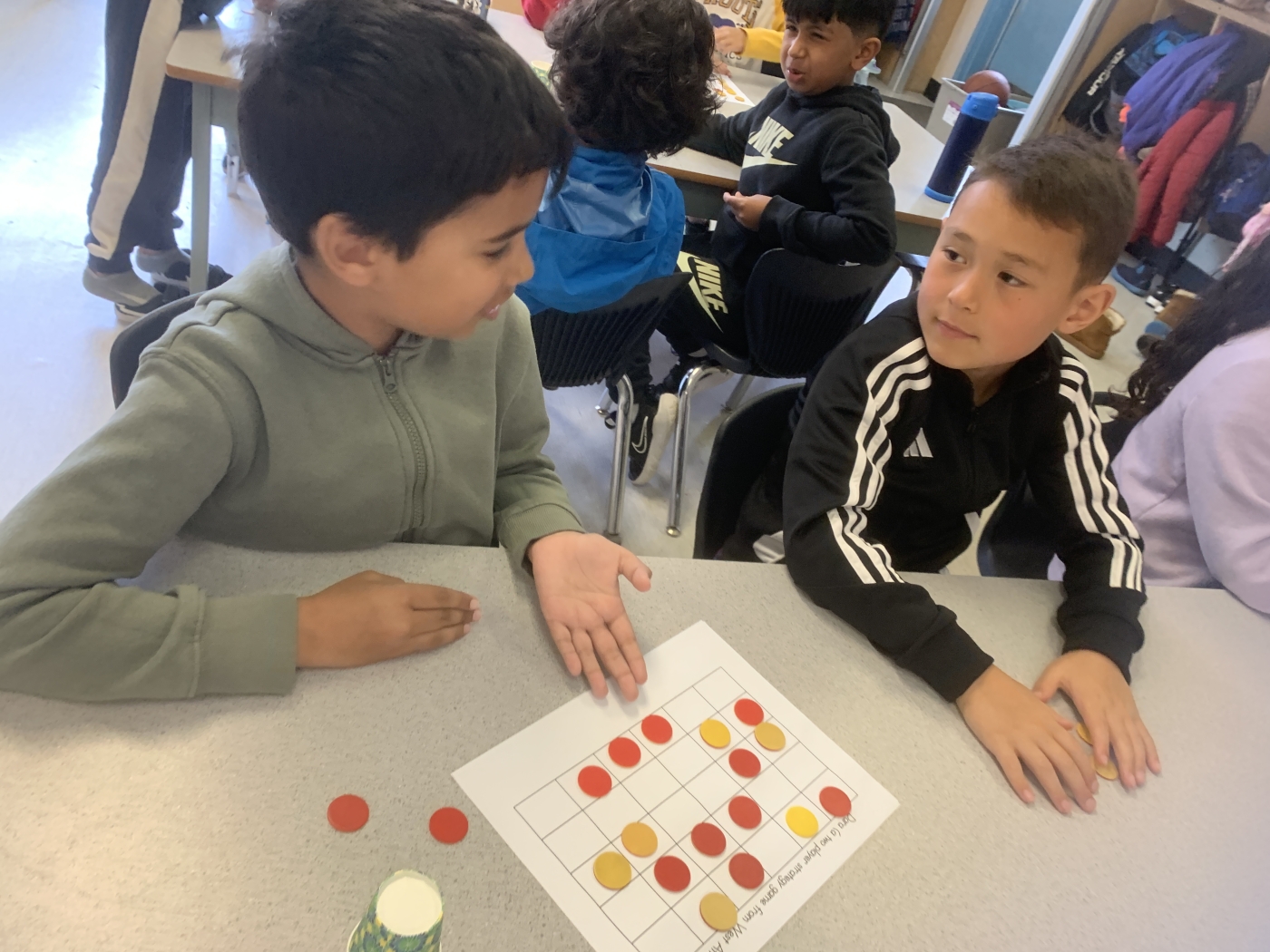
In the 2025–2026 school year, we focused on developing mathematical reasoning across both primary and intermediate grades. Students engaged in targeted instructional activities that provided regular, structured opportunities to build their skills through problem-solving tasks, strategy games, and collaborative numeracy activities. These experiences encouraged students to use communication and critical thinking as they explored numeracy in meaningful ways.
Throughout the year, teachers gathered evidence of learning to demonstrate student growth from the beginning of the year, using ongoing assessments, observations, and student self-reflections. This evidence highlights the positive impact of these instructional approaches in deepening students’ understanding of numeracy and strengthening their problem-solving and critical thinking skills. By examining student progress over time, we can clearly see how these practices support the development of confident, capable, and proficient mathematicians.

OUR NEXT STEPS
At the start of the year, primary teachers used anecdotal observations of students in Grades 1 and 2 to identify key areas for planning and instruction. In response, they implemented targeted problem-solving routines and structured numeracy tasks that provided regular opportunities for students to think, communicate, and apply their understanding. Activities included number talks, mystery number activities, strategy games, and problem-solving practice. With a developing understanding of number concepts and patterns, students gained confidence to be able to lead class discussions on mystery number talks. Over the course of the year, teachers observed clear progress, with students demonstrating increased confidence as critical thinkers and greater resilience as problem solvers.
Below are examples of evidence of learning from the primary students: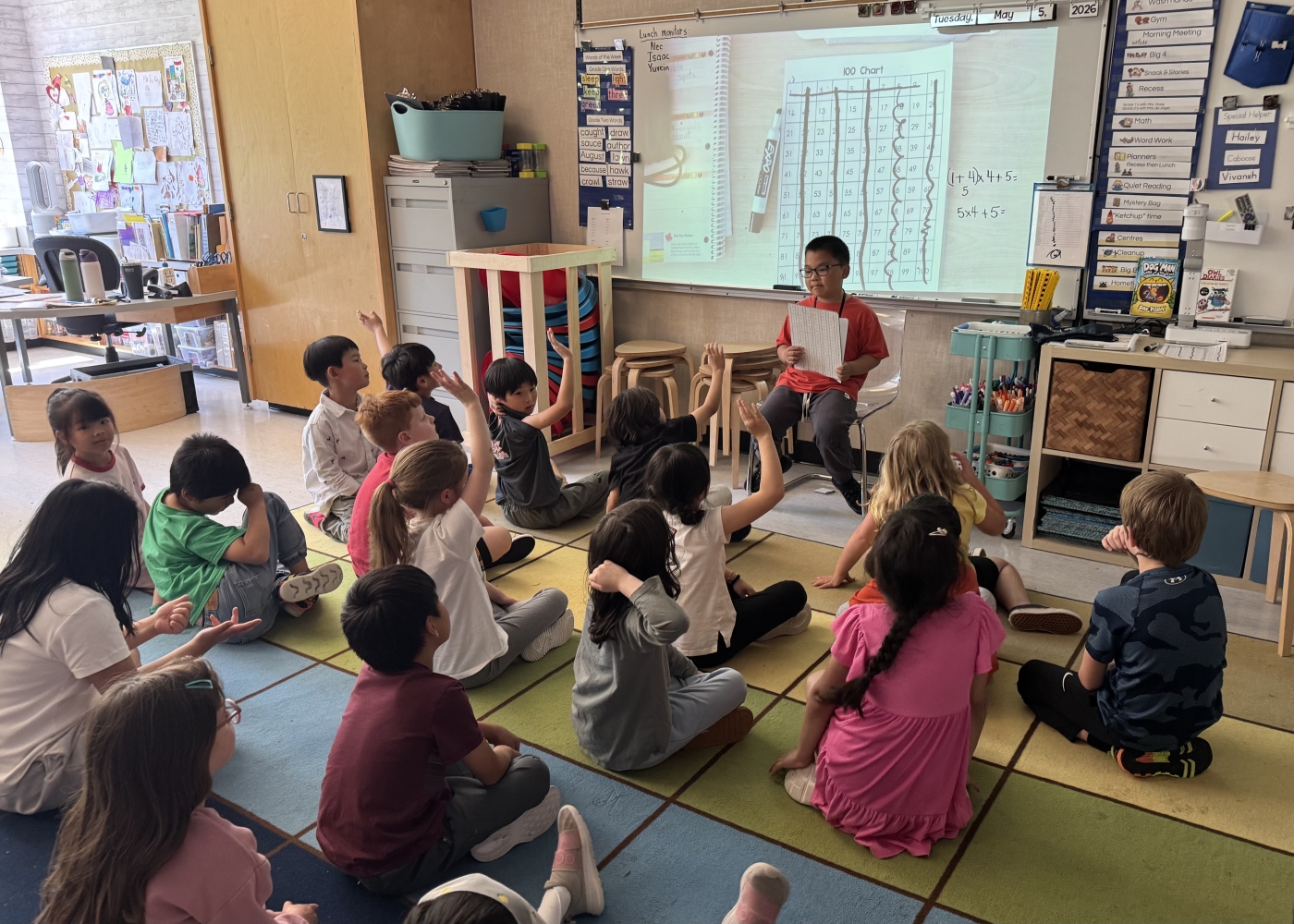


In the intermediate cohorts, teachers used assessments and anecdotal observations at the start of the school year to gather formative assessment data on students’ mathematical abilities. Through weekly problem-solving tasks, math games, hands-on manipulatives, and new digital curricular resources, students were provided with multiple opportunities over the year to engage in learning experiences that extended beyond routine computational practice. Students were taught a structured word problem solving strategy (T.I.N.S.) focusing on practicing Thought (type of operation), Important Information, Number Sentence, and Solution Sentence. Teachers documented student progress and growth as critical thinkers and problem solvers through ongoing assessment of participation in activities and completion of assignments.
Below are examples of grade 4 and 5 students using the T.I.N.S. problem solving method:

Another example of students using communication and collaboration strategies was a Grade 3 and 4 cohort participating in a “school garden challenge”. Students worked in small groups to develop a plan to build a new flower garden for the school garden. These types of authentic problem-solving experiences help students connect theory to practice in meaningful ways.
Below is an example of grade 3 and 4 students explaining the School Garden challenge:


Using the proficiency scale indicators to report on student growth over the year, three cohorts of students in grades 3 to 5 demonstrated significant improvement in proficiency in problem solving over from the start of the year to the end of the year. (See Table 3)

Over the year, the three cohorts demonstrated a 31% increase in the number of students achieving proficiency in the proficient or extending categories. Of the students in the emerging category in the Fall, 88% of the students demonstrated progress into the developing or proficient categories at the end of the year.
The Learning Support Teacher (LST) provided additional support for beginner English Language Learners. Students who are developing communication skills in a new language often find it challenging to fully participate in numeracy activities that involve complex language and mathematical vocabulary. By incorporating visual supports, along with guided small-group instruction and hands-on, collaborative activities, ELL students receiving LST support were better able to access and engage with higher-level numeracy learning experiences.
The evidence of student growth in achievement in numeracy by engaging in activities that required both critical thinking and problem-solving, indicates that both primary and intermediate students improved in these curricular competencies:
- Use reasoning to explore and make connections
- Develop, demonstrate, and apply mathematical understanding through play, inquiry, and problem solving
- Communicate mathematical thinking in many ways
- Use mathematical vocabulary and language to contribute to mathematical discussions

Moving forward, the focus will be on continuing to strengthen students’ mathematical thinking, problem-solving skills, and ability to communicate their reasoning. Teachers will build on current instructional practices by refining the use of formative assessment to guide instruction and by providing more targeted opportunities for students to explain and justify their thinking. In the intermediate cohort, there will be an ongoing emphasis on open-ended tasks that encourage deeper conceptual understanding rather than procedural fluency alone. For students who require additional support, including English Language Learners, differentiated instruction and intentional scaffolds will continue to be embedded to ensure equitable access to learning. As a school team, collaboration among classroom teachers, the Learning Support Teachers, and other support staff will remain central in monitoring student progress and adjusting strategies as needed. Overall, next steps will focus on ensuring all students continue to grow as confident, capable, and reflective mathematical thinkers.
Surrey Schools
Formed in 1906, the Surrey School District currently has the largest student enrolment in British Columbia and is one of the few growing districts in the province. It is governed by a publicly elected board of seven trustees.
The district serves the cities of Surrey and White Rock and the rural area of Barnston Island.