Cambridge Elementary 23-24

OUR CONTEXT
As Cambridge All-Stars, we strive to create a safe, supportive, learner-centered community in which we engage with our hearts and minds, take ownership, and demonstrate pride in ourselves and our school. We believe in the importance of developing a sense of belonging alongside a love of learning, with staff and students alike. Having had a focused inquiry on literacy, social emotional learning and goal setting in relation to math, a shift in our priorities became evident as our community was changing.
Cambridge staff strive to maintain a collaborative culture reflective of pedagogical practices that nurture and support student learning. Moving forward, Cambridge staff recognize the priority of social emotional wellness and resiliency preparing both staff and students for learning and life.
Our new focus will lean into the area of literacy with the purpose of engaging active listeners, readers and viewers. We will do this through the lens of showing learning in reading comprehension by the questions students ask and the ideas they are share.
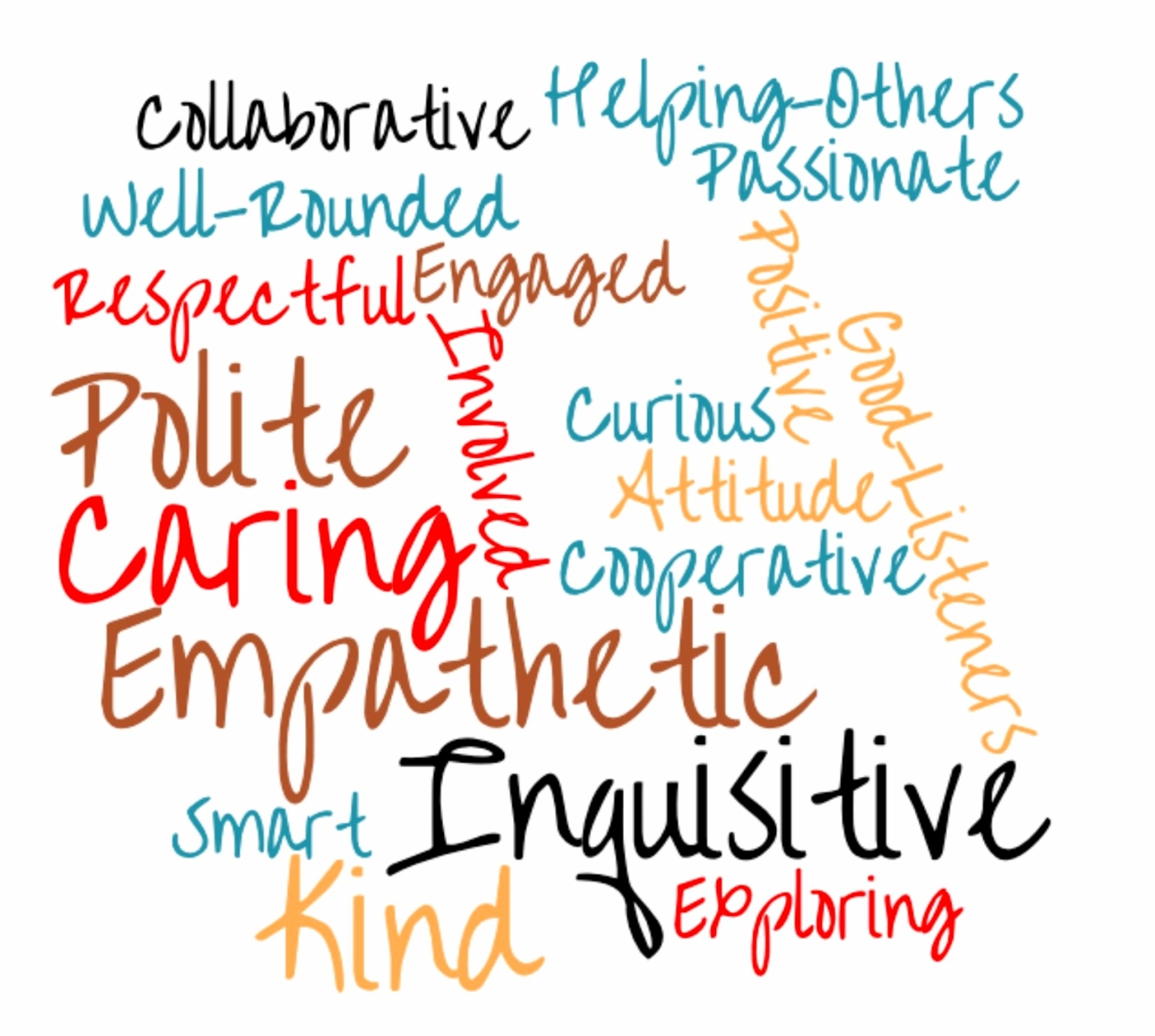
Foundational to cultivating a sense of belonging at Cambridge is a listening culture that values the perspective, voice and and ideas of many. Building on the All- Star qualities, Cambridge aspires to reflect:
~ Collaboration
~ Meaningful dialogue
~ Restorative practice
~ A trauma informed lens
OUR LEARNERS
Cambridge Elementary is in the Sullivan area of Surrey and enrols approximately 785 students from K – 7. The parents at Cambridge work tirelessly, helping to build a positive school community with special events and fundraising to support the school. Many parents volunteer on a regular basis both in classrooms and on field trips. The staff, students and parents work together to establish a strong collaborative and caring culture.
Cambridge is a learning environment where students and staff willingly and regularly involve themselves in a multitude of activities to inspire and encourage the values of ownership, perseverance, kindness and respect.
The students of Cambridge Elementary consistently work towards maintaining a sense of ownership and belonging. The school community has had a meaningful focus on social emotional well-being and the wellness of our learners. With this in mind we have the hope that it will increase a sense of belonging and the ability to self-regulate both in and out of the classroom.
Cambridge Learners are Focusing on Writing
The students of Cambridge are learning to write because writing is an important life skill necessary for both formal and informal communication. Writing practice also helps develop reading skills.
Cambridge students work on developing writing skills daily through journal-writing, cross-curricular essays, digital presentations and other written assignments. We are a community of writers.
Some writing goals Cambridge students are working on:
1. Cambridge Students can Create Stories Through Play
2. Cambridge Students Can Use Story Elements Appropriately
3. Cambridge Students Can Create Proper Story Structures
OUR FOCUS
The focus at Cambridge on developing primary students' writing skills through the Story Workshop method offers an incredibly enriching learning opportunity! Using "loose parts" to help young children create narratives is a brilliant way to engage their natural creativity and playfulness while teaching them about story elements and structure.
Here are the key goals and benefits of this approach:
Writing Goals:
Create Stories: Students learn to craft narratives that enhance their understanding of themselves, their families, and their communities.
Effective Communication: Students practice using sentences and adhere to Canadian conventions of spelling, grammar, and punctuation.
Benefits of the Story Workshop Method:
Engagement Through Play: The use of "loose parts" like buttons, feathers, and blocks makes storytelling a hands-on and imaginative process.
Understanding Story Elements: By manipulating these objects, students can visually and physically structure their stories, reinforcing their understanding of plot, characters, setting, and more.
Community and Self-Awareness: Storytelling becomes a means of exploring personal and communal narratives, fostering a deeper connection to their world.
This is an amazing initiative to nurture budding writers.
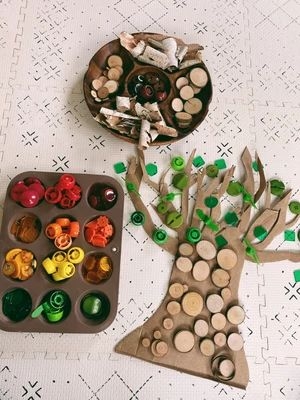

Incorporating loose parts into storytelling activities offers several benefits for early learners and English Language Learners (ELL):
Enhanced Creativity and Imagination:
Visual and Tactile Engagement: Loose parts, such as buttons, feathers, blocks, and ribbons, allow children to physically manipulate objects to build narratives, sparking their creativity.
Playful Learning: Engaging with these items makes learning feel like play, which is a natural mode of exploration for young children.
Language Development:
Vocabulary Expansion: Describing and discussing the loose parts helps children learn new words and concepts.
Sentence Structure: Using objects to create stories encourages the use of complete sentences and coherent thought processes.
Story Structure Understanding:
Concrete Representation: Loose parts provide a tangible way for children to understand abstract concepts such as beginning, middle, and end, characters, settings, and plots.
Inclusivity for ELL Learners:
Non-Verbal Expression: For ELL students, loose parts can help bridge language gaps by allowing them to express their ideas and narratives through visual means before they have the vocabulary to do so.
Contextual Learning: Manipulating objects in storytelling provides context clues that aid in understanding and using new vocabulary and grammar structures.
Cognitive and Social Skills:
Problem-Solving: Creating stories with loose parts requires decision-making and sequencing, which are essential cognitive skills.
Collaboration: Often, storytelling with loose parts is done in groups, promoting social interaction and collaborative learning.
OUR NEXT STEPS
Surrey Schools
Formed in 1906, the Surrey School District currently has the largest student enrolment in British Columbia and is one of the few growing districts in the province. It is governed by a publicly elected board of seven trustees.
The district serves the cities of Surrey and White Rock and the rural area of Barnston Island.