Berkshire Park Elementary

OUR CONTEXT
Berkshire Park Elementary is built on the traditional, unceded, and shared territories of the Coast Salish peoples, specifically the Katzie Nation. It is a beautiful place to learn, with a forested outdoor learning space behind the building, and family homes surrounding it. Many of the teaching staff have been part of the Berkshire Park community for ten years or more, and those who have arrived more recently recognize how special this school is. It is a warm, welcoming community where children of all ages are pleased to greet you with eye contact and smiles.
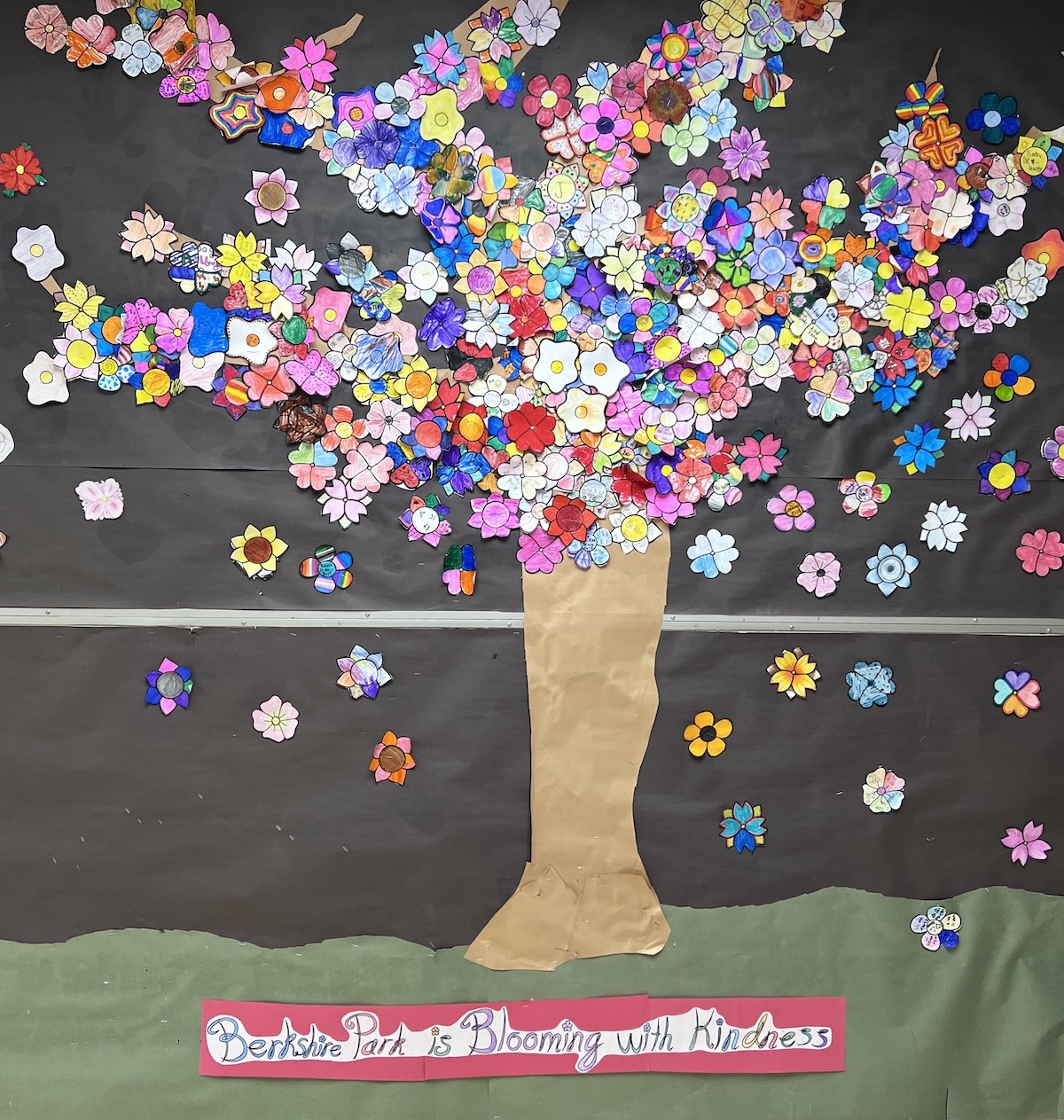
As a school community, we are committed to student centred decision making that fosters a positive learning environment full of opportunity. It is very important that students and staff feel connected, safe and respected. Our main hallway always has an art display that celebrates that positive sense of community. Most recently, the whole student body came together to build a set of paper wings with the encouraging words “Reach for the Stars” as a farewell send off for our departing grade seven students. Before that, we had a blossoming tree, made up of flowers from all our students, “Berkshire Park is Blooming with Kindness”.
Learning at Berkshire Park happens both in and out of the classrooms. We have shared common areas where students can work together, and many classes collaborate in shared learning activities. Outdoor learning in the small forest as well as the local parks is valued. On the playground, students play together across the grade levels, and look out for one another.

OUR LEARNERS
 We know that personal awareness and responsibility are directly related to behaviour and academic achievement. Social Emotional Learning supports the development of self-advocacy, self-regulation and well-being. When students have supportive, connected relationships, and opportunities to learn and practise social, emotional, and cognitive skills in different situations, academic learning is improved.
Berkshire Park staff are focusing on building the Social Emotional learning capacities of our students. CASEL, the Collaborative for Academic, Social and Emotional Learning (a multidisciplinary network that includes researchers, educators, practitioners, and child advocates based in Chicago) has been studying Social Emotional Learning for nearly 30 years. They have found that SEL leads to:
Improved behaviour: decreased school and classroom behaviour issues, and decreased mental health problems.
Increased academic achievement: students who participated in evidence-based SEL programs show an improvement in academic achievement.
The 2021-2022 school year has been the beginning of a dedicated focus on increasing Berkshire Park’s student capacity in Social Emotional Learning. When provided with the tools and practice, students can express their needs and ask for help; they can persevere in difficult situations; and they can employ strategies to help manage their stress and keep themselves healthy.
OUR FOCUS
We have been focusing on Social Emotional Learning both in our classrooms and school wide. We have a SEL committee and a SEL Lead Teacher.
In classrooms, we have been implementing practices to support and foster Social Emotional Learning:
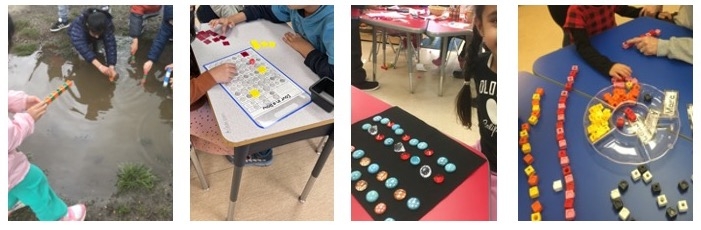
Soft starts and morning meetings. These activities allow for “check-ins” between teachers and students. What happens before a child arrives at school in the morning can impact how they engage in their learning for the day. Soft starts are activities that provide time for students to shape their mindset for the day of learning. The activities might be math games, loose parts storytelling, building challenges, word games, class meetings, or free-choice centres. This time also provides the opportunity for the teachers to assess the students’ mindsets and adjust the learning plans accordingly in order to set the children up for success. Soft starts and morning meetings help to support the First Peoples Principle of Learning, “Learning involves patience and time”.
Outdoor education. We are very fortunate to have a small forest in our backyard. Being outside in nature is proving to support self-regulation, social engagement, and health. Research also shows that it helps reduce stress and anxiety. When classes are in the forest for outdoor learning, they are breathing fresh air while learning the science of biodiversity and life cycles. They are also able to better engage in the First Peoples Principles of Learning including “learning is holistic, reflexive, reflective, experiential and relational (focussed on connectedness, on reciprocal relationships, and a sense of place)”.
Brain and body breaks. Learning is hard work. Structuring short breaks into the day-plan helps the students stay focussed and build their capacity for learning. Physical activity in the breaks helps get the blood circulating and fresh oxygen into the lungs. This in turn helps the brain perform at its best.
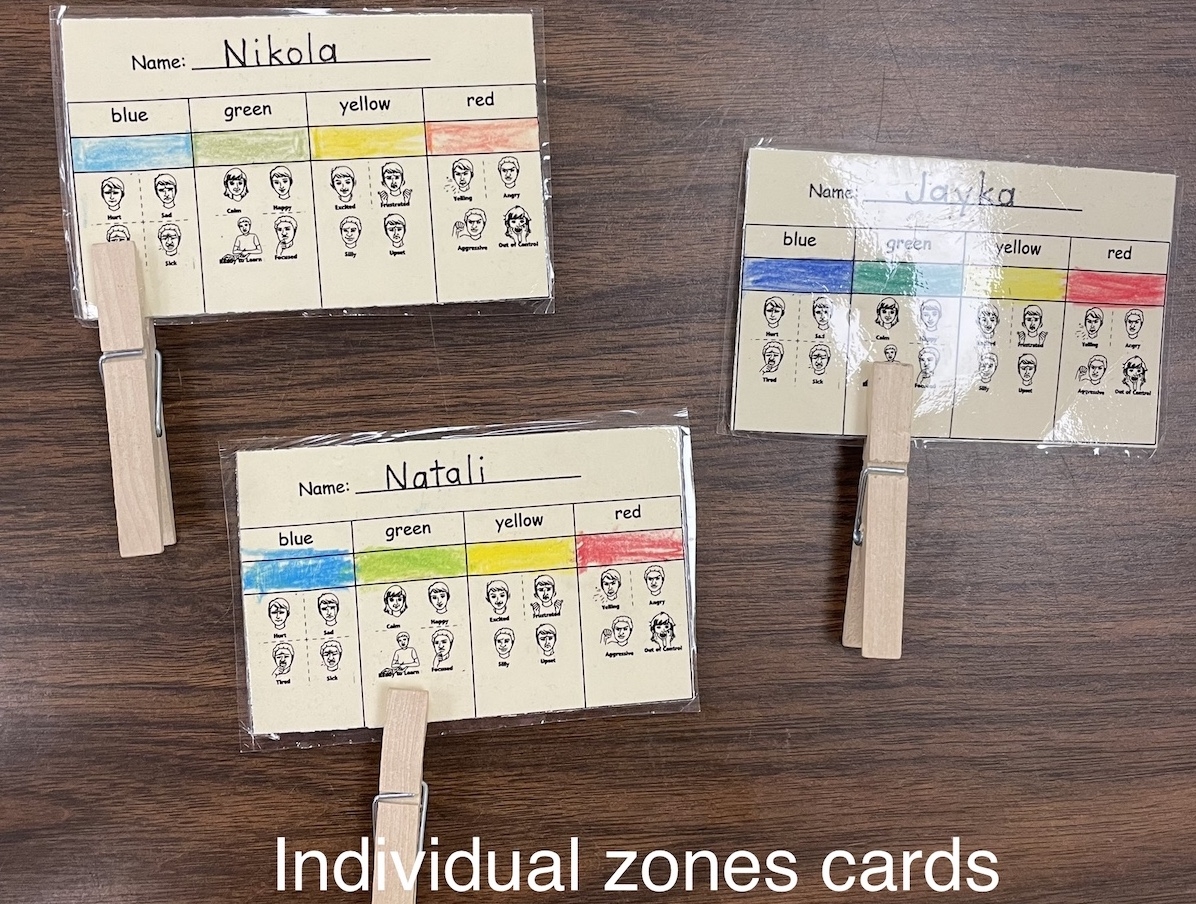
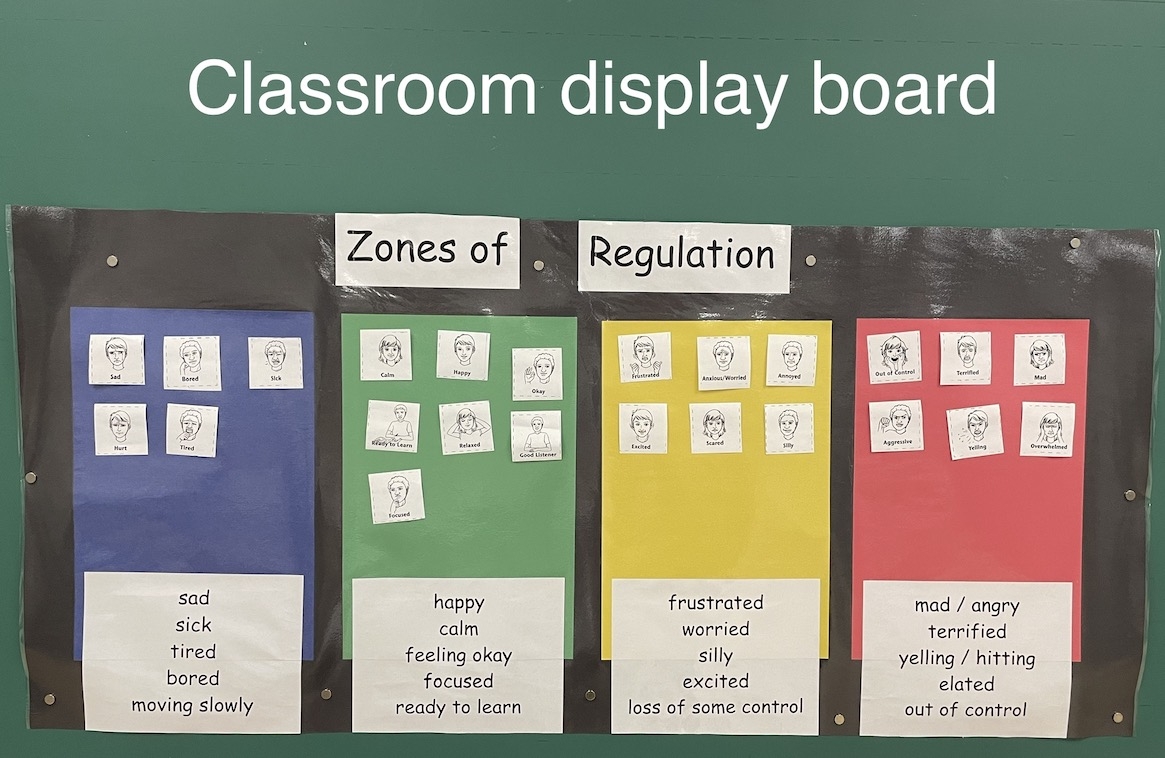
Zones of regulation. Students are learning how to articulate their feelings and their preparedness for learning. The zones include:
Green zone – good to go, ready to learn, happy to engage with others, feeling calm and confident
Yellow zone – proceed with caution, feeling frustrated, things could get silly, feeling worried or anxious, feeling excitable
Red zone – be aware, strong emotions such as anger, panic, terror, or elation and overjoyed
Blue zone – handle with care, feeling sad or tired, not feeling well, learning is difficult to focus on right now
Mindfulness. Activities in mindfulness help students learning how to extend their focus, develop and strengthen their perseverance, and embrace their mistakes as learning opportunities.
School wide, activities to support Social Emotional Learning include:
Spirit days. There are days throughout the school year with themes such as PJ Day, Multicultural Day, Crazy Hair & Clothes Day, and Everything in a Backpack Day. The students and staff are encouraged to participate. This helps students feel a stronger sense of community and recognize that a place of learning is a joyful place to be.
Fresh Air Fridays and Walk to School Weeks. Again, with the intention of fostering community and cooperation, students are encouraged to walk to school. Not only do they see their classmates and schoolmates in the neighbourhood setting, they also arrive at school with their brains and bodies set up for learning thanks to the oxygen and blood circulation from the morning walk activity.
Positive Behaviour Intervention System (PBIS). Students are taught how to be respectful, responsible and safe in school. The framework helps them understand what this looks like in the hallways and entry, at outside recess and lunch, at inside recess and lunch, in the bathrooms, in the classrooms, and in assemblies. When students know and understand what is expected of them, their anxiety is reduced.
Book Club. Teachers participated in a book club this fall, reading and discussing “Kids These Days” by Dr. Jody Carrington. The purpose was to develop a better understanding of how to foster connections with our students in order to support their social emotional learning. Points of discussion and learning included:
Connecting before redirecting as without connection there can be no learning. How do we connect with our learners?
The reasons behind behaviour and the types of child behaviours we see in our school.
We need to be okay for the kids to be okay. How do we support one another as a staff?
What do we know about our most vulnerable learners.
Staff connectedness committee. In order to better support the Social Emotional Learning of students, we also need to support the Social Emotional Learning of teachers and staff. Berkshire Park has recently begun a staff connectedness committee in response to the isolation and separation resulting from our health and safety response to COVID-19. The purpose of this committee is to strengthen the staff collaboration and collegiality, and provide resources so that the staff can better meet the Social Emotional needs of our learners.
OUR NEXT STEPS
We have begun our dedicated focus on increasing Berkshire Park's student capacity in Social Emotional Learning. Students are beginning use language of common understanding, such as identifying what zone they are in during different parts of the day. Using the shared language will better help them to self-advocate. Students are recognizing when they need a brain or body break in order to self-regulate effectively. Students have begun to demonstrate the understanding that well-being is related to social relationships, sleep, exercise and eating well. They are developing their effective communication for what they need in order to manage their behaviour and support their learning.
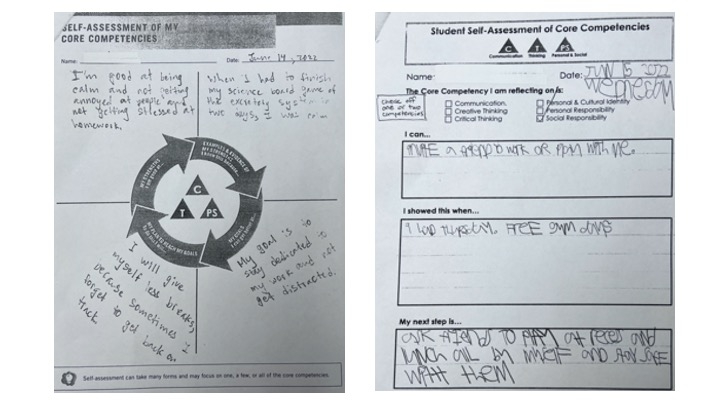
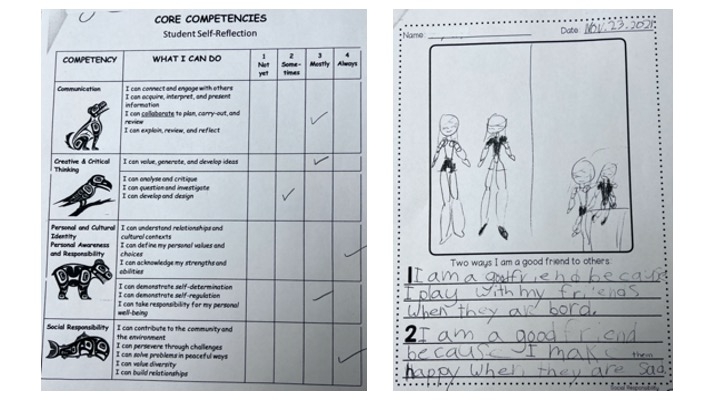
Berkshire Park will continue to teaching the strategies and tools to support student self-advocacy, self-regulation and well-being. Our next steps include:
- surveying our students to see what they think and how they feel about their relationships at school, their ability to manage their own behaviour, and their understanding of what they need to be healthy
- staff will be learning about Low Arousal, an approach that focuses on a range of behaviour management strategies that focus on the reduction of stress, fear and frustration.
Surrey Schools
Formed in 1906, the Surrey School District currently has the largest student enrolment in British Columbia and is one of the few growing districts in the province. It is governed by a publicly elected board of seven trustees.
The district serves the cities of Surrey and White Rock and the rural area of Barnston Island.