A.H.P. Matthew Elementary

OUR CONTEXT
OUR LEARNERS
At A.H.P. Matthew, we are focused on creating educational opportunities and safe environments for students to develop, practice, and strengthen their social and emotional abilities, which are fundamental to helping students reach their fullest potential. Our focus on SEL also lends way into Culturally Responsive SEL which focuses on building learning environments and opportunities that support, sustain, and honour students' diverse backgrounds, identities, strengths, and challenges. Throughout the school year, our school has been focused on highlighting various topics, events, and themes to help students discover, understand, and grow their relationship with themselves and others, their skills to self-manage and self-regulate, and their abilities to think critically when making decisions that affect themselves and others around them.
Core Competency: Positive Personal and Cultural Identity
At A.H.P. Matthew, we recognize that students engage in identifying and integrating their personal, social, and cultural identities on a daily basis. Students are self-aware and can describe and identify people, places, and things that are important to them. Using their self-knowledge, students learn to value their personal and cultural narratives to appreciate the various factors (e.g. family background, heritage, language, beliefs) that continue to shape and contribute to a healthy sense of self.
Daily Announcements - Each day, Grade 6 and 7 students make morning announcements that highlight our school's monthly theme. Monthly SEL themes this year include kindness, responsibility, accountability, respect, empathy, self-reflection, and self-compassion.
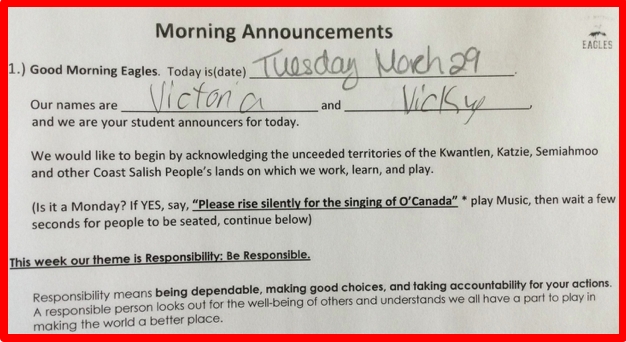
Responsibility means being dependable, making good choices, and taking accountability for your actions. A responsible person looks out for the well-being of others and understands we all have a part to play in making the world a better place.
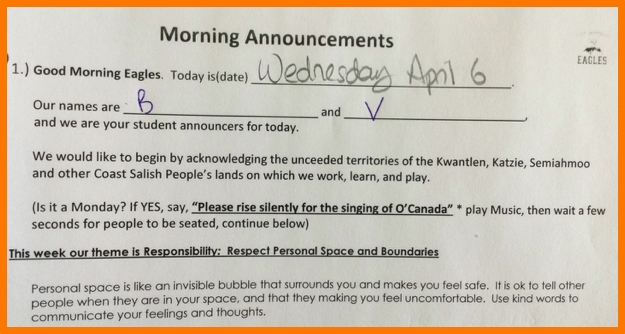
Personal space is like an invisible bubble that surrounds you and makes you feel safe. It is okay to tell other people when they are in your space, and that they are making you feel uncomfortable. Use kind words to communicate your feelings and thoughts.
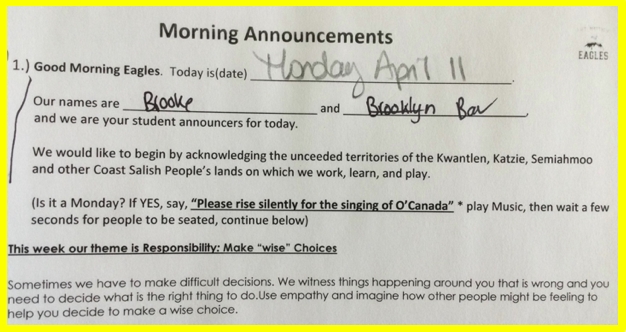
Sometimes we have to make difficult decisions. We witness things happening around us that is wrong and you need to decide what is the right thing to do. Use empathy and imagine how other people might be feeling to help you decide to make a wise choice.
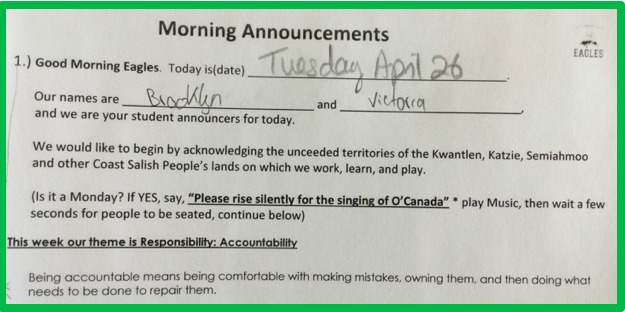
Being accountable means being comfortable with making mistakes, owning them, and then doing what needs to be done to repair them.
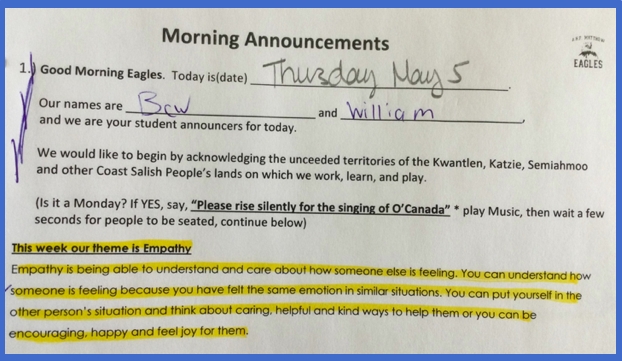
Empathy is being able to understand and care about how someone else is feeling. You can understand how someone is feeling because you have felt the same emotion in similar situations. You can put yourself in the other person's situation and think about caring, helpful and kind ways to help them or you can be encouraging, happy, and feel joy for them.
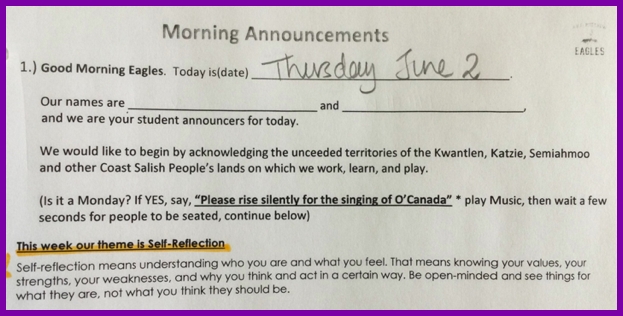
Self-reflection means understanding who you are and what you feel. That means knowing your values, your strengths, your weaknesses, and why you think and act in a certain way. Be open-minded and see things for what they are, not what you think they should be.
Gratitude Week Challenge - For May's Mental Health Awareness Month, our school focused on getting students to reflect on the idea of gratefulness and how they can express gratitude, mindfulness, thankfulness, appreciation, and value towards people in their lives who have helped them learn and grow.

Gratitude, Appreciation, Mindfulness, Thankful, Value - What are you grateful for?
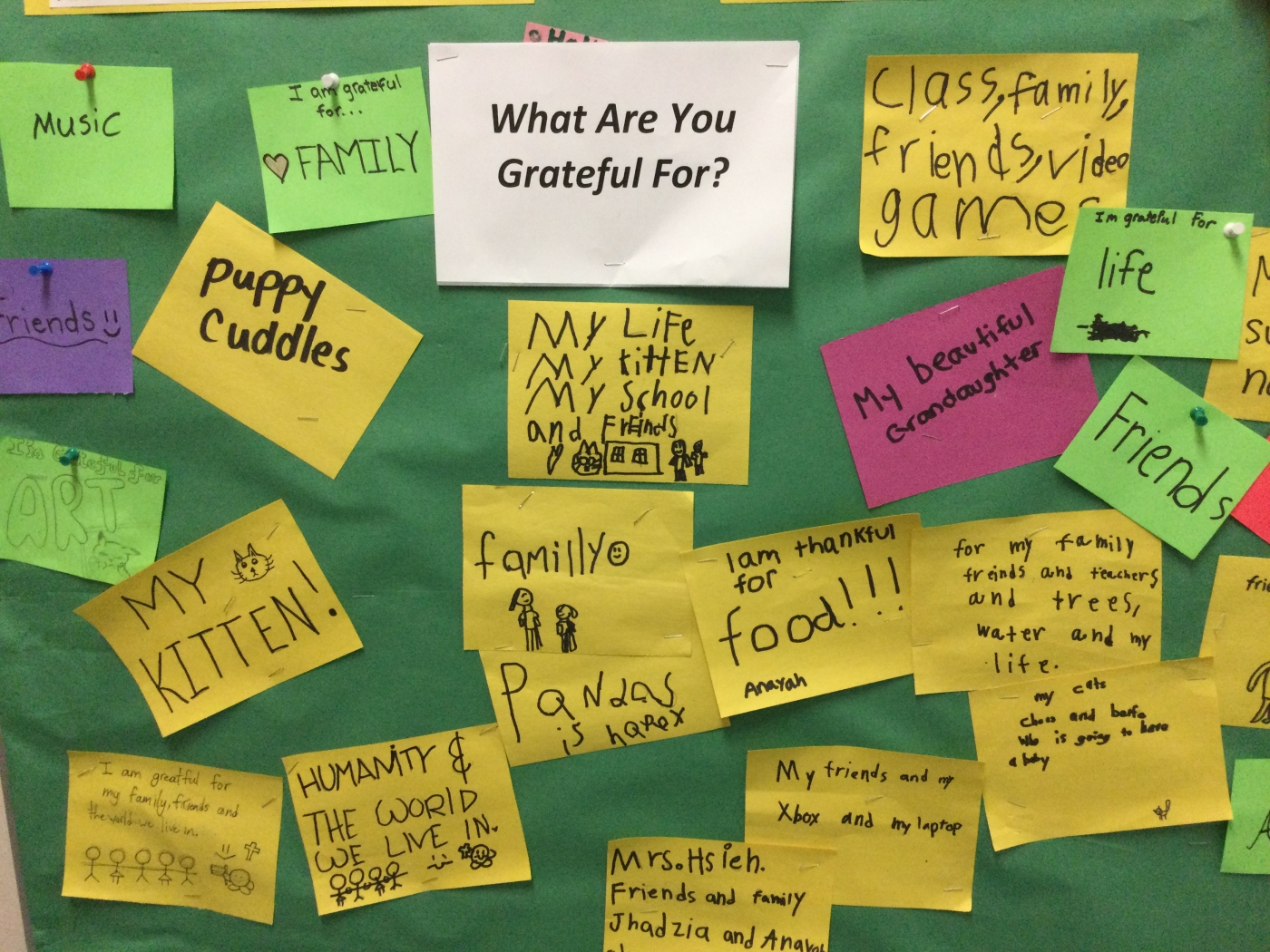
"I am grateful for humanity and the world we live in."
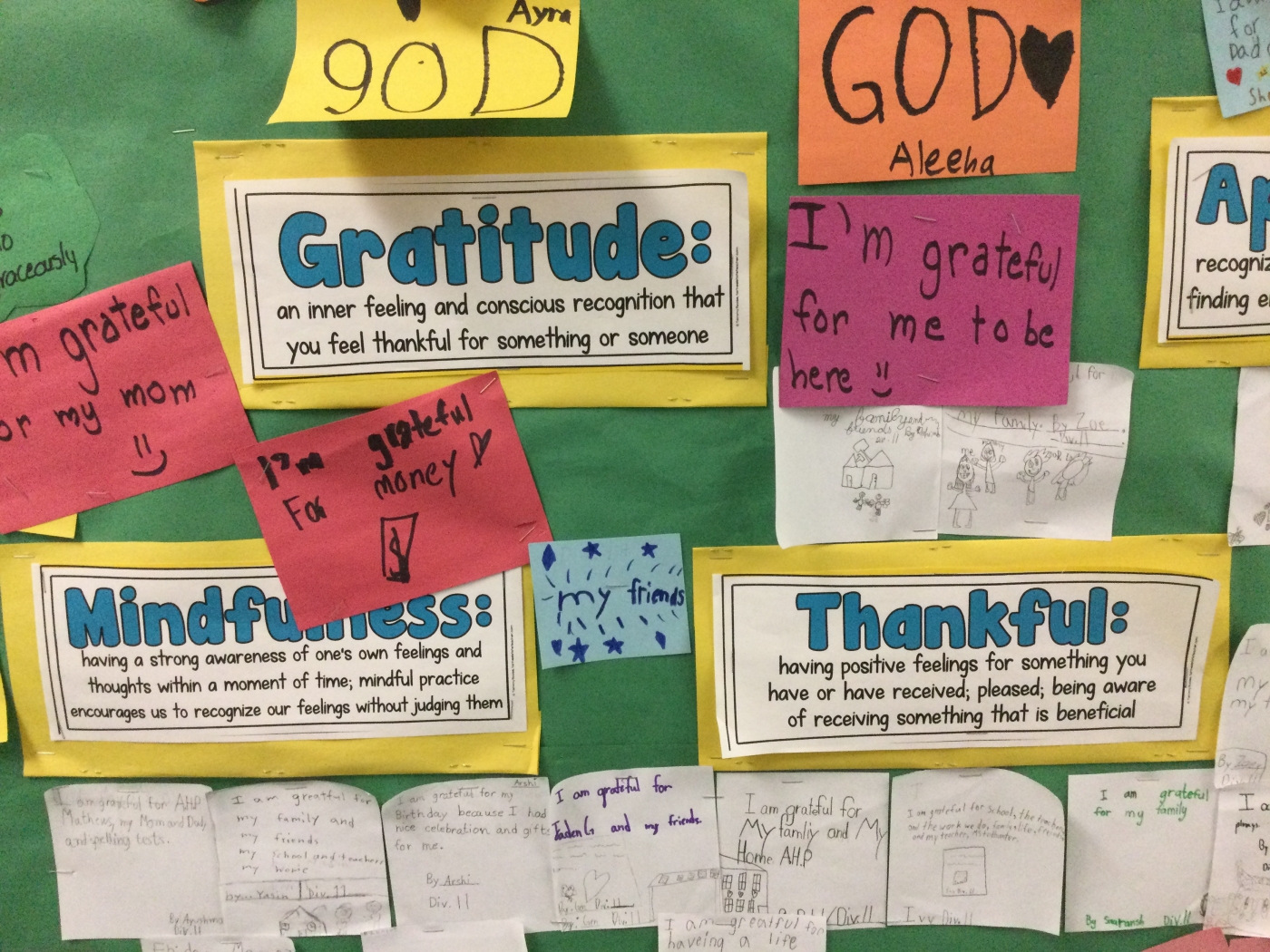
"I am grateful for my family and my home, A.H.P."
Core Competency: Critical Thinking and Reflective Thinking
Another aspect of Culturally Responsive SEL is critical and reflective thinking. At A.H.P. Matthew, our students take part in examining evidence from various perspectives to analyze and make well-supported judgments and interpretations of complex issues.
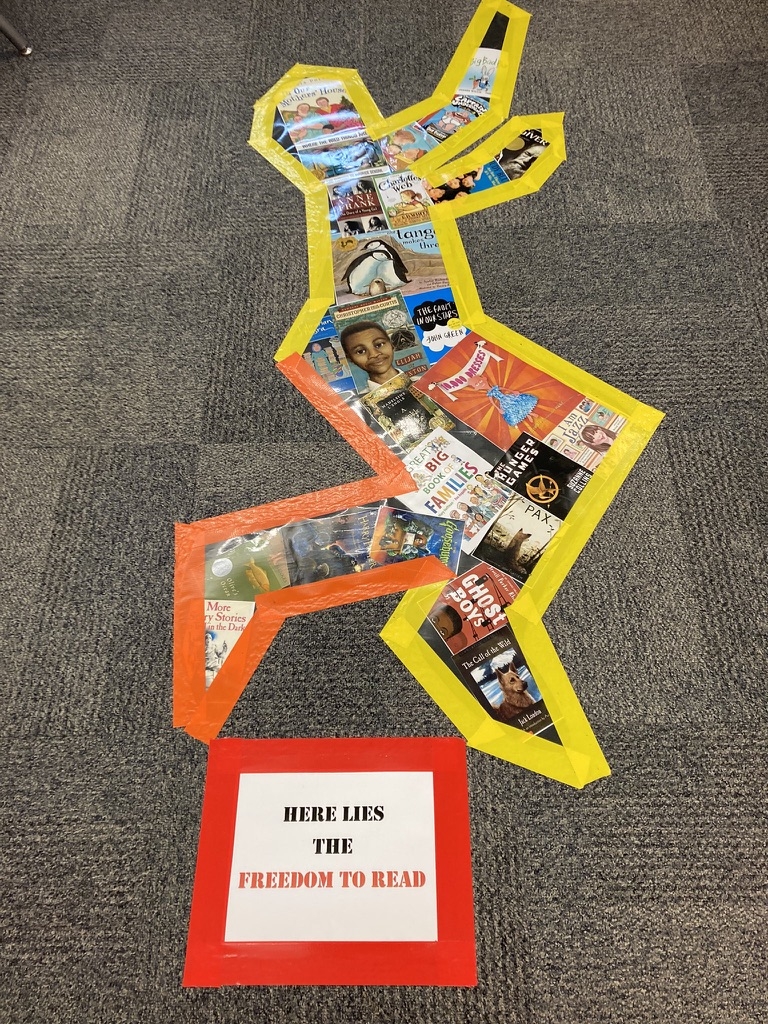
Freedom to Read - This February, our school spent several weeks discussing current events that are happening around the world surrounding book bans and why having the freedom to read literature of your choice is so important. As a part of our monthly assemblies, students presented their analysis on why certain books were banned and why those books should be read by all in videos shared with the school community.
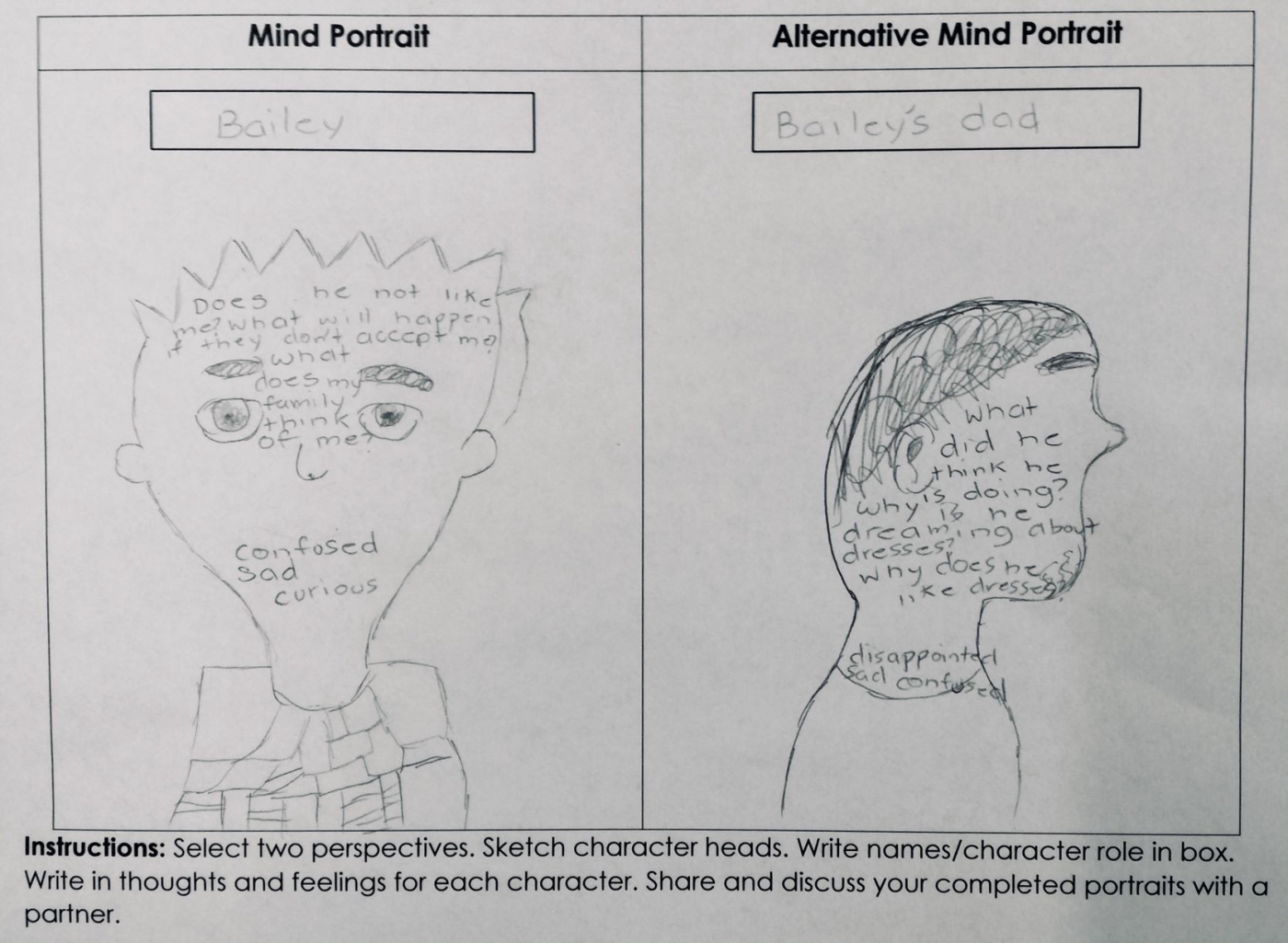
Student Comments on 10,000 Dresses by Marcus Ewert
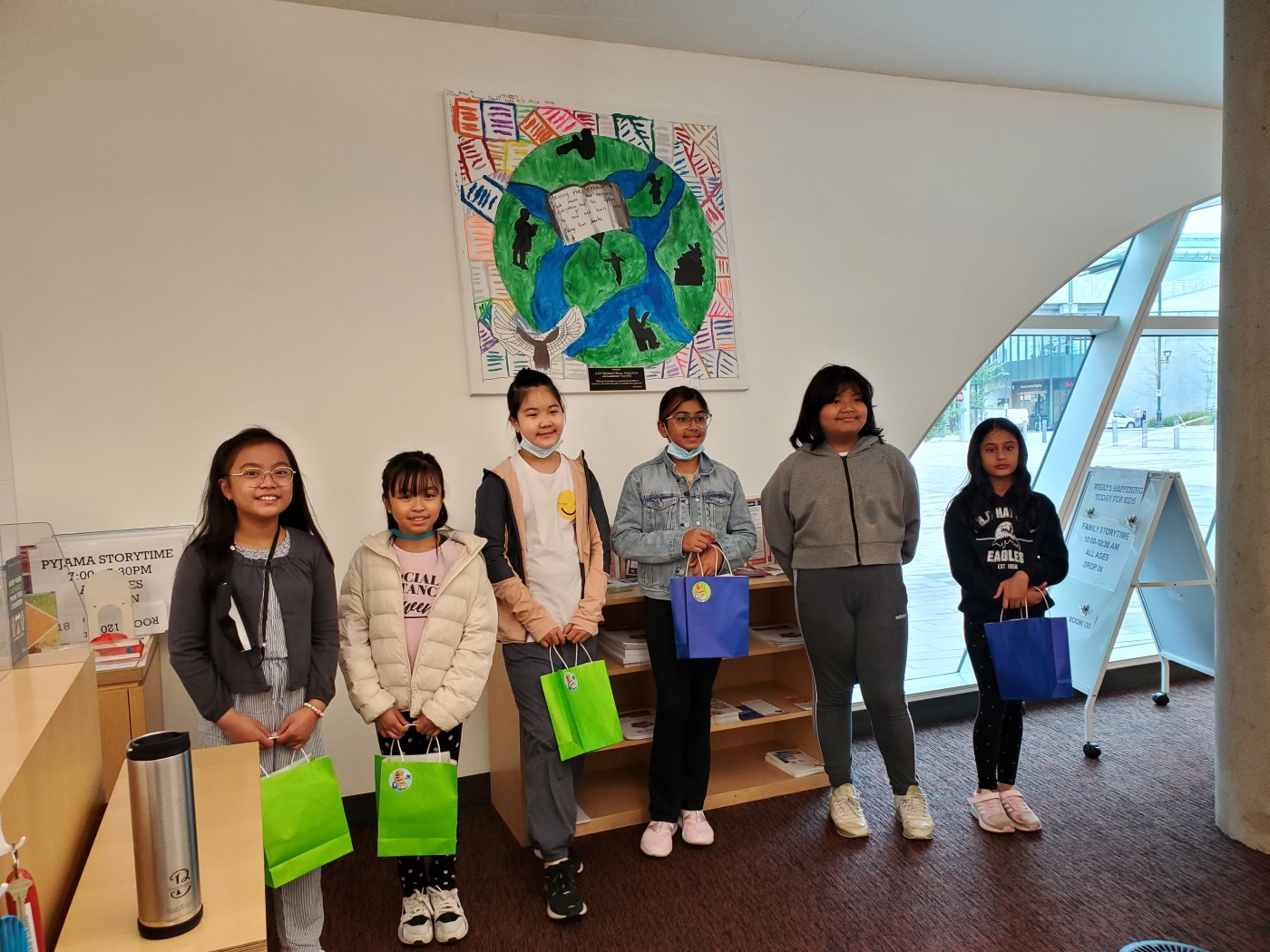
Surrey Steps Up Freedom to Read Mural - Two teachers at our school received a $500 Surrey Steps Up Grant with the proposal to complete a Freedom to Read Mural to be displayed at the Surrey City Centre Public Library as a way for students to engage with the complex issue of book bans. Leadership students from the Social Justice Club and the school's leadership team designed, painted, and created the work of art in April, May, and June. The Freedom to Read Mural is currently displayed at the Surrey City Centre Public Library in the Kids section. Please check it out!


Core Competency: Critical Thinking and Reflective Thinking
A big part of culturally responsive SEL is getting students to practice making open-minded, caring, and constructive choices about their words and behaviours. This year, students at A.H.P. were challenged to use their observations, experiences, and imagination to examine their own thinking and that of others. Students continue to reflect on their thoughts, ideas, and assumptions through various learning opportunities in their classrooms and around the school.
Hallway Bulletins - Our school's DiversiTeam Committee consists of staff in our school that meets once a month to discuss celebrations and events that highlight equity, diversity, and inclusion. Throughout the year, staff and students take charge in creating bulletins around the school that focus on various cultural celebrations to get students to practice making observations about cultures they are unfamiliar with and continue to reflect on their thoughts, ideas, and assumptions about their existing knowledge and new facts have learned. Some of the cultural celebrations we have had this year include Black History Month, Diwali, International Women's Day, Lunar New Year, Asian Heritage Month, Hannukah, and Vaisakhi. 
Black History Month


Diwali

International Women's Day

Lunar New Year

Asian Heritage Month
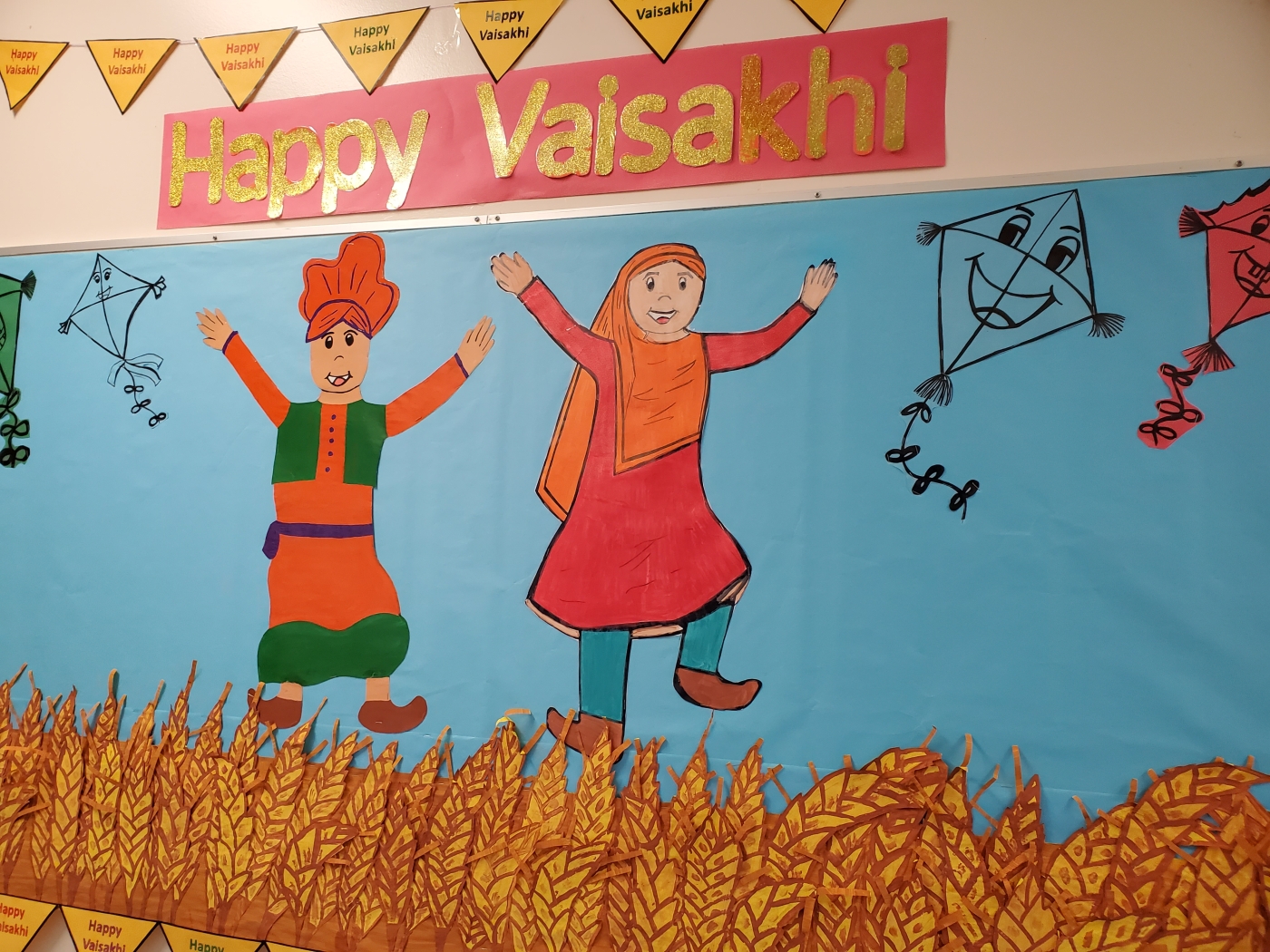
Vaisakhi
Core Competency: Collaborating
Through collaborating, students gain valuable skills, strategies, and dispositions that help them learn and practice how to work with others to achieve common goals. A.H.P. students can confidently interact and build relationships with their peers to make good choices with one another. Further, they can collaborate with their peers to interact supportively and effectively using inclusive practices to enhance collective understanding.
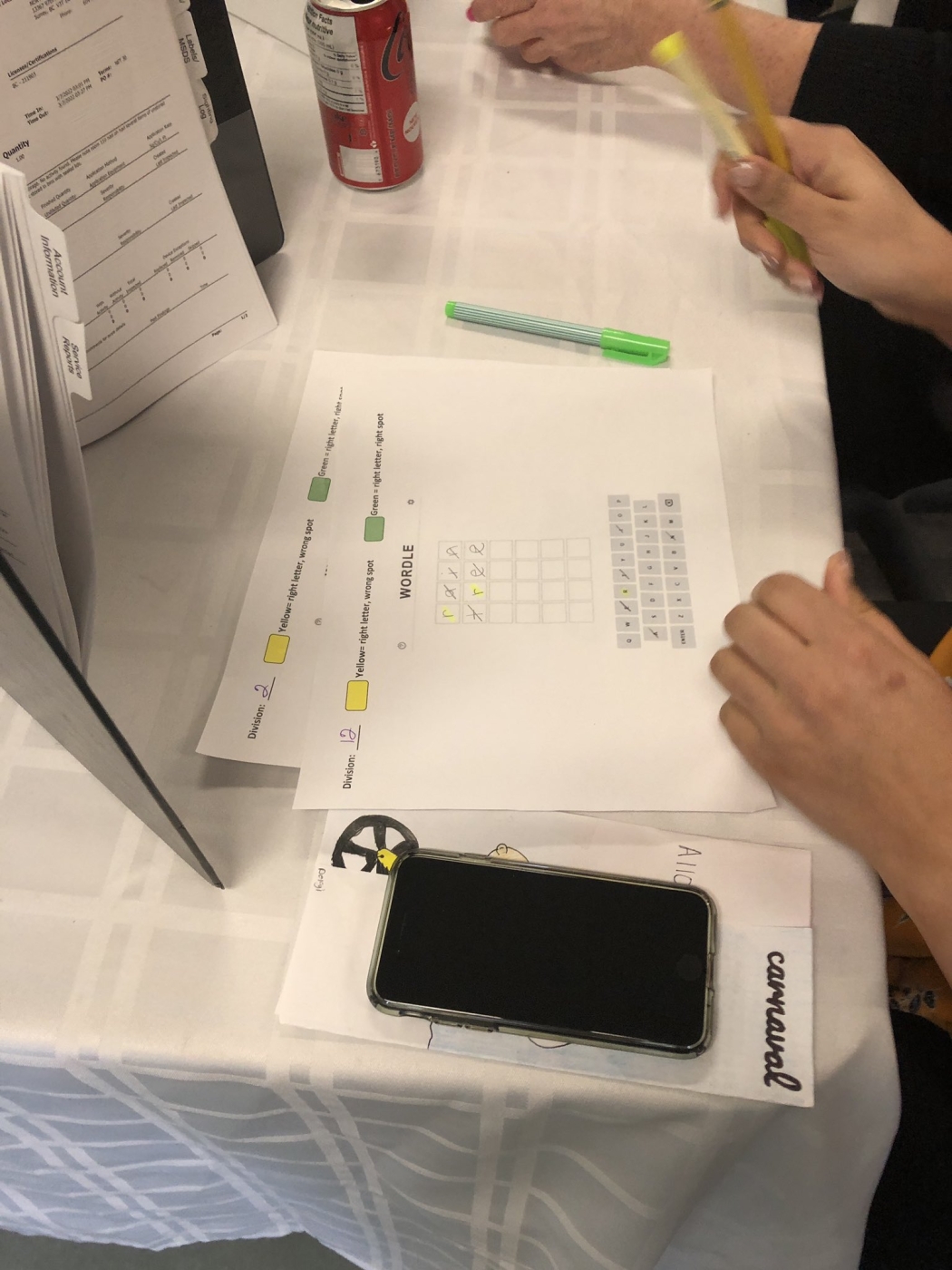
Wordle Challenges 2022 - To keep up with the latest trend, our school hosted 3 school-wide Wordle challenges this year. Teachers and students practiced playing Wordle together to discover the mystery words and put their word knowledge and experience to the test when they competed against other classes to get on the leaderboard. Students interacted with and supported their peers in positive ways when trying to make the best guesses to get the word right in the least amount of tries.

OUR FOCUS
CULTURALLY RESPONSIVE SOCIAL EMOTIONAL LEARNING (SEL)
Strengthening the social and emotional abilities of our students is essential to the foundation of learning and the development of the whole child. Social-emotional learning can positively impact and affect academic performance, relationships with others, development of self-esteem and the ability to manage mental health. Students who develop strong SEL skills will be positioned to effectively manage themselves, their relationships, and their ability to contribute to their families, schools, and communities.
(CASEL) Collaborative for Social, Emotional and Academic Learning defines SEL as the application and acquisition of, “the knowledge, skills, and attitudes to develop healthy identities, manage emotions and achieve personal and collective goals, feel and show empathy for others, establish and maintain supportive relationships, and make responsible and caring decisions.”
In addition, SEL can move equity and inclusion forward through reducing inequities, developing awareness of biases, and critically examining viewpoints, ideas, and systems. Culturally Responsive SEL specifically focuses on building learning environments, and opportunities that are free from bias and honour the diversity of our learners. Culturally responsive SEL "responds to, and is rooted in student’s strengths, stretches, backgrounds, and identities. By empowering students, we seek to develop strong foundational attitudes that will ensure equity and inclusivity for all learners. These experiences can provide students with mirrors to reflect on their own culture and identity as well as sliding glass doors (or windows) that enable students through understanding or imagination to better grasp the cultures and identities of others.” (Massachusetts Department of Elementary and Secondary Education, 2018)
Culturally Responsive SEL is developed at AHP Matthew through:
- Explicit lessons targeting skills
- Integrated into curricular areas to strengthen academic achievement
- Creating environments that are supportive, inclusive and nurture a child’s strengths, interests, and backgrounds
- Support for Staff including Professional Development and commitment to principles of diversity, equity, and inclusion
School-wide initiatives that create community, shared language, and values

Figure 1: CASEL Framework
Student Learning Goals
The CASEL Framework (Figure 1) identifies 5 key areas of SEL development. Although all aspects of SEL are integrated into our daily work with students, we identified two targeted areas for student learning goals:
Self-Awareness
- Identifying and integrating personal, social, and cultural identities
- Examining prejudices, biases, and diverse social norms
Responsible Decision Making
- Using critical thinking skills to make open-minded, caring and constructive choices about personal behaviour
- Learning to make decisions both individually and collaboratively when solving problems or conflicts to promote personal and community well-being.
Our Cohorts
Although most of our learners participated in both classroom and school-wide activities, we looked more specifically at one cohort of students comprised of two intermediate divisions, and two primary divisions. This cohort was selected to be a representative sample to examine growth over time.
Our Learning Experiences
Identifying and integrating personal, social, cultural identities
All students across grade levels focused on understanding and further developing their concept of self. Developing positive self-image is foundational to all other learning. Students in our primary classes worked on thematic units entitled, “The Best Part of Me.” Our learners embarked on a journey of self-exploration by acknowledging their strengths, stretches, backgrounds, and how those shape the person they are. Our intermediate classrooms also participated in various learning activities which allowed students to reflect on their personal and cultural identities. Grade 7’s worked on a poetry unit entitled “I am From” that focused on self, and allowed students to connect to their backgrounds, families, histories, and potential. All students within the cohorts also participated in lessons, and activities as well as coming together at assemblies throughout the year to celebrate a wide range of cultures including Vaisakhi, Diwali, Kwanza, Passover, National Indigenous Day, Black History Month, Lunar New Year and Asian Heritage Month. Through these experiences students developed a sense of self and an appreciation and respect for the diverse community in which we live.

Examining prejudices and biases and diverse social norms
Students in our cohort classrooms participated in Freedom to Read Week. Teachers shared texts that had been previously, or are currently banned, in places around the world. Teachers taught lessons about the importance of protecting intellectual freedoms and examined many books that had been banned for various reasons including topics such as challenging corporations, bi-racial relationships, gender/sexual identity, and others. Students examined why the book was banned, who was trying to keep the message from reaching the audience, and why it would be important to protect the message/values that the author was representing. Our learners presented their learning at a school-wide assembly to culminate the week of activities.
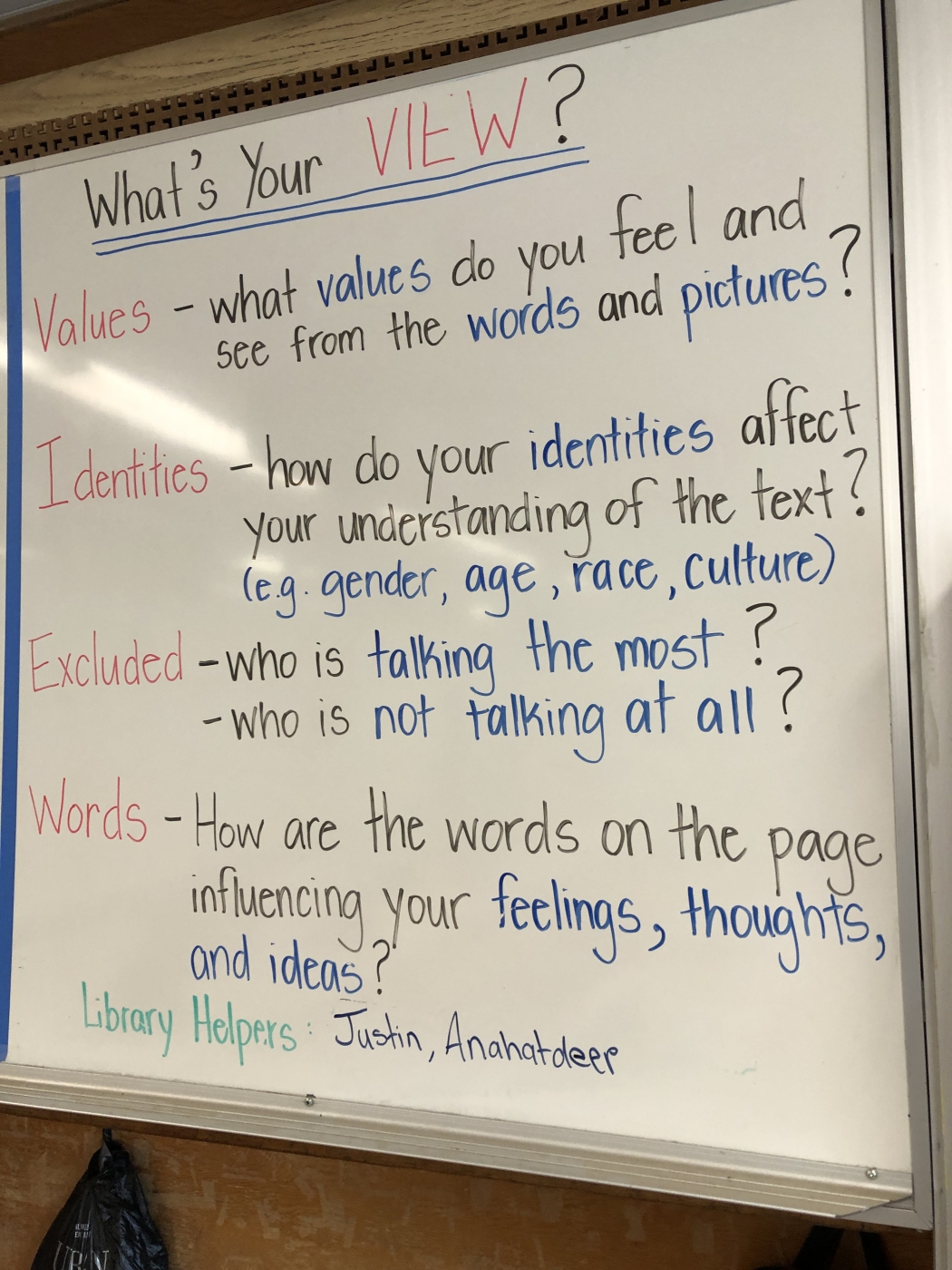
 Intermediate classes within our cohort also participated in a collaborative unit with the Teacher-Librarian on Critical Literacy. Students engaged in collaborative inquiry to understand which voices and perspectives were being represented in various texts. They considered questions such as:
- How do your identities affect your understanding of the text?
- Who is talking the most? Who is not talking at all? (Who has power?)
- What values are represented in the words and pictures? and who is missing?
Students worked on being aware of bias, prejudice, and power imbalance in what they are reading to understand the perspectives being reflected to the audience. Expanding our students’ awareness of text was a key aspect of this unit.
Using critical thinking skills to make open-minded, caring, and constructive choices about personal behaviour
Our cohort of learners engaged in many activities that centered on managing their own personal decisions and behaviours. Many of these lessons, activities, and units involved integration of Second Step program where students were encouraged to set goals and embrace the growth mindset.
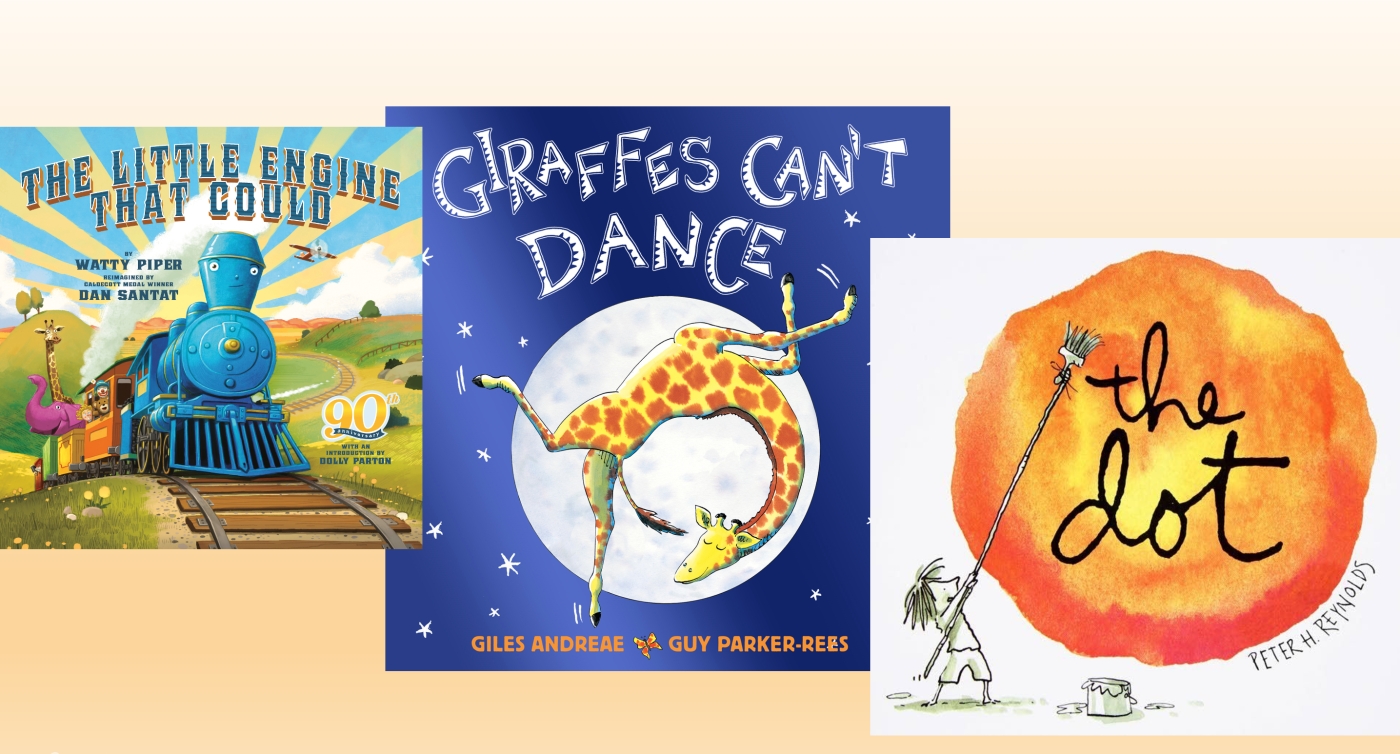
Our primary classes participated in picture book study (The Little Engine that Could by Watty Piper, The Dot by Peter Reynalds, and Giraffes Can’t Dance by Giles Andreas) that taught them to be reflective of their strengths and evaluate their weaknesses to set goals to develop areas requiring growth. An additional activity involved monthly goal setting and reflections.
For students to understand how their behavior choices can affect others, our Grade 1 class engaged in read aloud picture book series by Laura Numeroff “If you give …" and David Shannon’s No David and David Gets in Trouble. Based on these books, the students formulated their “Class Plan” that incorporated rules and expectations to support making good choices about their behavior and academic success.
Our Grade 1 class viewed Pixar Short Films about feelings, kindness, inclusion, teamwork, and growth mind set to practice critical thinking and engage in ethical judgement. Discussions involved cooperative listening and sharing of ideas for individual viewpoints.

Students also learned the important skill of managing their own emotions and learning how to regulate themselves through a variety of ways such as breathing techniques, talking it out, using language (Zones of Regulation) to identify and describe their feelings. Daily morning check-ins, mind and body exercises provided a safe space to start each day. Students were encouraged to practice their strategies, as well as share them with others at morning meetings. In addition, soft starts were incorporated to assist in regulating students and easing the transition from home to school in the mornings and allow for building positive connections with others.
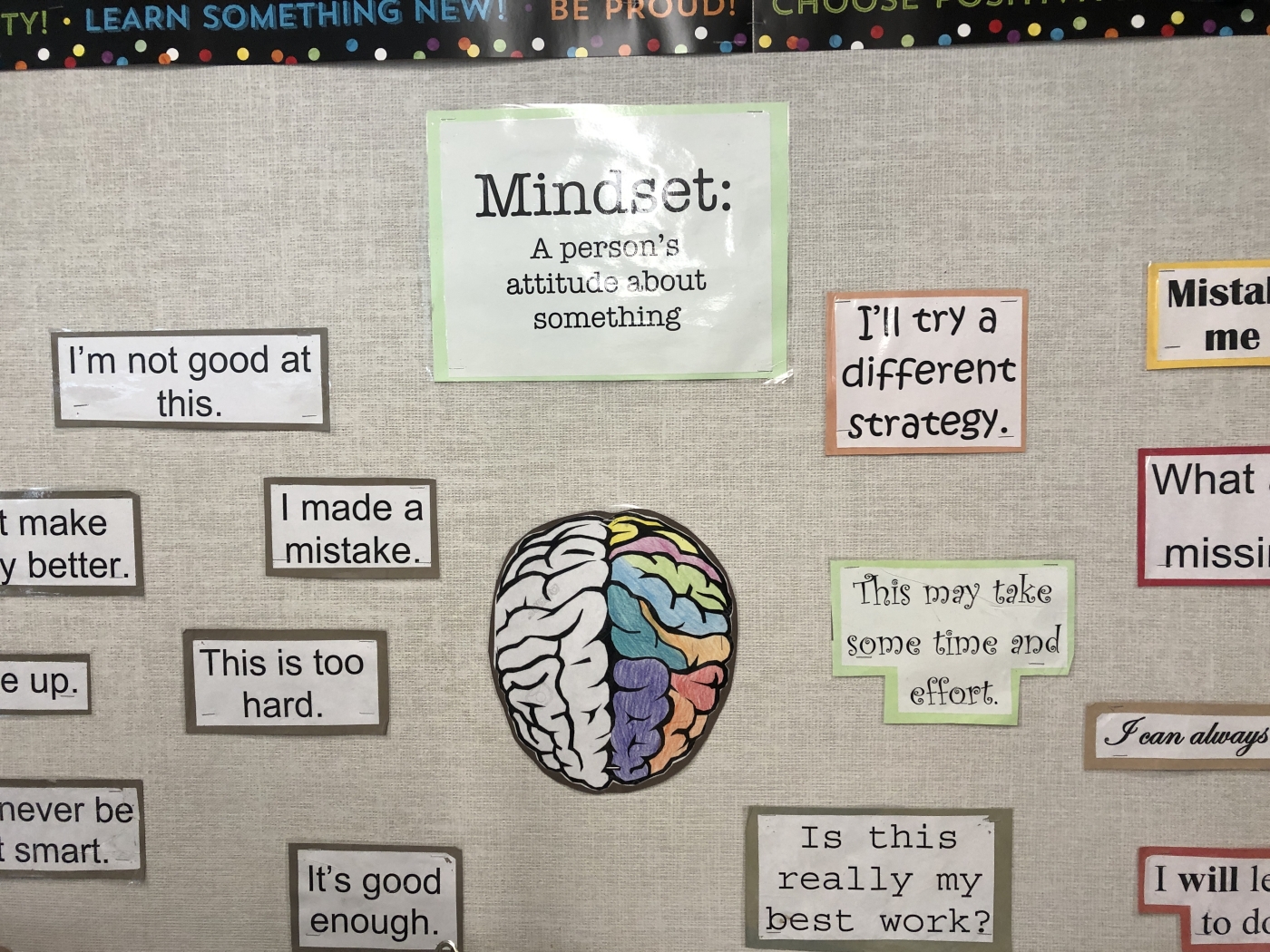
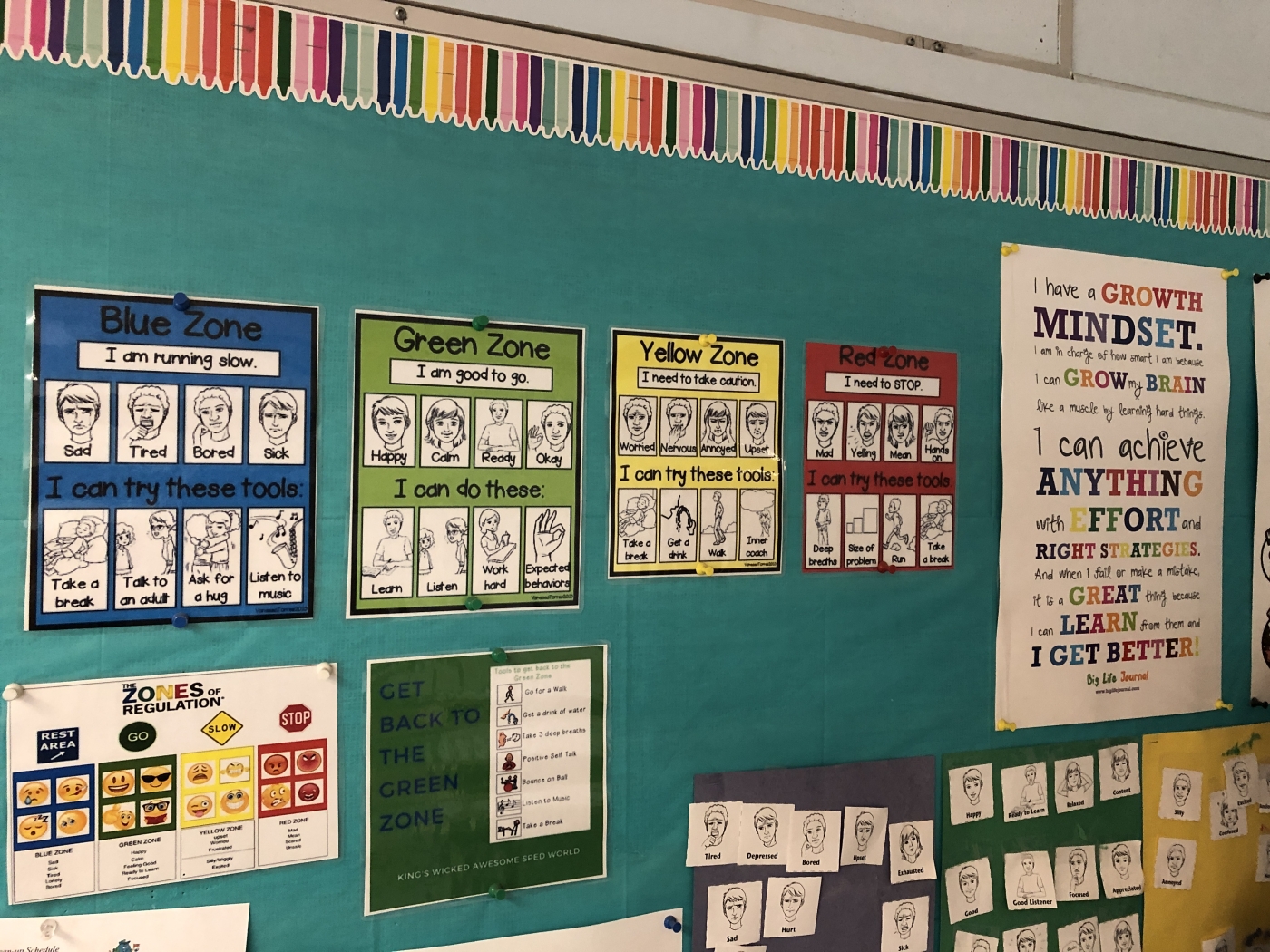
Learning to make decisions both individually and collaboratively when solving problems or conflicts that promote personal and community well-being
Our Grade 7 classroom worked collaboratively on "Go Global" inquiry projects looking for solutions to social, environmental, or cultural community problems through a program. Students were tasked with exploring existing issues impacting citizens and their environment. Together they researched current solutions, and then used critical thinking and creativity to develop their own responses and initiatives. Students gained a deeper understanding of the interrelatedness and complexity of these issues that face citizens within our own communities and around the world.
All students across grade levels focused on understanding and further developing their problem-solving skills. Students in our cohort classrooms engaged in lessons with the integration of the Second-Step Program activities that helped them learn and apply their emotional management and communication skills to solve interpersonal problems and demonstrate strategies for effectively dealing with interpersonal conflict. Focus on ethical judgement, cause and effect, empathy and kindness were part of this skill development.
To create a safe, respectful school climate where more students can learn and succeed, the school goal focused on teaching students to consider others’ wants and needs, adopt prosocial behaviours and practice proactive resolutions for interpersonal problems.
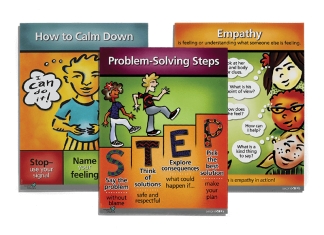
Students learned how to state a problem in a respectful way in various scenarios. This included using “I -statements,” without blame and name-calling, that incorporated personal feelings about an event including ethical judgment relating to what transpired. Students were encouraged to communicate with each other on the playground and in the classrooms. Specifically, students were encouraged to practice the STEP problem-solving process: S: Say the problem, T: Think of solutions, E: Explore the outcomes, and P: Pick a solution. Regular practice of class meetings provided a safe space for discussions and resolutions. Students also learned to identify problems caused by accidents and how to demonstrate and respond appropriately. This skill included an apology, checking in and offering help. Students were encouraged to communicate what they would like or need to solve a problem in various scenarios. Role playing, scenario study and brainstorming kind, helpful and appropriate solutions encouraged students to learn to identify solutions. Role playing and class meetings taught the students how to produce at least one solution to a scenario.

Morning Meetings to reinforce explicit teaching of self-awareness and responsible decision making.
OUR NEXT STEPS
Part 1: Our Growth
Our students demonstrated substantive growth in Culturally Responsive SEL strategies and skills in the following targeted areas:
Self-Awareness (External Self-Awareness and Introspection)
- Identifying and integrating personal, social, and cultural identities
- Examining prejudices, biases, and diverse social norms
Responsible Decision Making (Making Choices for Self and With Others)
- Using critical thinking skills to make open-minded, caring and constructive choices about personal behaviour
- Learning to make decisions both individually and collaboratively when solving problems or conflicts to promote personal and community well-being.
Identifying and integrating personal, social, and cultural identities
Foundational to all learning is the importance of developing a positive self-image and identity. Students are learning to acknowledging and accept the diversity that celebrates each of them. Students who participated in our cohorts provided base-line data through student surveys. After implementation of the various lessons, activities and units including “Best Part of Me”, “I am From” , Kids in The Know, and Second Step, a comparative survey was administered at the end of the year to track the growth in student skills. Below are samples of student evidence of learning about identities from the various cohort classrooms.

 "Best Part of Me" : Activity to develop appreciation for self.
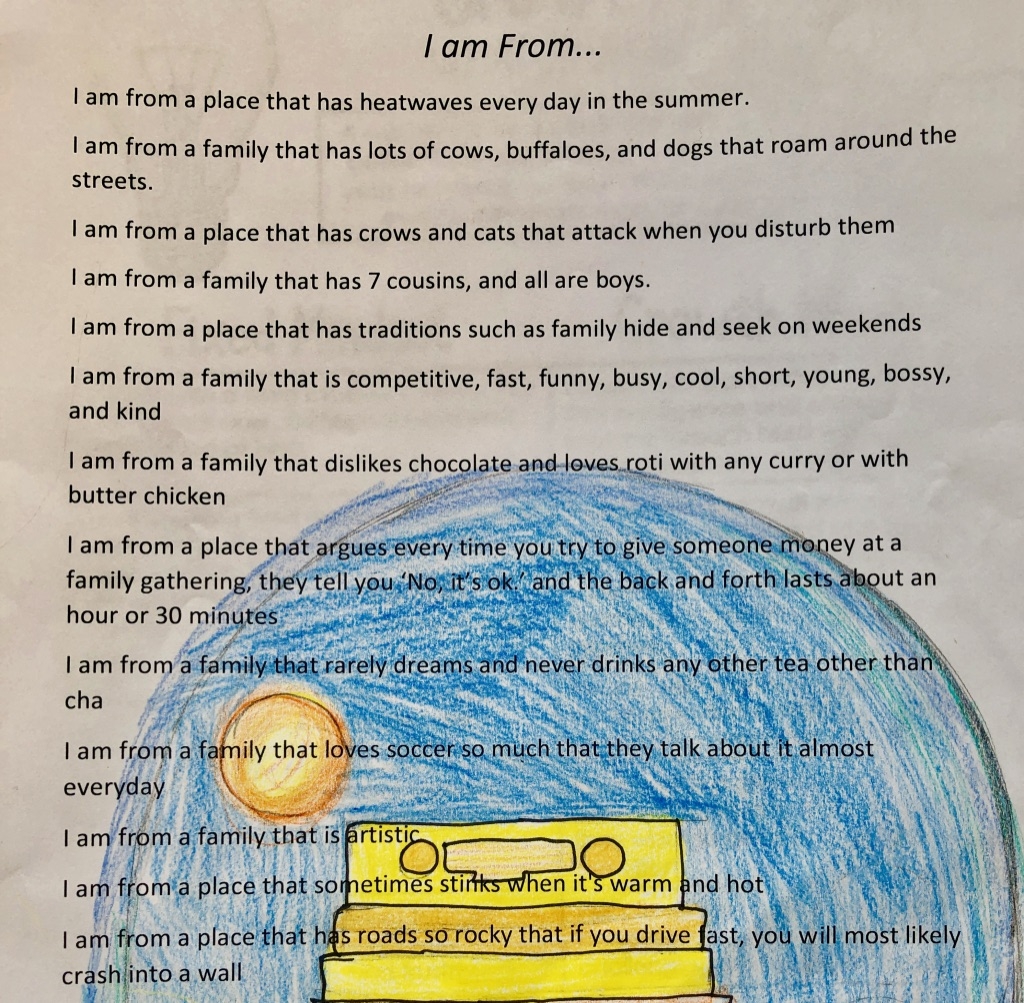
"I am From" Poetry
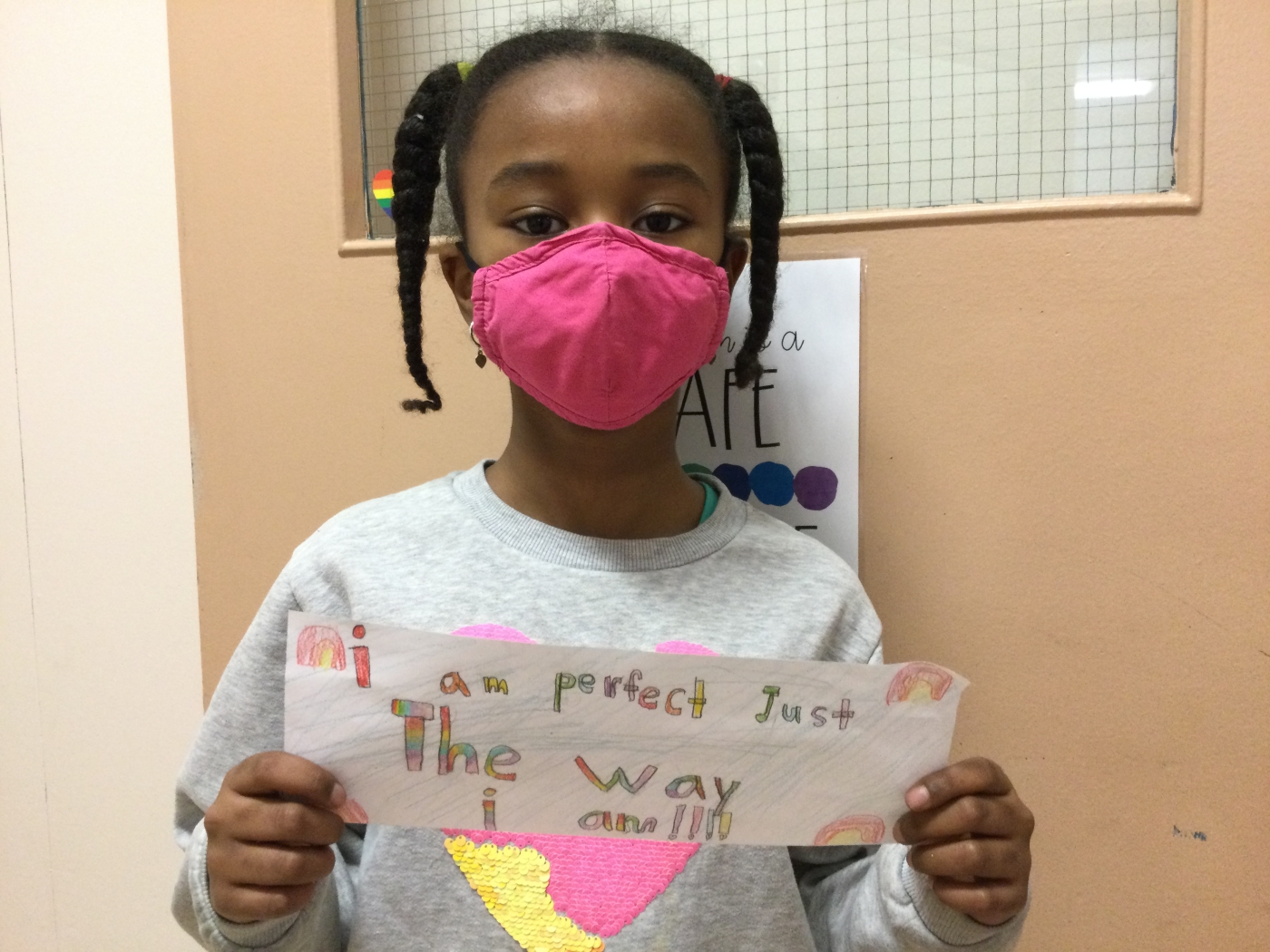
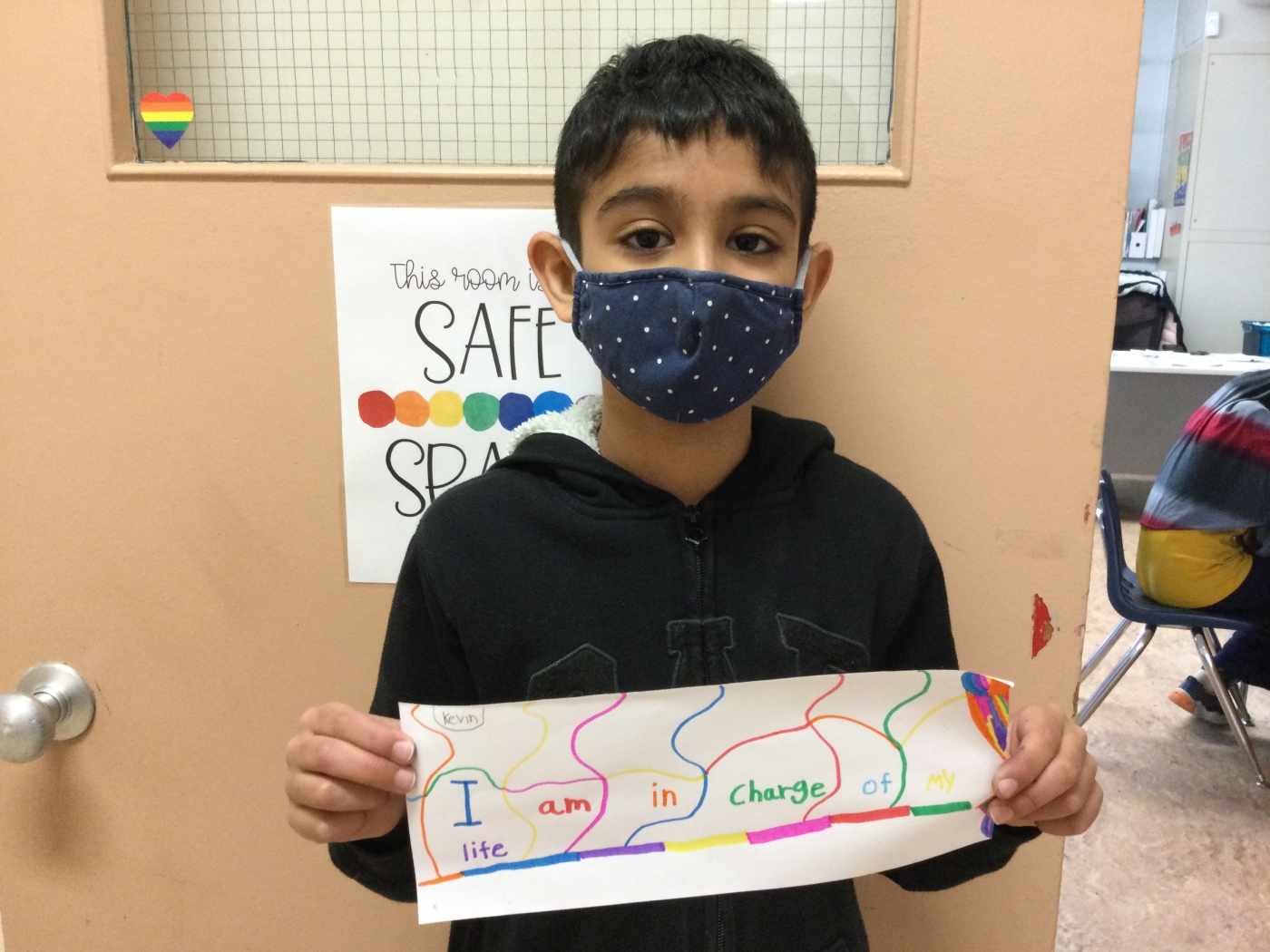 Self-Affirmation Activity
All students in the cohorts participated in various cultural celebrations, lessons/units on diversity, school-wide activities, and assemblies. Our Diversity Team compiled lessons, activities, and videos to assist teachers with integrating culturally diverse content into curricular areas. This included but was not limited to National Indigenous Day, Ramadan, Vaisaki, Diwali, Black History Month, Asian Heritage Month, Lunar New Year, Dia De Los Muertos, Christmas Around the World, Passover, Hanuakkah, and Kwanza. These shared resources, and collaborative between staff members facilitated the following examples of student learning around personal, and cultural identities.
Cohort students learning about Lunar New Year
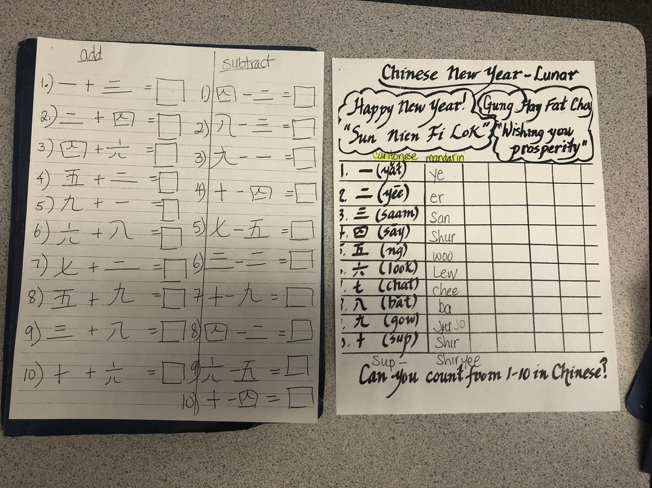
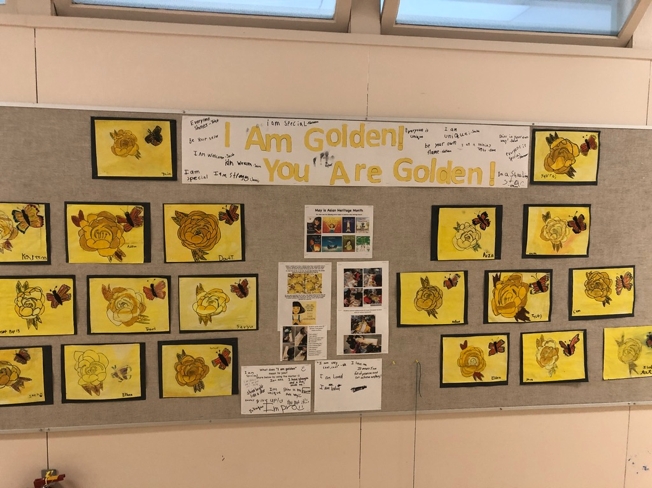
"I am Golden "-Literature Unit focussed on taking pride in your heritage and diversity. "Do you see beauty?"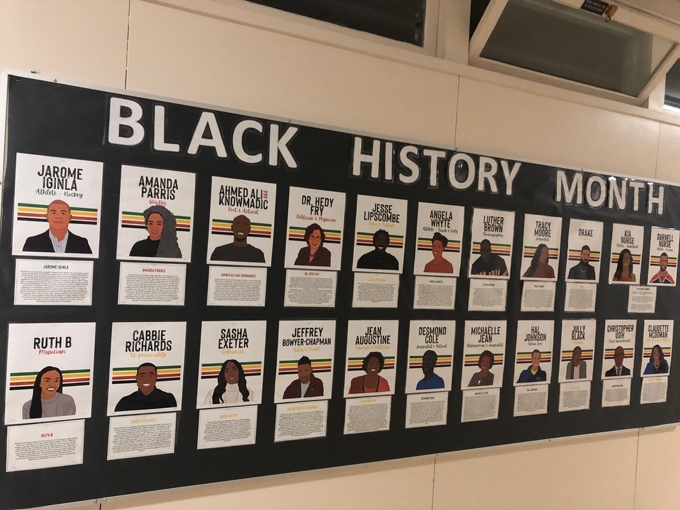
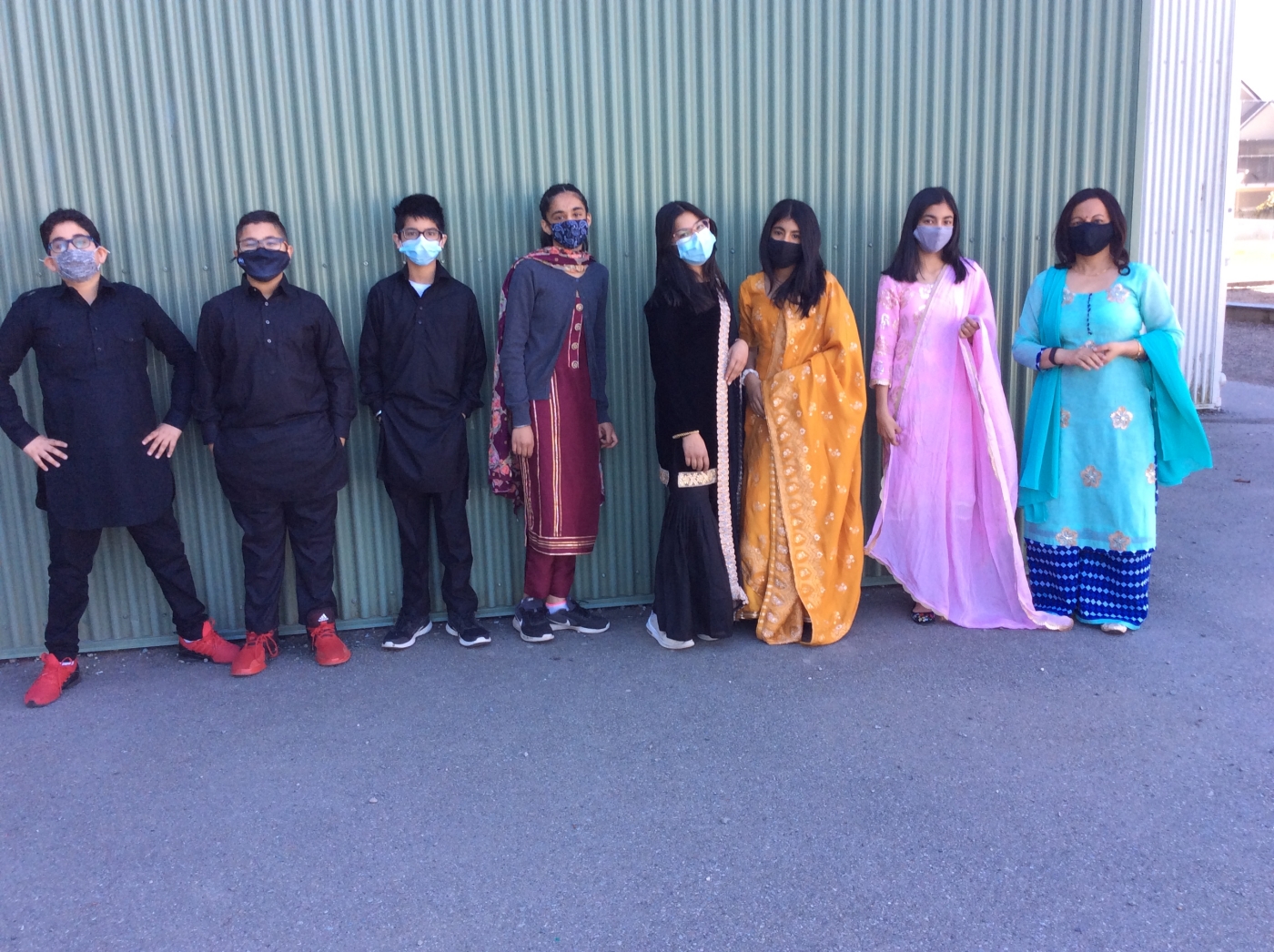 Culture Day encouraged students from all backgrounds to dress in traditional clothing. We also celebrated our diversity with an assembly.

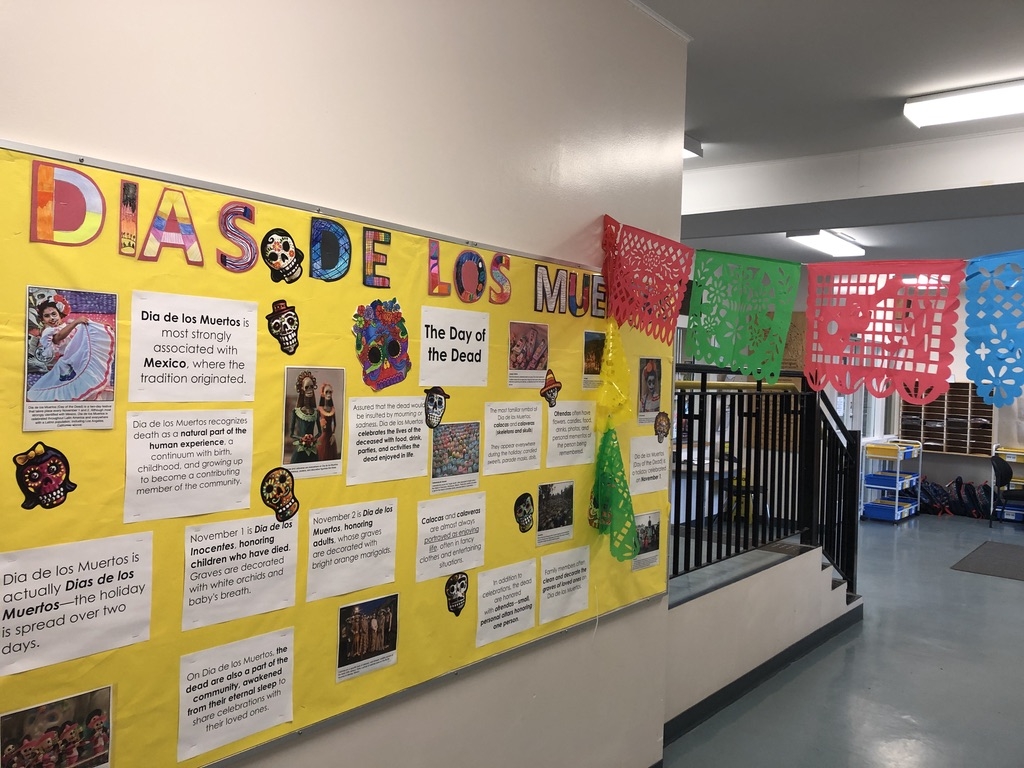 Día de los Muertos: Students learned about this important Latin-American tradition and festival to honour family members who have passed by writing notes about their favourite memories of their loved ones and placing them on the altar.
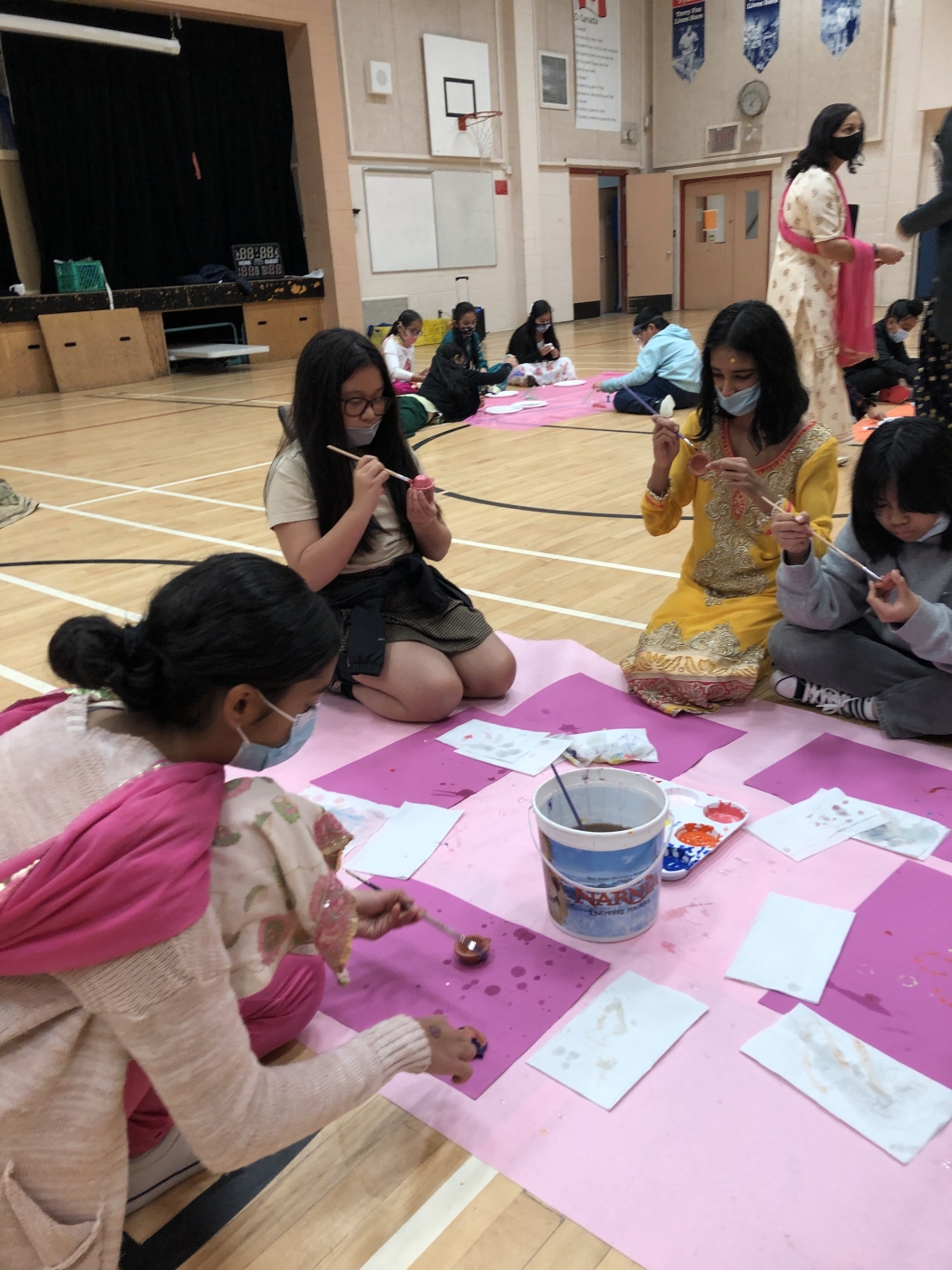
Students are painting Diyas to celebrate and learn about Diwali at our school-wide festival.
"I love that we get to celebrate Diwali at school because it is really important to me and I want all my friends that aren't Punjabi to learn more about my culture. They think it is really cool so that makes me feel proud." Manvir - Grade 5
Examining prejudices, biases, and diverse social norms
Students participated in The Freedom to Read School-Wide Initiative where they examined the importance of standing up against the banning of books because a group wants to silence the message. 93% of students in the cohort were Proficient in their ability to analyze why the books were banned, who wanted the text banned, and why it was important for the message to reach the audience.
Freedom to Read Book Analysis and presentations that were shared at an Assembly to close the week.
"I think this book is awesome because it celebrates LGTBQ+ community because the message it sends is that everyone on earth should have the freedom to wear what they want. Everyone should have the freedom to read what they want."- Jayrieanne - Grade 4, analyzing "10 000 Dresses" by Marcus Ewert
Students and teachers in the cohort worked collaboratively with the Teacher-Librarian to dive deeper into critical literacy. 94% of students were able to identify dominant and alternate perspectives in text. Through activities, discussions and guided lessons students gained valuable insight into is represented in text, and who needs more representation?
Using critical thinking skills to make open-minded, caring and constructive choices about personal behaviour
Students in the Cohorts participated in multiple activities throughout the year that included explicit SEL instruction as well as opportunities for students to practice responsible decision making, and problem solving strategies. Baseline data was collected from the cohorts at the start of the year. Students participated in goal setting activities, Growth Mindset units of study, as well as structured lessons from the Second Step and Kids in The Know. The chart below reflects student survey data where students indicated that they were applying each skill, “most or all of the time”. Evidence of specific learning goals are included below.
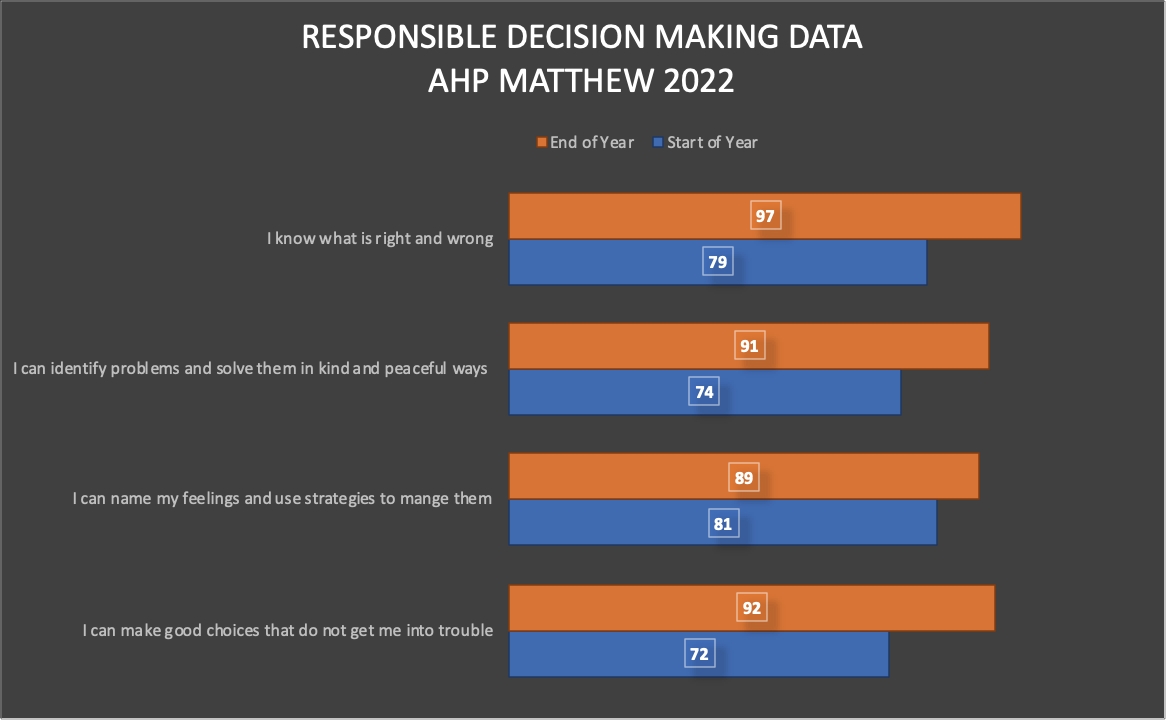
Students in the cohorts participated in many lessons, units and activities that helped to develop their abilities to make positive choices such as learning to set goals, adhering to a growth mind-set, and making ethical judgements.
"I listen with my whole body and I do my work. I make good choices. Also, when I am sad I do 5 finger breathing. It works" - Frank - Grade 1

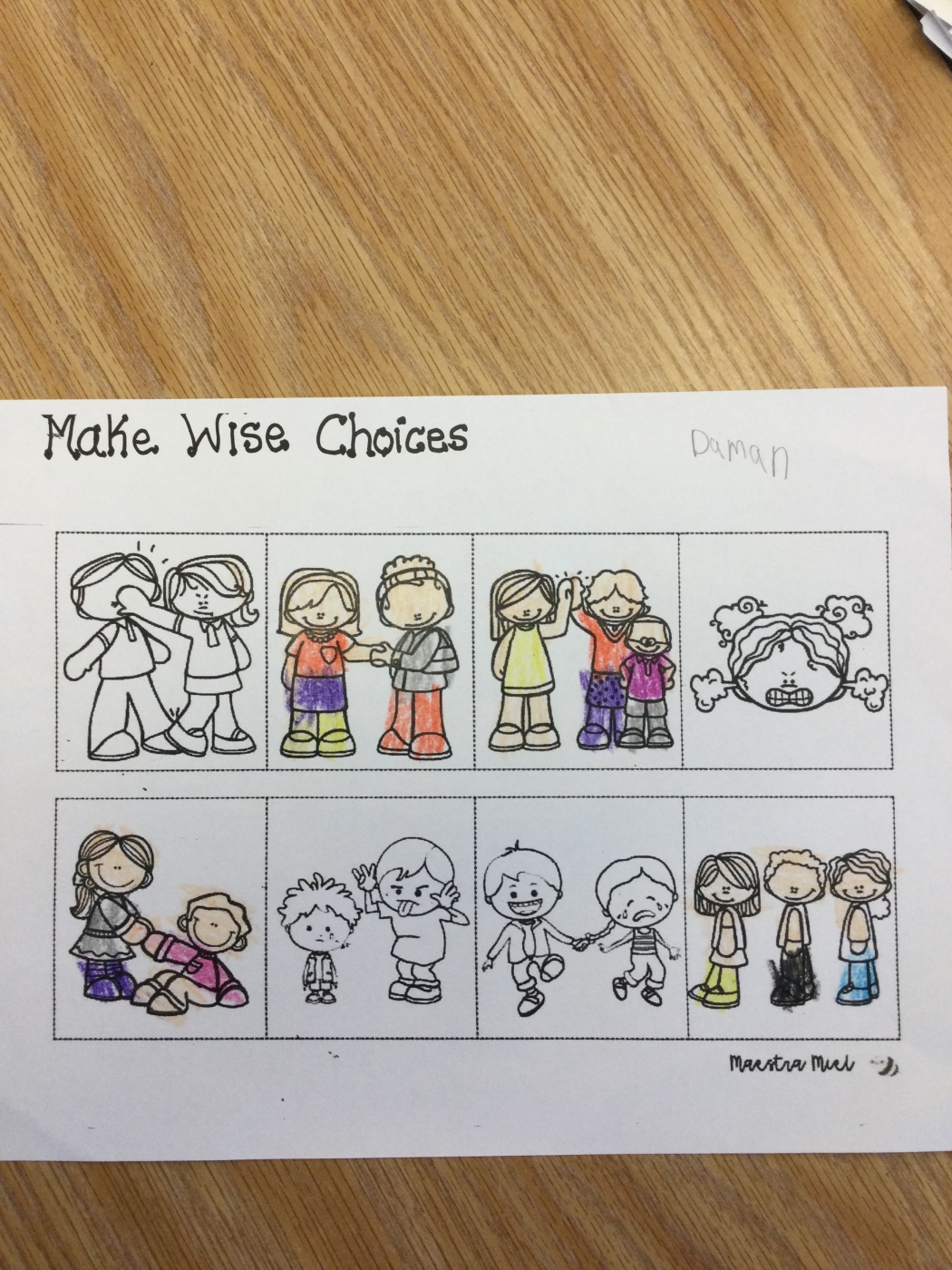
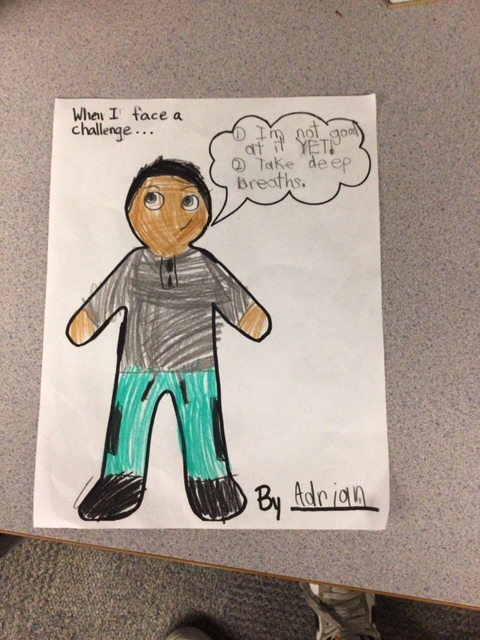
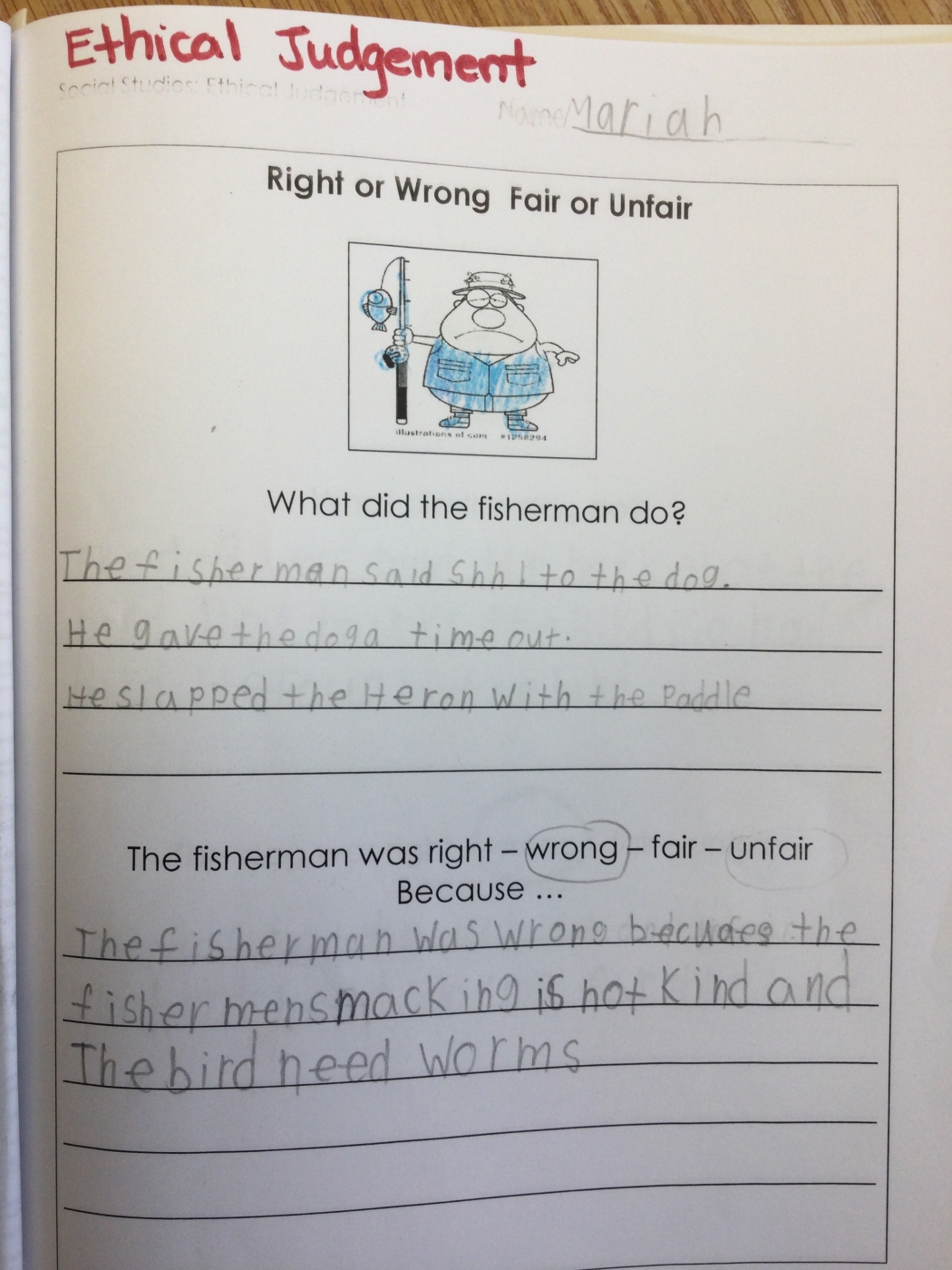 Growth Mindset Evidence from cohort classrooms
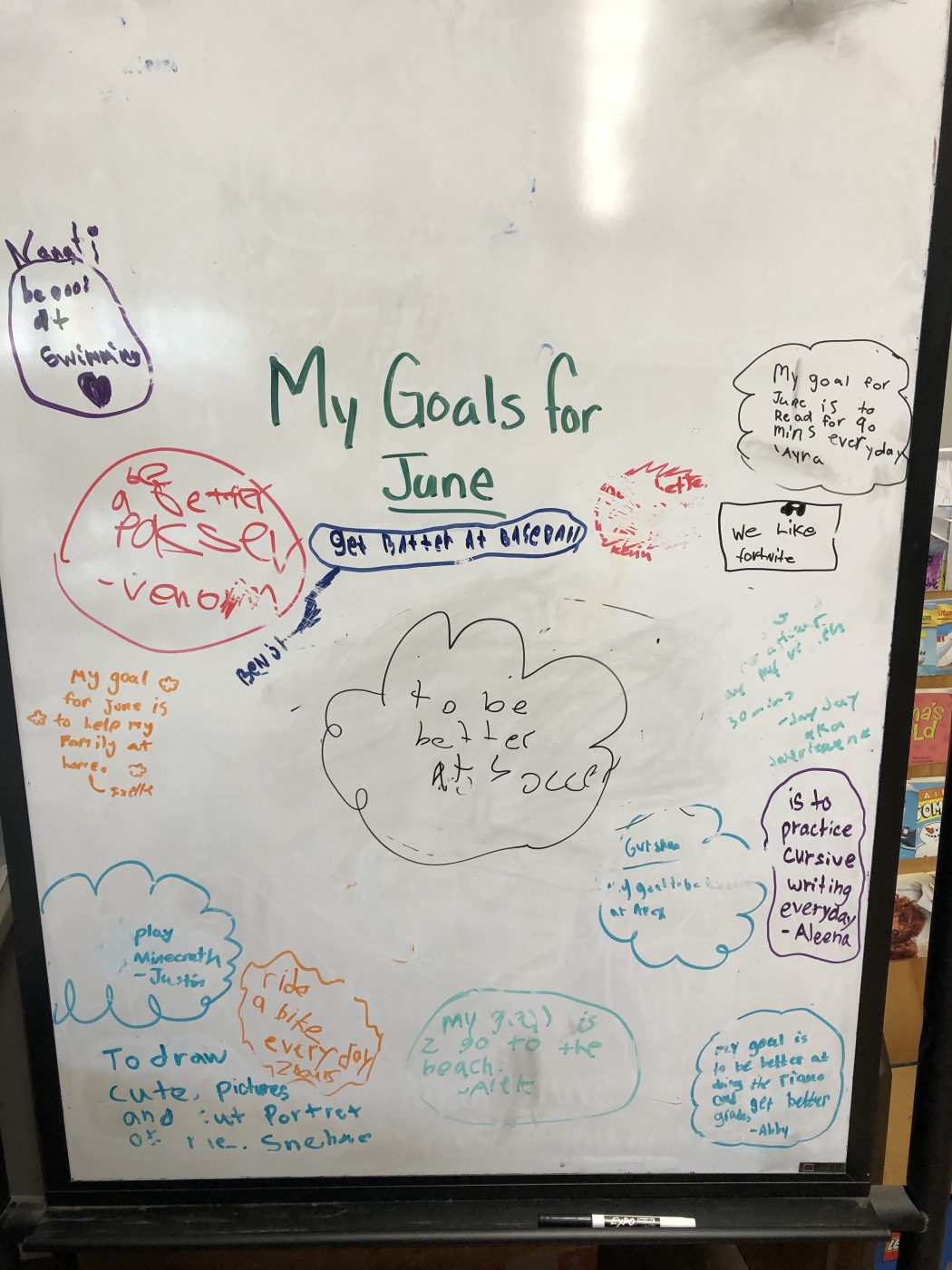
Class Goal Setting 
Individual Goal Setting
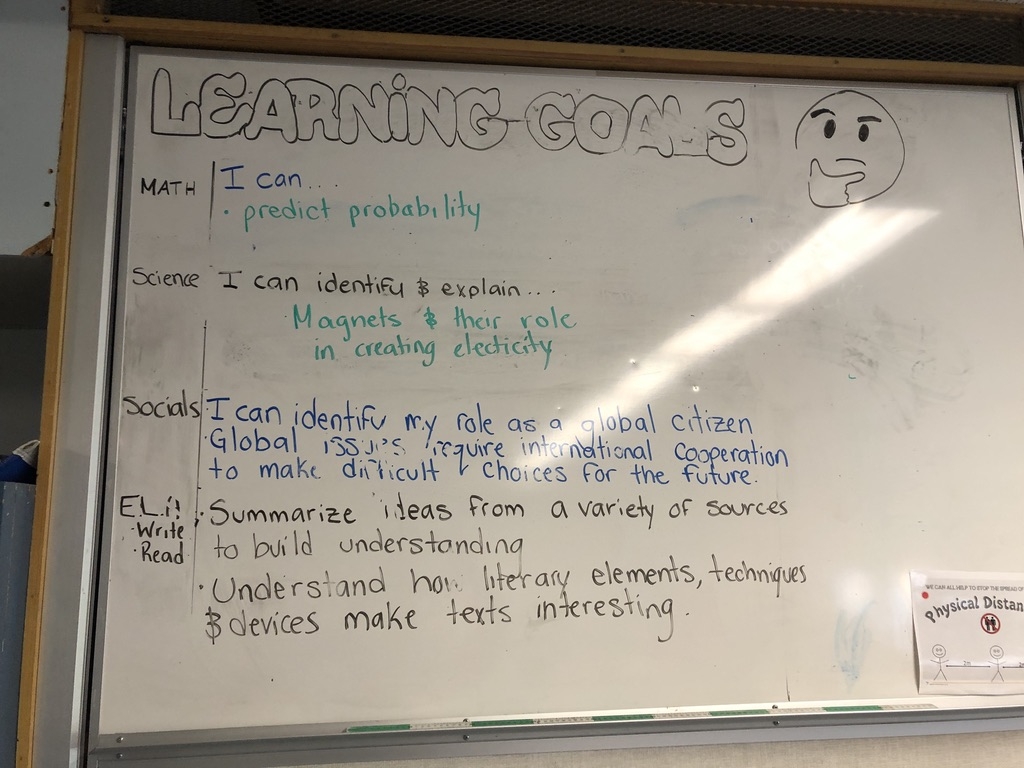
Teachers model goal setting as they display learning intentions for students.
Learning to make decisions both individually and collaboratively when solving problems or conflicts to promote personal and community well-being.
Data collected in baseline surveys and compared to end of year is noted in Chart A above. Students showed growth in all learning goals after participating in problem solving activities, units, and projects including Second Step, Kids in The Know, and various literacy based units including "No David" books, and "If You Give a Mouse a Cookie". Class discussions, meetings and role play also supported the development of our students' problem solving skills. Some student mentors in the intermediate cohorts took on a leadership role within the cohort, and developed presentations on problem solving strategies, which were shared with the primary classes.
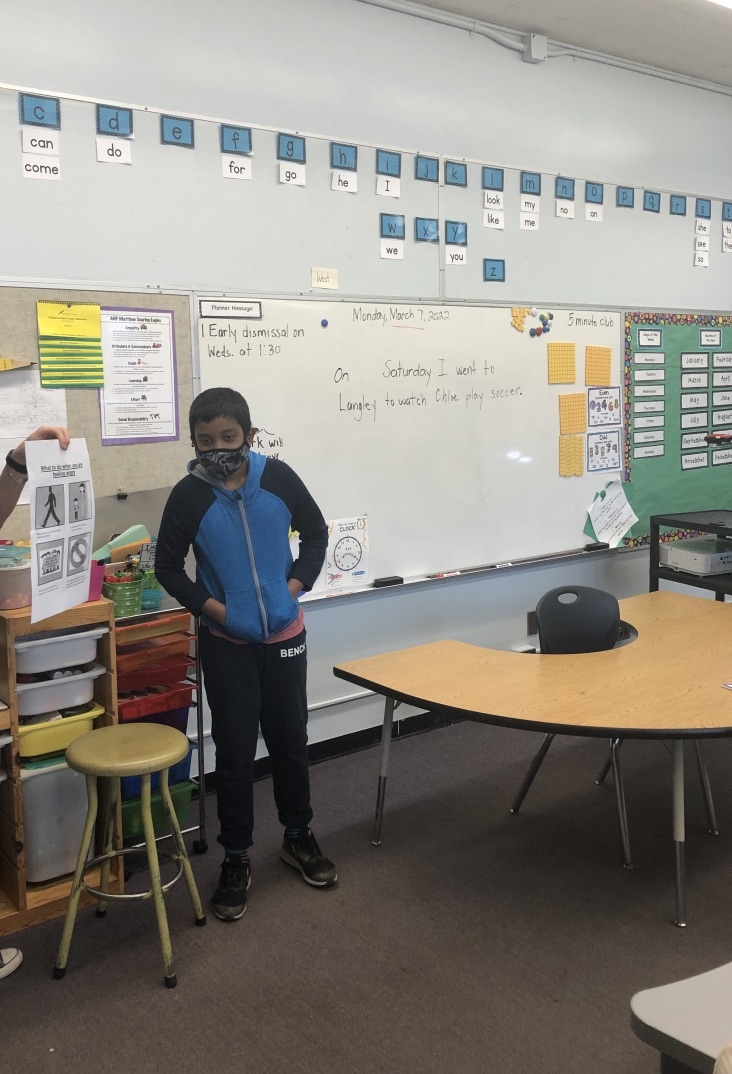
Student presenting the problem solving strategies presentation he created to the younger cohort classroom.
Grade 7 students as part of their social studies curriculum participated in the “Go Global” project where they examined “wicked problems” that required complex solutions to problems with competing interests. 92% of students in this cohort were able to demonstrate a “Proficient” understanding of the global issues and develop potential solutions to benefit our communities through their inquiry projects.
“I learned that when you have a big problem like poverty, or the environment the solutions can be challenging but not impossible. All of us can take small steps to make a difference. Even me.” - Armaan, Grade 7 student.
Problem Solving (Global/Community)Project
Part Two: Next Steps
We have been heartened by the growth in students’ culturally responsive SEL strategies and skill sets. To build on this in the year ahead, we will take the following steps:
Self-Awareness
- Continue to develop student’s awareness and appreciation of personal, and cultural identifies through direct instruction, activities, and inquiry.
- Further support embedding culturally responsive direct instruction into classrooms by providing inservice activities for staff to further their learning.
- Increase access to resources for staff to promote equity, diversity and inclusion
- Continue to celebrate, and honour diversity through school-wide activities, assemblies, and shared resources
- Expand our Diversity Team staff committee that works collaboratively to pro-actively plan inclusive and equitable opportunities for our learners. Include student leaders into the work of the committee
- Look for ways to expand our culturally responsive SEL initiatives to include staff?
Responsible Decision-Making
- Continue to integrate responsible decision making into cross-curricular learning
- Develop a peer-mentor, or student leadership system where students support each other in the decision making process. (playground leaders, restorative justice, etc.)
- Create more opportunities for students to take ownership of their learning and practice responsible decision making (i.e., learning through inquiry)
Surrey Schools
Formed in 1906, the Surrey School District currently has the largest student enrolment in British Columbia and is one of the few growing districts in the province. It is governed by a publicly elected board of seven trustees.
The district serves the cities of Surrey and White Rock and the rural area of Barnston Island.