Adams Road Elementary 25-26

OUR CONTEXT
Welcome to Adams Road Elementary!
We are Adams Road Elementary—where hearts and minds grow together! Nestled in the heart of Surrey’s vibrant Cloverdale/Clayton community, our school is a place where every child is seen, heard, and celebrated. We are proud to learn and grow on the traditional, unceded, and shared territories of the Coast Salish Peoples, including the Katzie, Kwantlen, and Semiahmoo Nations. We are privileged to work, play, and learn on their beautiful lands.
At Adams Road, our mission is to create a safe, inclusive, and empowering environment where students thrive through connection, creativity, and curiosity. Since opening our doors in 2010, we’ve built a strong, supportive community of passionate educators, engaged families, and enthusiastic learners. Our students shine with strong collaborative and communication skills, and a spirit of exploration that fuels their learning journey.
We believe in celebrating every child’s identity and strengths and fostering a sense of belonging that extends beyond the classroom. Whether it’s through hands-on learning, social-emotional growth, or community events, Adams Road is a place where learning is joyful and every success is shared.
Our students love sports, and are up for any challenge you present to them- rugby, pickleball, balloon stomping at Sports Day- you name it! We love to be active, and we love being a part of a team. We are also performers, actors, dancers, and singers. We love to create, build and invent, and most of all, we love being part of a community- to learn with our friends, our families, and our wider community.
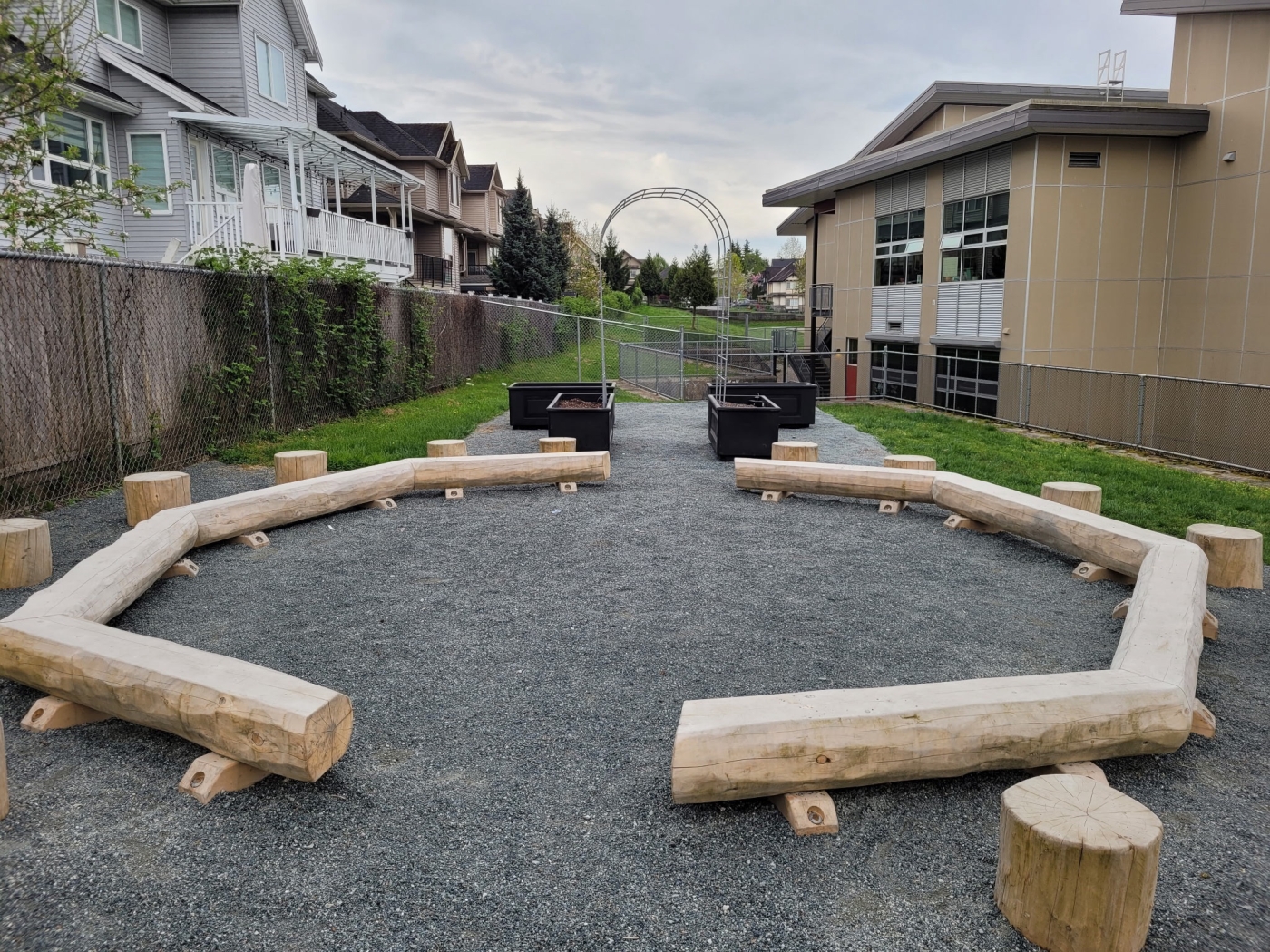
This year, our generous PAC has provided our school with an outdoor classroom and a beautiful garden. We are using this gathering space to share ideas and stories, be curious about the world around us, and to come together in nature to take in all of the beauty our lands have to offer. Students are engaged in the planting and growing process, while working cooperatively with one another. Their questions and discoveries remind us all of the importance of outdoor learning. We are grateful to our PAC for gifting this learning space to our school community.
This is what it means to be a part of our Adams Road School community.
We gather together to learn about Orange Shirt Day and how to support Residential School Survivors.


We grow our curiosities and come together in our beautiful new garden and outdoor classroom.


We love spending time together outdoor on our stunning school grounds.

We learn from our very own Canadian Heroes.

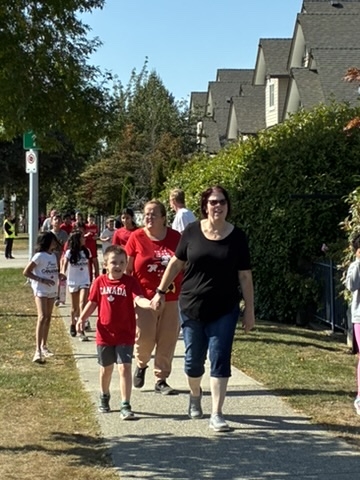
We honour our local hero, Terry Fox, by running through our neighbourhood to raise money for The Terry Fox Foundation.
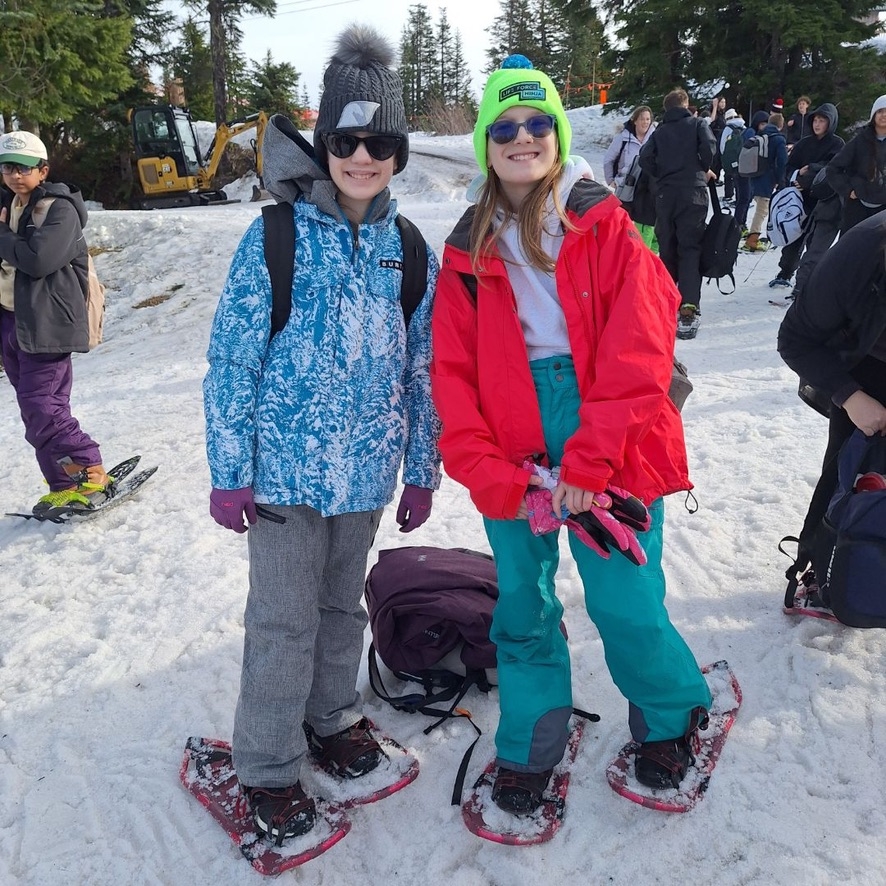
Grade 7 field trips are fun to look forward to, but even more fun to attend.
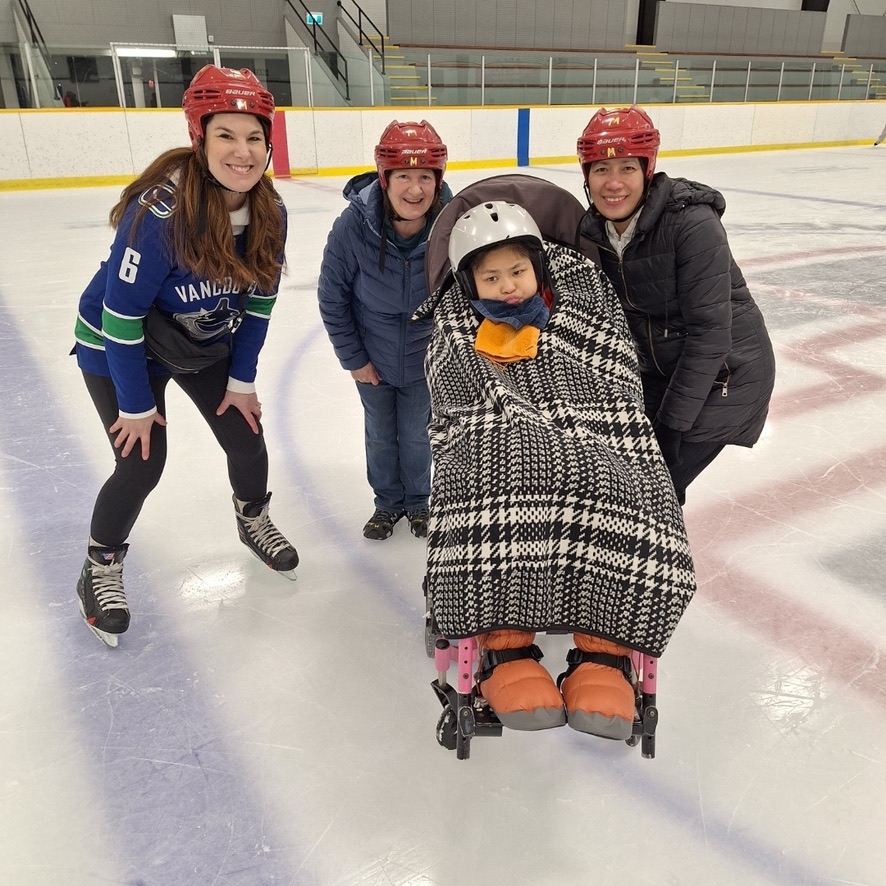
Skating is one of the most accessible and fun field trips which are enjoyed by our staff and students.
Our sports teams excel in every sport, and students demonstrate exceptional sportsmanship as well. Thank you to our staff and parent coaches for volunteering their time and for providing outstanding mentorship for our students.

Our students enjoy sharing their knowledge, stories and cultures with the entire school community during monthly assemblies. 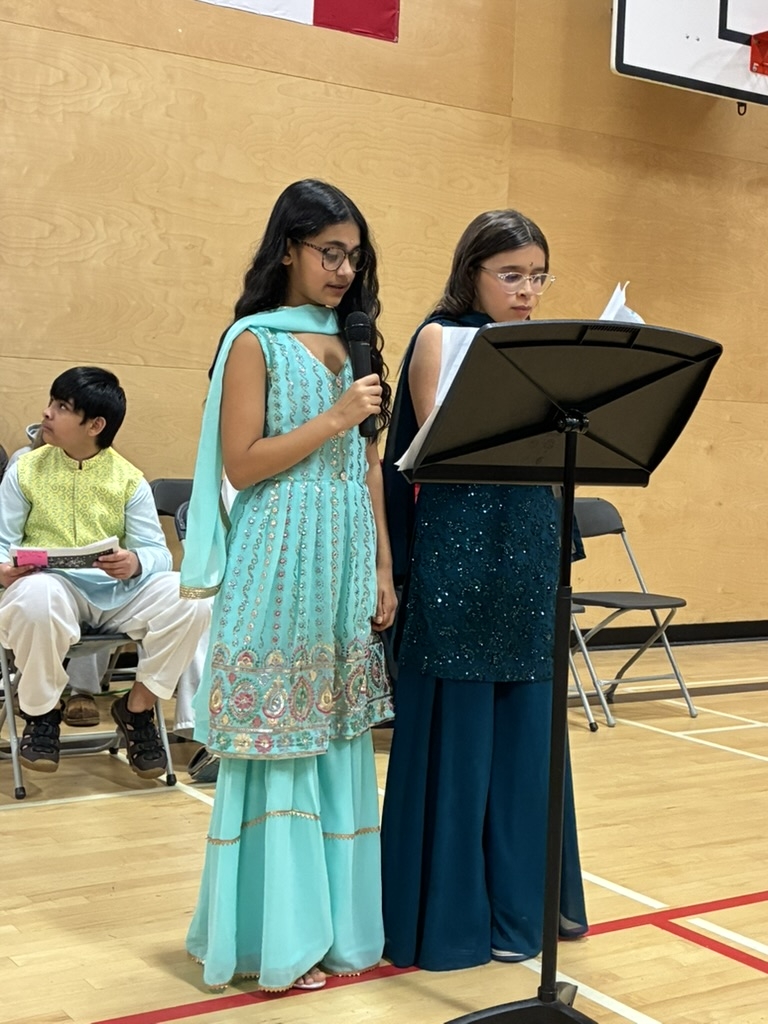
Our staff provide numerous opportunities for our students to share their voices, passions, and expertise with others. Here is one sixth grader who is presenting at the Talent Show. 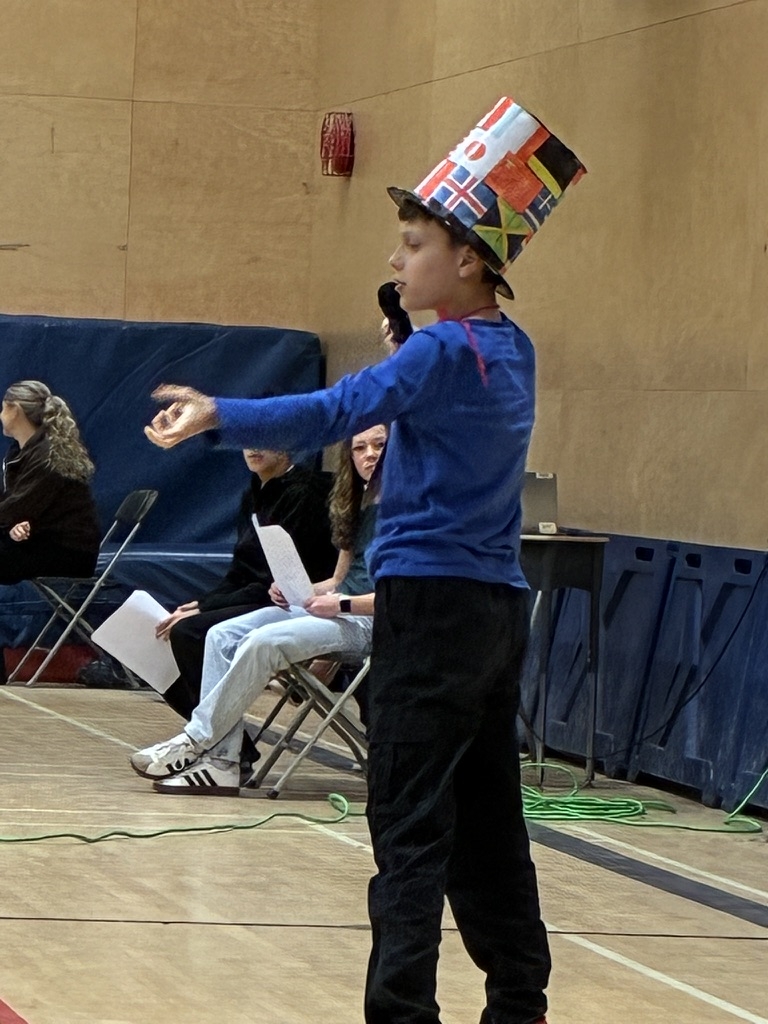
Our students love to engage in construction of any kind. Building with Magnatiles is definitely a preferred activity across the grades. Look at these smiles!

We love to sing together at Adams Road!

We love being special helpers in Kindergarten.

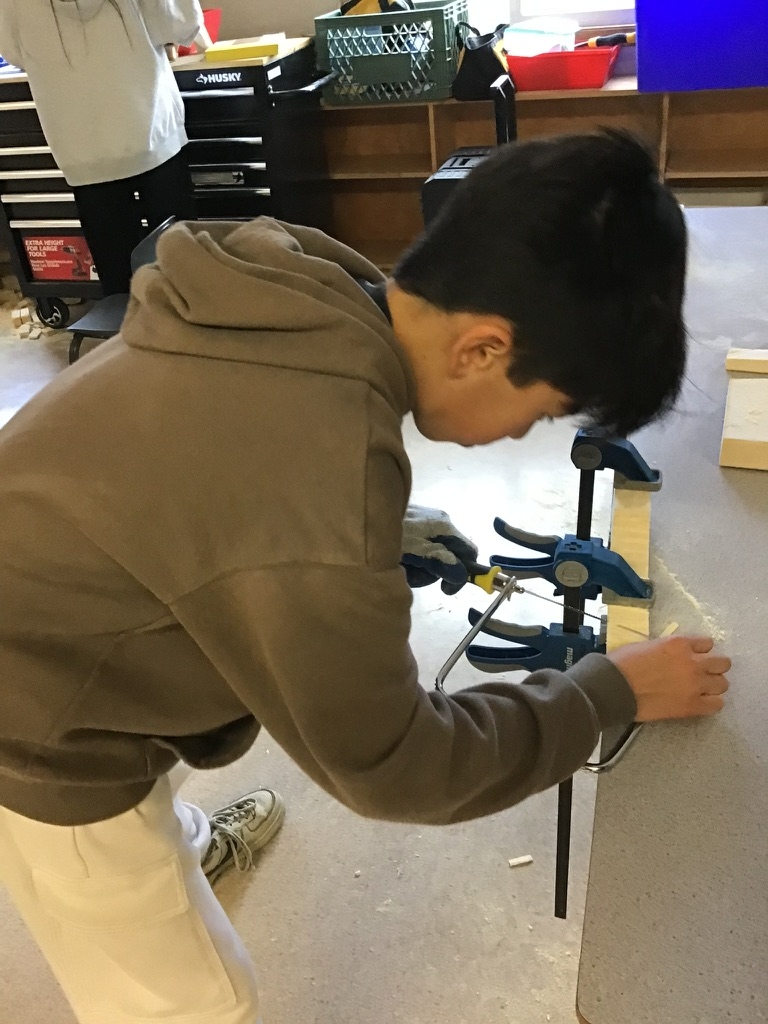
We have an ADST classroom which is perfect for creating cars to use on the gravity track.
 .
.
This is what some of our learners say about why they love Adams Road:
- "I like how some of my teachers have the same interests as me."
- "I like AR because all of the teachers are so kind and thoughtfull."
- "I love Adams Road because it prepares kids for high school, and you can make a lot of friends."
- "I like Adams Road because everyone is welcome and it does not matter if you have been here since grade K or grade four. Does not matter everyone at Adams Road is equal."
- "I like AR because we get taught many important lessons that we are going to need in the future. Following that I also like adams road because every day I come knowing that I am in a safe and fun environment."
- "I love our staff too, they seem to care about us."
- "We went on fun field trips and fun projects. My favourite project was building a lemonade maker which had nails that came down to cut the lemon open."
- "I don't know if I would have this much fun at any other school than this one."
- "I love my teachers and how they all include everyone and teach a lot of good ways. It's also the environment, the playground is really fun and there is a lot of space to play. It's always an honor to step foot into this school and feel good."

OUR LEARNERS
At Adams Road Elementary, our school-wide goal is to improve reading skills for all learners, including decoding, fluency and comprehension. Our assessment results confirm the need for literacy as a continued goal at Adams Road. Along with our data confirming our goal, we believe literacy is the foundation for all learning and a powerful tool for self-expression, connection, and critical thinking. Since Literacy is the cornerstone of academic achievement, career success and lifelong learning, we know it is a goal which needs to be developed each year. The BC English Language Arts curriculum is designed to empower students by providing them with strong communication skills, an understanding and appreciation of language and literature, and the capacity to engage fully as literate and responsible citizens in a digital age. BC ELA Curriculum
Across all grades, students engage in rich, meaningful literacy experiences that build their skills and spark their curiosity. In Kindergarten, learners explore sounds and symbols through playful storytelling and phonemic games. In Grade 3, students dive into inquiry projects, using nonfiction texts to ask big questions and share their discoveries. In Grade 7, our learners can analyze diverse texts, make thoughtful inferences, and express their ideas with clarity and purpose. At every level, Adams Road students are empowered to see themselves as capable, creative, and growing readers and writers.
During the 2025-2026 school year, our staff has continued to dive deeper into reading assessment and instruction. We have been spending some of our Professional Development days, staff meetings, collaboration times, and lunch and learn sessions to learn how to enhance phonemic awareness programs, developing comprehension and fluency skills, and to increase joy in reading. We are bringing in helping teachers and engaging our staff to learn to use various district and provincial assessments with the intent of explicitly teaching reading skills to improve reading decoding and fluency skills from Kindergarten to Grade 7.
OUR FOCUS
To begin on this learning journey, we decided we needed to come together as a team to select assessment tools to use across the grades. Our teaching staff decided to use two different district recommended assessment tools to assess students reading skills from Kindergarten to Grade 7. Taking this step was important because we were looking for consistent information to better understand our learners, and we knew we had to start by collecting data first. Once we gathered data for all grades, we entered students' marks in the various subsets and determined which students were: At or Above Benchmark, Below or Well Below Benchmark. Please see the Student Performance Interpretations below:
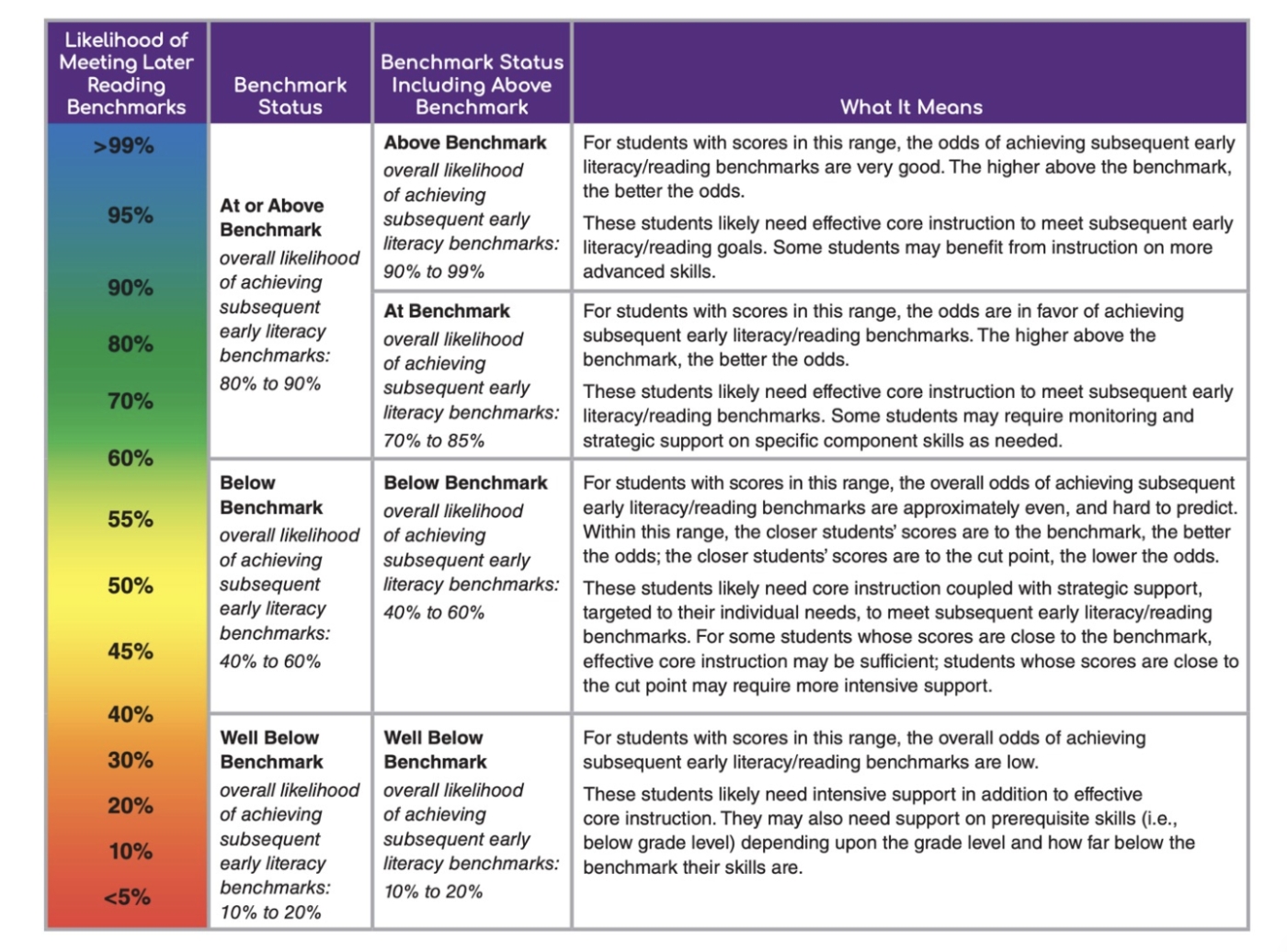
Once we engaged in conversations about literacy assessments, skill development and learning expectations with our staff, we soon came to realize we didn't have the best overall understanding of the progress of our intermediate learners as well as we did for our primary learners. We became curious and started to ask key questions such as: Where are their decoding skills?; How fluently can they read?; How much are they comprehending?; Which instructional strategies and practices can teachers incorporate into their daily lesson plans to improve reading for all learners?
Together, we embarked on a learning journey to find out more about the reading skills of our learners, and based on our beginning of the year reading assessment results, we decided to focus on our Grade 7 cohort. In addition, we identified this cohort as our focus group because it's important to understand how prepared our learners are for their transition to high school. One leading expert, Mark Seidenberg, shared "along with other Science of Reading advocates emphasize that Grade 7 students must have "automatic" word recognition. If a student is still using mental energy to decode words, they lack the cognitive "bandwidth" for the deep comprehension required in high school." Also, "Students who reach Grade 7 with low literacy often experience a decline in motivation and attendance. Experts note that these students frequently develop feelings of "incompetence," leading to disengagement just as academic demands peak." Literacy and Transition to High School
Our school-wide student learning goal for this year is: By the end of June 2026 students in Grade 7 will improve their overall reading skills. The students in the well below benchmark category will receive targeted pull-out intervention by a Learner Support Team Teacher, while all other learners will receive targeted reading instruction with a variety of strategies, scaffolds and adaptations within their classroom settings. Please note: all other grades are also focusing on this goal for their specific grade level, but we narrowed our focus to Grade 7 for this school year.
To improve reading, our seventh graders are:
- applying a variety of reading strategies to comprehend oral and written texts
- thinking critically, creatively and reflectively to explore a variety of texts
- connecting to self, text and the world around us to tap into their prior knowledge as they interpret a variety of texts
- using a variety of reading strategies to understand texts, such as: predicting, questioning, summarizing and making inferences
- developing one's awareness of self as a reader (metacognition)
- strengthening word recognition skills and fluency by reading short, timed excerpts on a daily basis
- engaging in reading short articles with greater fluency
- engaging in targeted intervention opportunities both in the classroom or with a Learner Support Team Teacher
- engaging in key learning in all areas of literacy (reading instruction for fiction and non-fiction texts, writing, and communication)
- learning in a caring classroom community, where risk-taking is encouraged
- using formative feedback from their teachers to improve reading skills

OUR NEXT STEPS
Our Data:
The preliminary data from September 2025 exhibits the percentage of Learners At or Above Grade level and those who are Below or Well Below on each subtest for:
| Reading Comprehension | Vocabulary, Comprehension and Inferencing | Word Count | Accuracy | Comprehension | |
| Learners At or Above Benchmark | 37% | 77% | 43% | 63% | 51% |
| Percentage of Learners Below or Well Below Benchmark | 63% | 23% | 57% | 37% | 49% |
Please see our Grade 7 Foundation Skills Assessment Literacy Data for the 2025-2026 school year below:
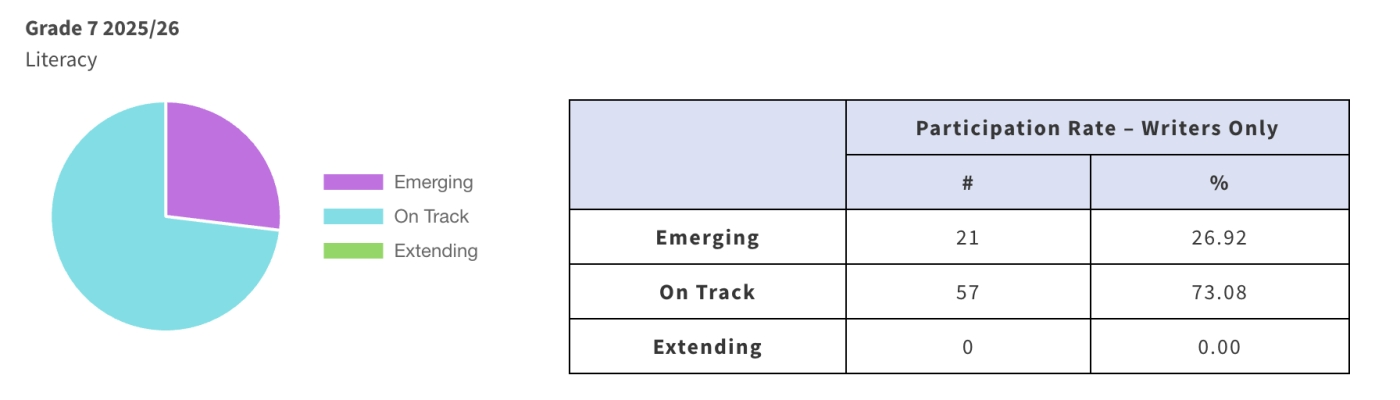
78/86 seventh graders wrote the Foundation Skills Assessment during the 2025-2026 school year. This number represents a completion rate of 90.7%, which is the highest number in many years. The FSA data also confirms our findings, for the need of intervention for 26.92% of students who received an Emerging score on this assessment.
Emerging means: "Students demonstrate an initial understanding of the concepts and competencies relevant to the expected learning."
On Track means: "Students demonstrate a partial to complete understanding of the concepts and competencies relevant to the expected learning."
The post data from March 2026 exhibits the percentage of Learners At or Above Grade level and those who are Below or Well Below on each subtest for:
| Reading Comprehension | Vocabulary, Comprehension and Inferencing | Word Count | Accuracy | Comprehension | |
| Learners At or Above Benchmark | 35% | 53% | 69% | 76% | 59% |
| Percentage of Learners Below or Well Below Benchmark | 65% | 47% | 31% | 24% | 41% |
| Difference between pre and post data | 63-65 = -2% | 23-47 = -24% | 57-31 = +26% | 37-24 = +13% | 49-41 = +8% |
After collecting the learners' preliminary data, the teachers realized they would like to add a new instructional tool or strategy to improve reading results. Having been introduced to a variety of possible instructional resources from colleagues, the teachers began using a reading intervention program which allowed students to increase their reading fluency, word accuracy and word count. Learners were explicitly taught how to use the program, copies were made, and students were encouraged to take them home for extra practice sheets if they wished. After a few weeks, the teachers noticed a remarkable increase in their fluency skills. In fact, one teacher shared their excitement to complete the term 2 assessment to see much their learners have improved. Another change which occurred was all learners received an additional one hour of literacy instruction from their prep teacher. During prep, students learned how to read non-fiction texts with greater fluency, and how to comprehend the text using background knowledge, understanding academic vocabulary by using context clues, and by using other non-fiction comprehension strategies.
Analysis of Data:
Where are we now?
We have a better overall understanding of how our Gr. 7 learners are progressing in their reading development. We will continue to assess learners in September, while engaging in professional learning opportunities focusing on how to improve their reading skills even further.
Did the strategies make a difference?
Our staff are working together to discuss student learning by using data from the assessments, and specific learning resources and strategies to improve student learning. With continued opportunities to provide for such collaboration, we are certain this collaborative inquiry will continue to develop our literacy programs in ways in which we can meet individual student and whole class needs, to improve success for all learners. Our results show positive growth in reading accuracy, word count and comprehension.
What data do we have to support this?
This year our students demonstrated growth in 3/5 areas of the assessment.
1. Accuracy - 26% increase of students At or Above Benchmark
2. Word Count - 13% increase of students At or Above Benchmark
3. Comprehension - 8% increase of students At or Above Benchmark
What is the student progress in relation to the learning goal?
We are very proud of our students effort and the overall growth they have made in reading this year! While our seventh graders showed positive growth in several of their reading skills, we would like to continue to focus on providing students with greater opportunities to improve their literal and inferential reading comprehension. The majority of our learners have excellent conversational skills (Tier 1 words), but now we have identified the need to continue to build their academic vocabulary, which are subject or domain specific words also known as Tier 2 and Tier 3 words. Vocabulary development is necessary for students to comprehend the higher level academic texts which they are reading in the upper intermediate grades. "When students understand the meaning of words, they gain access to deeper comprehension and stronger overall literacy. Vocabulary instruction, however, goes far beyond memorizing definitions; it’s about teaching students how words work. Effective instruction aligned with the science of reading blends decoding, morphology, word-learning strategies, intentional vocabulary teaching, implicit attention to word awareness, and using context to build lasting word knowledge." (Cassandra Novak - September 2025)
Our next steps are to:
1. Broaden our inquiry to include all learners in Grades 4-7 in our cohort.
2. Continue to assess all learners twice per year, but assess students in the well-below category more frequently to monitor their progress more closely.
3. Allow for greater collaboration amongst classroom and non-enrolling teachers to discuss student learning.
4. Continue on our journey of responsiveness to provide rich instruction which targets the specific learning needs of all of our learners in K-Grade 7. (Essential components: Phonemic Awareness, Phonics, Comprehension, Vocabulary and Reading Fluency)
5. Identify and utilize a school-wide approach to building academic vocabulary for all learners.
Surrey Schools
Formed in 1906, the Surrey School District currently has the largest student enrolment in British Columbia and is one of the few growing districts in the province. It is governed by a publicly elected board of seven trustees.
The district serves the cities of Surrey and White Rock and the rural area of Barnston Island.